REVIEW · PHUKET
Phuket Guided Tour to Elephant Sanctuary with Hotel Transfers
Book on Viator →Operated by MY Holiday Centre · Bookable on Viator
Rescue stories meet real forest time. This Phuket tour takes you to an elephant sanctuary where you walk natural trails, prepare simple snacks, and hand-feed rescued elephants with no riding and no shows—just calm, respectful contact in their space.
What I like most is how direct the experience feels: you’re not herded through a performance. You also get a guide-led look at daily care, including how caretakers prepare food and even herbal supplements, plus the chance to feed by hand in a way that’s meant to stay safe for both you and the elephants.
One thing to consider: the visit is about an hour, so it moves quickly. If you want a long, slow hangout with lots of training talk and deep behavior workshops, this short format might feel a bit too brief.
In This Review
- Key points that matter before you go
- Entering the ethical side of Phuket elephants
- Price and value check: why $42.12 can make sense
- How the hotel transfers work (and how not to lose time)
- Patong Hill Tribe Elephant Village: your one-hour walk in the forest
- Hand-feeding and snack prep: the part you’ll remember
- What your guide focuses on: behavior, conservation, and elephant care
- Photos, light refreshments, and how to make the hour count
- Group size and atmosphere: why max 15 feels calmer
- Who this tour is best for (and who should think twice)
- The biggest practical tips before you go
- Should you book this Phuket elephant sanctuary tour?
- FAQ
- How long is the Phuket elephant sanctuary tour?
- What’s included in the ticket price?
- Do I get hotel transfers?
- Is elephant riding part of the experience?
- Can I hand-feed the elephants?
- How large is the group?
- Is the tour suitable for most people?
- Is confirmation provided after booking?
- What if I need to cancel?
- Are there any rules about intoxication?
Key points that matter before you go
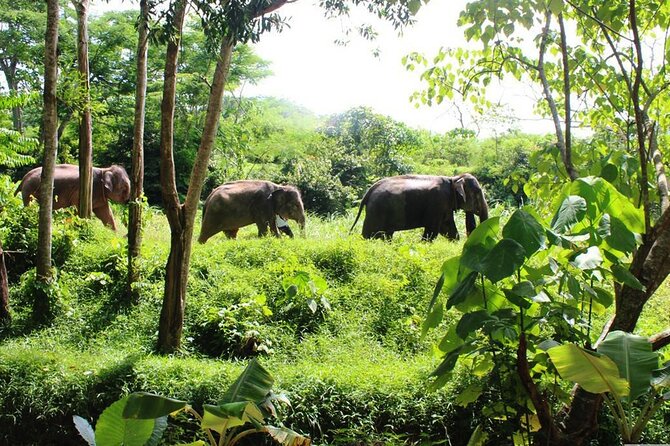
- No riding, no shows: the focus stays on welfare and respectful interaction.
- Small group size (max 15): you’ll generally get more attention and breathing room than with big crowds.
- Hotel pickup + hotel drop-off: easier logistics for Patong-area stays and beyond.
- Hand-feeding and snack prep: you’re not just watching; you’re participating.
- Guide support with conservation context: you’ll learn what the sanctuary is doing and why.
- Photo-friendly downtime: you’ll get time to relax, take pictures, and enjoy light refreshments.
Entering the ethical side of Phuket elephants
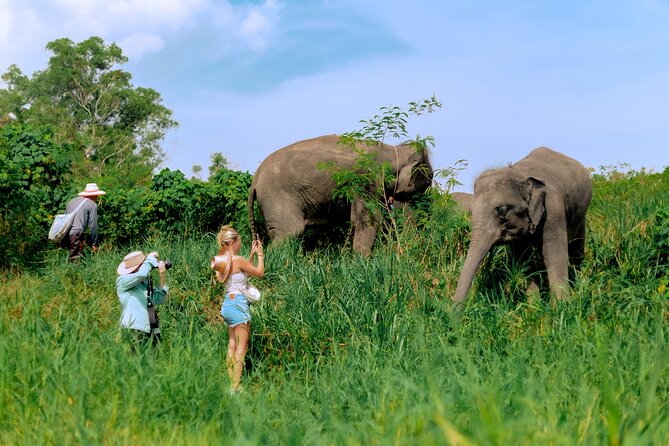
Phuket is packed with animal attractions. This one is built on a simpler promise: rescued elephants live in a forest home, and your role is to observe and connect—without turning them into a ride or a stage act.
That matters more than most people think. When an activity is framed as entertainment, the animal’s needs usually come second. Here, the whole vibe is about welfare: the elephants roam, forage, and interact naturally, while you join at a human pace and follow the guide’s safety rules.
And the best part for your time and money? You get a complete feel for the place in about an hour. It’s not a half-day commitment, and it’s not a rushed grab-and-go either. It’s a focused block that makes it easier to fit into a beach day.
You can also read our reviews of more guided tours in Phuket



Price and value check: why $42.12 can make sense
At $42.12 per person, this isn’t the cheapest thing in Phuket. It’s also not the priciest. The value hinges on two things:
First: what’s included. You get hotel pickup, and an admission ticket is included. You also get a local guide, time in the sanctuary grounds, and participation like snack prep and hand-feeding.
Second: what you’re paying for. You’re paying for an ethical sanctuary-style setup with a small group cap of 15. That smaller size is the difference between feeling like a number and actually getting a meaningful interaction.
If your priority is a hands-on elephant experience that stays closer to conservation and animal welfare than to spectacle, the price starts to look fair. If you mainly want a longer, more in-depth program, you may want to compare options with longer durations—because this one keeps things tight at around 1 hour.
How the hotel transfers work (and how not to lose time)
Hotel transfer is one of the quiet wins here. Pickup is offered, and the experience runs on a set schedule with confirmation received at booking. That means less hunting for meeting points and fewer taxi negotiations.
In real life, that’s what saves your day. You can leave your hotel, step into the car, and show up with your head in vacation mode—not logistics mode.
A quick practical note: if you’re staying in a busy area like Patong, plan for a bit of traffic buffer. Even with pickup, Thailand drive times can swing. The tour is short, so you’ll want to be on time so you don’t feel rushed at the sanctuary entrance.
Patong Hill Tribe Elephant Village: your one-hour walk in the forest
Your visit starts with pickup from your hotel, then you head to the Patong Hill Tribe Elephant Village sanctuary area in Phuket. Once you arrive, a local guide introduces the rescued elephants and shares their background. That storytelling part is important: it helps you understand why the sanctuary exists and why the elephants’ daily life looks the way it does.
Then you move along natural trails. The goal isn’t to keep you busy. It’s to put you where the elephants actually spend time—so you can watch them forage and roam in a forest environment rather than inside a cramped, stage-like space.
This is also where your hour earns its keep. Because the experience is capped at 15 travelers, the guide can keep the group together without constantly stopping and restarting your flow. You’re more likely to see normal elephant behavior in a calm rhythm.
Hand-feeding and snack prep: the part you’ll remember
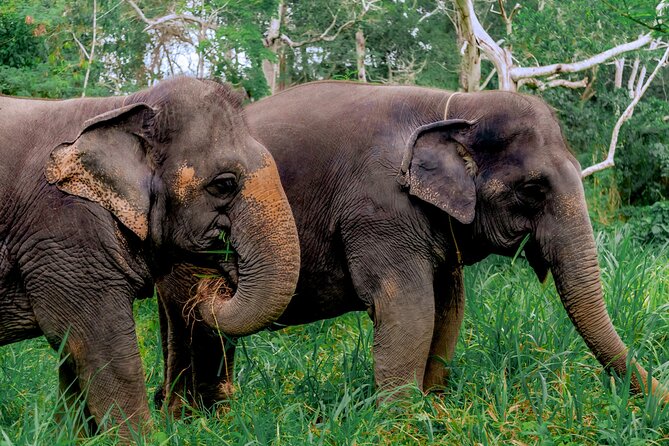
Feeding elephants is the headline feature. Here, it’s framed as safe and respectful, not as a selfie rush. You’ll have a chance to help prepare healthy food and herbal supplements used by caretakers. Then you can hand-feed the elephants.
That snack prep detail is a big deal for your experience quality. It changes you from a passive observer into someone participating in daily care. And it usually makes the whole interaction feel less like a transaction and more like a visit that follows the sanctuary’s routine.
Safety is part of the package, too. The operator reserves the right to refuse service to passengers who are intoxicated. That rule exists for a reason: working around large animals needs clear, steady behavior from everyone.






What your guide focuses on: behavior, conservation, and elephant care
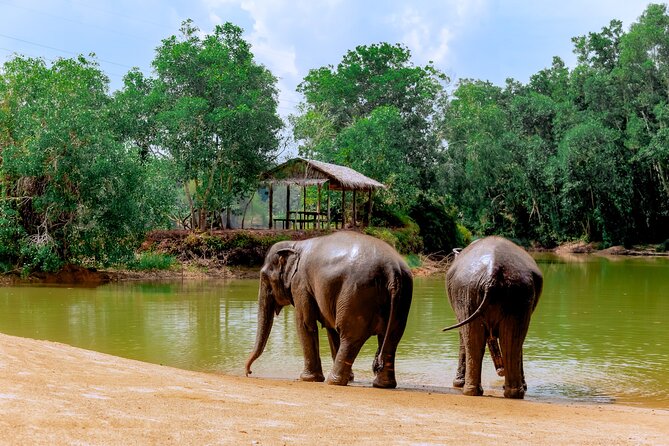
Your guide isn’t only pointing at elephants. You’ll learn about elephant behavior and the conservation challenges elephants face. The guide also explains how caretakers support the elephants’ welfare with daily food preparation and supplements.
From a traveler’s perspective, this is where ethical tours earn trust. If the learning is superficial, you just end up with a feel-good visit and not much understanding. The best elephant encounters help you read what you’re seeing: when elephants are calm, how they interact, and why rescue stories matter.
One small detail I’d pay attention to is the guide names mentioned in feedback—some visitors noted a guide often described as a Thai guide lady, while others mentioned Mr Yu and Dang. Different tours can have different staff, but the recurring theme is that guides put real thought into explaining what you’re seeing.
Photos, light refreshments, and how to make the hour count
You’re going to want pictures. The good news: the experience is designed with photo time in mind, including a relaxation window after the main interaction.
To get better photos, keep your expectations realistic:
- You’ll be walking and moving, not posing in a studio.
- Elephant behavior can be slow and unpredictable—so your best shots come from being ready, not forcing it.
- You’ll likely want wide shots first, then close-ups only when the guide says it’s appropriate.
Light refreshments are part of the wrap-up, and that’s helpful after the walk. It’s also a nice way to keep the experience from feeling like a race. You can take a breath, process what you just saw, and still get out without being drained.
Group size and atmosphere: why max 15 feels calmer
Max 15 travelers is the number I’d anchor on. Big groups can turn sanctuaries into conveyor belts. A smaller cap makes it easier for the guide to:
- manage safety around feeding moments,
- keep the walking route comfortable,
- and give you enough space so the elephants don’t feel crowded.
The result tends to feel intimate and gentle. Several visitors highlighted the experience as peaceful and close-up, and that fits the small-group structure. If you hate feeling rushed or surrounded, this format is a strong match.
Who this tour is best for (and who should think twice)
This is a strong choice if you:
- want a short, meaningful elephant encounter in Phuket,
- care about ethics like no riding and no shows,
- like guided context instead of just a quick animal stop,
- and prefer small groups over big day tours.
You may want to think twice if you’re the type who wants hours of deep training content, or if you’re planning a packed itinerary where one delay could steal time from everything else. The tour is about an hour, so it’s best when you can give it priority during that window.
It’s also wise to bring your patience. Elephants are animals. They do their own timing. The best mindset is to watch, stay calm, and let your guide handle the flow.
The biggest practical tips before you go
Here are the practical things that tend to make the biggest difference for comfort and enjoyment—without overcomplicating it.
- Wear grippy shoes. You’ll walk along natural trails, and you want your footing.
- Plan for animal proximity. Even in an ethical setup, you’re near large animals. Keep your movements smooth and follow instructions.
- Bring sunscreen and water. Light refreshments are included, but you’ll still benefit from basic sun protection.
- Keep your phone ready, not desperate. The elephants won’t pause for perfect framing.
- Be sober during the experience. The operator can refuse service if you show signs of intoxication.
These are boring tips. They work anyway.
Should you book this Phuket elephant sanctuary tour?
If you want an elephant experience that stays aligned with welfare—no riding, no shows, and a small-group visit focused on care and conservation—this is a solid pick. The price feels reasonable when you factor in hotel transfers, admission, and the hands-on time you get for feeding and walking.
I’d book it if you value a calm, guided hour more than a long program. I’d skip it if your ideal day includes extended training-style education or you’re looking for a longer, multi-hour deep immersion.
FAQ
How long is the Phuket elephant sanctuary tour?
The tour is approximately 1 hour.
What’s included in the ticket price?
Admission is included, and the experience includes a guided visit. Hotel pickup is offered, and mobile tickets are used.
Do I get hotel transfers?
Yes, pickup from your hotel is offered.
Is elephant riding part of the experience?
No. The experience is described as having no riding and no shows.
Can I hand-feed the elephants?
Yes, you’ll have a chance to hand-feed the elephants in a safe, respectful way, after learning how caretakers prepare their food.
How large is the group?
The maximum group size is 15 travelers.
Is the tour suitable for most people?
Most travelers can participate.
Is confirmation provided after booking?
Yes. Confirmation is received at the time of booking.
What if I need to cancel?
You can cancel for free up to 24 hours in advance for a full refund.
Are there any rules about intoxication?
The operator reserves the right to refuse service to passengers who are intoxicated or show signs of intoxication, and refunds may not apply if the tour is canceled as a result.