REVIEW · PHUKET
Full-Day Phuket Local Life Culture Tour with Pickup and Lunch
Book on Viator →Operated by Oh-Hoo · Bookable on Viator
Farm, temples, viewpoints, and real Phuket life. This day trip feels different because an Old Phuket Farm visit mixes rubber-sheet and rice-farming stories with hands-on animal moments, and the Phuket Old Town walk takes you past Sino-Portuguese houses, museums, and shrines without rushing. One thing to watch: parts of the route can turn salesy at product stops, and if conditions are rough, access to major sights like Big Buddha can be affected.
I also like the format: a small group capped at 10, picked up for a full day in an air-conditioned vehicle. When the guide is strong (I’ve seen praise for English-speaking leaders like Roi and Alex), the history and everyday details land fast and stay useful, not just recited.
The trade-off is simple: it’s an 8-hour day, with several vehicle transfers and only about an hour at key stops, so you’ll want to be flexible when traffic, weather, or opening hours slow things down.
In This Review
- Key things I’d circle before you go
- A full-day Phuket loop that mixes “local life” with major sights
- Pickup and a 10-person group: how it affects your day
- Old Phuket Farm: rubber sheets, rice work, and a farm lunch
- Phuket Old Town: Sino-Portuguese streets, Thai Hua Museum, and Jui Tui Shrine
- Wat Chalong (Chaithararam): Luang Pho Chaem and Luang Pho Chuang
- Karon Viewpoint and Promthep Cape: why these stops are timed for photos
- Big Buddha Phuket on Nakkerd Hills: the 45-meter photo stop
- Price and value: what $24 buys when lunch and tickets are included
- Who this tour fits best (and who should reconsider)
- Should you book this Phuket Local Life Culture Tour?
- FAQ
- How long is the Phuket Local Life Culture Tour?
- Where does the tour start?
- Is hotel pickup included?
- Is lunch included?
- Are admission tickets included?
- How large is the group?
- What are the main stops during the day?
- What time does the tour begin?
- Is this tour suitable for children?
- What happens if weather is bad or the tour is canceled?
- Can I get a full refund if I cancel?
Key things I’d circle before you go
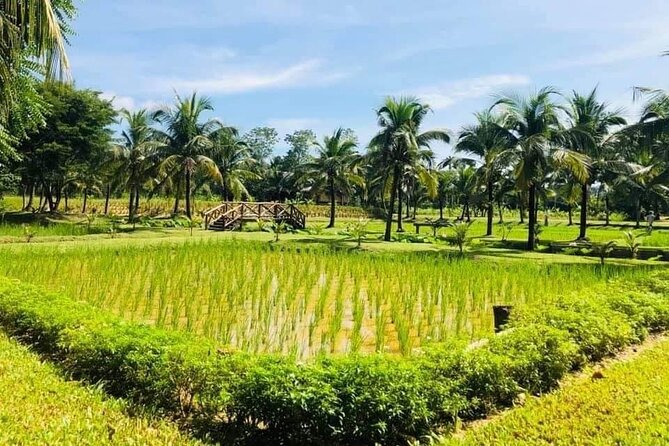
- Old Phuket Farm: rubber sheets, rice-growing basics, and monkeys picking coconuts
- Old Phuket Town focus: century-old Sino-Portuguese streets around Soi Rommanee and Thalang Road
- Wat Chalong context: Luang Pho Chaem and Luang Pho Chuang, plus a temple grounds market
- South-coast viewpoints: Karon Viewpoint and Promthep Cape, including a lighthouse and maritime artifacts
- Big Buddha stop: a huge 45-meter statue on the Nakkerd Hills with long-distance visibility
- Small group energy: max 10 people means easier questions and calmer pacing
A full-day Phuket loop that mixes “local life” with major sights
This tour works best for travelers who want more than beaches and a quick temple photo. You’ll spend time on Phuket’s everyday rhythm: farm work from the past, Chinese-influenced architecture in Old Town, and Buddhist temple traditions anchored in local stories. It’s a good way to get your bearings quickly, especially if it’s your first time on the island.
It’s also structured to reduce wasted time. You cover big distances by vehicle, then slow down at the places that need walking. That balance matters on Phuket, where “getting from A to B” can eat half a day if you’re relying on taxis and your own sense of direction.
You’ll get a mix of experiences: a plantation-style farm visit with a lunch break, a guided wander through Old Phuket Town, temple viewing with cultural background, and viewpoint time that’s designed for photos. The day ends where it starts, so you’re not piecing together your return.
Just remember: this is a packed schedule. If you’re the type who likes to linger, you may feel a little “time-boxed.” If you’re okay with that, you’ll probably come away with a full mental map of Phuket.
A few more Phuket tours and experiences worth a look


Pickup and a 10-person group: how it affects your day
Pickup is part of the deal, and the group size is capped at 10. That combination changes the vibe. With fewer people, your guide can adjust on the fly—where to slow down, which street details to point out, and how to handle questions without everyone staring at the back of your head.
The day runs about 8 hours and starts at 8:30 am from Old Phuket Farm. Since the first stop is already at the starting area, you don’t waste time commuting before the first experience begins. Ending back at the same meeting point also makes the finish feel tidy.
You’ll be transported in an air-conditioned vehicle, which is a real quality-of-life upgrade in Phuket’s heat. Even when you’re only stepping out for an hour, you’ll likely feel the difference when you get back into cool air for the next stretch.
One practical note: the tour requires good weather. That means if it’s canceled due to poor conditions, you’ll be offered another date or a refund. Planning wise, that’s important because several parts of the day rely on clear viewing and normal access.
Old Phuket Farm: rubber sheets, rice work, and a farm lunch
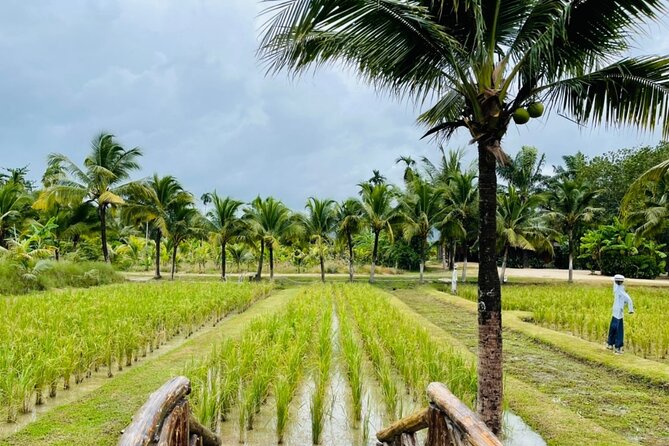
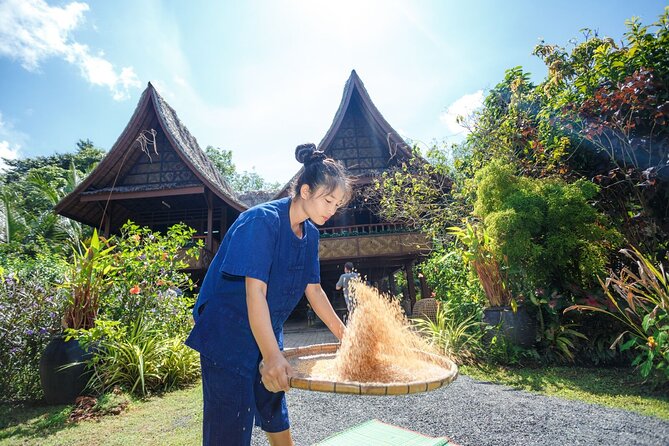
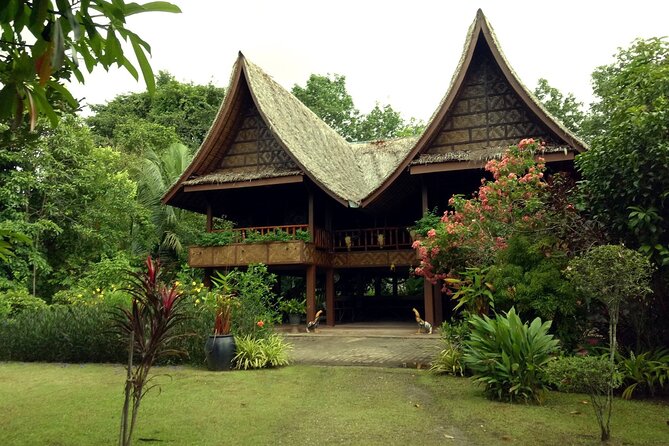
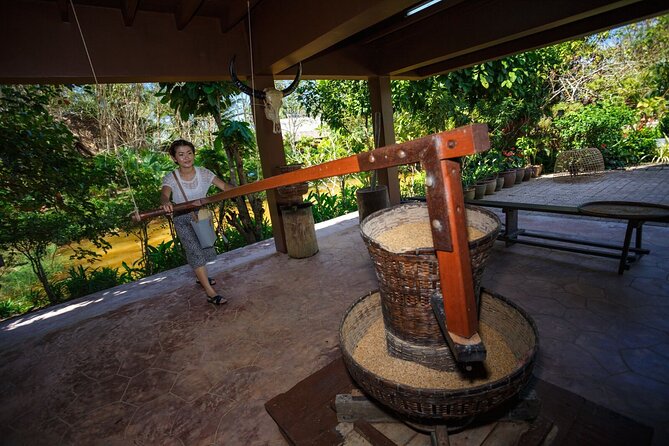
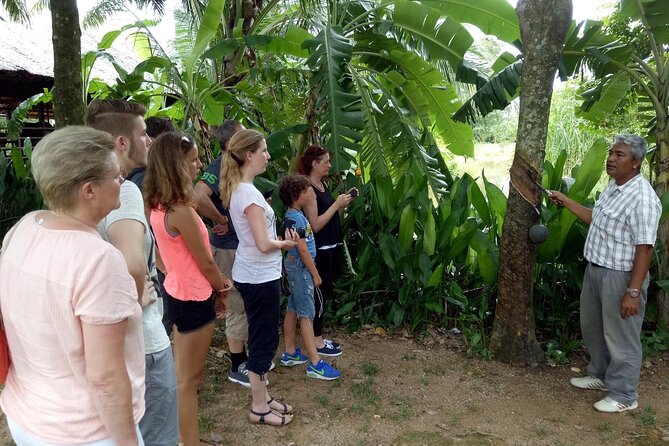
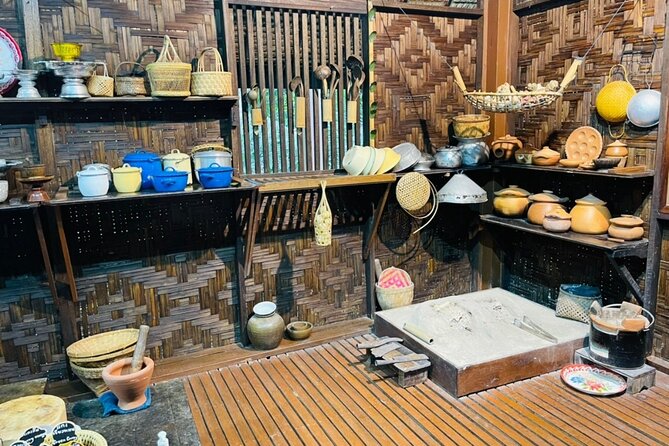
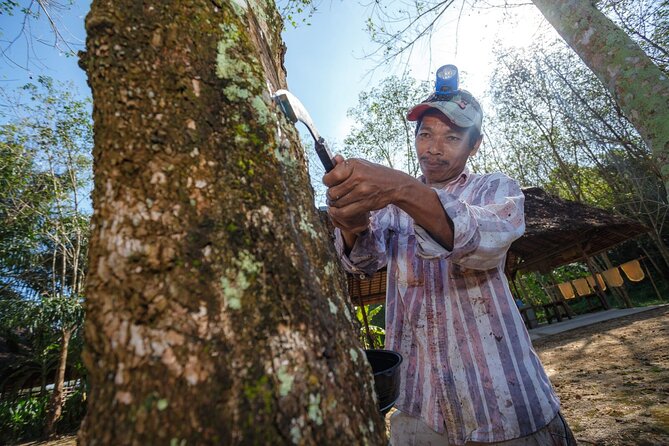
The morning’s centerpiece is Old Phuket Farm, where you get a long stop—about 3 hours. This is where the tour leans hardest into “how people lived,” not just sightseeing. You’re shown rubber sheets from a plantation context, and you’ll also see rice planting and growing work tied to how locals relied on rice as a staple.
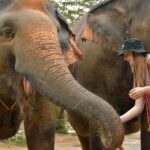
The farm experience also includes animal encounters. You’ll see monkeys picking coconuts, and there’s an opportunity to see farm life up close. If you’re sensitive to animal handling, take a moment to observe how animals are presented; one past guest noted animals appeared kept on short leashes.
What I like about the farm portion is that it gives you everyday vocabulary for Phuket. When you later see temple stories, Old Town architecture, and trade influences, it makes more sense why the island’s culture shaped itself the way it did. You’re not just collecting photos—you’re collecting context.
Lunch is part of the farm experience, and it’s described as enjoyable in past accounts. The food is also a timing win: you’re not searching for a restaurant mid-tour, and you can relax while the rest of the group is still on schedule.
Phuket Old Town: Sino-Portuguese streets, Thai Hua Museum, and Jui Tui Shrine
After the farm, you’ll shift to Old Phuket Town for about an hour. This is a compact walk, so the guide matters. The main payoff is the architecture: you’ll notice brightly painted, century-old Sino-Portuguese townhouses, especially along areas like Soi Rommanee.
Then there’s the street-level experience on Thalang Road. You’ll pass shops selling things like batik fabrics and you may spot artisanal ice cream along the way. If your day lines up with a Sunday, you’ll also encounter a market scene for souvenirs and street food such as fried banana.
Two culture anchors help this stop feel more than a stroll. The Thai Hua Museum focuses on Chinese immigrant culture, and Jui Tui Shrine features colorful statues of Chinese gods. Together, they connect Phuket’s coastal location with the people who shaped it.
In practical terms, Old Town works well in small doses. One hour is enough to get oriented and recognize the style, without turning it into a long shopping errand. If you want to return later on your own, this stop makes it easier to pick a direction.
One drawback to keep in mind: because Old Town is a walk through active streets, it can feel busy with pedestrians and shop activity even if you’re not trying to browse. Wear comfortable shoes and keep your attention on the details the guide highlights.
Wat Chalong (Chaithararam): Luang Pho Chaem and Luang Pho Chuang
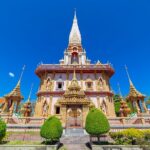
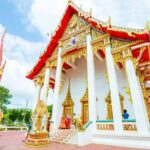
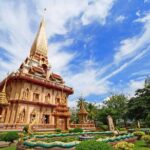
Next up is Wat Chalong, also known as Wat Chaiyathararam. This stop is about an hour and is positioned as one of Phuket’s most important Buddhist temples. You’ll hear the core story behind it: the temple honors Luang Pho Chaem and Luang Pho Chuang, revered monks connected to the 1876 conflict in Chalong Subdistrict, including the use of herbal medicine to help injured people.
This matters because it turns a temple visit into a human story. You understand why these monks are remembered and why the site is taken seriously by local families. Without that framing, temples can feel like they’re just beautiful buildings.
Inside and around Wat Chalong, you’ll also find a market that extends into the grounds. Expect entertainment and signage, including amplified pop music and Thai-fighting advertisements. That contrast is part of the real-world experience: sacred space and everyday commerce exist close together here.
You may also see temple-related selling (trinkets for visitors), and the monks are described as assisting by storing boxes of items in the main prayer hall. If you want to be respectful, keep photos and behavior subdued around prayer areas, and follow any guidance from your guide on what is okay to photograph.
A few more Phuket tours and experiences worth a look





Karon Viewpoint and Promthep Cape: why these stops are timed for photos
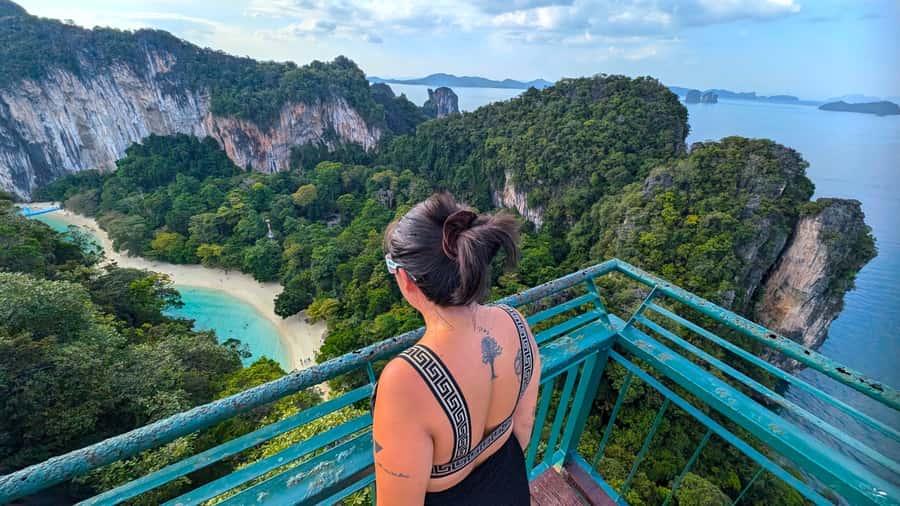
After temples, the route turns toward scenery. Karon Viewpoint comes first for about an hour, positioned on the road between Nai Harn Beach and Kata Noi Beach. Even without a long hike, the viewpoint gives you a sense of how the beaches are arranged and how the coastline curves around the island.
Then comes Promthep Cape, also about an hour. This is one of the most photographed places on Phuket, and you’ll see why: it’s a hilltop viewpoint above Rawai Beach with sweeping sightlines east and southeast. There’s also a lighthouse here with maritime artifacts, which adds a historical angle beyond just sunset photos.
Promthep Cape is strongly associated with evening viewing. The tour timing may or may not line up with the exact moment you personally want—so I’d treat this stop as photo-and-view time rather than expecting it to perfectly match your favorite sunset. If the weather is clear, the views will do their job.
The big value of both viewpoints is orientation. Once you’ve seen Karon Viewpoint and Promthep Cape from above, beaches stop looking like separate dots on a map. They become connected geography. That helps later when you plan your own beach day.
Big Buddha Phuket on Nakkerd Hills: the 45-meter photo stop
The late part of the day includes Big Buddha Phuket, the giant 45-meter statue located on the Nakkerd Hills between Chalong and Kata. It’s visible from far away, including Phuket Town and Karon Beach, which makes it feel like a landmark rather than a random roadside stop.
You’ll get about an hour here, so you’re not looking at an all-day temple marathon. This is enough time to get your bearings, capture a view, and understand why the statue is considered revered.
One consideration: access can be disrupted. On at least one past date, Big Buddha was reported closed due to a landslide. That doesn’t mean it’s always a problem, but it does suggest you should be mentally flexible. If conditions change, your guide will likely adjust the plan so you still get value from the day.
If you’re the type who hates “big tourist monuments,” I’d still suggest keeping an open mind. Even if the site is well known, the scale is hard to ignore, and the broader route gives it context: farm life in the morning, temple traditions in the middle, then an island landmark at the end.
Price and value: what $24 buys when lunch and tickets are included
At around $24 for an 8-hour tour, the value depends on what’s included—and here, the basics are covered. You get pickup, an air-conditioned vehicle for multiple stops, a farm lunch, and admission tickets at each major stop.
For many visitors, the cost feels reasonable because you’d otherwise pay separately for transport, entry fees, and the guide’s time to connect all the points. The small group helps too. You’re not sharing the day with a busload of people, and that can make the cultural parts feel more personal.
Still, there’s a nuance. Some farm and plantation-style experiences can include product demonstrations or factory stops that feel like sales pitches. A past guest described stops like cashew and pearl factories as potential money grabs. That doesn’t mean you won’t learn anything, but it does mean you should go in expecting a “this is how they make/market it” component.
Here’s how to make that work for you: treat those moments as quick learning breaks. Ask the guide what matters culturally or historically, not what’s being sold. If you don’t want to buy anything, you can still absorb the process.
The other value driver is the guide quality. When you’re with an English-speaking guide who explains clearly (names like Roi and Alex show up in past feedback), you leave with a stronger sense of Phuket’s story. When the narration is weaker, you may still enjoy the sights, but you’ll do more of the learning by reading signs or doing quick follow-up searches afterward.
Who this tour fits best (and who should reconsider)
This tour is a strong match if you want a balanced Phuket day: farm + Old Town + temples + viewpoints, all without arranging multiple separate trips. It’s also a good fit for first-timers who want cultural grounding and for travelers who like structure instead of free-form wandering.
It’s especially suitable for people who appreciate history through everyday details. The farm stop, the Sino-Portuguese architecture, and the temple story about Luang Pho Chaem and Luang Pho Chuang link together in a way that feels practical, not just ceremonial.
You might reconsider if you:
- dislike shopping-heavy detours and sales talk, since product-focused stops can happen
- are uncomfortable with animal handling setups at farm sites
- want a long, slow pace at just one or two locations
Overall, it’s designed for most travelers, and it’s a small-group day, so it tends to feel manageable rather than overwhelming.
Should you book this Phuket Local Life Culture Tour?
If you want a single day that adds meaning to Phuket—beyond beaches—this tour is a good value choice. The combination of farm context, Old Town culture stops, Wat Chalong, and two viewpoint areas gives you a well-rounded overview without spending your whole trip in transit.
Book it if you’ll enjoy learning from a guide and you’re okay with a few short, time-boxed moments where the focus can shift toward products. Skip it or soften expectations if you’re highly sensitive to animal presentation, or if you want a very relaxed schedule with lots of free time at each site.
If your priority is “only the most iconic spots with minimal detours,” you may prefer a simpler route. But if your priority is getting a sense of local life and island identity in one day, this one makes a strong case.
FAQ
How long is the Phuket Local Life Culture Tour?
It runs about 8 hours (approx.), starting at 8:30 am and ending back at the meeting point.
Where does the tour start?
The tour starts at Old Phuket Farm, 246 1, Tambon Thep Krasatti, Amphoe Thalang, Chang Wat Phuket 83110, Thailand.
Is hotel pickup included?
Pickup is offered, and the meeting point is near public transportation.
Is lunch included?
Yes. Lunch is included as part of the farm experience.
Are admission tickets included?
Yes. Admission tickets are included for each listed stop.
How large is the group?
The tour limits the group size to a maximum of 10 travelers.
What are the main stops during the day?
You’ll visit Old Phuket Farm, Old Phuket Town, Chaithararam Temple (Wat Chalong), Karon Viewpoint, Promthep Cape, and Big Buddha Phuket.
What time does the tour begin?
The start time is 8:30 am.
Is this tour suitable for children?
There is a child ticket category for ages 4–11 years.
What happens if weather is bad or the tour is canceled?
The tour requires good weather. If it’s canceled due to poor weather, you’ll be offered a different date or a full refund.
Can I get a full refund if I cancel?
Yes. You can cancel up to 24 hours in advance for a full refund. Canceling within 24 hours does not receive a refund.