REVIEW · CHIANG MAI
Half Day Chiang Mai City and Culture tour by Electric Tuk Tuk (Private Tour)
Book on Viator →Operated by AP Good@travel · Bookable on Viator
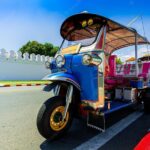
Chiang Mai feels different when you ride it by tuk tuk. This private half-day mixes open-air street time with guided stops at the old walls area, a cultural center, major temples, and the big local market. I especially like the personal pace (you’re not stuck watching from a bus window) and the classic tuk tuk feel—just powered by an electric ride.
The big caution is simple: it’s open-air and city-noisy, so if you’re sensitive to sound, fumes, or crowds near temples and markets, you’ll want to plan for that.
In This Review
- Key points before you book
- Electric tuk tuk vs. a bus: why this tour works
- The route in plain order: gates, culture, stupa, market
- Tha Phae Gate: the old city’s front door (and quick orientation)
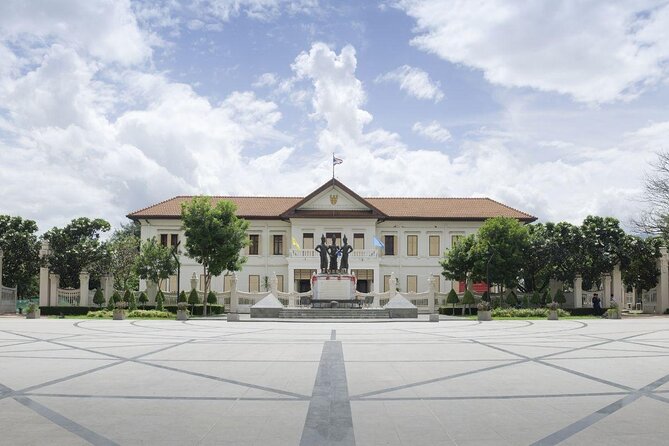
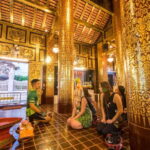
- Chiang Mai City Arts and Cultural Centre: learning without getting stuck
- Wat Chedi Luang: the big stupa and the city pillar
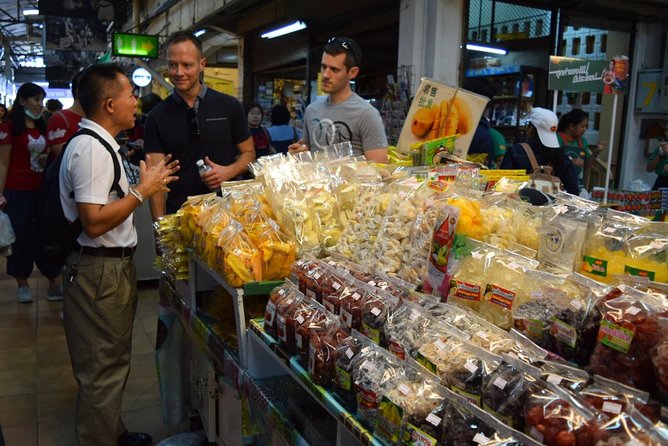
- Warorot Market (Kad Luang): shopping that feels like real life
- Price and value: what $76.50 buys you here
- Pickup, timing, and what being private really changes
- Your guide matters more than you think
- What to wear and bring for temple + market time
- How to get the most out of each stop
- Should you book this Chiang Mai city and culture electric tuk tuk tour?
- FAQ
- How long is the Half Day Chiang Mai City and Culture tour?
- Is hotel pickup included?
- What is included in the price?
- Are temple and market admissions included?
- What should I wear for the temple stop?
- What are the minimum and maximum group sizes?
- Do I need to provide passport details?
- What is the cancellation policy?
Key points before you book
- Private, licensed English guide: a real person steering the day and explaining what you’re seeing
- Electric tuk tuk + classic street feel: comfortable enough to enjoy, quick enough to cover key spots fast
- Designed stops, not random driving: city gate, a culture center, Wat Chedi Luang, and Warorot Market
- Good local-shopping payoff: Warorot Market is built for fresh fruit, spices, herbs, and everyday Thai finds
- Hotel pickup only within the city area: outside the zone may mean you’ll need a meeting point
Electric tuk tuk vs. a bus: why this tour works
A half-day sounds short until you’re sitting in traffic or walking in the heat with no clear order. What I like about this plan is that it’s built around a compact route through central Chiang Mai, using a vehicle that’s small enough to feel close to real street life.
The tour uses an electric tuk tuk, which matters for comfort and practicality—plus it keeps the whole outing feeling like a Thai experience rather than a Western sightseeing loop. The ride is open-air, so you’re not cocooned. You’ll hear vendors, pass temple gates, and get that “I’m actually here” feeling fast.
There’s also a big pacing win with a private guide. Instead of a group schedule that forces you to sprint, your guide can slow down when something catches your eye—like the carvings at a temple or the layout of the market—and speed up when you’re ready to move on. It’s one of those tours where you leave with photos, yes, but also with a better mental map of the city.
You can also read our reviews of more city tours in Chiang Mai

The route in plain order: gates, culture, stupa, market
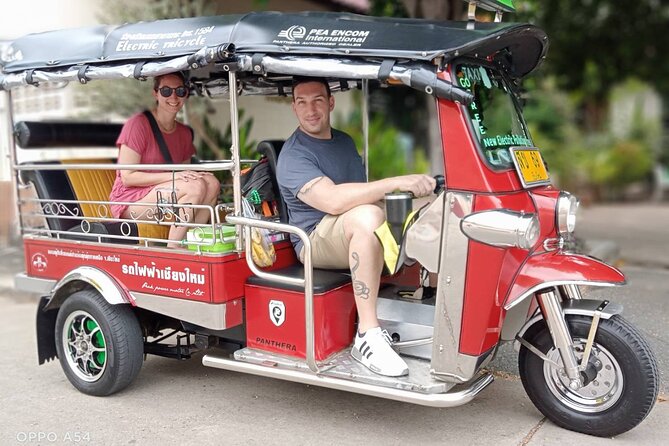
This is structured as a simple sequence that makes sense geographically. You start near Tha Phae Gate, then move to the Chiang Mai City Arts and Cultural Centre, head to Wat Chedi Luang, and finish at Warorot Market (Kad Luang).
The whole thing runs about 3 to 4 hours, with guided time at each stop. That timing is ideal if you’ve got limited energy (temple wear and walking) or limited days in Chiang Mai and you want a “best of the center” hit without turning the day into a marathon.
Here’s what each part is really doing for you:
- Tha Phae Gate is your orientation point: the old walled city idea in a quick, visual hit.
- The cultural center gives context so temple details aren’t just decorative.
- Wat Chedi Luang is the spiritual and historical anchor.
- Warorot Market is the everyday Chiang Mai moment, where you shop and watch normal life happen.
Tha Phae Gate: the old city’s front door (and quick orientation)
Your first stop is Tha Phae Gate, described as the main entrance to the old walled city. The tour is short here—about 10 minutes—but that’s a good thing. This is not a long history lecture. It’s a visual “okay, this is where the city used to hold itself together” moment.
You’ll see the crumbling walls, and that physical texture helps the story click. Even in a modern city, you can still read the past by how the spaces were planned: gate, walls, and the flow of people through them.
This stop is also useful if you’re the kind of traveler who likes to understand layout. Even if you don’t know Chiang Mai’s history yet, standing at a gate that used to define the city gives you something concrete to remember later when you reach the temples.
Chiang Mai City Arts and Cultural Centre: learning without getting stuck
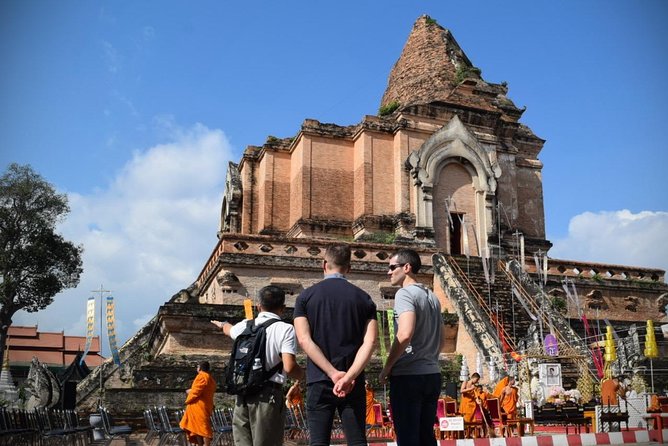
Next is the Chiang Mai City Arts and Cultural Centre for about 1 hour, with admission included. This is where the tour shifts from seeing to understanding.
The center is tied to the city hall’s initiative to make Chiang Mai’s heritage accessible and interactive, which is exactly what you want on a half-day. Instead of trying to guess what you’re looking at during temple visits, you get a base layer of meaning before you reach Wat Chedi Luang.
Practical note: for some people, indoor cultural stops are a welcome break from humidity and sun. For others, they can feel like a pause. If you’re the second type, use the time to ask your guide direct questions—like what to look for in temple design or how local cultural practices show up in daily life.
Wat Chedi Luang: the big stupa and the city pillar
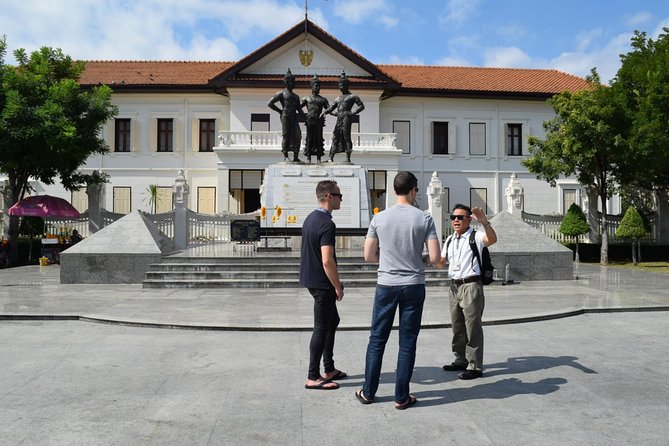
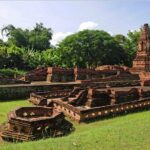
This is the anchor temple stop: Wat Chedi Luang for about 40 minutes, with admission free. The headline is the big stupa, built at the end of the 14th century. If you’ve only visited modern temples, this one helps you picture how older eras shaped Chiang Mai’s spiritual landscape.
But the part that makes the stop feel more specific is what’s also on the grounds: the Lak Mueang, the city pillar of Chiang Mai, named Sao Inthakin.
A city pillar isn’t a tourist-trivia fact. It’s a clue that this place is more than just a pretty building. It links the city to local beliefs and community identity. With a good guide, you’ll understand why a temple like this sits at the center of both worship and the idea of what the city is.
One caution: temples are active spaces, and you’ll often see people praying, meditating, and doing offerings. Dress neatly, keep your movements respectful, and try not to rush. You’ll get more out of the stop when you slow down for the details.
You can also read our reviews of more private tours in Chiang Mai



Warorot Market (Kad Luang): shopping that feels like real life
The final stop is Warorot Market (Kad Luang) for about 40 minutes, with admission included. This is described as the biggest local market in Chiang Mai, where Thai locals do everyday shopping.
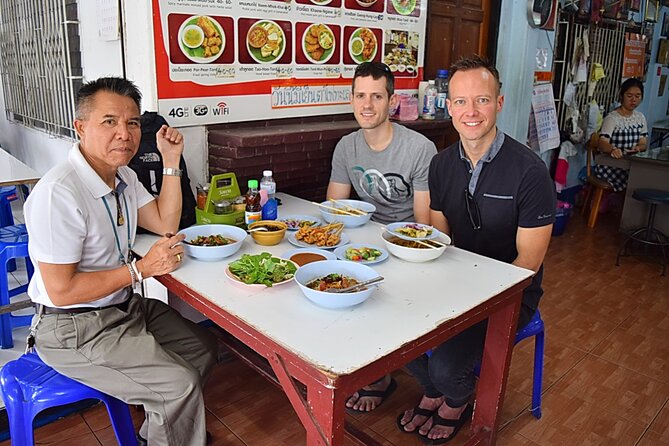
What I like here is that it’s not only a souvenir stop. You can browse lots of goods that feel practical and fresh: clothes, ethnic foods, vegetables, fruits, herbs, and flowers. That mix makes the market feel alive even if you’re not buying much.
If you want value, this is your moment. You’ll be close to edible items, spices, and everyday products that make the trip feel “useful,” not just decorative. Even if you don’t plan a big shopping spree, take 10 minutes to walk slowly with your guide and ask what’s best for gifts or home cooking.
Also, markets can be loud. One of the most memorable notes from past visitors is that the tuk tuk ride can be noisy and sometimes a bit smoky in the city streets—so by the time you’re in the market, expect lots of sensory input. Keep a light game plan: look, taste if appropriate, and buy only what you can carry comfortably.
Price and value: what $76.50 buys you here
At $76.50 per person, this tour sits in the “premium for convenience” category, not the “budget group bus” category. The value comes from the mix of things included:
- Private transport by electric tuk tuk
- A private English-speaking guide with TAT license
- Stops that include admissions where needed (culture center and market)
- Hotel pickup and drop-off within the city area
- Drinking water and travel accident insurance
If you compare it to the cost of piecing together multiple taxis plus a guide, the private setup starts to make sense. You’re paying for less friction: fewer navigation worries, less time wasted between stops, and better context during the temple and culture points.
Who gets the best deal? Usually couples, small groups, or anyone who wants a guided route without the stress of planning. If you’re traveling solo and you can share the minimum (the tour needs at least 2 people), it can still be worth it if you want a guided half-day that doesn’t feel like a scavenger hunt.
Pickup, timing, and what being private really changes
This is a private tour, so only your group rides and your guide stays focused on your pace. The maximum group size is up to 9 people, which keeps it from turning into a mass event.
Pickup is offered inside the city area, but not outside it. That’s important. If your hotel sits outside that pickup zone, you may need to make your own way to a meeting point. Before you lock anything in, double-check whether your location is within the included area.
The tour runs about 3 to 4 hours, which is great for layering with other activities. For example, it can work as a morning starter, giving you orientation before dinner or evening night markets. Or it can serve as a first-day “get bearings” tour when you’re still learning where everything is.
Your guide matters more than you think
Since this is private, the guide’s style affects your whole day. The tour is designed to be a history-and-culture experience, but it still lives or dies on how the guide explains what you’re seeing.
In particular, past experiences highlighted guides such as Noom and Nui for being friendly, proactive, and strong on facts. What that translates to for you is simple: your time at Tha Phae Gate, Wat Chedi Luang, and the market becomes more than photo stops. You’ll pick up meaning—why places are where they are, what specific temple elements represent, and how to read the city at street level.
If you’re someone who asks questions, this tour rewards that habit.
What to wear and bring for temple + market time
The tour’s dress guidance is clear: wear a T-shirt with short sleeves and long trousers for temple time. That’s an easy target and helps you avoid last-minute shopping or awkward outfit changes.
In practical terms, plan for two kinds of discomfort: temple indoor-outdoor transitions and market walking. A good pair of shoes matters. Bring something light for sun, and keep your water handy (you’ll get drinking water from the tour, but having extra never hurts).
Also, remember the tuk tuk is open-air. One past note said it can be loud and a bit smoky on the city streets. So if you’re sensitive, consider lightweight protection like sunglasses or a mask, especially if you’re traveling during heavy traffic times.
How to get the most out of each stop
A half-day tour can feel rushed if you treat it like a checklist. Instead, use each stop for one goal:
- At Tha Phae Gate, focus on layout. Look for what kind of entrance it is and how gates connect to walls.
- At the Arts and Cultural Centre, ask your guide what to pay attention to at the temple—so Wat Chedi Luang becomes easier to read.
- At Wat Chedi Luang, slow down for the stupa area and the city pillar concept. These details are what turn a “big temple” into a remembered one.
- At Warorot Market, decide what you want: food snacks, herbs/spices, or a small clothing or flower purchase. Then buy within your carrying limits.
If your guide is flexible, you can also ask for a smarter route through the market so you spend time where you actually want to browse.
Should you book this Chiang Mai city and culture electric tuk tuk tour?
Book it if you want a guided, compact tour of central Chiang Mai that covers the key anchors: an old-city gate, a culture center for context, a major temple with specific landmarks, and a big market where locals actually shop. The private format plus electric tuk tuk transport is a strong combo when you want efficiency without feeling stuck.
Skip or reconsider if you strongly dislike noise, crowds, or open-air rides. Also double-check whether your hotel falls within the pickup zone inside the city area, since that’s the one logistics detail that can change your experience.
Overall, this is a smart choice for a first visit or a short stay, especially if you care about understanding what you’re seeing, not just taking pictures.
FAQ
How long is the Half Day Chiang Mai City and Culture tour?
It runs about 3 to 4 hours.
Is hotel pickup included?
Pickup and drop-off are included within the city area.
What is included in the price?
Private electric tuk tuk transport, a private English-speaking guide, listed activities, drinking water, bottled water, and travel accident insurance.
Are temple and market admissions included?
Admission is included for the Chiang Mai City Arts and Cultural Centre and Warorot Market. Tha Phae Gate and Wat Chedi Luang are listed as free admission.
What should I wear for the temple stop?
A T-shirt with short sleeves and long trousers is recommended for the temple portion.
What are the minimum and maximum group sizes?
The booking requires a minimum of 2 people and can include up to a maximum of 9 people.
Do I need to provide passport details?
Yes. Passport name, number, expiry, and country are required at booking for all participants.
What is the cancellation policy?
Free cancellation is available up to 24 hours before the experience starts for a full refund.