REVIEW · CHIANG MAI
Full-day with CHIANGMAI ELEPHANT CARE and Sticky waterfall
Book on GetYourGuide →Operated by CHIANGMAI ELEPHANT CARE_ · Bookable on GetYourGuide
You can meet gentle elephants, then climb a waterfall. This full-day Chiang Mai program runs 8am to 5pm and strings together two crowd-pleasers: hands-on elephant care and a sticky waterfall climb. You’ll feed, pat, and observe elephants, then help bathe and brush them in the river, and finally head to the limestone falls for an active break.
I especially liked the chance to get close in a controlled, taught way: you’re shown how to interact, and the camp frames everything as elephant-focused and based on their happy. I also really appreciated the extra learning built into the day, including making herbal supplement “medicine balls.” The main drawback is the physical side: river time and sticky-surface climbing mean you should expect to get wet and do some up-and-down walking.
Pickup runs from 8:00 to 8:30, often from 2–3 nearby hotels, then you’re transported to the Maeteang area. Back in town, you’re typically home around or before 6pm. Add in a shower and a home-cooked lunch, and the day feels full but not rushed in the wrong places.
In This Review
- Key Highlights at a Glance
- How the 8am-to-5pm Route Keeps the Day Moving
- Elephant Care Camp: Feeding, Patting, and Watching Them Like a Pro
- The Herbal Medicine Ball Lesson: Hands-On Care You Can Understand
- River Bathing and Brushing: Wet Work, Calm Instruction
- Lunch and the Short Reset Before Sticky Waterfall
- Sticky Waterfall Climbing: Limestone Terrain and a Fun Challenge
- The Role of the English Guide (Including Todd) in How Smooth the Day Feels
- Price and Value: What $62 Covers (and Why It Adds Up)
- Who Should Book This Elephant + Sticky Waterfall Day
- Should You Book Chiangmai Elephant Care and Sticky Waterfall?
- FAQ
- What time does the tour start and end?
- Where do you go after pickup?
- How long is the elephant interaction time?
- Do you make the herbal medicine balls during the tour?
- Is lunch included?
- Are tickets and transportation included?
- Is there insurance included?
Key Highlights at a Glance
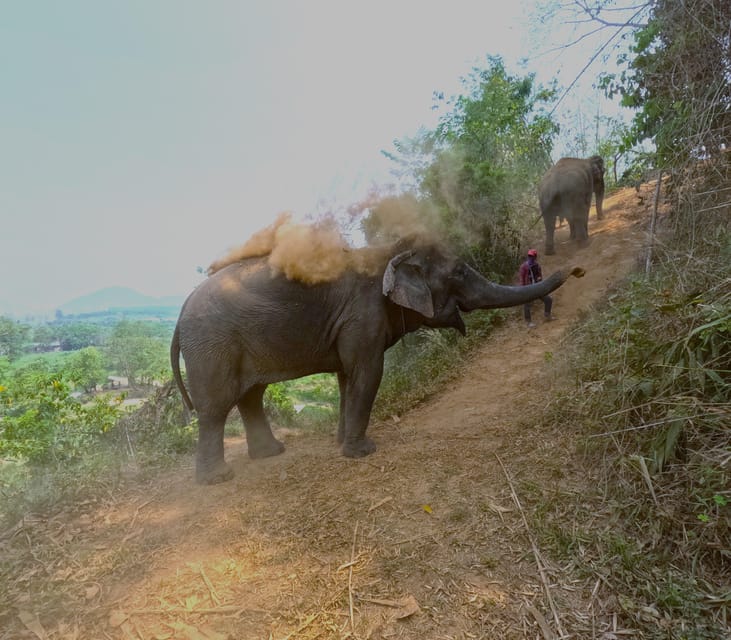
- 2-hour elephant interaction with feeding, touching/patting, and behavior observation
- Herbal medicine ball making as part of the care lesson
- River bathing and brushing as a hands-on elephant cleaning moment
- English-speaking guide who keeps the day understandable and fun
- Sticky waterfall climbing on the limestone terrain after lunch
How the 8am-to-5pm Route Keeps the Day Moving
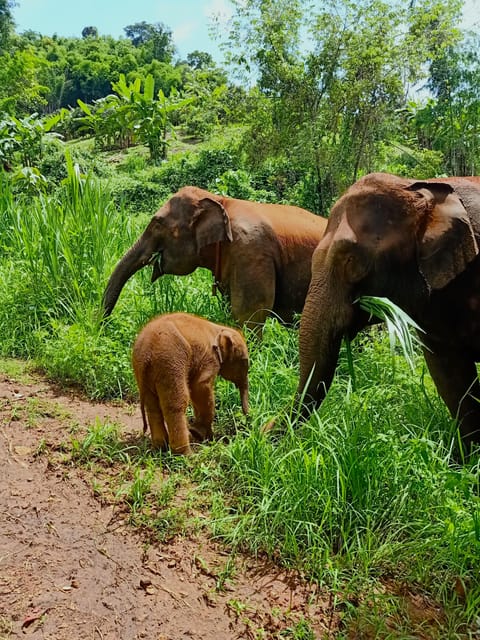
This is a true full-day outing, built like a relay race: travel, elephant care, lunch + refresh, then the waterfall.
Your day starts with hotel pickup at 8:00–8:30. It can be 2–3 hotels in the same loop if you join with others. After pickup, you drive for about 1 hour 10 minutes to the Maeteang area. That stretch matters because it sets the rhythm—when you arrive, you’re ready for the hands-on part rather than still half-asleep.
At the camp, you’ll change into provided uniforms. Then comes the briefing. This isn’t just a quick “here’s where to stand.” The program leads you through what you’ll do with the elephants and how to do it in a way that supports them—because the activities are explicitly described as being based on their happy. After that, you get the core 2-hour elephant interaction time, followed by elephant bathing in the river.
Then you get a breather: around 30 minutes for showering, changing clothes, and a home-cooked lunch with fruits and drinking water. After lunch, you drive about 45 minutes to the sticky waterfall. The day ends with about 1 hour 30 minutes back to the city, usually around or before 6pm.
If you want a tight, low-effort schedule, this one isn’t it. If you want a day that actually fills your memory bank, this works.
A few more Chiang Mai tours and experiences worth a look


Elephant Care Camp: Feeding, Patting, and Watching Them Like a Pro
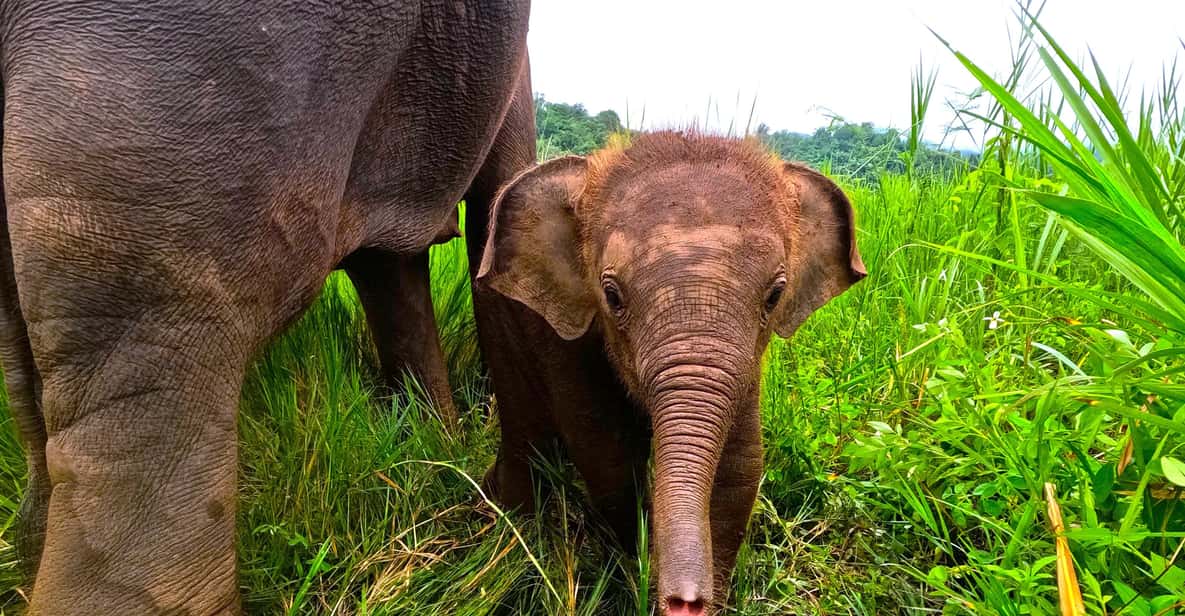
The elephant portion is the heart of the day, and the camp’s approach is structured to make your interaction feel guided instead of random.
When you arrive, you’ll start with an introduction and briefing. You’re then in the elephant area for about 2 hours of interaction. During this block, the program focuses on:
- feeding the elephants closely
- touching and patting them
- observing behavior (not just posing for photos)
That last part is important. If you only feed and snap pictures, you miss the point of elephant care. When someone explains what you’re seeing—how they act when calm, how they respond during routine moments—the whole experience becomes more meaningful. You’re not just watching animals. You’re learning how they “read” the moment.
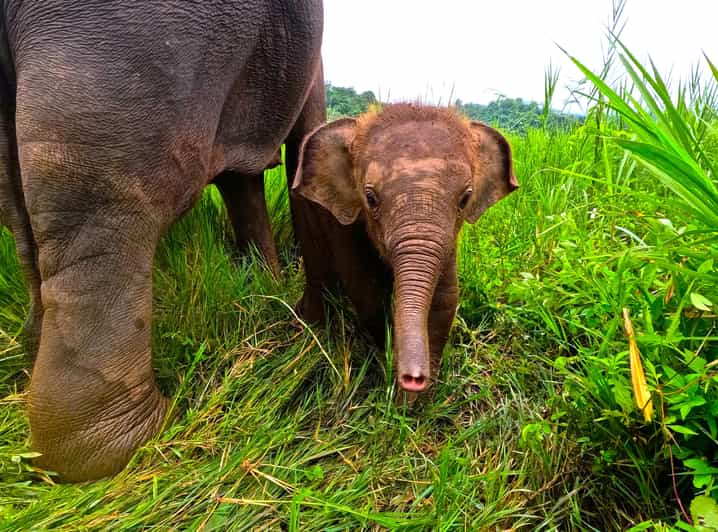
I also liked that the day includes time for walking with the elephants and photo opportunities, so the experience doesn’t feel like a classroom. It’s more like a lesson where your hands and eyes get involved. And yes, the contact is close enough that it can feel personal—one of the best compliments from past participants was being able to feed a specific elephant (including one named Lucky).
One thing to consider: this is an interaction experience, not a distant viewing platform. If you prefer to keep your distance, you might find the close-contact feeding and patting style less comfortable than you expected.
The Herbal Medicine Ball Lesson: Hands-On Care You Can Understand
This tour includes a part that’s both practical and oddly memorable: you make herbal supplement medicine balls as part of the care routine.
Why it works: it turns elephant care from an abstract idea into something tangible. You’re not just told that elephants need support; you participate in a preparation step meant to contribute to health. And because the program is education-forward, you’re given context about what you’re doing while you do it.
In plain terms, it’s a “hands doing, brain learning” moment:
- you shape or assemble the supplement into a ball format
- you learn the purpose as part of daily care
- then you connect that work back to what happens during interaction time
The payoff is that you leave with a story you can explain. It’s easy to remember a normal feeding photo. It’s easier to remember a day when you participated in a care process and also understood the reason behind it.
River Bathing and Brushing: Wet Work, Calm Instruction
After the main interaction, the day shifts into elephant cleaning mode with river bathing.
The program describes elephant bathing as an active experience: you’ll bathe and brush the elephants in the river. This is one of those moments that makes the tour feel different from standard “elephant shows,” because it’s tied to care and hygiene rather than performance.
What you should expect:
- you’ll be in and around water
- you’ll follow the guide’s instruction during brushing and bathing
- you’ll likely feel more involved than you planned on
Also, plan for the aftermath. The tour builds in 30 minutes for you to take a shower, change clothes, and reset before lunch. That’s thoughtful. It means you’re not stuck smelling like river water all the way to the next stop.
If you’re sensitive to wet clothing or water-contact activities, this is the part to think about. But if you’re okay getting damp and you like hands-on moments, this is one of the most engaging sections of the whole day.
Lunch and the Short Reset Before Sticky Waterfall
Right after the river work, you get the kind of break that makes long days survivable: showering, changing, and a proper meal.
Lunch is described as home-made, plus fruits and drinking water. That matters more than it sounds. After close-contact feeding, river bathing, and walking, you’ll appreciate real food rather than a grab-and-go snack.
Then comes the next drive: about 45 minutes to the sticky waterfall. This stop gives you a new vibe—less hands-on with animals, more movement in nature.
It’s also the emotional reset. Elephant time can be intense in a quiet way. The waterfall gives you space to be active again without the close-contact responsibility.
One small consideration: the day is still a full day. If you get tired easily, you’ll want to take lunch as your “downshift” moment instead of trying to rush straight into the waterfall.





Sticky Waterfall Climbing: Limestone Terrain and a Fun Challenge
Sticky waterfall is the second major “wow” moment, and it’s not just about looking. You climb up and down along the sticky waterfall.
The tour describes it as a unique limestone waterfall experience. That alone hints at what you’ll be dealing with: stone surfaces that can be slick or tacky depending on conditions. The key is that this isn’t a sit-and-stare viewpoint. You’re moving.
What I’d plan for mentally:
- you’ll walk on wet, textured rock
- you’ll be balancing while enjoying the climb
- you’ll want comfortable grip on your feet
The upside is that it breaks up the day. You go from calm animal interaction to a more athletic “let’s go” outing. And if you’re the type who likes earning your photos (instead of just capturing them), this part delivers.
It’s also a good final chapter. By then, you’ve already done something educational and hands-on. The waterfall lets you play a bit—while still being outdoors and active.
The Role of the English Guide (Including Todd) in How Smooth the Day Feels
This tour runs with an English-speaking guide, and the guide can make a surprisingly big difference. The day involves switching between environments—hotel pickup, camp briefing, elephant interaction, river bathing, shower/lunch, then waterfall climbing—so someone who explains clearly helps everything flow.
A standout example from past experiences is a guide named Todd. He’s been described as funny, friendly, and very good at English, with explanations that helped people understand what they were seeing. That kind of guidance matters because elephant care and interaction can feel unfamiliar unless someone puts it into words.
Todd’s impact also seemed to go beyond camp talk. One account noted that he added a local market stop on the way, using the drive time to share specialties. Even if your itinerary doesn’t include that exact stop every time, the general pattern is the same: your guide turns transit and transition time into part of the story, not dead hours.
If you’re considering this tour and you want a guide to carry the “make it understandable” job, the English-led format is a strong plus.
Price and Value: What $62 Covers (and Why It Adds Up)
At $62 per person, this isn’t a budget-only excursion, but it’s also not priced like a private charter. What makes it feel like good value is what’s bundled together.
Included:
- tickets for Chiangmai elephant care and sticky waterfall
- an English-speaking tour guide
- elephant foods
- uniform for elephant activities
- day tour insurance
- home-made lunch + fruits + drinking water
- round-trip transportation
When you add up the realities—admission tickets, transport, meals, and guide—this package pricing starts to make sense. You’re paying for a whole-day structure with logistics solved. And you’re not just buying access to a place; you’re buying the time-blocked flow that gets you from elephant care to waterfall with minimal hassle.
The best value signal is how the day is arranged: elephant interaction is the “main course,” the herbal medicine ball lesson adds meaning, and the waterfall gives you an energetic second anchor. Lunch and shower time keep you comfortable enough to enjoy both.
Not included is simply personal needs. That’s standard, but it means you should still budget for small extras like snacks or anything you need for your comfort.
Who Should Book This Elephant + Sticky Waterfall Day
This program fits you best if you want:
- a full-day, high-action outing rather than a short half-day
- real elephant interaction that includes feeding, touching/patting, and behavior observation
- hands-on learning like making herbal medicine balls
- a second stop that’s physical fun, not just viewing
You’ll also like it if you appreciate a guide who can explain what you’re seeing and keep the day moving in a friendly way. The English-speaking component helps a lot if you want to learn while you’re doing.
Who might skip it:
- If you don’t want to get wet (river bathing) or walk on uneven, sticky terrain (waterfall climbing)
- If close contact with animals would stress you out
- If you want a quiet, low-interaction “watch from afar” experience
Should You Book Chiangmai Elephant Care and Sticky Waterfall?
Yes, if you’re ready for a day that blends elephant care learning with active outdoor fun. The elephant section gives you more than a photo opportunity: you’ll feed, interact closely, make a herbal supplement ball, and join in river bathing with brushing. Then you finish with sticky waterfall climbing, which makes the day feel earned and lively.
I’d pass if you’re hoping for an easy, mostly dry, sit-down sightseeing day. This one asks you to participate—water and all.
If you want a single, memorable first-time Chiang Mai day that actually hits two iconic experiences, this is a solid choice.
FAQ
What time does the tour start and end?
Pickup happens between 8:00 and 8:30, and you return to your hotel around or before 18:00.
Where do you go after pickup?
You drive about 1 hour 10 minutes to the Maeteang area to reach the elephant care camp, then about 45 minutes to the sticky waterfall.
How long is the elephant interaction time?
You get about 2 hours for elephant interaction, which includes feeding, touching/patting, and observing behavior.
Do you make the herbal medicine balls during the tour?
Yes. Part of the elephant care activities includes making herbal supplement medicine balls.
Is lunch included?
Yes. Lunch is home-cooked, and it includes fruits and drinking water. There’s also time for a shower and changing clothes before lunch.
Are tickets and transportation included?
Yes. The price includes tickets for Chiangmai elephant care and sticky waterfall, plus round-trip transportation and an English-speaking guide.
Is there insurance included?
Yes. Day tour insurance is included as part of the package.