REVIEW · CHIANG RAI
From Chiangrai: Slow Baot to Loas (Luangprabang) 2-Day Tour
Book on GetYourGuide →Operated by SoGood Travel · Bookable on GetYourGuide
Two days, one slow river, big views. This trip combines an early pickup from Chiang Rai, a guided border crossing, and Mekong River boat time to Luang Prabang, with an overnight stop in Pakbeng. You handle the essentials fast, then let the river do the entertaining.
I especially like the local Laos guide support for documents and customs. I also like the chance to get settled on a public slow boat early enough to avoid the worst seating, which matters on rides that can feel long.
The main drawback: it’s a public boat, so high-season crowding is possible, and the back of the boat near the engine can be noisy. If you want quiet luxury comfort, this is not that kind of trip.
In This Review
- Key highlights worth planning for
- Why this slow-boat route is such good value
- Day 1: Chiang Rai pickup, Chiang Khong, and the border rhythm
- The public slow boat: how to get the best seat (and survive the ride)
- The snack and timing advantage on Day 1
- Pakbeng overnight: what to plan and what to expect
- Day 2: Pakbeng to Luang Prabang and the arrival reality
- Border paperwork and the USD bill rule you can’t ignore
- Price and logistics: does $73 really make sense?
- What to pack for a 2-day Mekong boat trip
- Who should book this slow boat—and who should skip it
- Should you book the Chiang Rai to Luang Prabang 2-day slow boat?
- FAQ
- What time is pickup from Chiang Rai?
- Do I need a Laos visa for this trip?
- How strict is Laos immigration about USD bills?
- What meals are included on the boat days?
- Where do I sleep overnight?
- Is the slow boat private or public?
- How do I get into Luang Prabang when the boat arrives?
- Is the tour wheelchair accessible, and is it suitable for back problems?
Key highlights worth planning for
- Early pickup timing from Chiang Rai (around 05:00–05:30) so you can catch the slow boat without rushing.
- Chiang Khong crossing with help getting through the border steps toward Laos.
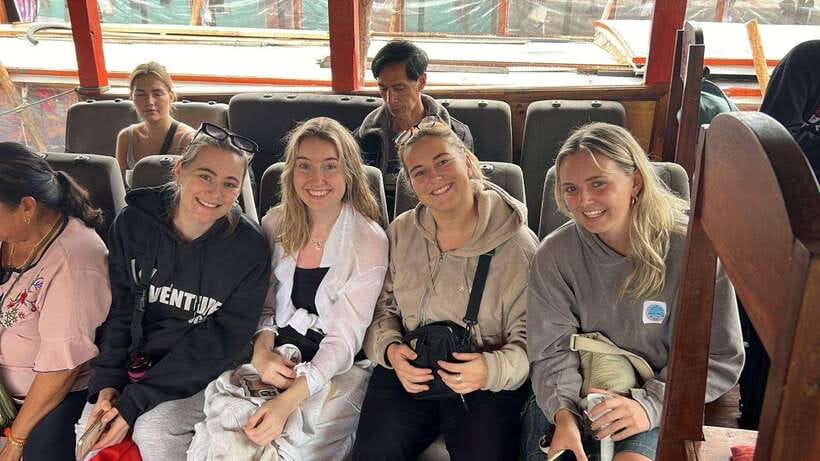
- Public slow-boat seating varies and the earlier you sit, the better your odds of a decent spot.
- Day 1 includes basics: free breakfast plus a big sandwich and a bottle of water.
- USD bill condition can decide your day at immigration, so bring pristine cash.
- Arrival transport in Luang Prabang is tuktuk-based and you should expect quick pricing talks.
Why this slow-boat route is such good value
At around $73 per person for two days, you’re paying for the part that usually eats time and energy: getting from Chiang Rai to the boat pier, sorting the border paperwork with local help, then reaching Luang Prabang with a simple plan. You’re also buying yourself a very specific kind of travel day—slow enough to notice details, not so slow that you’re stuck doing nothing.
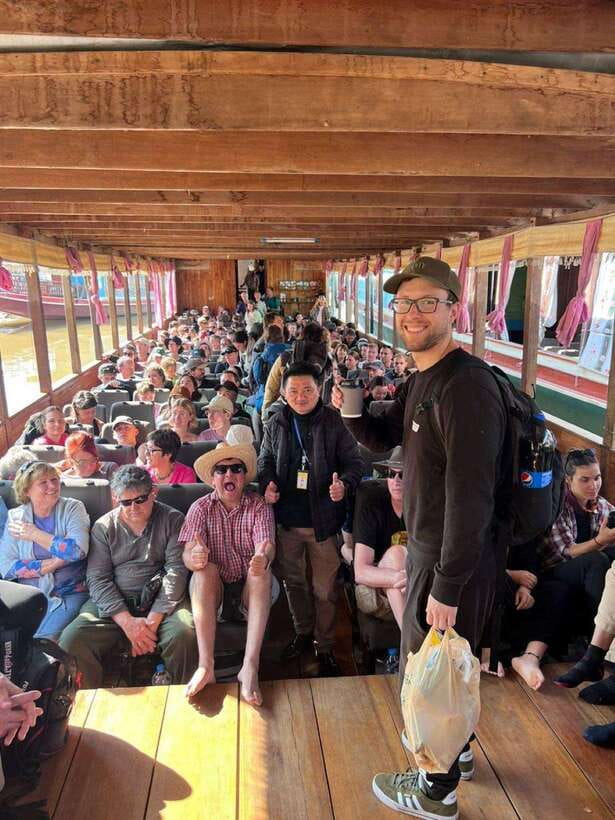
This is a great route if you want Laos without the stress of organizing every piece. The slow pace also means the day doesn’t feel like one long sprint. You get real river time, plus an overnight reset in Pakbeng, which breaks up the journey in a way flights and some “fast transfer” options can’t.
Just keep expectations honest. This is river travel on a public boat. Think practical and scenic, not cushy and quiet.
A few more Chiang Rai tours and experiences worth a look



Day 1: Chiang Rai pickup, Chiang Khong, and the border rhythm

Your day starts early, with pickup from your Chiang Rai hotel area around 05:00–05:30. You’ll head toward Chiang Khong, cross using the Friendship Bridge, and then get on the slow boat bound for Pakbeng. The van transfer is listed at about two hours, but the real timing feels tied to border flow.
What makes this day work is the document help. You won’t be doing everything alone at immigration. There’s an English-speaking guide plus local Laos staff who help with paperwork steps, and you’ll also take the bus crossing to Laos immigration as part of the package flow.
If you’re the kind of person who hates uncertainty, this is where the trip earns its price. Border procedures can be fast or annoying depending on the day, and having someone guide the process helps you get your bearings fast—especially when you’re tired from the early start.
One more practical thing: make sure your documents are ready before you go. The organizer asks for a photo of your passport name page during booking (sent on WhatsApp).
The public slow boat: how to get the best seat (and survive the ride)
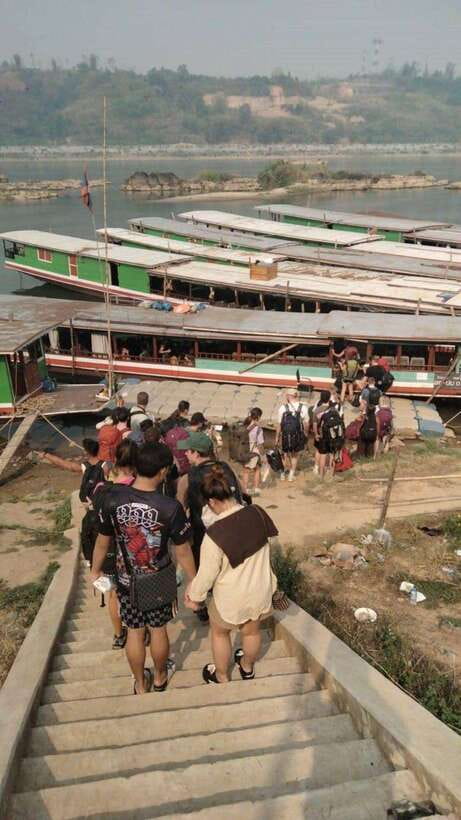
The slow boat portion is the main event. One boat segment is described as about 14 hours of river time, and even if your exact schedule varies a bit by day, you should plan for a long stretch on the water.
Seats are the biggest variable. Since it’s public boat service, some days can be crowded, especially in high season. The staff will try to provide a good seat, but you still control a lot with timing: getting there early on both days matters. One rider put it bluntly—sit earlier and you’re more likely to avoid the worst options.
Sound is another factor people don’t always plan for. The back of the boat near the engine can be noisy. If you’re sensitive to sound, aim for seating further forward when you can.
Onboard comfort is basic, but not miserable. Bring comfy clothes and plan for sun and breeze. Also bring your own small stash—snacks, water, and something to pass time. A good tip from a passenger: bring loo roll. It’s one of those items you assume will exist until it doesn’t.
The snack and timing advantage on Day 1
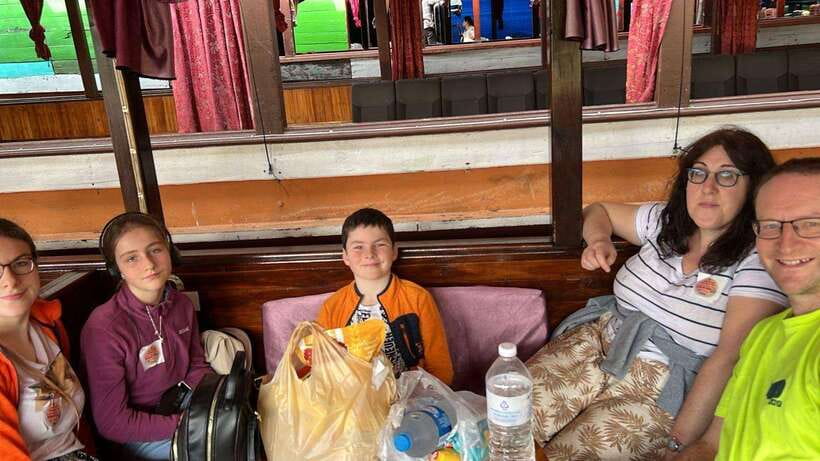
Day 1 has a small but helpful food setup: you get free breakfast, plus a big sandwich and a bottle of water before you fully settle into the long river ride. Meals aren’t otherwise included, but this starter package reduces the “what do we eat first?” stress right after an early pickup.
That said, you won’t be completely stuck without options. There are drinks, beer, snacks, and noodles available on the boat, so you can top up if you run out. I still recommend bringing at least a couple of backups, especially if you’re picky about meals or you’re traveling with dietary needs (since what’s available can vary).
Pakbeng overnight: what to plan and what to expect
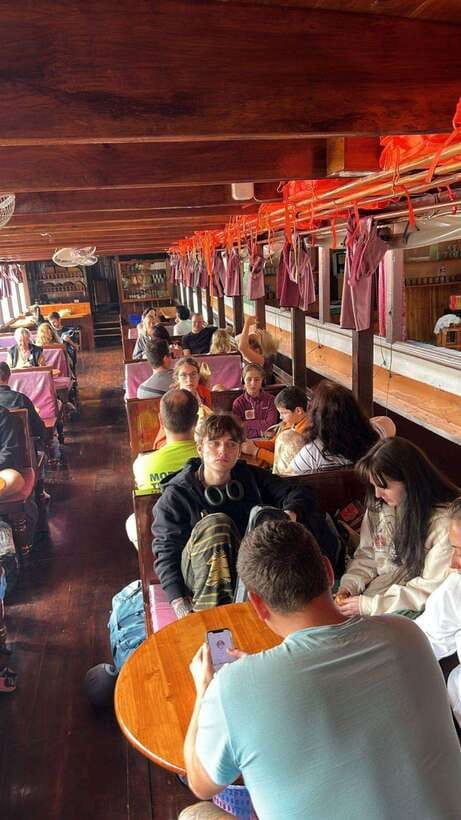
Pakbeng is the overnight stop, and it matters because it turns a nonstop river day into two manageable chunks. The trip includes the boat to Pakbeng and the overnight break, but accommodation in Pakbeng city isn’t included.
So you’ll want to plan your evening like a traveler, not like a passenger. Have cash ready for dinner and basic items, since access to ATMs can be limited. Also remember: the next morning still starts early enough that you won’t want to be hunting for supplies late.
What I like about the overnight pattern is that you get to reset your body. After a long boat day, even a simple night helps. You also get a chance to prep for Day 2 seating and document handling again.
The only real “drawback” is that Pakbeng is not a luxury hub in the package sense. Expect standard guesthouse-style stays rather than an itinerary built around fancy hotels.






Day 2: Pakbeng to Luang Prabang and the arrival reality
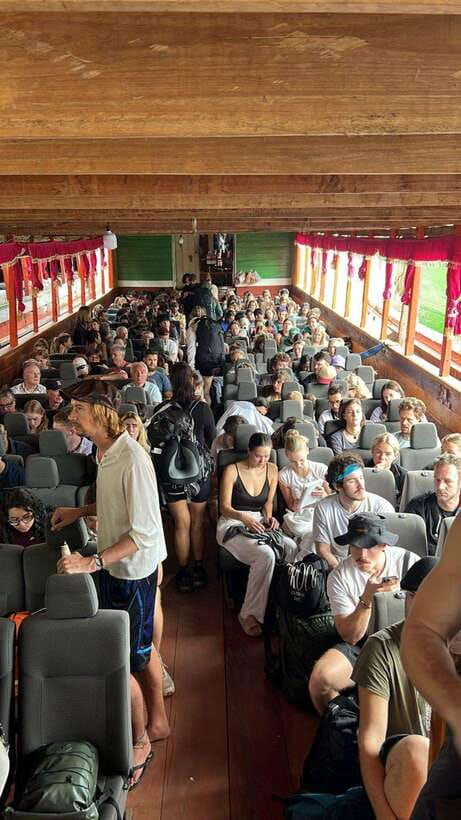
Day 2 is the second slow-boat ride from Pakbeng to Luang Prabang. This is the leg where the river time often feels a little more relaxed because you’ve already crossed the hardest timing blocks and done the first border step.
The scenery from the water can be a big reason people like this route. You’re looking at river views and changing riverbank scenery hour after hour. If you like watching daily life along the Mekong, this is the time for it.
Then comes arrival. Disembarking isn’t always smooth. One passenger described off-boarding as frustrating: bags were pulled from storage and piled up, and organization relied on clever passengers helping each other. It’s not dangerous, just chaotic if you’re not prepared.
Once you reach Luang Prabang, you’ll need local transport into town. A rider shared that the practical option was tuktuk, and pricing may be negotiated quickly—expect to be offered a price, then push calmly for a better one if it feels inflated. If you hate bargaining, have a number in mind before you step off.
Border paperwork and the USD bill rule you can’t ignore

This part can make or break the day.
The immigration office in Laos is strict about USD currency bank notes. Bills need to be in pristine condition—perfect, not worn or damaged. If your USD looks battered, it may get rejected. That’s not a small detail. It’s a real operational risk.
You also have options. The info says you may pay using Thai Baht, but it’s typically more expensive due to conversion rates (around 1800–2000 baht in the guidance). And the package notes are clear that transfer services don’t include costs that come from visa-related expenses.
Plan like this:
- Bring USD that you’d be comfortable showing on a museum label (clean and crisp).
- Carry some cash in the right form since access to ATMs may be limited.
- Have your passport ready and your details correct.
Having a guide to help with documents reduces stress, but cash quality still depends on you.
Price and logistics: does $73 really make sense?
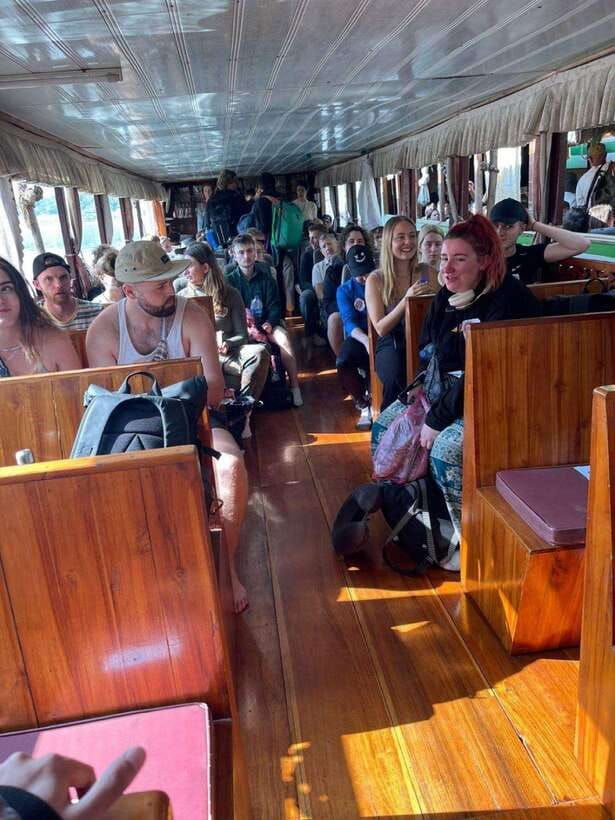
For two days, you’re paying for a bundle of real work: pickup in Chiang Rai, transfers to the boat pier, help with border steps and document handling, and slow boat tickets to Luang Prabang with an overnight in Pakbeng. On top of that, there’s an English-speaking guide and local Laos staff.
Is $73 cheap? Compared with private boat transfers and “premium” versions, it’s usually a strong value. But it’s not a free ride, and you’re not buying luxury comfort. You’re buying smooth logistics so you don’t have to solve the border puzzle and transportation chain on your own.
The day-1 food basics (breakfast, big sandwich, water) also soften the early-hour blow. The trade-off is that meals and Pakbeng accommodation aren’t included, and you’ll still need to budget for visa and immigration fees if required.
Think of it as paying to reduce friction. If you’d rather spend your energy enjoying the Mekong than managing logistics, this price usually feels fair.
What to pack for a 2-day Mekong boat trip
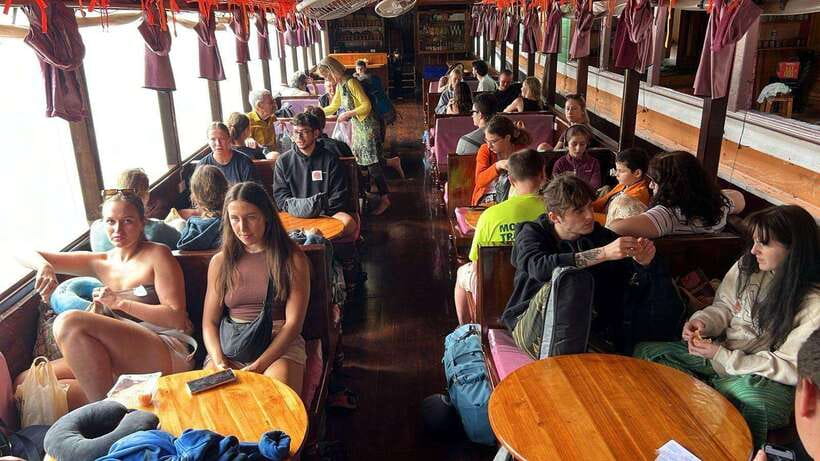
You’re on a boat for long periods. Pack for comfort and small emergencies.
Bring:
- Passport
- Hat
- Camera (you’ll want it)
- Sunscreen
- Water (plus a few snacks)
- Comfortable clothes
- Cash for personal expenses and possible visa-related costs
- Visa documentation if required
A couple practical extras based on real-life boat behavior:
- Loo roll (seriously, one rider said to bring it)
- Something for entertainment: cards, a book, or a podcast
- Light layers for breeze and changing weather
If you get motion sick easily, consider adding your usual remedy too—nothing is listed specifically, so you’ll want your own plan.
Who should book this slow boat—and who should skip it
This trip fits best if you:
- Want an easy, guided border process between Thailand and Laos
- Like scenic travel and don’t mind slow logistics
- Are okay with basic boat conditions and shared seating
- Can handle early mornings without turning into a grumpy gremlin
It may not fit you if you have back problems. The info says it isn’t suitable for people with back issues, and the long sitting time on a public boat is exactly the kind of situation that can flare up discomfort.
A note on mobility: the tour is listed as wheelchair accessible, but that doesn’t automatically mean it’s comfortable for everyone. If mobility needs are complex, I’d focus on your comfort with transfers and long seated periods.
Should you book the Chiang Rai to Luang Prabang 2-day slow boat?
I’d book this if you want the classic Mekong experience without doing logistics gymnastics. The combination of early transfers, local document help, and a simple route into Luang Prabang makes the trip feel straightforward—especially when you factor in the guide support.
I would hesitate if you’re noise-sensitive, strongly prefer guaranteed seating, or dislike shared public transport conditions. In high season, crowding is realistic, and the back near the engine can be loud.
If you go in with the right expectations and pack smart—clean USD bills, snacks, loo roll, and a plan for where you want to sit—you’ll likely feel like your $73 bought you time, ease, and a genuinely different pace of travel.
FAQ
What time is pickup from Chiang Rai?
Pickup is listed for 05:00 to 05:30 from hotels in Mueang Chiang Rai. You should wait in the hotel lobby about 10 minutes early, and look for a driver wearing Sogood Travel logos.
Do I need a Laos visa for this trip?
Laos visa costs are not included. The guidance says Laos visa is about 40 USD if required, and immigration fees are about 1 USD, but you should confirm your exact need based on your passport.
How strict is Laos immigration about USD bills?
It’s quite strict. USD bills must be in pristine condition and may be rejected if they look worn or damaged.
What meals are included on the boat days?
Meals aren’t generally included. However, Day 1 includes free breakfast, a big sandwich, and a bottle of water.
Where do I sleep overnight?
You’ll overnight in Pakbeng, but accommodation in Pakbeng city is not included.
Is the slow boat private or public?
It’s public slow-boat service. Seats can vary, and some days may be crowded, especially in high season, though staff will try to help with good seating.
How do I get into Luang Prabang when the boat arrives?
After the boat arrival, you’ll need local transport to town. One passenger noted tuktuk was the available option and pricing may be negotiable.
Is the tour wheelchair accessible, and is it suitable for back problems?
The tour is listed as wheelchair accessible, but it’s also listed as not suitable for people with back problems due to the nature of the seating and long ride.