REVIEW · CHIANG RAI
Cultural trekking and boat trip
Book on GetYourGuide →Operated by Chai Machete Tours · Bookable on GetYourGuide
A river boat plus trekking villages in one day. This Chiang Rai trip mixes scenic Mae Kok River cruising with a hands-on tree planting stop where you choose where your memorial goes. I also like the down-to-earth pace and the chance to eat and drink the local way, not tourist-menu style. The main catch is the first stretch of walking can feel steep and hot, so bring solid shoes and expect the sun to do its job.
What makes it work is the way the day is handled end to end: transport is waiting, the guide keeps the timing moving, and you’re not stuck guessing what comes next. One name that comes up is June, described as human, experienced, and informative, with constant explanations about local nature and culture. If you’re hoping for a totally flat stroll or you need a low-impact day, you should think twice before booking.
In This Review
- Key things I’d lock in before you go
- Entering the day by long-tail boat on Mae Kok River
- The Buddha Cave stretch and why it sets the tone
- Hiking through bamboo forest and farm fields
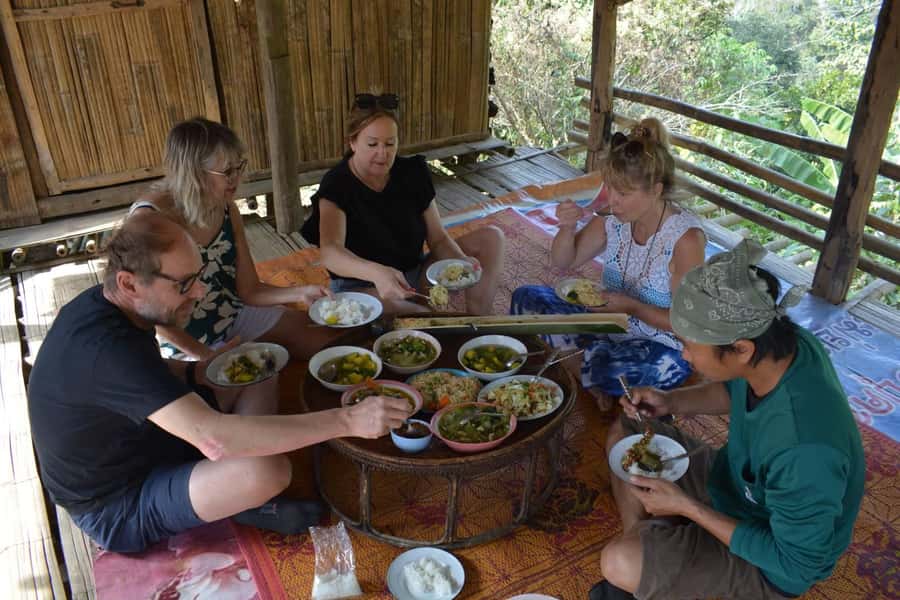
- Lunch at a local restaurant that actually feels local
- Tree planting: a memorial you can choose, not just watch
- Village time with Lahu and Akha communities
- Huay Kaew waterfall: the second big wow with swim time
- Chinese village and tea plantation stops for variety
- Hot springs mineral bath to close the loop
- Price and what $94 buys you in real terms
- What to pack so the day feels easy, not hard
- Who this Chiang Rai cultural trek and boat trip suits best
- Should you book this cultural trekking and boat trip?
- FAQ
- How long is the trip and how much walking is involved?
- Where does pickup happen?
- What’s included in the $94 per person price?
- What languages does the tour guide speak?
- Is swimming available during the trip?
- What should I bring?
- Who should not join this tour?
Key things I’d lock in before you go
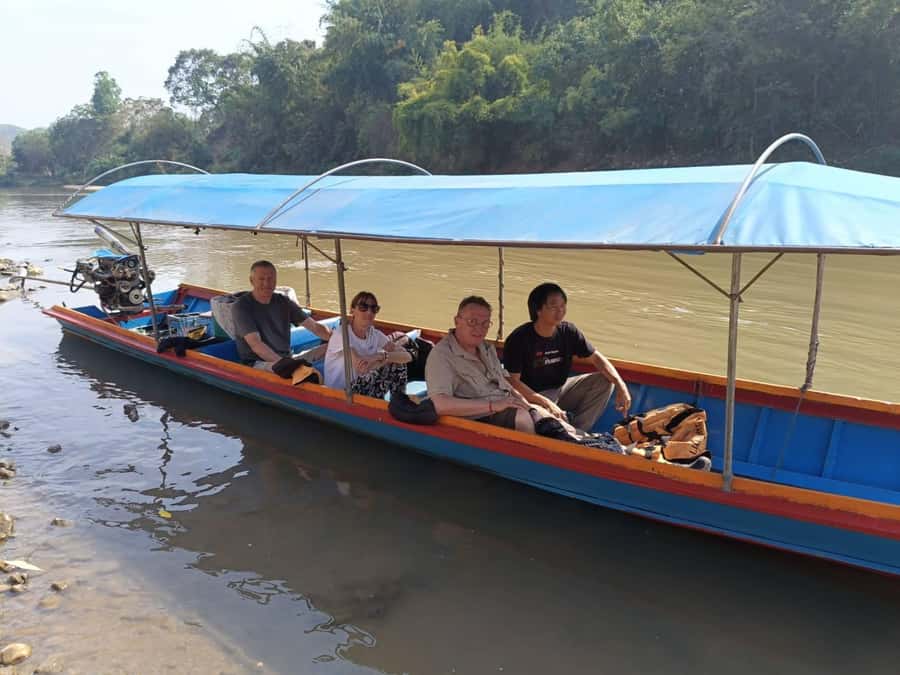
- Long-tail boat on Mae Kok River: a scenic start that sets the mood before you even lace up your shoes
- Tree planting with your own spot choice: you’re not just watching from the sidelines
- Lahu and Akha hill tribe villages: village time that comes with ongoing local context from the guide
- Huay Kaew waterfall swim option: you can cool off if the timing lines up with your energy
- Hot spring mineral bath: a real reset after trekking and sun
- Practical guided pacing: the route is usually easy after the first 20 to 30 minutes, but you still walk about 3 hours total
Entering the day by long-tail boat on Mae Kok River
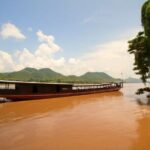
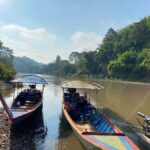
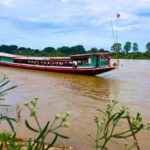
Your day starts with pickup in Chiang Rai, then a short ride to the boat pier. Before the boat heads out, the group gets everything ready for the trekking part, including the plant seedlings used later in the day. Then you climb aboard a motor long-tail boat for about 45 minutes on the Mae Kok River.
This is the easy win at the beginning. You get moving right away, you’re out in the open air, and the scenery changes without you having to work for it yet. The boat ride also gives you a buffer before the trekking starts, which matters when you’re traveling with people who vary in walking pace.
You can also read our reviews of more boat tours in Chiang Rai
The Buddha Cave stretch and why it sets the tone
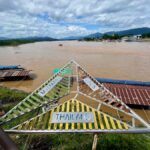
After the boat ride, the day keeps building toward nature and culture. You continue along the route up to the Buddha cave area as part of the scenic transition from water to walking.
I like this kind of stop because it breaks the day into phases. You’re not just hiking in a straight line; you’re stepping through places that help explain the setting around Chiang Rai. It also helps the guide group people together, get everyone oriented, and check that you’re ready for the first walking segment.
Hiking through bamboo forest and farm fields
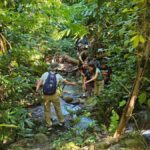
The trekking portion is split into segments, and that’s useful for managing energy. The first hiking stretch is around 1.5 hours, and the second is about 2 hours. Combined, your walking time is around 3 hours, depending on how the stops and transitions feel.
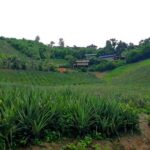
The route includes bamboo forest and farm-land sections. This means your feet are doing work, but your eyes are also busy. Expect shade in parts and direct sun in others, which is why timing and clothing choices matter more here than in a totally forested hike.
A practical note: one highlight mentioned is that the first 20 to 30 minutes can be the toughest, mainly because it goes uphill under the sun. If you’re sensitive to heat, plan to start slow, take short pauses, and drink water early rather than trying to catch up later.
Lunch at a local restaurant that actually feels local
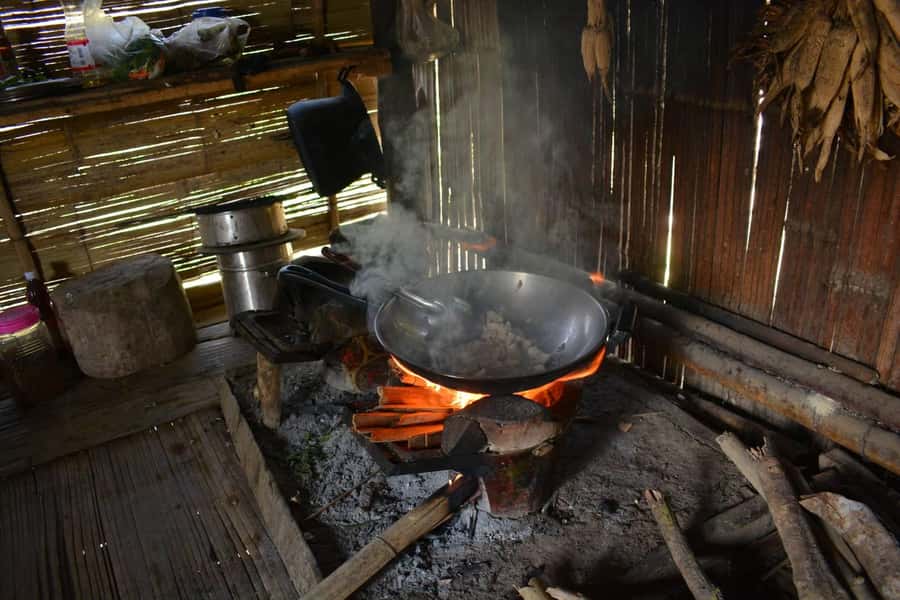
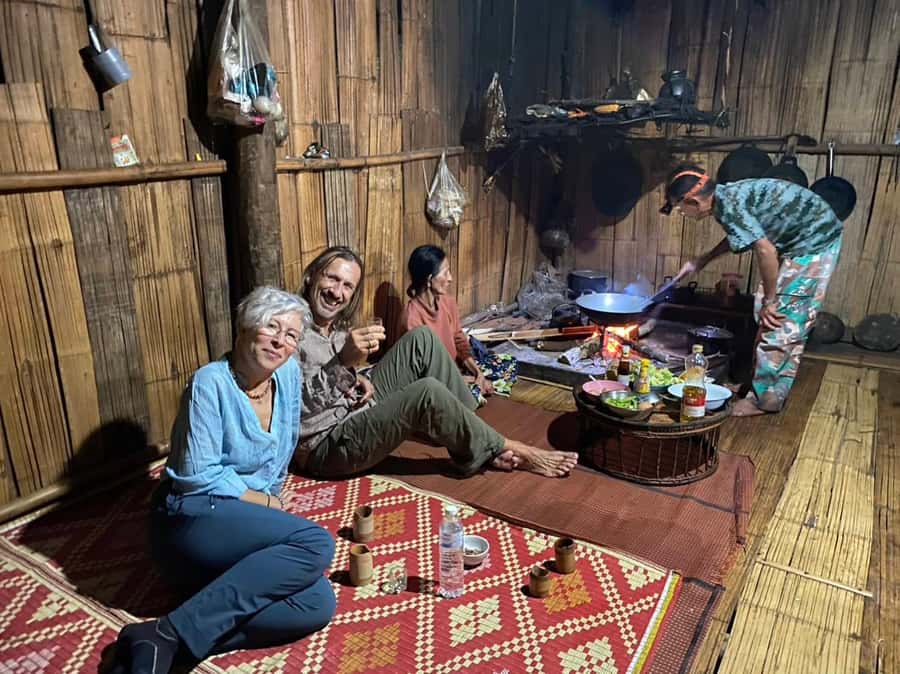
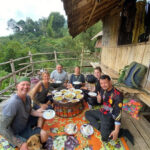
Lunch is about an hour at a local restaurant on the route. This is one of the reasons the day feels like it has texture instead of being only scenery and checkpoints.
You’ll likely eat what the area serves day to day, and the tone is very much eat and drink like a local. That matters, because food is usually where you notice the difference between a tour that feels packaged and a tour that feels connected. The meal is also strategically placed so you’re fueled before the second trekking section.
If you’re picky about spicy food, it’s still worth mentioning to the guide beforehand, since the day is designed to keep you moving. The upside is that you won’t spend your energy searching for food on your own.
Tree planting: a memorial you can choose, not just watch
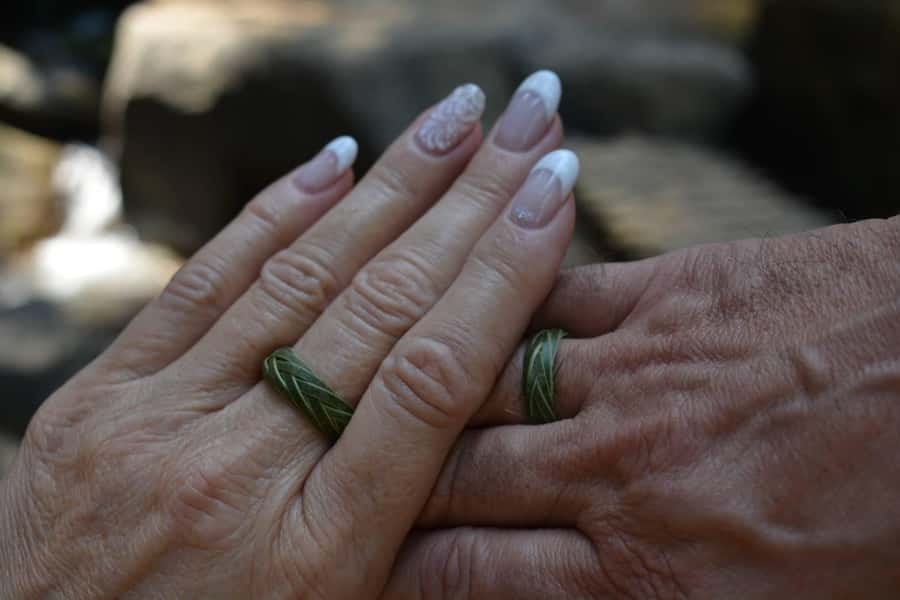
One of the most meaningful parts comes after lunch. You walk through bamboo forest and farm-land again, and you bring the tree seedlings with you to the trekking area. The tour then lets you choose your own spot to plant your tree, building a simple memorial connection to the experience.
I like this because it turns a sightseeing day into a day with participation. You’re doing something concrete, even if it’s small, and that gives you a different kind of memory than photos alone. It’s also a nice contrast after village time and waterfall time: instead of only observing, you’re contributing.
From a practical angle, pay attention to what the guide tells you about where to stand and how to handle the plant. This isn’t hard work, but you don’t want to rush and damage anything you’re supposed to plant properly.
You can also read our reviews of more hiking tours in Chiang Rai
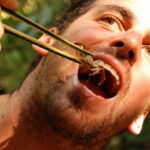
Village time with Lahu and Akha communities
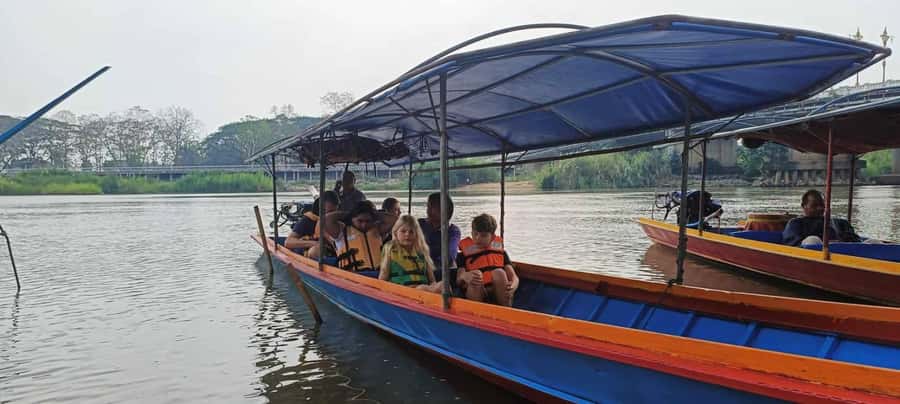
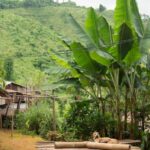
After the bamboo-and-farm segment, you continue on toward Lahu and Akha hill tribe village areas. This is where the tour becomes more explicitly cultural, and it’s also where the guide’s role really matters.
The strong point here is ongoing explanation. You’re not dropped off and left to guess. June, one guide name that comes up, is described as informative and constantly talking about local nature and culture as you walk. That style helps you understand what you’re seeing, even when language differences exist.
You’ll also see a different rhythm of daily life. I’d treat this as a respectful visit: ask questions when appropriate, keep your distance when people need space, and remember that the village is home, not an attraction set.
Huay Kaew waterfall: the second big wow with swim time

Next comes Huay Kaew waterfall, described as the second largest waterfall in Chiang Rai. This is the stretch where the day gives you a chance to slow down and cool off.
The tour includes time where you can enjoy swimming. You’ll want a swimsuit ready, but keep in mind swim gear isn’t included in the tour package. If you forget, you might still enjoy the waterfall experience, but you won’t get the full benefit of the swim option.
Even if you’re not swimming, this stop is valuable. Waterfall time is a mental reset after walking, and it also gives you a chance to take photos without the stress of moving to the next spot in minutes.
Chinese village and tea plantation stops for variety
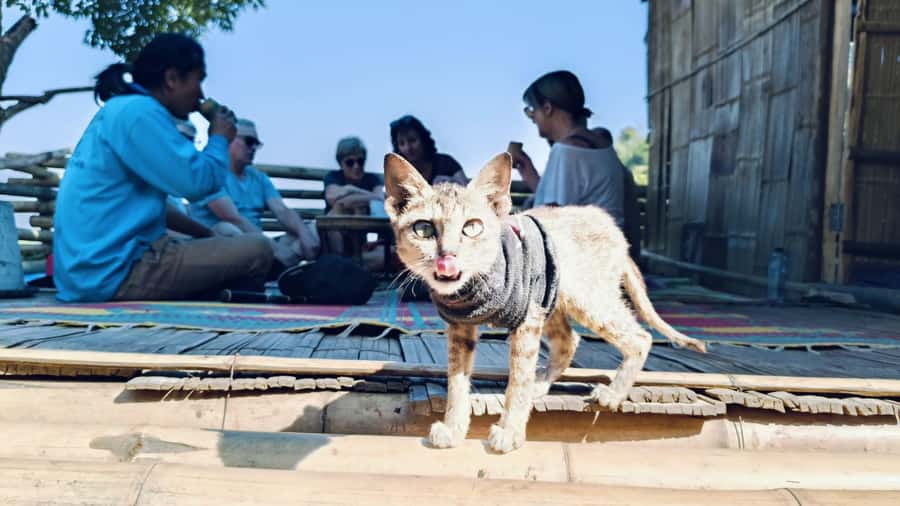
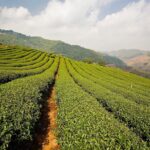
After the waterfall, the route continues to a Chinese village area and then on to a tea plantation. These stops add variety so the day isn’t only trekking and villages in a single theme.
The tea plantation portion is useful if you like nature-based learning. You see how tea fits into the local economy and daily setting, and it also gives you a quieter contrast to the earlier activity.
I find these kinds of add-ons worthwhile when they’re woven into the flow rather than tacked on. Here, they act like pacing brakes: you’re still outdoors, but the day gives you time to breathe before the final part.
Hot springs mineral bath to close the loop
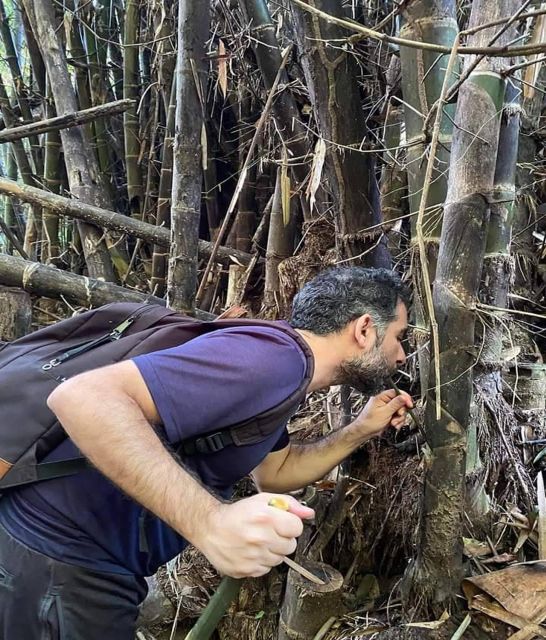
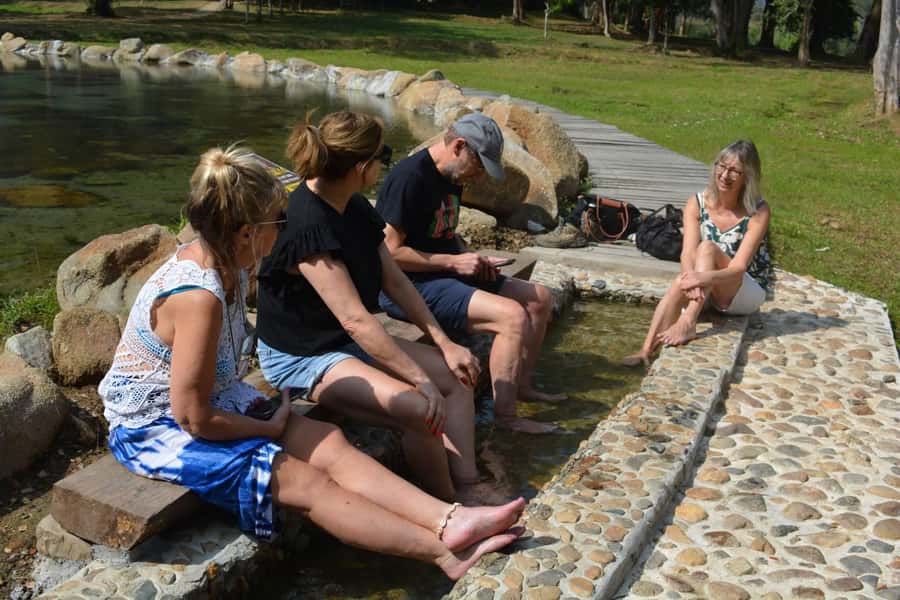
The day ends at the hot spring. You take a mineral hot bath before returning to your hotel by car.
This stop is more than comfort. After trekking, sun, and walking on uneven ground, warm water does two things fast: it helps you relax and it helps you feel human again. It’s also a good final memory because it’s an experience you can fully enjoy without needing extra planning.
Bring your focus here: hydrate during the day, and after the bath, take a slow moment before the ride back. Even if the hike was manageable, your body will still feel it.
Price and what $94 buys you in real terms
At $94 per person for a full day, this isn’t the cheapest option in Chiang Rai. It’s also not just paying for a basic walk.
You’re paying for a bundle of practical services: transportation, a Thai Tourism Authority licensed tour guide, lunch and drinking water, the long-tail boat trip, tree planting materials, and the mineral hot bath. When you add those together, the price starts to make sense, especially if you’d otherwise have to organize boat transport, guide time, lunch, and hot-spring entry yourself.
You also get something that’s hard to price: the structure. The tour is planned with multiple route changes, and the guide keeps timing moving so you don’t lose the day to confusion. That value is real when you only have one day to see Chiang Rai.
What to pack so the day feels easy, not hard
The tour data is clear about what you must bring and what helps. At minimum, bring a camera, hiking shoes, and cash.
You should also think about the parts not included:
- Mosquito repellent is not included, and you’ll be outside during trekking and village time.
- Swim suit is not included, even though Huay Kaew waterfall time includes swimming.
If you’re sensitive to heat, treat the shoe and clothing choice as your biggest upgrade. Good grip matters for trails, especially when the first climb feels steep. And since you’re outdoors for several hours, plan for water and shade breaks as the guide offers them.
Who this Chiang Rai cultural trek and boat trip suits best
This tour fits people who want more than a photo stop. You’ll likely enjoy it most if you like walking through real places, eating local meals, and listening while guides connect dots between nature and community life.
It also suits travelers who enjoy active days but don’t want a full-day strenuous expedition. The walking totals around 3 hours, and after the first 20 to 30 minutes of sun and uphill, the route is described as well manageable.
If you’re traveling with mobility limitations, you should take a hard look at the walking time. Also, the tour is not suitable for people with diabetes, babies under 1 year, and people over 95 years.
Language-wise, the guide communicates in Thai and English, which helps keep the cultural stops understandable.
Should you book this cultural trekking and boat trip?
I’d book it if you want a one-day Chiang Rai mix that feels grounded: Mae Kok River boat time, hill tribe village context, bamboo-and-farm trekking, a memorable tree planting moment, then a waterfall swim option and mineral hot spring soak.
I’d skip it if you need a very low-impact day or you’re not comfortable with the first uphill section in sun. Also, if you’re not ready to bring basic trekking gear and swim gear where possible, you’ll feel the tour’s “active” side more than you might expect.
One more thing: the experience includes free cancellation up to 24 hours in advance for a full refund, so you can book now, then adjust if your Chiang Rai schedule shifts.
FAQ
How long is the trip and how much walking is involved?
The tour lasts 1 day. Total walking time is around 3 hours, with a boat ride of about 45 minutes and multiple hiking segments that add up during the day.
Where does pickup happen?
Pickup is included from your hotel in Chiang Rai, the airport, and the bus station.
What’s included in the $94 per person price?
Transportation, a TAT-licensed tour guide, lunch and drinking water, the boat trip, tree planting (including the tree plant for the activity), and a hot bath at the hot spring are included.
What languages does the tour guide speak?
The live guide speaks Thai and English.
Is swimming available during the trip?
Yes. You can enjoy swimming at Huay Kaew waterfall. A swim suit is not included, so bring your own if you want to swim.
What should I bring?
Bring a camera, hiking shoes, and cash. Mosquito repellent and a swim suit are not included.
Who should not join this tour?
It is not suitable for people with diabetes, babies under 1 year, and people over 95 years.