REVIEW · CHIANG MAI
Elephant and Gibbon Encounters – 5days/4nights
Book on Viator →Operated by Kindred Spirit Elephant Sanctuary · Bookable on Viator
Elephants, gibbons, and village life. This 5-day program at Kindred Spirit Elephant Sanctuary is interesting because it combines ethical animal care with Karen community experiences in the hills outside Chiang Mai. I like how the focus stays on behavior and habitat, not tricks. One consideration: you’ll do moderate hiking and you’ll need to follow a modest dress code (knees and shoulders covered), so this isn’t for people who want a zero-effort trip.
Logistics are refreshingly straightforward. You start with a 9:00 am pickup from the Top North Hotel in Chiang Mai, with possible additional pickups from Pai or Mae Hong Son if you ask ahead. You get 4 nights of lodging plus all main meals and national park fees, handled in a small group of up to 10 people—so you spend less time coordinating and more time actually watching the animals in their environment.
In This Review
- Key points to know before you go
- Getting There: Top North Hotel Pickup, Private Transport, and the Small-Group Pace
- Karen Homestay Day 1: Cooking, Basket Weaving, and Meeting the People First
- Elephant Forest Mornings Days 2 and 3: Watching Behavior in the Right Way
- Gibbon Encounters Days 3 to 5: Listening First, Walking Second
- Forest Lunches, Cave Stops, and Sunset Vantage Points: Why the Days Feel Full
- Ethics and Community Impact: What You’re Supporting (and What You Should Expect)
- Price and Value at $576.68: What You Get for Your Money
- Who Should Book This Sanctuary Program (and Who Should Think Twice)
- Practical Tips to Make Your Week Easier
- Should You Book Elephant and Gibbon Encounters?
- FAQ
- FAQ
- How long is the Elephant and Gibbon Encounters program?
- What does the price include?
- Where do I meet the group, and when does it start?
- Is pickup available from outside Chiang Mai?
- What’s the maximum group size?
- Is there a dress code?
- Are vegetarian meals available?
- Is hiking required?
- Are gibbon sightings guaranteed?
- What happens at the end of the trip?
Key points to know before you go
- Small group (max 10) keeps the experience personal and makes it easier to ask questions.
- Early forest mornings are part of the deal, including elephant time with a guide.
- Wild gibbons, no promises: you’ll search by sound and walk trails, but sightings can’t be guaranteed.
- Karen homestay culture includes hands-on lessons like cooking and basket weaving.
- Moderate hiking plus jungle conditions means you should pack smart and move at a steady pace.
- Meals and national park fees included, which helps the value feel more “all-in.”
Getting There: Top North Hotel Pickup, Private Transport, and the Small-Group Pace

Your trip begins at Top North Hotel (41 Mun Mueang Rd, Chiang Mai) with a 9:00 am pickup. The tour ends back at that same meeting point, so you’re not stuck figuring out how to get home after your last forest walk. You travel in a private vehicle with the group, and that matters because the route between Chiang Mai and the sanctuary area can eat up time if you’re doing it on your own.
A small group limit of 10 travelers is more than a nice-to-have. It usually means fewer loud disruptions and more time for your local guide to tailor the experience—especially important when the goal is wildlife observation. If you’re sensitive to long days, plan your energy around early starts: this program is built for mornings.
Also check two practical notes early on. First, you’ll receive a confirmation within 48 hours (subject to availability). Second, the dress code requires modest clothing that covers knees and shoulders during the stay—so pack light layers you can actually wear for both village time and forest hikes. A vegetarian option is available if you tell them at booking.
A few more Chiang Mai tours and experiences worth a look


Karen Homestay Day 1: Cooking, Basket Weaving, and Meeting the People First
Day 1 is all about settling in and getting oriented. After pickup, you travel through a national park area and mountainous countryside inhabited by hill tribes before reaching the village. You’ll meet your homestay family, the staff, and the other volunteers in your group, and you’ll start learning by doing.
Two first-day activities stand out because they’re not “show up, watch, leave.” You’ll join a cooking session with your homestay and learn basket weaving from village elders. That kind of skill-based interaction helps you understand how the community lives with the land, not just next to it.
What I like here is the order of operations. You’re introduced to village rhythms before animal time. That usually changes how you experience the rest of the week—because you’re not only watching elephants and gibbons, you’re also seeing how local people connect their livelihoods to the forest.
Potential drawback: day 1 includes travel into the hills plus hands-on village activities. If you’re not a fan of simple, communal living (meals with the group, learning activities, getting used to rural schedules), you might feel a bit “switched gears” on day one.
Elephant Forest Mornings Days 2 and 3: Watching Behavior in the Right Way
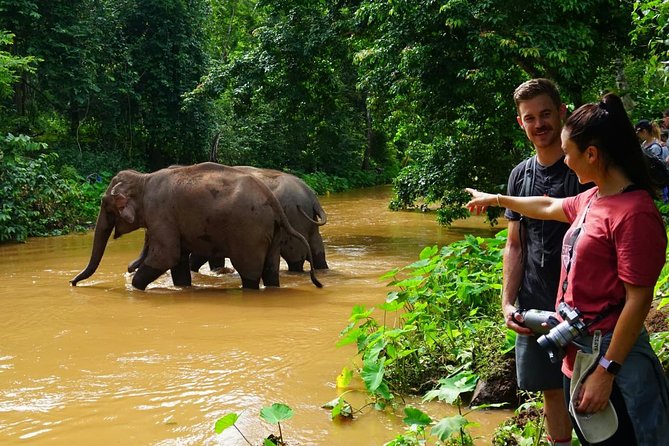
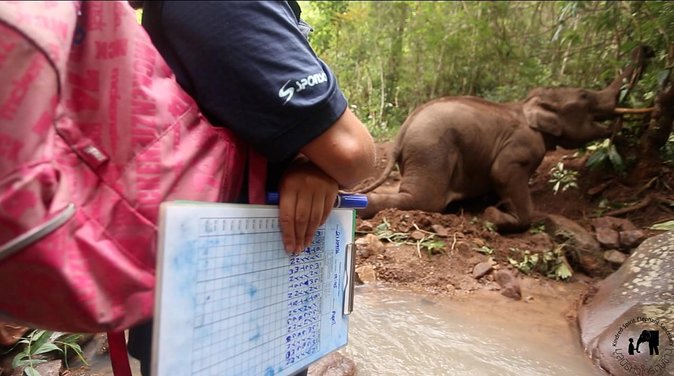
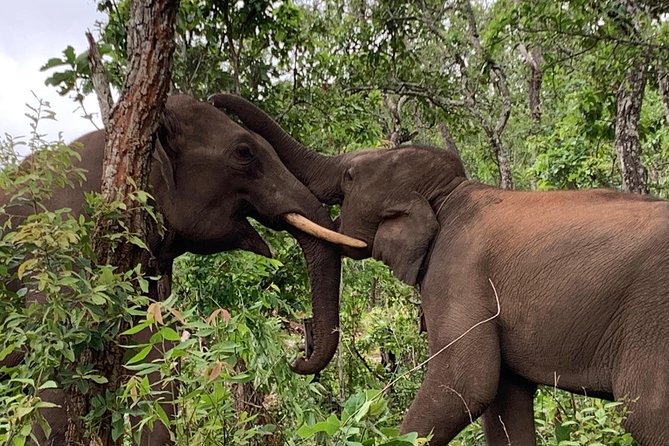
The heart of the elephant part is early starts. On Day 2, you rise early for a forest hike to find the resident elephants. The morning is designed for observing, documenting, and understanding their behavior—so you’re not just taking photos at a safe distance and calling it a day. You also have a forest lunch in the elephants’ company, which can feel surreal if you’ve only ever seen elephants from far away.
Later in the afternoon, you head back to the village for deeper understanding of the sanctuary’s work, plus local language and culture. There’s also room for engagement in community and teaching initiatives, depending on the schedule.
Day 3 repeats the elephant rhythm with another early trek to observe the elephants again, followed by lunch back in the village. Then the program shifts you toward the gibbon part of the sanctuary.
This is where ethical programs matter. When the plan is to watch behavior and habitat needs, you tend to learn more than you expect. You notice patterns: where they linger, how they move through the forest, how caretakers interpret signs. If you came hoping for a “human-elephant interaction moment,” temper expectations. This is more about learning and respect than staging.
Gibbon Encounters Days 3 to 5: Listening First, Walking Second
The gibbon portion of this program is described as the first of its kind in Thailand, which is a bold claim—but it also explains why the experience is built around search behavior instead of a guaranteed “spot them on cue” moment.
On Day 3, after elephant time and Karen cuisine in the village, you transition to the gibbon encounters village. You’ll explore the surroundings and learn about gibbons in context—then the rest of the week leans into that same “look and listen” strategy.
Day 4 is the classic gibbon day. You wake to the calls of gibbons right outside your door, then you follow those calls with a local expert in hopes of catching a glimpse of these agile animals. Breakfast comes first, then you head out for forest exploration, including a local cave visit and a traditional forest lunch. After that, the day includes community projects such as helping with coffee, tea, or rice plantations, or learning weaving from local artisans. In the evening, you’ll watch a sunset from a village vantage point after dinner.
Day 5 keeps the search going with another attempt to spot gibbons near the village, followed by a deeper forest hike after breakfast and lunch before heading back to Chiang Mai or Pai.
Important consideration: sightings of gibbons are possible, but not guaranteed. That’s normal for wild animals. If you have your heart set on a guaranteed sighting, you’ll want to plan for flexibility. Bring binoculars if you own them (not required, but helpful), and accept that sometimes your best “encounter” is hearing them move through the canopy.
Forest Lunches, Cave Stops, and Sunset Vantage Points: Why the Days Feel Full
A lot of sanctuary experiences get repetitive: hike, animal time, back to the base. Here, you get variation built into the week, and it keeps the trip from feeling like one long waiting period.
A few stand-out elements:
- Forest lunches during elephant time make the day feel grounded in place, not staged in a classroom setting.
- The program includes a local cave visit, which breaks up the walking rhythm and adds a different kind of scenery.
- There’s time for sunset views from a village vantage point, which gives you a calm wrap-up after a full day of searching and learning.
- You also get chances to help with community projects (plantations and weaving lessons), which turns your volunteering hours into something practical, not vague.
Between the animal work and community time, you’re not just visiting a sanctuary—you’re living inside the region’s daily pace for a few days.





Ethics and Community Impact: What You’re Supporting (and What You Should Expect)
The sanctuary program is built around safeguarding habitat and supporting the Karen villages that work alongside it. You’ll spend time with two distinct village communities: one focused on elephants and another focused on gibbons. Both aim to protect their natural habitat while sharing culture and village life with participants.
In the reviews, one theme comes up again and again: the program’s reputation for being genuinely ethical. People appreciated that the elephants are treated with respect and are free to roam, and they liked how the village welcomes volunteers who want to learn—not just take photos. You may meet staff members such as Kerri and Sombat, and the overall impression is that the staff and homestay families take their roles seriously.
Here’s the practical way to frame it for your expectations: if your goal is to get up close in a hands-on, ride-or-perform style experience, this likely won’t match that fantasy. If your goal is to observe, learn caretaking philosophy, and contribute to habitat and community support, you’re in the right place.
Also, this is an experience where modest behavior matters. You’re in someone’s home and someone’s workplace. Follow the dress code, stay quiet during observation times, and keep your questions focused on learning. That’s how you help the experience stay respectful for both animals and people.
Price and Value at $576.68: What You Get for Your Money
At $576.68 per person for about 5 days (4 nights), the price is not the cheapest way to visit Thailand’s northern nature—but it’s easier to judge when you see what’s included.
Included items that affect value:
- 4 nights accommodation
- Breakfast, lunch, and dinner
- Hotel pickup and drop-off by private vehicle
- Small group with local guide/driver (max 10)
- National park fees
When meals and transportation are handled, you’re less likely to get “surprise costs” during the trip. It also means you can focus on the schedule: early mornings, trail walks, and wildlife observation without worrying about where dinner is coming from.
My honest take: the cost makes sense if you care about staying in a working community, doing real hikes, and learning about conservation practices. If you’re mainly after a relaxed vacation with minimal activity, you might find a cheaper tour that trades depth for comfort.
Who Should Book This Sanctuary Program (and Who Should Think Twice)
This program is a strong match if you:
- want ethical wildlife experiences focused on behavior and habitat
- enjoy early mornings and forest walking
- like culture that includes practical skills (cooking, basket weaving, weaving lessons)
- feel comfortable in small-group settings (max 10)
- are open to community projects like coffee, tea, or rice plantation support
You should think twice if you:
- dislike hiking or can’t handle moderate walking
- need guaranteed wildlife sightings (especially for gibbons)
- prefer a purely luxury style trip with no village dress standards
- get stressed by rural schedules and early starts
One more thing to consider: the experience is non-refundable and cannot be changed for any reason. That’s a big deal. If your plans are uncertain, you’ll want to be careful before you book.
Practical Tips to Make Your Week Easier
A few practical things can make a noticeable difference:
- Pack clothing that meets the knee-and-shoulder rule and still works in humid weather.
- Bring a light rain layer. Forest areas can get damp.
- Use bug protection you trust and wear closed-toe footwear for trails.
- Keep your camera battery ready. Early starts and walks can drain phones fast.
- If you’re vegetarian, request it at booking so meals are handled smoothly.
The best advice is simple: move steadily, stay flexible with wildlife sightings, and treat the village portion as part of the main event, not an add-on.
Should You Book Elephant and Gibbon Encounters?
If you want a Thailand trip that feels more like learning and caretaking than sightseeing, I think you’ll enjoy this one. The mix of Karen homestay culture, elephant forest observation, and gibbon listening/walking gives you a full picture of how people and wildlife share the same region.
Book it if you can handle moderate hiking, respect the dress code, and accept that gibbons are wild animals. Skip it (or at least reconsider) if you need guaranteed animal sightings, hate early mornings, or aren’t comfortable with rural community living.
FAQ
FAQ
How long is the Elephant and Gibbon Encounters program?
It’s about 5 days.
What does the price include?
It includes 4 nights of accommodation, breakfast, lunch, and dinner, a small-group tour with a local guide/driver, hotel pickup and drop-off by private vehicle, and national park fees.
Where do I meet the group, and when does it start?
The meeting point is Top North Hotel in Chiang Mai, and the pickup starts at 9:00 am.
Is pickup available from outside Chiang Mai?
The program mentions possible pickups from Pai or Mae Hong Son upon inquiry.
What’s the maximum group size?
The maximum group size is 10 travelers.
Is there a dress code?
Yes. You need modest clothes covering your knees and shoulders during the stay.
Are vegetarian meals available?
Yes, a vegetarian option is available if you advise at the time of booking.
Is hiking required?
Yes. There is a moderate amount of hiking, and you should have a moderate physical fitness level.
Are gibbon sightings guaranteed?
No. Gibbons are wild animals, so sightings are possible but cannot be guaranteed.
What happens at the end of the trip?
You return to the meeting point after lunch on the final day.