REVIEW · CHIANG MAI
Cook Local Northern Thai Food in Traditional House
Book on Viator →Operated by Grandmas Home Cooking School · Bookable on Viator
Charcoal, coconut, and five Lanna dishes in one day. This Chiang Mai class at Grandmas Home Cooking School mixes a market hunt with hands-on cooking on coals, and I love learning to make coconut milk with a coconut grater and to grind flour on a millstone. One thing to calibrate: the day runs in a tidy cooking-school setup rather than someone’s actual grandma-style home kitchen.
You’ll get round-trip transfers from your hotel and a schedule that runs about 7 hours, starting at 9:00 am. With a maximum of 6 people, it stays practical and hands-on, and you’ll also eat lunch, taste desserts, and download an e-recipe book.
In This Review
- Key Things You’ll Appreciate
- A Charcoal-and-Tools Day You Can Repeat at Home
- Morning Start: Pickup, Welcome Snacks, and a Clear Game Plan
- Market Walk: Choosing Northern Thai Flavor Like an Ingredient Detective
- Organic Farm + Egg Collection: Fresh Ingredients, Less Guesswork
- Traditional Tool Time: Charcoal Grill, Millstone Flour, Coconut Grating
- Cooking the Five Lanna Dishes: What You’ll Make and Why It Matters
- Northern Thai Sausage
- Nam Prik Ong or Nam Prik Num
- Northern Pork Belly Curry
- Curry Young Jackfruit
- Thai Coconut Pancakes
- Lunch + Dessert Session: Tasting Your Work (and Learning From It)
- Price and Value: What $57.99 Buys You in Chiang Mai
- Who Should Book This Class (and Who Might Want to Skip)
- Should You Book This Cook Local Northern Thai Food Class?
- FAQ
- What time does the cooking class start?
- How long is the class?
- Where is this experience located?
- What dishes will I learn to cook?
- Does the price include transportation?
- Is pickup offered?
- Is lunch included?
- Are drinks included?
- How big is the group?
- Can children participate?
- Is the class suitable for special diets?
- What is the cancellation window?
Key Things You’ll Appreciate
- Market-first ingredient choices that teach you what drives flavor in Northern Thai cooking
- Organic farm stop and egg collection so your dishes start with real produce
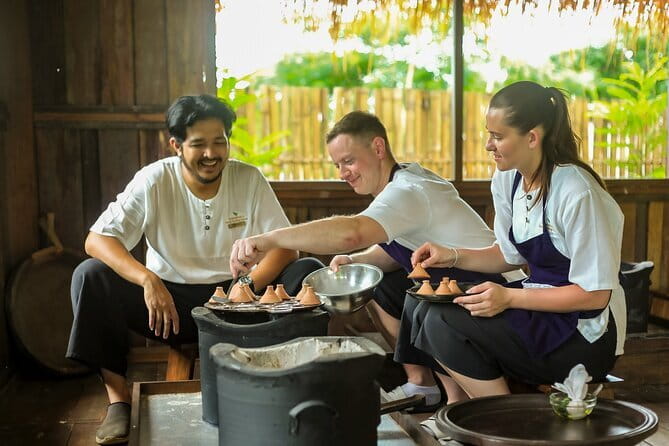
- Charcoal-grill and traditional-tool skills like millstone flour and coconut-milk grating
- A clear five-dish menu: Northern Thai sausage, Nam Prik Ong/Num, pork belly curry, young jackfruit curry, and coconut pancakes
- Small-group pacing so you’re not stuck watching from the sidelines
- Food included beyond lunch with a dessert and refreshment tasting session
A Charcoal-and-Tools Day You Can Repeat at Home
This isn’t a quick tasting class where you sample and leave. It’s a full, teach-you-the-method kind of cooking day built around Northern Thai staples and the tools that shape their flavor.
I like that the menu is specific—five dishes, not vague “Thai food” basics. That means you get repeatable technique: mixing chili pastes, building curry flavor, working with coconut milk, and finishing with a pancake dessert.
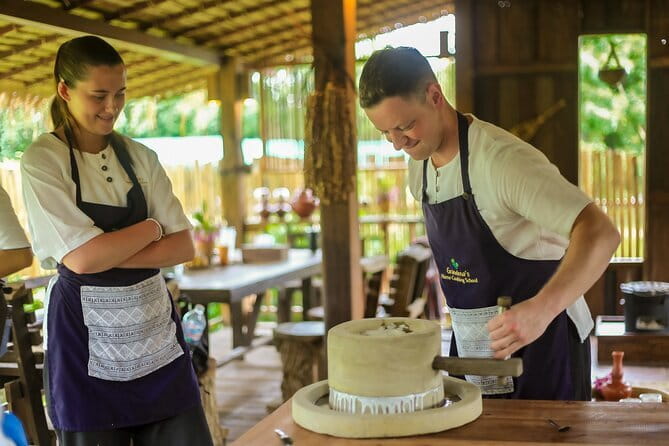
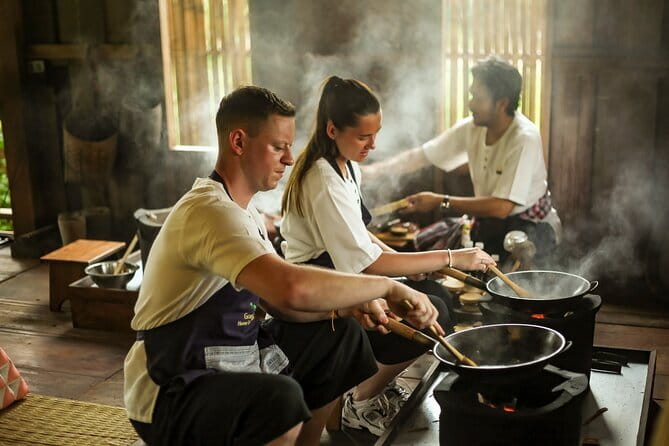
The best part is the emphasis on process. You’ll work with a charcoal grill, learn how to light it, and then actually cook. You’ll also wash vegetables, mill flour with a traditional millstone, and grate coconut meat using a coconut grater—skills that make your home cooking less guessy.
Do note the setting is more “cooking school” than someone’s real household kitchen. That doesn’t reduce the value, but it helps you set expectations if you were hoping for a true family kitchen vibe.
You can also read our reviews of more food & drink experiences in Chiang Mai

Morning Start: Pickup, Welcome Snacks, and a Clear Game Plan
The day kicks off at 9:00 am, with pickup offered and round-trip transfers included from your hotel. That matters more than it sounds in Chiang Mai, because a cooking class lives or dies by timing—you want to arrive ready, not rushed.
When you check in, you’ll get welcome snacks and a refreshing drink. It’s a small touch, but it helps you settle before the market walk and the hands-on phases, especially if you’re arriving hungry.
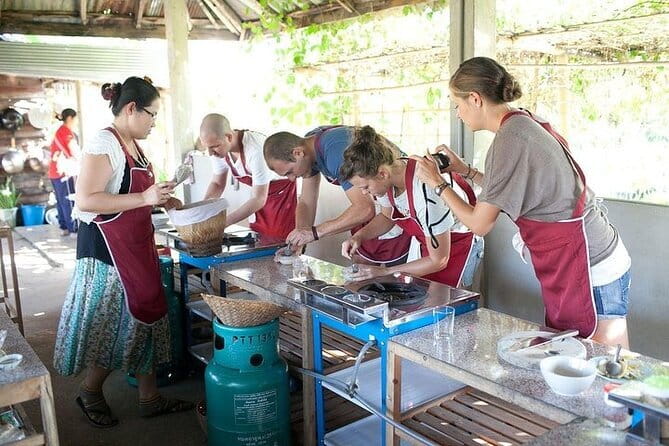
You’ll be in a group capped at 6 people, which keeps the pace realistic. In a class this method-heavy—coals, knives, grating, milling—that small number is what makes “try it yourself” possible rather than forced.
You’ll also want to plan for a long morning-to-afternoon flow. The overall duration is about 7 hours, so wear comfortable shoes and bring a mindset that you’ll cook, taste, and learn in stages.
Market Walk: Choosing Northern Thai Flavor Like an Ingredient Detective
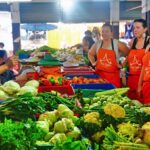
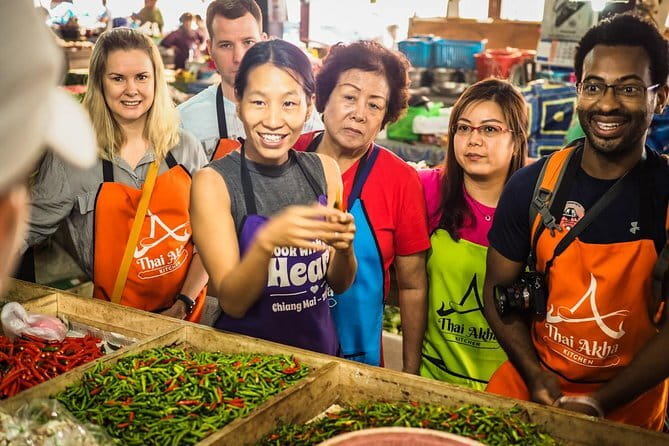
Your first big stop is a local market where instructors introduce the ingredients and seasonings used in Northern Thai cooking. This is the part that often gets skipped in cooking classes, but it’s the part that teaches you why the food tastes the way it does.
You’ll learn what to look for and how ingredients function in dishes like chili-based dipping sauces and curries. Since your class includes Nam Prik Ong or Nam Prik Num, market knowledge matters—these flavors come from the right blend of components and the way they’re treated.
You’ll likely also get practical guidance on herbs and vegetables you’ll use later. That sets you up for the farm portion, where you’ll pick many of the same categories of produce with your new eyes.
If you care about making Thai food at home, this market segment is where the day pays off. You’re not just collecting ingredients—you’re building intuition about which items matter most and how they get used.
Organic Farm + Egg Collection: Fresh Ingredients, Less Guesswork
After the market, you move to an organic farm. The focus here is Thai herbs and vegetables—both seeing how they grow and learning how they’re used in cooking.
This part is valuable because it connects your plate back to the raw inputs. When you later grate coconut or build curry, you’ll understand what role the herbs play, not just what the recipe says.
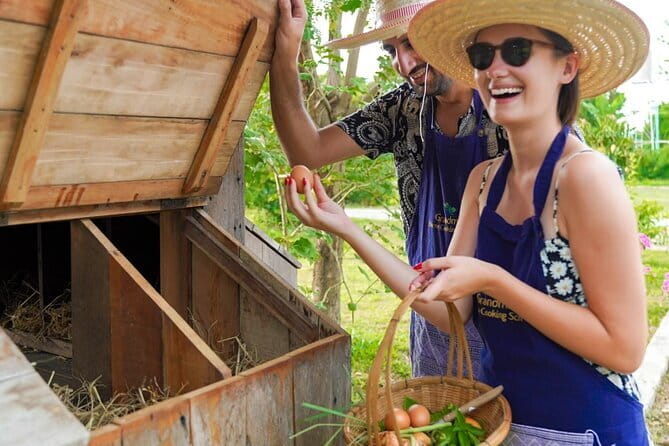
There’s also a chicken coop visit where you collect eggs. Even if you’ve seen eggs before, doing it as part of the ingredient chain changes how you think about freshness and simplicity. It also makes the day feel more like a real food journey than a kitchen worksheet.
Then you’ll head into the cooking portion with ingredients you picked or gathered yourself. That matters, because you’re more likely to remember the “why” behind technique when you’ve handled the “what” first.
Traditional Tool Time: Charcoal Grill, Millstone Flour, Coconut Grating
This is the centerpiece of the experience. The class isn’t just about recipes—it’s about the traditional methods that shape texture and flavor.
You’ll learn how to light a charcoal grill. That sounds basic until you realize it affects everything: heat control, timing, and how certain ingredients respond to cooking over coals. Northern Thai cooking often leans on confident handling of heat, especially for items that need proper caramelization or smoky finishing.
You’ll also learn to mill flour using a traditional millstone. Milling isn’t just romantic; it changes how you understand dough and batter feel. Even if you don’t mill at home every time, this technique teaches you what you’re aiming for in texture.
Then comes coconut milk work. You’ll use a coconut grater to grate coconut meat the traditional way. That step helps you understand coconut’s role beyond “add coconut milk.” The class teaches the method so you can make that flavor from scratch instead of relying on packaged shortcuts.
There’s also vegetable prep time. You’ll wash vegetables and follow instructions before cooking, which helps you avoid the common home-cooking problem of wet or dirty produce disrupting sauces.
A few more Chiang Mai tours and experiences worth a look



Cooking the Five Lanna Dishes: What You’ll Make and Why It Matters
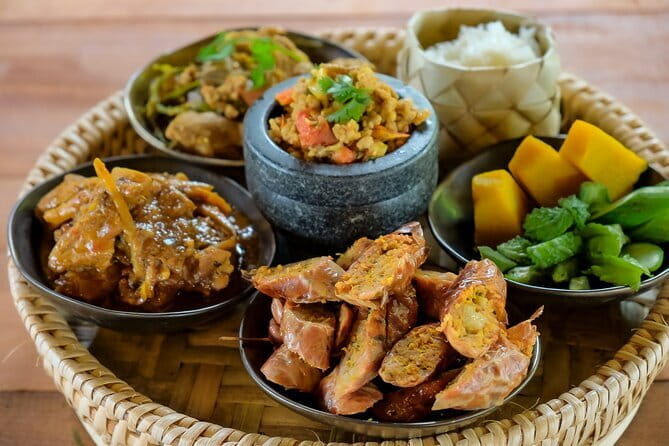
The class teaches you how to cook five traditional Northern Thai dishes, including:
- Northern Thai Sausage
- Nam Prik Ong or Nam Prik Num
- Northern Pork Belly Curry
- Curry Young Jackfruit
- Thai coconut pancakes
What I like about this lineup is that it covers different cooking styles. You’re not repeating the same sauce base five times. You get practice with chili-forward flavor building, curry structure, meat or savory components, and a coconut-based dessert finish.
Northern Thai Sausage
You’ll learn the foundational approach behind Northern Thai sausage as part of the day’s overall cooking rhythm. This dish gives you a chance to work with savory ingredients and understand seasoning balance in a way that translates to other Thai cooks at home.
Nam Prik Ong or Nam Prik Num
You’ll make a chili paste dish in the Nam Prik family. These are the kind of flavors people crave because they’re spicy, savory, and built for pairing with rice or other dishes.
Choosing between Nam Prik Ong or Nam Prik Num also makes the class feel flexible. Either way, you practice the core chili-paste mindset: proper ingredient handling and getting the texture and seasoning right.
Northern Pork Belly Curry
This is where curry technique comes into play. Pork belly brings richness, and the curry shows you how coconut and seasoning work together to create a comforting balance.
Even if your version at home isn’t exactly the same, the class approach helps you understand the step-by-step logic instead of treating curry like a black box.
Curry Young Jackfruit
Young jackfruit curry adds a different kind of texture and flavor character. It’s a good way to expand beyond the dishes that most people default to when they cook Thai food at home.
This dish also reinforces that Northern Thai cooking isn’t only about meat. It’s about method and ingredient behavior—how textures hold up when cooked in sauce.
Thai Coconut Pancakes
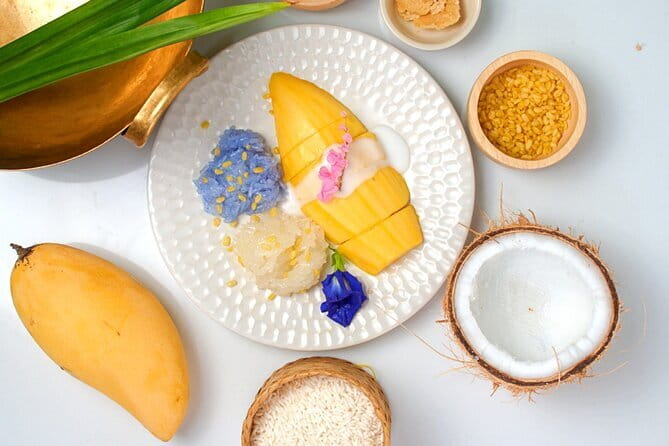
You’ll finish the day with Thai coconut pancakes made in the traditional way. This is a smart closing dish because you’ve already practiced coconut work earlier, so the pancake portion feels like an application, not a new mystery.
It’s also a dessert win. Many cooking classes teach savory cooking and stop there. Here, the coconut theme continues into something sweet and shareable.
Lunch + Dessert Session: Tasting Your Work (and Learning From It)
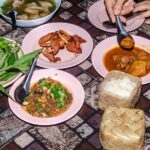
After the core cooking steps, you’ll have a lunch break where you taste what you made. This is a practical moment: you confirm flavor balance, texture, and whether the seasoning direction you followed actually works.
Then there’s a dessert and refreshment session with tasting. That’s a nice way to end the class because it gives you variety beyond your main five dishes, and it helps reinforce the flavors you’ve been learning.
Alcohol drinks aren’t included, so if you like pairing food with a drink, plan to handle that separately. The class does include refreshing drinks and snacks, and it covers dessert tasting as part of the experience.
Price and Value: What $57.99 Buys You in Chiang Mai
At $57.99 per person for about 7 hours, this class lands in the mid-range for Chiang Mai cooking experiences. The value isn’t just that you eat a lot—it’s that you practice the full method chain: market → farm → ingredients → tools → cooking.
A few elements make the math work:
- Round-trip transfers are included, which removes a chunk of your logistics cost and stress
- You cook five dishes rather than one or two
- A full lunch is included, plus a dessert tasting session
- You receive an e-recipe book to help you repeat the dishes
Also, the class tends to get booked ahead (about 44 days in advance on average). That’s often a sign the experience is popular and schedules are tight—so if you’re set on it, lock in your date early.
And the rating is strong: 5/5 with 15 reviews, and it’s recommended by everyone who left feedback. That doesn’t mean it’s perfect for everyone, but it does mean the day likely stays organized and enjoyable.
Who Should Book This Class (and Who Might Want to Skip)
This is a great fit if you want hands-on Northern Thai cooking, not just eating. The small group size, the tool-focused instruction, and the “from scratch” emphasis make it a solid choice for people who learn best by doing.
It also suits food travelers who care about technique. If you like the idea of learning to light a charcoal grill, milling flour, grating coconut, and building chili and curry flavors, you’ll have a full day of useful skills.
You can also bring children under 12 as visitors. The experience can accommodate special dietary requirements, but you should still check details when booking so the team can plan appropriately.
You might want to skip or temper expectations if you’re chasing a true home-kitchen family story. One practical note: the experience uses traditional methods, but it’s run through a cooking school environment, not a private grandma’s house.
Should You Book This Cook Local Northern Thai Food Class?
Yes—if you want a practical, technique-forward day that ends with you making five Northern Thai dishes and taking home an e-recipe book. The market and organic farm stops add real grounding, and the traditional tools (millstone and coconut grater) are the kind of skills that stick.
Book it if you’re planning a Chiang Mai itinerary with at least a little room for longer, hands-on activities. It starts at 9:00 am, runs about 7 hours, and you’ll spend most of the day moving through ingredient prep and cooking.
Skip it only if you’re looking for a casual snack-and-souvenir class or if you strongly want an actual family kitchen setting. Otherwise, this is a friendly, well-structured way to learn Lanna cooking the right way—one grating, milling, and stirring step at a time.
FAQ
What time does the cooking class start?
It starts at 9:00 am.
How long is the class?
The experience runs about 7 hours.
Where is this experience located?
It’s in Chiang Mai, Thailand.
What dishes will I learn to cook?
You’ll cook five dishes: Northern Thai Sausage, Nam Prik Ong or Nam Prik Num, Northern Pork Belly Curry, Curry Young Jackfruit, and Thai coconut pancakes.
Does the price include transportation?
Yes. Round-trip transfers to and from your hotel are included.
Is pickup offered?
Yes, pickup is offered.
Is lunch included?
Yes. Lunch is included, and you’ll also taste what you cook.
Are drinks included?
Alcohol drinks are not included. The class includes welcome snacks and a refreshing drink, plus refreshment during the dessert session.
How big is the group?
The class has a maximum of 6 people.
Can children participate?
Children under 12 are welcome as visitors.
Is the class suitable for special diets?
The activity is able to accommodate special dietary requirements.
What is the cancellation window?
You can cancel for a full refund up to 24 hours before the experience’s start time. Free cancellation is offered.