REVIEW · CHIANG RAI
Chiang Rai: Half-Day Tuk-Tuk Temple Tour
Book on GetYourGuide →Operated by Pause & Be Travel · Bookable on GetYourGuide
Four temples, one smooth tuk-tuk day. This half-day Chiang Rai tour lets you build your own spiritual route with a private tuk-tuk and a no-guide format, so you can move at your speed. I like that it’s structured enough to feel easy, yet flexible enough to skip anything that doesn’t grab you.
The second thing I really like is the temple value: there are no entry fees for the temples in the selection. One recent reviewer also gave a special shout-out to the driver named Noi, which fits the vibe here: the ride is the main ingredient, and the driver helps you keep things flowing.
The main drawback to consider is the lack of a guide. You’ll be exploring on your own, so you’ll get more out of it if you’re happy reading signs, using your phone, or just enjoying the calm and architecture without needing a deep explanation.
In This Review
- Key things to know before you go
- Why a tuk-tuk temple loop works in Chiang Rai
- Picking Your 4 Temples: match the route to your mood
- Wat Khuakhrae (วัดขัวแคร่)
- Wat Ched Yod (วัดเจ็ดยอด)
- Wat Chiang Yuen (วัดเชียงยืน)
- Wat Doi Ngam Muang (วัดดอยงำเมือง)
- Wat Mung Muang (วัดมุงเมือง)
- Wat Ming Muang (วัดมิ่งเมือง)
- Wat Phra Kaew (วัดพระแก้ว)
- Wat Phra That Doi Chom Thong (วัดพระธาตุดอยจอมทอง)
- Wat Phra Sing (วัดพระสิงห์)
- Wat Huay Pla Kang (วัดห้วยปลากั้ง)
- Wat Chetawan / Wat Phra Non (วัดเชตวัน / วัดพระนอน)
- Wat Sri Boon Ruang (วัดศรีบุญเรือง)
- Wat Sri Kerd (วัดศรีเกิด)
- Wat Klang Wiang (วัดกลางเวียง)
- What the 4 hours actually means for your day
- The temple stops: what to look for at each one
- When you want significance (not just photos)
- When you want architecture and design variety
- When you want the “payoff view”
- When you want symbolism built into the layout
- When you want calm and fewer crowds
- No guide means you call the tempo (and you bring the context)
- Price and logistics: what you’re really paying for
- Temple manners, dress code, and what to bring
- Who should book this tuk-tuk temple tour
- Should you book this Chiang Rai half-day tuk-tuk temple tour?
- FAQ
- How many temples do I get to visit?
- Are temple entry fees included?
- Is there a guide on this tour?
- What vehicle will I ride in?
- Which temples are not included?
- What should I bring for the temples?
Key things to know before you go
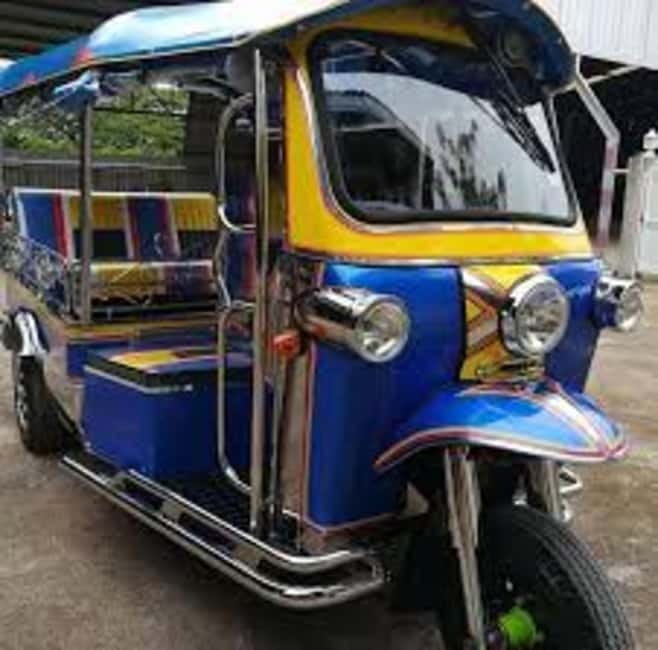
- You choose exactly four temples from a set list, so the tour matches your interests instead of a fixed route.
- No entry fees are included for the temples, which can make this cheaper than other temple tours.
- No guide rides with you, so the pace is truly yours, not a timed group schedule.
- Pickup and drop-off are included from your accommodation, which removes most of the hassle.
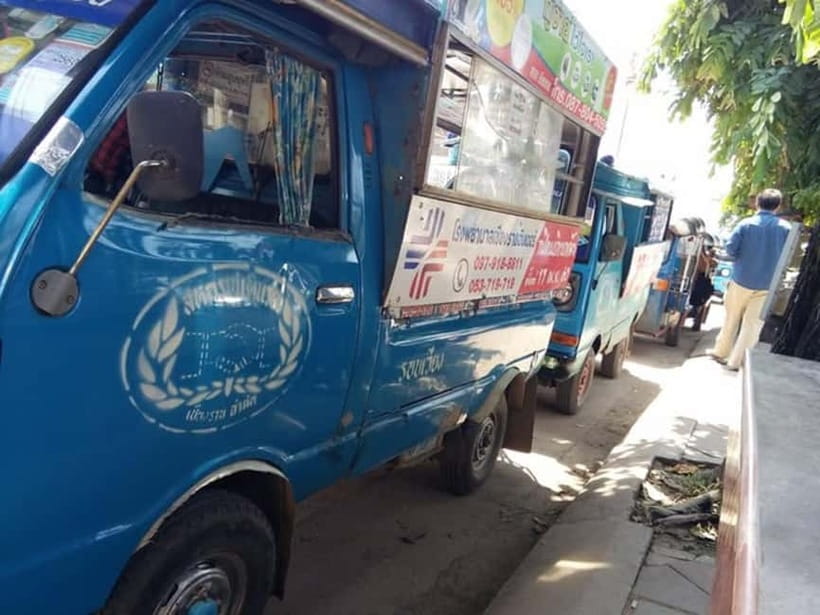
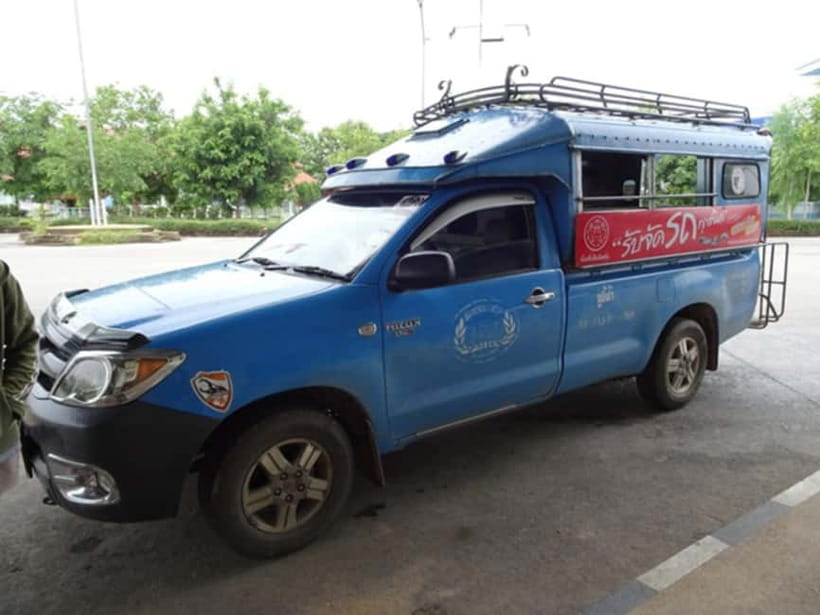
- Vehicle type depends on group size: 1–2 people use a tuk-tuk, 3–4 use a local-style tuk-tuk, and 5–8 uses a songtaew.
- Blue Temple and White Temple are not included, so plan a different day if those are your top priorities.
Why a tuk-tuk temple loop works in Chiang Rai
Chiang Rai temples aren’t just “look and move on” places. They’re slower. Courtyards, murals, stairways, and quiet interiors reward you when you’re not stuck behind a loud group timeline. A tuk-tuk format fits that mindset well because the ride is short, flexible, and low-stress. You’re not negotiating buses or asking strangers for directions between sites.
I also like that the experience is private. Even though it’s half-day, it still feels personal because you’re selecting four temples that fit your taste. Want more views? Pick hilltop and mountain options. Want more classic sacred sites? Choose the temples tied to major Buddha images. Want calmer, less-visited settings? Choose the ones described as tranquil or less-known.
One practical point: because you’re not getting a guide, the tour works best if you come with a bit of curiosity. If you just want the logistics handled while you enjoy the scenery and atmosphere, this still works. You’ll just do more of the interpretation yourself.
A few more Chiang Rai tours and experiences worth a look

Picking Your 4 Temples: match the route to your mood
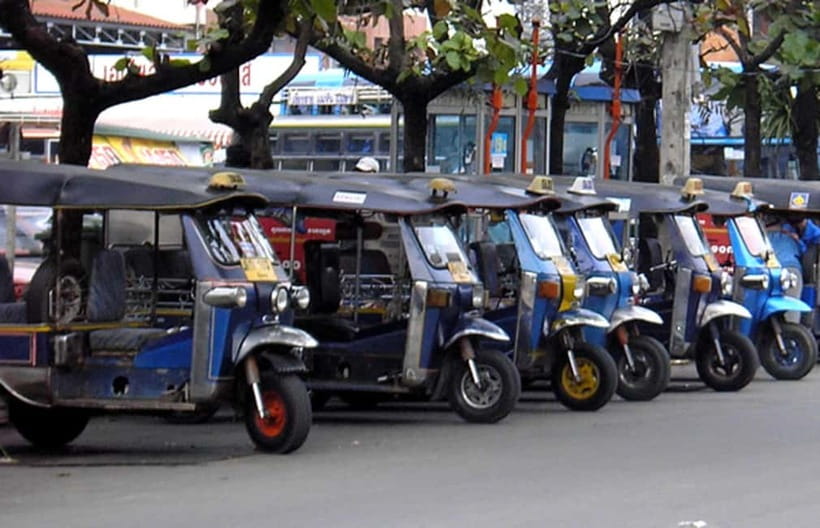
You get to choose four temples from the options below. That “build your own route” part is where the tour becomes genuinely useful, because Chiang Rai’s temple list is varied. Some places focus on sacred artifacts and major icons, while others focus on architecture style or viewpoints.
A smart way to choose is to mix categories. For example:
- One or two big sacred anchor temples (for significance)
- One architecture-style temple (for design and details)
- One viewpoint temple (for the payoff when the drive ends)
Also note what’s missing: this tour does not include วัดร่องเสือเต้น (Blue Temple) or วัดร่องขุ่น (White Temple). If those two are the whole reason you’re in Chiang Rai, you’ll need a different tour.
Here’s what each option tends to offer, based on its description:
Wat Khuakhrae (วัดขัวแคร่)
Tranquil and less-visited, with impressive architecture and a calm feel. Great if you want a quieter stop that doesn’t feel like it’s on full tourist autopilot.
Wat Ched Yod (วัดเจ็ดยอด)
A historic temple with seven chedis, each representing one day of the week. If you like structure-with-meaning, this one is designed for that.
Wat Chiang Yuen (วัดเชียงยืน)
A charm factor temple blending Lanna and Burmese architectural influences. This is a good pick when you want the “how did this style travel?” angle without needing a lecture.



Wat Doi Ngam Muang (วัดดอยงำเมือง)
Hilltop setting with breathtaking views. This is your “reward stop,” but keep in mind it’s on a hill, so you may walk more than you expect.
Wat Mung Muang (วัดมุงเมือง)
Described as a less crowded, intricate Lanna-style architecture temple. Pick it if you love details and don’t need everything to be famous.
Wat Ming Muang (วัดมิ่งเมือง)
Known for its pristine white structures and a blend of traditional Thai and modern architectural elements. If you’re the type who enjoys crisp visual contrasts, this will make sense quickly.
Wat Phra Kaew (วัดพระแก้ว)
A revered temple that houses the Emerald Buddha, one of Thailand’s most sacred religious artifacts. This is your “major significance” stop.
Wat Phra That Doi Chom Thong (วัดพระธาตุดอยจอมทอง)
A mountain-slope temple with spectacular views. Similar benefit category to the other hilltop options, so balance it with at least one calmer, courtyard-friendly temple.
Wat Phra Sing (วัดพระสิงห์)
A revered temple featuring a sacred Buddha image and stunning Lanna architecture. A strong pick if you want both reverence and design.
Wat Huay Pla Kang (วัดห้วยปลากั้ง)
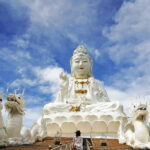
Famous for its towering Guan Yin statue and wide city views. If you want an iconic sight you’ll remember, this is one of the clear choices.
Wat Chetawan / Wat Phra Non (วัดเชตวัน / วัดพระนอน)
Known for the reclining Buddha statue. If your temple “must-have” list includes Buddha images in distinctive poses, this fits.
Wat Sri Boon Ruang (วัดศรีบุญเรือง)
A beautiful, lesser-known temple with impressive architecture. Choose it for a quieter experience that still feels visually strong.
Wat Sri Kerd (วัดศรีเกิด)
Known for its beautiful surroundings and peaceful environment. If you’re temple-ed out but still want one more calm stop, this type of temple is your friend.
Wat Klang Wiang (วัดกลางเวียง)
Located in the heart of the city with traditional Lanna-style architecture. It’s a good option when you want something central and easy to connect with the rest of your day.
What the 4 hours actually means for your day
This tour lasts 4 hours from start to finish. That sounds short, but with four temple visits, it’s about the right amount of time to avoid feeling rushed. You’ll spend your energy on travel time plus whatever time you want for walking, photos, and quiet moments.
Because the schedule isn’t fixed around a group’s tempo, you can shape the pacing. If one temple feels like it’s taking you longer, you can linger. If another temple is quick for you, you can move on.
One practical strategy: don’t pick four temples that all require hill climbing and long walks back-to-back. The descriptions include several hill or mountain locations, and those are the ones most likely to feel more physically demanding. You’ll still have a good day if you choose them, but plan a bit of balance.
The temple stops: what to look for at each one
Since you’re choosing four from the list, I can’t promise you’ll see every temple above. But I can tell you what will likely matter once you arrive, so you know what to spend your attention on.
Here’s how I would “read” each stop based on its type:
When you want significance (not just photos)
At places like Wat Phra Kaew (Emerald Buddha) and Wat Phra Sing (sacred Buddha image), slow down. These temples are about reverence first. Look for how the space is organized for worship and viewing. Even if you don’t know every detail, you’ll feel the importance quickly through the way visitors behave and the way the main area is arranged.
When you want architecture and design variety
If you pick Wat Chiang Yuen, Wat Mung Muang, or Wat Ming Muang, you’ll likely notice different styles in the structures and surfaces. Wat Ming Muang’s white look plus the mix of traditional and modern elements is the kind of contrast that makes cameras happy fast, but it can also make you want to stand back and see how the whole composition works.
When you want the “payoff view”
At Wat Doi Ngam Muang, Wat Phra That Doi Chom Thong, and Wat Huay Pla Kang, the drive ends with a payoff. Arrive with enough time to look around. Views are one thing, but the best part is how the temple sits above the city or valleys, changing the way you understand the area.
When you want symbolism built into the layout
Wat Ched Yod with its seven chedis is a good example. It’s not only a visual attraction. It’s an organized meaning system, so take a moment to notice how the chedis are arranged and how that structure turns into a walking experience.
When you want calm and fewer crowds
For Wat Khuakhrae, Wat Sri Boon Ruang, and Wat Sri Kerd, the key word is atmosphere. These are the types of stops that work when you want a breather. You can keep things simple: walk the main areas, take a few photos if appropriate, and then just sit quietly where the space allows.
No guide means you call the tempo (and you bring the context)
This tour does not include a guide. That changes how the day feels. Instead of hearing a narrated explanation at each stop, you’re using your own curiosity.
The benefit: you don’t get dragged through “checklist temple tourism.” You can spend time where you’re genuinely interested and skip quickly if a place doesn’t grab you. It also makes the tour feel more like a self-guided day with transport solved.
The tradeoff: you’ll rely on what the temple signage says, or on your own reading later. If you like context, do a tiny bit of prep before you go. Pick which temples you’re visiting and look up one or two points so you know what to look for on arrival.
Also, one reviewer specifically praised the driver Noi for making the ride beautiful. That lines up with what you’re really buying here: a smooth local transportation partner who gets you to the right places and helps keep the day comfortable.
Price and logistics: what you’re really paying for
The price is $51 per group for up to 8 people, and the duration is 4 hours. That means your per-person cost depends on how full you keep the group.
If you have fewer people, you’ll pay more per head because the price is group-based. If you have more people, you spread that cost out. In plain terms, it’s most value-rich when you can travel with at least a few friends or family members.
What’s included matters:
- Private tuk-tuk (or local-style tuk-tuk / songtaew depending on group size)
- Gasoline, parking fees, tax
- Local car accident insurance (not travel insurance)
- No entry fees for the temples in the chosen list
- Pickup and drop-off from your accommodation
What’s not included:
- Food and water
- A guide
- Gratuity
- Shopping
This is a good setup if you’re the type who’s happy to buy water on-site and keep snacks flexible. It’s also a good setup if you don’t want “tour guilt” about being behind schedule. The day can be as calm or as quick as you want, within the 4-hour window.
One note about vehicle “style”: the listing specifies 1–2 people per tuk-tuk. For 3–4 people, you’ll get a local-style tuk-tuk. For 5–8 people, a songtaew is arranged. If you want the classic single-tuk experience, it says you should book with 2 people per ride for each booking. So check your group size before you assume it’ll all be the same ride.
Temple manners, dress code, and what to bring
Temple visits in Thailand have dress expectations, and this tour is strict about being respectful. Plan for modest clothing:
- Bring a long-sleeved shirt and long pants
- Avoid shorts and short skirts above the knee
- If needed, you can put on appropriate clothing before entering temples
I also recommend practical items because the tour does not include water:
- Bring water
- Bring cash, since many places only accept cash for water, food, or shopping
- Bring hand sanitizer or tissues (they may not be available everywhere)
- Bring sunscreen and something for sun protection like a hat or umbrella
- During smoke season, you may want an N95 mask
You also need your passport or a copy accepted by the tour rules.
Behavior rules to know:
- No smoking in the vehicle
- Don’t touch exhibits
- Keep noise and attention respectful
- Don’t bring pets, weapons, or large luggage
- Drones are not allowed
- Food in the vehicle is not allowed
The most important “small” thing: plan to walk a bit. Even if you use the tuk-tuk for travel, you’ll still move between temple areas and viewpoints.
Who should book this tuk-tuk temple tour
This is a strong match if you:
- Want a private, flexible half-day in Chiang Rai
- Like choosing your own stops instead of following a fixed route
- Are happy exploring without a guide’s narration
- Prefer paying for transport plus temple admission that’s already handled (entry fees are not charged here)
It’s also a good fit for couples, small families, and friend groups who want to share a ride and keep the day calm.
It’s less ideal if you:
- Need a fully accessible tour, because it’s not suitable for people with mobility impairments and wheelchair users
- Rely on accommodations for visually impaired or hearing-impaired visitors, since it’s listed as not suitable for those needs
If you fall into those categories, you’ll want a different tour designed around accessibility.
Should you book this Chiang Rai half-day tuk-tuk temple tour?
If your goal is a smooth temple day without the stress of transport and without being locked into a guided script, I think it’s a smart choice. The best part is that the day is built around your four temple picks, and the no entry fees detail can make the overall cost feel fair.
I’d only hesitate if you want a history-heavy, guided explanation at every stop. Since there’s no guide, you’ll have to bring your own context, even if it’s just a quick read on your phone before you arrive.
A final decision tip: pick your four temples first based on what you want most (views, sacred icons, architecture style, or calm). If those choices make you smile, book the tour. The tuk-tuk format is designed for exactly that kind of self-directed temple wandering.
FAQ
How many temples do I get to visit?
You can choose four temples from the listed options for the half-day tour.
Are temple entry fees included?
No entry fees are charged for any of the temples included in the selection.
Is there a guide on this tour?
There is no guide included, so you explore each location at your own pace.
What vehicle will I ride in?
It depends on group size. 1–2 people are assigned to a tuk-tuk. 3–4 people get a local style tuk-tuk. 5–8 people get a songtaew arrangement.
Which temples are not included?
This tour does not include Wat Rong Suea Ten (Blue Temple) and Wat Rong Khun (White Temple).
What should I bring for the temples?
Bring water, a long-sleeved shirt, long pants, cash, and your passport or a copy. Hand sanitizer or tissues are also recommended.