REVIEW · BANGKOK
Bangkok: Kanchanaburi, River Kwai & Death Railway Tour
Book on GetYourGuide →Operated by TripGuru Thailand · Bookable on GetYourGuide
WWII history hits hard in Thailand. I love how this trip turns big movie moments into real places and real scale. You start with the Kanchanaburi War Cemetery, then move through the story at the JEATH Museum, and finally end with the climb at Wat Tham Suea.
Two things I particularly like: you get a strong emotional foundation in the cemetery, then you get practical “see it to believe it” stops along the River Kwai area. One consideration: it’s a long travel day from Bangkok—especially the return—so plan for heat, sitting time, and a big day on the clock.
Key things that make this tour worth your time
- Small group (up to 9) so the guide can actually answer questions.
- English-speaking guide who brings the sites to life, with names like Fern and Jeerawat showing up in past groups.
- JEATH Museum with hands-on displays: tools, uniforms, weapons, medals, and life-condition replicas.
- River Kwai Bridge + Tham Krasae train views for that “this is why history sticks” feeling.
- Wat Tham Suea climb featuring tiger paw prints and the 18-meter Buddha statue up top.
In This Review
- From Bangkok to Kanchanaburi: A long day, well-paced stops
- Kanchanaburi War Cemetery: Quiet grounds with names you can’t ignore
- JEATH War Museum: WW2 artifacts that make the story concrete
- Bridge over the River Kwai: the famous spot, but with the right context
- Tham Krasae Station: where the railway views do the talking
- Lunch and coffee stops: keep it simple, plan to pay
- Wat Tham Suea (Tiger Cave Temple): the steep climb and the 18-meter Buddha
- Responsible touring: GSTC-certified, water in glass, and carbon offsets
- Price and logistics: is $102 good value for what you get?
- Who should book this tour—and who should think twice
- Should you book this Bangkok–Kanchanaburi day trip?
- FAQ
- How long is the tour?
- What is included in the ticket price?
- Is pickup from anywhere in Bangkok available?
- What kind of group size is it?
- Is the tour accessible for wheelchair users?
- What should I bring for the day?
- What clothing is required for temple visits?
- Can I cancel for a refund?
From Bangkok to Kanchanaburi: A long day, well-paced stops
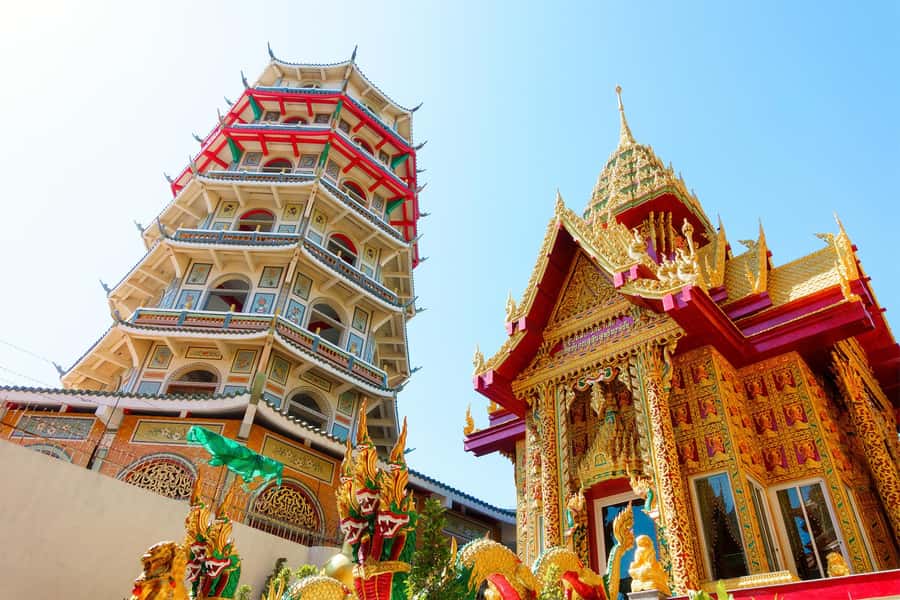
This is a full 10-hour day that’s built for one goal: getting you out of Bangkok and into the Kanchanaburi history zone without stressing over transport. The van ride is air-conditioned, and the group size stays small (limited to 9), which matters. You’re not stuck in a giant bus herd, and it’s easier to hear the guide when you’re standing outside at the memorial sites.
The timing is straightforward: you head west first, visit the cemetery and museum, then you move through the River Kwai area, and finish with the Tiger Cave Temple. Expect a schedule that feels active, not rushed, but still long. If the idea of 3+ hours of driving back doesn’t sound fun, mentally budget for it now—pack water, a hat, and something to keep you comfortable.
Kanchanaburi War Cemetery: Quiet grounds with names you can’t ignore
The day starts at the Kanchanaburi War Cemetery, and it’s the kind of place that doesn’t need theatrics. You walk through well-kept grounds and pay respect to the prisoners of war and civilians who died while working on the Death Railway under the Japanese Empire.
What I like about starting here is that it sets the emotional tone before you see anything else. A lot of people come to the area because of the “River Kwai” story. Starting at the cemetery keeps that story from turning into just scenery. The atmosphere is respectful, and the whole experience feels anchored in real loss—exactly what you want before you move on to museums and bridge photos.
Practical note: this stop is outdoor time. Even in cooler months, Thailand can get hot. Bring sunscreen and wear comfortable clothes that won’t make you miserable when you’re walking slowly.
You can also read our reviews of more tours and experiences in Bangkok.
JEATH War Museum: WW2 artifacts that make the story concrete
Next is the JEATH Museum, built to commemorate those who lost their lives working on the railway during World War II. JEATH stands for the nationalities of workers: Japanese, English, Australian, American, Thai, and Hollander. That detail matters because it frames the railway as a multinational tragedy, not a single-country tale.
Inside, you’re looking at exhibits like weapons and tools, uniforms and medals, plus replicas showing what daily life for prisoners of war looked like. I like museums that don’t just tell you what happened, but show you the “how.” These kinds of objects help you picture the work and the conditions, which makes later stops around the River Kwai hit harder.
One practical consideration: there are two JEATH-related museums in the area. If you’re the type who hates confusion, it’s worth asking your guide which one you’re visiting before you commit your attention. That’s a small step that prevents that awful feeling of realizing you might’ve gone to the wrong place.
Bridge over the River Kwai: the famous spot, but with the right context
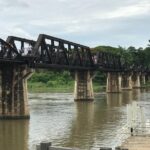
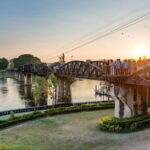
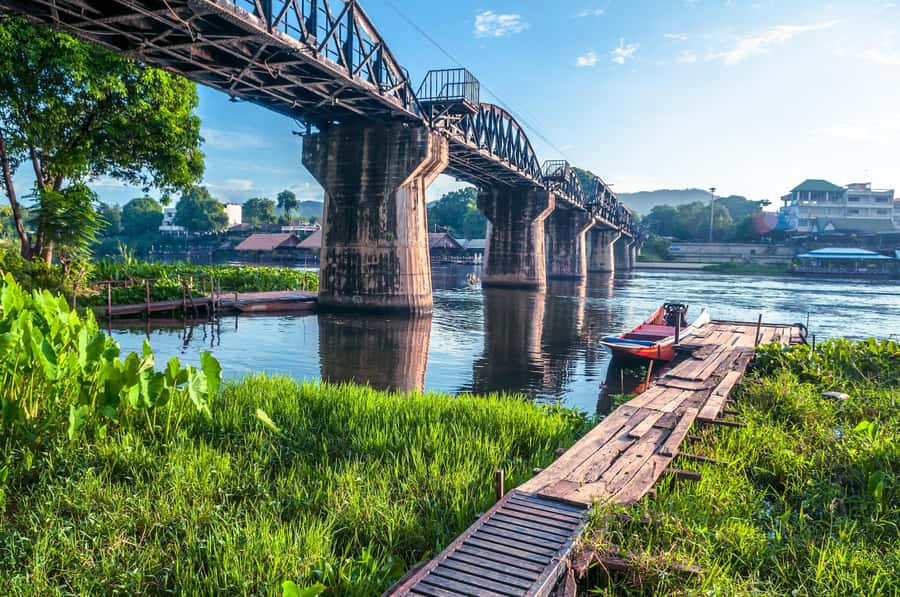
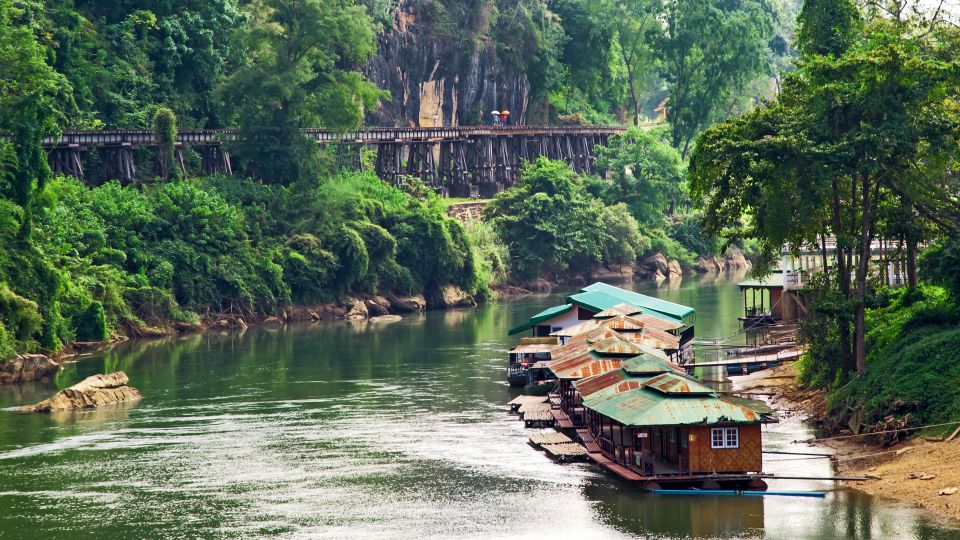
Then you get the Bridge Over The River Kwai. It’s a classic image, and seeing it in person can feel almost surreal—until your guide ties it back to what the railway meant during the war.
You spend about 1.5 hours here for sightseeing, which is enough time to take photos, stand back and see the bridge in context, and understand how the site sits in the wider geography. A big win: the guide’s explanations help you avoid treating the bridge like a movie prop. You start seeing it as infrastructure built under pressure, hardship, and loss.
If you’re sensitive to heavy topics, this is still the right tone for the day. But it’s also not “gloom only.” The area has its own visual pull, especially when you pair the bridge with the next train-view stop.
Tham Krasae Station: where the railway views do the talking
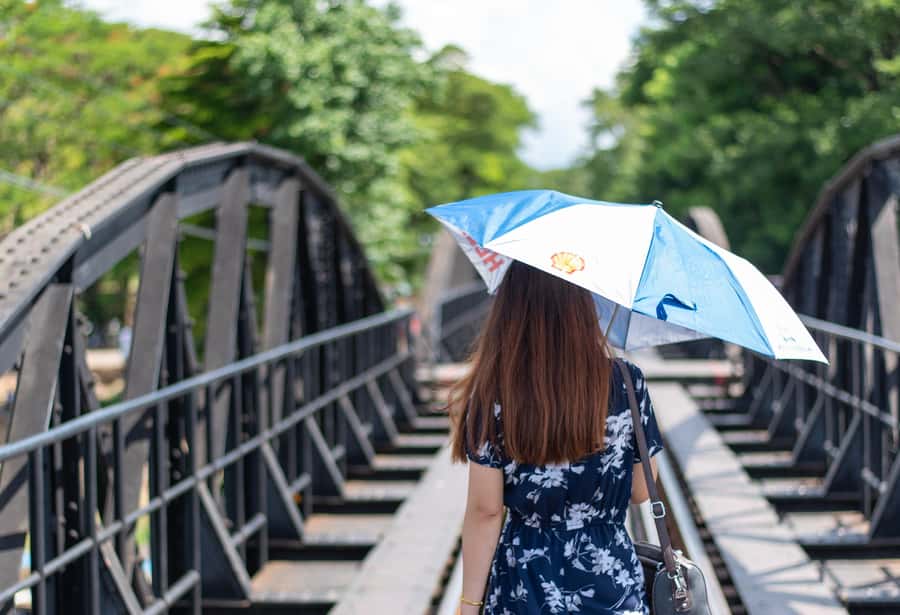
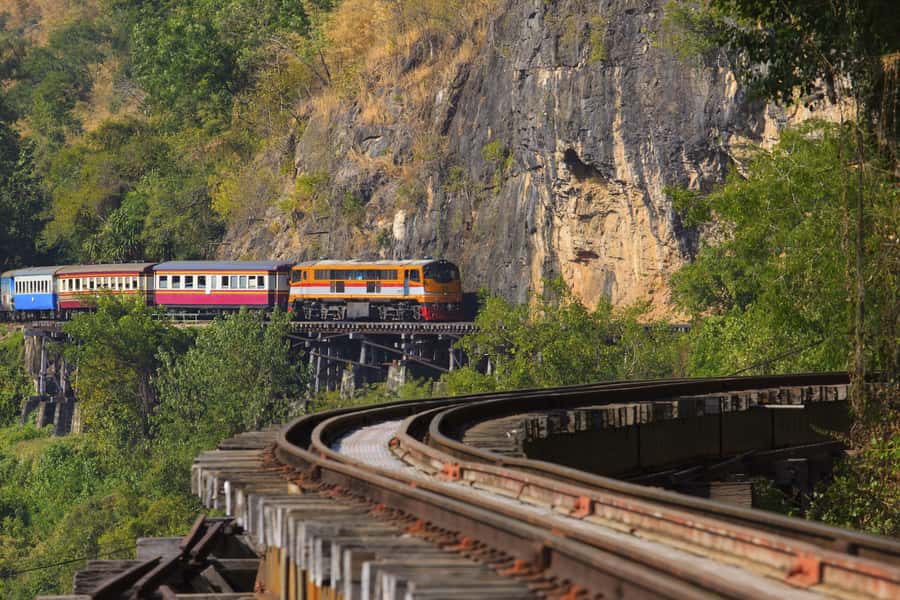
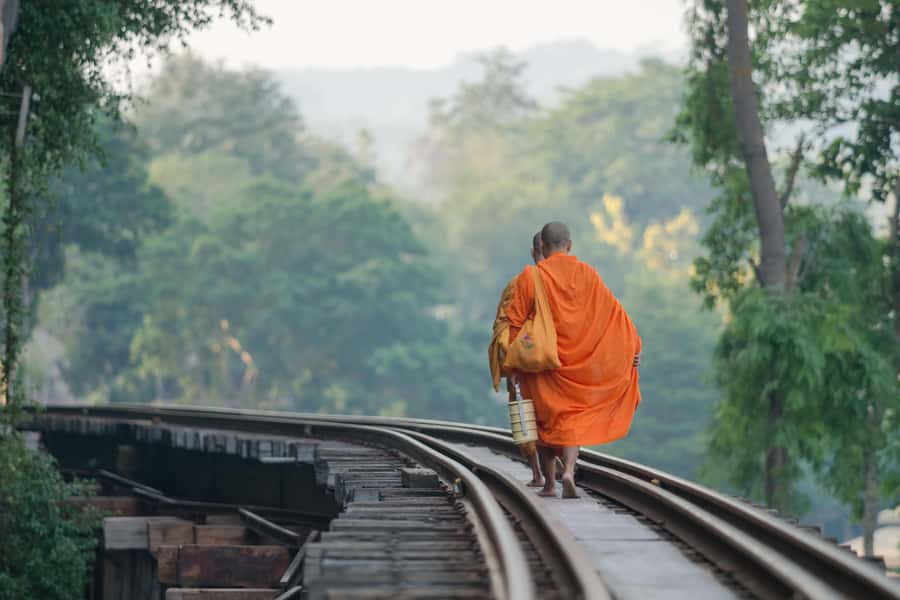
After lunch, you head to Tham Krasae Station, where the railway section snakes around a cliff. This is one of the best “wow” moments on the day—not because it’s fancy, but because it’s real. You can watch the trains pass and see the railway cutting through the terrain.
This stop works well after the cemetery and museum because it connects story to place. It’s the moment where the geography becomes part of your understanding. Why was the railway so difficult? Look at how it threads along steep edges and narrow corridors. It’s hard to reduce it to words once you’re standing there.
Plan for photos. The angles can be great, and even when the day is hot, the view makes people forget they’re tired.
Lunch and coffee stops: keep it simple, plan to pay
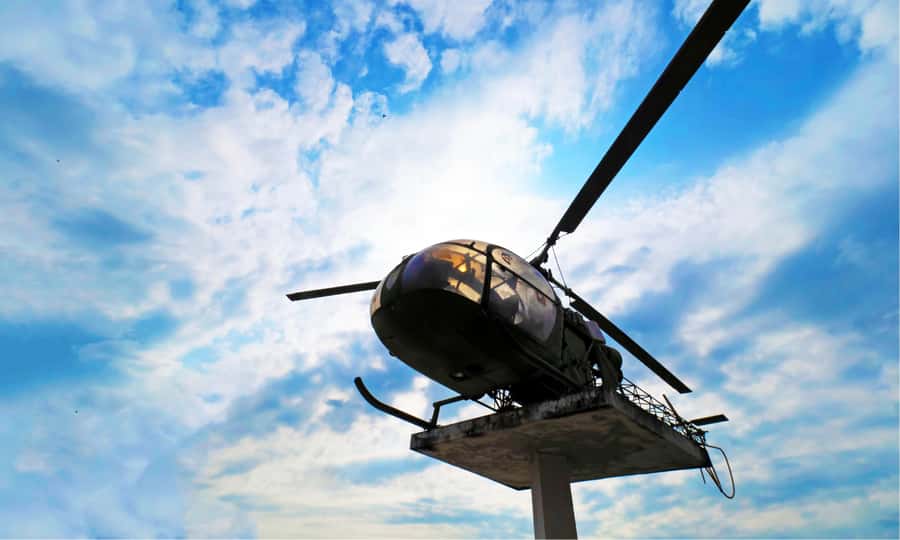
You’ll have a lunch stop at a local restaurant for about an hour, plus a 30-minute coffee break afterward at a local café. Lunch isn’t included in the price, so you’ll want cash on hand for your meal.
Here’s the value angle: the lunch and coffee stops keep the day humane. Without them, you’d be racing between historic sites in a way that gets exhausting. With them, you can reset, cool down a bit, and then head into Wat Tham Suea with enough energy to enjoy the climb and not just survive it.
If you get offered Thai dishes, I’d try one or two things you don’t recognize. You’ll usually get a more authentic flavor than generic tourist menus, and it fits the overall feel of the tour: history plus real local life.


Wat Tham Suea (Tiger Cave Temple): the steep climb and the 18-meter Buddha
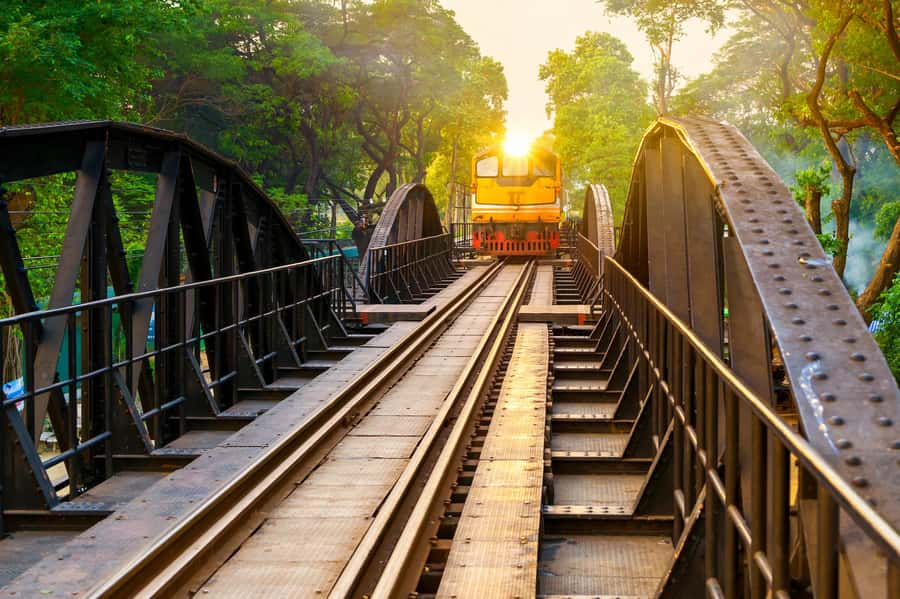
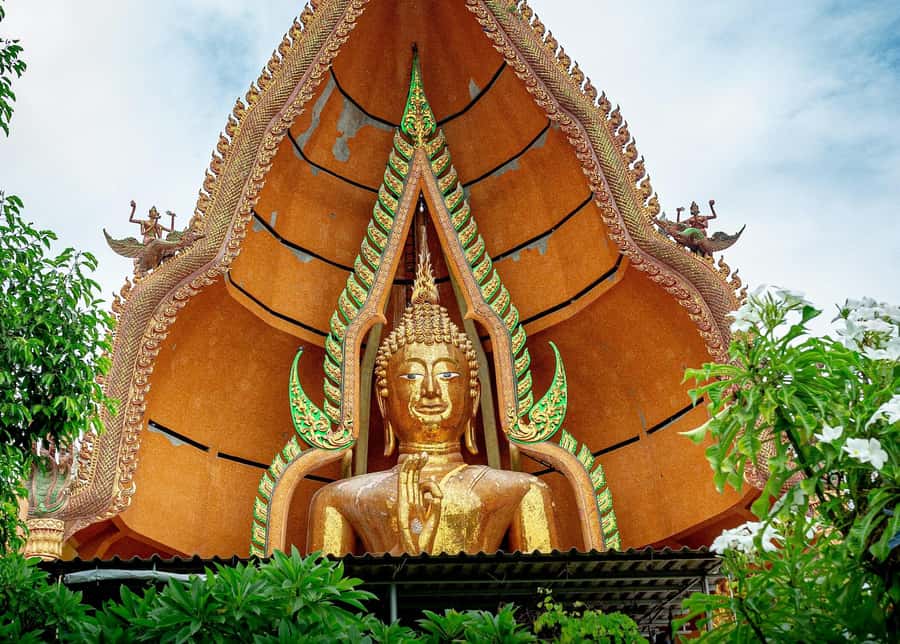
The final major stop is Wat Tham Suea, also called Tiger Cave Temple. You get tiger paw prints on the cave walls, and at the top there’s a large gleaming 18-meter-tall Buddha statue. The experience is both visual and physical—there’s a steep hike, and you’ll feel it.
I like that the visit isn’t just “walk in, take a photo, leave.” You earn the views, then you’re rewarded with a close-up look at the statue and the surrounding scenery from up high.
Two things to prepare:
- Dress correctly. No sleeveless shirts and avoid short shorts or mini skirts. Temple entry requires respectful clothing.
- Bring water and pace yourself. The heat can be intense. One past traveler noted 42°C+ conditions, which can turn the climb into a sweat session fast.
Also, this is a photo stop with plenty of motivation. Even if you think you’ll only take a couple pictures, the cave details and statue views often lead to more.
Responsible touring: GSTC-certified, water in glass, and carbon offsets
This tour is designed to be lower impact, and I appreciate that it’s not just a slogan. You get drinking water in glass bottles, and the tour includes carbon emissions offset credits for every tour.
It’s not going to erase the fact that you’re driving out of Bangkok for a full day, but it does address waste and footprint in a concrete way. If you care about traveling responsibly, this is one of the few day trips that gives you those details up front instead of leaving you guessing.
Price and logistics: is $102 good value for what you get?
At $102 per person for a 10-hour outing, the pricing is fair when you tally what’s included. You’re getting:
- an English-speaking tour guide
- air-conditioned transport
- pickup and drop-off from your accommodation (the tour notes this with options like private service)
- entrance to the JEATH Museum
- a glass bottle of drinking water
- carbon offset credits
Lunch and personal spending are not included, so you’ll pay for meals on-site. But most of the “hard costs” are covered, which helps you avoid surprise expenses once you’re out of Bangkok.
Group size also affects value. With a maximum of 9 people, you get a more personal experience than big-bus tours. And transport quality is consistently high—there’s a strong signal in past feedback that the vehicle ride is smooth and comfortable.
If you’re considering a private option, you may pay more, but you often get extra flexibility for pace and questions. For history-focused travelers, that can be money well spent.
Logistics are also pretty clear: your pickup time and meeting point are confirmed by email the evening before, and you’ll see your guide holding a TripGuru sign. I recommend being ready about 10 minutes early in your hotel lobby.
Who should book this tour—and who should think twice
This tour is a great match if you:
- want a one-day way to see Kanchanaburi’s World War II sites from Bangkok
- enjoy history when it’s tied to real places (cemetery → museum → bridge → railway views)
- like a small-group format with an English guide
- are willing to do a steep temple climb
You might think twice if:
- long driving days exhaust you (the return drive can feel long)
- you want a light, carefree day—this route is emotionally heavy in parts
- you dislike doing photo stops and short sightseeing blocks between major points
Should you book this Bangkok–Kanchanaburi day trip?
If your goal is to understand the Death Railway era beyond movie quotes, I’d book it. The structure works: you start with remembrance, you learn through exhibits, you see the bridge, you watch the railway in action, and you finish with the Tiger Cave Temple climb and views.
The biggest practical reason to book: everything is organized. You don’t have to figure out transport, entrance to the JEATH Museum, or timing between stops. For $102, you also get the guide and air-conditioned ride—plus water and offsets—so you can focus on the sites.
Just go prepared. Bring sunscreen, wear temple-appropriate clothing, pack cash for lunch, and treat the return drive as part of the deal. If you do that, you’ll come home with a day that feels both memorable and grounded in reality.
FAQ
How long is the tour?
The tour runs for 10 hours, with pickup from Bangkok and return to Bangkok on the same day.
What is included in the ticket price?
You get an English-speaking guide, air-conditioned vehicle, entrance fee to the JEATH Museum, a glass bottle of drinking water, and carbon emissions offset credits. Lunch and personal expenses are not included.
Is pickup from anywhere in Bangkok available?
Pickup is only offered from hotels or registered accommodations. The tour doesn’t pick up from roadsides or shopping malls.
What kind of group size is it?
It’s a small group with a maximum of 9 participants.
Is the tour accessible for wheelchair users?
Yes, the tour is wheelchair accessible.
What should I bring for the day?
Bring a camera, sunscreen, comfortable clothes, and cash (since lunch isn’t included).
What clothing is required for temple visits?
You should avoid short skirts, short shorts, and sleeveless shirts. You’ll want to dress properly and appropriately for temple entry.
Can I cancel for a refund?
You can cancel up to 24 hours in advance for a full refund.