REVIEW · CHIANG MAI
Chiang Mai Twilight Tour: Illuminated Old City Landmarks
Book on GetYourGuide →Operated by KO TRIP CNX · Bookable on GetYourGuide
Temples glow best after sunset. This Chiang Mai twilight tour puts you in the Old City during the soft light, focused on two UNESCO-linked landmarks, especially the Wihan Lai Kham at Wat Phra Singh. The main drawback: temple entrance fees are extra (50 THB each), so you’ll want cash ready.
What I like most is how the guide ties what you see to how Buddhists actually live with these ideas day to day. I also like the pace: it feels like a guided walk through meaningful spaces, not a rushed temple checklist. You’re in a private group, so the conversation can stay personal and practical.
If you want a temple visit where someone explains the symbols while the sky cools off, this is a strong choice.
In This Review
- Key Highlights You’ll Care About
- Twilight in Chiang Mai’s Old City: the timing that changes everything
- Wat Phra Singh: Wihan Lai Kham and the Phra Phutthasihing connection
- Wat Chedi Luang: the Big Pagoda Temple and temple details you’ll actually notice
- Monk chat and blessing: how this tour turns “seeing” into understanding
- The itinerary, stop by stop: what happens in those 2 hours
- Stop 1: Wat Phra Singh Woramahawihan (meet-up + start)
- Stop 2: Wat Phra Singh (about 1 hour)
- Stop 3: Wat Chedi Luang (about 1 hour)
- Stop 4: finish back at Wat Chedi Luang
- What’s included (and what isn’t): plan your budget like a local
- Clothing, shoes, and temple rules you should take seriously
- How to get the best photos without breaking temple rules
- Who this Chiang Mai twilight tour is perfect for
- Price and value: does $39 make sense for two temples and a guide?
- Should you book this Chiang Mai Twilight Tour?
Key Highlights You’ll Care About
- Twilight lighting makes Wat Phra Singh and Wat Chedi Luang feel calmer and more intimate than daytime
- Wihan Lai Kham at Wat Phra Singh, connected to the revered Phra Phutthasihing Buddha image
- Wat Chedi Luang’s Big Pagoda experience, with the city’s biggest pagoda as the centerpiece
- Monk meeting opportunity, including monk chat or the chance to receive a blessing
- Easy-paced guided walking tour with English or Thai guidance and an expert local perspective
Twilight in Chiang Mai’s Old City: the timing that changes everything
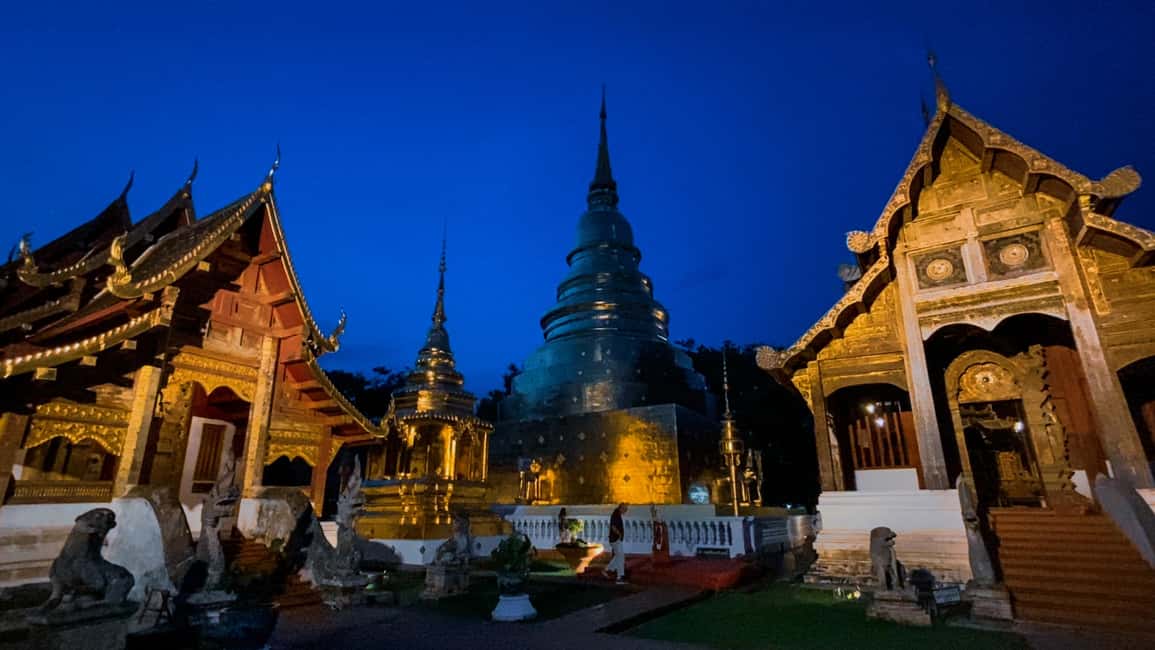
Chiang Mai’s Old City temples don’t just look good at night. They feel different. During twilight, the colors soften, shadows lengthen across stone, and the mood turns quieter. On this tour, that timing matters because your two biggest stops—Wat Phra Singh and Wat Chedi Luang—are both places where atmosphere helps you understand the purpose, not just the architecture.
You’re walking through temple grounds with a guide who focuses on how to read what you’re seeing. That’s the difference between taking photos and understanding why certain spaces exist, why specific images matter, and why worshippers move the way they do.
This is also a practical length. At about 2 hours, you’re not trapped in a long schedule during a time when you’ll likely be hot, tired, or both. It’s enough time to see the big details, but not so long that you lose the thread.
You can also read our reviews of more city tours in Chiang Mai
Wat Phra Singh: Wihan Lai Kham and the Phra Phutthasihing connection
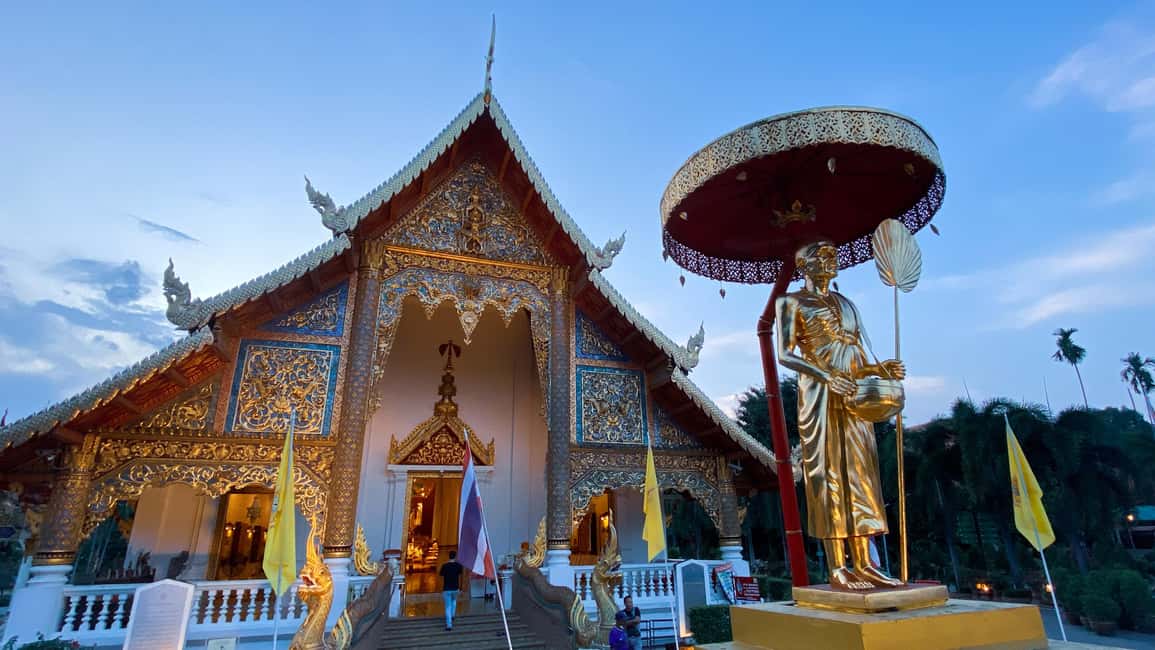
Wat Phra Singh Woramahawihan is where you start. When you arrive at the entrance, you’ll meet your guide and get going right away. This matters because the first stop sets the tone. Instead of jumping straight to the most famous structure, you get context—what the temple is, and how to look at it.
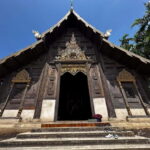
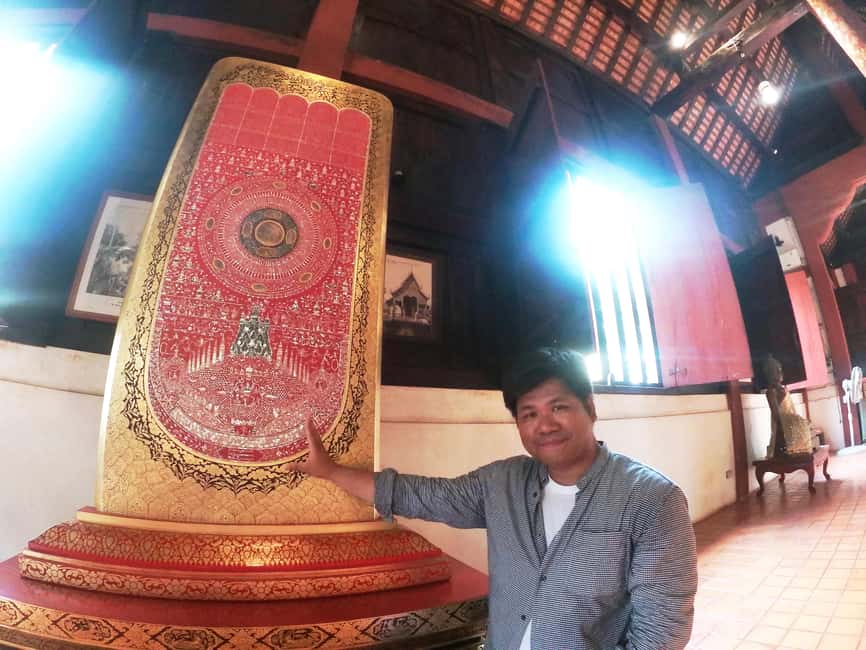
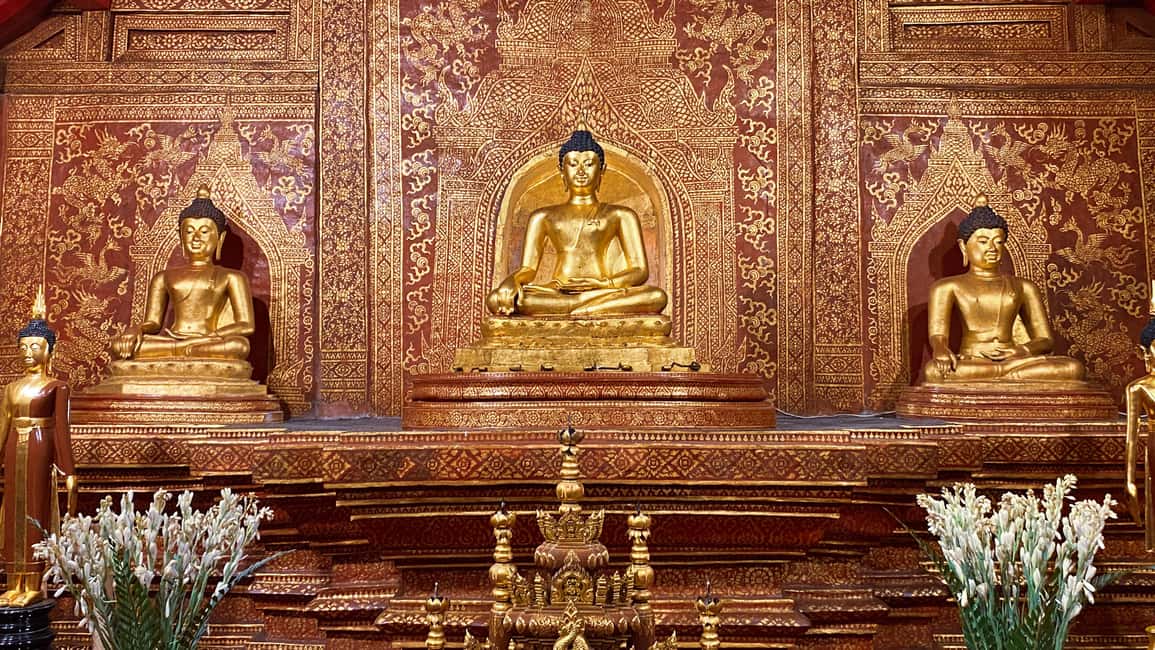
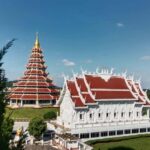
At Wat Phra Singh, you’ll tour the main areas with guidance and then you’ll have some breathing room for sightseeing. The star attraction here is the Wihan Lai Kham, a striking, golden hall tied to the revered Phra Phutthasihing Buddha image. Even if you’re not a “Buddha statue person,” this is the part that teaches your eyes how to behave.
Here’s what you can focus on during your time in the hall:
- How the gold surfaces catch the last light of the day
- The way worshippers treat these spaces as calm, serious places
- The meaning behind the Buddha image the temple is known for
A guided visit helps because Buddhist temples can look similar from far away. The guide’s job is to keep your attention on what’s unique here—especially the Wihan Lai Kham and its connection to Phra Phutthasihing. Once you understand that link, the rest of the temple grounds make more sense.
Wat Chedi Luang: the Big Pagoda Temple and temple details you’ll actually notice
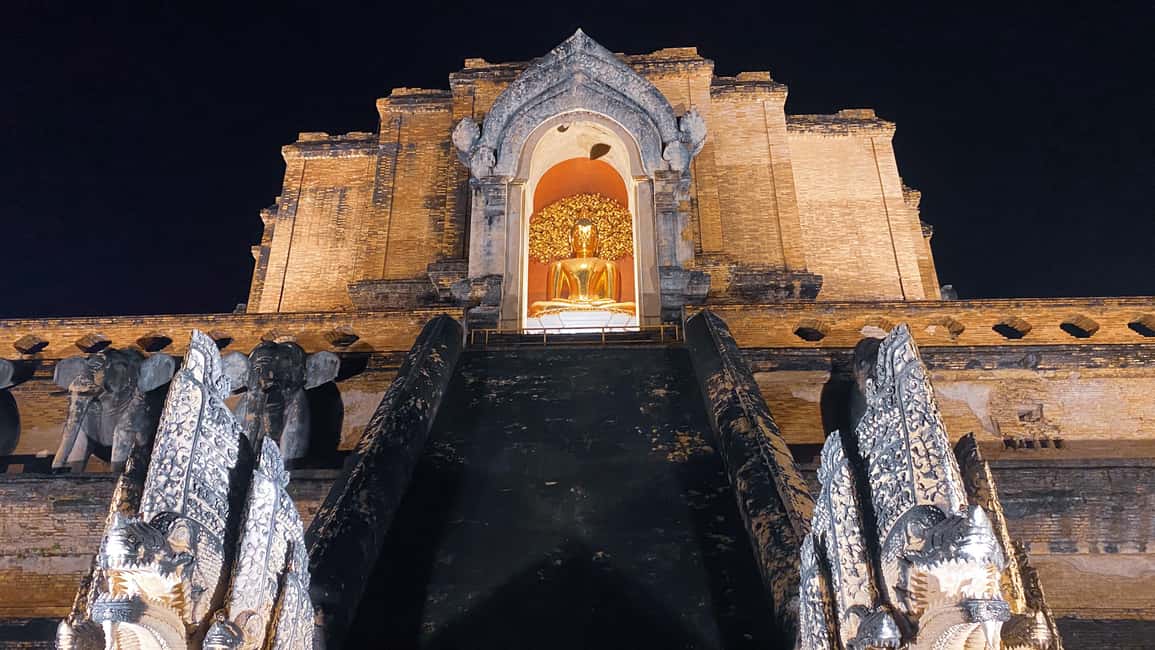
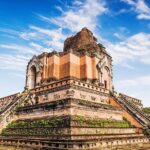
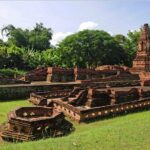
After Wat Phra Singh, you’ll head to Wat Chedi Luang, often called the Big Pagoda Temple. This stop is built around one huge visual anchor: the towering pagoda, and it’s described as the city’s largest.
The pagoda dominates the grounds, so your experience becomes a slow, natural attention shift: you look up, then you look around at how people move through the space. With a guide, you’ll also start noticing the “in-between” parts—corners, structures, and decorative elements that are easy to miss when you only chase the biggest photo.
You’ll get a guided walk here too, plus time to explore on your own. One nice part of the setup is that it’s not all standing still. You’ll be walking and absorbing temple life while the light keeps changing.
This is also the stop where the tour leans into cultural learning more directly. Your guide will share stories and insights tied to Buddhism and the way Thais integrate these ideas into everyday life. Even if you know basics already, the guided framing helps you connect the symbolism to what you see on the grounds.
Monk chat and blessing: how this tour turns “seeing” into understanding
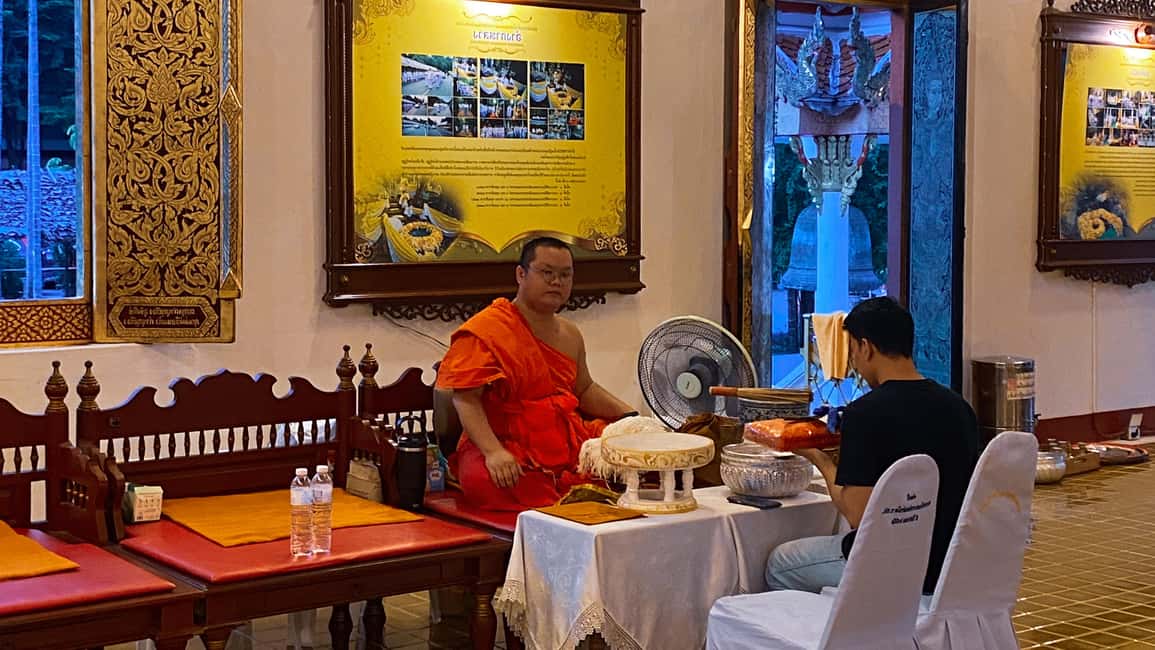
One of the most memorable elements in this experience is the chance to meet a local monk(s). The tour description includes a monk chat or the possibility of receiving a blessing. That’s not a small add-on—it’s the part that often makes temple tours feel meaningful instead of performative.
When you speak with a monk or hear an explanation in a respectful setting, you stop treating the temple as a backdrop. You start treating it as a living place with real beliefs and real routines.
A few practical points to keep in mind:
- Be ready for questions from your side too, especially about what you’re seeing
- Follow the guide’s cues on how to behave in temple spaces
- Keep your tone calm and respectful, even if you’re just curious
The best part is that your guide acts as the bridge. Instead of you trying to translate the whole experience in your head, you get a human explanation that fits the temple and the moment.
The itinerary, stop by stop: what happens in those 2 hours
Here’s how the flow works, and why the structure is smart.
Stop 1: Wat Phra Singh Woramahawihan (meet-up + start)
You meet at Wat Phra Singh (entrance). Expect to find your group at the entrance area and look for the GetYourGuide logo. Starting here keeps the timing tight and helps you settle into the visit without unnecessary waiting.
Stop 2: Wat Phra Singh (about 1 hour)
You’ll do a guided tour plus some free time for sightseeing. The guided portion is where you’ll learn what to focus on—especially the Wihan Lai Kham and the temple’s association with the revered Phra Phutthasihing Buddha image. The free time is important. You get a moment to look without constantly hearing instructions, which helps photos and observation feel natural rather than rushed.
Stop 3: Wat Chedi Luang (about 1 hour)
Wat Chedi Luang is your second main visit. It includes guided touring, free time, and walking within the temple grounds. This is where the city’s biggest pagoda becomes your visual anchor, and where the tour’s cultural explanation tends to feel most connected to everyday Buddhist life.
Stop 4: finish back at Wat Chedi Luang
The tour ends back where you finish the main temple visit. That’s convenient if you’re planning to keep exploring nearby on your own afterward—just remember you’re not going to be dropped back at a hotel.
What’s included (and what isn’t): plan your budget like a local
This tour costs $39 per person, and for a 2-hour guided walk through two major temple landmarks, it’s priced fairly when you factor in what’s included: an expert local guide, a bottle of drinking water, and accident insurance.
The key thing is what’s not included:
- Entrance fees: 50 THB for Wat Phra Singh and 50 THB for Wat Chedi Luang
- Food and drinks
- Hotel pickup and drop-off
- Personal expenses
So think of the $39 as paying for the guide and the guided temple time. You’ll still want to budget a bit extra for entry. Cash helps because you’re walking into temple spaces rather than buying everything in one spot.
Also, because there’s no food or hotel pickup, you’ll want to arrive ready to walk and ready to snack later. Bring water habits too; you’ll get a bottle, but you’ll still be walking in real humid air if you’re there around evening heat.
Clothing, shoes, and temple rules you should take seriously
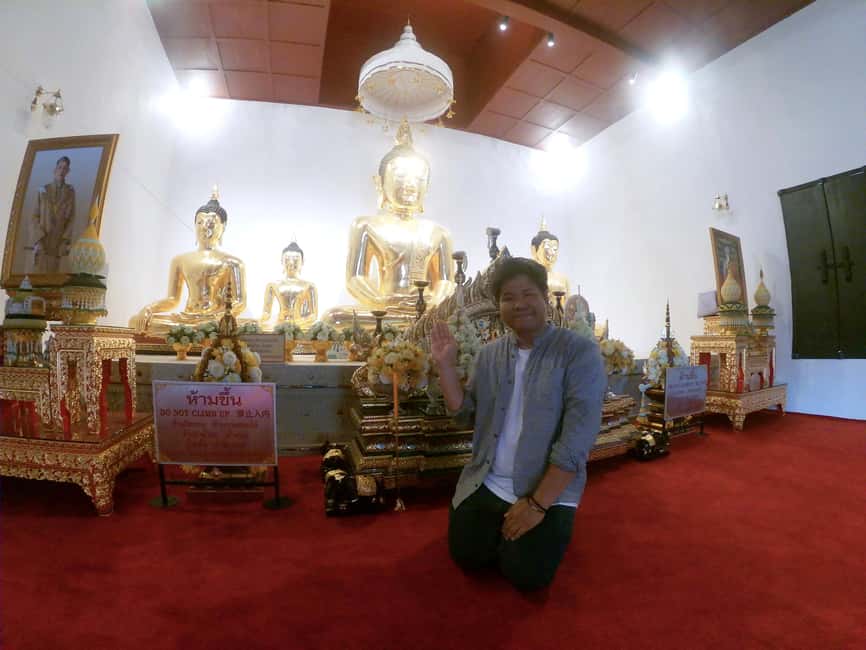
This tour is simple, but the temple environment has rules. Getting these right makes the experience smoother—and more comfortable.
Plan to bring:
- Comfortable shoes (you’re walking temple grounds)
- Hat and an umbrella (twilight can still mean sun and sudden rain)
- Camera (and plan around flash limits)
- Water
- Cash for entrance fees
Wear respectful clothing:
- Shoulders and knees covered
- Avoid shorts
Rules you must follow:
- Flash photography is not allowed inside the temples
- Pets are not allowed
Also note: this tour is not suitable for wheelchair users or people with mobility impairments, and it’s listed as not suitable for pregnant women and for those with back or heart problems, plus hearing-impaired people. If any of those apply, it’s worth choosing a different format that fits your needs.
How to get the best photos without breaking temple rules
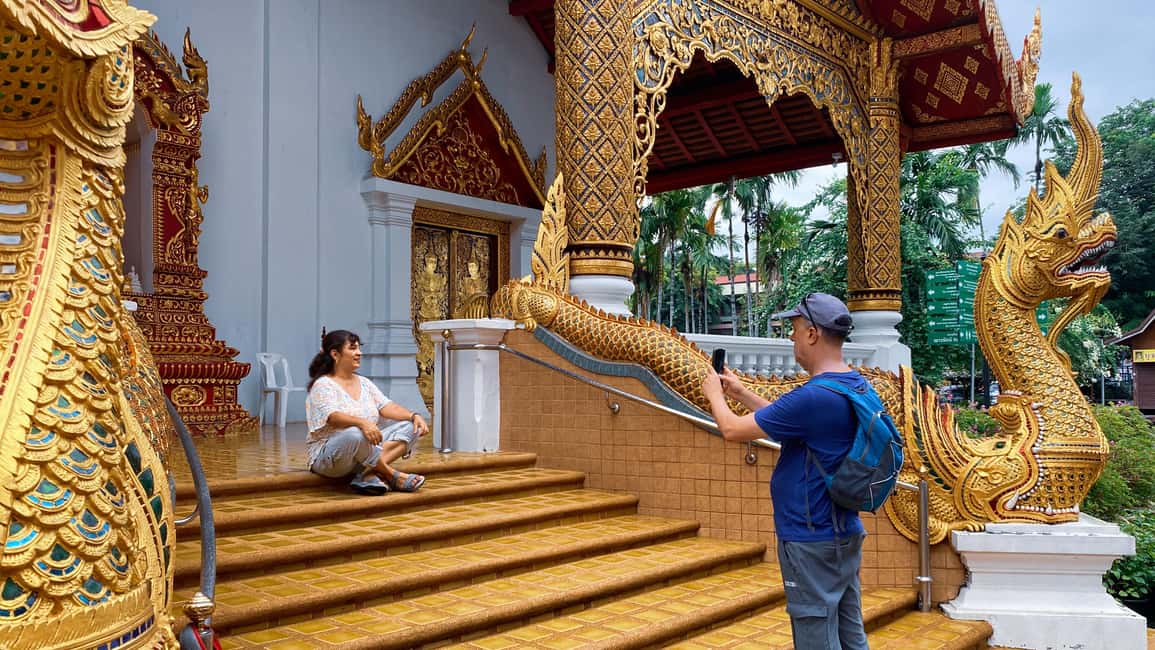
You can photograph temples here, but you need to play by the rules. Flash is out inside. That means you’ll want to adjust your camera settings before you step into darker areas.
Practical photo tips that work well in temple lighting:
- Use steady hands and brace your elbows
- If your camera allows it, use a higher ISO rather than flash
- Take a few wider shots first, then get detail shots (gold, stone textures, entryways)
And don’t forget to look up from the viewfinder. Twilight is when pagodas and halls start looking dramatic. If you spend the whole time framing, you miss the calm feeling the guide is pointing you toward.
Who this Chiang Mai twilight tour is perfect for
This is a great fit if you want:
- A focused temple experience with easy-paced guidance
- A guided explanation of Buddhism basics and what you’re seeing
- A calmer schedule—two stops, not ten
- A private group feel rather than being swept into a huge crowd
It’s especially good for first-timers who feel overwhelmed by temple rules and symbols. The monk conversation option also helps you go beyond surface-level sightseeing.
It might not be ideal if you:
- Need wheelchair access or have mobility limitations
- Have back or heart issues that make walking painful
- Prefer a purely self-guided temple visit without any structured explanations
Price and value: does $39 make sense for two temples and a guide?
For many people, $39 sounds like the “guide tax.” In this case, you’re paying for real value: a guided walking tour across two major Chiang Mai landmarks, with interpretation, plus the possibility of meeting a monk.
The math is straightforward:
- You cover two temple visits with one organized guide
- You get an expert local perspective in English or Thai
- You don’t have to coordinate timing or understand temple etiquette on your own
The only real pricing wrinkle is that entrance fees are extra. But once you plan for that (cash for 50 THB each), the rest is simple. And because the tour is 2 hours, you’re not paying for a long time where fatigue takes away from your experience.
If you’re the kind of traveler who benefits from having someone explain what you’re seeing, this price is reasonable. If you’d rather wander freely and read guidebooks instead, you might feel it’s more structured than you need.
Should you book this Chiang Mai Twilight Tour?
I’d book it if you want a guided, respectful, not-rushed way to see two major Old City landmarks at twilight—especially if monk conversation and Buddhism context matter to you. The private group format and the focus on Wat Phra Singh’s Wihan Lai Kham and Wat Chedi Luang’s Big Pagoda make the 2 hours feel purposeful, not padded.
Skip it if you can’t do walking temple grounds, or if you need an accessibility-friendly alternative. Also, plan for the separate entrance fees so there are no surprise moments.
If you’re aiming for a temple visit where you understand the symbols and the mood at dusk, this one is a solid bet.