REVIEW · CHIANG MAI
Chiang Mai: Silver Craftwork Temple Tour with Monk Meeting
Book on GetYourGuide →Operated by LJ Tour Cultural and Soft Adventure Tours · Bookable on GetYourGuide
Chiang Mai’s silver temples come with real people behind them. This 3-hour small-group tour mixes two major temple visits with a special chance to meet and talk with a Buddhist monk about daily life and choosing monkhood. You’ll also watch artisans work with silver (and aluminum) craft tied directly to temple decoration, so it feels practical, not staged.
I especially love the monk conversation angle. When you can ask questions about philosophy, routines, and why someone chooses this path, the visit stops being just sightseeing and starts making sense.
One thing to consider: temple rules are strict. You’ll need proper attire (no bare shoulders or knees) and you must remove your shoes before entering temple buildings, which can feel a bit formal if you like relaxed dress.
In This Review
- Key Highlights You’ll Actually Care About
- How the 3-Hour Format Works in Chiang Mai (and Why It’s Good)
- Three Kings Monument: Meeting Up Without the Headache
- Wat Suan Dok: Photo Stop, Guided Visit, and Monkhood Q&A
- One drawback to know about
- Wat Sri Suphan: The Silver Temple Stop That Explains the Shine
- About access inside the silver chapel
- The Craft Lesson: Silver and Aluminum Plate Work You Can Actually Understand
- Etiquette Checklist: Dress, Shoes, Photos, and Temple Boundaries
- Dress code (non-negotiable)
- Shoes
- Photography
- Monk boundaries
- What to bring
- Your Guide and the Small-Group Feel (Who Might You Get?)
- Price and Value: Is $67 a Fair Deal for What You Get?
- Who This Tour Fits Best (and Who Should Skip)
- Should You Book This Chiang Mai Monk and Silver Craft Tour?
- FAQ
- Where do I meet for the tour?
- How long is the Chiang Mai silver craftwork temple tour with monk meeting?
- What is the price per person?
- Is the tour in English?
- Is this a small-group tour?
- Does the price include temple admission and transport?
- Do I need to bring anything?
- What should I wear to the temple?
- Can I take photos inside the temples?
- Is a meal included?
- FAQ
- Do I need to remove my shoes in the temple buildings?
- Is hotel pickup included?
- Are there restroom facilities?
- Is the monk conversation the same for everyone?
- What’s the cancellation policy?
- Is there an option to pay later?
- Is the tour suitable for young kids or mobility needs?
- Is pickup available from where I stay?
Key Highlights You’ll Actually Care About
- Monk meeting for real Q&A about monk life, goals, and what daily practice looks like
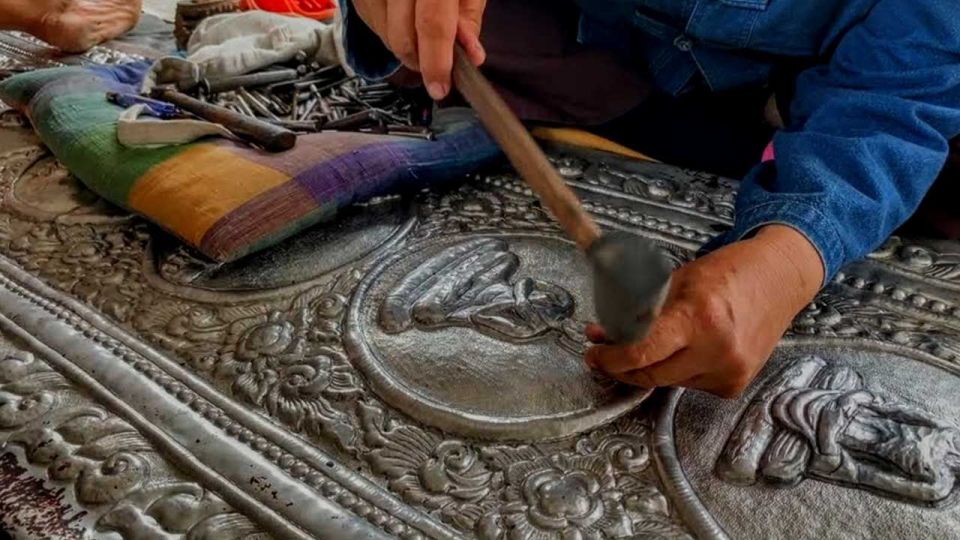
- Silver craft in context at Wat Sri Suphan, with time to observe makers and take photos
- Two temple stops in one efficient loop around Chiang Mai’s older religious sites
- English-speaking licensed guidance to help you understand what you’re seeing
- Temple etiquette is part of the experience: clothing, shoe removal, and quiet respect
How the 3-Hour Format Works in Chiang Mai (and Why It’s Good)
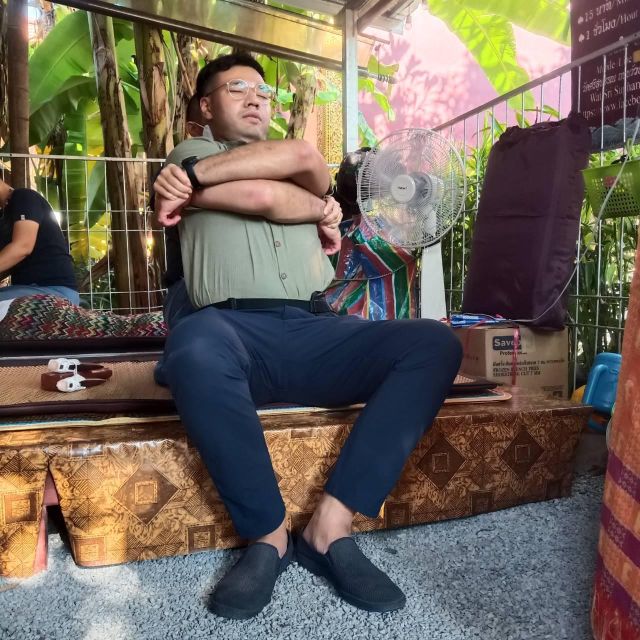
This tour is built for people who want more than “temple, photo, done.” In just 3 hours, you’ll cover two stops that represent very different sides of Chiang Mai’s religious and craft culture. One is about learning and perspective. The other is about craft, decoration, and the skill behind the shine.
The pacing is also realistic. There’s short transport time between sites, then enough time inside each place to actually look. The guide keeps the flow moving, but you still get room to slow down, ask questions, and take photos.
And because it’s a small group, you’re not lost in a crowd. That matters for the monk part. Too many bodies in the mix can make spiritual conversations feel awkward. Here, the structure is set up so your questions have space.
You can also read our reviews of more tours and experiences in Chiang Mai.

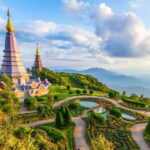

Three Kings Monument: Meeting Up Without the Headache
Your day starts at the Three Kings Monument. It’s a big, obvious landmark, so you’re not stuck doing contortionist-level figuring-out before the tour even begins.
Bring comfortable shoes because you’ll be on your feet, and an umbrella because Chiang Mai weather can change quickly. Even if it’s dry when you leave, you’ll be happier with rain coverage than hunting for a shop in the middle of the day.
One more practical note: this is a temple-focused tour. Expect a rhythm of walking, pausing for photos, and then shifting into “quiet, respectful mode” once you enter the main buildings.
Wat Suan Dok: Photo Stop, Guided Visit, and Monkhood Q&A
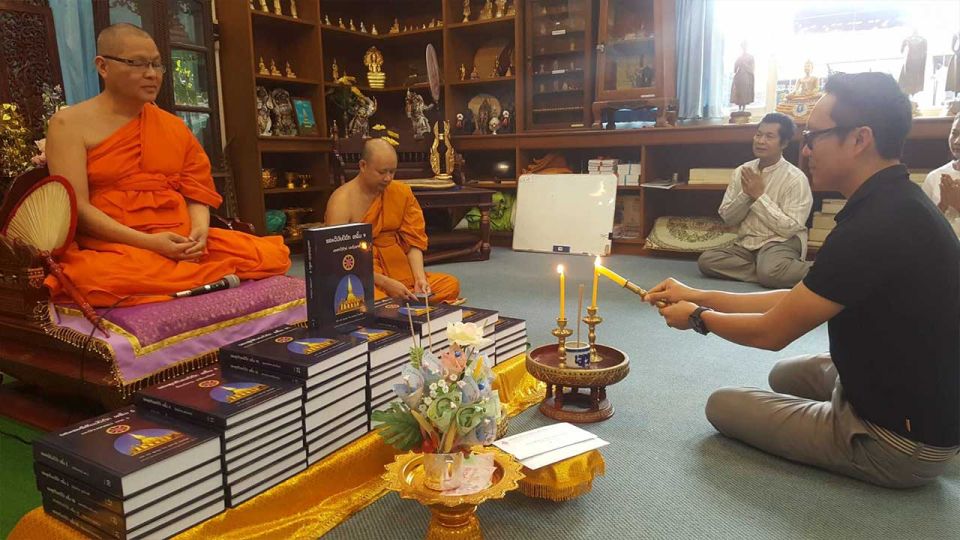
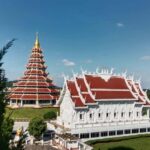
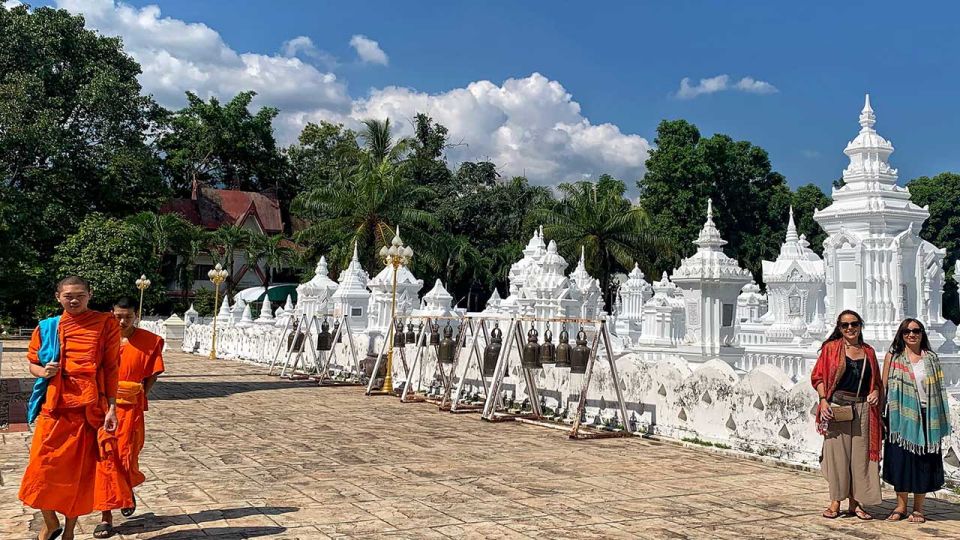
Wat Suan Dok is where the day starts to feel personal. You’ll have time for a photo stop, then you’ll go into the guided visit with time for sightseeing. The overall feeling here is reflective—this is a temple where you’re meant to look carefully and learn what the place represents.
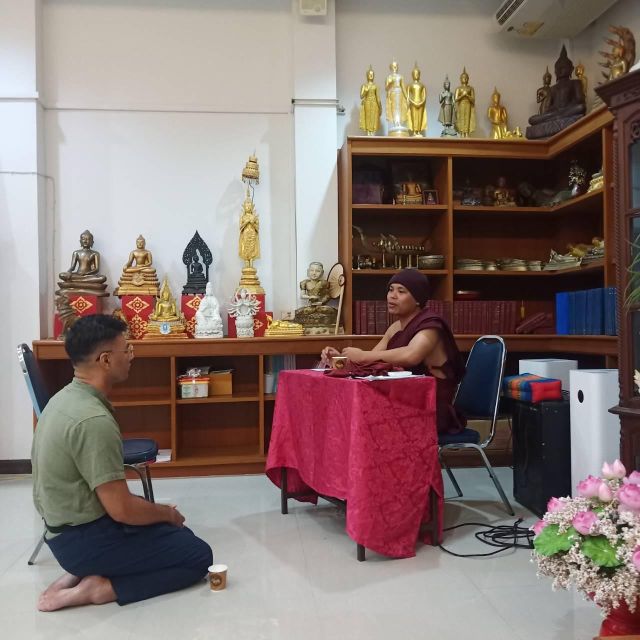
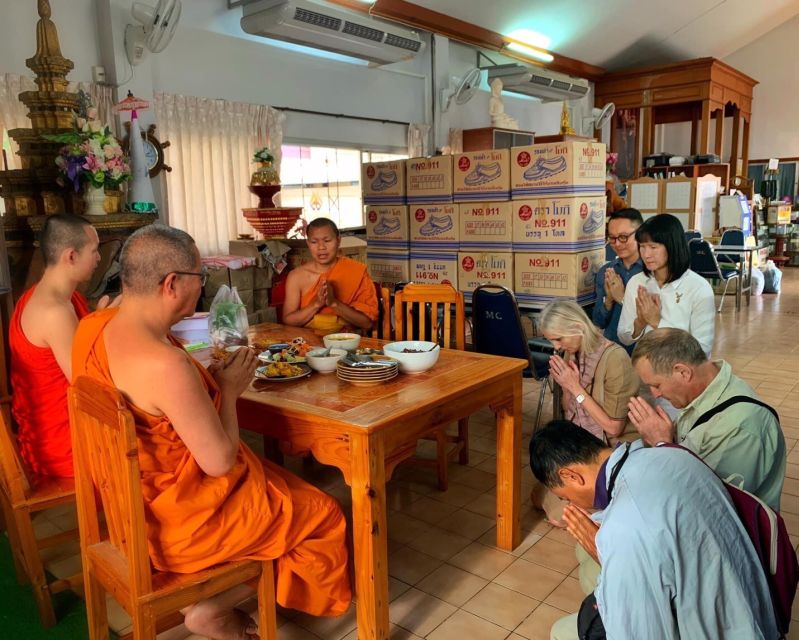
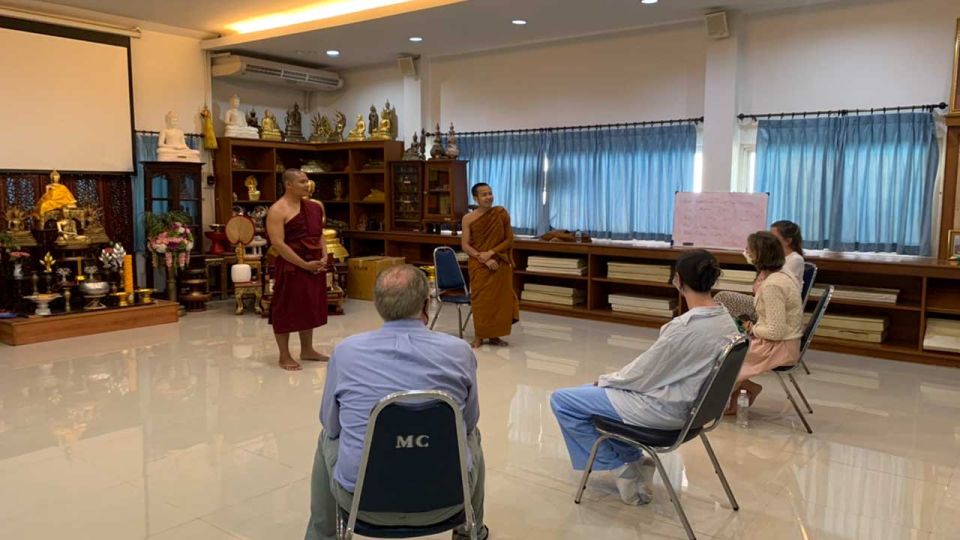
What makes this stop special is the monk meeting. You’ll be able to talk with a monk and discuss why he chose monkhood, how daily life works, and what his goals are. You may also learn practical side details like routine activities and how chants or meditation fit into the day. That kind of conversation turns your brain on in a good way—you stop treating Buddhism like museum labels and start treating it like lived practice.
A key detail from the provided information: the monk will keep distance with female guests. That’s not random; it’s a built-in boundary that you should respect without trying to “work around it.” Go with the flow. If you’re chatting, it’ll be at the appropriate distance and in a way that keeps everyone comfortable.
Time-wise, you’ll spend about 80 minutes at this first temple area. That’s enough to move around, ask questions, and still have time to soak in the architecture and atmosphere without feeling rushed.
One drawback to know about
If you want a super casual, no-rules walking tour, Wat Suan Dok will remind you that temples run on etiquette. That’s part of the point—but keep it in mind if you’re traveling with a group that gets impatient with dress codes and shoe rules.
Wat Sri Suphan: The Silver Temple Stop That Explains the Shine
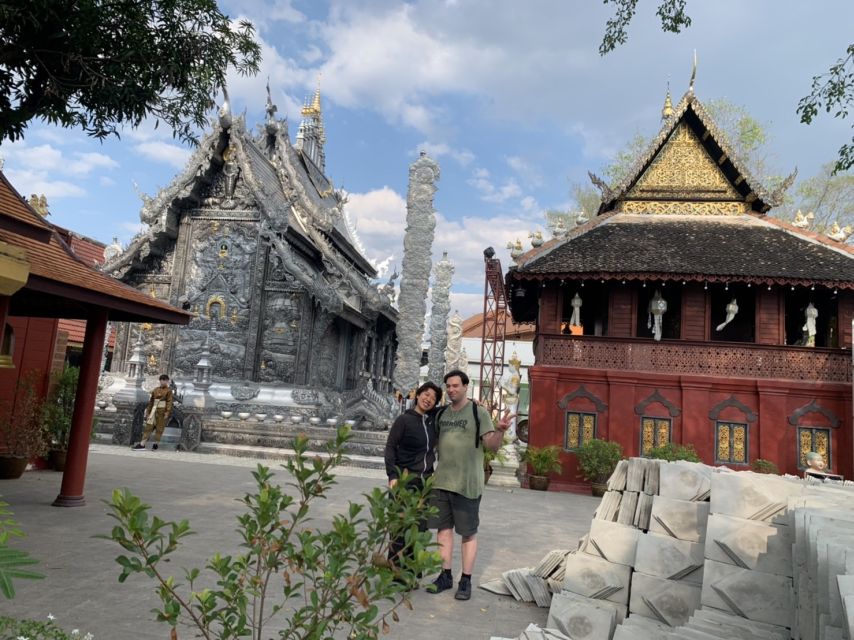
After the first site, you’ll take a short black cab ride and then arrive at Wat Sri Suphan. This is often called the Silver Temple for a reason. You’re not just looking at silver as a color here—you’re looking at silver craftsmanship as decoration tied to the temple’s identity.
You’ll get a photo stop, then a guided tour, sightseeing, and time to walk. There are also scenic views along the way, which helps break up the day between indoor viewing and slower exterior exploration.
The best part is what you’ll do with your eyes. The tour is designed so you don’t only glance and move on. You’ll slow down in the village area and inside the temple, where you can see detailed pieces—silver and aluminum plate decoration on important parts of the main chapel.
If you care about craft, you’ll likely enjoy the way the guide points out what you’re seeing:
- how materials are used for temple decoration
- what parts of the shrine are covered
- how the work supports local art culture rather than just selling souvenirs
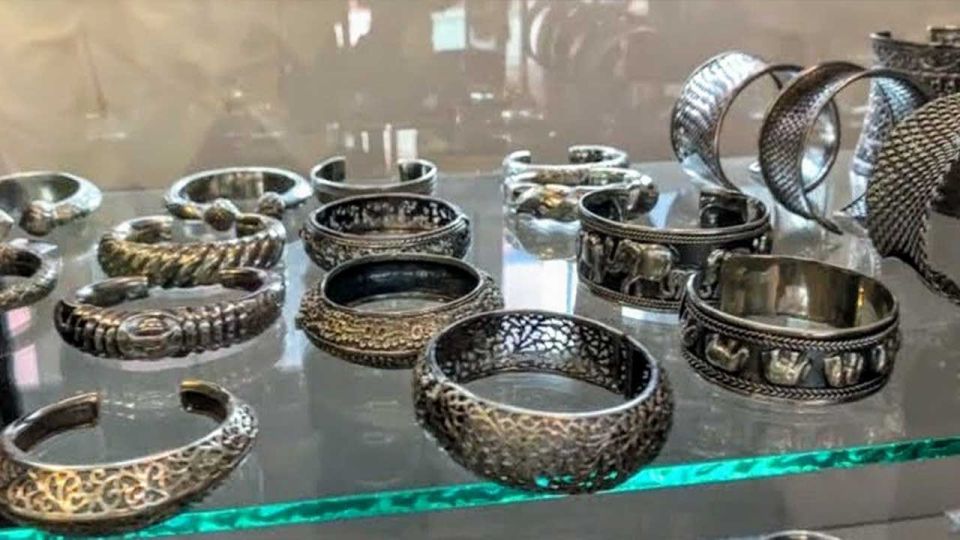
And yes, you’ll have time to observe silver smiths who dedicate their work for temple art. That’s the difference between seeing silver in a shop and seeing silver as a working craft community.

About access inside the silver chapel
One review mentioned that only men are allowed inside a specific silver temple area, and your tour may reflect similar temple-specific access. The general tour still lets you see plenty, but if being able to enter every space is a must for you, plan for some restrictions and focus on the areas you can access comfortably.
The Craft Lesson: Silver and Aluminum Plate Work You Can Actually Understand
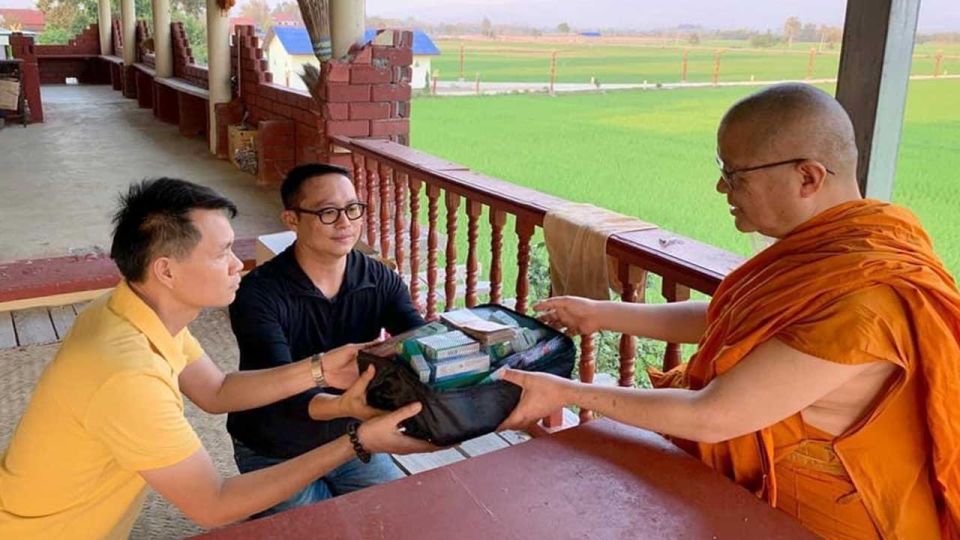
Here’s the value of the silver craft portion: it connects the physical skill to a spiritual and community function. When the guide explains that the temple helps locals create art using silver and aluminum craft for decoration, you start to see the temple as more than a building.
Instead, you’re looking at a local ecosystem:
- artisans who produce detailed work
- a temple that gives the work meaning and purpose
- visitors who get a clearer understanding of why the craft exists
You’ll likely see impressive craftsmanship up close, including plated decorations on the chapel areas. Even if you’re not a craft nerd, the scale and repetition of details will hit you. You’ll find yourself slowing down just to understand how something so shiny is still made with careful hands, one piece at a time.
And it’s photo-friendly. The information provided says photography is permitted, so you can capture the patterns and sections you want to remember. Just keep it respectful—don’t block entrances, and avoid hovering at the best angles when people are moving through.
Etiquette Checklist: Dress, Shoes, Photos, and Temple Boundaries
Temple rules are the part that trips people up, so here’s a clear checklist from what you were told:
Dress code (non-negotiable)
You’ll be required to wear proper attire in the national shrine chapel area:
- no bare shoulders
- no bare knees
- avoid strapless-heel shoes
Shoes
Your shoes must be removed before entering temple buildings. You’ll feel this quickly, so come with shoes you can take off easily.
Photography
Photography is permitted. Use a little common sense—steady your shots, keep conversations quiet inside, and don’t treat prayer spaces like a photo studio.
Monk boundaries
The monk will keep distance with female guests. If you’re the one meeting the monk, don’t treat this as a deal-breaker. It’s part of respectful practice, and the conversation can still be meaningful.
What to bring
- comfortable shoes
- umbrella
Restrooms are available.
This tour also specifies it’s not suitable for young children (under certain ages) and not suited for people with mobility impairments. If accessibility is a concern, check with the operator first, because temples can involve uneven flooring and shoe-removal requirements.
Your Guide and the Small-Group Feel (Who Might You Get?)
The tour uses an English live guide and runs as a small group. That combination matters because you’ll get explanations at a human pace. Instead of a memorized script, you’ll have room to ask questions—especially during the monk meeting.
From the names included in the experience details and guest feedback, you might encounter guides such as Arunee, Lyn, or Ms. Lee. A driver named Mr. Tic Toc is also mentioned. Different guide styles can vary, but the core structure stays the same: they’re there to translate what you’re seeing into something you can connect to.
Price and Value: Is $67 a Fair Deal for What You Get?
At $67 per person for about 3 hours, this isn’t a bargain-price “grab-and-go” tour. It’s priced more like an experience with real input: temple entry, a local transportation component, a licensed guide, and the monk meeting portion.
Here’s why that can still be good value:
- Temple admission is included, so you’re not paying extra surprise fees at the gate
- You get local transportation, which helps you cover two temple areas efficiently
- The monk conversation is the differentiator. Not every temple visit includes structured Q&A about monkhood life
- The guide adds meaning, especially for the silver craft details at Wat Sri Suphan
What you should budget for:
- meals (not included)
- personal expenses like snacks, drinks, or shopping
If you’re the type who likes to learn and ask questions—not just photograph—this pricing often feels fair. If you’re only after quick temple photos and don’t care about the monk meeting or craft explanation, you might prefer a simpler self-guided plan.
Who This Tour Fits Best (and Who Should Skip)
This tour is best for you if:
- you want a temple visit with context, not just a checklist
- you’re curious about Buddhist philosophy and monk life
- you care about craft and want to see silver work connected to a working religious setting
- you prefer a small group where questions can actually happen
It’s probably not the best match if:
- you hate dress codes and shoe removal
- you need a fully accessible route for mobility needs
- you’re traveling with children who fall into the tour’s listed age limits
Also, note the gender boundary around monk distance. If that kind of protocol would make you uncomfortable, plan to focus on learning from the guide explanations and the temple visit itself.
Should You Book This Chiang Mai Monk and Silver Craft Tour?
If you want Chiang Mai that feels human—less showroom, more lived culture—this is a strong choice. The standout reason to book is the monk meeting, paired with the silver craft temple experience at Wat Sri Suphan. That combination gives you both mindset and material culture in one short day.
I’d book it if you’re happy to follow etiquette, walk a bit, and let the guide help you see the details. If your goal is mostly quick photos with zero rules, then you’ll probably find it more structured than you want.
FAQ
Where do I meet for the tour?
You meet in front of the Three Kings Monument.
How long is the Chiang Mai silver craftwork temple tour with monk meeting?
The duration is 3 hours.
What is the price per person?
The price is $67 per person.
Is the tour in English?
Yes. The live tour guide is English.
Is this a small-group tour?
Yes. It’s described as a small group tour.
Does the price include temple admission and transport?
Yes. It includes admission fees to the temple and local transportation, plus a professional licensed guide and the Buddhist monk.
Do I need to bring anything?
Bring comfortable shoes and an umbrella.
What should I wear to the temple?
You’ll need proper attire: no bare shoulders or knees, and avoid strapless-heel shoes.
Can I take photos inside the temples?
Yes. Photography is permitted.
Is a meal included?
No. Meal is not included. Personal expenses are also not included.
FAQ
Do I need to remove my shoes in the temple buildings?
Yes. Shoes must be removed before entering the temple buildings.
Is hotel pickup included?
Hotel pickup is described as optional and applies for private tour only by using local transport.
Are there restroom facilities?
Yes. Restroom facilities are available.
Is the monk conversation the same for everyone?
The information says the Buddhist monk will keep distance with female guest, so expect that boundary to be part of the interaction.
What’s the cancellation policy?
There’s free cancellation up to 24 hours in advance for a full refund.
Is there an option to pay later?
Yes. The tour offers reserve now & pay later.
Is the tour suitable for young kids or mobility needs?
It’s not suitable for children under certain ages and it’s listed as not suitable for people with mobility impairments.
Is pickup available from where I stay?
Pickup is optional from hotels in Chiang Mai city center areas such as old city, Nimman, and riverside, if you select that option.