REVIEW · CHIANG MAI
Chiang Mai: Pha Dok Siew Nature Trail & Doi Inthanon Trip
Book on GetYourGuide →Operated by Oh-Hoo · Bookable on GetYourGuide
The Doi Inthanon day feels like a reset button. You start in the cool mountain air chasing a 7-tier waterfall and end with sky-high views from Thailand’s roof. Along the way, you’ll learn how forest life connects to food, medicine, and tools in the area’s hill-tribe communities.
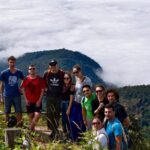
What I like most is how the day mixes real movement with real meaning. The Pha Dok Siew Nature Trail gives you a two-hour hike with cascading falls, Dok Siew blooms, and plenty of photo stops. And I really enjoyed the human side of it: the guide’s stories about how people read the forest and use it for daily survival.
One possible drawback: it’s a full, packed day with multiple stops, so the pagodas won’t be a long, slow wander. If you want lots of time at each site, you may feel a bit rushed during the shrine section.
In This Review
- Key points to know before you go
- Pha Dok Siew and Doi Inthanon in one day: the big idea
- Pickup, timing, and how the day stays organized
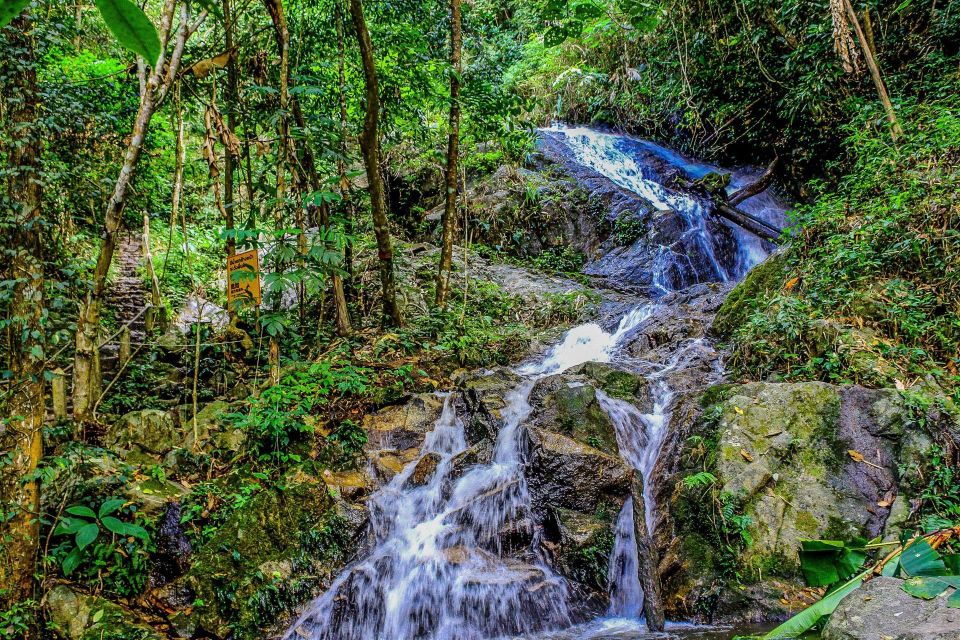
- The Pha Dok Siew Nature Trail: 7-tier waterfall energy
- How the guide turns scenery into real-world knowledge
- White Karen coffee plantation: a taste after the hike
- King and Queen pagodas: iconic views, limited time
- Thailand’s highest peak area: the cool-air payoff
- The Hmong Tribal Market: souvenirs with a local shopping feel
- Price and value: what $43 really covers
- Who this trip suits best (and who should rethink it)
- Practical tips to make your day smoother
- Should you book this Chiang Mai Pha Dok Siew and Doi Inthanon trip?
- FAQ
- What’s included in the tour price?
- What’s not included?
- How long is the tour, and when does it start?
- Where is pickup offered?
- What time will I be back in Chiang Mai?
- What should I bring?
- Is the tour suitable for everyone?
- What’s the dress code for the pagodas?
- What’s the cancellation policy?
Key points to know before you go
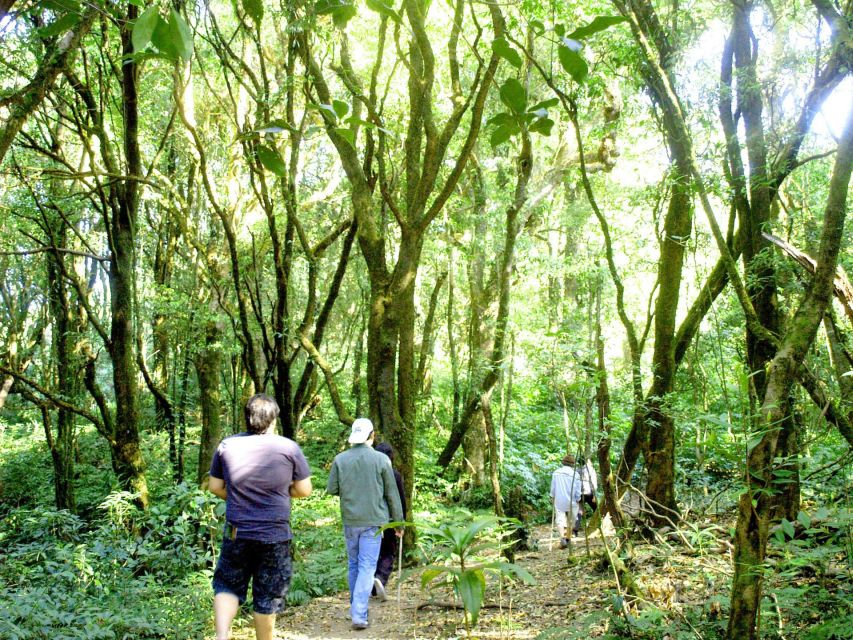
- Pha Dok Siew hike: about 2 hours with waterfall scenery and Dok Siew flowers
- 7-tier waterfall views: the highlight gets plenty of built-in photo moments
- Forest-to-life lessons: practical explanations of how communities use the woods
- White Karen coffee plantation: a taste of hill-tribe flavors after the hike
- Thailand’s highest peak: panoramic views from the Doi Inthanon summit area
- Hmong Tribal Market time: shopping for souvenirs, local produce, coffee, and wine
Pha Dok Siew and Doi Inthanon in one day: the big idea
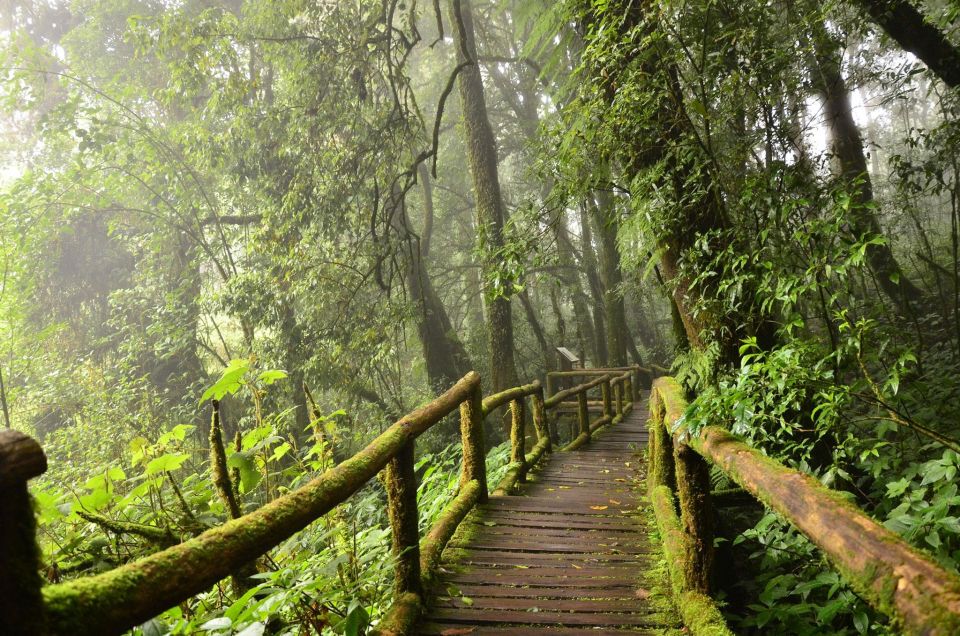
This trip is designed for people who want maximum variety in Chiang Mai without renting a car. You get a guided hike through one of the quieter feeling stretches of nature near Doi Inthanon, then you switch gears to the park’s big-picture icons: Thailand’s highest peak area plus the famous King and Queen pagodas. It’s not just sightseeing. The guide ties the scenery to how people actually live around the forest, which makes the day feel more grounded than a typical checklist tour.
I like that the pacing gives you both movement and breaks. There’s time on foot, then time sitting in the van, then time at viewpoints and cultural stops. That rhythm matters in the north. If you’re traveling with limited days, you’ll appreciate getting lots of variety in one long outing.
You can also read our reviews of more tours and experiences in Chiang Mai.


Pickup, timing, and how the day stays organized
You’ll be picked up from your hotel in Chiang Mai’s Old Town or Nimman area in the window of 7:00 AM to 7:30 AM. The operator confirms the exact pickup time by email, and you’ll meet at your lobby at least 10 minutes early. This is a joint tour, so the driver picks people up in order—meaning you should expect some waiting, but it keeps logistics simple and affordable.
The total duration is listed as 10 hours, and you’ll return to your hotel around 6:00 PM to 6:30 PM (traffic and your exact hotel location can shift that). In a day like this, that return window matters because you’ll likely have dinner plans later, or you’ll want to be back while your energy is still decent.
Two practical notes I’d keep in mind:
- Start the day hydrated. You’ll get drinking water included, but you’ll still be sweating on and off depending on weather.
- Plan for photos. The route is built around multiple scenic stops, not just one big photo and go.
The Pha Dok Siew Nature Trail: 7-tier waterfall energy
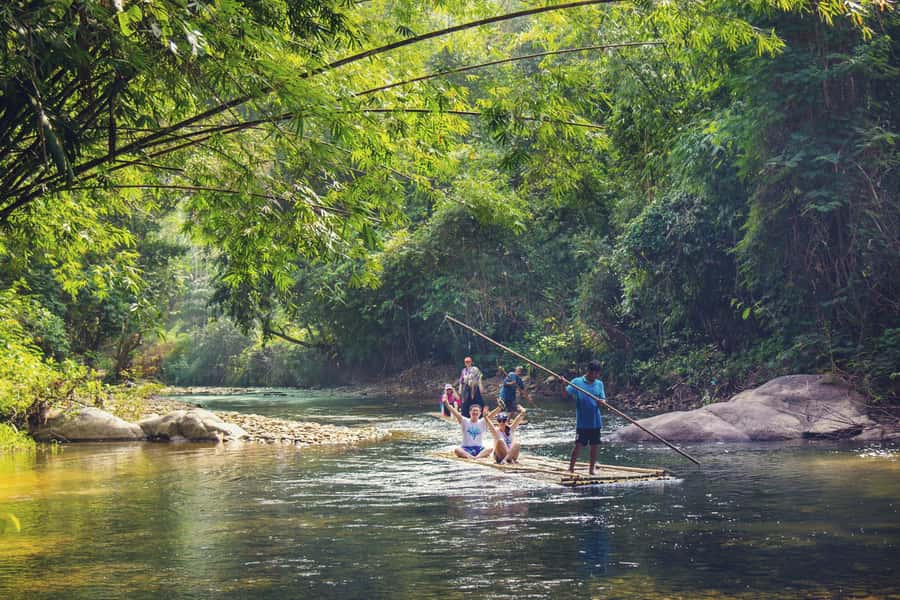
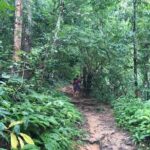
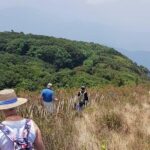
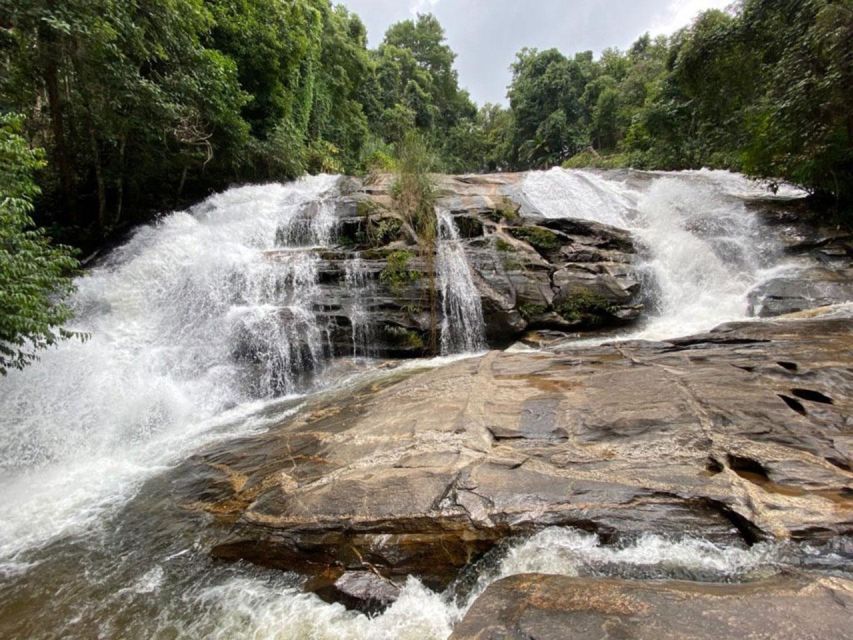
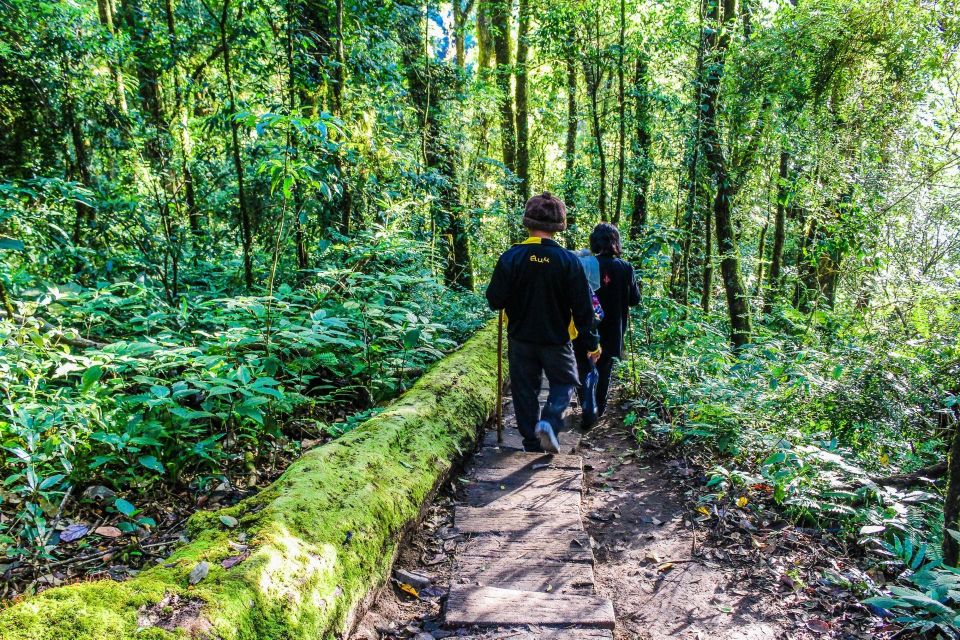
The Pha Dok Siew segment is the emotional core of the day. It’s set up as a guided walk—around 2 hours—where the scenery keeps rewarding you as you go. Expect cascading falls, lots of plant life, and changing views as the trail climbs. The waterfall is described as 7-tier, and even when you can’t see every level clearly from one spot, the overall feeling is of a whole system of water stepping down the hillside.
Dok Siew flowers are another big draw. If blooms are in season, you’ll get those signature blossoms as part of the experience, and the guide connects them to the local ecosystem rather than treating them like a roadside attraction. That kind of framing makes a trail more interesting than just good exercise.
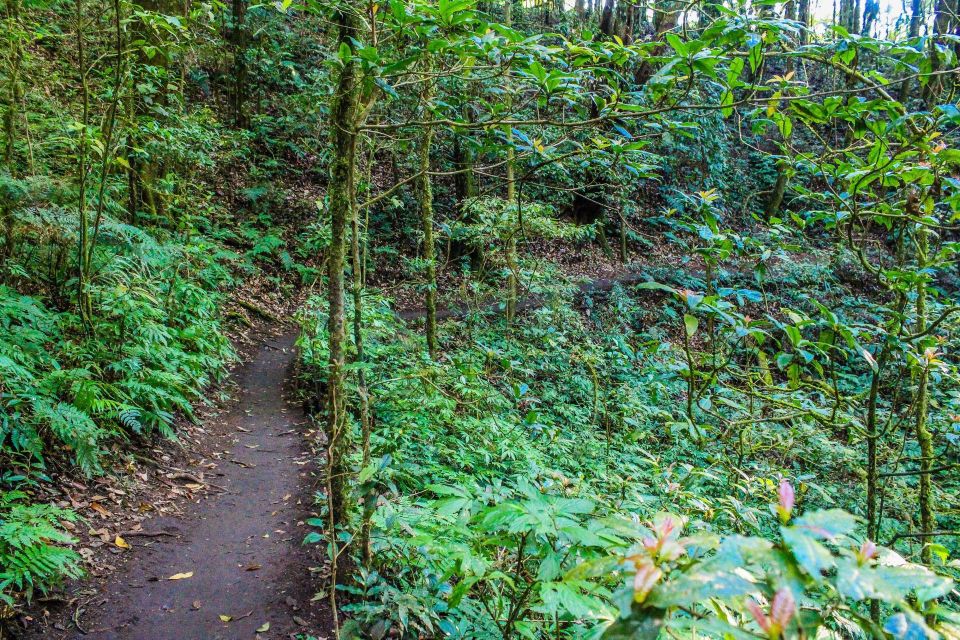
What I appreciated on this portion is that the day feels nature-first. You’re not spending the entire hike trying to catch up with the group or racing against time at every viewpoint. You can pause for photos, take in the sounds of moving water, and get that cool, fresh-air reset that Doi Inthanon is known for.
A weather reality check: this region can be wet. If rain rolls in, it doesn’t ruin the experience as much as it changes the vibe. A review note mentioned partially wet weather and the value of a rain jacket. I’d follow that advice—rain gear is light, packable, and useful here.
How the guide turns scenery into real-world knowledge
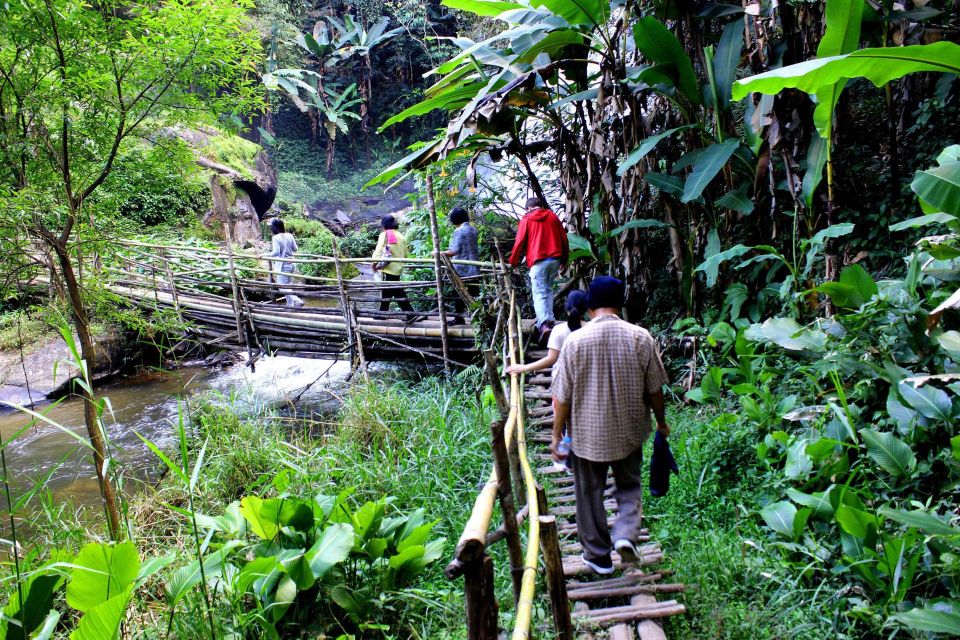
This isn’t only about seeing nature. A big part of the value is the guided explanation of the relationship between the forest and nearby communities—especially around how people use the woods for survival and daily needs. The tour includes learning about forest sustenance and tool-making, plus how the forest contributes to medicine and food.
That might sound like a lecture, but the practical takeaway is what matters. When a guide points out how plants are used, how people interpret what grows where, and why certain areas matter, you start noticing things you’d otherwise miss. Instead of passing by trees, you’re reading a living system.
It also helps you understand why eco-tourism matters here. You’re not just consuming scenery. You’re learning the logic behind conservation and community life—at least the part that the tour can responsibly share in a single day.
White Karen coffee plantation: a taste after the hike
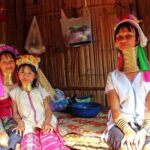
After walking and climbing, the day gives you a food-and-caffeine moment that feels well-timed. The tour includes a stop at the White Karen hill tribe area, including a coffee plantation visit. You also get a traditional Thai lunch earlier (set menu), so this coffee stop acts like a second wind rather than the main meal.
What makes this meaningful is the way it’s tied to people, not just products. The tour frames the coffee as part of hill-tribe life, which changes how you experience what you’re drinking. And yes, you’ll likely have a chance to buy coffee or related items if you want a souvenir that isn’t just a fridge magnet.
If you’re a coffee person, this is the kind of stop that gives you a story to go with the cup back home.


King and Queen pagodas: iconic views, limited time
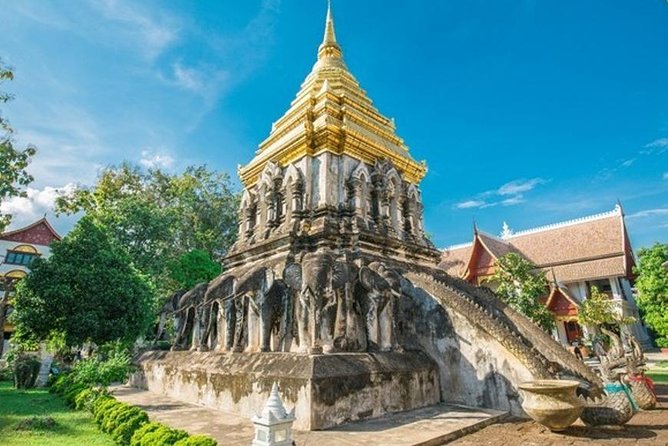
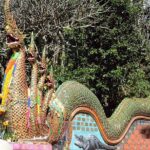
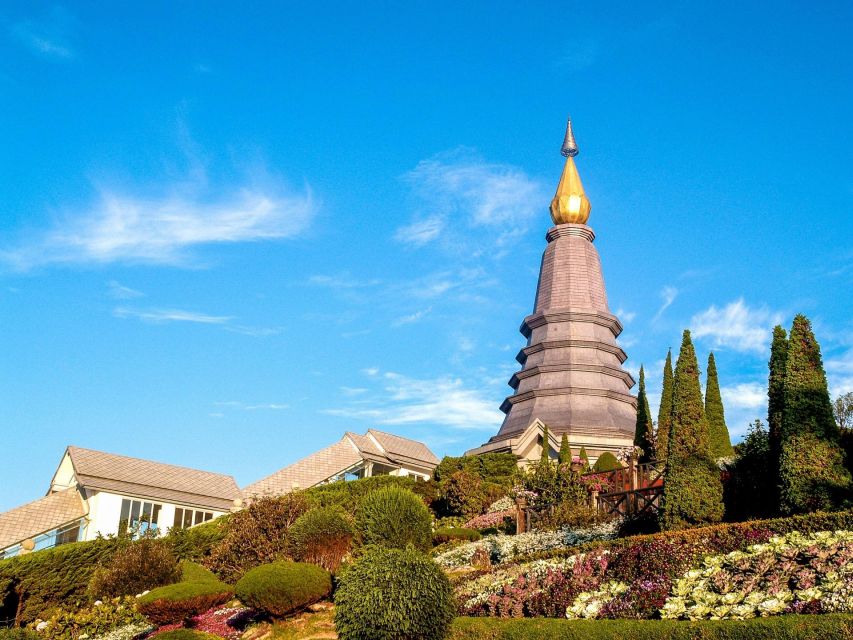
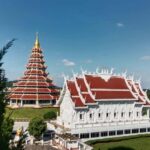
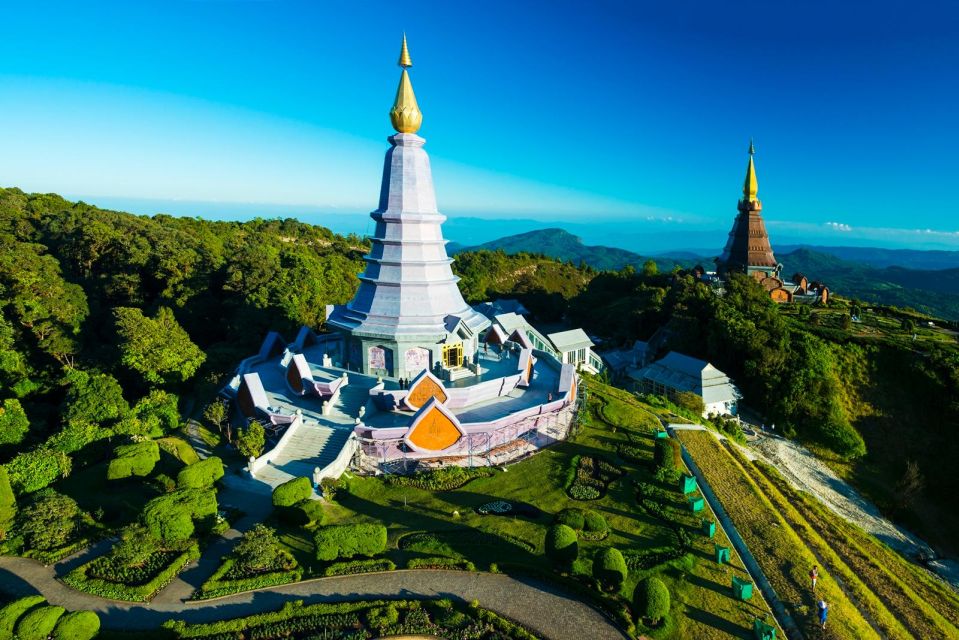
Next up are the King and Queen pagodas, two famous landmarks in Doi Inthanon National Park. Admission tickets for these are not included, so you’ll want to budget extra. There’s also a dress code: when you visit the Chedi of the King and Queen, you should avoid flip flops, tank tops, and short pants. Comfortable, covered clothing helps you blend in and keeps you from getting stuck dealing with a last-minute outfit problem.
The upside is the viewpoint and the overall wow factor of these pagodas in the park setting. The downside is time. The schedule is packed, so you might not get the leisurely pace you’d want for a long, slow wander. If you’re someone who likes to linger at religious sites and take your time, go with the attitude that this is a focused stop.
Thailand’s highest peak area: the cool-air payoff
Then comes the summit experience: standing at the roof of Thailand at 2,565 meters. This is where the day feels noticeably different. The air is cooler, the views open up, and it’s easier to understand why people call this region a mountain escape.
The panoramic vistas are the reward for the earlier travel and walking. Even if you’ve seen mountains before, the scale here is part of the attraction. On a clear day, it’s the kind of view that makes the whole day feel worth it in one glance.
This is also where you should check your senses. If it’s windy, you’ll feel it. If it’s foggy, views may be reduced. Bring a light layer—mountain weather can change quickly.
The Hmong Tribal Market: souvenirs with a local shopping feel
After the main nature and pagoda stops, the tour wraps with shopping time at the Hmong Tribal Market. This isn’t just for trinkets. The market is known for souvenirs, local produce, coffee, and wine.
What I like about ending with a market stop is that it gives you control. You can buy something small to remember the day or just browse for snacks and gifts. If you’re trying to keep Chiang Mai shopping efficient, this is a convenient finish while you’re already in the right part of the region.
If you’re watching your spending, focus on the items that feel tied to the tour theme: coffee, local goods, and small food items.
Price and value: what $43 really covers
The price is $43 per person, and that includes round-trip transportation from Chiang Mai’s Old Town and Nimman area, a set-menu lunch, drinking water, a tour guide, and insurance. That matters because you’re not paying separately for transport or guidance across multiple distant park stops.
The two main things not included:
- National park fee: 300 THB per adult, 150 THB per child
- King and Queen pagodas admission tickets: 100 THB per adult, 50 THB per child
So the real value question is whether the included experiences justify the day-long logistics. In my view, it does—if you want a guided hike plus major park icons in one day. If you already have a driver or want a slower independent pace, you might prefer a custom plan. But for most visitors, paying for a guide and transport beats wrestling with timing on mountain roads.
Also: the tour includes skip-the-ticket-line for some admissions. That helps when you’re working with a tight schedule.
Who this trip suits best (and who should rethink it)
This is a strong match for:
- First-timers to Doi Inthanon who want the highlights plus a nature hike
- People who like guided context (forest use, community stories)
- Travelers who want one long day that covers multiple different experiences
It’s not a fit for:
- Pregnant women
- People with mobility impairments
If you’re unsure about your fitness level for the hike, remember you’re doing a real walking segment (around two hours) on a nature trail. The tour isn’t presented as a fully wheelchair-friendly experience.
Practical tips to make your day smoother
These are small things that add up in a full-day park tour:
- Bring a light rain jacket. Mountain weather can be damp, and you’ll be much happier with coverage.
- Wear closed-toe shoes with grip. The trail and park areas can be slick.
- Follow the pagoda dress code. Avoid flip flops, tank tops, and short pants so you can focus on the sites.
- Carry ID: a passport or ID card is accepted (a copy is accepted too).
- Bring your patience for pickup order. It’s a joint tour, and you’ll be picked up in sequence.
Also, because the return is later in the evening, don’t plan something requiring lots of energy right after. Aim for a relaxed dinner plan back in town.
Should you book this Chiang Mai Pha Dok Siew and Doi Inthanon trip?
I’d book it if you want a well-paced full day that blends nature with culture and gives you the Doi Inthanon summit experience. The Pha Dok Siew waterfall hike, the chance to learn how forests support local life, and the coffee plantation stop are the kind of “more than a viewpoint” moments that make a trip memorable. Add the pagodas and market, and you get a complete day that feels like you actually left the city.
Skip it (or consider something else) if you dislike tight schedules at religious sites or you want hours of free time at each stop. With this tour, the magic is in the variety—and the trade-off is that you won’t linger everywhere.
If your dream day includes waterfall time, mountain views, and a guide who helps you read the landscape, this is a strong choice.
FAQ
What’s included in the tour price?
Round-trip transportation by air-conditioned car or minivan from Chiang Mai’s Old Town and Nimman area, lunch (set menu), drinking water, a tour guide, and insurance are included.
What’s not included?
The national park fee is not included (300 THB per adult and 150 THB per child). King and Queen pagodas admission tickets are also not included (100 THB per adult and 50 THB per child).
How long is the tour, and when does it start?
The duration is listed as 10 hours. Pickup begins between 7:00 AM and 7:30 AM, and the operator confirms the exact pickup time by email.
Where is pickup offered?
Pickup is available for hotels within Chiang Mai’s old town and Nimman areas.
What time will I be back in Chiang Mai?
The tour returns you to your hotel between approximately 6:00 PM and 6:30 PM, depending on hotel location and traffic.
What should I bring?
Bring a passport or ID card. A copy is accepted.
Is the tour suitable for everyone?
It is not suitable for pregnant women or people with mobility impairments.
What’s the dress code for the pagodas?
When visiting the Chedi of the King and Queen, you should not wear flip flops, tank tops, or short pants.
What’s the cancellation policy?
You can cancel up to 24 hours in advance for a full refund.