REVIEW · CHIANG MAI
Chiang Mai: Ethical Elephant Feeding & Shower Program
Book on GetYourGuide →Operated by Elephant Jungle Sanctuary Chiang Mai · Bookable on GetYourGuide
Elephants, fruit, and a rain shower in Chiang Mai. I like how this program keeps things ethical with guided interaction and a clear safety focus, not just a photo moment. I also love the Elephant Rain Shower part because you see elephants cool off in a way that feels natural. The main catch is you should plan to get wet, so pack swimwear and a towel.
A big reason I’d pick this is the teaching. Your guide walks you through elephant behavior and origins, and I’ve heard great experiences with On as a guide who kept things friendly and informative. You’ll also help with small, hands-on steps such as preparing natural dietary supplements, which makes the feeding feel more connected than casual.
This is a short window of time, typically 2 to 4 hours, so you won’t get an all-day deep dive into everything about elephant care. It’s also not a transport-included activity, so you’ll need to handle how you get to the sanctuary and back.
In This Review
- Key highlights to know before you go
- Ethical Elephant Feeding at Elephant Jungle Sanctuary Chiang Mai
- Your start: briefing, safety, and what you actually do
- Feeding from the viewing platform: fruit, veggies, and elephant behavior
- Helping prepare natural dietary supplements
- The Elephant Rain Shower: why it’s more than just getting wet
- Elephant Poop Paper: sustainability that actually fits the visit
- Time at the EJS Education Center: take your pace
- Price and value: is $30 worth 2–4 hours with elephants?
- What to pack (and what to wear) so the rain shower is painless
- Who should book this, and who might reconsider
- Should you book the Chiang Mai Ethical Elephant Feed and Shower?
- FAQ
- How long is the Chiang Mai Feed and Shower experience?
- What does the ticket price include?
- Do I need to bring swimwear and a towel?
- Is transportation included to and from the sanctuary?
- What language is the guide available in?
- Do I need a passport?
- What should I wear for the experience?
- What is the Elephant Poop Paper class?
- Is there a cancellation option if plans change?
- Is there an add-on workshop available?
Key highlights to know before you go
- Ethical feeding with a viewing platform, with guide-led instructions and safety focus
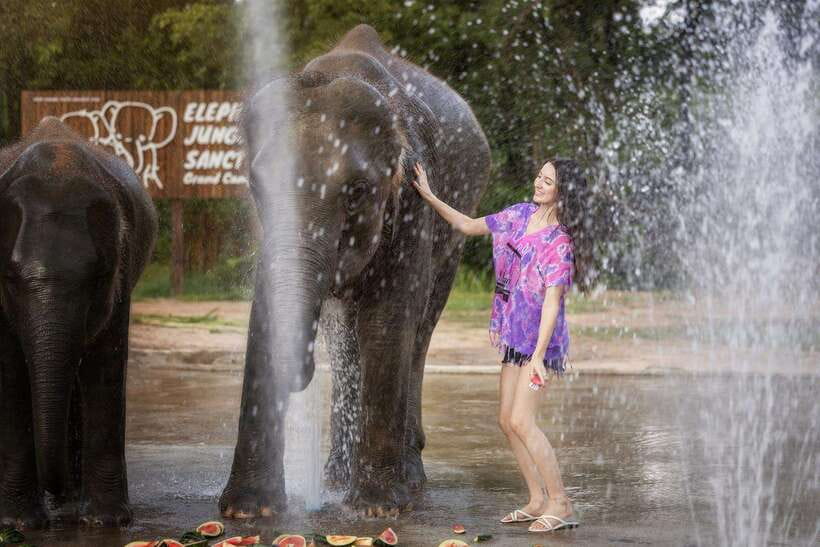
- Elephant Rain Shower, a custom outdoor shower that simulates rain so elephants can cool down
- Education built in, including elephant behavior and origins explained by your guide
- Hands-on food prep, where you assist with natural dietary supplements
- Elephant Poop Paper class, part of a sustainability initiative
- Shower and change facilities provided, so you can refresh after the rain shower
Ethical Elephant Feeding at Elephant Jungle Sanctuary Chiang Mai
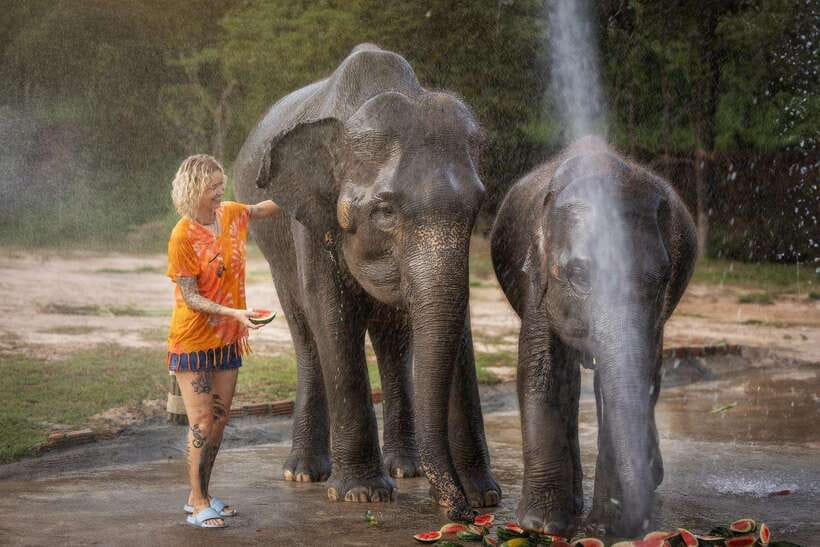
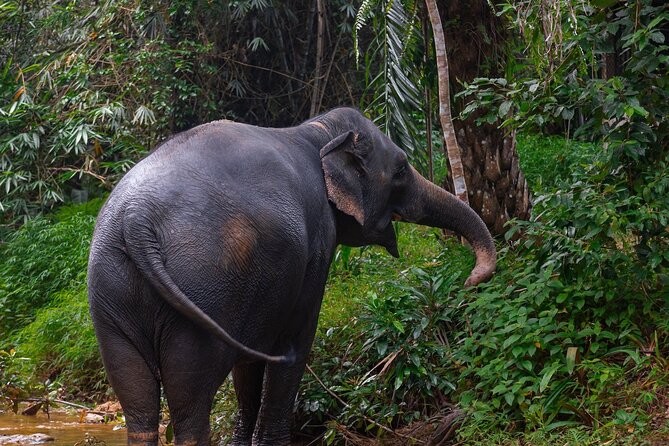
Elephant encounters in Thailand range from magical to messy, and that’s why I look for clear, humane structure first. Here, you’re interacting with rescued elephants at Elephant Jungle Sanctuary Chiang Mai in a guided format that centers on care and behavior, not performance tricks.
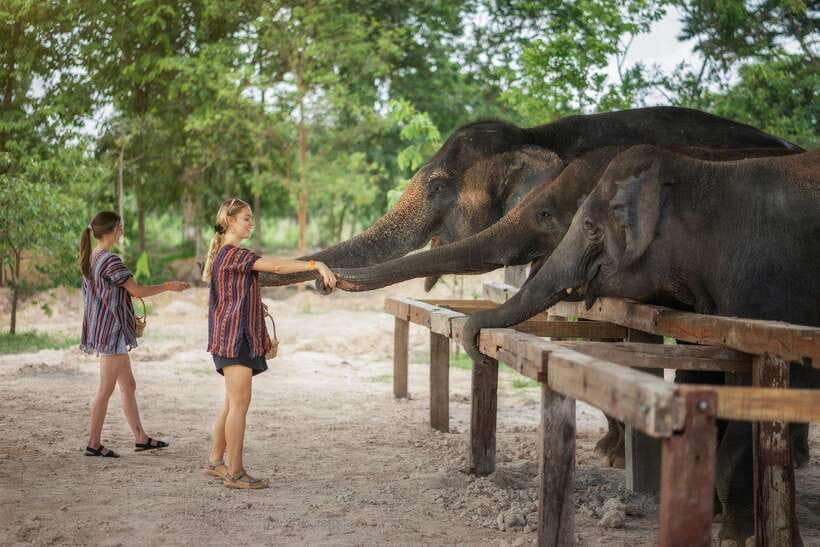
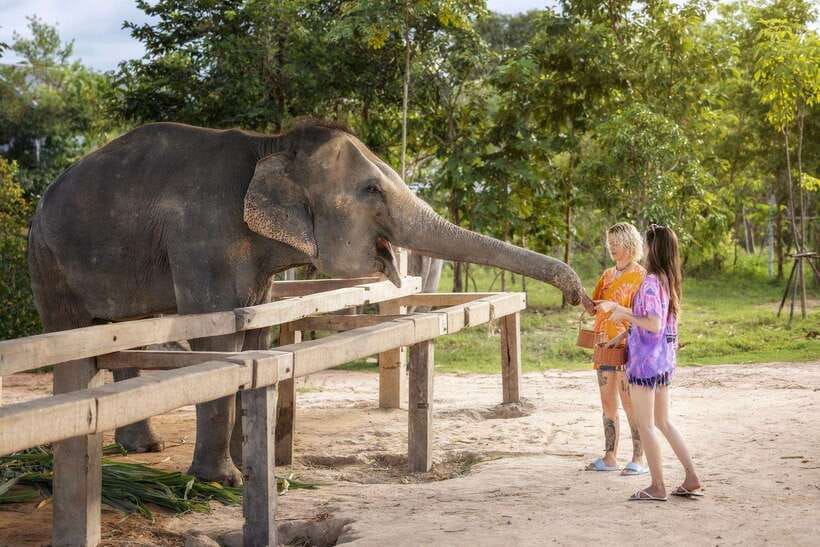
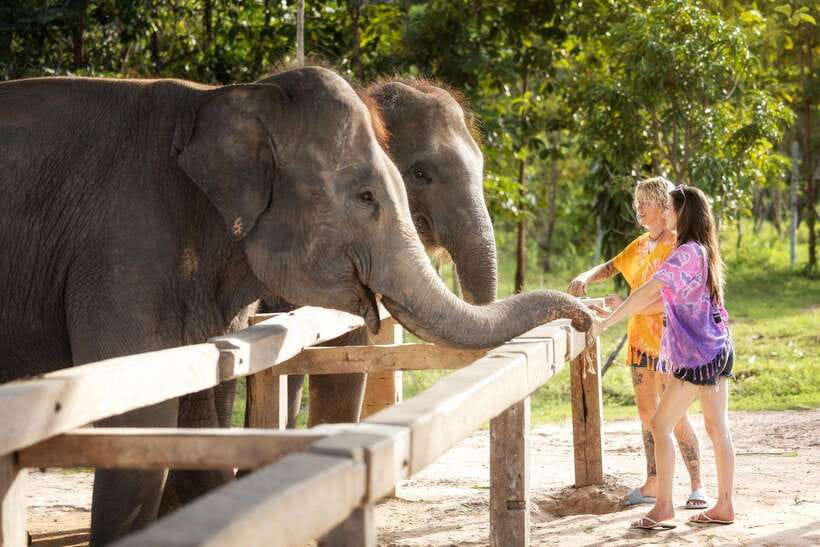
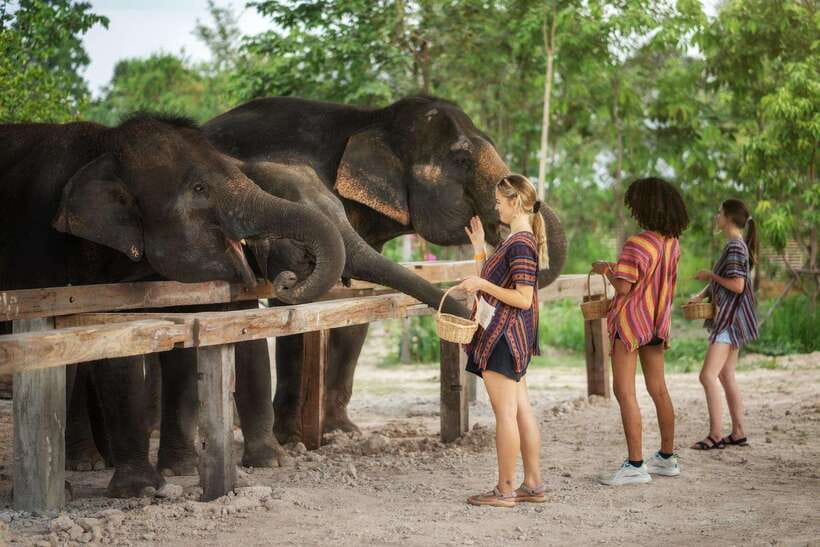
You’ll feed the elephants from a specially built viewing platform. That detail matters because it helps control the interaction and keeps you in the right place, with the right pace, while the elephants do what they naturally do.
You can also read our reviews of more tours and experiences in Chiang Mai.


Your start: briefing, safety, and what you actually do
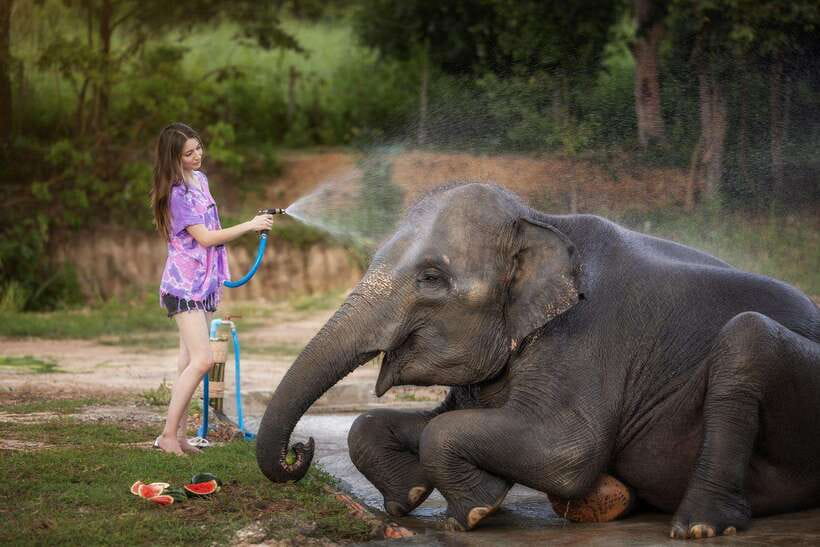
The experience begins when you arrive at Elephant Jungle Sanctuary Chiang Mai, where you get a briefing. You’ll go over general information about elephants, including behavior cues and safety guidelines, before the feeding starts.
After that, the program moves into an active sequence. You’ll feed the elephants, then join them during their rain shower, and later you’ll shift to a sustainability-minded activity with the elephant poop paper class.
This flow is one reason the whole thing works for a busy schedule. You’re not left guessing what to do next, and the education is tied to what you’re seeing in real time.
Feeding from the viewing platform: fruit, veggies, and elephant behavior
Feeding is the centerpiece, and it’s structured on purpose. You’ll offer fresh seasonal fruit and vegetables to the elephants, guided by the team so you know where to stand and how to participate.
This is also where the elephant education becomes practical. As you feed, you’ll learn how to read basic behavior and what feeding means for the elephants day-to-day. In plain terms, you’re not just watching big animals eat—you’re learning what they’re communicating through movement, attention, and comfort level.
If you like facts you can remember, ask your guide to explain what you’re seeing while the elephants approach the platform. People I’ve spoken with have highlighted guides who talk through elephant origins and day-to-day care in a way that sticks.
Helping prepare natural dietary supplements
Between feeding moments, you get a hands-on step: assisting with the preparation of natural dietary supplements. It’s not a complicated kitchen job, but it adds meaning to the visit.
I like these small participation moments because they make the experience feel less like a drive-by interaction. You’re learning the idea that elephant care is made up of many small routines, not one big public event.
And for photographers, this part can be a nice break from the constant watch-and-click cycle. You get a calmer moment where the focus is on understanding and preparation.
The Elephant Rain Shower: why it’s more than just getting wet
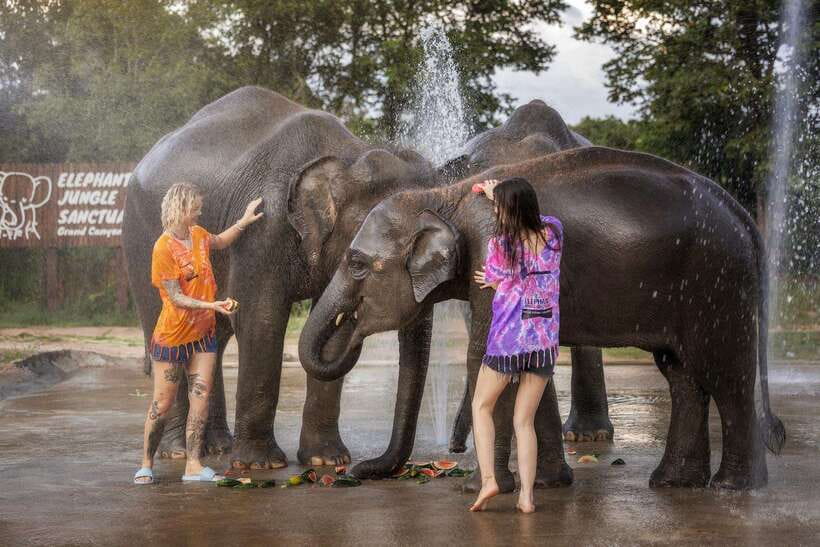
After feeding, you’ll join the elephants in a custom-built outdoor shower designed to simulate rain. This is meant to be a comfort moment for the elephants, helping them cool down as part of their natural relaxation.
You’ll be right there for it, and yes, it can get messy in the best way. Bring swimwear, and expect that the shower experience is real water play, not a quick spray.
Once the shower is over, you can take a regular shower and change clothes using the provided facilities. That setup is a practical detail I’m glad you’re told up front, because it saves you from the hassle of leaving with wet clothes and the kind of travel misery that ruins good memories.




Elephant Poop Paper: sustainability that actually fits the visit

After the shower portion, you’ll learn how to make elephant excrement into paper in the Elephant Poop Paper class. This sits inside Elephant Jungle Sanctuary Chiang Mai’s sustainability initiative, and it gives the day a second purpose beyond the animal interaction.
You might expect a class like this to feel like a gimmick. Instead, it gives you a sense of how waste can be treated as a resource, and it ties back to why sanctuaries push education around responsible care.
Even if you don’t love crafts, the value here is the context. You’re learning that conservation can include everyday systems, recycling, and ways to reduce waste rather than only big, dramatic moments.
Time at the EJS Education Center: take your pace
You’ll have time at the EJS Education Center as part of the experience. This is where you can slow down and absorb what you learned during the feeding and shower, without feeling rushed.
In a 2 to 4 hour visit, that extra space matters. You’ll get more out of the day if you can revisit information after you’ve seen elephants up close and watched their routines.
Price and value: is $30 worth 2–4 hours with elephants?
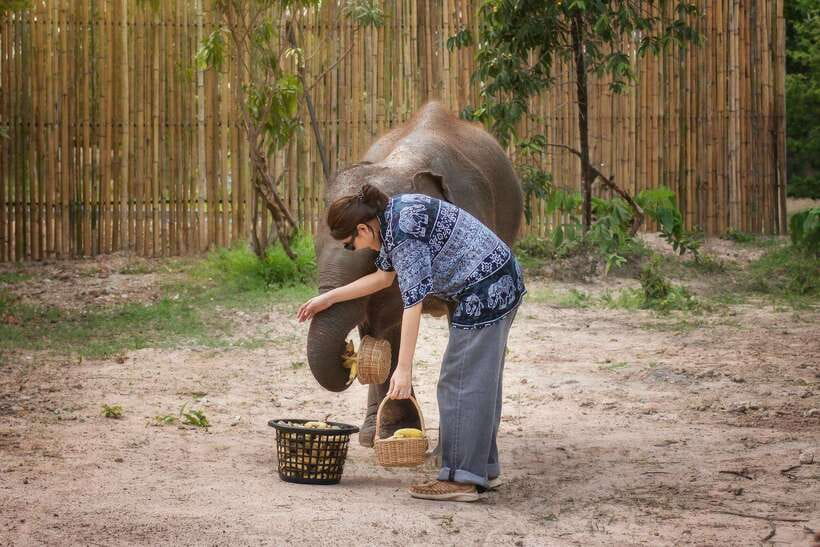
At $30 per person, the value comes from what’s included, not just the low headline number. Your ticket includes elephant food, a free drink per 1 ticket, and accident insurance.
It also includes the key experience components that usually cost extra elsewhere: the feeding interaction, the Elephant Rain Shower portion, and the elephant poop paper education. Add in the guide-led briefing and safety guidance, and you’re buying a guided, structured half-day that teaches as it entertains.
The only cost you should plan for is getting to the sanctuary yourself and any meals you’ll want outside the activity window. If you’re in Chiang Mai and you can arrange transport or pick-up that fits, this price feels sensible for a guided elephant day that includes more than a photo moment.
What to pack (and what to wear) so the rain shower is painless
This is one of those tours where packing wrong can turn fun into discomfort. You should come prepared for both outdoor walking and water time.
Bring:
- Hat
- Swimwear
- Towel
- Passport (a copy is accepted)
- Insect repellent (recommended)
- Camera (you’ll want it)
- Water (essential)
Wear comfortable clothing and shoes suited for walking. You’ll be moving through outdoor areas, and the rain shower adds wet conditions, so think practical over pretty.
Also, don’t forget sunscreen. You’ll be outside for parts of the experience, and a hat plus sunscreen keeps the day comfortable.
Who should book this, and who might reconsider
This experience is a great fit if you want a short, structured encounter with rescued elephants that includes real learning. If you enjoy guided animal care, behavior explanations, and sustainability-focused activities, you’ll likely feel satisfied without needing an all-day commitment.
It’s also a good choice if you like active experiences. Feeding, hands-on food prep, shower time, and the poop paper class all keep you engaged.
You might consider other options if you hate getting wet outdoors or you’re not comfortable with water play as part of the program. Also, since transportation isn’t included, you’ll want to be confident you can get to the meeting point easily.
Should you book the Chiang Mai Ethical Elephant Feed and Shower?
I’d book this if you want an ethical, guide-led elephant encounter with more substance than a quick attraction visit. The combination of ethical feeding, a real Elephant Rain Shower experience, and the Elephant Poop Paper sustainability class gives you multiple angles on elephant care in a compact 2–4 hour window.
Book it confidently if you’re prepared: pack swimwear and a towel, wear walking-friendly shoes, and bring insect repellent and sunscreen. If you’re planning your day in Chiang Mai, also make sure you’ve solved transportation, since you’ll be responsible for getting to and from the sanctuary.
If you want a structured, humane elephant day that teaches while you participate, this is a strong match.
FAQ
How long is the Chiang Mai Feed and Shower experience?
The duration is typically 2 to 4 hours. Starting times depend on availability.
What does the ticket price include?
Your ticket includes elephant food, accident insurance, and one free drink per 1 ticket. The activity also includes the feeding portion, the outdoor rain shower experience, and the elephant poop paper class as part of the program.
Do I need to bring swimwear and a towel?
Yes. You should bring swimwear and a towel because the experience includes joining the elephants in an outdoor shower.
Is transportation included to and from the sanctuary?
No. Transportation to and from the activity is not included, so you’ll need to arrange how you’ll get there and back.
What language is the guide available in?
The live tour guide is available in English and Thai.
Do I need a passport?
Bring your passport. A copy is accepted.
What should I wear for the experience?
Wear comfortable clothing and shoes suitable for walking. You’ll also want to be ready for wet conditions during the rain shower portion.
What is the Elephant Poop Paper class?
You’ll learn how to make elephant excrement into paper as part of Elephant Jungle Sanctuary Chiang Mai’s sustainability initiative.
Is there a cancellation option if plans change?
Yes. You can cancel up to 24 hours in advance for a full refund.
Is there an add-on workshop available?
There is a tie dye handkerchief workshop that can be added as an add-on at checkout.