REVIEW · CHIANG MAI
CHIANG MAI ELEPHANT VILLAGE SANCTUARY JUNGLE ADVENTURE
Book on GetYourGuide →Operated by Elephant Village Sanctuary · Bookable on GetYourGuide
A jungle day starts with a real change of pace. This Chiang Mai Elephant Village Sanctuary trip takes you from the city edge into rice fields and jungle where elephants live outside the usual circus setup. I like how the day is built around meeting a Karen family and learning their way of life, not just doing a quick animal photo stop, and I also like that elephant time happens in a calm, supervised way with small-group contact. One consideration: you need to follow the rules closely (no riding, no alcohol, no flash), and it’s a full morning-to-midday outing, so plan your schedule for that.
I’m especially drawn to the hands-on details: you’ll wear a traditional Karen outfit for the walking and elephant part, and you’ll get to cool off at a waterfall and even help with basic elephant cleaning when they approach the river. The day also includes practical comfort extras like bottled water, shower facilities, and an included local lunch with Ken Palasu’s family. The main drawback is that the experience is weather-dependent—if the jungle trail or waterfall pool conditions are rough, the timing and what you can do there may feel a bit different.
In This Review
- Key highlights you’ll care about
- Morning pickup and the ride that changes your mood
- Dock Ko Ki Karen village walk: rice fields, outfits, and a local owner
- Meeting the elephants where they live: gentle contact with mahout supervision
- Waterfall cool-down and river time: a memorable way to watch elephant behavior
- Lunch with Ken’s family and how to keep the day comfortable
- Price and logistics: what $48 covers, and how to judge value
- Who should book this jungle adventure (and who should skip)
- Should you book Elephant Village Sanctuary Jungle Adventure?
- FAQ
- How long is the Chiang Mai Elephant Village Sanctuary Jungle Adventure?
- What time does the pickup happen?
- What’s included in the price?
- Can I ride the elephants or take flash photos?
- What should I bring for the trip?
- Is there free cancellation and a reserve option?
Key highlights you’ll care about
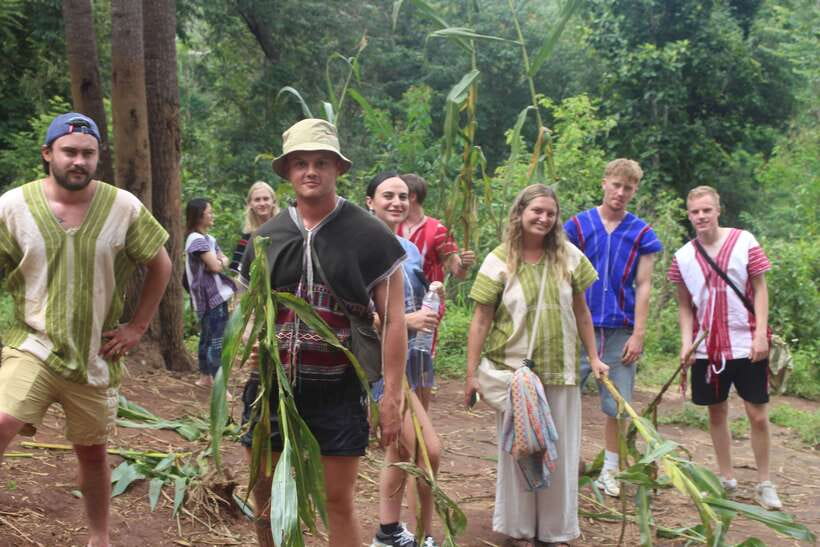
- Karen village life in Dok Ko Ki: you walk through rice fields and see everyday village routines up close
- Ken Palasu’s briefing and elephant facts: a short, humorous talk before you meet the elephants
- Small-group elephant interaction: direct contact under mahouts’ supervision to keep everyone calm
- Jungle waterfall break with swimming: you can cool down in the pool and then watch elephants in the river
- Family-prepared lunch: included meal and time to share stories after the animal time
Morning pickup and the ride that changes your mood
The day begins with a hotel pickup in Chiang Mai at 7:30 am. From the start, you’re meant to feel that shift out of town—your drive moves from city edges into mountain scenery, with chances to notice how Thai life looks when you’re not in the tourist core. It’s not just scenery for photos; it helps you understand why this area feels different once you head off the main roads.
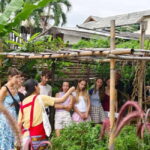
You’ll stop for a coffee break in a small town, then continue on to a fresh vegetable and meat market. This is one of those “small but real” moments. You get to walk around, see what people are buying for daily cooking, and catch that many locals use a northern Thai dialect. If you’re the kind of traveler who likes learning how people actually live, this stop is worth paying attention to—look closely at the food and how the market flow works.
Practical tip: bring a light layer for the car and for morning shade. Also, keep your phone/camera ready, because rice fields and villages appear frequently once you’re past the busier streets.
You can also read our reviews of more tours and experiences in Chiang Mai.

Dock Ko Ki Karen village walk: rice fields, outfits, and a local owner
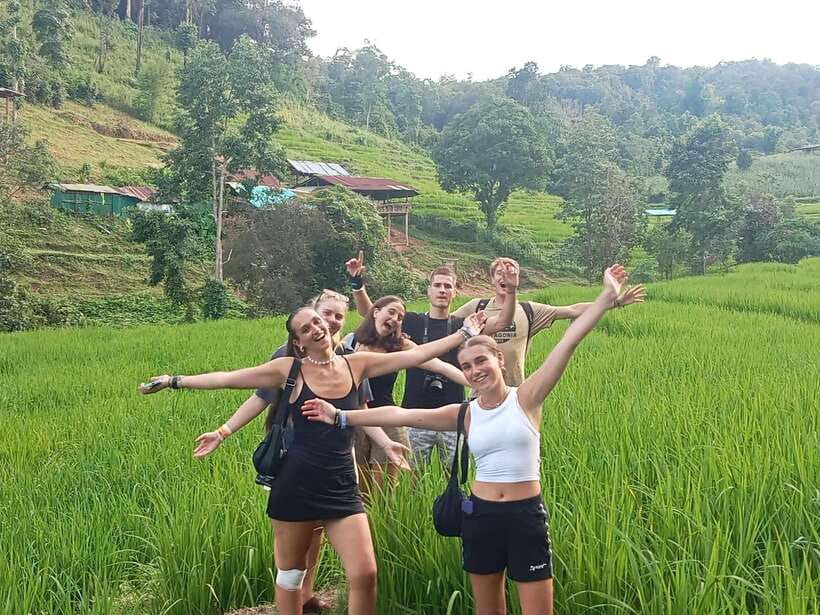
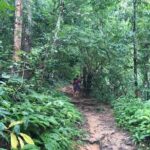
As you leave the main routes, you arrive at the Karen village Dok Ko Ki. The timing matters here: you won’t meet the elephants right away, because the elephants are in their jungle home. That small detail changes the day from “elephants on a schedule” into a more natural-feeling sequence—first you learn the setting, then you meet the animals.
Before you start the walking part, you’ll receive a short briefing from the owner, Ken Palasu. He shares background on his family, the village, and the elephants, and he also brings in a set of amusing elephant facts. This helps you notice things later, like why the elephants act the way they do and what “gentle” looks like in real life.
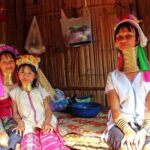
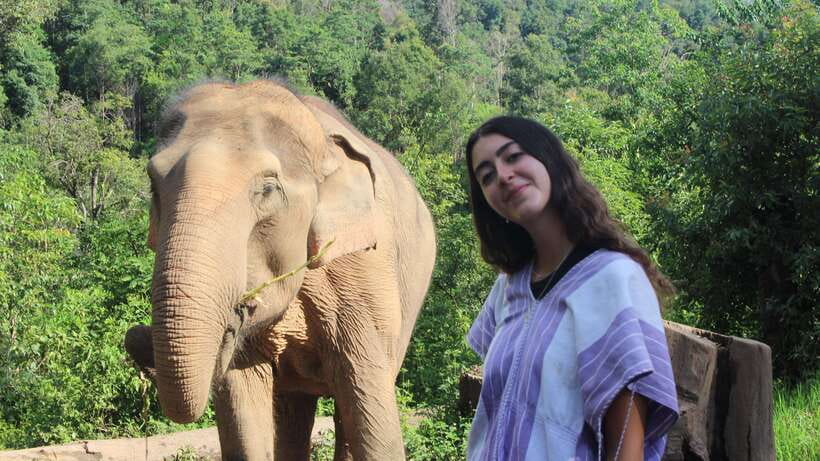
Then comes one of my favorite touches: you’ll change into traditional Karen outfits before going out on the safari-style walk. The guide’s aim is practical—keep your clothes clean during the activity. That means you’re not just dressing up for photos; you’re getting prepared for the ground, the walk, and the jungle rhythm.
What you’ll do here is straightforward but memorable:
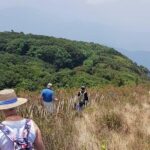
- walk through areas with rice fields
- reach your meeting area, then start the next part with more context
- take videos and pictures as you go (just remember the elephant photo rules later)
A consideration to keep in mind: this is a jungle-day pace, so you’ll want shoes that can handle uneven ground and a bit of mud.
Meeting the elephants where they live: gentle contact with mahout supervision
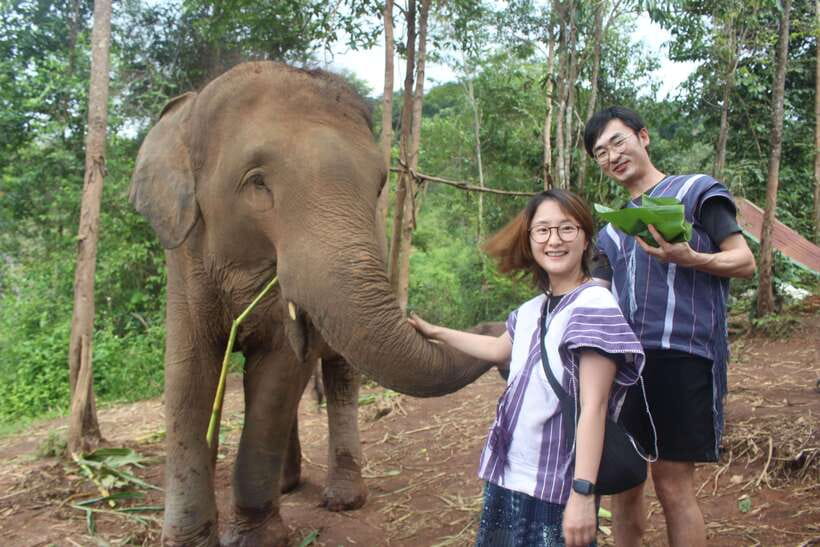
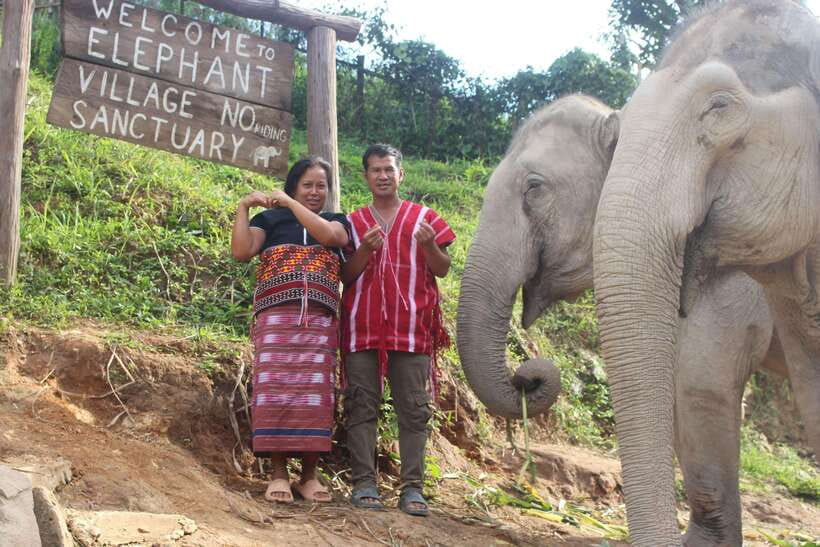
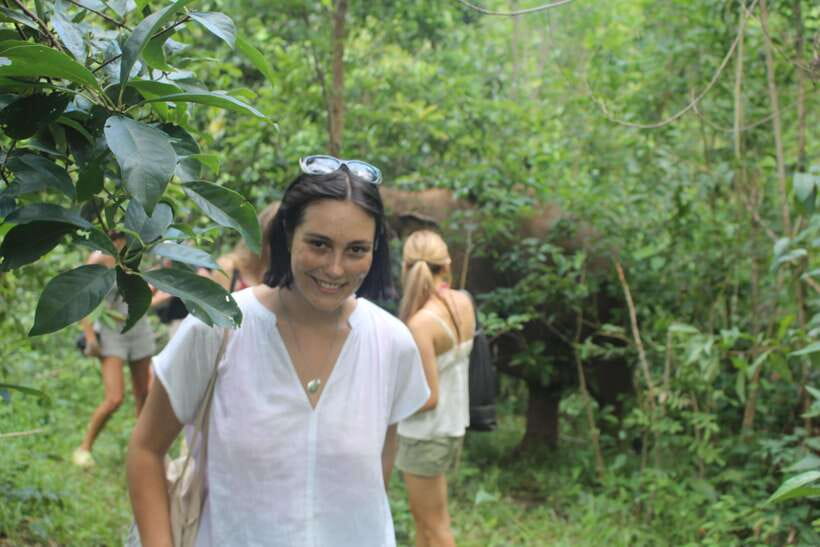
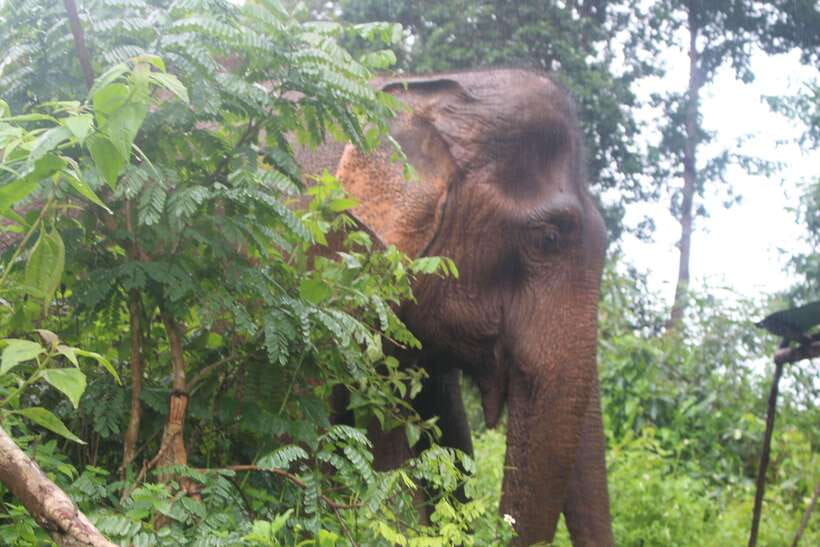
When the elephant time begins, your anticipation is supposed to be rewarded quickly—elephants are eating foliage and may show playful, relaxed behavior. Importantly, your interaction happens under the mahouts’ supervision, which is the best kind of safety: not just “don’t get hurt,” but also “don’t stress the animals.”
The trip is built around contact without turning the day into a forced performance. You get direct contact in small groups, and the goal is to let the elephants stay comfortable rather than treating the experience like a conveyor belt. You’ll feel their calm nature up close, which is the whole point of a sanctuary visit done the right way.
Also, the provider emphasizes that elephants are in the jungle home (so you’re not seeing them in a tight stall setup before you arrive). One booking note described the elephants roaming freely in the jungle on about 25 hectares and not being kept in stables or with chains—details like that are exactly why this kind of sanctuary approach feels different.
Elephant interaction rules you should know right away:
- no riding the animals
- no flash photography
- follow the guide’s instructions and keep your voice level
- no alcohol or intoxication
Practical tip: if you want the best photos, keep your camera steady and use normal light modes. Also, stay aware of where your guide positions you, because elephants can move faster than you think.
Waterfall cool-down and river time: a memorable way to watch elephant behavior
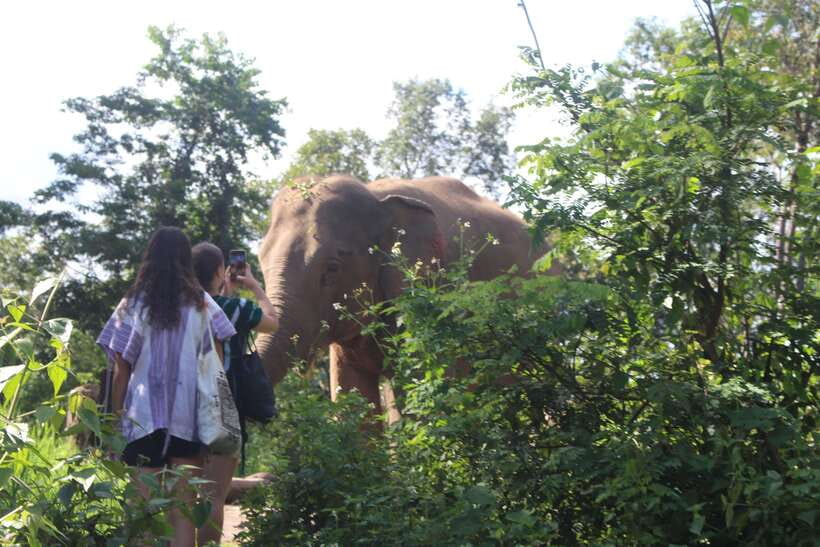
After the village and elephant interaction, you take a short trek to a waterfall. The value here is more than a scenic break. The pool gives you a way to cool off after the walking and elephant time, and it also changes the day’s energy from “watch quietly” to “reset and breathe.”
You can swim in the pool if conditions allow. Even if you don’t get in, it’s still a good moment to step away from the action and take a slower pace—just follow the local guidance on where it’s safe.
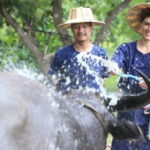
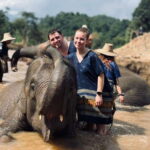
Then the elephants come back into the story at the river. The day is designed so you see them in a natural-feeling sequence: after you cool down, you watch them in the river where they do what elephants do—drink, move around, and socialize. You may also have a chance to help them clean themselves when they approach the water.
A quick reality check: water days can be slippery. If you plan to get wet, wear water-friendly sandals or shoes you can trust, and keep your electronics protected.
Lunch with Ken’s family and how to keep the day comfortable
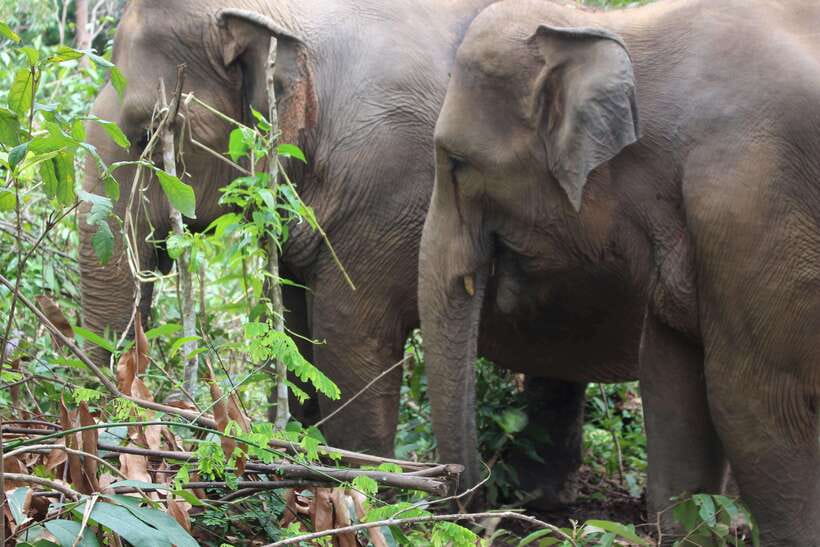
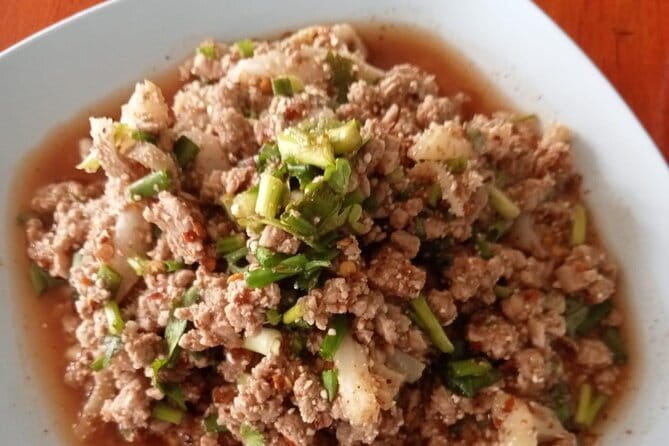
Lunch is included and prepared by Ken’s family. This is another reason this trip feels more authentic than a standard zoo-style outing. You’re not just eating; you’re sharing time after the work of meeting the elephants and walking in the village area.
The trip is built around a full half-day format, so lunch timing matters. After your elephant and waterfall blocks, you’ll be ready for something filling and warm. And because you’re in a group for most of the day, lunch becomes the moment to compare notes—where you felt the most surprise, what elephant behavior you noticed, what the village walk taught you.
Comfort details you’ll appreciate:
- bottled water is provided
- shower facilities are available when you’re done
- you’ll likely feel the need for a wash after waterfall and river time
Practical tip: if you’re wearing the traditional Karen outfit during parts of the activity, treat it like part of your gear. Pack a small bag for wet items so you’re not dealing with damp clothes during the drive back.


Price and logistics: what $48 covers, and how to judge value
At about $48 per person for a 6-hour day, the value comes from what’s included and what’s emphasized. You’re paying for:
- pickup and drop-off at your hotel
- transportation to and from the village
- an English-speaking guide (the owner)
- elephant upkeep (the fee is directed toward care after expenses)
- elephant food and bottled water
- shower facilities
- the local lunch
- insurance
That isn’t just “access to elephants.” You’re funding ongoing animal care, and the day structure spends real time on culture and setting: village life, rice fields, and a waterfall break. If you’ve been on elephant experiences that feel like a rushed photo stop, this format is closer to a full day of understanding—so you’re not leaving with just one great picture.
Timing-wise, you should plan for:
- a morning drive (with market and scenic stops)
- the longer jungle block for elephant and wildlife viewing
- a short free window
- lunch, then the ride back to Chiang Mai
One logistics note: you’ll need to email to confirm your pick up when you arrive in Thailand, ideally about 48 hours before. Since pick up is at 7:30 am, it’s worth taking that seriously so there’s no last-minute confusion.
Who should book this jungle adventure (and who should skip)
This tour is a strong fit if you want:
- a sanctuary-style elephant day with mahout oversight and no riding
- cultural context from a Karen family in Dok Ko Ki
- a full half-day that includes village walking, waterfall time, and a meal with the family
- a guide who explains what you’re seeing, including elephant facts
You might want to skip or reconsider if:
- you dislike walking on uneven ground (the village and jungle parts involve trekking)
- you’re hoping for a simple “elephants only” day (the village and rice fields are a major part)
- you’re traveling with someone who can’t follow the activity rules (noise, flash, intoxication, and riding are not allowed)
Also, the rules mention no unaccompanied minors, so it’s not a drop-off style day.
Should you book Elephant Village Sanctuary Jungle Adventure?
If you’re choosing between a quick animal stop and a day that includes both elephants and real village life, I’d lean toward booking this—especially because the day is designed around calm, supervised contact and a proper sanctuary approach. The $48 price makes more sense when you remember what’s included: transport, lunch, upkeep support, water, insurance, and even shower facilities.
Book it if you’re curious about how people in northern Thailand live and you want to see elephant behavior in a setting that tries to respect them. Skip it if you want zero walking, or if you’d struggle with the strict rules like no riding and no flash photography.
If you’re ready for a morning that feels less like a ride and more like a guided day in the jungle-edge world, this is the kind of trip you’ll talk about long after the photos are uploaded.
FAQ
How long is the Chiang Mai Elephant Village Sanctuary Jungle Adventure?
The total duration is 6 hours.
What time does the pickup happen?
Pickup is at 7:30 am at your hotel reception.
What’s included in the price?
The fee includes hotel pickup and drop-off, transportation, an English-speaking guide (owner), elephant food, bottled water, shower facilities, a local lunch, insurance, and the support of elephant upkeep after expenses. It also includes a traditional Karen outfit for the activity.
Can I ride the elephants or take flash photos?
No. Riding the animals is not allowed, and flash photography is not allowed.
What should I bring for the trip?
You should bring personal medication. If you plan to swim at the waterfall, bring swimwear and something you can use comfortably in wet conditions (shower facilities are available afterward).
Is there free cancellation and a reserve option?
Yes. You can cancel up to 24 hours in advance for a full refund. You can also reserve now and pay later.