REVIEW · CHIANG MAI
Chiang Mai: Doi Suthep, Wat Pha Lat & Wat Umong Spanish Tour
Book on GetYourGuide →Operated by Tu Guia en Tailandia Ltd. · Bookable on GetYourGuide
Three temples, one calm-but-breathtaking day. It’s a great way to see Wat Umong Cave Temple and get some of Chiang Mai’s most photogenic, quieter temple moments without fighting transport or language. I also really like the walk inside Wat Pha Lat, where you’re in a jungle enclosure and can actually talk with monks rather than just pass through.
The one possible drawback: guide quality (especially Spanish) and the lunch stop can vary, and a couple of people flagged issues when the language didn’t match expectations. If Spanish is your top priority, it’s smart to check who’s guiding your departure.
In This Review
- Key takeaways before you go
- A temple circuit that actually makes sense in one day
- Wat Umong Cave Temple: the meditation start point
- Wat Pha Lat: walking through the jungle monk enclosure
- Wat Phra That Doi Suthep: golden stupa views over Chiang Mai
- Huai Tung Tao Thai lunch: where locals go on weekends
- Warorot Market in Chiang Mai: Chinatown shopping with a guide
- Price, time, and the small-group value question ($112 for 7 hours)
- Who this tour suits best (and who should think twice)
- Should you book this Spanish temple day?
- FAQ
- Is this tour in Spanish?
- How long is the tour?
- How big is the group?
- What’s included in the price?
- Is alcohol included with lunch?
- What should I bring?
Key takeaways before you go
- Small group (up to 9): easier questions and more personal pacing at the temples
- Wat Umong Cave Temple: meditation compound feel and photo-friendly grounds on the national park edge
- Wat Pha Lat jungle enclosure: pilgrims’ resting place turned monk residence you walk through slowly
- Wat Phra That Doi Suthep viewpoint: the classic golden stupa stop with big city views
- Huai Tung Tao lunch by the lake: Thai food plus local weekend atmosphere around bamboo houses
- Warorot Market (Chinatown): a structured way to shop for local goods and souvenirs after the temple circuit
A temple circuit that actually makes sense in one day
This tour works because the stops aren’t random. They’re connected by theme: meditation, pilgrimage life, then the big “see it once” landmark views from Doi Suthep. You’re also getting an easy flow from quieter temple spaces to the busier city-side market, which keeps the day from feeling like you’re rushing between unrelated places.
Another practical win: you ride in an air-conditioned vehicle and you don’t have to figure out routes. With a Spanish-speaking guide, the temples stop being a set of photos and start becoming places with meaning you can repeat later.
You can also read our reviews of more tours and experiences in Chiang Mai.


Wat Umong Cave Temple: the meditation start point
Wat Umong is on the outskirts of Chiang Mai, down at the foot of the national park. That location matters. It gives you a temple experience that feels less like a tourist conveyor belt and more like a working meditation compound, with time to look around and take pictures.
Here’s what I’d focus on when you arrive: slow down on the grounds and let the guide explain what you’re seeing. You’re there to learn about Buddhism, but also to understand the setting—why a meditation space like this fits the forest-edge atmosphere and how visitors can approach it respectfully. If you like temples that feel calmer and more reflective, this stop is the one that tends to make people go quiet in a good way.
Photo tip, if you’re thinking ahead: the cave/temple compound setup usually gives you lots of angles (pathways, shaded areas, and temple features). I’d spend extra time here with your camera ready, because later stops can be more about viewpoints and crowds.
Wat Pha Lat: walking through the jungle monk enclosure
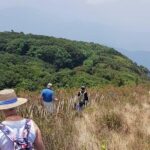
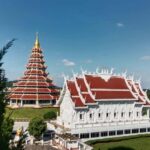
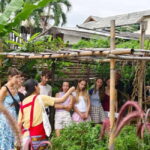
Then you move to Wat Pha Lat, and the vibe changes fast. This one is described as a lost enclosure inside Doi Suthep National Park—once used as a resting point for pilgrims, now home to monks. You’re not just looking from the outside. You walk inside the enclosure and see the buildings, meditation rooms, and even a river area.
What makes this stop valuable is that it’s lived-in. You can talk with monks, which turns the visit from sightseeing into a real conversation about beliefs and daily practice. I like this kind of exchange because it gives you context you can’t get from a guidebook.
Possible drawback to watch for: because you’re in a jungle enclosure, this is a spot where you’ll likely want comfortable shoes and a steady pace. The good news is the tour is built around walking through these spaces, so you’re not waiting around while everyone else shuffles past.
Wat Phra That Doi Suthep: golden stupa views over Chiang Mai
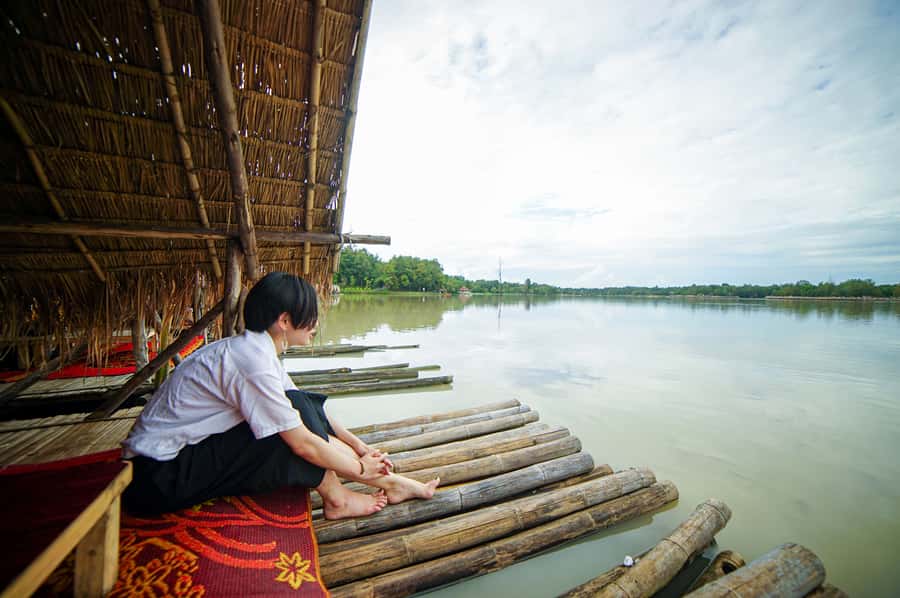
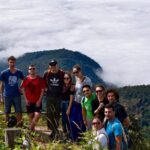
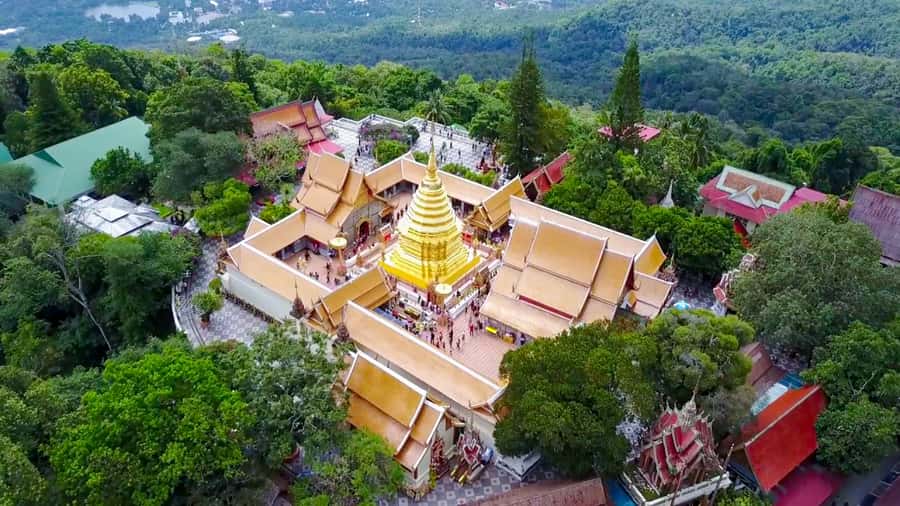
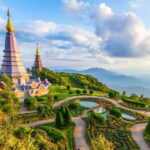
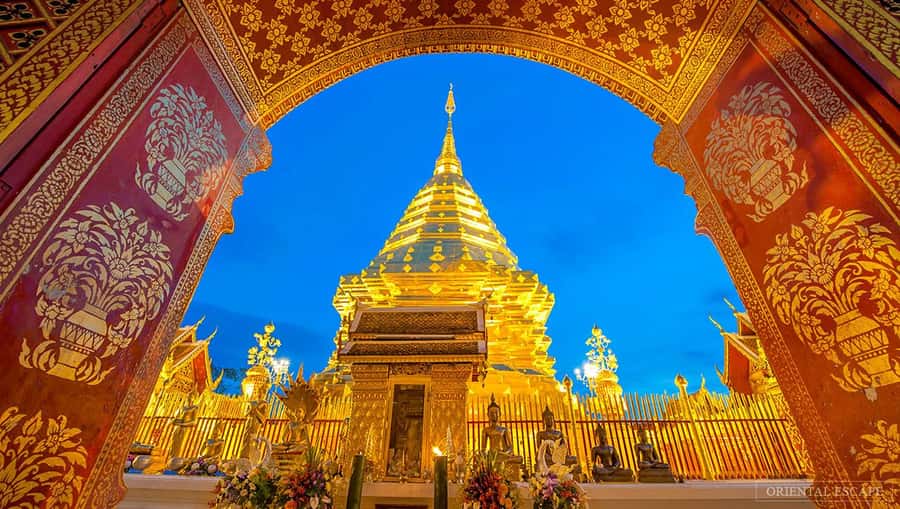
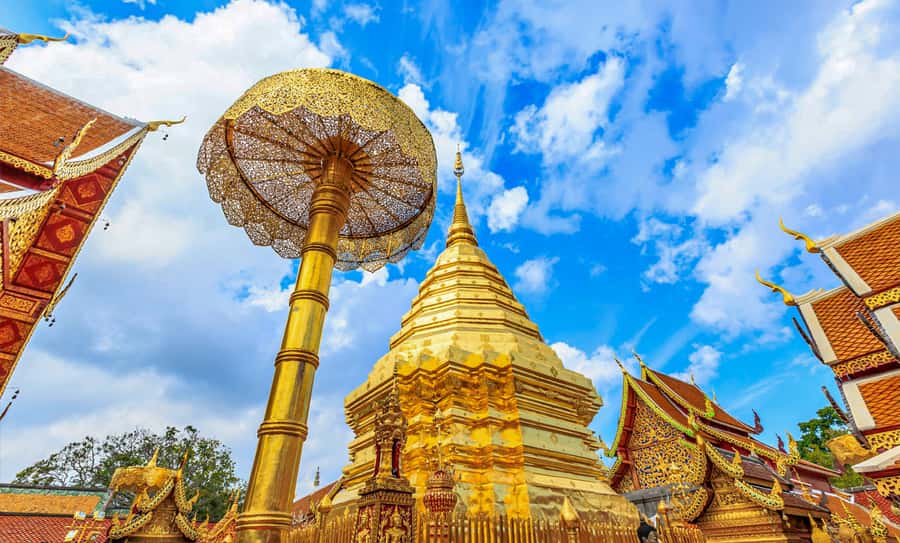
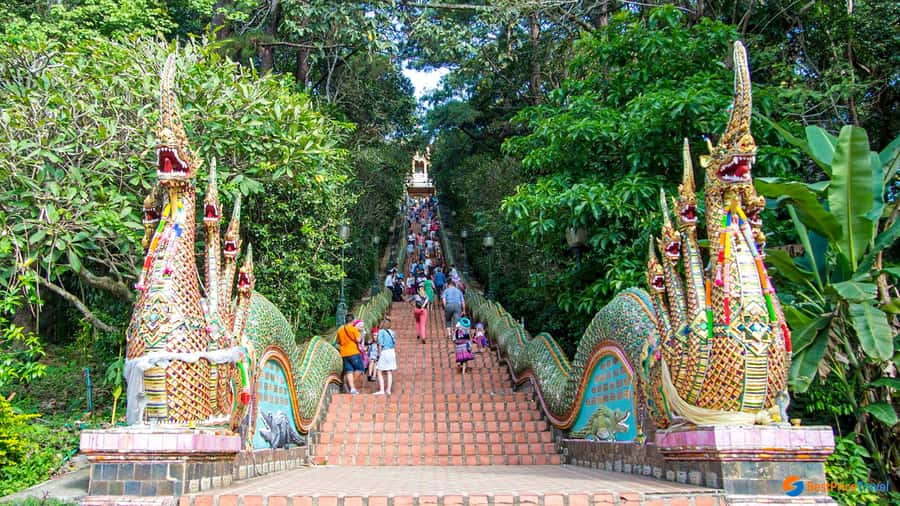
Next comes the big one: Wat Phra That Doi Suthep. This is the most important and best-known temple in Chiang Mai, and it’s up on the mountain within the national park. The highlight is the famous golden pagoda, but I think the real win is the viewpoint.
From the top, you get a wide overlook of Chiang Mai city. Even if you’ve seen photos before, the scale lands differently in person. It’s the type of view that helps you understand why Doi Suthep is such a spiritual destination—because you’re literally looking over the place the temple connects to.
If you’re the type who likes landmarks, this stop checks the box. If you prefer quiet, linger for a few minutes just to watch how people move through the space. Sometimes the best part of Doi Suthep isn’t the stupa itself—it’s the moment you realize how the viewpoint reframes the entire city.
Huai Tung Tao Thai lunch: where locals go on weekends
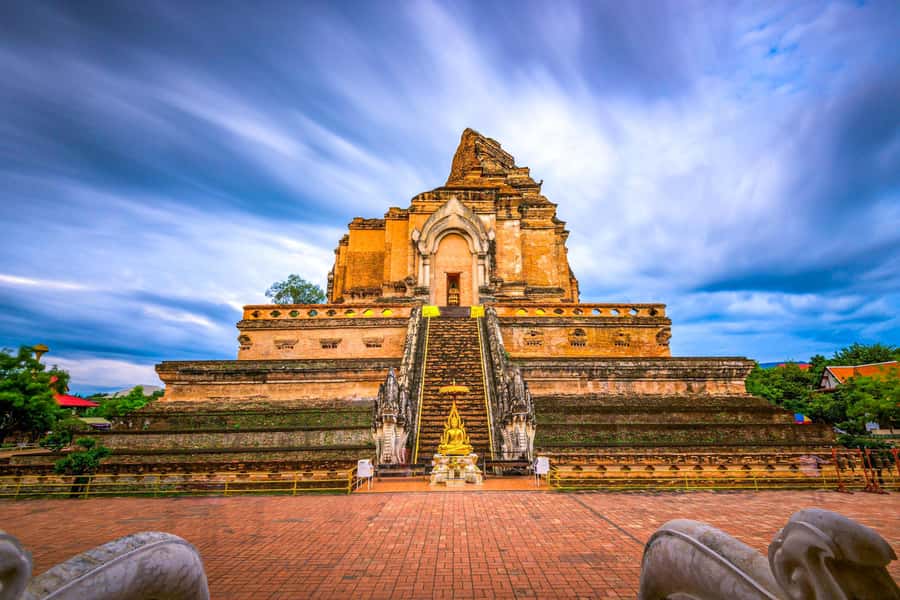
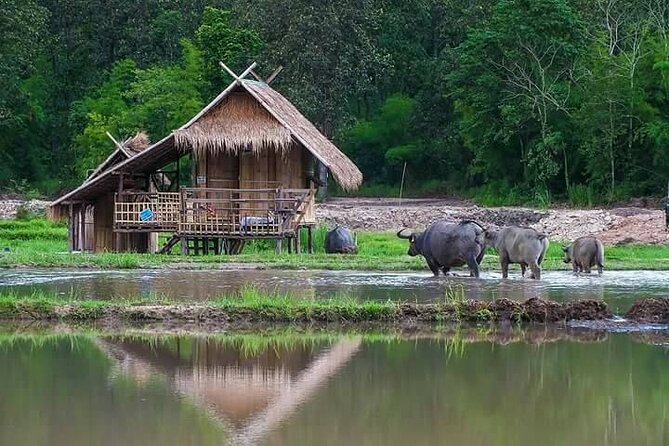
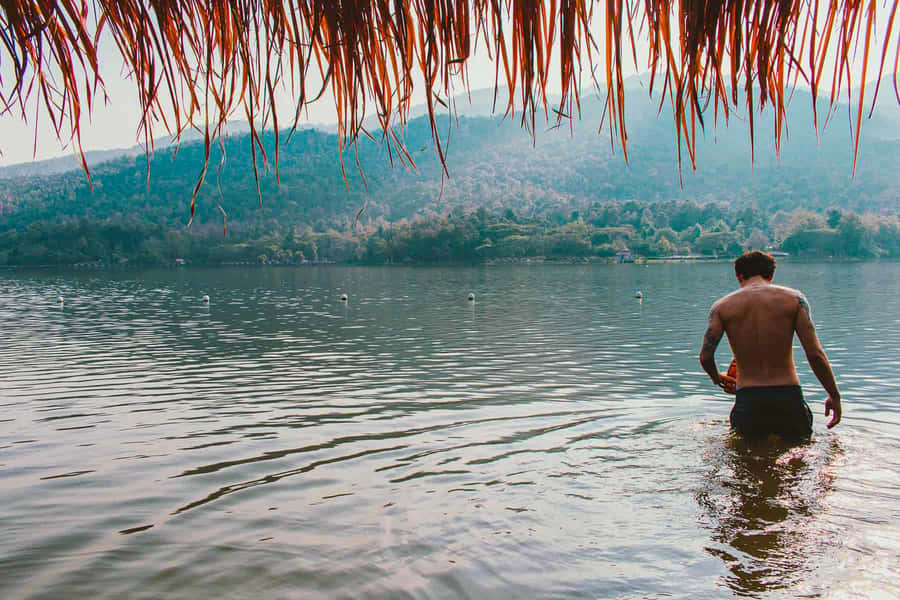
Lunch happens at Huai Tung Tao, a large lake surrounded by bamboo houses. It’s also where many locals go to spend the day on weekends. That detail matters, because it keeps lunch from feeling like a tourist-only break.
What you can expect: Thai lunch included, plus drinking water. The setting is the main ingredient here. You’ll eat with lake views around you, and the atmosphere is usually relaxed rather than formal. I like how the tour uses lunch as a cultural pace-break between temple areas and the market stop.
One caution based on real experiences people shared: a couple of complaints centered on lunch conditions when the environment didn’t meet expectations. I can’t promise what your specific lunch setup will be like, but if food quality and cleanliness are high on your priority list, it’s worth keeping your expectations realistic and going in ready to adapt.

Warorot Market in Chiang Mai: Chinatown shopping with a guide
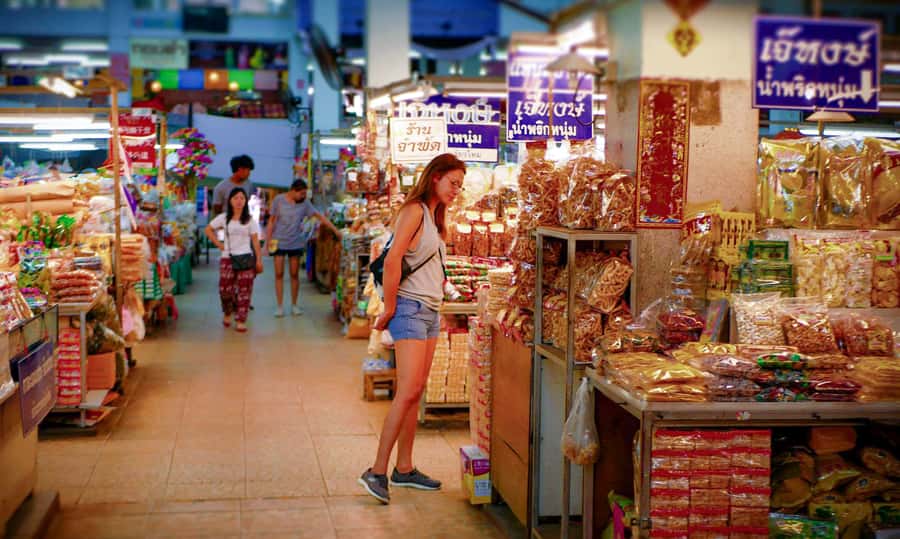
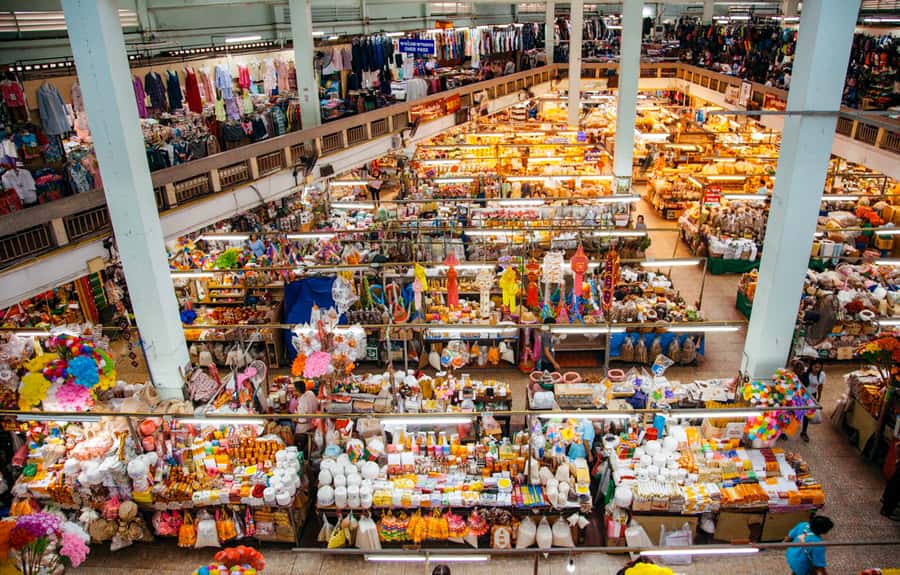
After temple time, you head into Warorot Market. Think of it as Chinatown in Chiang Mai, with a strong focus on local products and souvenirs. Going with a guide is helpful here because markets can be overwhelming fast—there’s a lot to look at, and it’s easy to miss the good stuff.
What I’d do during this part of the day is keep it practical:
- Use the guide’s hints to find common local items you actually want to bring home
- Treat Warorot as a browsing stop first, buying second
- Pay attention to how people package and sell items, so you don’t accidentally buy something you won’t use
This market finish is smart timing too. You’ve already seen major sights, so now you’re in a low-pressure phase: walk, taste the vibe, and shop at your own pace while your day is still managed.
Price, time, and the small-group value question ($112 for 7 hours)

The price is listed at about $112 per person for a 7-hour full day. On paper, that can sound like a lot until you look at what’s wrapped in:
- hotel pickup and drop-off
- an air-conditioned vehicle
- a Spanish-speaking guide
- admission fees to the attractions
- Thai lunch and drinking water
- insurance
For many people, the value is in convenience plus interpretation. Three major temple stops plus a lakeside lunch plus a market visit is a lot to coordinate alone in one day—especially if you want the cultural explanations in Spanish. A small group capped at 9 also helps: you’re not lost in a crowd, and questions during temple walks are actually possible.
Still, balance it against one risk: if your guide’s Spanish doesn’t match what you expected, the tour loses some of its value fast. One person highlighted that they learned a lot with a guide who spoke excellent Spanish, while another felt the communication didn’t land and the day wasn’t worth the money. That’s the key trade-off you should consider before booking.
My take: if you care about understanding what you’re seeing—and Spanish is a comfort level rather than a bonus—this pricing can feel fair. If you’re happy with quick temple photo stops and minimal explanation, you might wonder if a cheaper self-guided option would suit you better.
Who this tour suits best (and who should think twice)
This tour fits you best if:
- you want a guided day focused on Chiang Mai temples rather than random stops
- you prefer Spanish interpretation so you’re not guessing at meaning
- you like a mix of quiet temple time and a practical market finish
- you enjoy talking culture with people in place, not just listening from a distance
It may be less ideal if:
- you expect high-detail Spanish storytelling every minute and you’re extremely language-dependent
- you’re very sensitive to lunch environment and food quality
- you hate walking in temple compounds and jungle enclosures (the tour is built around walking through spaces)
Should you book this Spanish temple day?
I’d book it if you’re going to Chiang Mai mainly for temples and you want the day arranged so you see Wat Umong + Wat Pha Lat + Wat Phra That Doi Suthep without transport headaches. The small-group limit also makes the monk-enclosure time more personal, and the viewpoint at Doi Suthep gives you that big-picture payoff.
I’d think twice if Spanish clarity is non-negotiable for you and you’ve had bad language experiences on tours before. If you can, confirm who’s guiding your departure or ask whether the guide will be the one known for excellent castellano. Also keep your expectations flexible for lunch—because this is one of the few parts where experiences can swing.
FAQ
Is this tour in Spanish?
Yes. The guide is Spanish-speaking.
How long is the tour?
It lasts about 7 hours.
How big is the group?
The group is limited to a small size, up to 9 participants.
What’s included in the price?
Hotel pickup and drop-off, an air-conditioned vehicle, a Spanish-speaking guide, admission fees to all attractions, Thai lunch, drinking water, and insurance are included.
Is alcohol included with lunch?
No. Alcoholic drinks are not included.
What should I bring?
Bring a passport or an ID card.