REVIEW · CHIANG MAI
Chiang Mai: Doi Inthanon National Park Private Tour
Book on GetYourGuide →Operated by Beyond Experience · Bookable on GetYourGuide
Few places in Thailand feel this changeable. One morning you’re near Chiang Mai heat, and the next you’re walking cooler highland trails in Doi Inthanon National Park, often called the Roof of Thailand. I especially like how the tour is flexible with three different routes, and how the guide handles the day in a calm, organized way from hotel pickup to pagodas and waterfalls. The one real catch is that the trekking options need a good fitness level, and some trail timing can depend on weather and seasonal closures.
What really makes this tour click is the mix: mountain nature plus culture, all in one private day. You get a local tribal guide for the trek options, plus a Karen Hill Tribe village and market visit, and you also finish with big “Thailand’s highest point” views. If you’re sensitive to steep walking, long stairs, or slippery paths after rain, you’ll want to choose the non-trekking sightseeing option.
In This Review
- Key highlights you’ll feel right away
- Doi Inthanon: why the day feels like more than sightseeing
- Choosing between sightseeing and two trekking routes
- Option 1: Non-trekking sightseeing
- Option 2: Kew Mae Pan Nature Trail trek
- Option 3: Pha Dok Sieo Nature Trail trek
- Pickup, mountain driving, and your first hour at the park
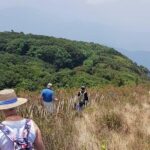
- Kew Mae Pan Nature Trail: ridge walks and cloud-forest vibes
- Pha Dok Sieo Nature Trail: waterfalls, rice terraces, and coffee
- Twin Royal Pagodas, Wachirathan Waterfall, and the Karen village stop
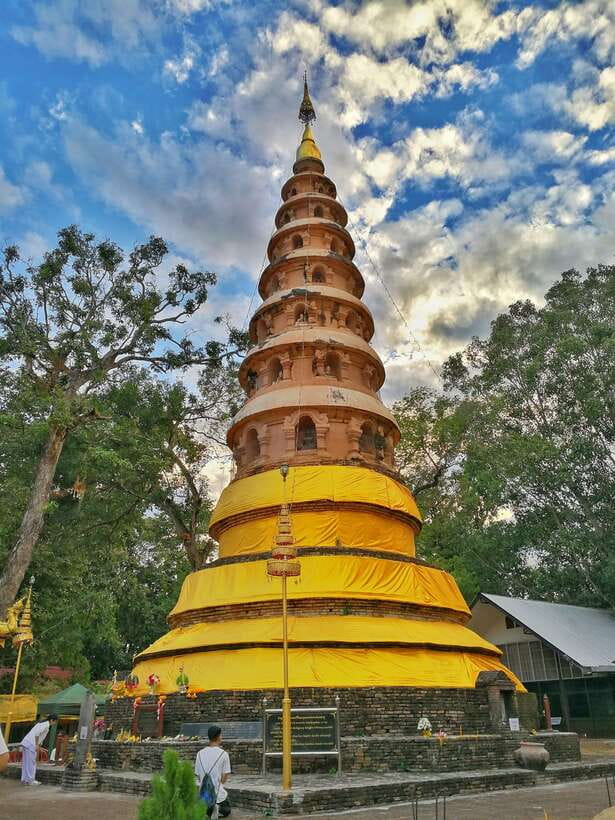
- Twin Royal Pagodas: more than a pretty temple photo
- Wachirathan Waterfall: plan for a wet, slippery moment
- Karen Hill Tribe village and market: ask questions, be respectful
- Lunch inside the national park and how to stay comfortable
- Price and what you get for $144 per person
- Should you book the Chiang Mai Doi Inthanon National Park Private Tour?
- FAQ
- What tour options are available on this Doi Inthanon private day trip?
- How long is the tour, and does it include pickup?
- Is lunch included?
- Are trekking options suitable for kids or everyone?
- What should I bring for the day?
- When is the Kew Mae Pan Nature Trail closed?
Key highlights you’ll feel right away
- Three route choices so you match the day to your energy level
- English-speaking professional guide plus a local tribal guide on trekking routes
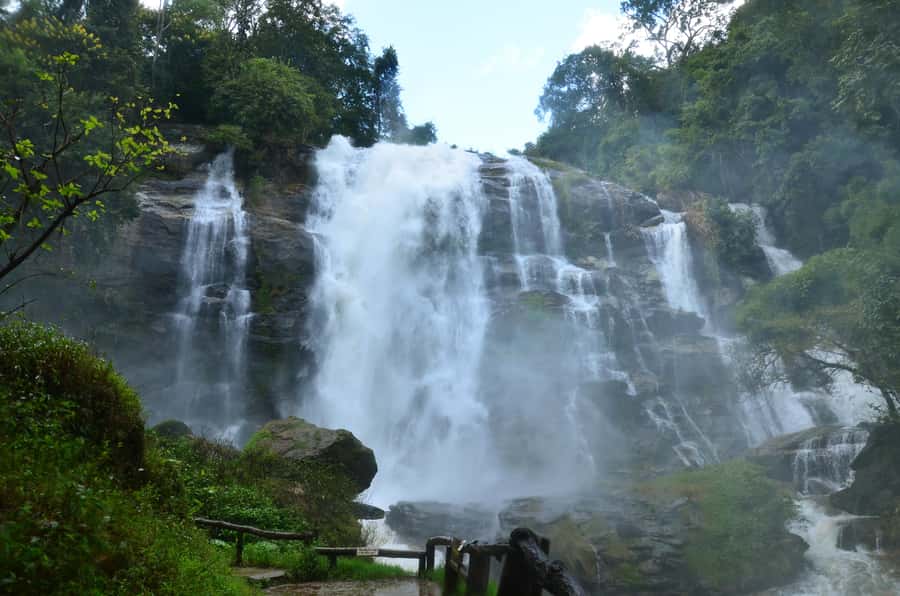
- Twin Royal Pagodas + Wachirathan Waterfall as anchor stops
- Local lunch inside the national park area with water and light snacks included
- Hotel pickup across Chiang Mai (Old City, Nimman, Night Bazaar area, and more)
- Walking sticks provided for trek options to make uneven trails easier
Doi Inthanon: why the day feels like more than sightseeing
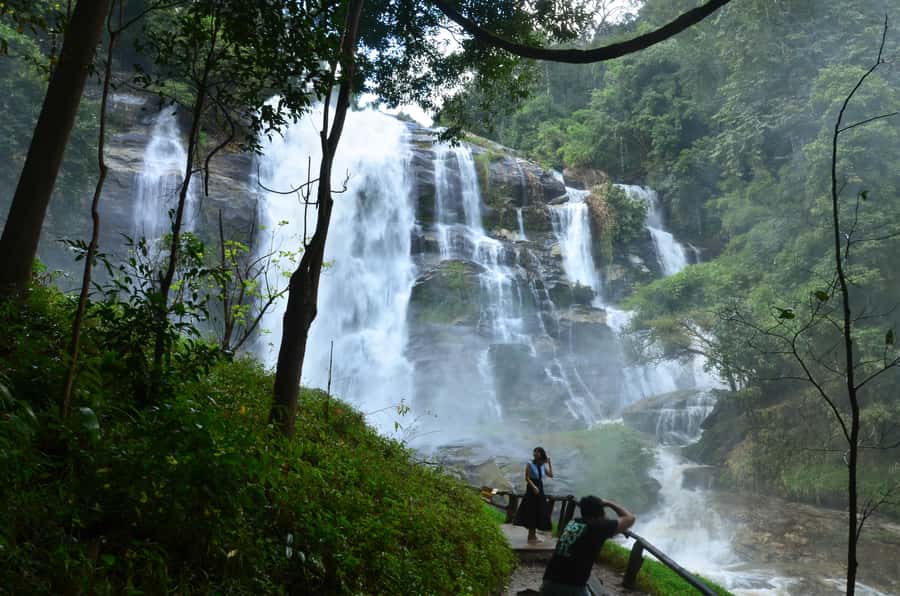
Doi Inthanon National Park is huge for a day trip—482 square kilometers—and that scale shows in what you’ll see. You start in lowland-to-foothill conditions and gradually move into cooler highland ecosystems, where the air can feel noticeably different as you climb.
That environmental shift matters because it changes the mood of the whole outing. On an easy sightseeing route, you still get that “roof of Thailand” feeling from summit viewpoints and the dramatic setting of the Twin Royal Pagodas. On the trek routes, the cooler air and cloud-forest vibe turn simple walking into something more like an actual nature outing.
And then there’s the human side. The Karen Hill Tribe village and market visit gives you a real cultural stop—not just a photo moment—so the day is not only about views. If you like connecting what you see in the landscape with how people live and farm around it, this part is a strong reason to book.
You can also read our reviews of more private tours in Chiang Mai

Choosing between sightseeing and two trekking routes
This tour is private, so the day can feel tailored, but it mainly depends on which route you choose.
Option 1: Non-trekking sightseeing
This is the best fit if you want the biggest sights with minimal walking. You’ll go to the summit of Doi Inthanon, then visit the Twin Royal Pagodas, followed by the Karen Hill Tribe village and market. After that, you’ll head to Wachirathan Waterfall for photos and a little free time.
Why it’s a smart choice: you still get summit views and the waterfall, but you’re not committing to hours of hiking in changing mountain weather.
What to consider: you’ll spend more time driving and sightseeing, and less time on forest trails, so it’s not the best option if you want hands-on nature walking.
Option 2: Kew Mae Pan Nature Trail trek
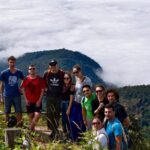
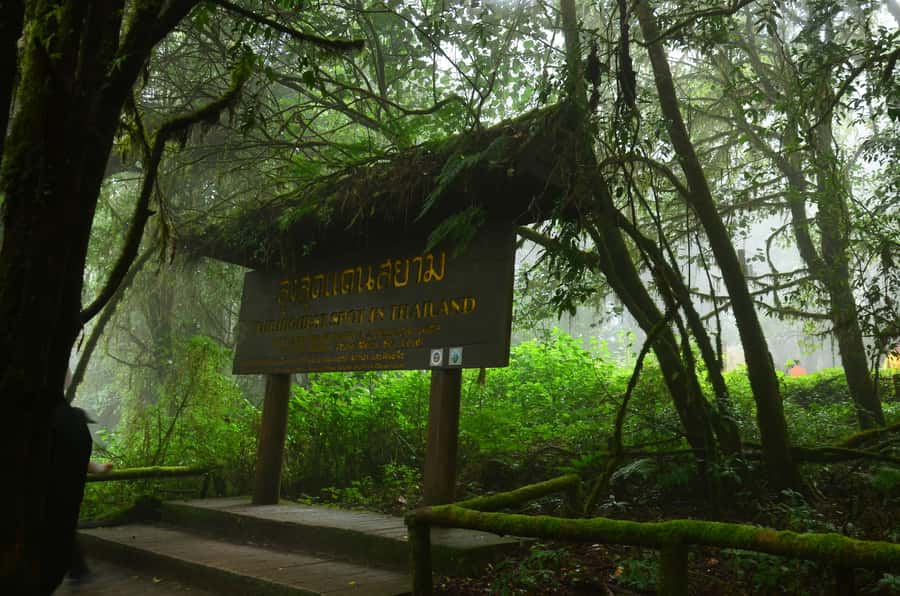
This is a cloud-forest ridge walk with planned viewpoints. You’ll meet a local Hmong guide, then trek along the mountain ridge with regular rest stops. You’ll have chances to observe native flora and birdlife, and the route includes panoramic viewpoint breaks.
A big deal here is that lunch is included at a local Thai restaurant in the national park area, so you’re not hunting for food mid-trek. After lunch, you move into the pagodas and waterfall area and finish by visiting Thailand’s highest point.
Why I like it: it’s structured nature time with stops that make the effort feel earned, plus the added cultural visit near the waterfalls/pagodas portion of the day.
What to consider: it’s a trekking day, so you’ll need good balance, shoes you trust, and patience for uneven ground.
Option 3: Pha Dok Sieo Nature Trail trek
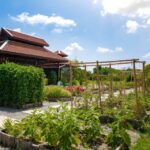
This route leans into waterfalls and rural scenery. The trek includes multiple waterfall stops, views of rice terraces, and a visit to a coffee plantation. You’ll also interact with the Karen community and learn about traditional farming methods.
The day ends with a summit visit and time at Wachirathan Waterfall, and you’ll enjoy lunch during the schedule before heading back to Chiang Mai.
Why it’s a strong match: if you like the connection between trekking and how people work the land, this option gives you more “life on the hillside” moments than a straight viewpoint route.
What to consider: there are more moving parts—waterfalls, plantation, terraces—so weather and trail conditions can affect timing.

Pickup, mountain driving, and your first hour at the park
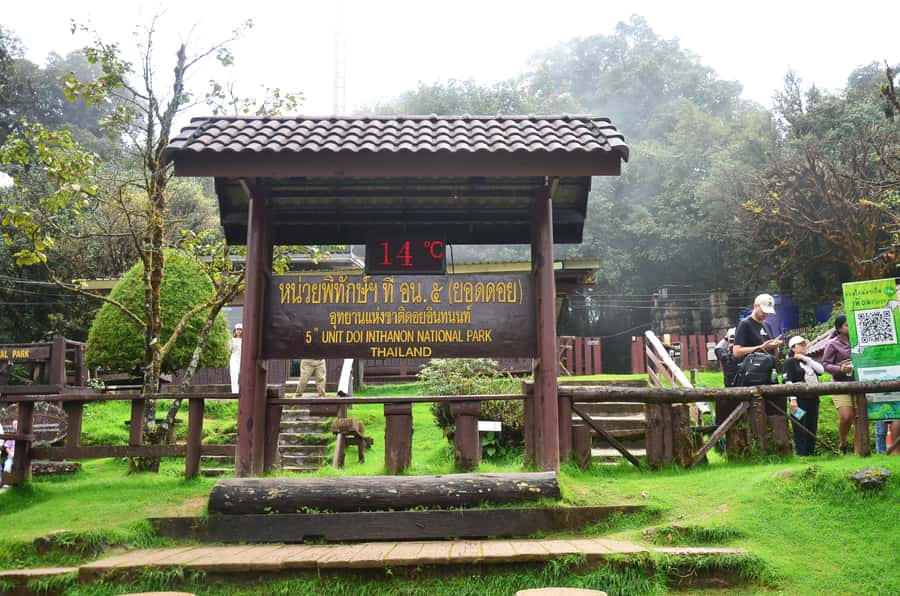
The day begins with hotel pickup across Chiang Mai, including areas like the Old City, Nimmanahaeminda Road, Night Bazaar, Tha Phae Road, and more. That’s not just convenience—it matters on a mountain trip because you avoid wasting time figuring out transport once you’re already on a tight schedule.
Once you’re driving toward the park, you’ll get the first photo-stop and guided orientation time. Even on the trek options, that opening hour sets expectations: how the day flows, what to watch for, and what kind of walking you’re about to do.
A small detail I appreciate: the tour includes drinking water and light snacks. That helps you feel steadier on the mountain, especially if you’re doing one of the longer trail options or if the weather turns cooler and you forget to drink.
Also, the guide is listed as English-speaking, and recent experiences emphasize clear explanations and attentive care. If you want a day that feels safe and well-run, that’s a big part of the value here, not just the scenery.
Kew Mae Pan Nature Trail: ridge walks and cloud-forest vibes
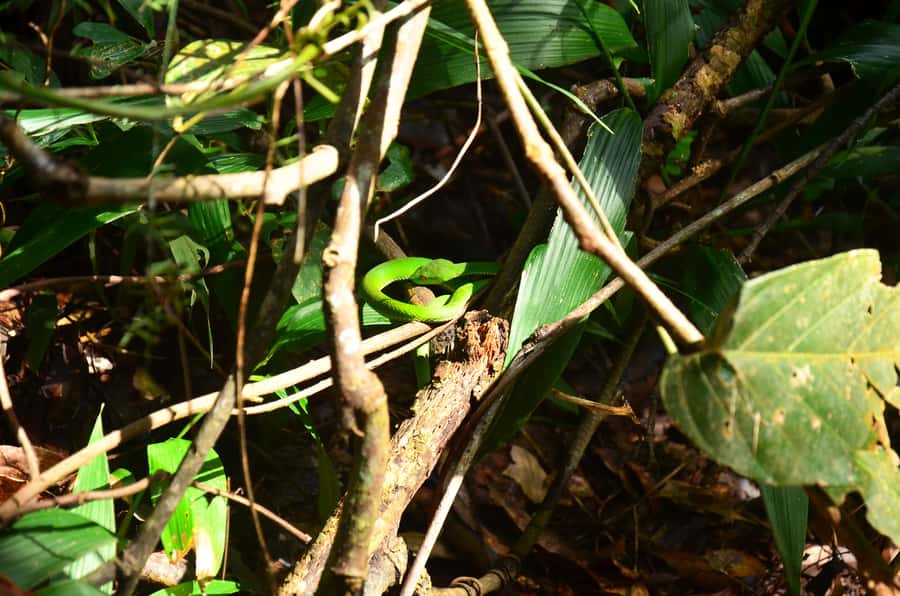
If you choose Option 2, the trek centers on the Kew Mae Pan Nature Trail. The total walking time listed for this stage is about 2.5 hours, with guided pauses and viewpoints.
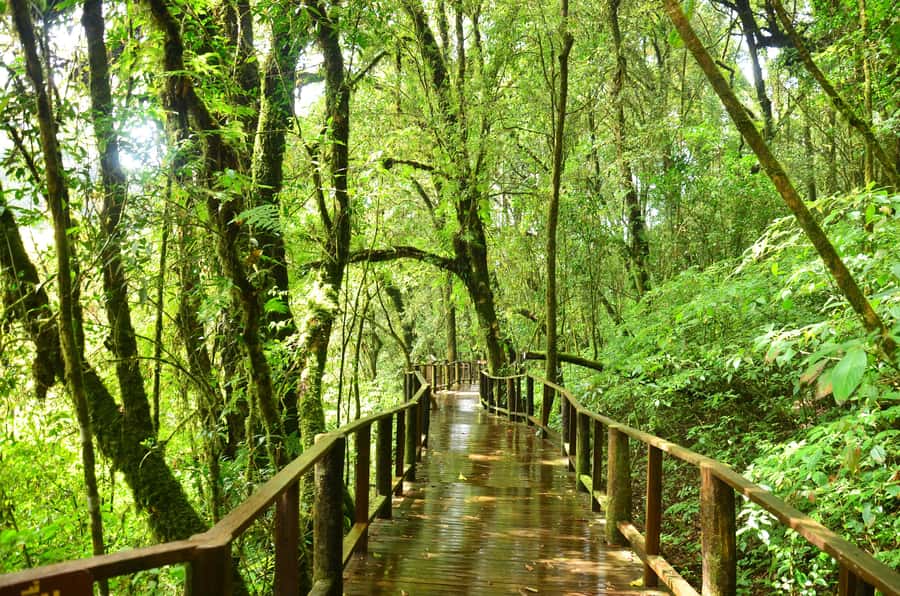
You start by meeting your local Hmong guide, then you walk along the ridge. This matters because ridge routes tend to give more regular scenic payoff—less “walk until you hope it’s worth it,” more “pause, look around, then continue.” The plan includes stopping at panoramic viewpoints, plus time to observe native flora and birdlife.
Rest stops are part of the design, not an afterthought. You’ll want to use those breaks well: take water sips, adjust your layers, and check your footing before moving on.
As for gear, the tour provides walking sticks for trek options, which is genuinely helpful on muddy or uneven patches. You’ll also want insect repellent in your day bag, since forest edges can attract bugs.
After the trek, lunch is included at a local Thai restaurant in the national park area. That’s a practical detail that keeps the day comfortable. Then you continue to major sights—Twin Royal Pagodas and Wachirathan Waterfall—followed by the Karen Hill Tribe village and market visit.
Finally, you end the day with a visit to the summit of Doi Inthanon. That order works well because you’ve already built momentum with the trail and then you’re rewarded with the big high-point views near the end.
Pha Dok Sieo Nature Trail: waterfalls, rice terraces, and coffee
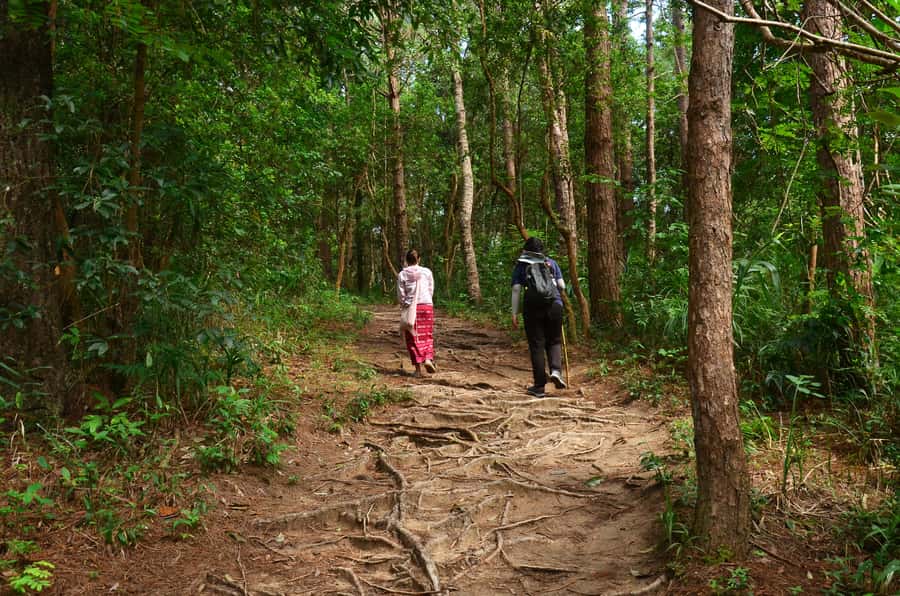
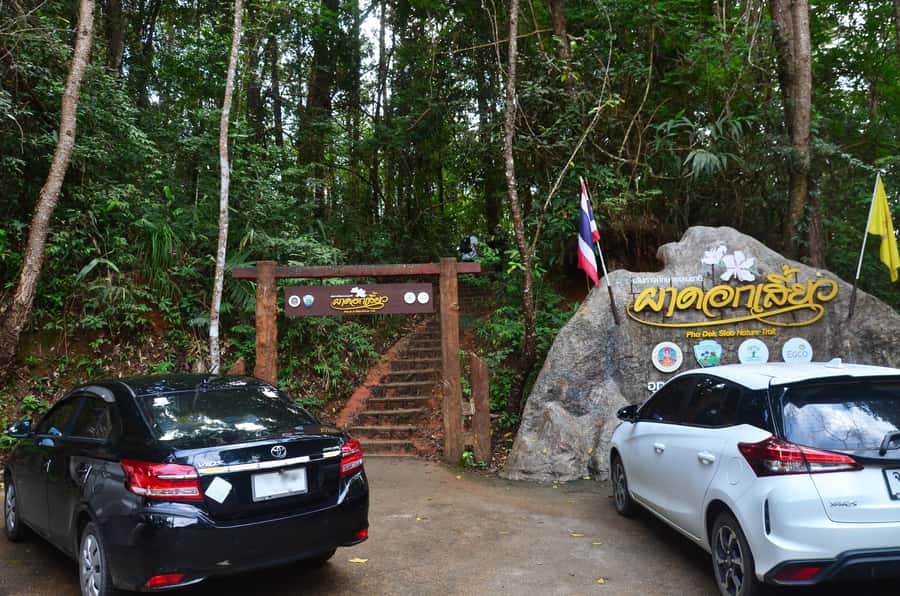
Option 3 is for you if you want more variety on foot. The Pha Dok Sieo Nature Trail route includes stops for multiple waterfalls, scenery with rice terraces, and a visit to a coffee plantation.
This is the kind of trek where the “why am I walking” question gets answered repeatedly. Instead of only one or two scenic moments, the plan breaks up the route with waterfall pauses and terrace viewpoints. The coffee stop also adds a tangible local flavor—something you can connect to daily life rather than just scenery.
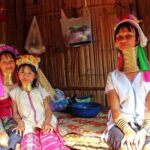
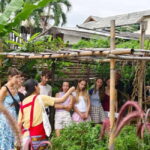
One of the best parts on this route is the Karen community interaction. The tour plan specifically mentions learning about traditional farming methods. Even if you’re not fluent in local context, a guided explanation can turn a village stop into a meaningful cultural exchange.
Time at the summit and Wachirathan Waterfall rounds out the day so you still get the headline sights. The schedule also includes lunch and then you head back to Chiang Mai.
Fitness-wise, this is still a trekking day, but the way it’s structured can make it feel manageable if you pace yourself and use the breaks well. Weather can change conditions on waterfall routes, so you’ll want to pack layers and shoes with grip.
Also note a practical limitation: if you were considering the Kew Mae Pan trail for Option 2, that specific trail closes seasonally from June 1 to October 31. Option 3 doesn’t mention a closure, so it can be the better choice during those months.
Twin Royal Pagodas, Wachirathan Waterfall, and the Karen village stop
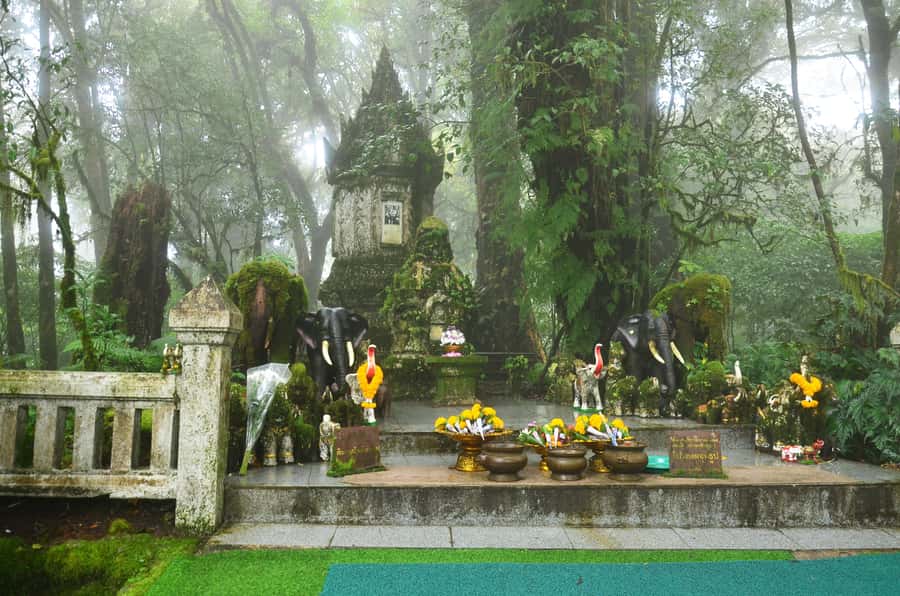
No matter which route you choose, the heart of the itinerary includes the same anchor sights: Twin Royal Pagodas and Wachirathan Waterfall, plus the Karen Hill Tribe village and market visit.
Twin Royal Pagodas: more than a pretty temple photo
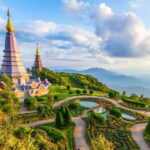
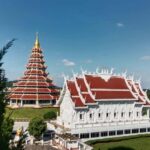
The Twin Royal Pagodas are a major cultural landmark at high elevation. On one schedule detail, you’ll see the Grand Pagoda Nabhapolbhumisiri stop listed with about an hour of time. That’s enough for slow looking—architecture, views from the area, and guide explanations about what you’re seeing.
Even if you’re not a “temple person,” the pagodas work well here because the setting is dramatic. With cooler air and mountain views around you, the architecture doesn’t feel like something you pass through.
Wachirathan Waterfall: plan for a wet, slippery moment
Wachirathan is a scheduled highlight with time for photo stops and a break. The itinerary lists a shorter window (about 30 minutes) for this stop, so you’ll want to be ready when you arrive.
Waterfall areas often mean damp ground. If you’re on trek shoes, keep traction in mind. If you’re doing non-trekking sightseeing, it’s still worth wearing shoes that handle slick spots.
Karen Hill Tribe village and market: ask questions, be respectful
This stop is included across the route options. The trekking routes even include interaction and learning about traditional farming methods (especially on the Pha Dok Sieo itinerary).
The practical way to enjoy this part is simple: ask respectful questions, keep an eye on your pace, and remember this is a living community and market area, not a staged exhibit. The tour’s presence of local guides for trekking options helps translate context in a way that feels more grounded than just passing through.
Lunch inside the national park and how to stay comfortable
Food is usually an afterthought on day trips—until you’re stuck in a long line or eating something you don’t want. Here, lunch is built into the day across trekking options, and water plus light snacks are included.
That’s a real value point because you’re in a remote, changing-weather environment. Having food handled means you can focus on the walking and the sights instead of timing your hunger.
What you should plan personally is comfort and stamina. Weather varies in the park, and highland conditions can shift fast, so bring layers and be ready to adjust. Packing insect repellent is specifically recommended for this type of nature walking.
Also, bring cash. The tour data lists cash as something to have on hand, which often matters for small purchases at market areas. A power bank can help too, since photo-taking in the cool air can drain battery faster than you expect.
If you’re someone who gets cold easily, this is where trekking options can surprise you—in a good way, but still. Pack for cooler summit and ridge temperatures, even if Chiang Mai starts warm.
Price and what you get for $144 per person
At $144 per person for an 8–9 hour private tour, this isn’t a “cheap and cheerful” option. It’s a paid-for-experience day, and you’re paying for planning, transport, and guided time in a big national park setting.
Here’s what you get for that price based on what’s included:
- A professional English-speaking guide
- Round-trip transportation with hotel pickup across central Chiang Mai districts
- Lunch and light snacks, plus drinking water
- National park entrance fees (if your selected option includes them)
- Accident insurance
- Walking sticks for trek routes
- A local tribal guide for the trekking options
That’s important: you’re not just buying the right to be driven to a viewpoint. You’re buying guided pacing, cultural interpretation, and the “day management” that makes it easier to enjoy summit, pagodas, waterfalls, and a community visit in one go.
Also consider what you avoid. With a private day, you’re less likely to get stuck waiting for other people at trailheads, and you can choose the trekking level that matches your group.
If your priority is summit views plus culture with minimal hiking, Option 1 may feel like the best value. If you want a true walking day with a guide and local context, Option 2 or 3 justifies the price more because so much of the inclusions attach directly to trekking.
Should you book the Chiang Mai Doi Inthanon National Park Private Tour?
Book it if you want a one-day plan that covers the essentials of Doi Inthanon without feeling rushed or logistically messy. I think it’s especially worth it if you care about mixing mountain scenery with a real Karen Hill Tribe village and market stop, and if you like having an English-speaking guide to connect the dots as you go.
Choose Option 1 if you’re not up for trekking. You still get the summit, Twin Royal Pagodas, Karen village/market, and Wachirathan Waterfall.
Choose Option 2 (Kew Mae Pan) if you want ridge hiking and cloud-forest nature with wildlife and viewpoint breaks. It’s also the right call when you’re excited by flora and birdlife.
Choose Option 3 (Pha Dok Sieo) if you want waterfalls plus rural farming scenery. Rice terraces, coffee plantation time, and Karen community learning are the reason to pick this route.
One last decision tip: if you’re traveling during June 1 to October 31, remember the Kew Mae Pan Nature Trail is listed as closed. In that season, you’ll likely want to lean toward Option 1 or Option 3 depending on your fitness.
FAQ
What tour options are available on this Doi Inthanon private day trip?
You can choose between a non-trekking sightseeing route, a Kew Mae Pan Nature Trail trek route, or a Pha Dok Sieo Nature Trail trek route. Each option includes the core Doi Inthanon sights, but the walking parts differ.
How long is the tour, and does it include pickup?
The tour runs about 8–9 hours. Round-trip transportation is included, and pickup is available throughout Chiang Mai district areas such as the Old City, Night Bazaar, and Nimmanahaeminda Road.
Is lunch included?
Yes. Lunch and light snacks are included, and trekking options specify lunch at a local Thai restaurant in the national park area.
Are trekking options suitable for kids or everyone?
Children pricing is listed for ages 4–10 years for trekking options. The tour is not suitable for children under 4, pregnant women, people with mobility impairments, and people with heart problems, and trekking options require a good fitness level.
What should I bring for the day?
Bring a camera, insect repellent, cash, personal medication, and an ID card (copy accepted). A power bank is also recommended.
When is the Kew Mae Pan Nature Trail closed?
Kew Mae Pan Nature Trail closes from June 1st to October 31st. If you’re traveling during that period, you’ll want to choose a different option.