REVIEW · CHIANG MAI
Chiang Mai: Day for Elephant Observation Only Half-day Trip
Book on GetYourGuide →Operated by Living Green Elephant Sanctuary Chiang Mai and Chonburi · Bookable on GetYourGuide
A real elephant day without tricks is rare, and this one delivers. At Big Boy Elephant Sanctuary, you’ll see elephants roam as they choose, with strict rules like no riding or controlled walking, and you’ll get two hands-on highlights: preparing elephant food and cooking a proper Pad Thai lunch. The only real drawback is the drive time and outdoor walking time, so plan for tired legs, sun, and insects.
What makes it work is the “no control” mindset. You observe closely, feed up close, and still keep elephants’ space—no touching, no forcing behavior—and you also get clear explanations from your guide, including Su, who brings solid humor and careful elephant know-how. If you have back issues or mobility limits, this trip may feel like too much for the day.
In This Review
- Key things that make this trip worth your time
- Big Boy’s no-control approach: the difference you’ll feel fast
- Timing in Chiang Mai: plan your morning or afternoon carefully
- From pickup to sanctuary: what the drive day sets you up for
- Elephant education briefing: listen for the why, not the wow
- Elephant food prep and ethical feeding: hands-on without taking control
- Vitamin workshop and medicine-ball style feeding
- The sanctuary setting: photos, streams, and quiet observation
- Pad Thai cooking workshop: the lunch part you’ll actually enjoy
- About the price: does $46 feel fair?
- Who this tour suits best (and who should skip it)
- What to bring and how to act on-site
- The honest balance: what you’ll love most vs. what can be a deal-breaker
- Should you book this Chiang Mai elephant day-only trip?
- FAQ
- How long is the trip and how does pickup work?
- Where is the elephant sanctuary located?
- What’s included besides elephant observation?
- What should I bring and wear?
- Is the trip family-friendly or suitable for everyone?
- What are the main rules during the experience?
Key things that make this trip worth your time
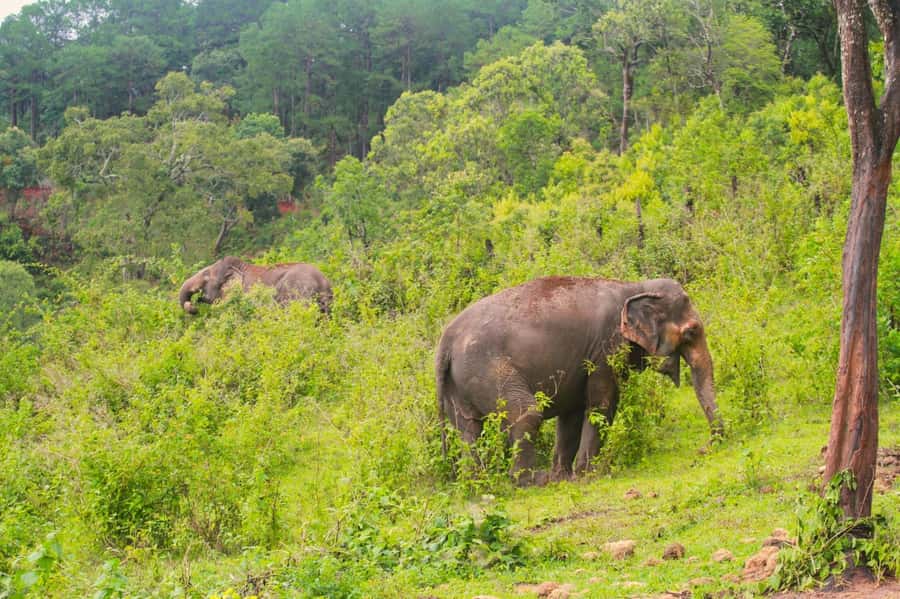
- No-control elephant policy with clear rules (no riding, no controlled walking, no mandatory bathing, no commanding elephants)
- Hands-on feeding: help prep natural foods and participate in vitamin ball feeding
- Up-close observation with space respected, so you get photos without pressuring the animals
- Real elephant education through conversation and stories from people who focus on care, including elderly and sick elephants
- Pad Thai cooking workshop with lunch taught by local culinary experts using a family-style recipe approach
- Small-group feel that makes the day feel personal instead of rushed
Big Boy’s no-control approach: the difference you’ll feel fast
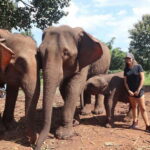
Most elephant “experiences” in Thailand are built on performance. The animals are led where humans want them, made to repeat behaviors on cue, or made to endure close-contact routines. Here, the sanctuary’s logic is simpler: elephants should live as naturally as possible, with humans acting more like observers and helpers than handlers.
That shows up immediately in how interactions are handled. You’re not there to ride, pose, or command. You’re not pushed into situations like controlled walking or mandatory bathing. And you’re not touching elephants. The result is a calmer experience for you and, more importantly, less stress for them.
You also notice the tone of the day. The guide isn’t selling you on a spectacle. Instead, the explanations focus on elephant behavior, health, and how different kinds of support matter in a rescue setting. When you help make food from natural materials and then watch elephants eat normally, it’s a different kind of connection than the typical tourist circuit.
A few more Chiang Mai tours and experiences worth a look


Timing in Chiang Mai: plan your morning or afternoon carefully
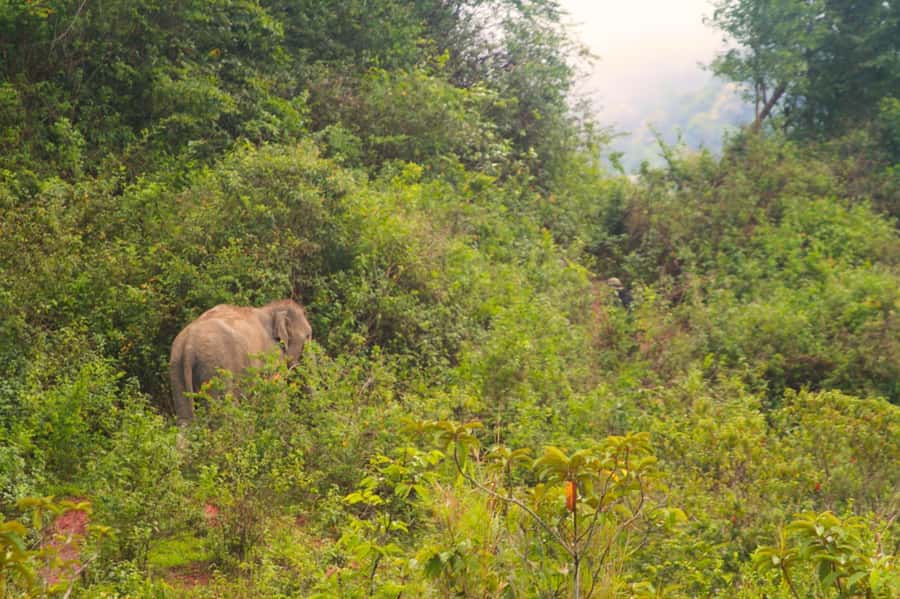
This is a “half-day” in the sense that you don’t spend the full day out, but it still runs long enough that you should treat it like a real excursion.
You’ll choose either:
- a morning window (pickup around 07:00 with activities running to roughly 14:30), or
- an afternoon window (pickup around 11:00 with activities running to roughly 18:30).
The program time is listed as 6–7 hours, and that includes transportation. Depending on traffic and where your hotel sits, your pickup time may shift and you’ll get confirmation about a day ahead. This matters because the day includes outdoor portions and cooking time. If you only have a short window before dinner plans, pick the slot that gets you back comfortably.
Tip: If you’re planning a separate night market dinner right after, the morning tour usually gives you more breathing room. If you prefer a slower start, the afternoon tour can work well—just don’t stack another big activity right after pickup.
From pickup to sanctuary: what the drive day sets you up for
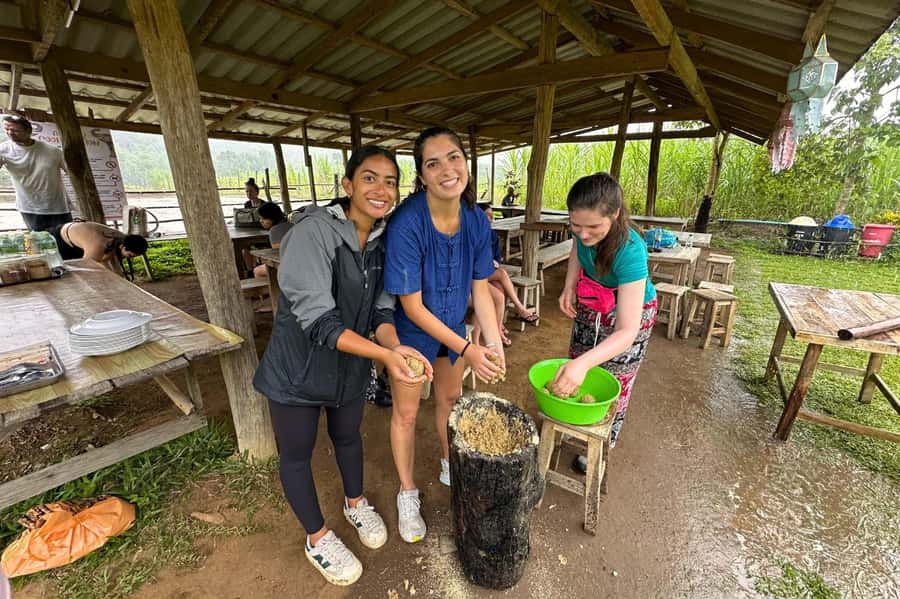
You start with hotel pickup in Chiang Mai. The sanctuary is in the Chiang Mai Province area near Doi Inthanon National Park, and the setting is in the hills. You’ll feel that change of pace: cooler air, more greenery, and a quieter rhythm once you’re out of the city.
One review described the sanctuary grounds as lush with a stream running through. Even if you don’t obsess over views, the point is practical: you’re spending part of the day outdoors, moving between activity spots, and using the time to observe elephants in a space that feels more natural than fenced “photo stops.”
Small detail that helps: bring insect repellent and wear shoes you can trust on uneven ground. Comfortable shoes aren’t a suggestion here; they’re what keeps the day relaxing instead of annoying.
Elephant education briefing: listen for the why, not the wow
Before you start feeding, you’ll get an elephant education briefing. This is where the tour becomes more than an activity checklist.
You’ll hear about:
- how elephants behave when they’re not being controlled by humans,
- what “care” looks like in a rescue sanctuary,
- and why the sanctuary focuses on supporting elderly and sick elephants with appropriate attention.
Your guide, Su, is highlighted in multiple accounts for both humor and knowledge. That combo matters because the topic can get heavy—real care, real medical needs—but the explanations should stay understandable. When the guide shares stories from genuine elephant experience, the day feels grounded instead of staged.
Practical advice: during the briefing, ask questions if you have them. If you’re curious about how elephants communicate, how they choose where to stay, or what food routines look like, this is the time to clarify.
Elephant food prep and ethical feeding: hands-on without taking control
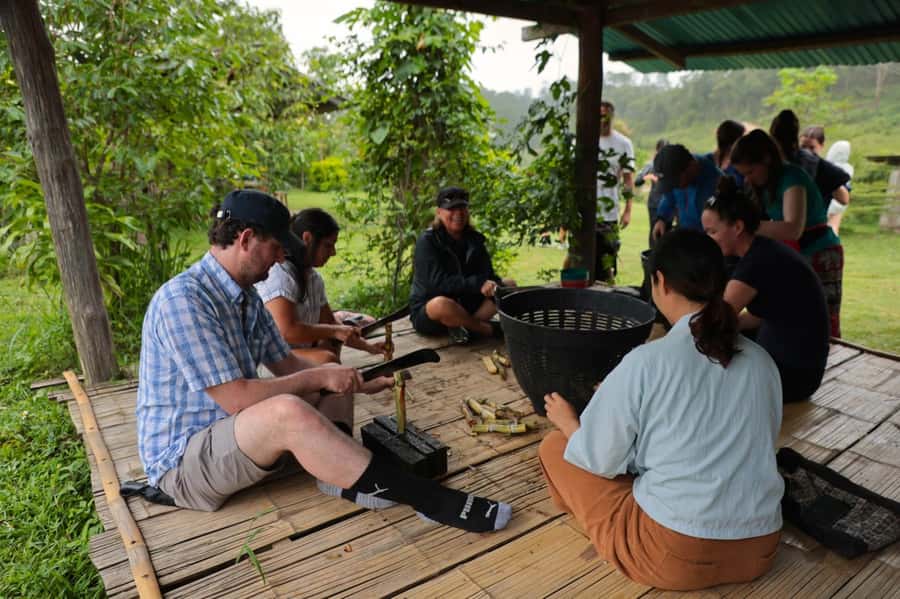
Now comes the part most people remember: you help prepare food, then feed it to the elephants.
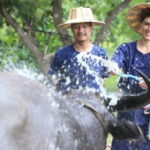
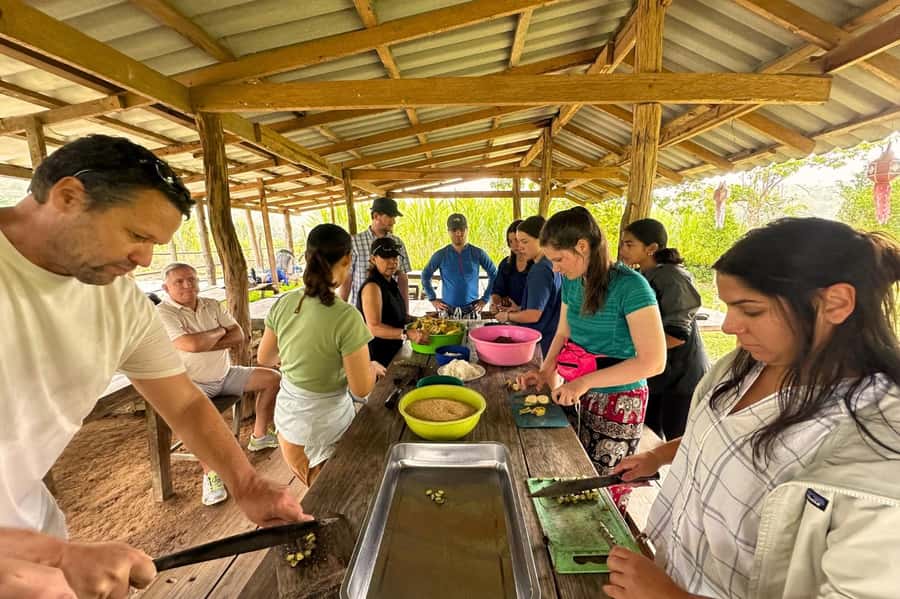
The sanctuary food prep is built around natural ingredients. You work on making elephant meals and also participate in preparing vitamin balls. After that, you do the feeding experience—getting close enough to see reactions clearly, but still respecting the elephant’s comfort level and the sanctuary’s no-touching rules.
Here’s what I like about this setup: you’re not forcing anything. You’re not making elephants repeat behaviors. You’re helping create food and offering it while the elephants choose whether and how to approach.
What to watch for during feeding:
- whether elephants take the food calmly,
- how family groups stay together,
- and how they shift attention from one activity to another (because they’re not “performing,” they’re doing what elephants do).
Also note the sanctuary includes “habitat care activities” as part of the program. Even if you don’t get a medical role, you’ll likely help with small tasks that support daily care. Those moments are the difference between checking a box and feeling like you contributed something meaningful.
A few more Chiang Mai tours and experiences worth a look




Vitamin workshop and medicine-ball style feeding
The day includes a vitamin-focused component where you learn about vitamin feeding. You’ll make or prepare the vitamin ball format used for elephant nutrition, then assist with feeding.
Why this matters for your takeaway: it turns “feeding elephants” from a vague action into a care routine. Rescued elephants can have very specific needs depending on age and health. When the sanctuary emphasizes help for elderly and sick elephants, the vitamin portion becomes more understandable.
Just remember: your role is support, not authority. You’re there to follow the sanctuary’s rules and let elephants move at their own pace.
The sanctuary setting: photos, streams, and quiet observation
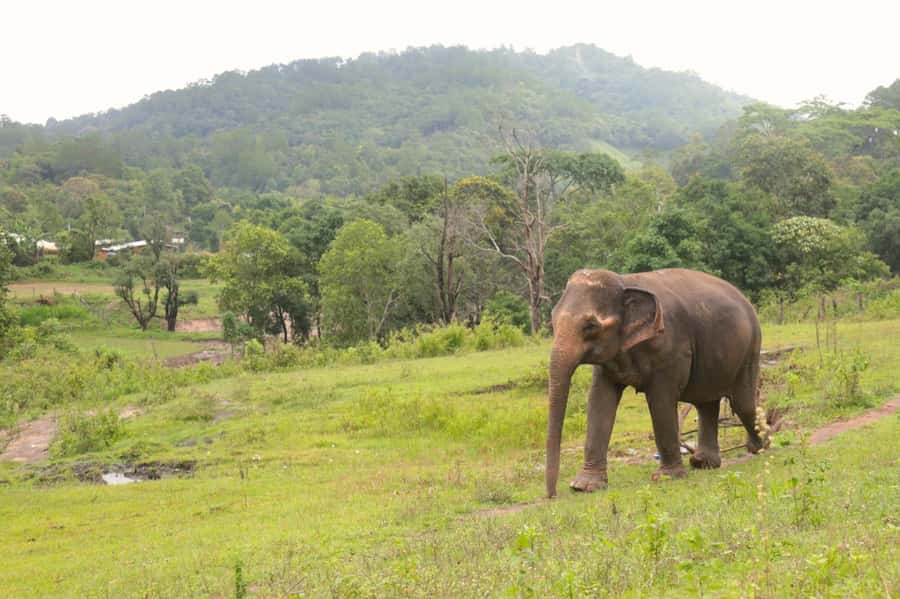
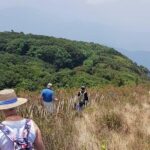
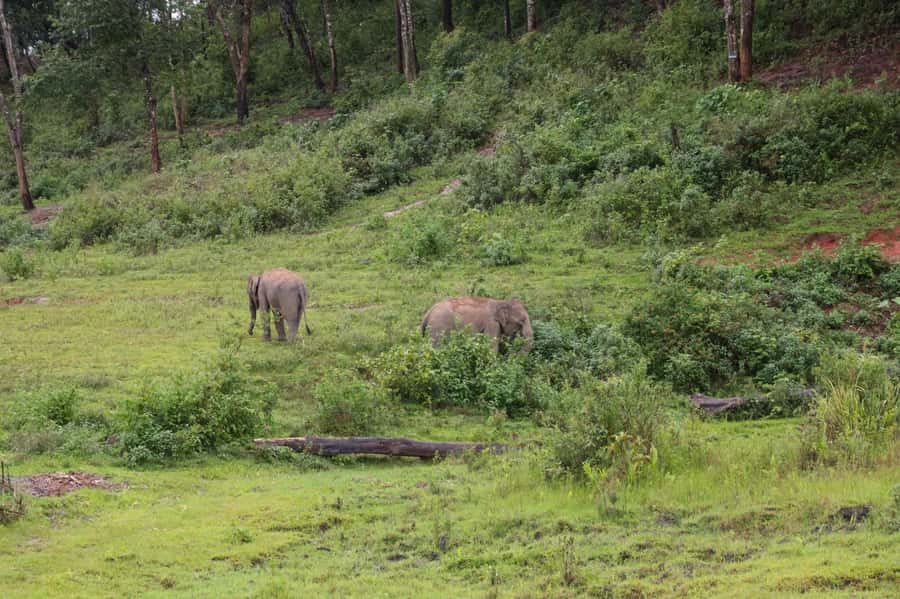
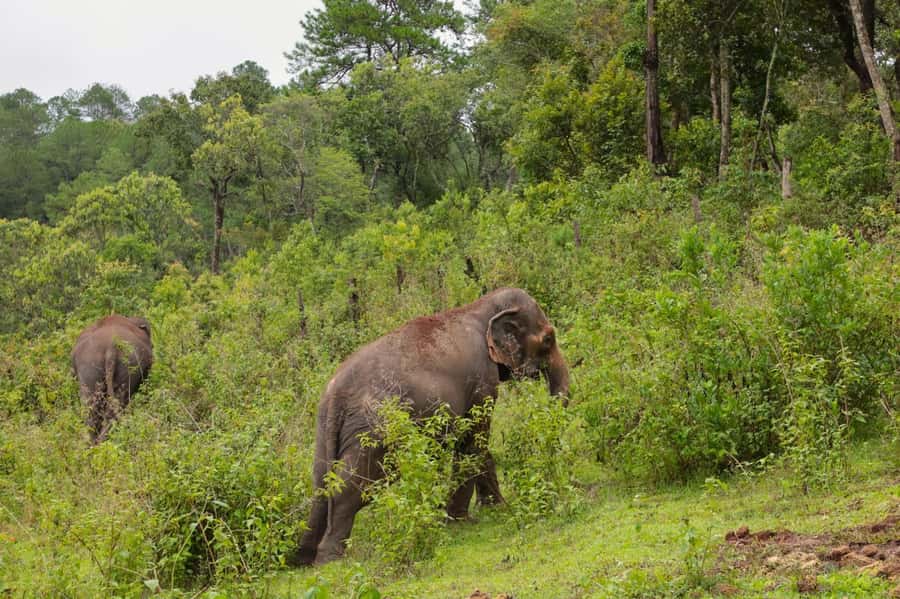
You’ll likely spend time in areas with strong views and a peaceful feel. One review mentioned stunning mountain views and a stream on site. Another emphasized rescued elephants wandering freely.
That “free wandering” is exactly what you should look for in your own observations:
- elephants staying together,
- moving when they want,
- eating normally,
- and relaxing without being pushed into shows.
You should still expect some movement on your feet. The day is active, even if it isn’t intense like a full hiking tour. That’s why you’ll want practical gear and a calm attitude. If you go in expecting constant photo opportunities, you might feel antsy. If you go in ready to watch and wait, you’ll get better moments.
Pad Thai cooking workshop: the lunch part you’ll actually enjoy
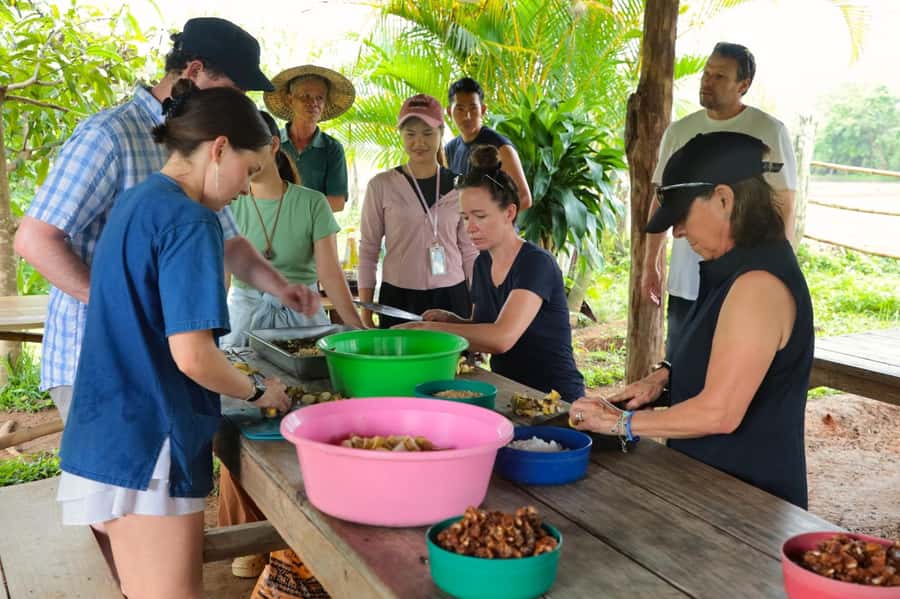
After the elephant time, you shift gears to food again—this time for you.
The tour includes an authentic Pad Thai cooking workshop, led by local culinary experts. You learn how to make Pad Thai following an ancient family recipe style approach, then you eat what you make for lunch.
I like that the Pad Thai isn’t just a random add-on. After spending the morning thinking about elephants, you still get a craft that uses ingredients and technique rather than cutting corners. It also helps balance the emotional weight of an animal-care experience with something satisfying and practical.
What to expect in the workshop:
- guidance from the cook/teacher,
- a step-by-step workflow,
- and a final meal that feels like it belongs to the region, not a generic tourist class.
If you’re picky about food quality, pay attention during the class. This is one of the better “included meal” setups because you’re doing the cooking, not just receiving it.
About the price: does $46 feel fair?
At $46 per person, this trip can be good value because you’re getting several things in one ticket:
- transportation from Chiang Mai,
- elephant education and structured ethical feeding,
- vitamin ball feeding involvement,
- plus a Pad Thai workshop and lunch.
Yes, elephant tourism isn’t cheap anywhere in Thailand. But what makes this feel fair is the combination of hands-on care-style activities and a real food workshop, all tied to a sanctuary model with specific “no control” rules.
If you were to piece it together separately—another cooking class plus a separate ethical elephant visit—you’d likely spend more. Here, the day is packaged as a cohesive experience: animals in the morning, skills and lunch after.
Who this tour suits best (and who should skip it)
This is a strong fit if you:
- care about wildlife conservation and want an experience that avoids the worst elephant-tour gimmicks,
- like learning as part of the day (you’ll get elephant stories and guidance),
- want hands-on participation without being in charge of elephants,
- and enjoy food activities like cooking classes.
It’s not a good fit if you:
- are pregnant,
- have back problems,
- or have mobility impairments.
That’s not about judgment. It’s about comfort and the reality that you’ll be outdoors for several hours and move between activity points.
What to bring and how to act on-site
Bring:
- comfortable shoes (non-slip is a bonus),
- a sun hat,
- a camera,
- insect repellent,
- and a refillable water bottle.
What to leave behind:
- flash photography (it’s not allowed),
- smoking (not allowed).
Also, follow sanctuary guidelines. The whole experience depends on keeping interactions respectful. When you stay aware of rules like no touching, no forcing, and no “control” behavior, you’re helping the sanctuary meet its mission—and you’re getting a better look at how elephants actually live.
The honest balance: what you’ll love most vs. what can be a deal-breaker
If you care about ethical animal tourism, you’ll probably love three things:
- the no-control approach that avoids riding and controlled walking,
- the close feeding experience that still respects boundaries,
- and the way the guide, Su, shares elephant care knowledge with humor and clarity.
The possible drawback is practical rather than moral: the program includes transportation and you’re outside. If you don’t like long drives, intense heat, bugs, or being on your feet, you might find the day less relaxing than you hoped.
Also, don’t expect constant entertainment. Elephants are not show animals. The day rewards patience and observation more than fast action.
Should you book this Chiang Mai elephant day-only trip?
I’d book it if you want a visit that treats elephants like animals first and humans like helpers second. The strong ethical rules—no riding, no controlled walking, no mandatory bathing, and no commanding elephants—are the core reason this works. Add in the vitamin ball feeding, the education briefing with Su, and a real Pad Thai lunch class, and you get a day that feels like more than a souvenir stop.
Skip it if you need a highly accessible, low-movement outing, or if your body can’t handle outdoor time. Otherwise, prepare with good shoes, repellent, and a patient mindset. You’ll come away thinking less about selfies and more about how conservation care actually looks in daily practice.
FAQ
How long is the trip and how does pickup work?
The program runs about 6–7 hours and includes transportation time. You’ll choose either a morning session (pickup around 07:00, back around 14:30) or an afternoon session (pickup around 11:00, back around 18:30). Exact pickup time is confirmed about a day before based on your hotel and guest count.
Where is the elephant sanctuary located?
The sanctuary is Big Boy Elephant Sanctuary, near Doi Inthanon National Park in Chiang Mai Province.
What’s included besides elephant observation?
You’ll get an elephant education briefing, elephant food preparation activities, an ethical feeding experience, a vitamin ball workshop with vitamin feeding, and an authentic Pad Thai cooking workshop and lunch.
What should I bring and wear?
Wear comfortable shoes and outdoor-appropriate clothing. Bring a sun hat, camera, insect repellent, and a refillable water bottle for hydration.
Is the trip family-friendly or suitable for everyone?
It’s offered in English, but it’s not suitable for pregnant women, people with back problems, or people with mobility impairments.
What are the main rules during the experience?
Smoking isn’t allowed, and flash photography isn’t allowed. The sanctuary also follows an ethical no-control approach, including no riding, no controlled walking, no mandatory bathing, and no commanding elephants, plus no touching.
If you want, tell me what part of the day you’re aiming for (morning or afternoon) and your hotel area in Chiang Mai, and I’ll suggest which session is likely to feel less rushed.