REVIEW · BANGKOK
Backstreet Bangkok Exploring the Cradle of Thai Cooking
Book on Viator →Operated by Culinary Backstreets Walks · Bookable on Viator
Bangkok’s best flavors hide in plain sight. This food-and-culture walk takes you through Bangkok’s older neighborhoods, pairing temple sights with market lanes and snack stops so Thai cooking makes sense in context, not just on a plate.
I especially like the small group size (max 7) and the way the guide keeps the day moving without feeling rushed. From the guide styles I’ve seen on this route—people like Lek and Anna—I’d expect someone who connects what you’re eating to why it exists in Bangkok.
My one caution: this is not a private, drive-you-everywhere tour—private transportation isn’t included, and you’re doing a walk-and-stop day. If you don’t like being on your feet, you’ll want to think twice.
In This Review
- Key things I’d plan for
- Backstreet Bangkok: Thai Cooking Roots You Can Taste
- Price and value: what $125 really covers
- Meeting at Sam Yot MRT: start time and how to prep
- Wat Ratchaburana Ratchaworawihan: a 15th-century start for food stories
- Rattanakosin Island: where the big landmarks frame the food culture
- Yaowarat and Chinatown-adjacent lanes: street food culture in motion
- Phahurat Market (Little India): spices, textiles, and cross-cultural snacks
- Sampeng Market alleys: how Chinatown trade feels in 30 minutes
- What’s included: dinner, snacks, water, and alcoholic beverages
- Pacing and staying comfortable during five hours
- Who should book this Backstreet Bangkok walk
- Should you book Backstreet Bangkok?
- FAQ
- How long is the Backstreet Bangkok tour?
- How much does Backstreet Bangkok cost?
- Where does the tour meet, and what time does it start?
- Is private transportation included?
- What’s included with the tour?
- How many people are in the group?
- Do I need a printed ticket?
- Is cancellation free if I change my plans?
- When will I receive confirmation?
Key things I’d plan for
- Max 7 travelers means more time to ask questions and less waiting in a crowd
- A licensed guide who ties food to place and story (think Lek or Anna style energy)
- Temple + markets route: Wat Ratchaburana, Rattanakosin Island, Phahurat, Sampeng, and nearby Yaowarat
- Dinner plus snacks are included, so you’re not guessing about meals
- Alcoholic beverages included, which is great if you want it, but plan water too
- Start at Sam Yot MRT station, an easy anchor if you like public transport
Backstreet Bangkok: Thai Cooking Roots You Can Taste
If you already know the basics of Thai food, that’s a good starting point. This tour works best when you use that knowledge as a map. You’ll see how Thai cooking grew from trade, religion, neighborhoods, and everyday street markets—then you’ll taste the result while you’re walking through the same kinds of streets locals still use.
What makes the experience feel different from a standard “eat and run” food tour is the mix of stops. You’re not only bouncing from one stall to another. You also spend time at major historical areas and a standout 15th-century temple, then you connect that atmosphere to what people buy, cook, and serve today.
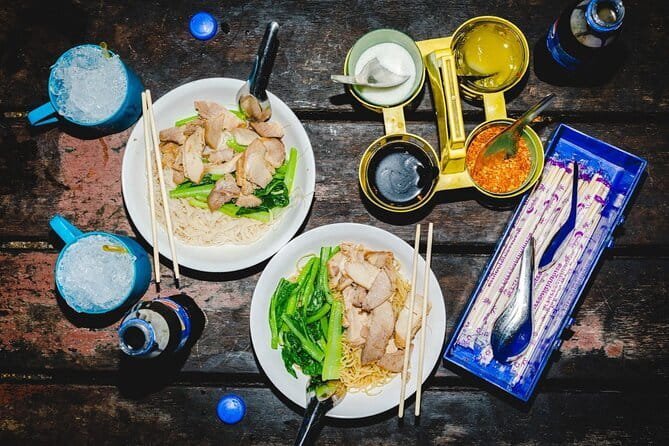
And yes, it’s a food tour. You’ll eat. But it’s built around the idea that food is culture you can hold—spices, ingredients, prep styles, and even the way people gather.
You can also read our reviews of more cooking classes in Bangkok

Price and value: what $125 really covers
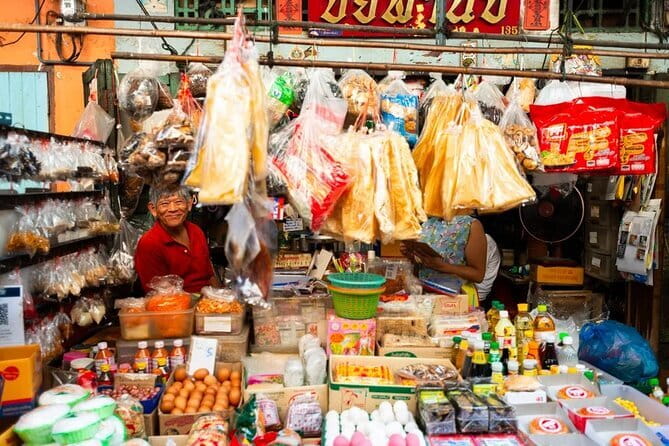
At $125 per person, you’re paying for more than tastes. The big value points are that dinner and snacks are included, along with bottled water and alcoholic beverages. That combination matters in Bangkok, where you can easily spend the same amount just on food once you start wandering.
It’s also a guided, structured day for around five hours. You’re not left figuring out which stalls are worth it or how to connect the dots between neighborhoods like Rattanakosin, Phahurat, and Chinatown areas.
The one cost you should mentally account for is what you transport yourself with. Private transportation isn’t included, so the day is designed around walking and public transit access.
Meeting at Sam Yot MRT: start time and how to prep
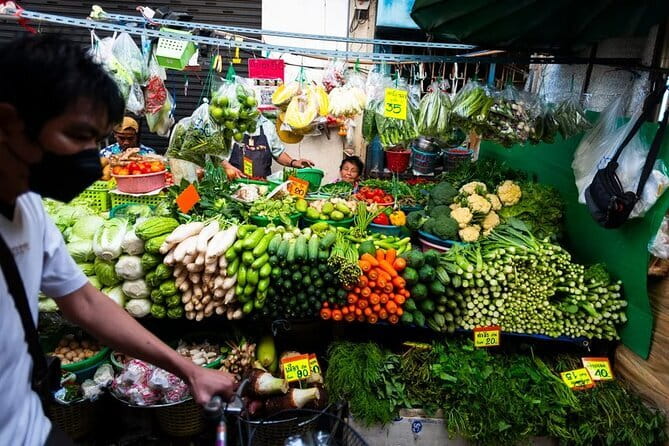
The tour starts at 9:00 am at Sam Yot MRT station (Exit 3111), and it ends back at the same meeting point. That round-trip structure is useful because you don’t have to scramble for your next plan after the tasting part of the day.
The “near public transportation” detail is more important than it sounds. If you’re staying somewhere without easy transit, you may feel the cost in time getting to the start. If you are already near an MRT line, this kind of tour is much easier to fit into your schedule.
Quick prep advice: wear shoes you’re happy to break in. You’ll be stopping repeatedly for tastes, plus time at temple and market areas where you’ll likely slow down, pause for explanations, and look around before you eat.
Wat Ratchaburana Ratchaworawihan: a 15th-century start for food stories
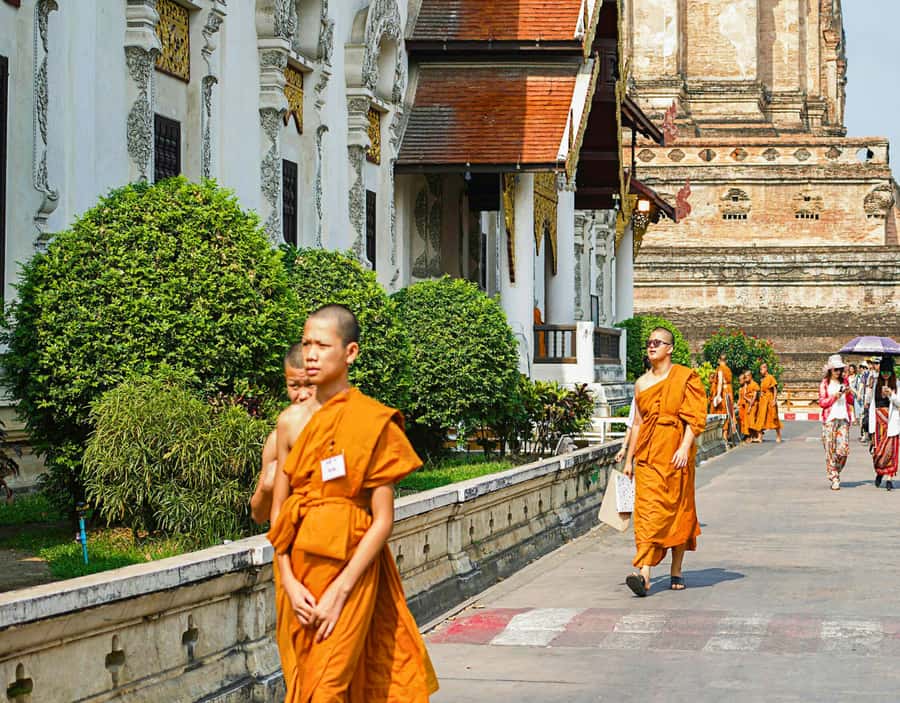
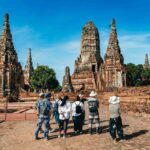
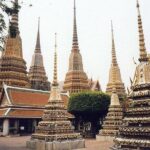
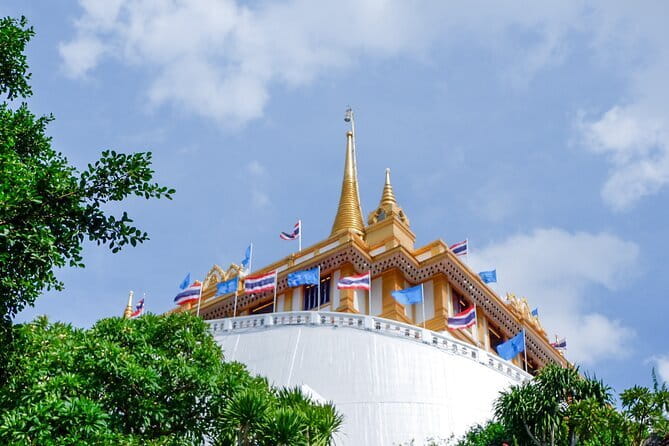
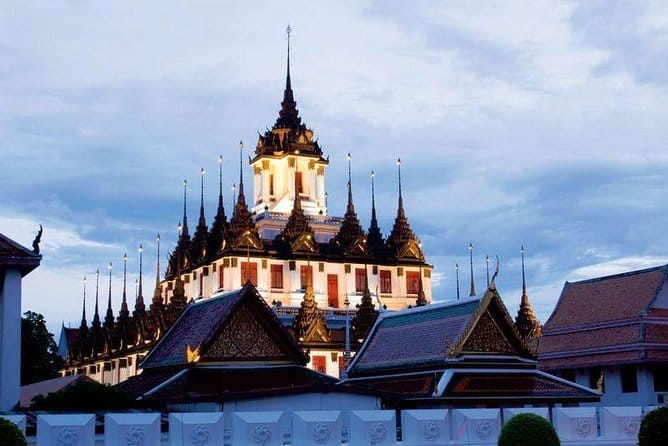
The day begins with Wat Ratchaburana Ratchaworawihan, a temple built in the 15th century. Even if you’re not a “temple person,” this stop works because it sets the tone. Bangkok’s food culture didn’t form in a vacuum—it grew alongside religious life, community rituals, and long-running neighborhood traditions.
At this stop, you’re not just looking at architecture. You’re setting up your brain for how the rest of the route connects. Think of it like a warm-up course for the tour: you learn how history and daily life shape each other, which makes the later market and street-food parts feel more grounded.
Practical note: temple areas usually mean covering up appropriately. Bring a light layer you can use if you feel underdressed for the setting.
Rattanakosin Island: where the big landmarks frame the food culture
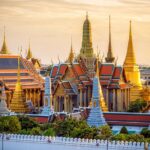
Next is Rattanakosin Island, the historical core of Bangkok, close to major landmarks like the Grand Palace, Wat Phra Kaew, and Wat Pho. The value here is perspective. When you understand where Bangkok’s centers of power and tradition sit, food neighborhoods start to look like the supporting cast instead of random places you happen to pass.
This stop is also helpful for first-timers. It gives you an anchor point for orientation. After you’ve walked near these heavyweight landmarks, the more local neighborhoods later in the day won’t feel as disconnected.
Because this part of the route includes free admission stops, you can treat the temple area time as part of your cultural education and not as an extra expense you need to plan for.


Yaowarat and Chinatown-adjacent lanes: street food culture in motion
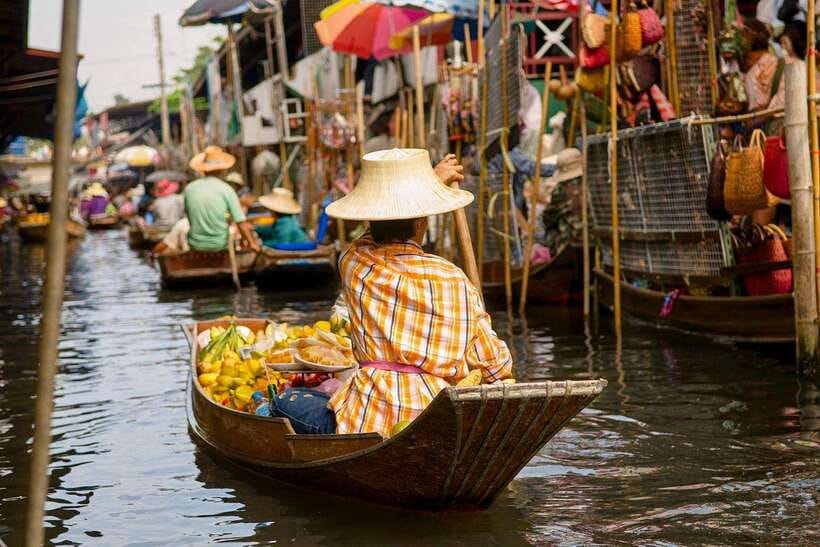
While Yaowarat isn’t listed as the formal next step, it’s close by and it matters. This is one of Bangkok’s busiest food corridors, known for street food, markets, and constant activity. It’s the kind of place where the ingredients are visible, the cooking is in front of you, and the choices aren’t curated—they’re practical.
This is where the day starts to feel like you’re in the real living city. The guide’s job here is not only pointing out what to eat. It’s helping you understand why those flavors show up in Bangkok kitchens and how Chinatown-linked communities shaped local eating habits.
If you’re the type who worries about ordering mistakes, this is the benefit of having a licensed guide. You’re guided toward what’s appropriate and what tastes worth your time—without you needing to read every menu in Thai.
Phahurat Market (Little India): spices, textiles, and cross-cultural snacks
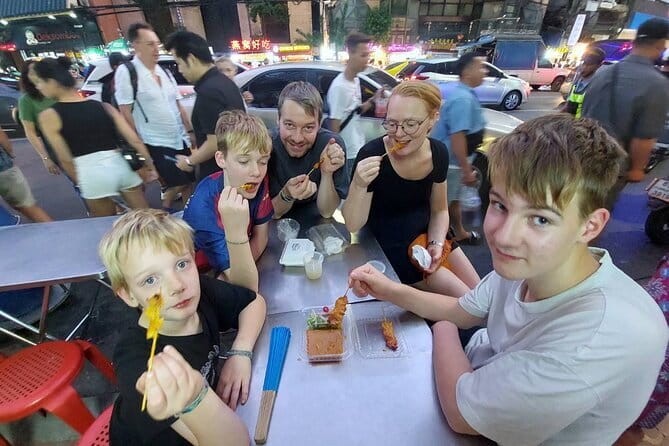
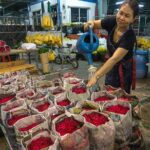
Then you hit Phahurat Market, often called Little India. This stop is about more than shopping. It’s about the food-and-spice connections that come from centuries of migration, trade, and neighborhood mixing in Bangkok.
Phahurat is a practical place for learning because you can see the ingredients and products people come in for. The market area is known for textiles, jewelry, and food, so even if you’re not buying much, the atmosphere tells you what locals value when they’re preparing meals at home or eating out.
I like this stop for two reasons:
- You get a break from the stricter “tourist landmark” feel and back into everyday buying rhythms.
- It adds a different flavor set to the day, so you taste variety instead of repeating the same style of snack.
Sampeng Market alleys: how Chinatown trade feels in 30 minutes
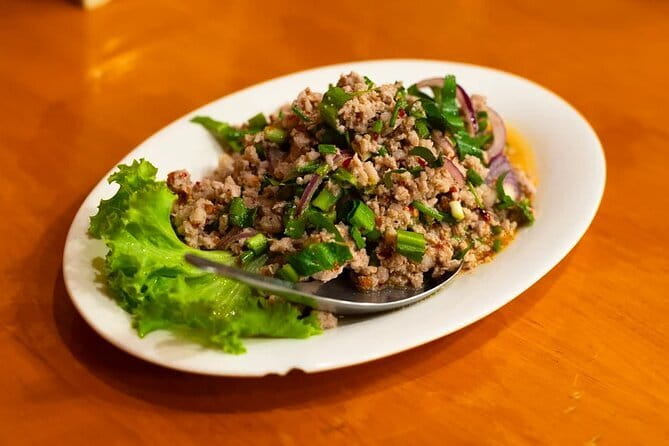
Finally, you spend time at Sampeng Market, a narrow alley section tied to Chinatown shopping. This is one of those places where the “route” matters as much as the “destination.” The alley layout changes how you experience the market—you pass stalls close enough to smell and watch prep, and you notice how goods move through tight spaces.
The market’s variety, from textiles to electronics, is part of the point. Bangkok doesn’t separate buying into neat categories. People come for what they need, and snacks just happen to be one more stop along the way.
Thirty minutes sounds short, but it’s the right length for a finish. You’ll likely leave with enough new impressions to feel like you got a real taste of Chinatown trade without burning the whole day on shopping.
What’s included: dinner, snacks, water, and alcoholic beverages
This tour is built around eating, and the included items are the reason it’s good value at this price. You get:
- Dinner
- Snacks
- Bottled water
- Alcoholic beverages
The meal piece is what I’d call “financial relief.” You don’t need to plan your dinner around it or estimate what you’ll spend at the end of the walk. And snacks throughout keep the energy level steady—important on a walking day.
About the alcohol: since it’s included as alcoholic beverages, you’ll want to pace yourself, especially with temple time and heat in mind. If you don’t drink, you can treat it as an option rather than a requirement.
Pacing and staying comfortable during five hours
A five-hour walk-and-taste tour can go either way: either relaxed and fun, or tiring and chaotic. Here, the max 7 travelers size helps a lot. Smaller groups are easier for a guide to manage, which usually means fewer long waits at stalls and more chances to hear explanations.
Still, you should show up hungry but not reckless. You’ll likely taste multiple things, plus dinner at the end. Think of each snack as a small course, not a full meal.
Bring cash only if you tend to buy extras. The tour includes food and drinks, but markets are markets—you may see something you want. If you do, you’ll be in the right areas for textiles, jewelry, and more.
Who should book this Backstreet Bangkok walk
This is a great fit if:
- You want a Thai food experience tied to history and neighborhood culture, not just a checklist of dishes
- You like guided street food so you can try foods you might skip on your own
- You want an intimate group (max 7) and a guide-led route through multiple areas
It’s less ideal if:
- You dislike walking and prefer a tour with private transportation (not included here)
- You’re looking for a purely vehicle-based, see-everything-from-a-bus type of day
- You have very limited flexibility for temple dress expectations
If you’re in Bangkok for only a few days, this tour also gives you a strong “taste map.” You’ll come away knowing which neighborhoods feel connected to which food traditions.
Should you book Backstreet Bangkok?
I’d book it if you want Thai cooking to feel like something you understand, not just something you eat. The combination of a 15th-century temple stop, a major historical island area, and market neighborhoods like Phahurat and Sampeng creates a route that’s about context as much as calories.
At $125, the decision comes down to one thing: you value having dinner, snacks, water, and guidance all handled for you. If that sounds like a fair trade—and you’re okay with a walking day without private transport—this is a smart use of your time in Bangkok.
If you want, tell me your travel dates and where you’re staying. I can help you map the start area to your other Bangkok plans so the 9:00 am meeting point doesn’t throw off your day.
FAQ
How long is the Backstreet Bangkok tour?
It runs about 5 hours.
How much does Backstreet Bangkok cost?
The price is $125.00 per person.
Where does the tour meet, and what time does it start?
It starts at Sam Yot MRT station (Exit 3111). Start time is 9:00 am, and it ends back at the same meeting point.
Is private transportation included?
No. Private transportation is not included.
What’s included with the tour?
The tour includes a licensed guide, bottled water, snacks, dinner, and alcoholic beverages.
How many people are in the group?
This experience has a maximum of 7 travelers.
Do I need a printed ticket?
No. It’s a mobile ticket.
Is cancellation free if I change my plans?
Yes. You can cancel for a full refund up to 24 hours in advance.
When will I receive confirmation?
Confirmation will be received at the time of booking.