REVIEW · CHIANG MAI
4 days Package Northern Charms.
Book on Viator →Operated by GoWithJoe · Bookable on Viator
Four days in Northern Thailand can feel like a lot—if you’re doing it yourself. This private tour keeps it simple, with an organized route that hits the area’s top temples and nature without wrestling with transit. I love the private format, because you can move at a human pace and avoid the chaos that comes with crowded public transport. I also like that lunches are included (4), so you’re not hunting for food between stops. The main thing to consider is timing: you’ll have early starts and a fair amount of driving.
One more reason this works well: the guide set-up is built for real conversation, with English-speaking hosts like Joe. In a 5-star review, Joe guided 3 days, and the group felt comfortable chatting along the way. Weather matters too—rain can change how outdoor parts feel, and the tour notes that it requires good weather.
In This Review
- Key highlights at a glance
- Four days of Northern Thailand: what this tour really does for you
- Private pickup and English-friendly guides (a big value point)
- Day 1: Wat Phra That Doi Suthep and Bua Thong’s Sticky Waterfalls
- Wat Phra That Doi Suthep (a spiritual anchor)
- Bua Thong Waterfalls (Nam Phu Chet Si) (fun, slippery reality)
- Day 2: Doi Inthanon, the Roof of Thailand (full day in the mountains)
- Day 3: Wat Rong Khun and the Golden Triangle (art temple meets history)
- Wat Rong Khun (White Temple) (one of the most distinct temple looks)
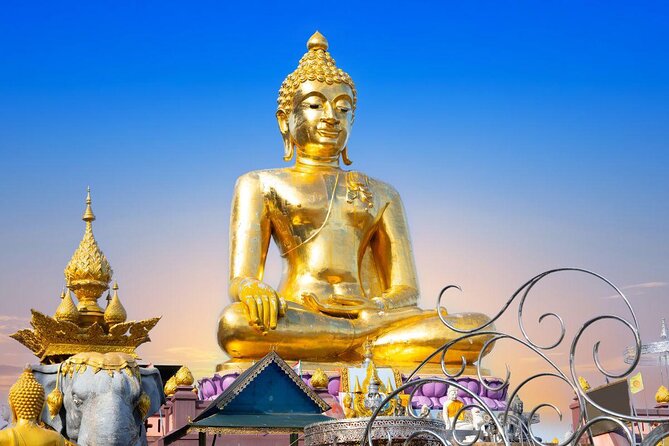
- Golden Triangle (from opium trade history to quiet viewpoints)
- Day 4: Wat Rong Seur Ten (Blue Temple) and Bo Sang umbrellas
- Wat Rong Seur Ten (Blue Temple) (meditation-focused rebuild)
- Bo Sang umbrella-making center (Sa paper craft souvenir)
- Food, pace, and what to pack for this exact route
- Price and value: is $455.74 per person fair for a private tour?
- Who this tour is best for (and who might want a different plan)
- Should you book Northern Charms?
- FAQ
- FAQ
- What locations does this tour cover?
- How long is the tour?
- What time does the tour start?
- Is hotel pickup included?
- Is this tour private?
- Are lunches included?
- What’s included besides lunch?
- What is not included?
- What admission details are listed for the main stops?
- What happens if weather is poor?
Key highlights at a glance
- Wat Phra That Doi Suthep: major temple stop with a long spiritual lineage
- Bua Thong (Sticky Waterfalls): a fun, unusual nature break day one
- Doi Inthanon: the Roof of Thailand with full-day time for the park
- Wat Rong Khun (White Temple): striking temple art that’s unlike the usual
- Golden Triangle: a historically famous area that’s peaceful now
- Wat Rong Seur Ten (Blue Temple) + Bo Sang umbrellas: temple + craft payoff on day four
Four days of Northern Thailand: what this tour really does for you
This package is built around one big idea: Northern Thailand is best when you’re not figuring everything out on the fly. You get a planned loop from Chiang Mai into the mountains, then up toward Chiang Rai, and back again. That matters because distance between highlights can add up fast, especially if you rely on public transport. With this private format, you’re not spending your day waiting, negotiating, or guessing connections.
You also get a rhythm that’s friendly to travelers who want variety. Your days mix sacred sites and nature, plus a craft stop that’s easy to turn into a real souvenir rather than another quick photo.
And because it’s private, your guide can keep the plan flowing based on the group. The tour is marked as private—only your group participates—so it tends to feel more like a shared road trip with stops, not a “line up and move on” factory tour.
You can also read our reviews of more tours and experiences in Chiang Mai.



Private pickup and English-friendly guides (a big value point)
The tour starts with hotel pickup in Chiang Mai, and it begins at 8:00 am. That early start is not just for show—it’s what makes it possible to fit multiple major stops in four days without rushing through them like a blur.
A private guide also brings practical benefits:
- You can ask questions as you go, not just at a single briefing.
- You’re less likely to lose time at confusing junctions.
- If the group has different energy levels, the pace can often be adjusted.
From the reviews, Joe is one of the guide names you may run into, and the strong theme is clear communication. Guests specifically noted that the guides were friendly and easy to talk with in English. That’s a big deal in the North, where temple rules, local customs, and route choices can feel more complex than you expect.
Day 1: Wat Phra That Doi Suthep and Bua Thong’s Sticky Waterfalls
Day one sets a strong tone: start with a temple that’s both spiritual and historic, then shift to a nature stop that feels playful and different.
Wat Phra That Doi Suthep (a spiritual anchor)
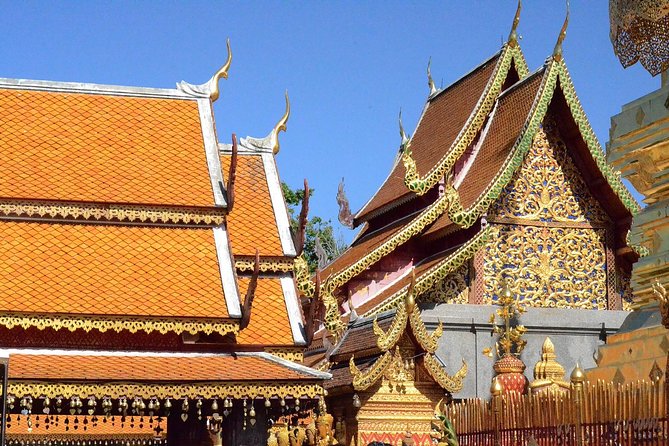
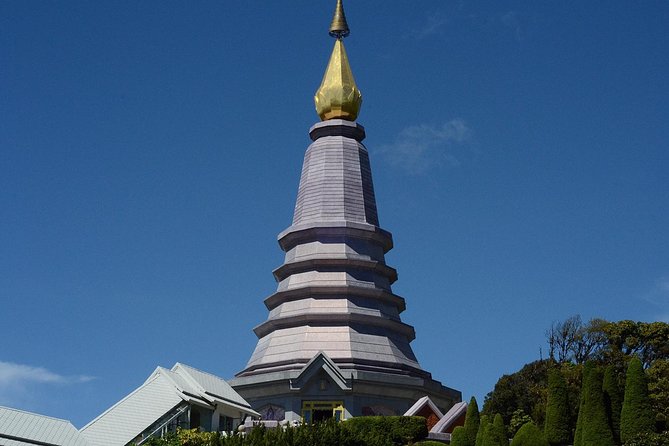
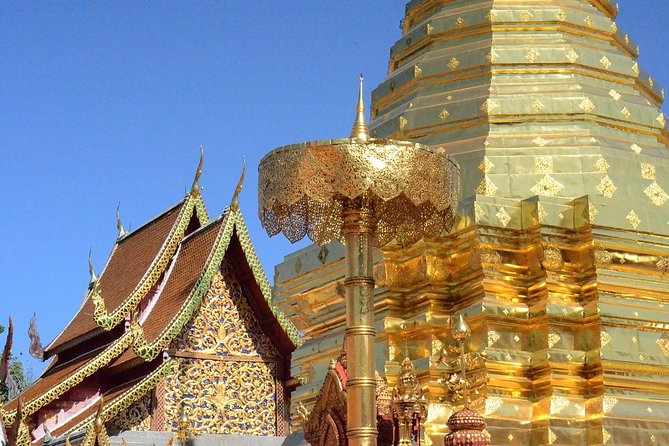
You’ll head from Chiang Mai up to Wat Phra That Doi Suthep. The mountain temple is described as being built in AD 1382, and it’s presented as one of Thailand’s most historically and spiritually significant places. That kind of detail is your clue for how to approach the visit: this is not only for architecture photos. It’s also about understanding why people come here and what the site represents in daily religious life.
The stop is about 2 hours, and admission is listed as free. In practical terms, it gives you enough time to walk, look, and absorb the atmosphere without turning the site into a checklist.
Tip for your comfort: wear shoes you trust on uneven paths, and keep a light layer ready. Even when Chiang Mai is warm, temple areas on hills can feel cooler.
Bua Thong Waterfalls (Nam Phu Chet Si) (fun, slippery reality)
After the temple, you shift to Bua Thong Waterfalls, also known as Sticky Waterfalls, within Namtok Bua Tong–Nam Phu Chet Si National Park. It’s about 1 hour, with admission included.
Why I like this stop for a first day: it breaks up temple intensity with something hands-on and memorable. You’re looking at a natural formation that’s famous for how it feels underfoot and how visitors interact with it.
The catch is weather and safety. Waterfalls can be slick, and rain can make the ground unpredictable. The tour notes it needs good weather, so if conditions are rough, you’ll want to be realistic about how much walking you’ll feel up to.



Day 2: Doi Inthanon, the Roof of Thailand (full day in the mountains)
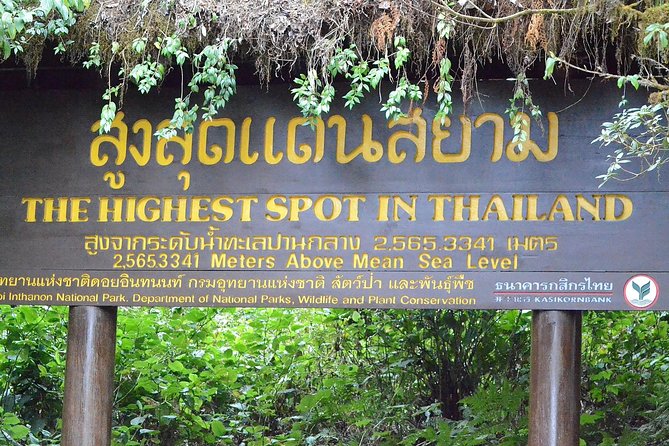
Day two is all about Doi Inthanon, often called the Roof of Thailand. This is one of the park days that can make or break a Northern trip, because you’re trading city convenience for mountain time.
You’ll be picked up at 8:00 am and spend roughly 7 hours on this stop. Admission is listed as included.
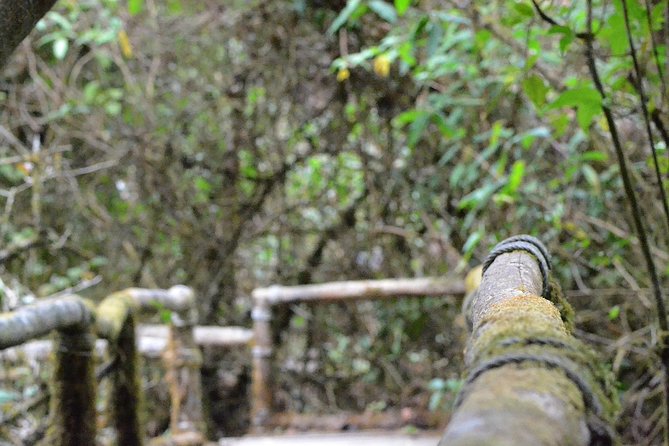
What makes Doi Inthanon worth dedicating a full day? The park is known for waterfalls, scenic viewpoints, mountain farms, and remote villages. Your itinerary also flags that you’ll have time around those viewpoints and rural scenery, which is exactly what helps the North feel different from Thailand’s central plains.
The practical downside: you need to manage energy. A full park day often means uneven terrain and a lot of walking between viewpoints. If you’re the type who hates being rushed, this still works because you’re given a longer block of time—but you should plan for “active day” legs.
Rain note: because the tour emphasizes good weather, bad conditions can reduce visibility and make outdoor walking less enjoyable. If clouds roll in, you may still appreciate the change in atmosphere, but it won’t feel like a clear postcard day.
Day 3: Wat Rong Khun and the Golden Triangle (art temple meets history)
Day three gets you out to Chiang Rai. It’s a classic pairing: first the White Temple, then the Golden Triangle area.
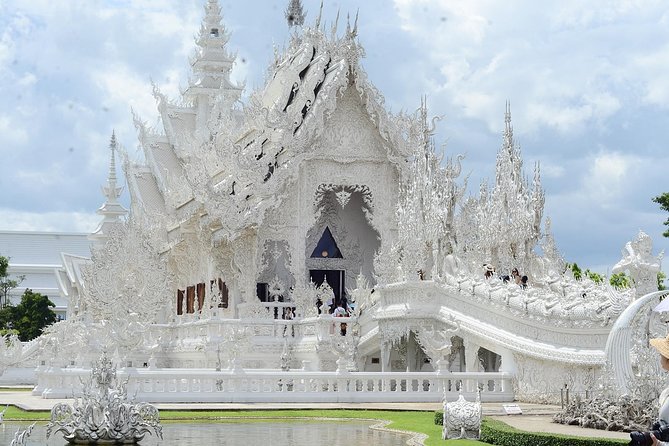
Wat Rong Khun (White Temple) (one of the most distinct temple looks)
You’ll visit Wat Rong Khun, the White Temple, with a stop time of about 1 hour and admission included.
The big selling point in the tour description is how different it is from other temples you’ve seen. The artwork and sculptures are called out as the main attraction, and that’s the right way to approach it: don’t treat it like a quick temple detour. Instead, go in ready to look closely.
If you’re used to traditional temple styles, the White Temple can feel like modern art running on spiritual power. That’s not a literal instruction you need—just a mindset that helps you get more out of the hour you have.
Golden Triangle (from opium trade history to quiet viewpoints)
After the White Temple, you drive to the Golden Triangle, with about 2 hours allocated. Admission is listed as included.
The tour notes the area was once a center of opium production and trade in Southeast Asia, and that those days are gone. Now, it’s described as peaceful and tranquil, dotted with hill tribe village areas.
This stop works best when you treat it as a shift in perspective: history in the past, local culture now, plus the chance to see how the region presents itself today. It’s also a useful contrast with the day’s first temple, because you move from art-driven symbolism to geographic and historical context in a single day.
What to watch: Golden Triangle days can be a bit more about views and time outdoors. If the weather is gloomy or hot, your enjoyment will depend on how you handle that. Bringing water and dressing for sun or rain is worth it.
Day 4: Wat Rong Seur Ten (Blue Temple) and Bo Sang umbrellas
Day four stays in Chiang Rai area early, then returns to Chiang Mai with a craft stop that’s easy to take home.
Wat Rong Seur Ten (Blue Temple) (meditation-focused rebuild)
You’ll be picked up from your Chiang Rai area (or as scheduled) for Wat Rong Seur Ten, also called the Blue Temple. The stop is about 30 minutes, with admission included.
The key detail here is origin story: local villagers agreed to rebuild the temple in 1996, with the purpose of creating a devotional center for meditation, prayer, and worship. That helps you understand why the visit is shorter on the schedule. Even with less time, you still get the core message of the place: spirituality that’s meant for practice, not just sightseeing.
Bo Sang umbrella-making center (Sa paper craft souvenir)
After the Blue Temple, you head back toward Chiang Mai for Bo Sang Handicraft Centre in the umbrella-making area of Bor Sang.
This is the “bring something real home” stop: local artists make the world-famous Sa paper umbrellas, and you get about 1 hour. Admission is listed as free.
Why this works as a final day: it balances the spiritual sites with a hands-on or at least maker-focused experience. Even if you’re not a serious craft person, umbrellas are practical souvenirs—useful and displayable. And because the time slot is short but specific, you don’t feel trapped there.
Gift tip: if you’re buying for multiple people, set a realistic budget before you start browsing. Craft pricing can add up once you start comparing sizes and designs.
Food, pace, and what to pack for this exact route
This tour includes 4 lunches. That’s not just convenience—it’s value and stress reduction. Northern Thailand’s main roads have plenty of food, but between temple stops, the “right” meal can be 30 minutes away. Built-in lunches keep the day moving.
The itinerary also uses a mix of short and longer blocks:
- Some stops are about an hour.
- Doi Inthanon takes roughly a full day.
- Temple visits are timed so you can see a lot without feeling like you live inside one site.
As for packing, base it on the fact that your schedule mixes hill temples and outdoor nature:
- Comfortable walking shoes
- Light rain protection (because weather can change)
- Sun protection for viewpoint-heavy parts
- A modest layer for temple areas if it feels cooler
Also note: dinner and hotel accommodation aren’t included, so you’ll be planning your evenings on your own in Chiang Mai or Chiang Rai depending on where you stay.
Price and value: is $455.74 per person fair for a private tour?
At $455.74 per person for about 4 days, this sits in the “you’re paying to save time and hassle” category. For many independent travelers, that’s a fair trade because Northern Thailand has lots of distance between major highlights.
Here’s what you’re getting for your money:
- Private tour for your group only
- Hotel pickup in Chiang Mai
- Multiple major sights across Chiang Mai and Chiang Rai
- 4 included lunches
- Admission marked as free or included for different stops (with Wat Phra That Doi Suthep and the umbrella center specifically marked as free)
What’s not included:
- Hotel accommodation
- Dinners
- Personal expenses
So the value question depends on your style. If you hate coordinating transport and you want a guide to smooth over route decisions, the price feels easier to justify. If you’re the type who enjoys building your own plan and negotiating local transport, you might find cheaper options—but you’re also taking on the friction this tour removes.
One extra note: it’s commonly booked about 94 days in advance on average. That suggests this route is popular, so if you have fixed travel dates, it’s smart to book earlier rather than gambling on last-minute availability.
Who this tour is best for (and who might want a different plan)
This Northern Charms package fits best if you want:
- A private experience that reduces transport stress
- A tight loop of temples + nature + craft
- English-friendly guidance (with hosts like Joe noted in reviews)
- Lunches handled so you can focus on the sights
It may feel less ideal if:
- You dislike early mornings
- You want zero driving time (because the route moves between Chiang Mai and Chiang Rai)
- You strongly prefer going at your own schedule without a preset route
Weather is the wildcard. The tour requires good weather, and outdoor elements like waterfalls and mountain viewpoints can be less fun when conditions are bad. That doesn’t mean it’s ruined—just plan to be flexible in what you expect day to day.
Should you book Northern Charms?
I’d book this tour if your goal is to hit Northern Thailand highlights with minimal friction. The mix makes sense: Doi Suthep for temple gravity, Bua Thong for a different kind of experience, Doi Inthanon for mountain time, then the White and Blue temples before ending with Bo Sang umbrellas.
If you’re traveling as a couple or a small group, the private format and included lunches can turn the price into a simpler, more predictable holiday.
But if you’re extremely weather-sensitive or you hate schedules, consider that the itinerary relies on outdoor experiences and good conditions. If your trip window is flexible, you’ll have an easier time making the most of it.
FAQ
FAQ
What locations does this tour cover?
The tour is based in Chiang Mai and takes you through Northern Thailand, including stops in Chiang Mai and Chiang Rai.
How long is the tour?
It’s a 4-day package.
What time does the tour start?
The start time is listed as 8:00 am.
Is hotel pickup included?
Yes. Hotel pickup is offered, and the tour begins after pickup.
Is this tour private?
Yes. It’s described as a private tour/activity, with only your group participating.
Are lunches included?
Yes. Lunch is included for 4 meals.
What’s included besides lunch?
The tour includes features like pickup offered, group discounts, and mobile tickets. Admissions are listed as free or included depending on the stop.
What is not included?
Hotel accommodation, dinner, and personal expenses are not included.
What admission details are listed for the main stops?
Wat Phra That Doi Suthep is marked as free admission. Bua Thong Waterfalls, Doi Inthanon, Wat Rong Khun, Golden Triangle, and Wat Rong Seur Ten are marked as admission included. Bo Sang umbrella crafts are marked as free.
What happens if weather is poor?
The tour requires good weather. If it’s canceled due to poor weather, you’ll be offered a different date or a full refund.