REVIEW · BANGKOK
Walking Tour in Bangkok
Book on GetYourGuide →Operated by Walking in Bangkok · Bookable on GetYourGuide
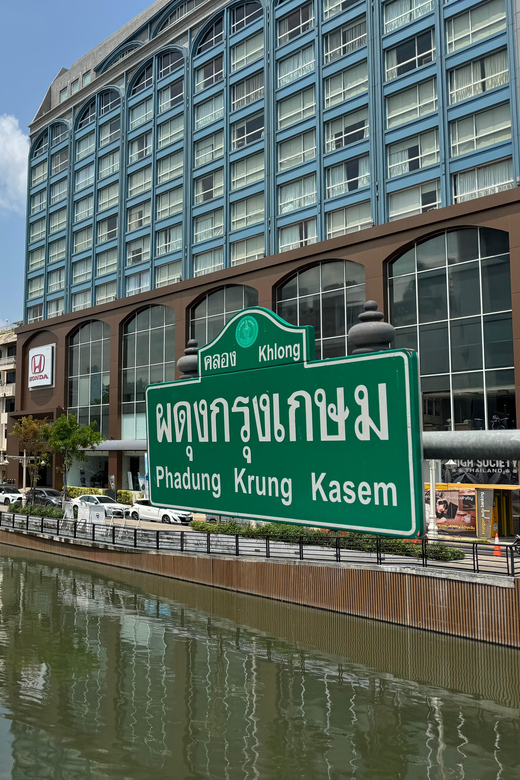
Bangkok changes mood by the minute, and this walk proves it. I love the Chao Phraya river view moments and the way you get real local life with a guide who connects what you see to how people actually live. The main thing to consider: there is no hotel pickup, so you’ll need to reach the start at BTS Saphan Taksin, exit 1.
This is a focused 6-hour route that strings together Bang Rak old-town beginnings, Talat Noi street art, Chinatown heritage, and more faiths than you might expect in one day. You also get time on an express boat for river sightseeing, then you return to the same meeting area.
In This Review
- Key Highlights You’ll Actually Feel
- Where the Tour Begins: BTS Saphan Taksin and Bang Rak’s Chinese Shrine Start
- Bang Rak to Talat Noi: Street Art, Old Alleys, and Chinese Heritage on Foot
- Temples, Church, and Mosque: One Day of Faith Across Bangkok
- Chinatown Passes: Markets, Crocodile Temple, and Getting the Side Streets Right
- Express Boat on the Chao Phraya: River Sightseeing Without the Full Detour
- Indian Town and the Largest Flower Market in Thailand
- What’s Included, and Why It’s Good Value at $77
- The Guide Makes the Difference: Friendly Explanations You Can Follow
- What a 6-Hour Day Feels Like on the Ground
- Who Should Book This Bangkok Walking Tour?
- Book It or Skip It? My Practical Take
- FAQ
- Where is the tour start and where do I meet the guide?
- How much does the Walking Tour in Bangkok cost?
- How long is the tour?
- What sights are included during the day?
- Do I need to arrange hotel pickup?
- Are food and drinks included?
- What language is the tour offered in?
- Can I pay later or cancel if my plans change?
Key Highlights You’ll Actually Feel
- Chao Phraya river views with an express boat segment instead of slogging the whole distance on foot
- Local guide storytelling that ties places to Thai culture, arts, and city legends
- One route, many neighborhoods: Bang Rak, Talat Noi, Chinatown, Indian town, and more
- Multiple faith sites in context: temples, a church, and a mosque, not just one single kind of landmark
- Markets with purpose, including Thailand’s largest flower market and classic local shopping streets
- A smooth plan built around short, walkable connections plus river time
Where the Tour Begins: BTS Saphan Taksin and Bang Rak’s Chinese Shrine Start
Your day starts at BTS Skytrain Station at Saphan Taksin, exit 1. That matters, because Bangkok neighborhoods can feel miles apart when you’re on foot. Starting at a major transit hub helps you get the rhythm fast, without burning energy on long pre-taxi rides.
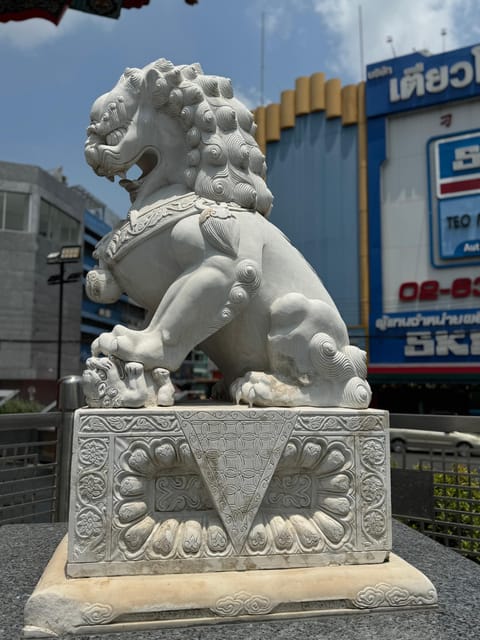
From there, the route begins in Bang Rak old town at a Chinese shrine. This first stop sets the tone: Bangkok isn’t one single culture, it’s layered. Chinese heritage shows up in shop signs, temple styling, and street-level community life. Even if you only know a little about the story of Bangkok, this is the kind of area that makes it click—old buildings, compact streets, and everyday scenes all in the same view.
You can also read our reviews of more walking tours in Bangkok
Bang Rak to Talat Noi: Street Art, Old Alleys, and Chinese Heritage on Foot
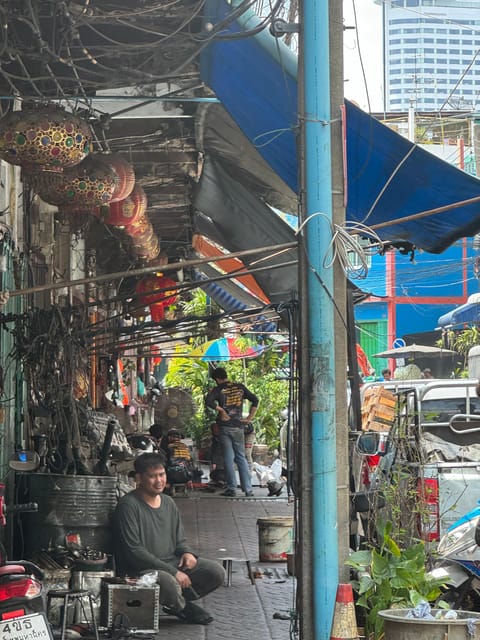
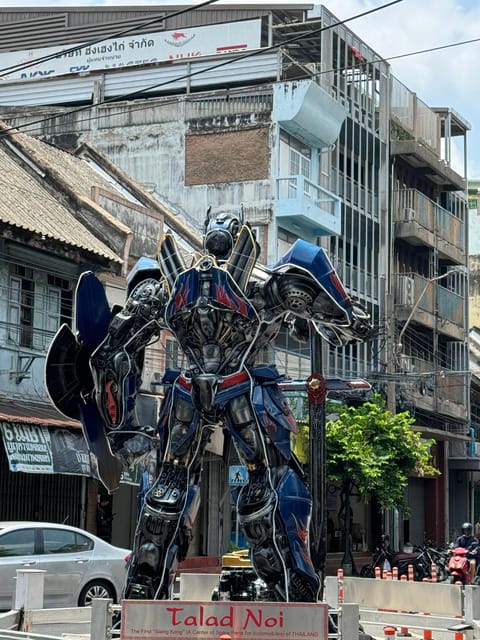
Once you move into the Talat Noi area, the mood shifts toward street art and neighborhood textures. Talat Noi is a great place to watch Bangkok at walking speed: you see small alleys, local corners, and the way people use public space. It’s also where the tour’s “look, listen, and notice” approach really pays off.
You’re not just ticking off famous stops. You’re moving through the texture of Chinatown-adjacent life—places where daily routines look different from what you’d expect in a typical tourist district. This is the kind of walk that helps you understand why Bangkok is often called The Venice of the East and also why people refer to it as The City of Angels. That nickname isn’t just marketing. It comes from the waterways, the spiritual mix, and the way so many communities coexist close together.
Temples, Church, and Mosque: One Day of Faith Across Bangkok
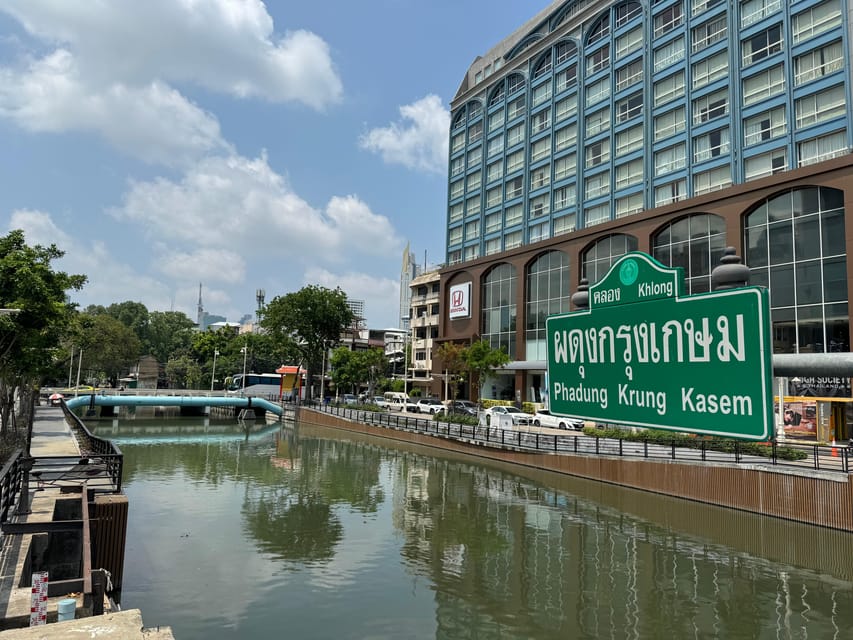
One of the biggest wins here is variety. You’ll visit temples, and also a church and a mosque. That mix can be surprisingly educational because it shows Bangkok as a living city where different communities share space.
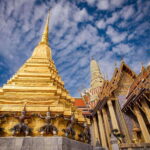
The tour also includes a Chinese shrine and other religious landmarks along the way, plus old buildings and a local museum stop. If you usually only associate Bangkok with one temple type or one architectural style, you’ll likely leave with a wider mental map—how traditions differ, and how faith shapes the look and feel of a neighborhood.
Practical note: since this is a walking tour, expect you’ll be on your feet for extended stretches. Dress comfortably and plan for Bangkok heat. If you tend to get tired easily, bring your patience. The payoff is that you get to see the small scenes that you’d miss if you stayed in a single area by taxi.
Chinatown Passes: Markets, Crocodile Temple, and Getting the Side Streets Right
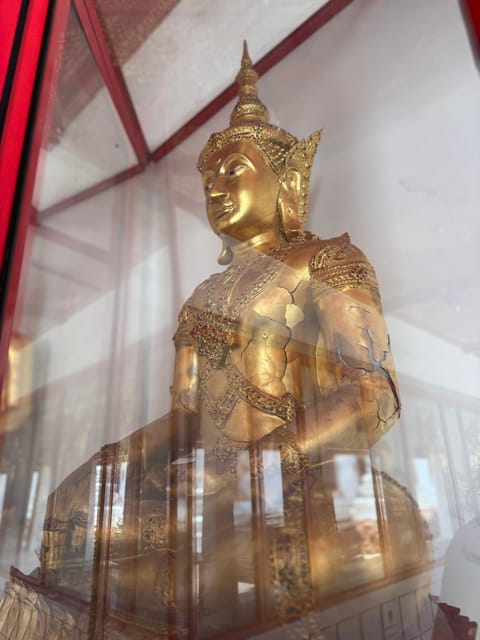
Then comes the Chinatown portion, where the streets tighten and the details multiply. This part is about stepping into an area that works on local momentum. You’ll pass well known attractions in Chinatown, but the value is in the route itself: narrow lanes, older buildings, and the feeling of a place that’s more used than photographed.
A highlight is the crocodile’s temple stop. Places like this are memorable because they’re specific—visual, symbolic, and very much part of local storytelling. It also fits the tour’s theme of legends and city character, not just architecture.
The tour also includes local markets. These aren’t presented as fancy shopping stops. They’re about getting close to what people actually buy and sell. You’ll get plenty of chances to see how shopfronts work, how stalls are arranged, and how streets feel when they’re doing business.
Express Boat on the Chao Phraya: River Sightseeing Without the Full Detour
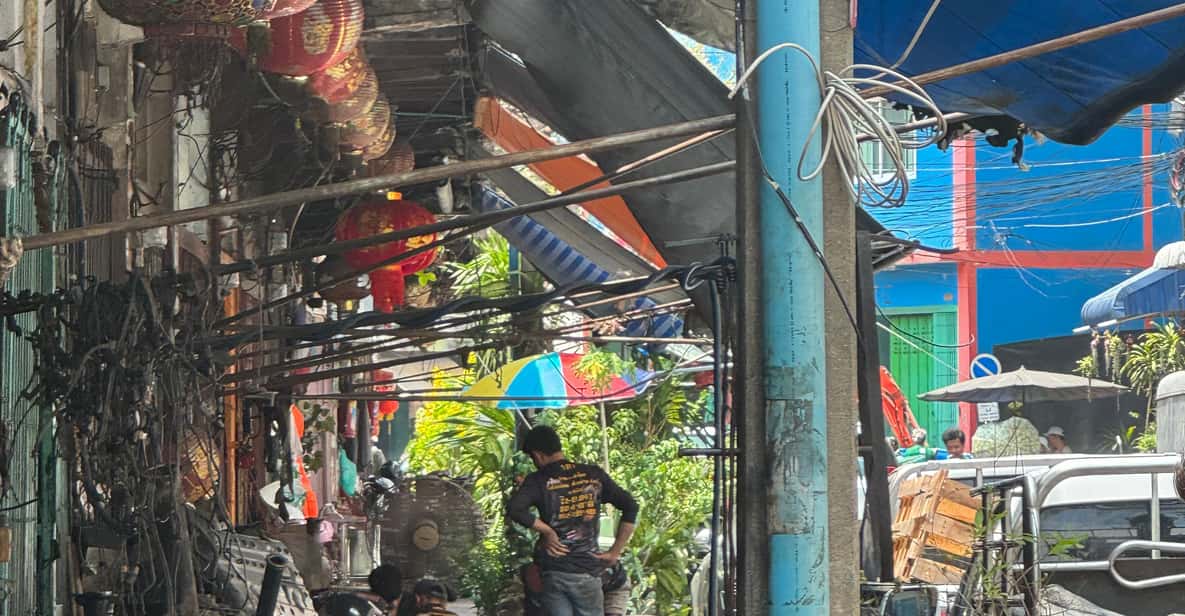
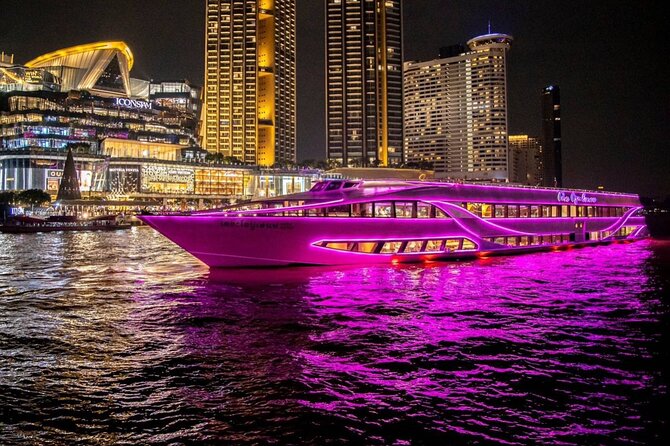
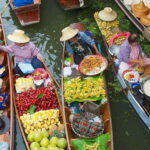
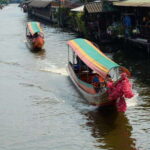
Here’s the move that makes the day feel both easier and more fun: you’ll get on an express boat for sightseeing along the Chao Phraya River, then return to the same meeting point.
That express boat segment is smart for two reasons. First, the river views are the kind of perspective you can’t replicate from inside the city streets. Second, it breaks up walking time so the tour stays enjoyable instead of turning into a long endurance test.
When you’re on the water, you also get a clearer sense of how Bangkok’s neighborhoods connect. You stop thinking in one-direction street grids and start seeing the city as a system of communities shaped by waterways, bridges, and river access.


Indian Town and the Largest Flower Market in Thailand
The tour doesn’t just stay in one cultural lane. It passes through Indian town as well, which adds another layer to the day’s mix of communities and street scenes.
After that, you’ll reach the largest flower market in Thailand. Markets like this can be overwhelming in the best way. Even if you’re not shopping, you’ll learn what kind of rhythm the city runs on. Flowers in Bangkok aren’t just decor; they’re part of how people celebrate, pray, and mark events.
This stop also makes sense late in the route because it’s high-sensory. After temples and alleyways, the market gives you a new kind of texture: color, arrangement, and constant movement. It’s the kind of place where you stop to look longer than you planned, because there’s always another detail around the corner.
What’s Included, and Why It’s Good Value at $77
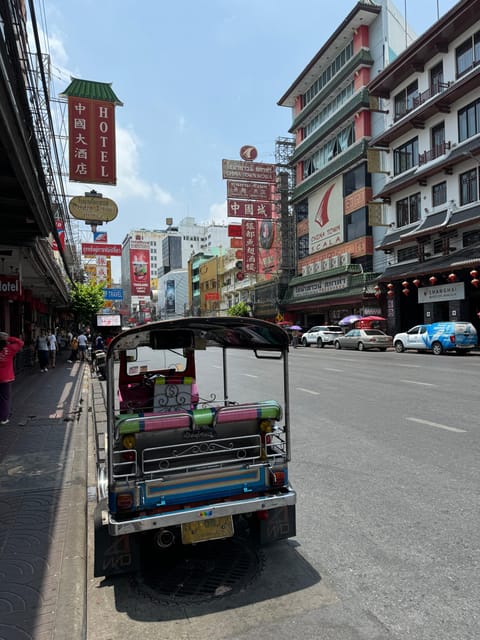
At $77 per person, you’re not paying for a single landmark. You’re paying for a guide-led day that strings together multiple neighborhood types, several faith sites, and a river boat segment.
Included in the tour:
- Fun and local guidance with a guide who explains cultural details
- Sightseeing across central Bangkok to old-town areas
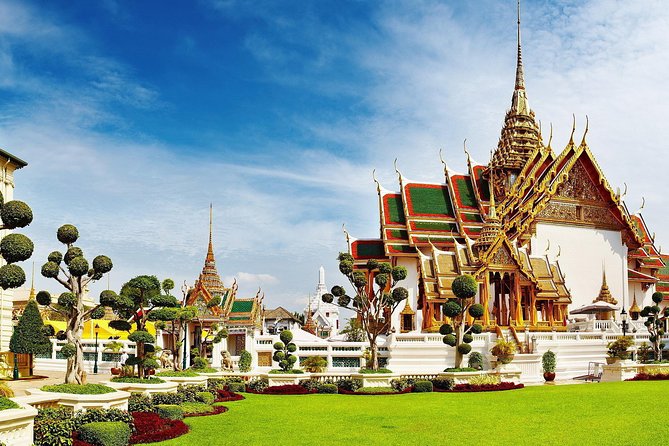
- Visits to temples, churches, Chinese shrines, old buildings, a local museum, a mosque, and local markets
- An insider-style Chinatown route
- Real local distances on foot and by express boat
Not included:
- Food and drink
So why does this feel like value? Because it’s not only about getting from A to B. It’s about having someone translate what you’re seeing: how Chinese heritage fits into Bangkok’s old towns, why different faith sites sit where they do, and how legends connect to place names and community identity.
One practical takeaway: since food and drink aren’t included, budget for a meal on your own during the day. And since you’re walking and touring for about 6 hours, plan to carry water or snacks if you need them.
The Guide Makes the Difference: Friendly Explanations You Can Follow
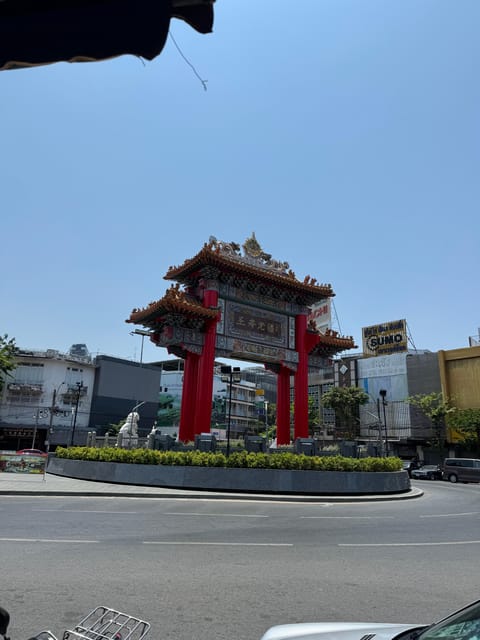
The tour stands or falls on the guide. Here, that part is strong. One guide name mentioned is Nähen, and the feedback highlights how friendly and helpful the guide was, plus how well they explained details of Thai culture.
I like tours where the guide answers the unspoken questions. Here, you can expect guidance that connects what you see to context—Thai culture, arts, and the city’s stories. That’s exactly what turns temple photos into understanding, and market wandering into a real sense of how Bangkok works.
What a 6-Hour Day Feels Like on the Ground
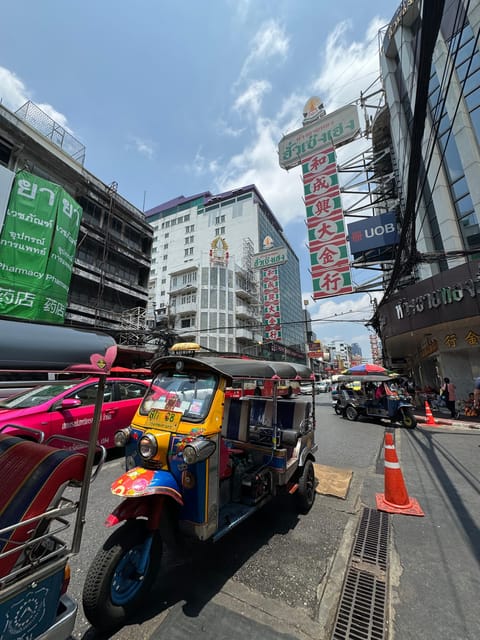
A tour day around 6 hours can feel long on paper, but the structure helps. This route mixes walking with a boat segment, and it moves through areas that naturally give you something to look at every few minutes.
If you’re new to Bangkok, this is a good way to get bearings fast. You see the city through multiple lenses: old town start, street art neighborhood, Chinatown heritage, faith landmarks, markets, then river and back.
If you dislike walking tours, this may be tough. It is still a walking experience, so comfort matters. If you’re planning your day, treat this as a main event, not something to squeeze in between errands.
Who Should Book This Bangkok Walking Tour?
This tour is a strong fit if you:
- Want more than one kind of Bangkok experience in a single day (river views, temples, markets, and multiple neighborhoods)
- Like local guidance that explains what you’re seeing, not just where to stand for photos
- Enjoy culture-forward routes, especially when they connect art, traditions, and legends
- Prefer getting your bearings by transit hub start (BTS Saphan Taksin) rather than complicated meeting logistics
It may be less ideal if you:
- Want a food-inclusive experience (meals aren’t included)
- Need hotel pickup and door-to-door convenience (that service isn’t offered)
- Have limited mobility, since this is built around walking
Book It or Skip It? My Practical Take
I think this one is worth booking if you want a guided, culture-heavy Bangkok day that includes both street-level local life and Chao Phraya river sightseeing. The $77 price makes sense because you’re getting a lot of variety: Chinese heritage areas, Talat Noi street art, faith sites across communities, plus the express boat and major market stops.
Skip it if you’re chasing a chill day with no walking and no planning. This is a real route, with real neighborhoods, and it rewards curiosity more than convenience.
FAQ
Where is the tour start and where do I meet the guide?
You meet at BTS Skytrain Station at Saphan Taksin, exit 1. The tour ends back at the same meeting point.
How much does the Walking Tour in Bangkok cost?
The price is $77 per person.
How long is the tour?
The tour lasts 6 hours.
What sights are included during the day?
You’ll visit temples, churches, Chinese shrines, old buildings, a local museum, a mosque, and local markets. The route also includes insider Chinatown areas, Talat Noi street arts, crocodile’s temple, Indian town, and Thailand’s largest flower market.
Do I need to arrange hotel pickup?
No. Hotel pickup and drop-off are not included, so you should plan to reach the meeting point yourself.
Are food and drinks included?
No. Food and drink are not included.
What language is the tour offered in?
The tour is available in English.
Can I pay later or cancel if my plans change?
Yes. It offers Reserve and Pay Later. You can cancel up to 24 hours in advance for a full refund.