REVIEW · HUA HIN
Tour of the Wildlife Rescue Center
Book on Viator →Operated by Wildlife Rescue Center Tours · Bookable on Viator
This is Thailand’s rescue work, up close. You’ll spend the day at WFFT, a major wildlife rescue and hospital with rescued animals and an elephant refuge—with real explanations, not just photos. It’s the kind of outing that helps the whole animal story make sense.
I also like how the schedule mixes big wildlife with behind-the-scenes rescue realities. You get a focused stop at a tiger rescue centre for cats from illegal trade and injured cases, plus an included buffet lunch at I Love Phants Lodge overlooking the elephant refuge.
One thing to consider is the all-day driving time. The tour includes hotel pickup and A/C transport, but a small number of passengers raised concerns about driving style, so if you’re sensitive to road stress, plan to bring a little patience (and seat-belt comfort).
In This Review
- Key highlights you’ll care about
- First stop: WFFT Wildlife Rescue Center, Elephant Refuge, and Wildlife Hospital
- The elephant refuge part: close, responsible contact
- What to watch for at WFFT
- The tiger rescue stop: Stripes Restaurant and the Thailand Tiger Rescue Centre
- Why this stop is worth your time
- A practical note for your comfort
- Lunch at I Love Phants Lodge: a buffet with elephant-refuge views
- Alcohol and souvenirs are not included
- What makes this day feel different from a typical animal tour
- Price and value: is $64.85 a good deal?
- Timing, group size, and how the day logistics affect you
- Transport comfort tip
- Guides and the quality of explanations
- Responsible wildlife viewing: the ethics you should look for
- Who should book this tour, and who might want something else
- Should you book? My practical recommendation
- FAQ
- What time does the Wildlife Rescue Center tour start in Hua Hin?
- How long does the tour take?
- How much does the tour cost?
- Is pickup included?
- What’s included in the price?
- Is lunch included, and what kind is it?
- Do I need to bring a paper ticket?
- What animals will I see during the day?
- What languages are the tours in?
- What’s the maximum group size?
Key highlights you’ll care about
- WFFT Wildlife Rescue Center and Elephant Refuge: Three hours to see rescued animals and the rescue/hospital work in one place.
- Wildlife Hospital stop included: You’re not just looking at cages—you’re seeing care in action.
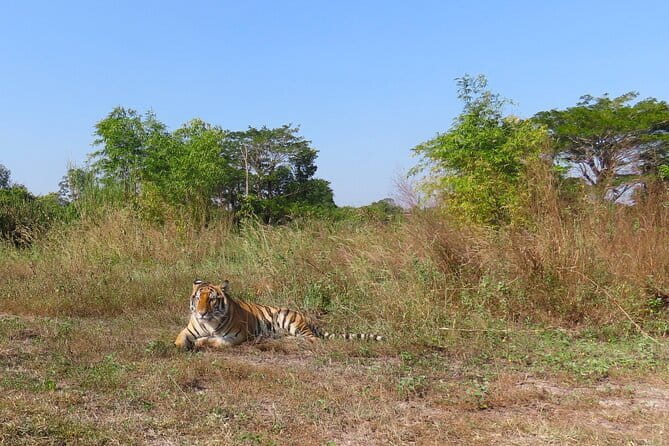
- Big-cat rescue centre visit: Tigers, leopards, fishing cats, and other wild cats rescued from illegal trade or after injury.
- I Love Phants Lodge buffet lunch: Included lunch with a view over the WFFT elephant refuge.
- Small group feel (max 27): Easier pacing for seeing a lot without constant crowd pressure.
- Air-conditioned vehicle + pickup offered: A practical way to do this without figuring out transport all on your own.
First stop: WFFT Wildlife Rescue Center, Elephant Refuge, and Wildlife Hospital
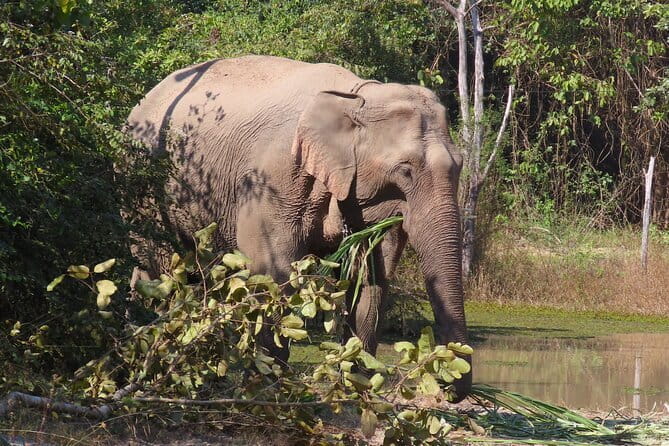
Your day starts at 8:00 am, and the main act is the WFFT Wildlife Rescue Center. This is where the tone of the whole tour gets set: rescue stories, ongoing care, and a place built around animals living after traumatic pasts. The visit runs about 3 hours, and you’ll have admission included.
WFFT is described as one of Asia’s biggest wildlife rescue centres and a facility that’s been featured internationally. For you, that matters in one simple way: it’s big enough to show you the full scope of the work. The tour is set up to help you see hundreds of rescued animals, and you’ll move through sections tied to rescue, refuge care, and medical support at the wildlife hospital.
The big reason I like this stop is that it’s not only about the animal moment. It’s about the care system behind it. Even if you don’t speak a word of Thai, you can follow the flow because the visit is organized like a guided route: why animals arrived, how they’re cared for, and how the centre tries to give them a better outcome going forward.
A few more Hua Hin tours and experiences worth a look


The elephant refuge part: close, responsible contact
The tour overview specifically calls out close elephant time in a responsible, non-exploitative way. That phrasing is important. It signals that the focus is on welfare and refuge care, not entertainment. When you’re listening to the guide, you’ll likely get a clear explanation of what you can do and what you should avoid—so you get the emotional payoff without turning the situation into a show.
What to watch for at WFFT
This stop can be emotionally heavy, mainly because rescued animals often come with sad histories. I think that’s also why the experience feels meaningful: you understand what rescue actually means. If you’re going with someone who gets distressed easily, it helps to be upfront about that.
The tiger rescue stop: Stripes Restaurant and the Thailand Tiger Rescue Centre
After WFFT, the itinerary moves to a second major wildlife destination tied to big cats. This section is about 2 hours, includes admission, and is presented as a behind-the-scenes look at the rescue centre.
Here’s what you can expect to see: tigers, leopards, fishing cats, and other wild cats. The tour description also points out the routes into the centre—rescued from illegal trade, or brought in injured. That context turns what could be a simple animal viewing into a real education on the threats wild cats face and the realities of recovery.
Why this stop is worth your time
Big cat centres can be polarizing if they focus on performance. This stop is positioned around rescue and rehabilitation, and the wording you’ll hear from the staff usually reinforces that goal. You’ll spend less time with the spectacle and more time with the story: how animals are handled, where they come from, and what the centre tries to do for their long-term wellbeing.
I also like that this part of the itinerary includes Stripes Restaurant as a named stop. Even without a lot of detail on the restaurant role, it signals you’re not rushing from one point to the next. It helps the day feel paced, especially if you’re sensitive to long days in hot weather.




A practical note for your comfort
Two hours can feel long when you’re outside and standing and watching. Wear comfortable shoes and plan to keep your pace steady. If you need a break, don’t wait until you’re exhausted—step aside early so you can keep enjoying the explanations.
Lunch at I Love Phants Lodge: a buffet with elephant-refuge views
Then you’ll shift to the lunch stop: I Love Phants Lodge. Lunch is included and the schedule gives this stop about 1 hour.
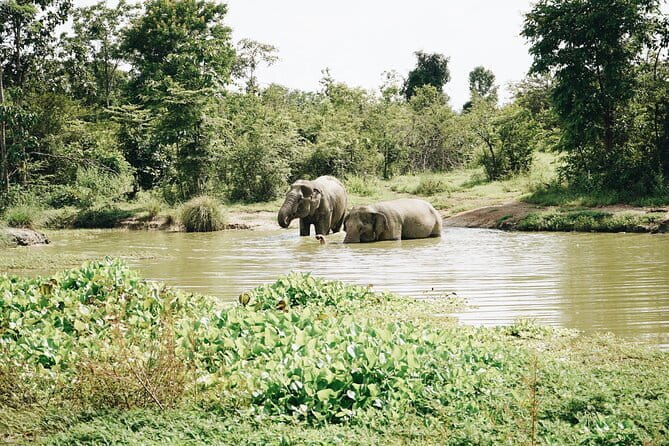
The standout detail here is the setting: the lodge overlooks the WFFT elephant refuge. That means your meal isn’t just fuel—it’s a chance to slow down and take in the refuge environment from a calmer perspective.
The lunch format is a buffet, included in the price. The tour description doesn’t list specific menu items, so I suggest you treat it like “tour-day buffet food”: filling, reliable, and easy to eat without slowing the group down too much.
Alcohol and souvenirs are not included
This is one of those small details that affects your planning. Alcoholic beverages and souvenirs are not included, so if you want a drink with lunch, you’ll need to purchase it separately. If souvenirs are part of your routine, plan for that expense as well.
What makes this day feel different from a typical animal tour
There are a lot of wildlife outings in Thailand that feel like quick photo stops. This one is different in structure and purpose.
First, the day is split between a rescue and hospital-focused site (WFFT) and a rescue-centre focused big-cat stop (Thailand Tiger Rescue Centre). That combination gives you a broader view of wildlife rescue: medical care and refuge living on one side, and the threats linked to illegal trade and injury recovery on the other.
Second, the tour is explicit about responsible elephant interaction. You’re not being sold as a “petting zoo” experience. The language used for the elephant element emphasizes non-exploitative behavior, and it’s exactly what you should look for if you care about animal welfare.
Third, the pacing is designed so you don’t just “see animals,” you also understand what you’re seeing. The itinerary is long enough to cover multiple areas, but short enough that the day doesn’t drag into a full marathon.
Price and value: is $64.85 a good deal?

At $64.85 per person, this tour sits in the “more than a casual outing, less than a private tour” zone. The value comes from what’s included.
You get:
- Air-conditioned vehicle with pickup offered
- Lunch
- All fees and taxes
For a day that includes admission tickets at multiple sites, that all-in structure matters. Too many wildlife tours add surprise extras once you’re on the ground. Here, the big cost items are handled up front, so you can focus on the experience.
Also, the tour duration is listed as about 6 to 7 hours. That’s long enough to feel like a real day trip, not a quick drive-by, but not so long you feel trapped. If your goal is to make one meaningful wildlife stop from Hua Hin without building your own transport plan, this price often feels fair.
Timing, group size, and how the day logistics affect you
This tour starts at 8:00 am. The itinerary spreads over roughly 6 to 7 hours, moving from WFFT to the tiger rescue centre stop, then to lunch.
The maximum group size is 27 travelers. That’s big enough to keep costs reasonable, but small enough that you’re less likely to feel like you’re stuck in a nonstop crowd. You’ll also have guided time built into the stops, which helps you cover a lot without wandering aimlessly.
The tour also offers a mobile ticket. That’s handy if you’re trying to travel light and keep everything on your phone. Confirmation is sent at booking, and service animals are allowed.
And yes, pickup is offered, plus the meeting point is described as near public transportation—useful if you’re staying somewhere that’s easy to reach by local routes.
Transport comfort tip
This is Thailand. You’ll be in an A/C vehicle for parts of the day, which helps a lot. Still, plan to carry water and something simple like sunscreen or a hat, since you’ll spend time outdoors during the centre visits.
Guides and the quality of explanations
The experience description and the reviews you’ll see attached to this tour both point to guided interpretation as a core part of the value. One review specifically mentions an American guide and praises the amount of information shared.
Here’s what that means for you: in a rescue centre, the details matter. You get more from the visit when someone helps connect the animal you’re seeing to its reason for being there and the care process it receives.
If you’re the type who likes to ask questions, this is usually a good match. The setting supports discussion because the animals and care work are the “main exhibit.”
Responsible wildlife viewing: the ethics you should look for

This tour repeatedly frames elephant contact as responsible and non-exploitative. It also frames big-cat visits around rescue from illegal trade or injury.
So when you’re there, pay attention to what the staff encourages:
- Follow guidance around distance and handling
- Take cues from the staff on what’s allowed
- Keep your focus on learning, not forcing close contact
That approach is the best way to get close to wildlife without turning the animals into props.
Who should book this tour, and who might want something else
This tour is a strong fit if you want:
- A serious wildlife rescue day rather than a quick attraction
- Both elephants and big cats
- A guided day that explains rescue realities
- A fixed itinerary with lunch included
It might not be your perfect match if:
- You’re uncomfortable with emotionally heavy rescue stories
- You’re extremely sensitive to road travel and prefer private transport
- You only want a very light, carefree outing (this day has real weight)
If you’re balancing families, couples, or solo travel, the structure helps. Most travelers can participate, and the group size is capped at 27.
Should you book? My practical recommendation
I’d book this if you’re in Hua Hin and you care about wildlife welfare beyond photo ops. The combination of WFFT’s rescue and hospital work, plus a big-cat rescue centre built around recovery and illegal-trade prevention, gives you a day with meaning. Add included lunch, pickup, A/C transport, and admission bundled together, and it’s a solid value for what you actually get.
If you’re unsure, decide based on your comfort level with rescue histories and your tolerance for a full morning-to-lunch-to-afternoon schedule. If that’s fine, this is one of the more thoughtful wildlife days you can choose from the Hua Hin area.
FAQ
What time does the Wildlife Rescue Center tour start in Hua Hin?
It starts at 8:00 am.
How long does the tour take?
The duration is about 6 to 7 hours.
How much does the tour cost?
The price is $64.85 per person.
Is pickup included?
Pickup is offered.
What’s included in the price?
Air-conditioned vehicle, lunch, and all fees and taxes are included.
Is lunch included, and what kind is it?
Yes. Lunch is included and it’s a buffet at I Love Phants Lodge.
Do I need to bring a paper ticket?
No. The tour uses a mobile ticket.
What animals will I see during the day?
You’ll see rescued animals at WFFT, including an elephant refuge, and you’ll also visit a tiger rescue centre where tigers, leopards, fishing cats, and other wild cats may be part of what you see.
What languages are the tours in?
The tour operates in English and Thai.
What’s the maximum group size?
The tour has a maximum of 27 travelers.