REVIEW · HUA HIN
Hua Hin: Wildlife Friends Foundation Thailand Full-Day Visit
Book on GetYourGuide →Operated by My Holiday Centre Company Limited · Bookable on GetYourGuide
One good day can change how you see animal tourism. This full-day visit to the Wildlife Friends Foundation Thailand mixes rescued-animal stories with hands-on conservation education, plus a proper Thai buffet and a supervised elephant feeding moment. I love that the animals get space-first care (no tricks, no forced behavior), and I also love the calm, practical structure of the day, from pickup to walking loop to end-of-visit animal feeding. The one real drawback: it’s a long stretch of outdoor walking in heat, so plan for sun, bugs, and stamina.
If you’re choosing this kind of place, you want more than a photo stop. I found the best part is how the guide ties each enclosure to the animal’s past and current needs, then explains the conservation pressures elephants face today. Just keep one consideration in mind: the day includes a 2-hour guided walking segment, and it’s not suitable for people with mobility impairments.
In This Review
- Key highlights that make this visit worth your time
- Wildlife Friends Foundation in Phetchaburi: what you’re really paying for
- Getting there from Hua Hin and Cha-Am: the transfer setup that affects your day
- The first stretch: guided walking in the heat (and how to be comfortable)
- The 2-hour guided walking tour: rescued animals and what the stories teach
- Lunch overlooking the enclosures: Thai buffet, real pacing, and what to watch for
- Elephant feeding: the ethically important moment people remember
- Trams and final animal feeding: closing the loop before you head back
- Price and value: $80 for 6 hours of ethical care (and what you should compare)
- Who this tour fits best (and who should skip it)
- Should you book Wildlife Friends Foundation from Hua Hin?
- FAQ
- How long is the full-day Wildlife Friends Foundation visit?
- Where are pickup and drop-off available?
- Is lunch included, and what kinds of food are available?
- Can I feed the elephants?
- Is there walking involved?
- What should I bring to the tour?
Key highlights that make this visit worth your time

- 2-hour guided walking tour with rescued-animal stories and conservation context
- Thai buffet lunch overlooking a large multi-species enclosure
- Elephant feeding under supervision (ethically focused, no performance tricks)
- Tram ride around the site to help you cover ground comfortably
- An NGO-driven mission supported by other animal protection groups across Thailand
- Practical footwear and heat prep make a big difference to your comfort
Wildlife Friends Foundation in Phetchaburi: what you’re really paying for
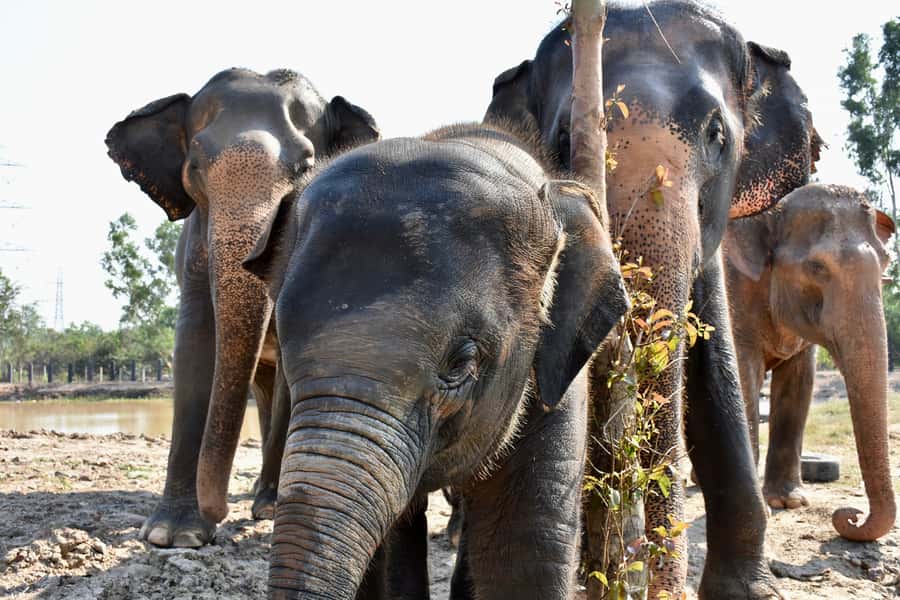
Wildlife Friends Foundation Thailand (often called WFFT) is built around one idea: rescued animals should live in conditions that respect their natural behavior as much as possible. That’s why this visit feels different from the usual “tourist zoo” model. You’re not there for staged encounters. You’re there to understand what went wrong, what rehab can look like, and how ethical care changes the outcome.
For value, it helps to look at what the ticket covers. For one fixed price (about $80 per person), you get round-trip air-conditioned transfers, an English-speaking guide, guided walking time, lunch, tram transport within the site, and all fees. You’re not paying extra for entry or for the core animal time. The day is designed to flow, not drag.
Also, WFFT is an NGO and part of a wider rescue network. The foundation receives help from groups such as International Primary Protection League (IPPL), Free The Bears, and Care for the Wild International, plus individuals who fund the work. That matters because the center isn’t just a showpiece—it’s a long-term care operation.
A few more Hua Hin tours and experiences worth a look


Getting there from Hua Hin and Cha-Am: the transfer setup that affects your day
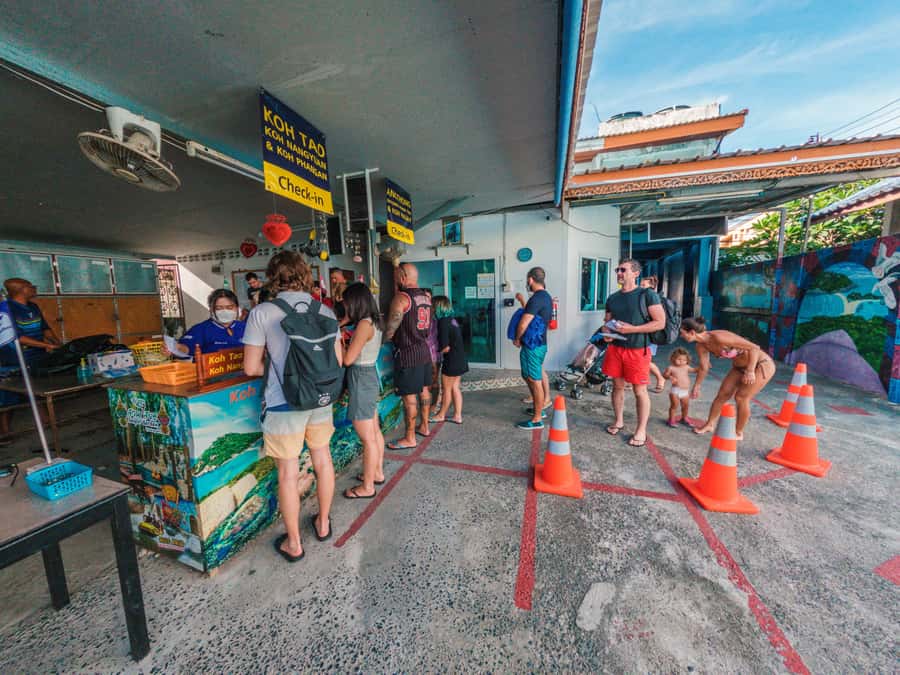
Most people start from Hua Hin, Cha-Am, Pran Buri, or Phetchaburi. You’ll meet your driver at your accommodation, then head to the WFFT site in Phetchaburi. When you arrive, you meet your guide for the day.
One small detail that can save you stress: if you’re staying somewhere like a condo or Airbnb, you may need to wait for the driver on the road rather than inside the property. This is the kind of thing that doesn’t sound big until you’re standing in the wrong place at the wrong time.
The time structure is also important. The full program runs around 6 hours, and the tour typically wraps around 3:30 PM, with your transfer back right after. That makes it a realistic day trip without eating your whole afternoon back in Hua Hin.
And yes, cash matters. Bring some along, even though most tour costs are included. WFFT asks you to bring cash, and it’s smart to follow the rules on the ground.
The first stretch: guided walking in the heat (and how to be comfortable)
WFFT is a walking-based experience, even though there’s also tram time later. Before lunch, you’ll do a 2-hour guided walking tour around the center. You’ll see multiple animal areas and hear stories tied to each rescue.
Here’s the practical part: this area can get hot and dry, and you’re walking outdoors. From comments people shared after their visits, I’d treat your footwear like a priority. Wear closed-toe shoes. One person noted the walk went over dry sand with underbrush, which is exactly the sort of terrain that turns “sandals fine” into “why did I do this.”
I strongly suggest you pack:
- A hat and sunglasses
- Bug spray
- Sun protection
- Water (even if water is not guaranteed)
A couple of reviews specifically mentioned needing water on hot days, and one person said water wasn’t provided. The tour listing doesn’t promise bottled water, so don’t rely on it.
The 2-hour guided walking tour: rescued animals and what the stories teach
This walking loop is the heart of the educational portion. The guide doesn’t just point at enclosures. You get context: where these animals came from, what they needed to heal, and why the center’s setup focuses on welfare rather than entertainment.
You’ll see a mix of animals, and the center’s emphasis is on rescued domesticated/captive wild animals. Expect to learn how the animals are managed day to day, and how volunteers and staff support medical care, routine feeding, and long-term rehabilitation.
A detail I liked from how the day has been described by others: guides often connect the dots between an animal’s personality and the way they care for them. People also mentioned hearing individual quirks and stories, not generic facts. That’s the difference between visiting a collection and understanding a care program.
You might also notice dogs roaming around as part of the site community—one review specifically mentioned Sausage, a dog that followed the tour. It won’t be the focus, but it adds to the sense that this is a working sanctuary environment, not a staged attraction.
Lunch overlooking the enclosures: Thai buffet, real pacing, and what to watch for
At noon, you’ll stop for lunch and refreshments. The meal is a Thai buffet with options that include vegan, vegetarian, and meat. One reason I like this part of the day is that it’s timed after your first walking segment, giving you a real break before the next activity.
You’ll eat with views over a large multi-species enclosure, where elephants and other animals are part of the setting. That means lunch isn’t just a refuel stop. It’s another chance to observe animals in a calm environment while you digest the heavier stories you heard earlier.
A couple of reviews said the lunch was truly tasty and plentiful. For $80, having a proper meal included is more valuable than it sounds, because it reduces decision fatigue. You’re not hunting for food while trying to catch the next part of the program.
If you’re heat-sensitive, this is also your moment to reset. Use the time to rehydrate and cool down a bit before the elephant section.
A few more Hua Hin tours and experiences worth a look


Elephant feeding: the ethically important moment people remember
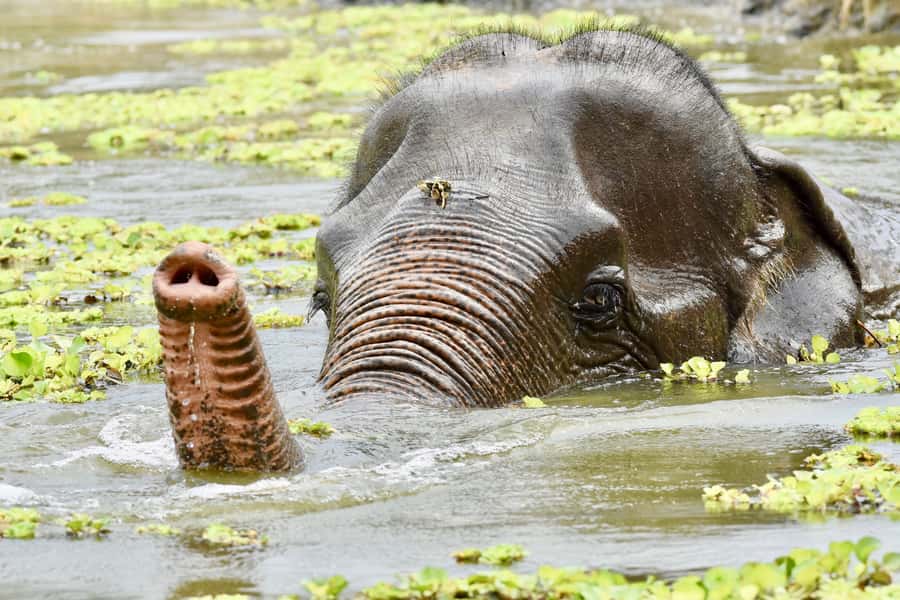
After lunch, the highlight arrives: you’ll meet and feed one of the elephants. This is supervised, and it’s framed around daily care rather than performance.
The elephant part is where the ethics become very real. Many people come to Thailand thinking of elephants as attractions—riding, washing-for-photos, tricks. WFFT makes a point of showing the opposite: you learn about individual elephant personalities, you see daily tasks, and you hear why the center’s approach avoids forced behavior. The goal is natural behavior and welfare-first routines.
What makes this moment especially meaningful is the contrast. The guide explains conservation issues elephants face and how captive tourism can contribute to exploitation. Then you experience the work in a simple, respectful way: feeding as a care activity, under staff guidance.
One review also mentioned a highlight of feeding fruit to a gentle older female elephant. Even if your elephant (and food) differs day to day, the takeaway should stay the same: this isn’t a gimmick. It’s a glimpse of day-to-day animal care, explained in plain language.
Trams and final animal feeding: closing the loop before you head back
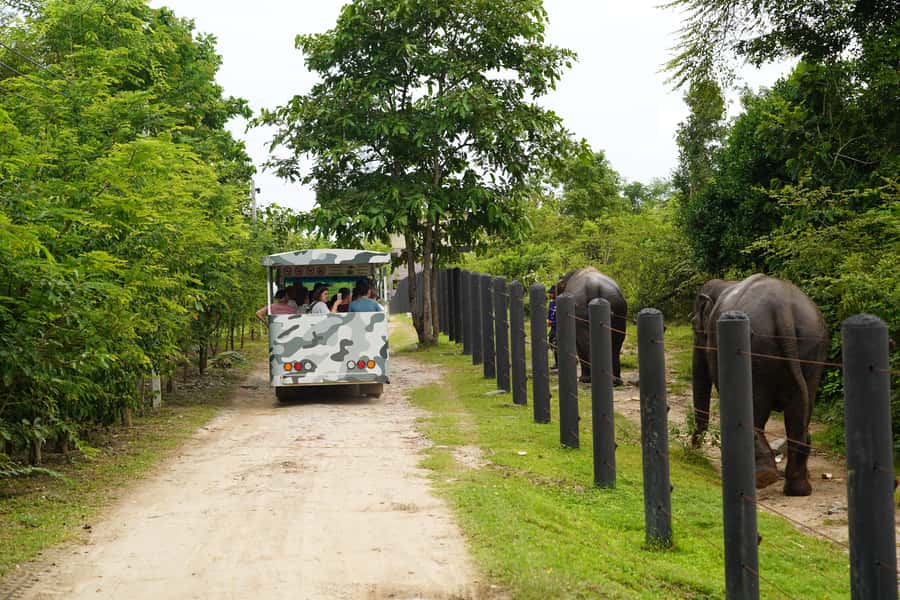
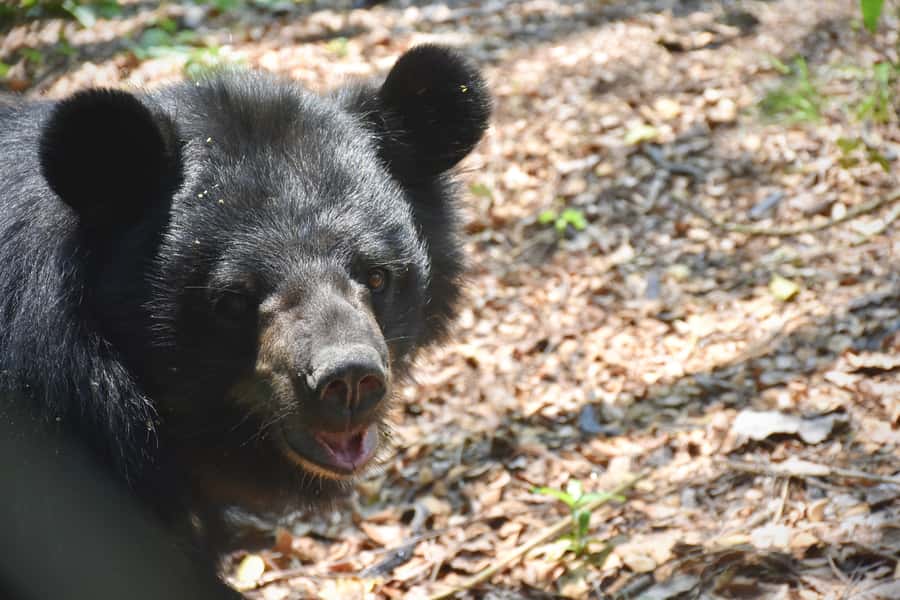
Near the end, the tour includes time to move around the site again, and you’ll do a tram ride to see more areas efficiently. This is where you’re likely to catch the bears and monkeys feeding and enjoying their meals before you wrap up.
The day ends around 3:30 PM, then you’re transferred back to your accommodation in the same towns you were picked up from.
A balanced note: the day covers multiple animal enclosures, not only elephants. One review wished there had been more time with elephants compared with time spent across monkey enclosures. If elephants are your top priority, you might feel that tradeoff. The flip side is you also get a broader picture of how the sanctuary manages different species with different needs.
Price and value: $80 for 6 hours of ethical care (and what you should compare)
At around $80 per person, this isn’t a “cheap” half-day. But it can be good value if you compare what’s included.
You get:
- Round-trip hotel transfers from Hua Hin, Cha-Am, Pran Buri, and Phetchaburi areas
- An English live guide
- Lunch (Thai buffet with multiple dietary options)
- Entrance and all fees
- A tram ride inside the site
- The core guided experience, including elephant feeding
So you’re paying not just for entry, but for transportation, meals, staff time, and the educational structure of the day. For an ethical rescue center, that’s usually where your money should go.
Where the price can feel less worth it is if you’re only interested in one thing—like elephants only—and you don’t want the rest of the walk and species coverage. Another realistic concern: some people commented that group size can feel large. If you prefer ultra-personal interaction, ask yourself whether you’re okay sharing guide time with a bigger group.
Who this tour fits best (and who should skip it)

This is a strong pick if you want an animal day trip that’s focused on ethics, education, and welfare. You’ll likely enjoy it if you:
- Like learning how rescue and rehab work
- Want to support an NGO rather than pay for entertainment
- Are comfortable with walking in heat
- Appreciate clear boundaries (no animal tricks, no forced contact)
You should be cautious or skip if you:
- Have mobility limitations that make a 2-hour walking segment difficult
- Want a “light and easy” tour with minimal outdoor time
- Get frustrated with group settings
It’s also worth noting the emotional tone. This isn’t all sunshine and selfies. The day includes sad stories behind rescues, which some people found hard but necessary. The comfort is that you’re not only hearing about suffering—you’re seeing how care can change a life.
Should you book Wildlife Friends Foundation from Hua Hin?
Book this if you want an animal experience with real ethics and an education-first guide. The elephant feeding and the guided walking loop are the standout combination: you get both the emotion and the explanation, then you see the care approach in action.
Skip it if you need a low-walking day, if heat and outdoors fatigue you quickly, or if group size would ruin your enjoyment. And if you’re going, go prepared. Closed-toe shoes, sun protection, bug spray, and a plan to handle the walking heat make a big difference.
If you’re in Hua Hin and you want your wildlife time to mean something—this is one of the clearer, more structured ways to do it.
FAQ
How long is the full-day Wildlife Friends Foundation visit?
The experience runs for about 6 hours.
Where are pickup and drop-off available?
You’ll be picked up and dropped off from hotels/accommodations in Hua Hin, Cha-Am, Pran Buri, and Phetchaburi.
Is lunch included, and what kinds of food are available?
Yes. Lunch is a Thai buffet with options that include vegan, vegetarian, and meat.
Can I feed the elephants?
Yes. After lunch, you’ll meet and feed one of the elephants under supervision. The tour focuses on welfare and natural behavior rather than tricks.
Is there walking involved?
Yes. The tour includes a 2-hour guided walking segment, so you need a basic level of fitness.
What should I bring to the tour?
Bring comfortable shoes and cash. A lot of the morning is outdoors on foot, so it helps to plan for heat and bugs.