REVIEW · HUA HIN
Your Introduction to the Thai Kitchen
Book on Viator →Operated by Thai Cooking Course Hua Hin · Bookable on Viator
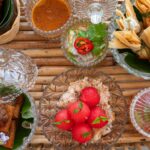
Smell your way through Thai ingredients. This Hua Hin food-focused outing begins at Chatchai Market, where you shop for ingredients and learn what makes Thai flavors tick, then you cook a full menu (curry, tom yum, pad Thai, and a coconut-cream dessert) with step-by-step help—sometimes from a teacher who goes by Ooh La La.
I also like that the class is structured for real doing, not just watching: you get a hands-on setup, a recipe booklet to take home, and lunch plus snacks so you’re not stuck doing math on what to eat next.
One caution: the market side includes spots that can be wet or messy, so pack closed shoes and expect to walk around a working food market.
In This Review
- Key highlights at a glance
- Why this Thai Kitchen experience makes sense in Hua Hin
- Morning start, meeting point, and how logistics help (or trip you up)
- From the market into Thai flavor: Chatchai Market step-by-step
- The ride to the cooking school (and what the “open-air” part means)
- Cooking school flow: your day moves like a well-run class
- The menu you’ll actually make: curry, tom yum, pad Thai, and coconut dessert
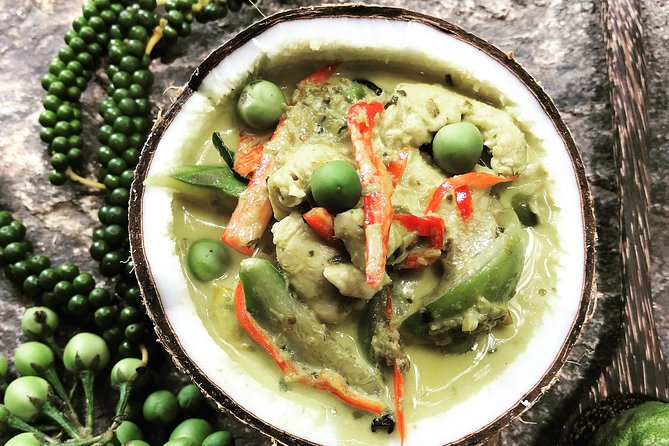
- Curry
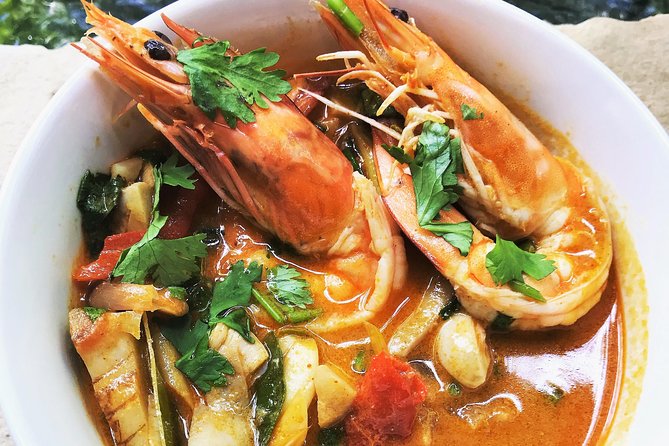
- Tom yum soup
- Pad Thai
- Coconut-cream dessert
- Why the small-group setup is worth it (and how it affects your learning)
- Food, drinks, and meal pacing: what’s included and what to expect
- Value check: about $61.96 for a market-to-meal day
- Who should book this Thai cooking class in Hua Hin
- When you might want to choose something else
- Should you book the Thai Kitchen experience in Hua Hin?
- FAQ
- What’s the duration of the Thai Kitchen cooking experience in Hua Hin?
- Where do you meet, and where does the tour end?
- Is pickup and drop-off included?
- What do I cook during the class?
- What’s included in the price?
- Are alcoholic drinks included?
- Is there free cancellation, and how far in advance can I cancel?
Key highlights at a glance
- Chatchai Market shopping at a local 100-year-old market for ingredients you’ll actually cook with
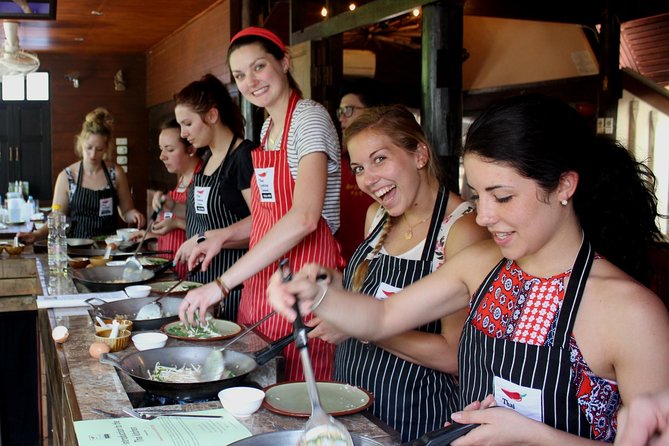
- Hands-on cooking stations that let you prepare and cook your own dishes
- Four dishes plus dessert: curry, tom yum, pad Thai, and a coconut-cream sweet
- Small group size (max 15) with a tight team so you can get questions answered
- Tea/coffee breaks near a koi pond during downtime
- Hua Hin Town pickup and drop-off plus a recipe booklet and completion certificate
Why this Thai Kitchen experience makes sense in Hua Hin
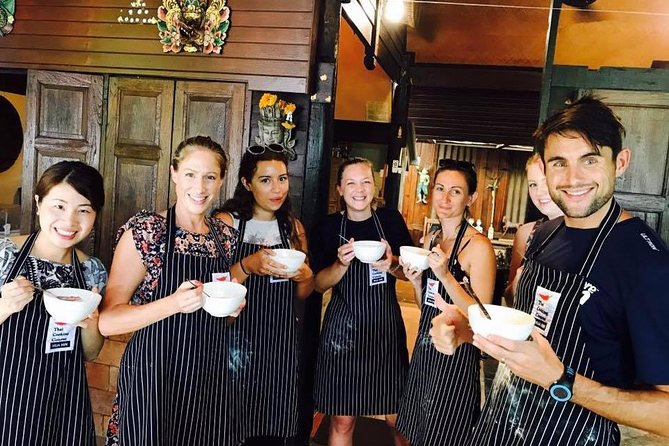
If you’re in Hua Hin and you want more than a food tour with a few bites, this is a smart middle ground. You get the fun of shopping among locals for Thai ingredients, then you move to a cooking school where the day turns practical: you chop, mix, cook, and plate.
At about 4 hours, it fits neatly into a vacation schedule. It’s also priced in a way that feels fair for what you get—market time, lunch, snacks, drinks, recipes to recreate dishes later, and transportation within Hua Hin Town.
The biggest reason I’d point you here is simple: you learn the why behind flavors (spices, herbs, technique), not just the final taste. That’s what turns a one-time meal into something you can repeat at home.
You can also read our reviews of more tours and experiences in Hua Hin.


Morning start, meeting point, and how logistics help (or trip you up)
This runs with a 9:00 am start. You meet at the Hua Hin Clock Tower area (HXC4+7VJ, Hua Hin). The activity ends back at the meeting point.
You’ll also get pickup and drop-off within Hua Hin Town. For me, that matters because you spend your morning eating and learning, not figuring out tuk-tuks and timing. It’s also a tour that uses a mobile ticket, which is convenient when you don’t want extra paperwork.
One small “plan ahead” point: because you’re going to a working market and a cooking school, wear something you can move in. Closed shoes are the safe call, especially with market conditions near fish-related stalls.
From the market into Thai flavor: Chatchai Market step-by-step
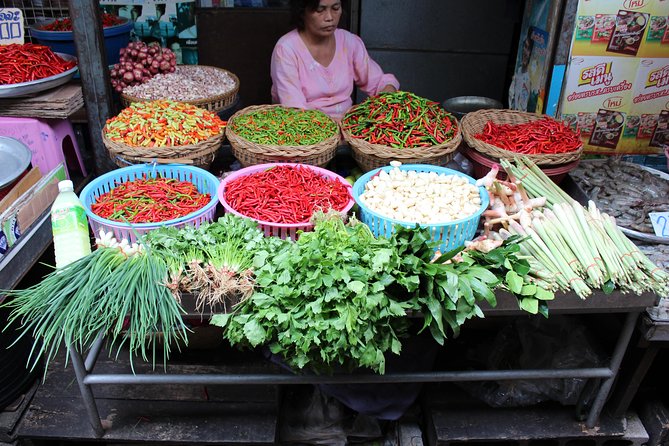
Your first stop is Chatchai Market, tied to the area’s local 100-year-old market scene. This is where the day becomes real, because Thai cooking starts with ingredients you can recognize and choose by feel and smell—not just by name.
Expect a guided walk where you learn what to look for. This is the part that turns into your kitchen shortcut later. If you can spot key herbs, aromatics, and common pantry items in a market, you can shop smarter back home.
You’ll also likely get chances to taste and smell different herbs and plants as part of the ingredient learning. That’s not a gimmick. It’s how you build a memory of flavors—then the cooking steps make more sense when you’re actually in the classroom.
One practical benefit: you won’t just buy ingredients randomly. The guide’s explanations help you understand why certain items pair well together—like how sour notes and aromatics build the base of classic soups and how spice balance changes from curry to stir-fry.
The ride to the cooking school (and what the “open-air” part means)
After the market, you’ll travel to the cooking school in an open-air pickup truck. For many people, that’s part of the charm. For others, it’s a reminder to dress for the day.
If it’s warm, you’ll want breathable clothing. If there’s any breeze, light layers can help. And if you’re sensitive to sun, bring simple protection since you’ll be outdoors moving between stops.
The key point is this: the ride doesn’t feel like downtime. It’s part of the rhythm that moves you from market learning to hands-on cooking.
Cooking school flow: your day moves like a well-run class
At the cooking school, the setup is designed to keep the day moving. Your group size is capped at 15 travelers, and that matters for pacing and attention. When there’s less crowding, instructors can correct technique and answer questions without the whole class going off track.
One detail that stands out in how these courses operate: the teaching isn’t only lecture. It’s a “do this, then do that” structure, and the prep gets broken into manageable steps. People who are new to Thai cooking still tend to do fine because the work is staged—slice here, grind or mix there, then cook while you’re ready for the next step.
You’ll also have downtime where you can sip tea or coffee and relax around a koi pond. That’s a nice reset because cooking takes concentration. In practice, it helps the day feel comfortable rather than rushed.
Some groups may interact with an owner (Greg is one name you might hear) and teachers with distinct styles (Ooh La La is another). Either way, the goal is consistent: you should leave feeling like you understand what you made.




The menu you’ll actually make: curry, tom yum, pad Thai, and coconut dessert
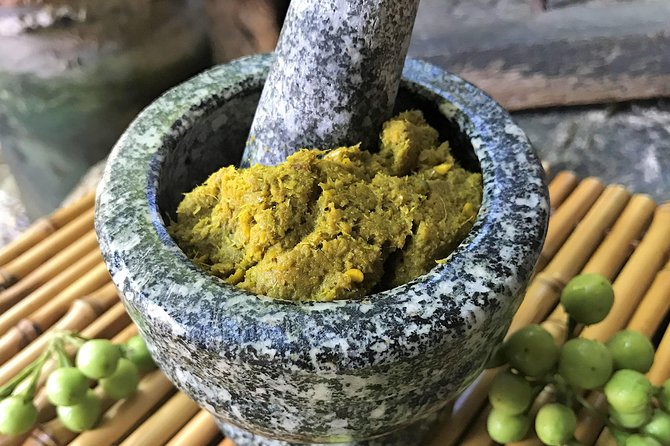
This class is built around a complete Thai meal, not random samples. Plan on cooking multiple dishes during the 4 hours, then eating what you made.
Curry
You’ll learn a classic curry approach that focuses on key flavors and technique. Even if you’re not an expert cook, the structure is meant to be doable, with clear guidance while you prepare and cook.
The value here is learning how curry flavor comes together—aroma from spices, richness from ingredients, and balance from seasoning. That’s the part you’ll remember when you cook again later.
Tom yum soup
Tom yum is all about contrast: sour, aromatic, and punchy. In class, you get to see how that signature taste is built rather than guessed. Once you’ve made it once, you’ll understand why certain ingredients show up again and again in Thai cooking.
Pad Thai
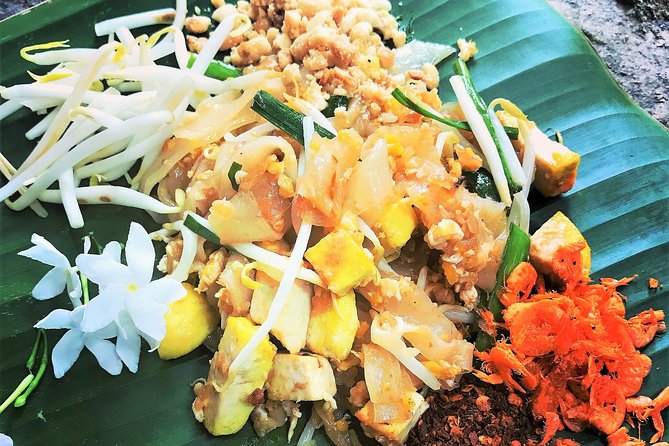
Pad Thai teaches you a different skill set: stir-fry timing and seasoning balance. It also gives you a clear reference point for the sweet-sour-salty profile many people love in Thai street food.
Coconut-cream dessert
You finish with a sweet course featuring coconut cream. This is a great way to end because it rounds out the meal and helps you see how Thai desserts often lean on coconut richness and gentle sweetness rather than heavy frosting-style flavors.
A practical tip from the way people describe this experience: don’t eat a big meal before you go. Lunch is included, plus snacks, and the portions add up by the end of the class.
Why the small-group setup is worth it (and how it affects your learning)
With a max of 15 travelers, the class stays manageable. More importantly, the experience can be tight on teaching attention. One common theme in how this course runs is a favorable ratio—like about one chef per six students—which makes a difference when you’re chopping, mixing, or timing a hot pan.
In a larger group, you might spend your time waiting for instructions or guessing if your spice mix is right. Here, the structure makes it more likely you’ll get corrections while your ingredients are still in front of you. That’s when learning sticks.
This is also why the class feels good for first-timers. The tasks aren’t designed as tests. They’re designed as steps.
Food, drinks, and meal pacing: what’s included and what to expect
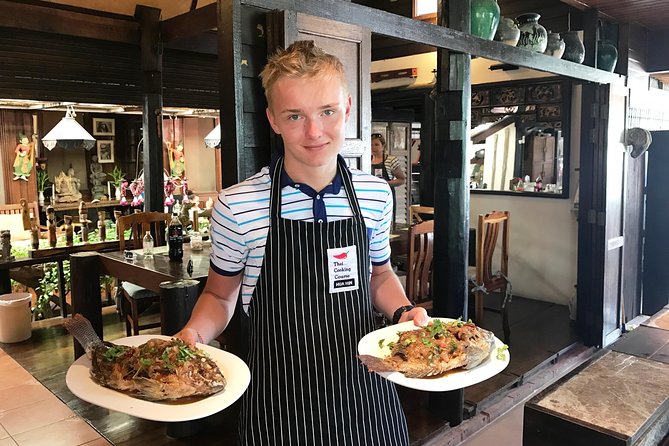
Included in the experience are:
- Lunch
- Snacks
- Coffee and/or tea
- Bottled water
That means you can stay focused on cooking rather than hunting down extra food. It’s also helpful because market time + cooking time can be tiring. The breaks around drinks keep energy steady.
What’s not included: alcoholic drinks and soft drinks, though you can purchase them. So if you want sodas or beer, you’ll need to plan for that separately.
One more practical note: you’ll likely eat several dishes you prepared. That’s part of the fun, but it also means you should come hungry. If you arrive after a big breakfast, you might feel stuffed before the dessert course.
Value check: about $61.96 for a market-to-meal day
Let’s talk value in plain terms. For around $62 per person, you’re paying for:
- Market shopping with guidance
- Transportation within Hua Hin Town
- A cooking class with instruction and hands-on prep
- Lunch and snacks
- Drinks and bottled water
- A recipe booklet and a completion certificate
In many cooking classes, you pay for instruction but then still need to cover your food and transport on top. Here, the main costs are bundled. You’re not only buying a meal—you’re buying context, technique, and something you can bring home in the form of recipes.
If you’re a foodie who enjoys learning ingredients (spices, herbs, how Thai flavors balance), this is one of those “worth it because it changes how you cook” experiences. If you’re looking for only entertainment with no interest in learning, a paid meal might be cheaper. But if Thai cooking is on your list, this price feels reasonable for the full package.
Who should book this Thai cooking class in Hua Hin
This fits best if you:
- Want a hands-on Thai cooking experience, not just a tour and a few tastings
- Like the idea of understanding spices and ingredients so you can shop and cook with confidence
- Enjoy meeting other people in small groups during a shared meal
- Are traveling with friends or family and want an activity that’s structured but still fun
It can also work well for beginners. The class format is designed so amateurs can handle the steps, and the cooking station setup supports that.
When you might want to choose something else
If you prefer a fully relaxed outing with minimal chopping and standing, this may be too active. This is cooking work—hands, knives, heat, and timing.
Also, if market environments are hard for you (wet ground, fish-related areas), you’ll want to plan carefully with footwear and comfort in mind. The good news is you can prepare for that with the right shoes and a bit of realistic expectations.
Should you book the Thai Kitchen experience in Hua Hin?
Yes—if you want a Thailand trip memory you can reproduce. The combination of a guided ingredient walk at Chatchai Market plus a structured cooking class with multiple dishes and dessert is exactly the kind of “learn, cook, eat” day that sticks with you.
I’d book it if you care about food details, you want practical technique, and you like the idea of leaving with a recipe booklet and a completion certificate. It’s also a solid value for the time you spend, because lunch, snacks, and drinks are included and you don’t have to manage transport on your own.
If you’re unsure, do one quick check before paying: are you willing to walk around a working market and cook several dishes in a half-day schedule? If yes, you’ll likely enjoy this one a lot.
FAQ
What’s the duration of the Thai Kitchen cooking experience in Hua Hin?
It runs for about 4 hours.
Where do you meet, and where does the tour end?
You start at the Hua Hin Clock Tower area and the experience ends back at the same meeting point.
Is pickup and drop-off included?
Yes, pickup and drop-off are included within the Hua Hin town area.
What do I cook during the class?
You cook traditional dishes including curry, tom yum soup, pad Thai, and a dessert made with coconut cream.
What’s included in the price?
Bottled water, pickup and drop-off in Hua Hin town, a recipe booklet, a completion certificate, lunch, snacks, coffee and/or tea, and shopping with the group at Hua Hin’s 100-year-old market.
Are alcoholic drinks included?
No. Alcoholic and soft drinks are not included, though you can purchase them.
Is there free cancellation, and how far in advance can I cancel?
Yes, you can cancel for a full refund up to 24 hours in advance of the experience’s start time.