REVIEW · HUA HIN
Amphawa Floating Market and Maeklong Train Market Tour
Book on Viator →Operated by Ken Diamond Co.Ltd Tour & Travel · Bookable on Viator
Train meets market chaos. This afternoon tour strings together two of Thailand’s most camera-friendly markets, with the Maeklong Railway Market where vendors pull back like clockwork as a train rumbles straight through. It’s equal parts history, street theater, and hands-on culture viewing—especially if you like seeing how locals adapt to their daily rhythm.
What I like most is the pairing: after the rail-market spectacle, you get a boat ride along the Amphawa Canal during the floating market hours, plus time to hunt down easy-to-carry Thai snacks and small souvenirs. Amphawa is known for how trade and daily life overlap, and the tour builds that context so you’re not just shopping—you’re watching a living routine.
One real consideration: pickup timing and communication matter. The tour starts at 12:00 pm, and since pickup is offered, I’d plan to confirm details ahead of time and make sure you can be reached, just in case your pickup point needs adjusting.
In This Review
- Key highlights worth planning for
- Maeklong Railway Market: Hoop Rom Market and the train-through-it moment
- Amphawa Floating Market: canal life, a boat ride, and snack hunting
- The afternoon schedule: how 8 to 9 hours plays out
- Dinner, bottled water, and what the tour price covers
- Guide quality and small-group pacing (max 9)
- Pickup in Hua Hin and what to double-check
- Weather and how the tour handles it
- Who should book this tour?
- Should you book the Amphawa and Maeklong afternoon tour?
- FAQ
- What time does the tour start in Hua Hin?
- How long is the Amphawa Floating Market and Maeklong Railway Market tour?
- Is pickup included?
- What’s included in the price?
- Will there be a boat ride?
- How many people are in the group?
Key highlights worth planning for
- A train goes through the market at Maeklong Railway Market, with vendors clearing the tracks in sync
- A real canal boat ride on Amphawa during floating market time, not just a quick photo stop
- Snack-shopping with value: inexpensive traditional Thai treats you can actually bring home
- Small group size (max 9), which usually makes timing feel smoother
- Included dinner and bottled water, plus an air-conditioned vehicle for the ride between sites
Maeklong Railway Market: Hoop Rom Market and the train-through-it moment
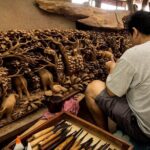
Maeklong Railway Market (often called Hoop Rom Market) is the kind of place that feels almost staged—until you realize it has been functioning this way for generations. The roots trace back to 1905, when fishing was a main livelihood and the market served as a local sales point. When a railway was built to help move goods to provinces (including the capital), the market didn’t disappear—it adapted, with the tracks cutting through the selling space.
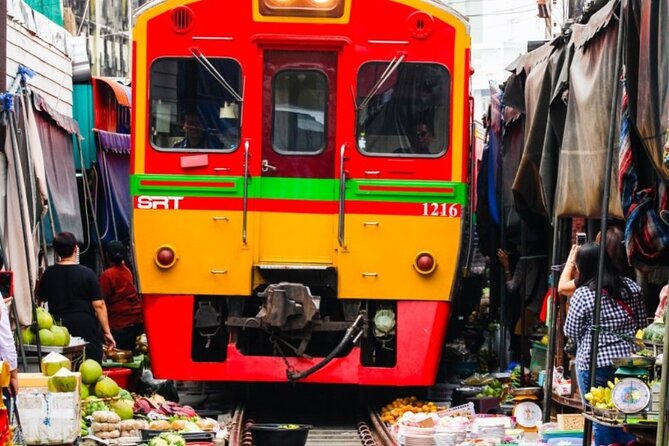
That’s what you’re really going for: the choreography. You typically hear the train before you see it, and then the market shifts. Vendors move umbrellas and belongings away from the line in coordinated, calm motion, like they’ve practiced it a thousand times. Then the train passes, and the market returns to normal right away.
I love this stop because it’s not just about the photo. You get a clear sense of how transport, commerce, and work all share the same narrow space. The guide experience here helps, too. You’re not left guessing what you’re looking at. You get the background on why the railway is there and how the community survived that change.
What to watch for: the market is compact, so it can feel crowded and tight. If you’re the type who hates close quarters, show up with patience and expect to squeeze your way toward a good view.
You can also read our reviews of more shopping tours in Hua Hin


Amphawa Floating Market: canal life, a boat ride, and snack hunting
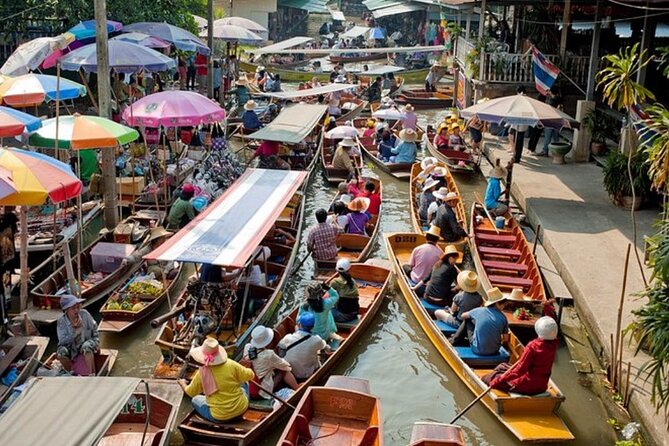
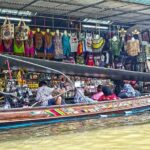
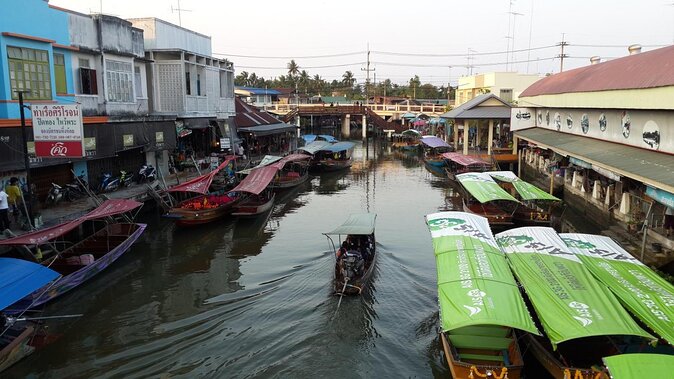
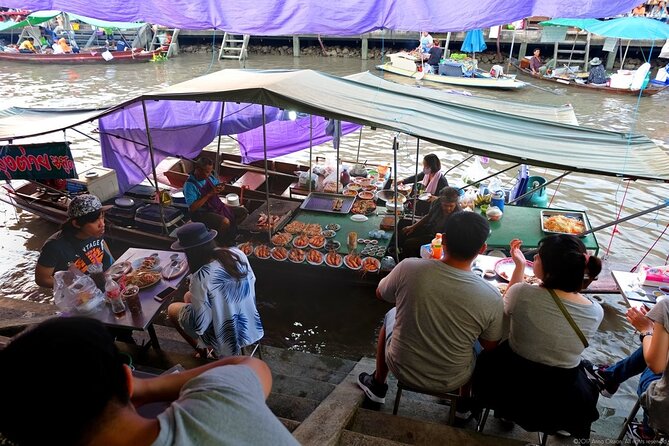
Amphawa Floating Market sits on the Amphawa Canal, and the tour takes you out on the water by boat along the canal. This is one of the best parts of the day because you see the market from the angle most visitors miss: from the water itself, where the canal feels like the “road” for daily commerce.
You also get helpful context for what you’re seeing. Amphawa is frequented by Bangkok weekend visitors, but the canal lifestyle isn’t just a theme park. Buddhist monks paddle in the morning to accept alms, and residents along the waterfront rely on the canal as part of ordinary routines—things like cleaning and bathing. Even though your tour time isn’t the morning alms period, the background matters. It helps you understand why the floating trade exists beyond tourist curiosity.
When you ride, keep an eye on the way small-scale trade works. Boats are used for moving goods, and the canal layout shapes how vendors sell. It’s practical, not just scenic.
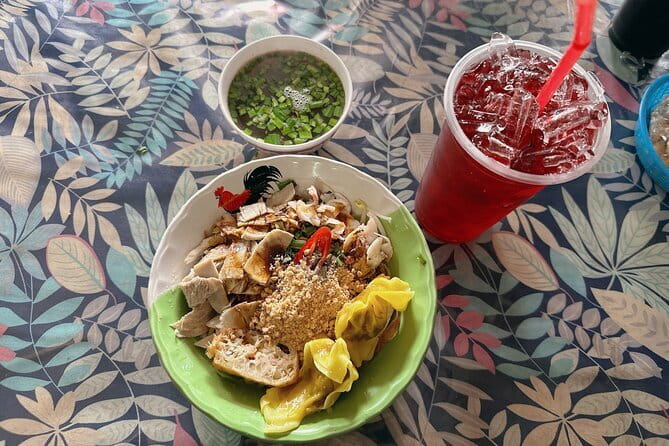
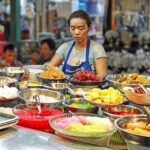
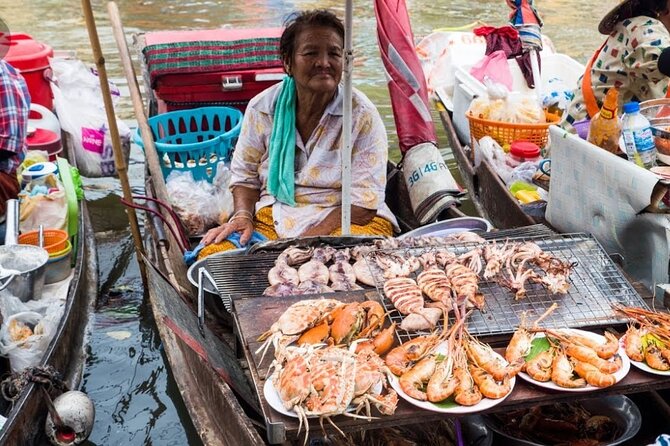
Then there’s the shopping time. The tour is built around buying plenty of unique and inexpensive traditional Thai snacks—ideal as a souvenir because you can actually eat them later. Think of it as your edible “market memory,” not just a bag of random trinkets.
My practical advice: pace yourself. Snacks are fun, but once you start tasting or browsing, it’s easy to overspend. If you’re traveling with friends, agree on a shared shopping plan so everyone isn’t competing for the same best items.
The afternoon schedule: how 8 to 9 hours plays out
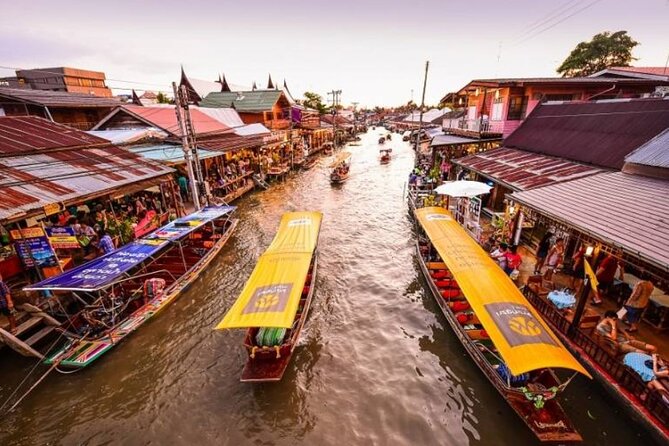
This is an afternoon tour starting at 12:00 pm, with about 8 to 9 hours total time. The itinerary is structured around momentum: first you hit Maeklong (about 1 hour 30 minutes), then you shift toward Amphawa (about 3 hours at the floating market area, including the boat portion).
That sequencing works well if you want both a “train moment” and a “water moment” without driving all day. Maeklong is time-sensitive in the sense that the train appearance is the spectacle, so you don’t want to arrive late. The day’s rhythm also makes it easier to manage heat and crowds than doing these stops solo with separate timing.
One consideration: because you’re out for most of the day, bring a calm mindset about waiting, moving between areas, and doing things at market speed. It’s not a slow museum crawl. It’s a working market day, and the tempo matches that.
Dinner, bottled water, and what the tour price covers
The tour includes bottled water, dinner, and an air-conditioned vehicle. It also includes admission tickets for the market portions, plus your guided time and the transport between stops.
Is it “worth it” for $81.23 per person? For me, the value is in the mix of included pieces. You’re not just paying for entry and a driver. You’re paying for:
- market admission where you otherwise might spend time figuring out logistics,
- a guided explanation that makes Maeklong and Amphawa easier to understand,
- and dinner so you don’t have to plan meals while you’re focused on the markets.
The only clear item not included is tips. That’s normal, and you can decide what fits your style.
Practical tip: if you’re picky about food, it helps to keep your expectations flexible. Dinner is included, but no specific restaurant details are given here, so it’s smart to treat it as part of the experience rather than something you’d select yourself.
Guide quality and small-group pacing (max 9)
This kind of tour works best when the guide does two things well: keeps timing tight, and translates what you’re seeing into context. That’s exactly what comes through in the feedback.
For example, Lisa and Heinrich Marxen highlighted that the guide’s English was excellent and that he talked about Thailand’s culture and daily life in a way that made the day feel special. Another positive review described a very good day, with a guide who helped connect the dots between the train market and the longtail-style water experience.
There’s also a hint that the guide might keep a professional, not-too-loud tone—one response apologized if the guide felt reserved. That’s not necessarily bad. It can actually make the tour feel less chaotic and more organized. Just keep in mind: if you’re someone who wants nonstop conversation, you may need to ask questions.
With a maximum of 9 travelers, you’re less likely to feel like you’re part of a giant bus group. Smaller groups usually mean you can hear the guide, move as a unit, and still have a little space to look around.
A few more Hua Hin tours and experiences worth a look
Pickup in Hua Hin and what to double-check
Pickup is offered, and the start time is fixed at 12:00 pm. The tour also uses an air-conditioned vehicle. Meeting points are described as being near public transportation, which can be helpful if you’re staying nearby and want an easier way to get to the meeting area.
Here’s the one thing I’d be strict about before you go: confirm your pickup point and time in writing, and make sure your contact details work. One less-than-ideal experience pointed to confusion around pickup timing and a phone number that wasn’t reachable, after a last-minute pickup-location shift. Even if that was a one-off situation, it’s a good reminder that pickup is where things can go sideways when you’re traveling late in the day.
My suggestion: keep your confirmation message accessible, be ready at least a little early, and treat pickup like a checklist item, not an assumption.
Weather and how the tour handles it
This experience requires good weather. If it’s canceled due to poor weather, you’ll be offered a different date or a full refund. That matters because the floating market and boat component are hard to replicate when conditions are bad.
So if your travel window is flexible, great. If you’re locked into fixed plans, I’d book with that in mind. The good news: the tour company builds in a weather contingency rather than pushing ahead in unsafe or miserable conditions.
Who should book this tour?
I’d book it if you want:
- one afternoon that hits two headline markets without DIY stress,
- the train-through-market show at Maeklong plus a boat-based Amphawa experience,
- and a guided day that explains the why behind what you see.
It’s also a good match if you like souvenirs that are practical—snacks you’ll actually use—rather than items you’ll later regret buying.
If you’re the type who hates any crowding or wants total freedom to linger at your own pace, a guided route might feel a bit structured. Markets are living spaces, and the tour format keeps things moving.
Should you book the Amphawa and Maeklong afternoon tour?
Yes—if you’re excited by visual “wow” moments that also have real cultural context. The Maeklong train spectacle is the kind of thing you’ll remember because it’s specific and unusual. The Amphawa boat ride gives you a better sense of how the canal shapes everyday life, and the included time for snack shopping is a smart value add.
I’d just book it with two decisions made up front: confirm your pickup details clearly, and plan for weather conditions since the experience depends on them. Do that, and you’re set for a fun, efficient day that feels like Thailand in motion.
FAQ
What time does the tour start in Hua Hin?
The tour starts at 12:00 pm.
How long is the Amphawa Floating Market and Maeklong Railway Market tour?
The duration is about 8 to 9 hours.
Is pickup included?
Yes. Pickup is offered, and the tour uses an air-conditioned vehicle.
What’s included in the price?
Included items are bottled water, dinner, admission tickets, and the air-conditioned vehicle.
Will there be a boat ride?
Yes. The tour includes a boat ride along the Amphawa Canal as part of the Amphawa Floating Market stop.
How many people are in the group?
This tour has a maximum of 9 travelers.