REVIEW · HUA HIN
Elephant and Animal Watching in Kuiburi National Park – Join Afternoon Tour
Book on Viator →Operated by Ken Diamond Co.Ltd Tour & Travel · Bookable on Viator
One real safari beat happens here: wild elephants roam. This afternoon tour to Kuiburi National Park mixes patient waiting for animals with rangers-led wildlife spotting in a protected area, with a max of nine people per group.
I especially like the practical setup: hotel pickup and drop-off make the long drive feel easy, and the trip includes dinner along the way. I also like that you get shared binoculars, so you’re not squinting for distant motion.
One consideration: sightings aren’t guaranteed, and you may see only a few animals—or mostly watch from a safe distance. A couple of people were disappointed after seeing just one elephant, which is the tradeoff for a true wild setting (not a zoo).
In This Review
- Key moments that make this tour work
- Kuiburi in the afternoon: what you’re signing up for
- The logistics that keep it stress-free: pickup, small group, and the drive
- Stop 1 at Kuiburi: rangers, waiting for foraging, and bird spotting
- What you might actually see
- How the elephant viewing feels (and why it’s not a zoo)
- Guides you might recognize by name
- Stop 2 near Hua Hin: a Thai dinner break that ends the day well
- Value for $87.99: what you get, what you don’t, and how to judge the deal
- What to pack and how to behave for better sightings
- Pack for weather and dust
- Binocular strategy
- Be ready for distance
- On safety and animal disturbance
- Who this afternoon Kuiburi tour is best for (and who should pass)
- Should you book this afternoon Kuiburi elephant watching tour?
- FAQ
- Is pickup and drop-off included from Hua Hin?
- How long is the Kuiburi afternoon tour?
- What’s the group size limit?
- Is dinner included?
- Do I get binoculars?
- Is this tour a zoo visit?
- Are elephants guaranteed to be seen?
- What animals and birds can I look for?
- What’s included in the price, besides transportation?
- What’s not included?
Key moments that make this tour work
- Small-group size (max nine) keeps the experience more personal than big coach tours
- Kuiburi’s Huai Luek area is where you wait for elephants and other wildlife to forage
- Ranger-style observation stops give you chances at different viewpoints without rushing
- Birdwatching potential includes species like Crested Fireback, Indian Roller, and Asian Spoonbill
- Included Thai dinner helps you avoid planning a meal after a late afternoon drive
- Binoculars are shared, so you may want your own if you’re serious about spotting
Kuiburi in the afternoon: what you’re signing up for
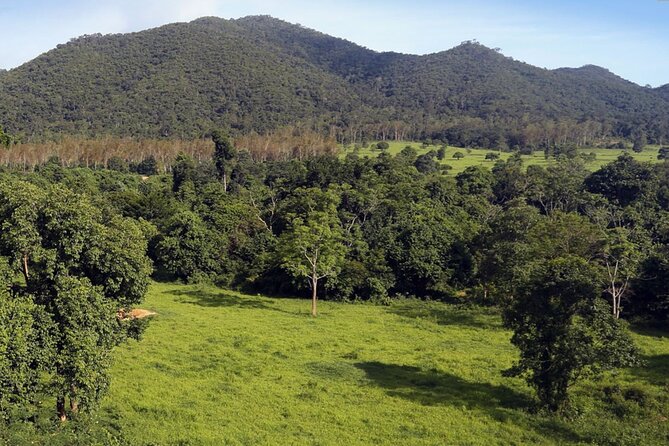
This is an elephant and animal watching tour built around patience. Kuiburi National Park is not a zoo, and the elephants don’t queue for your camera. The value here is that you’re watching protected wildlife in their own habitat—dry-humid forest, scrubby edges, and the kinds of open areas where animals move when they feel safe and fed.
The afternoon timing also matters. You’re trading a morning “fresh light” feel for a more relaxed pace later in the day. That can be nice in Hua Hin, where heat and sun can get intense. Just plan for it: one important review notes sun, wind, and dust, so dress like you’ll be outside for hours, not like you’re popping into a café.
Also, set your expectations for the “safari” part. This doesn’t feel like an African-style, drive-and-find-everything jeep safari. Instead, you typically reach the viewing zone, wait at observation points, and use binoculars to spot action at distance. If you like wildlife photography but you’re also okay with viewing from far away, you’ll likely enjoy this format.
You can also read our reviews of more tours and experiences in Hua Hin.

The logistics that keep it stress-free: pickup, small group, and the drive
The tour runs about 6 to 7 hours. You start with pickup and drop-off from your hotel area, which is a big deal here because getting to Kuiburi independently can eat up time and energy. The drive is part of the experience: it’s long enough that you’ll feel like you left Hua Hin behind, but organized enough that you don’t have to figure out transport.
Group size is capped at nine people, which is one of the main reasons people rate this tour highly. Smaller groups mean fewer bottlenecks at viewpoints and an easier back-and-forth with your guide. It also helps when vehicles need to reposition for better angles, which is common in animal watching.
On the vehicle side, you’ll be in an air-conditioned ride on the road transfer portion. Once you’re inside the park area, you’ll switch to a guided safari vehicle (a pickup-style safari setup is described in the experience flow). In short: you get comfort for the travel, then you trade that for open viewing when the wildlife part starts.
One real-world thing to keep in mind: vehicles can sometimes have mechanical issues. There was at least one case where a vehicle suspension part broke and a replacement was arranged. You can’t erase that risk in any tour with shared transport, but this is another reason I like the small-group structure—less chaos when rerouting happens.
Stop 1 at Kuiburi: rangers, waiting for foraging, and bird spotting
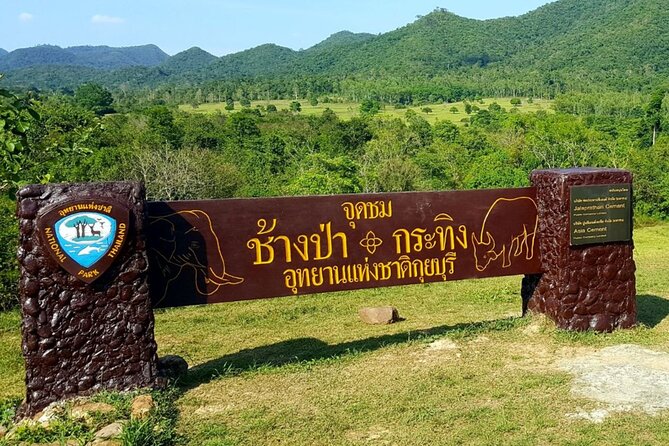
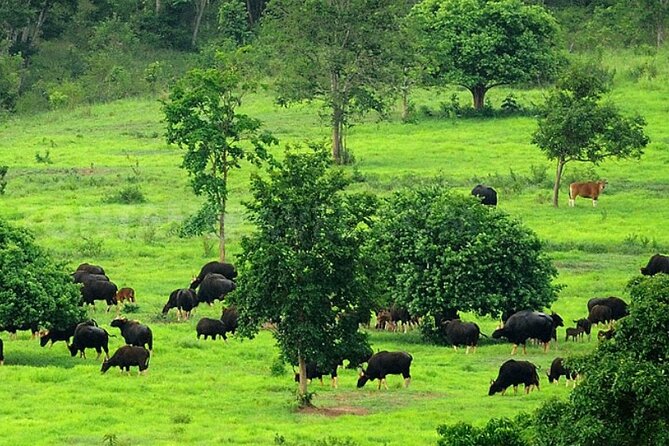
Most of your “animal time” happens at Kui Buri National Park. You’ll drive to the visitor center, then transfer from the main park entrance logistics into a guided safari vehicle. From there, you move to the Huai Luek Wildlife Area, where you wait for animals to forage.
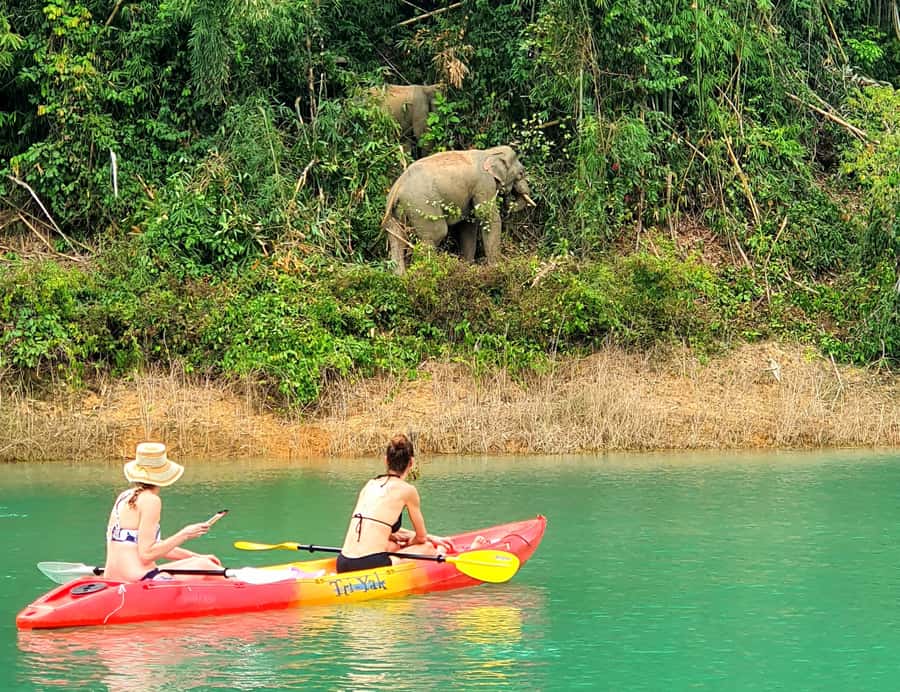
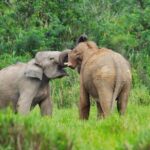
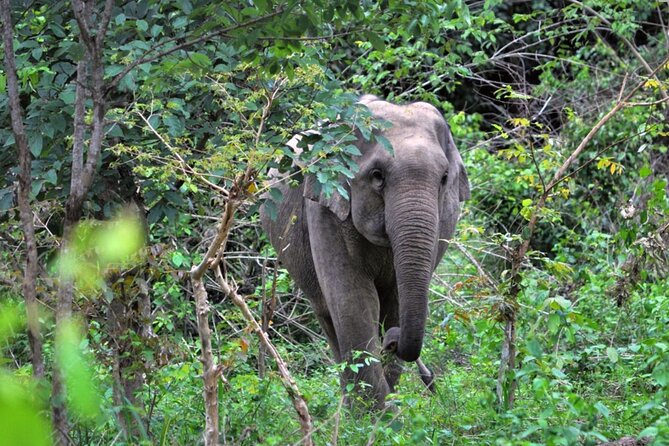
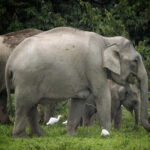
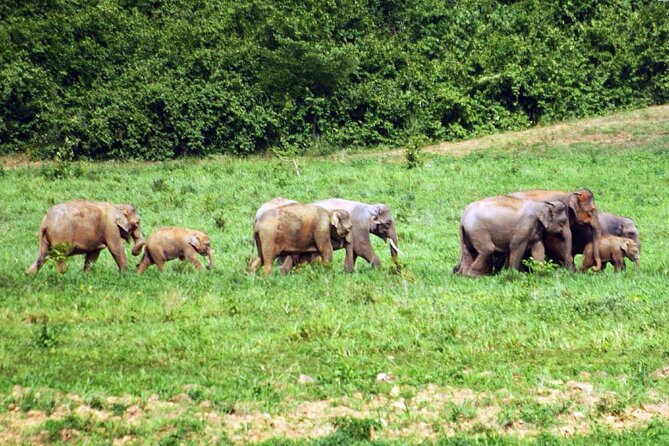
This is where the tour’s biggest promise becomes real: wild elephants. The park is home to around 320 protected elephants, and the chance of seeing elephants in the wild and on rough terrain is stated as about 90–95%. Still, the honest bottom line is that you can’t treat that as a guarantee for your exact day. Wildlife timing depends on weather, food availability, and where the herds decide to travel.
What you might actually see
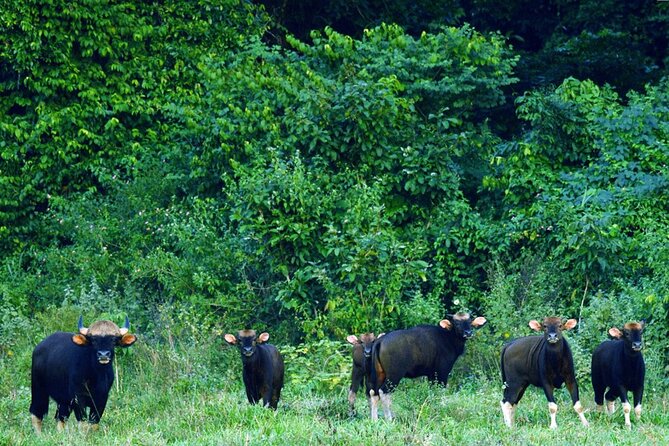
Elephants are the headline, but your route is also designed for other sightings. Depending on the day, you might spot gaurs and, occasionally, leopards. You may also see other wild cattle-type animals in the area.
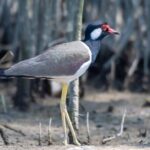
Birdwatching is also built in. The tour includes time in the forest zone, with the possibility of spotting:
- Crested Fireback
- Indian Roller
- Asian Spoonbill
Those bird names matter because they point to more than “random birding.” This tour expects you’ll be looking at specific species targets, not just scanning for movement.
How the elephant viewing feels (and why it’s not a zoo)
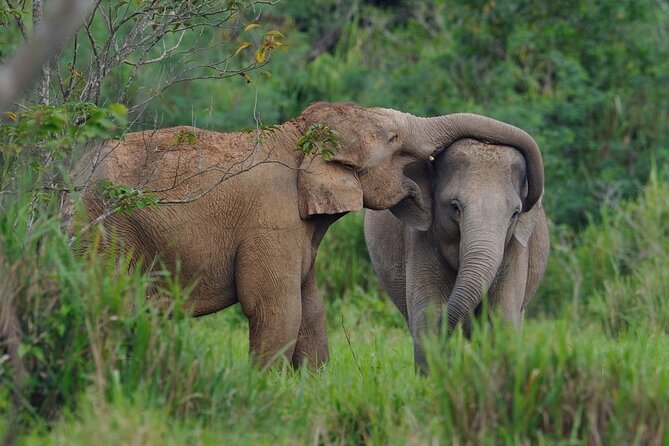
If you’re used to zoos—or theme-park animal shows—prepare for a different rhythm. Elephants are not performing for you. You might get:
- A herd moving through far away
- A moment when they come closer
- Or brief passes that last seconds
Some people end up with dramatic success. Others get a single distant glimpse. Either way, the tour is designed to keep distance and reduce disturbance. That’s a core part of why Kuiburi is worth visiting in the first place.



Guides you might recognize by name
Your guide can strongly shape the day. One guide name you may see mentioned is Pom—praised for being organized and for delivering a smooth park experience. Another name that shows up is Bob, and one review also mentions Bobbie. Even if your guide isn’t one of those, the pattern is consistent: the guide’s job is to interpret movement, talk about the area, and position you for the best chance to see what’s out there.
Stop 2 near Hua Hin: a Thai dinner break that ends the day well
After the park time, you head back toward Hua Hin. You stop for a typical Thai dinner at a restaurant near the national park. The meal stop is short—about 45 minutes—so it’s more of a proper dinner fix than a long culinary event.
This is still one of the tour’s smarter “value” elements. If you do this after a full safari block, you’d otherwise spend time and effort locating dinner near your hotel. Here, the timing is baked into the plan.
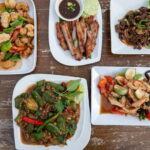
Food reviews show it can be good, but there are small details you might care about. One person liked the dinner, noting it felt like a family-run place, though the timing of dishes arriving on the table could have been better. If you’re sensitive to pacing, know you’re on a group schedule.
Also note what’s not included: alcoholic beverages aren’t part of the package, and coffee or tea isn’t listed as included. Water is included, though, and that matters because you’ll be outside and sweating.
Value for $87.99: what you get, what you don’t, and how to judge the deal
At $87.99 per person, this tour sits in a “pay for organization and access” category. You’re paying for:
- Hotel pickup and drop-off
- Air-conditioned transport
- Guided park time with ranger-style observation
- Dinner included
- Binoculars shared with the group
You’re not paying for a guaranteed animal count. The biggest value lever here is that you’re not going solo. The small group helps keep costs down while still giving you a realistic wildlife experience.
So the decision comes down to your priorities. If you want a guaranteed show animal encounter, this is the wrong tour. If you want a real wild-elephant environment with a strong chance of seeing elephants (given the park’s stated odds), and you like having guides coordinate the day, then this price can feel fair.
One more value point from the feedback: when elephants are spotted, they can be impressive numbers. People report anything from a single distant sighting to herds seen in multiple areas, including one mention of a very large count. That variance is normal in wildlife watching, but it’s also why the trip can still feel worth it even when your exact outcome isn’t maxing out the numbers.
What to pack and how to behave for better sightings
You’ll do better if you think like an observer, not like a hunter for animals.
Pack for weather and dust
Because of sun, wind, and dust, bring:
- Light long sleeves if you burn easily
- A hat and sunglasses
- A small scarf or dust mask if you’re sensitive to gritty air
Even if the day looks calm, the park can kick up dust when vehicles and feet move.
Binocular strategy
Binoculars are included but shared. If you wear glasses or want to track distant movement for photos, consider bringing your own compact binoculars. If you don’t own any, use the shared pair early and keep your seat position in mind when the group stops moving.
Be ready for distance
A key point to understand: some viewpoints are set for safety and distance, and you may need binoculars to see the animal details. One disappointment story came from expecting closer “African-style” views. If that expectation is in your head, adjust it now. You’ll enjoy the day more when you accept that “distant but real” is the point.
On safety and animal disturbance
The tour keeps you at a distance for a reason. Wild elephants can be unpredictable, and wildlife viewing works best when everyone does the same quiet, patient approach. The result is better for the animals and usually better for your experience.
Who this afternoon Kuiburi tour is best for (and who should pass)
This tour is a strong fit if you:
- Want wild elephants in a protected national park setting
- Like a small-group experience with guidance doing the navigation
- Are okay with waiting for animals rather than constantly driving and changing locations
- Enjoy birdwatching and nature spotting, not only mammals
It may be a weaker fit if you:
- Need guaranteed close-up wildlife encounters
- Want a fast, nonstop “find animals constantly” style safari
- Get frustrated when animal sightings are at a distance
If you’re traveling with kids, it can still work if everyone understands the “waiting game.” The group size helps, but the main activity is observation, not rides and animal feeding.
Should you book this afternoon Kuiburi elephant watching tour?
I’d book it if your dream day includes wild elephants and you’re happy with a guided, viewpoint-based safari where binoculars matter. The small group, pickup/drop-off, and included dinner make it a practical package from Hua Hin.
I’d skip it—or choose a different style of attraction—if your top goal is a guaranteed number of elephants at close range. This tour is built on the reality of wildlife timing, and even with strong park odds, one bad day of elephant movement can still happen.
If you go in with the right mindset—patient, dressed for sun and dust, and ready to watch from safe distances—you’re likely to come away feeling like Kuiburi delivered something real: protected wildlife, real habitat, and a guide who knows how to work the day.
FAQ
Is pickup and drop-off included from Hua Hin?
Yes. The tour includes pickup and drop-off for ease.
How long is the Kuiburi afternoon tour?
It runs about 6 to 7 hours total.
What’s the group size limit?
This experience has a maximum of 9 travelers.
Is dinner included?
Yes. Dinner is included, served at a Thai restaurant near the park area.
Do I get binoculars?
Binoculars are included as shared binoculars.
Is this tour a zoo visit?
No. It is not described as a zoo visit. It’s wildlife watching in the national park area.
Are elephants guaranteed to be seen?
No. The park’s stated chance of seeing elephants is about 90–95%, but the tour does not guarantee sightings for every group.
What animals and birds can I look for?
Elephants are the main focus. You may also spot gaurs, and occasionally leopards. Bird options mentioned include Crested Fireback, Indian Roller, and Asian Spoonbill.
What’s included in the price, besides transportation?
Included items listed are bottled water, dinner, air-conditioned vehicle, an excellent tour guide, and shared binoculars.
What’s not included?
Tips, coffee and/or tea, and alcoholic beverages are not included.