REVIEW · HUA HIN
The Real Jing Jing Thai Food Tour in Hua Hin
Book on Viator →Operated by Feast Thailand · Bookable on Viator
Hua Hin gets tastier with jing jing food. I love the way this tour pushes past familiar street-food hits into authentic southern and Issan flavors, with 10 to 15+ tastings and drink items plus water. I also like that you’re not just eating—you’re learning how Thai cooks build flavor with chilis, peppercorns, and spices. One consideration: the food isn’t designed for everyone, since the tour isn’t suitable for vegetarians, vegans, pescatarians, people with gluten intolerance, or anyone with nut allergies, and dishes can run from mild to fiery.
The price makes more sense when you look at what’s included: a licensed English-speaking guide, local songtheaw transport throughout, and vehicle accident insurance (you’ll need to provide your name and passport number for that). You’re also capped at a small group size (up to 7), which helps you ask questions and get real context instead of speed-eating in a crowd.
You’ll start at Hua Hin Clock Tower around 12:00 pm, and the schedule is set up so you don’t need to do lots of walking. Still, come prepared to eat a good amount—this is built for people who want to snack their way through the afternoon.
In This Review
- Key Things to Know Before You Go
- What Jing Jing Food Tastes Like in Hua Hin
- Price and Value: Why $73 Covers Transport and a Guide
- Getting to the Meet Point and Staying Comfortable
- Stop-by-Stop: What You Eat From Boat Noodles to Isan Heat
- Stop 1: Ayutthaya Style Boat Noodles
- Stop 2: Southern Thai Cuisine with Indian-leaning Spice Notes
- Stop 3: Isan (Northeastern) Food for the Flavor Turn
- Stop 4: The Last Stop Chosen for Your Taste
- How the Guide Makes the Food Make Sense
- The Value of Off-the-Tourist-Menu Choices
- Alcohol, Water, and How to Pace Yourself
- Who This Tour Fits Best (and Who Should Skip)
- Practical Tips So You Don’t Waste a Drop of Sauce
- Should You Book the Real Jing Jing Thai Food Tour?
- FAQ
- How much does the Real Jing Jing Thai Food Tour cost?
- How long is the tour?
- How many tastings are included?
- What’s included in the price?
- Is alcohol included?
- Is this tour suitable for vegetarians or gluten-free diets?
- Where do I meet, and what time does it start?
Key Things to Know Before You Go
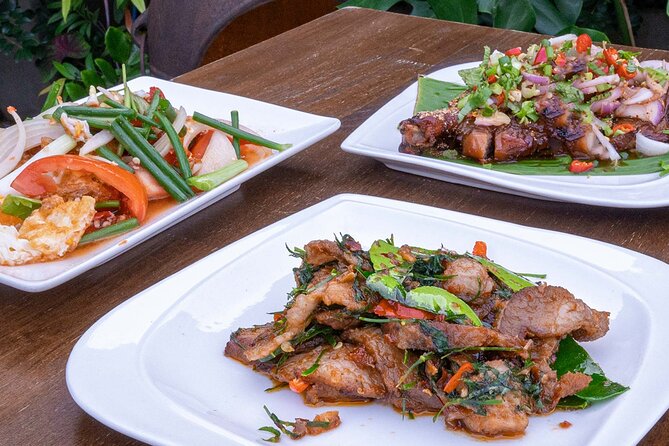
- 15+ tastings, not just a few samples: Expect a steady run of food and drink stops over about 3.5 hours.
- Southern + Issan focus: You’ll try flavors from two different Thai regions, not the same “tourist standard” menu repeated.
- Spice lessons with real ingredients: You’ll hear how cooks use chilis, peppercorns, and other aromatics to make dishes taste balanced.
- Small group size (max 7): Easier conversation with the guide and quicker help if you want to adjust spice tolerance.
- Local songtheaw transport throughout: Minimal walking, with short rides between stops.
- Not for every diet: If you’re avoiding certain ingredients, you may miss a few dishes.
What Jing Jing Food Tastes Like in Hua Hin
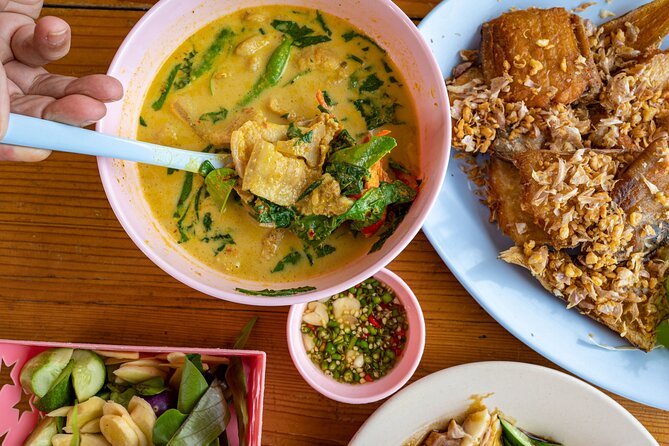
This tour’s theme is simple: jing jing means authentic, not “Thai-ish.” In practice, that means you’re aiming for dishes most visitors wouldn’t see on the usual big-menu strip.
You’ll taste two Thai food identities that often get blended together for tourists, but here they’re treated like separate worlds. Southern Thai cooking tends to lean into heat and spice depth—often with flavors that feel a bit familiar to people who like Indian spices like turmeric. Then you switch gears to northeastern Thailand, also called Isan, where food can hit harder with fermented notes, bold chili heat, and strong herbal aromas.
If you care about why food tastes the way it does, this matters. It’s not just tasting “spicy food.” The guide connects the plate to the ingredients—what Thai chefs use, why peppercorns and chilis show up repeatedly, and how the final flavor lands on your tongue (salty, sour, sweet, spicy) instead of just burning you for sport.
You can also read our reviews of more food & drink experiences in Hua Hin
Price and Value: Why $73 Covers Transport and a Guide
At about $73.12 per person, you’re paying for more than a handful of bites. Here’s what that price is actually covering:
- 10 to 15+ tastings and drink items, plus water
- A local English-speaking licensed Thai guide
- All transport by local songtheaw during the tour
- Vehicle accident insurance
Alcohol isn’t included (you can buy it if you want). So if you’re the type who typically pays extra for a guided food crawl plus rides, this is built to bundle those costs up front.
The small group size (max 7) also affects value. It’s a big difference between eating in a line while someone talks over the noise, versus having time to ask why something is seasoned a certain way, or how to handle a dish that’s hotter than expected.
One more value angle: the itinerary is structured around multiple styles of cooking, so you’re not spending your afternoon repeating the same dish in different forms. That’s how these tours earn their keep.
Getting to the Meet Point and Staying Comfortable
Your tour starts at the Hua Hin Clock Tower area, around 12:00 pm, and it ends back there. It’s listed as using a mobile ticket, and confirmation is received at booking time.
A big practical plus: no walking is involved because you’ll ride local songtheaws between stops. That’s ideal if you’ve got a hot afternoon, bad knees, or you just don’t want to spend your energy pacing around looking for the next stall.
You’ll also want to plan for a bigger appetite than you think. With that many tastings and drinks, you can treat this as an early “meal replacement” for later dinner plans. Come hungry; go easy only if you know you’re sensitive to chili.
Stop-by-Stop: What You Eat From Boat Noodles to Isan Heat
Here’s the route logic, and what makes each stop special.
Stop 1: Ayutthaya Style Boat Noodles
You begin with Hua Hin-style Ayutthaya noodles, centered on Guay Ttieow Reua (Boat Noodles). Even if you’ve had noodle soups before, this is a good start because it teaches you how Thai noodle dishes can be both delicate and deeply flavorful.
This first stop also sets expectations for the tour rhythm: you’ll see real cooking in action, then sit down for tastings that show how the base broth and seasoning are built. It’s a smart warm-up because you can start recognizing aromatics and spice layers before the tour turns louder.
A few more Hua Hin tours and experiences worth a look
Stop 2: Southern Thai Cuisine with Indian-leaning Spice Notes
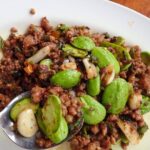
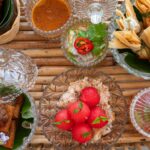
Next you shift into Southern Thai cuisine, where Thai and Indian spice influence can show up together—often with turmeric as one of the clues. Southern food can feel like it has more “structure” to the flavor: spicier, yes, but also more aromatic and grounded.
This stop tends to be a turning point for visitors who thought Thai food was only about chili heat. Southern Thai dishes often balance spice depth with a more complex fragrance profile, so pay attention to what hits first (aroma), what follows (salt/sour/sweet balance), and what lingers (spice warmth).
Stop 3: Isan (Northeastern) Food for the Flavor Turn
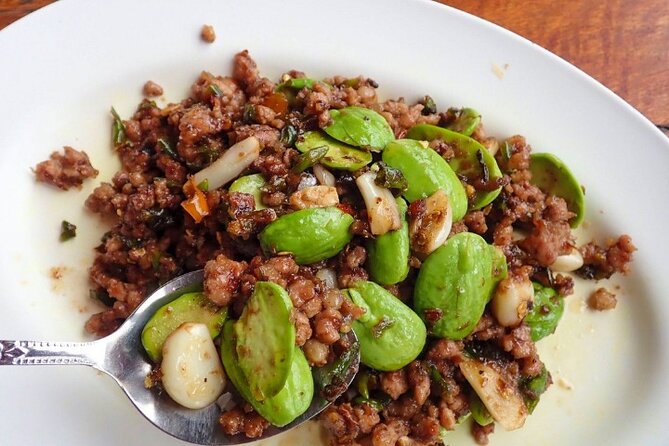
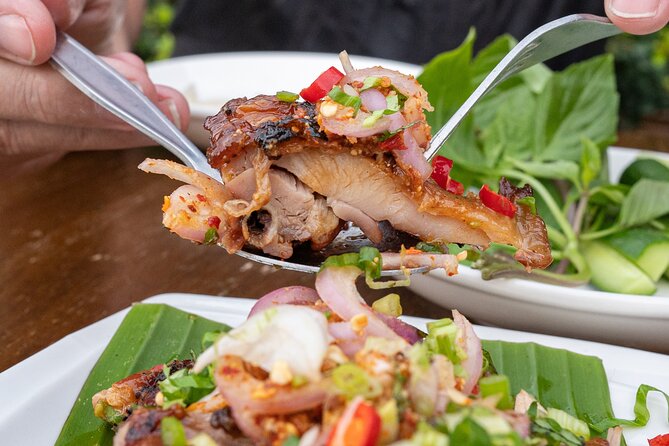
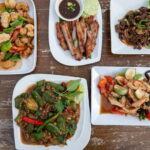
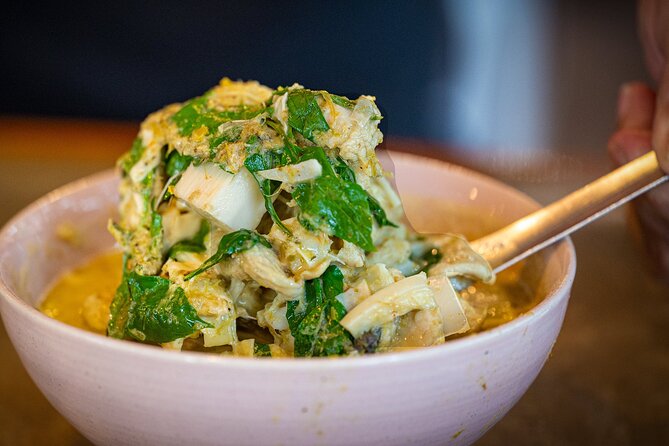
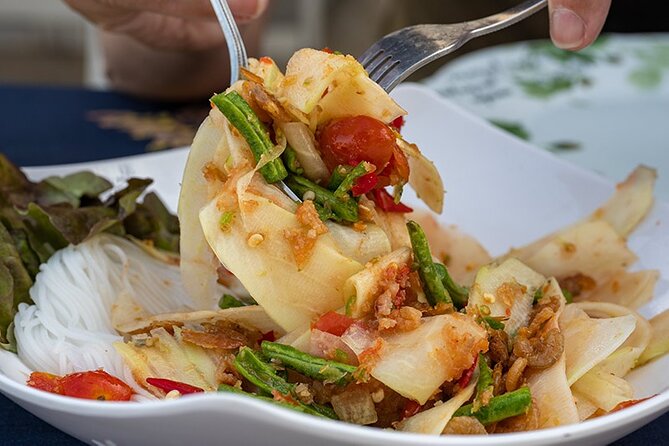
Then you go to Isan cuisine, which the tour describes as a flavor explosion. Isan food often travels with bold chili heat, tangy elements, and strong herbal notes. Even if you usually stick to mild Thai dishes, this is where you learn how Thai cooks make “fire” feel flavorful instead of one-dimensional.
This is also a good stop for asking questions. If the guide sees you’re cautious about spice, they can often explain what makes a dish taste intense—so you can decide whether to take the extra bite or slow down.
Stop 4: The Last Stop Chosen for Your Taste
The final stop is the payoff: hidden from the typical tourist radar, and chosen by the guide based on what you’re most interested in tasting. That means you’re not guaranteed a single exact dish, but the purpose is consistent—this is where the tour tries to match the food to your appetite and curiosity.
In past experiences, some groups have been served unusual items that you might not find on a standard menu, including a taste like blood soup. If you’re adventurous, this stop can be the highlight. If you’re not, ask the guide early what’s on deck and you can usually get guidance on what’s mild versus what’s truly intense.
How the Guide Makes the Food Make Sense
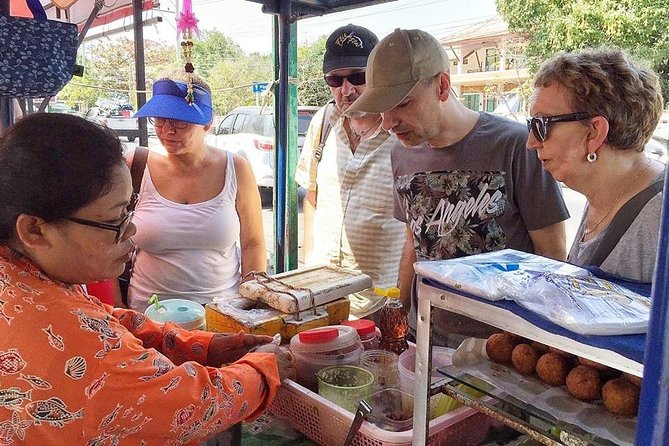
The best part of tours like this isn’t the list of foods—it’s the “why.” Here you get a licensed local English-speaking guide who explains cultural context behind recipes and points out how key ingredients work.
You’ll hear about Thai cooking mechanics, including:
- how chilis contribute more than just heat
- why peppercorns matter for aroma and warmth
- how spice blends are used to shape flavor instead of overpowering it
Guides like Belle and Cream show up in the kind of feedback that matters: people leave talking about the guide’s explanations and the way their food expectations expanded. Even if you don’t remember every ingredient name, you’ll start noticing patterns—for example, how a dish can feel fiery but still balanced, or how an aromatic herb changes the whole soup or curry.
The Value of Off-the-Tourist-Menu Choices
A lot of food tours say they go “local.” This one tries to do it through the structure: you start with a core regional dish style, then you move through southern Thai and Isan foods, and finally you end somewhere selected for your taste.
That last part matters. A generic food tour can end with you eating whatever is convenient. Here, the tour is designed to end with a place the guide feels is worth your time—plus they adjust it based on what you want to eat.
If you’ve ever been stuck in a restaurant where you can’t figure out what to order, this format is a relief. You’re not guessing. You’re being steered toward flavors you may never order on your own.
Alcohol, Water, and How to Pace Yourself
Water is included, which is great because these tastings can add up quickly—especially when you’re sampling multiple spice-heavy dishes.
Alcohol is not included, though it may be purchased. If you plan to drink, I’d treat it as an optional add-on, not part of the main plan. Heat + alcohol can turn a “fun spicy tasting” into an unpleasant burn, and you’ll enjoy the tour more if you can taste clearly.
Pacing tip: take smaller bites at the start, then decide your comfort level. The tour includes dishes that can range from mild to fiery, so it’s smart to avoid the all-in strategy from stop one.
Who This Tour Fits Best (and Who Should Skip)
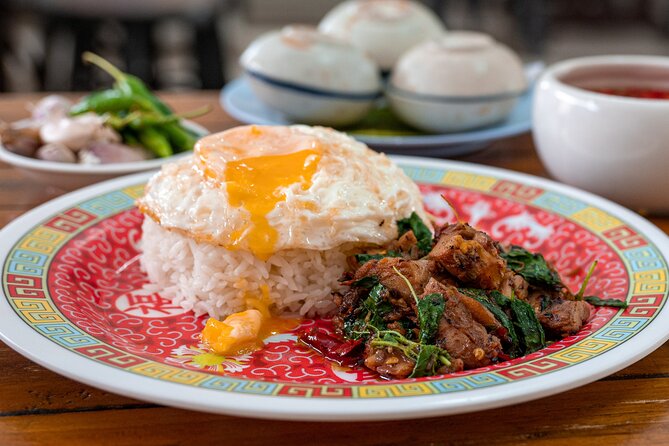
This is a strong match if:
- you love street food but want authentic regional variety
- you want a guided explanation of spices and ingredients
- you’re comfortable with some dishes that may be spicy
- you like small groups and don’t want to sprint between places
It’s not a good match if:
- you’re vegetarian, vegan, pescatarian, or need a strict gluten-free diet
- you have a nut allergy
- you need to avoid certain dietary ingredients—because the tour notes that restrictions can mean you may miss 2 to 4 dishes
If you have dietary needs, tell the operator when booking. The tour specifically asks for dietary restrictions in advance, and that advance info is what helps determine what can be adjusted.
Practical Tips So You Don’t Waste a Drop of Sauce
A few things I’d do if I were planning this afternoon:
- Bring an appetite: With 10 to 15+ tastings, you won’t want to eat a big breakfast and then wonder why you feel too full.
- Manage spice expectations: Mild to fiery is part of the plan. If you’re spice-shy, speak up early.
- Use the guide: Ask what ingredients you’re tasting. Even simple questions help you connect the flavor to the explanation.
- Plan for an early dinner: This tour can easily satisfy your main meal, so you might not need much later.
- Expect a small-group vibe: Up to 7 travelers makes it easier to adjust pacing and ask questions.
Also, don’t ignore the insurance requirement. You’ll need to provide your name and passport number so you’re covered under vehicle accident insurance. It’s required by Thai law and is described as confidential.
Should You Book the Real Jing Jing Thai Food Tour?
I’d book this if you want an afternoon food experience that feels more like a guided lesson in Thai cooking than a “grab-and-go” checklist. The strongest reasons to say yes are the regional focus (southern + Isan), the number of tastings, and the fact that the guide explains what you’re eating—chilis, peppercorns, spices, and the logic behind them.
I’d think twice if you’re on a restricted diet, especially if you need vegetarian/vegan options, gluten-free meals, or you have a nut allergy. This one is built around Thai dishes that likely include ingredients you may need to avoid.
If you like food that’s a little outside your comfort zone, this tour also has that excellent chance of ending with something memorable—sometimes even something surprising like blood soup—chosen by the guide based on what you want to try.
In short: if you’re in Hua Hin and you want a small-group, guided route through real Thai flavors, this is a very solid use of an afternoon.
FAQ
How much does the Real Jing Jing Thai Food Tour cost?
It costs $73.12 per person.
How long is the tour?
The tour runs about 3 hours 30 minutes.
How many tastings are included?
You can expect 10 to 15+ tastings and drink items (plus water), depending on group size.
What’s included in the price?
Included are the licensed local English-speaking Thai guide, all transport by local songtheaw, vehicle accident insurance, water, and 10 to 15+ tastings and drink items.
Is alcohol included?
Alcohol is not included, but it may be purchased.
Is this tour suitable for vegetarians or gluten-free diets?
No. The tour is not suitable for vegetarians, pescatarians, vegans, or people with gluten intolerance or nut allergies. If you have dietary restrictions, you should advise them when booking, and you may miss 2 to 4 dishes depending on the restriction.
Where do I meet, and what time does it start?
You meet at Hua Hin Clock Tower (HXC4+7VJ, Hua Hin) and the start time is 12:00 pm. The tour ends back at the meeting point.