REVIEW · HUA HIN
Hua Hin: 4 Corners of Thailand Food Tour
Book on GetYourGuide →Operated by Feast Thailand Food Tours · Bookable on GetYourGuide
Four regions, one hungry schedule.
This Hua Hin food tour strings together Thailand’s regional flavors in about 3.5 hours, starting with Isaan grilled dishes and ending with Central Thai Royal-style classics. I especially like how the stops aren’t just random meals; you can feel the differences in spice style, cooking methods, and even presentation as you move from region to region. I also like the mix of settings, from local-used spots to a calmer garden atmosphere that makes the tasting pace feel relaxed.
The main consideration is that this is a meat-and-spice-forward tour: it is not suitable for vegans, vegetarians, gluten intolerance, or nut allergies, and some dishes can be too spicy if you prefer mild food.
In This Review
- Key Things You’ll Notice on This Tour
- Hua Hin’s 4-Region Food Tour in About 3.5 Hours
- Isaan (North East): Where Grilled Meats and Spicy Salads Set the Tone
- Northern Thai in a Hidden Garden: Khao Soi and the Creamy Side of Comfort
- Southern Thailand’s Spice Logic: A Local Restaurant That Focuses on Flavor Build
- Central Thai Royal Cuisine at the End: Khao Chae and Green Curry, Refined
- Price and Logistics: What $85 Actually Covers
- Spice, Diet Rules, and How to Prevent a Taste Disaster
- How the Guide Helps: Food-First Explanations, English Included
- Settings and Expectations: Local Atmosphere Over Polished Fine Dining
- Should You Book the Hua Hin 4 Corners of Thailand Food Tour?
- FAQ
- Where does the tour meet?
- How long is the food tour?
- How many tastings should I expect?
- Is the tour suitable for vegetarians or vegans?
- Are alcohol drinks included?
- Is hotel pickup available?
Key Things You’ll Notice on This Tour
- Four Thai regions in one ride: Isaan (North East), Northern Thai, Southern Thai, then Central Thai
- About 15 tastings at 4 stops: plus drinks like soft drinks and water
- Garden and local-leaning venues: some places feel casual, but they’re the kind locals actually use
- Signature dishes you may not expect: Khao Soi and Khao Chae show how varied Thai comfort food can be
- A clear pace for sampling: air-conditioned transport keeps you comfortable between meals
Hua Hin’s 4-Region Food Tour in About 3.5 Hours
Hua Hin is a great base, but Thai food in Thailand isn’t one-style-only. This tour tries to fix that instantly by treating your meal like a map: North East first, then North, then South, and finally Central. You’ll start at the Hua Hin Clocktower meeting point, and the operator confirms the exact time the day before.
The group stays small (limited to 9), and you travel in air-conditioned comfort between stops. That matters because you’re not just sitting for one meal; you’re hopping between 4 different venues and sampling around 10 to 15+ items depending on group size. You’ll be supplied water, but you’ll want to come ready to eat since this is very much a tasting day, not a light snack.
Also: alcohol is not included. If you like pairing food with drinks, plan on buying your own, otherwise keep it simple and focus on the flavor differences.
You can also read our reviews of more food & drink experiences in Hua Hin

Isaan (North East): Where Grilled Meats and Spicy Salads Set the Tone
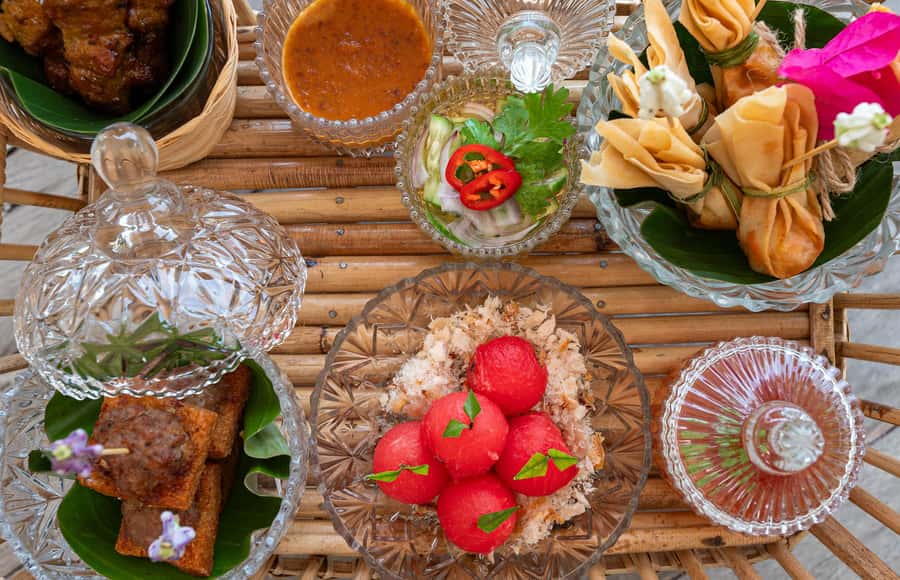
Your first taste leans hard into the Isaan (North East) identity. This region is known for grilled meats and spicy salads, and the tour starts there because it’s the easiest way to understand what Thai regional cooking feels like when it’s confident and direct.
The venue for the Isaan stop is described as a beautiful garden setting, but also one frequented mainly by locals. That combo is a big deal: you get a pleasant atmosphere, but it doesn’t feel like a stage set designed for tourists. For you, the practical benefit is that the food tends to taste like what people actually order, not what menus think you want.
How to approach this first stop: don’t wait until the end to start paying attention. I’d treat the first plates like calibration—notice how the heat shows up, how sour and salty balance the spice, and whether the salads taste more herbal, more tangy, or more smoky. If you love spice, you’re in the right place. If you don’t, this is still a good start because you can pace yourself across multiple dishes rather than being stuck with one intense plate.
Northern Thai in a Hidden Garden: Khao Soi and the Creamy Side of Comfort
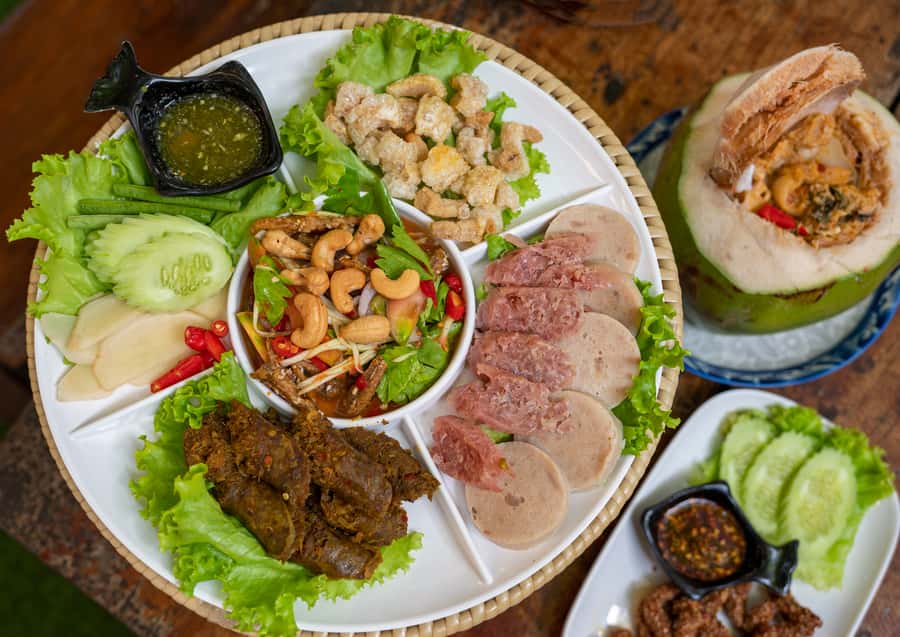
Next you move into Northern Thai territory, in a serene garden location that’s described as hidden and calm. This shift is the point. North East tends to hit fast and bold, while Northern Thai food often feels more layered—especially when noodles and curry meet.
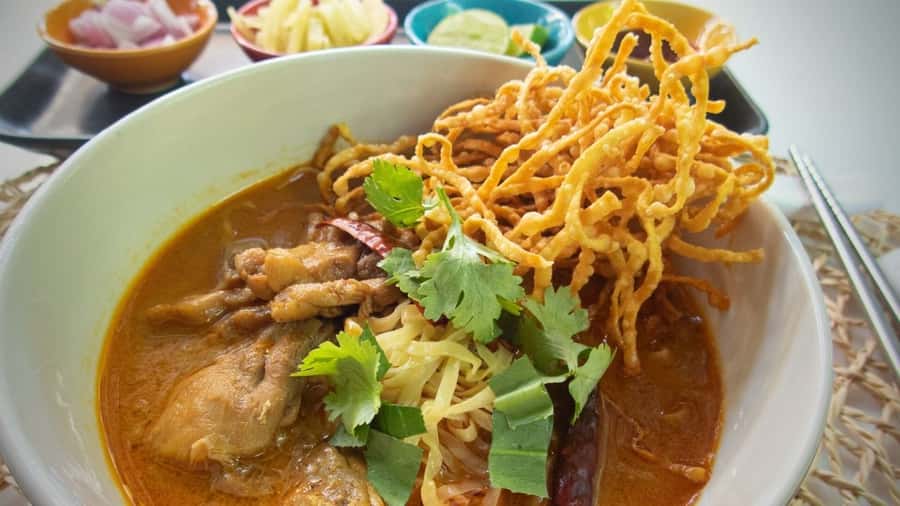
The star here is Khao Soi, Chiang Mai-style noodles. It’s described as reminiscent of laksa, which is useful context if you’re familiar with coconut-curry style flavors from other parts of Southeast Asia. On a tasting tour, this dish works because you get both texture and sauce in one bite: you can taste the noodle structure, then immediately sense the curry’s depth.
What I like about placing Khao Soi in a garden stop is that it slows your mind down. Between the bus rides and the fast intensity of Isaan, Northern Thai feels like a chance to notice details: the way spices soften, the way the dish feels richer than the first region, and how the balance changes from one bite to the next.
If you’re the type who wants to understand what you’re eating, ask the guide what makes this style different from other green or red curry styles you might have tried before. Even if the explanation is brief, you’ll leave with better mental categories for future meals in Thailand.
Southern Thailand’s Spice Logic: A Local Restaurant That Focuses on Flavor Build
Southern Thai cooking often surprises people who think Thai food is only about heat. Here, the next stop is a local restaurant specializing in Southern flavors, with a focus on how different spices build the final taste.
This is where you start noticing that not all Thai spice tastes the same. Northern spice can feel more rounded; Isaan spice can feel sharper and more salad-driven; Southern spice often feels more aromatic and developed through careful blending. Even when the dishes look similar on the table, the flavor logic changes from region to region.
At this point, I recommend you taste in order from lighter to heavier rather than grabbing your favorite first. If something tastes intense, don’t instantly assume it’s hotter—sometimes it’s simply more scented or more deeply spiced. Water helps, but your best tool is your attention: try to identify whether the dish hits you with chili first, then salt/sour, or whether it lands with aroma and then heat.
One more practical thing: Southern food can be more complex, so it’s worth taking smaller bites when you’re offered multiple items. That way you actually taste the differences instead of just reaching your personal heat limit.
Central Thai Royal Cuisine at the End: Khao Chae and Green Curry, Refined
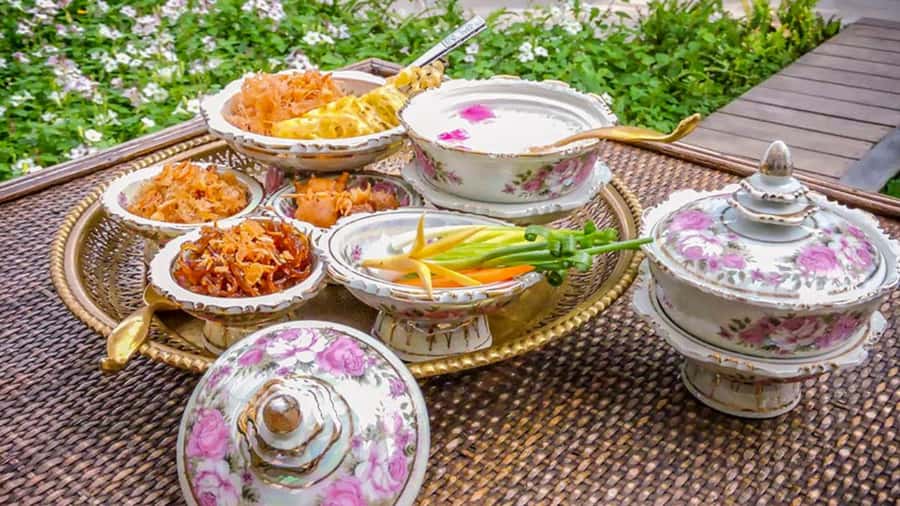
The tour finishes with Central Thai food, including Royal Thai Cuisine presented in a way you don’t see every day. The setting is described as magnificent, and that matters because Royal Thai dishes often rely on elegance—presentation and timing are part of the experience, not just decoration.
You’ll try Khao Chae: rice in cool fragrant water, which is the kind of dish that can feel strange at first. The idea is simple, but the execution is unusual: instead of rice being hot and steamed, it’s served in a cooled, scented water context. Expect it to challenge your taste buds, and treat it like a tasting experiment rather than a test of whether you like rice.
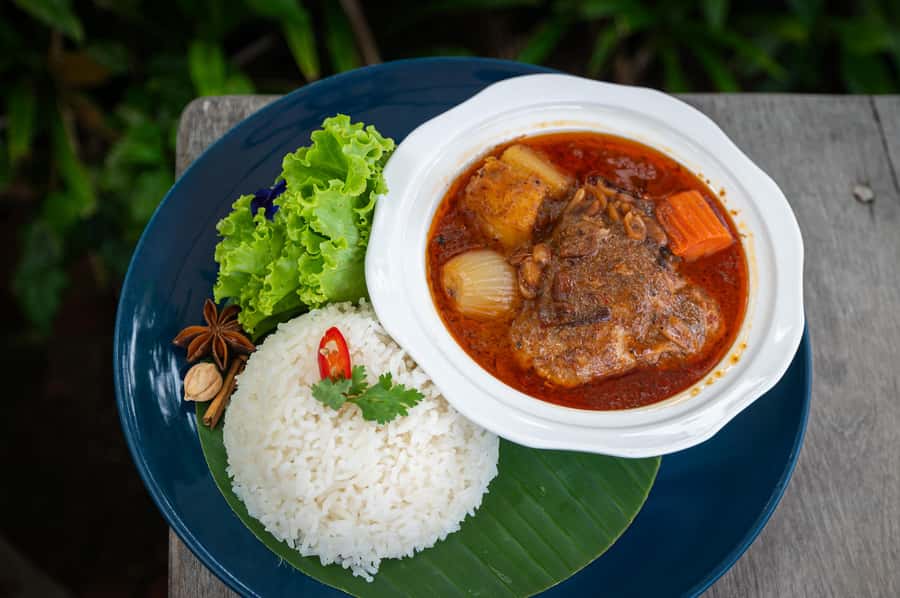
Then you’ll move to Gaeng Kieow Wan: Green Curry. Many people have had green curry before, but Royal Thai versions are described as refined and elegantly presented, with a brilliant depth of flavor. The difference you’re looking for isn’t just heat; it’s balance and finesse—how the curry tastes more complete, less harsh, and more composed.
This end stop is where the tour’s value really shows for first-timers. In one afternoon you’ve seen Thai food move from grilled and spicy salads to creamy Northern comfort to Southern spice blending, and finally into Central Royal refinement. If you’ve ever wondered why Thai cuisine feels both familiar and constantly surprising, this is a solid answer.
A few more Hua Hin tours and experiences worth a look


Price and Logistics: What $85 Actually Covers
The price is $85 per person, for a 210-minute tour. That’s not cheap in a budget-travel sense, but it is also not just paying for food—you’re paying for structure.
Included in your ticket:
- An English-speaking Thai tour guide
- 10 to 15+ tastings and drink items depending on group size (with 15 tastings at 4 restaurants included)
- Water
- Air-conditioned transportation during the tour
- Vehicle accident insurance
What’s not included: alcoholic drinks, tips, and hotel pickup/drop-off (though pickup can be arranged for a fee).
So is it worth it? For you, the value usually comes down to whether you want a guided regional comparison without spending the whole day planning. If you’re in Hua Hin for a short time, paying for the ride, guide, and multiple stops is often smarter than trying to build a 4-meal tasting route yourself. If you’re the type who prefers free-flowing, restaurant-hopping at your own pace, you might feel the price more directly. But if you want the “Thailand taste by region” concept, this is a fair deal.
Spice, Diet Rules, and How to Prevent a Taste Disaster
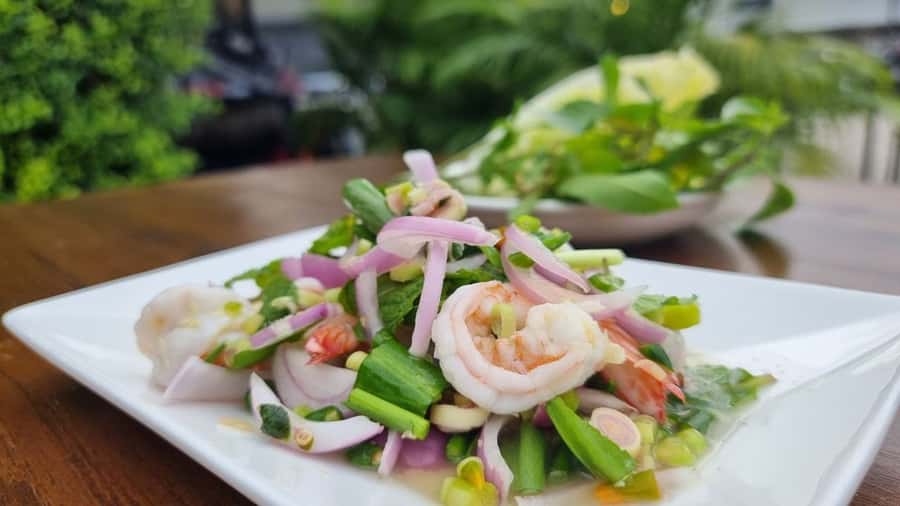
This tour is not suitable for vegetarians, pescatarians, vegans, people with gluten intolerance, or anyone with nut allergies. If you have dietary needs beyond that, you’re advised to mention them when booking, and some dishes may be missed (for example, restrictions like no pork).
That matters because tasting tours live or die on momentum. If you’re forced to skip too many items, the experience can lose its rhythm and you might feel like you’re watching rather than tasting. If your diet includes only a narrow set of foods, you’ll likely struggle.
Spice is also a real factor. Even people who enjoy Thai heat can find some dishes very spicy, but the best strategy is to eat progressively: take smaller bites across multiple dishes, drink water, and use the tour’s variety to avoid getting overwhelmed by any one plate.
One more point: it runs rain or shine, and you’ll be outdoors or near open-air spaces at some stops. Breathable clothing helps you stay comfortable, so you can focus on tasting instead of sweating through the experience.
How the Guide Helps: Food-First Explanations, English Included
You’ll have an English-speaking Thai guide, and that’s the main communication support during the tour. In a tasting setting, the guide’s value shows up in small ways: pointing out what makes each dish regional, explaining what you’re eating, and keeping the pacing smooth across multiple venues.
That said, don’t assume this is a classroom lecture on Thai food culture. Some guides may focus more on the food itself than the deeper cultural history behind each region’s differences. For you, the takeaway is simple: ask targeted questions. If you want cultural context, ask about what technique or spice style marks each region.
In a small group (up to 9), you’re more likely to get quick answers and less likely to feel rushed. If you care about understanding the “why,” engage early, not only at the end.
Settings and Expectations: Local Atmosphere Over Polished Fine Dining
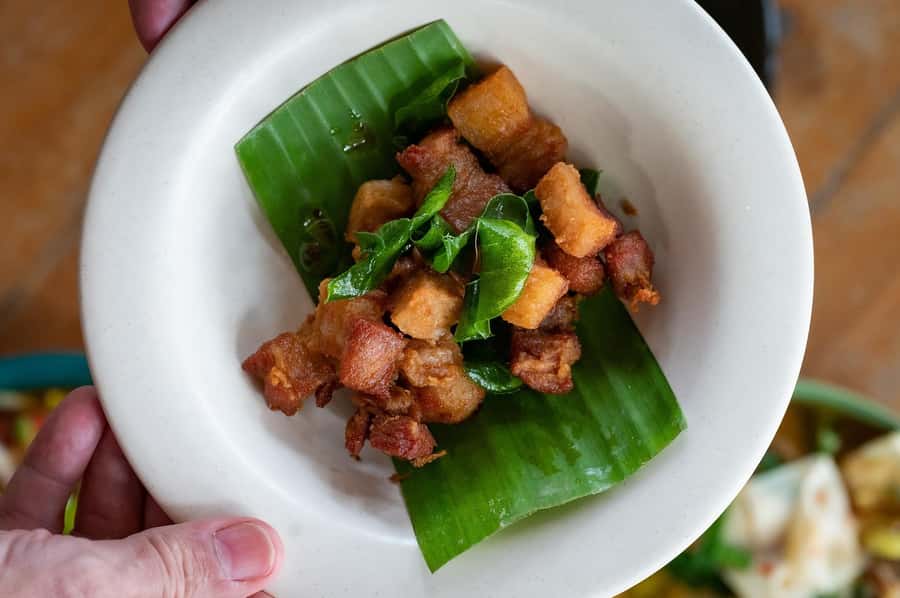
One thing to calibrate is atmosphere. Some stops are described as local-used venues, and at least one segment of the tour can feel more casual than you might expect from a “special dining” experience.
This isn’t automatically bad. For me, the upside of casual settings is that you’re more likely to eat what people actually order. The downside is that the experience can feel less controlled—shared vibes, busy energy, and fewer “sit and admire” moments.
So go with the right goal. This is about differences in flavor, not about achieving a perfect Instagram dining montage. If you want the finest table service, you’ll probably prefer a different type of tour.
Should You Book the Hua Hin 4 Corners of Thailand Food Tour?
Book it if you want a structured way to taste Thailand by region in about 3.5 hours, you enjoy spice, and you’re happy to eat meat-forward dishes. It’s a smart choice for first-timers to Thai regional cuisine who don’t want to spend the day researching restaurants.
Skip it if you’re vegetarian, vegan, gluten intolerant, or have nut allergies, because the tour isn’t designed to adjust widely. Also skip it if you expect a super-deep cultural lecture at every stop, because the main focus is still food tasting and practical guidance.
If you go in hungry, ready for some heat, and willing to taste unfamiliar items like Khao Chae, you’ll come away with a clearer sense of why Thai food tastes so different across Thailand’s regions.
FAQ
Where does the tour meet?
The meeting point is at the Hua Hin Clocktower. The meeting time is confirmed the day before.
How long is the food tour?
The tour duration is 210 minutes.
How many tastings should I expect?
You’ll get 10 to 15+ food tastings and drink items depending on group size, and 15 food tastings at 4 restaurants are included in the ticket price.
Is the tour suitable for vegetarians or vegans?
No. This tour is not suitable for vegetarians, pescatarians, or vegans.
Are alcohol drinks included?
No. Alcoholic drinks are not included.
Is hotel pickup available?
Hotel pickup and drop-off is not included, but pickup can be arranged for a fee if you contact the operator.