REVIEW · BANGKOK
Thai culture and Bangkok local life guided bike tour
Book on GetYourGuide →Operated by Follow Me Bike Tours · Bookable on GetYourGuide
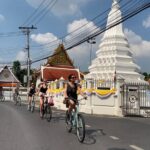
Bangkok looks different from a bicycle seat. This guided ride threads Talat Noi, Chinatown, and Bangkok’s river life into one smooth 4-hour route, with photo stops and real chances to see how people eat, pray, and shop. You’ll pedal through tight lanes, pause for small cultural moments, and end with a breezy ferry crossing.
I especially like the way the guide keeps the trip human-sized and easy to follow—small group energy, clear explanations, and routes that avoid the worst chaos. I also like the memorable on-bike-to-temple rhythm: street-food stops plus a hands-on moment feeding turtles and making an offering to Buddha. One possible drawback is that this is truly a ride-you-have-to-ride tour, so if you can’t cycle confidently, you’ll feel the strain.
If you’re steady on a bike, this tour is a fast way to understand Bangkok beyond the postcard sights. If you’re not, consider booking something on foot or with less cycling. Comfortable cycling skills matter here, and the pace can shift a bit based on the group.
In This Review
- Key highlights you’ll feel from the start
- Cycling Bangkok’s back streets: why it’s better than a quick drive-by
- Finding the meeting point and what the day actually asks of you
- Talat Noi on two wheels: shophouses, temples, and a shrine moment
- Chinatown’s maze: market stops and street-food snacks without the stress
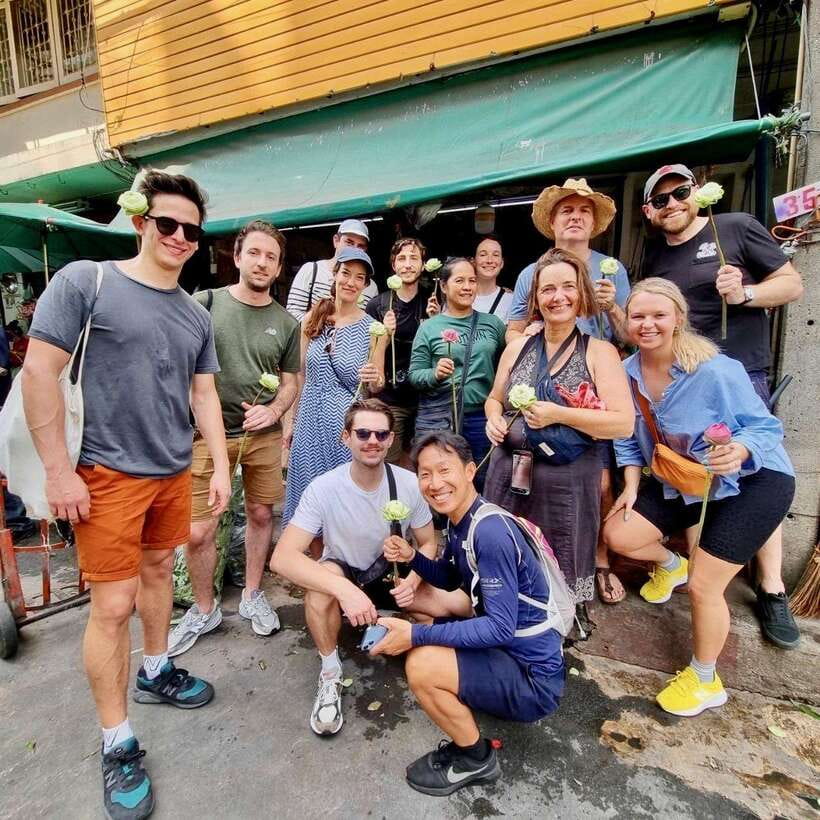
- Pak Khlong Talat and Wat Kanlayanamit: huge flowers and quick sensory overload
- Wang Burapha Phirom and Wat Kalayanamitr Varamahavihara: photo stops with real meaning
- Old capital temple grounds: feeding turtles and making an offering to Buddha
- The river cycle path and the 15-minute ferry crossing
- Price and value: what $41 buys you in real terms
- Who should book this, and who should choose something else
- Tips to get the most out of the ride
- Should you book this Bangkok bike tour of Talat Noi, Chinatown, and the old capital?
- FAQ
- How long is the bike tour?
- What is the price per person?
- Where do I meet the tour?
- What’s included in the price?
- What’s not included?
- Do I need to know Thai?
- Does the tour operate in rainy weather?
- Is the tour suitable for kids and families?
Key highlights you’ll feel from the start
- A small group (max 8) that helps you actually learn the neighborhood rhythm
- Talat Noi’s Chinese shophouses, temples, and a shrine moment with an offering
- Chinatown market time with street-food snacks and photo breaks
- Pak Khlong Talat flower market, known for huge fresh blooms and strong scents
- Old capital temple stop for turtle feeding and an offering to Buddha
- River cycling plus a short ferry ride for a real change of pace
Cycling Bangkok’s back streets: why it’s better than a quick drive-by
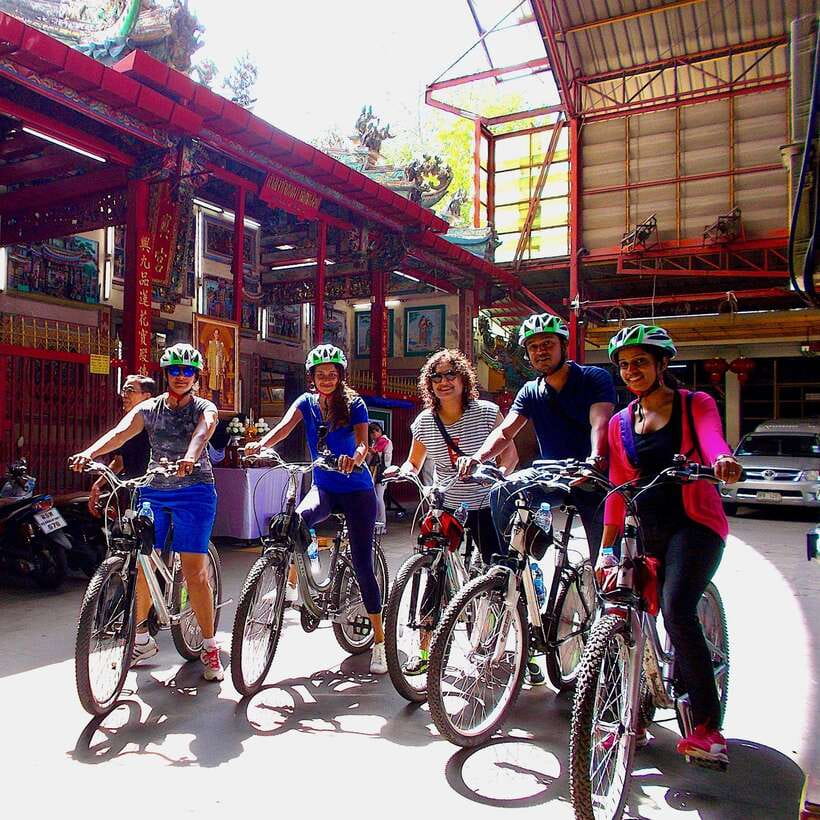
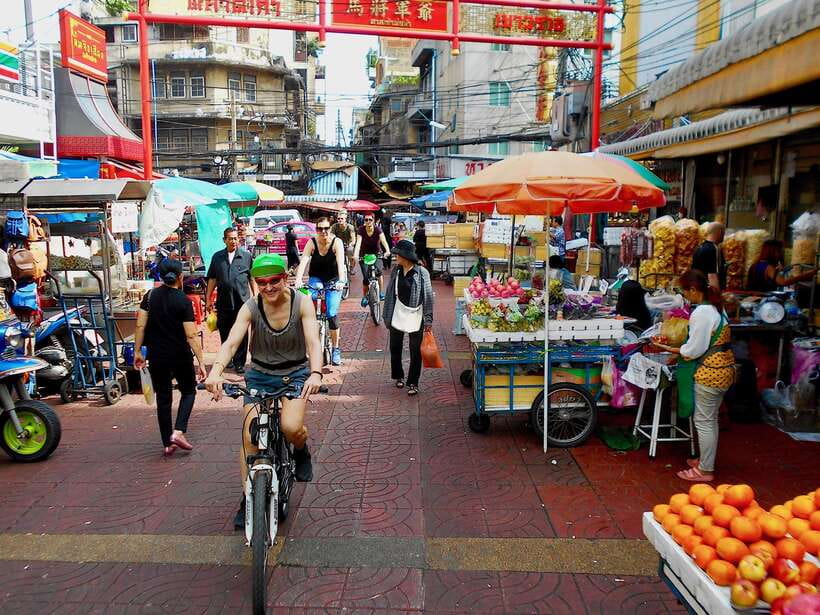
Bangkok is loud, fast, and full of details. From a car, you skim the surface. From a bicycle, you slow down just enough to notice things you’d otherwise miss: how shopfronts spill into sidewalks, how neighbors interact at a temple gate, and how markets work in short bursts through narrow lanes.
This tour is built around that idea. In four hours you cover multiple “micro-Bangkok” zones—Chinese-influenced Talat Noi, the market energy of Chinatown, flower-buyer territory, then quieter temple grounds and the river. It doesn’t try to cram in everything. It chooses stops where a pause is worth it, then connects them with a bike route that feels like local travel, not sightseeing on autopilot.
The other big difference is the guide. People are often impressed by how guides like Khun Mem and Ti explain what you’re seeing—history, religion, and everyday life—without turning it into a lecture. You get context for why people do what they do, from shrine offerings to temple etiquette, and you’re not just holding a camera and guessing.
You can also read our reviews of more cycling tours in Bangkok
Finding the meeting point and what the day actually asks of you
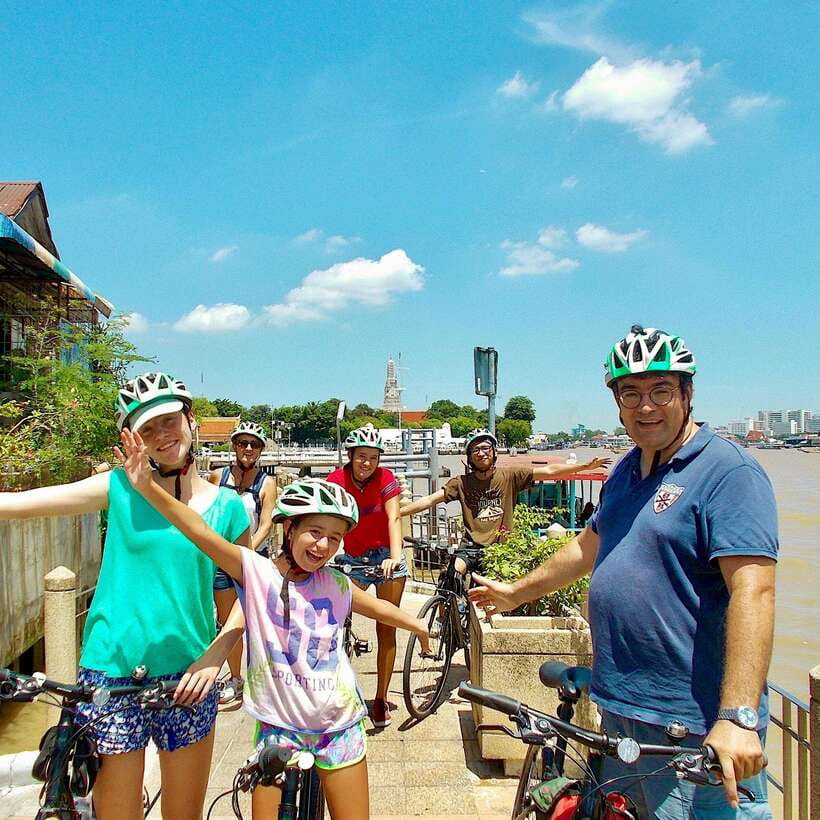
You start at Loftel Station Hostel on Rama 4 Road in Bangrak (368/1-3). If you’re coming from Hua Lampong MRT, take exit 4 and walk about two minutes (against traffic) toward the elevated roadway. Look for the four-story dark blue building next to the rail line. By taxi, it’s easiest to show the Thai address text provided so the driver knows the exact spot.
What to bring is simple: comfortable shoes and your passport (a copy is accepted). Expect at least some uneven pavement and busy crossings, because you’re moving through neighborhoods where people live, not museum-style streets. Wear clothing you can cycle in and pack a small day bag for water or personal items. Helmets are supplied, and you’ll be safer and less stressed if you actually wear them from the first minute.
Also keep in mind the weather reality. The tour runs in all conditions. Bangkok rain is often local and short, and you’ll get free rain ponchos if needed. Plan for a brief shower, not an all-day downpour.
Talat Noi on two wheels: shophouses, temples, and a shrine moment
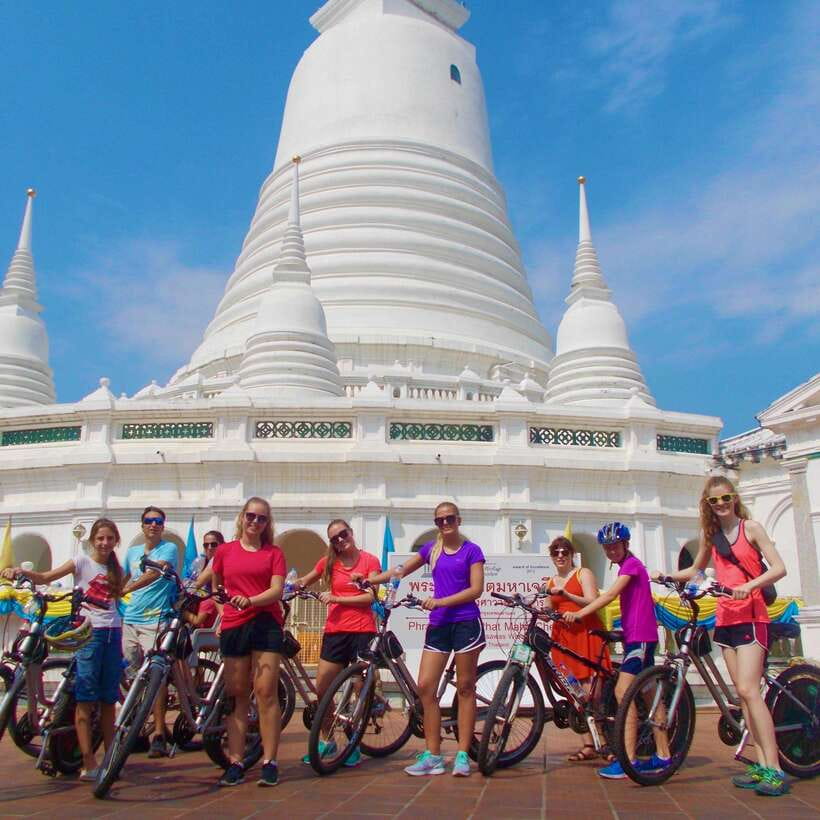
The ride begins in Talat Noi, a neighborhood tied to Chinese immigrant history and known for traditional Chinese shophouses and temples. This is one of those areas where street life feels older and more layered than the modern skyline. On the bike, you can get close to the details: tiled storefronts, temple corners, and those small street-level places where community meets spirituality.
You’ll stop around a local lane at 758 Soi Phanu Rangsi for a photo moment and a quick look around. Then the tour takes a more personal turn with a visit to a local Chinese shrine. Here, you’ll make an offering to the deity as a wish for good health and protection. That’s not just a photo opportunity—it’s a chance to see religion as daily practice, not a once-in-a-lifetime event.
Even if you don’t know Thai or Chinese customs well, the guide’s job is to help you do the gesture correctly and at the right time. The value is that you learn the “why,” not just the “what.” And you’ll likely come away with a better sense of how faith and neighborhood life overlap in Bangkok’s older areas.
Chinatown’s maze: market stops and street-food snacks without the stress
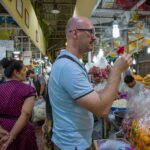
After Talat Noi, the tour shifts into Chinatown energy. Here you move through lively market stalls and busy pedestrian areas, but on a bike your route can keep you moving while still letting you stop where it counts. There are break times and photo stops, so you don’t feel like you’re sprinting between sights.
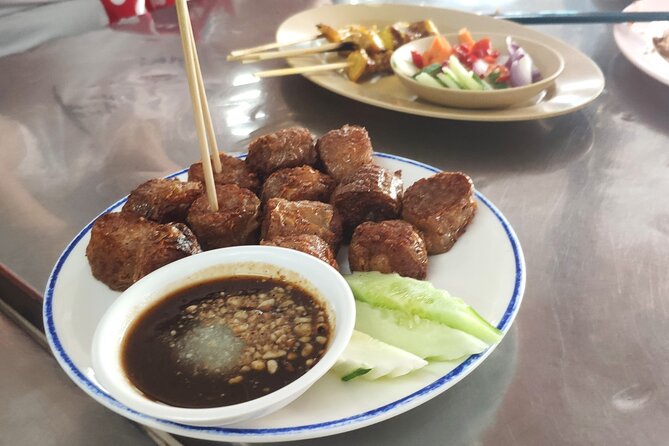
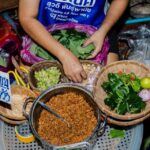
The best part is how food fits naturally into the rhythm of the walk-and-cycle route. You’ll get street-food snacks during the stop, which is a practical way to sample local tastes without doing the whole “figure it out yourself” thing when you’re tired and hungry.
This is also where the guide’s skill matters most. In a market, it’s easy for a group to get separated or for someone to feel stuck behind slower walkers. A good guide keeps everyone oriented and helps you read what you’re seeing—what’s being sold, why certain foods are common there, and how people move through the space.
Pak Khlong Talat and Wat Kanlayanamit: huge flowers and quick sensory overload
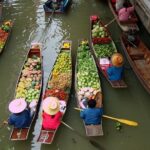
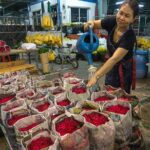
One of the strongest stops is the flower market area at Pak Khlong Talat – Wat Kanlayanamit. This is described as Bangkok’s biggest fresh flower market, and you’ll feel it the moment you arrive. Stalls line up with flowers and arrangements in a way that makes you understand how important fresh blooms are in Thai life—from temple offerings to everyday celebrations.
This segment includes a break and photo stops. You’ll have time to look closely at the colors and the different flower types, and you’ll notice how quickly the air becomes scented once you’re close to the stacks of fresh product. If you’re the type who likes detail shots, this is prime territory.
A practical note: flowers look gorgeous, but you may get close to dirt-level things—stems, buckets, vendor traffic. Keep your camera safe, and don’t wear your “best” light-colored outfit unless you don’t mind a little market dust.
You can also read our reviews of more guided tours in Bangkok
Wang Burapha Phirom and Wat Kalayanamitr Varamahavihara: photo stops with real meaning
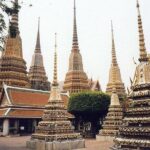
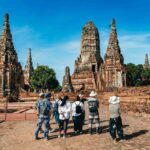
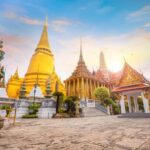
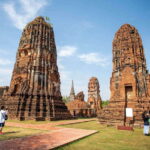
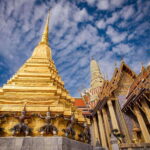
The ride continues with shorter pauses that still feel purposeful. You’ll have a photo stop at Wang Burapha Phirom, then later visit Wat Kalayanamitr Varamahavihara with a photo stop and a visit.
Temple stops are where you slow down and absorb the quiet contrast after the market noise. The guide’s explanations—especially on religious significance and cultural etiquette—are usually what make these moments stick. People often rate the guides highly because they answer questions and explain what you’re looking at in plain terms, not tourist jargon.
If you’re hoping for a “quick look” only, temples can feel like waiting. But if you want to understand how Thais practice belief in everyday life, this is one of the best spots to ask questions and learn what matters locally.
Old capital temple grounds: feeding turtles and making an offering to Buddha
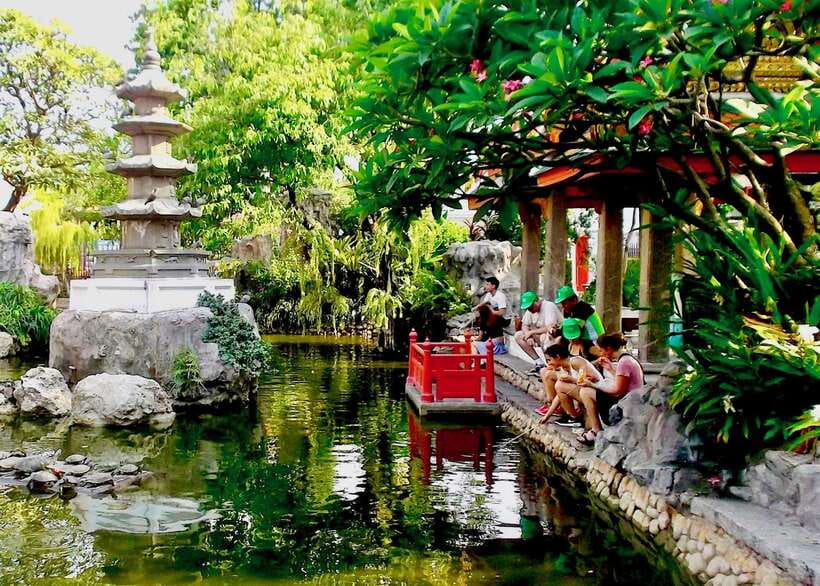
Then comes the most hands-on moment of the tour: you’ll head to the old capital of Thailand area and spend time around temple grounds with a tranquil atmosphere. Here, you can feed turtles—a simple activity, but it changes the mood fast. It’s one of those experiences that makes the tour feel personal, not just educational.
The tour also includes a moment where you make an offering to Buddha. That matters because it’s not framed as a performance; it’s presented as respectful practice tied to cultural meaning. The guide helps you understand what the offering represents and the basic etiquette around the moment.
This is also where the tour gives you room to breathe. After cycling through busy streets, temple grounds bring you back to human scale—slower movement, fewer distractions, and a chance to watch how others behave and offer.
The river cycle path and the 15-minute ferry crossing
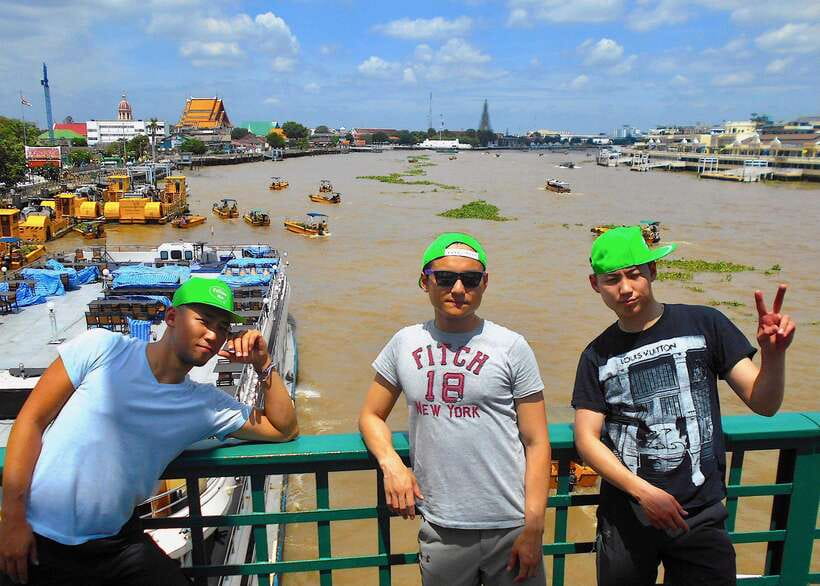
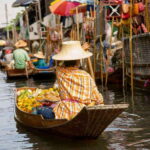
Cycling back along the river gives your body a break and gives your brain a different view of Bangkok. You’ll ride on a river cycle path, passing through local communities away from the most crowded tourist spots. This isn’t just scenic—it’s useful. You start to notice how neighborhoods connect to water and daily routes instead of treating the river like a background postcard.
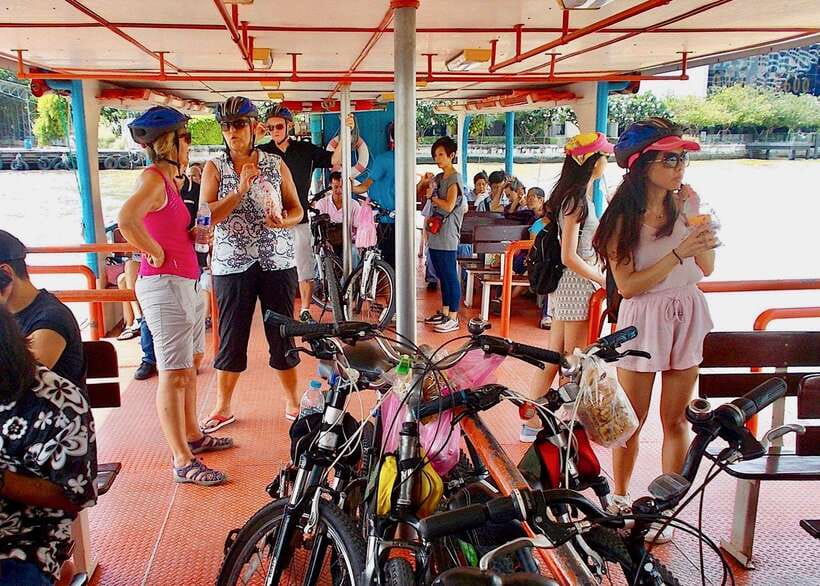
Near the end, you cross the river by ferry (about 15 minutes). That ferry ride is a nice reset: the wind, the movement, and the quick change in perspective. It also helps break up the bike portion so you don’t finish the tour feeling completely spent.
When you arrive back at the meeting point, you’ll likely feel like you’ve seen a Bangkok that exists beyond the standard map. The river segment is a key reason why.
Price and value: what $41 buys you in real terms
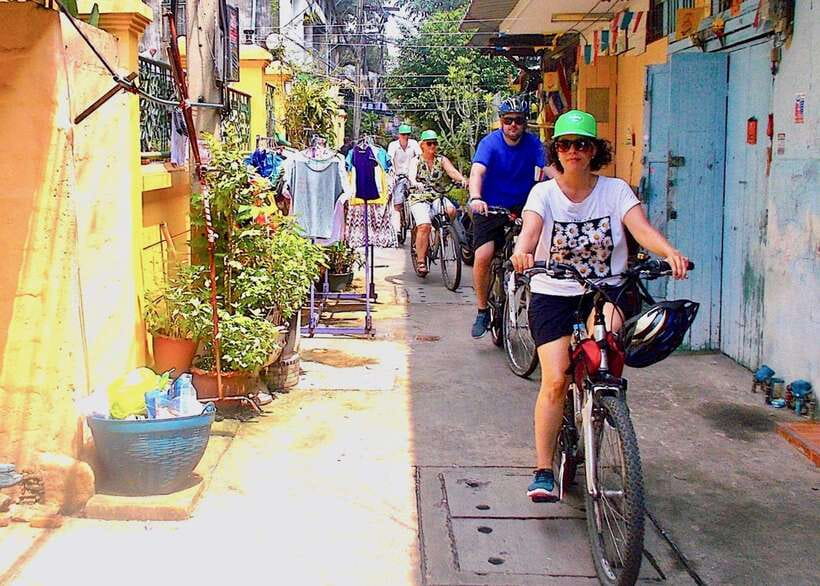
At $41 per person for a 4-hour tour, this is strong value if you care about guide guidance and time efficiency. The cost isn’t just “cycling rental.” What you get includes adult bicycles, cold water and a soft drink, street-food snacks, all entrance fees, and a ferry crossing. Helmets are provided too, and you’ll have a live English-speaking Thai guide.
That’s what makes it feel fair: you’re paying for logistics and interpretation, not just movement. Without a guide, you’d still be able to ride around Bangkok—but you’d spend more time figuring out routes, translating signs, and deciding where to stop. Here, the route choices handle the busy parts for you and turn stops into meaningful moments.
Also, small group size matters for value. Limited to 8 participants, the guide can keep watch, manage pacing, and still give everyone attention. If you’ve ever been stuck behind one slow group on a “tour,” you’ll appreciate why this is priced the way it is.
Who should book this, and who should choose something else
This tour is a great match for you if:
- You can ride a bike confidently on busy streets and don’t mind some uneven surfaces.
- You want real neighborhood texture: temples, markets, local street food, and river life.
- You like guides who explain culture and answer questions, not just point and shoot.
It’s less ideal if:
- You can’t ride a bike or you’re uncomfortable with traffic flow.
- You’re looking for a purely landmark-based itinerary with long indoor stops.
For families, there’s flexibility. Children can ride in the provided setup: children’s bicycles suitable for a minimum height of 120cm, and there are child carriers (up to 18kg and max height 115cm) with an adult accompanying the child.
Tips to get the most out of the ride
A few small choices will make the day smoother:
- Wear comfortable clothing you can cycle in, and bring layers if you’re sensitive to temperature swings.
- Use the breaks. The tour isn’t just about pedaling; it’s about the pauses that connect you to the place.
- Ask questions when the guide stops at shrines and temples. That’s where you gain context fast.
- Expect traffic-adjacent moments. You’re cycling through everyday Bangkok, so keep an easy pace and let the guide set rhythm.
If you’re coming from the MRT area, give yourself a few minutes extra to locate the dark blue building next to the elevated roadway. Starting on time makes the whole route feel better.
Should you book this Bangkok bike tour of Talat Noi, Chinatown, and the old capital?
Book it if you want the best mix of local street life and guided cultural stops in one efficient half-day. This tour is strong for people who like markets, temples, and learning through doing—especially the turtle feeding and Buddha offering moments that make the day feel more than sightseeing.
Skip it if you’re not a confident cyclist or you want a low-effort day. Also, if you hate walking a bit through market crowds even briefly, you might find the Chinatown segment a challenge.
If you’re on the fence, here’s the deciding question: do you want Bangkok’s texture you can feel at street level, from a bike seat? If yes, this tour is an easy choice.
FAQ
How long is the bike tour?
The tour lasts 4 hours.
What is the price per person?
The price is $41 per person.
Where do I meet the tour?
You meet at Loftel Station Hostel, 368/1-3 Rama 4 Road, Mahapruettaram, Bangrak, Bangkok 10500. From Hua Lampong MRT take exit 4 and walk for about 2 minutes against traffic. Look for the four-story dark blue building near the elevated roadway.
What’s included in the price?
Included are an English-speaking Thai guide, cold water and a soft drink, adult bicycles, children’s bicycles (minimum height 120cm), child carriers (up to 18kg and max height 115cm), safety helmets, ferry crossing, street food snacks, and all entrance fees.
What’s not included?
Hotel pickup and drop-off are not included.
Do I need to know Thai?
No. The tour includes a live English-speaking guide (and Thai as well).
Does the tour operate in rainy weather?
Yes. The tour runs in all weather conditions. Rain is often local and short, and free rain ponchos are provided.
Is the tour suitable for kids and families?
Kids must be accompanied by an adult. The tour provides children’s bicycles suitable for a minimum height of 120cm, and child carriers with limits of 18kg and 115cm height.