REVIEW · KRABI
Krabi: Traditional Thai Cooking Class
Book on GetYourGuide →Operated by Anda Krabi Seatour · Bookable on GetYourGuide
Thai cooking, but taught like a craft.
This Krabi class is interesting because you get hands-on instruction on Thai herbs and spices, not just a quick tasting. I love the way the instructor keeps the steps clear in English, and I also like the small-group setup that makes it feel practical, not crowded. One consideration: the kitchen runs hot over the woks, so plan to go in ready to work up a sweat.
The format is simple: you’re guided through choosing your dishes, cooking them on individual woks, and then eating what you make. I especially like that you can tailor the outcome—many dishes can be made vegetarian and even adjusted to be non-spicy.
The one drawback to watch: you’re limited on what you can bring. Leave big bags at the hotel because luggage and large bags aren’t allowed.
In This Review
- Key Highlights You’ll Actually Feel During This Class
- Krabi Cooking Class Vibe: Hands-On, Small-Group, and Built for Flavor
- Choosing Your Dishes: The Menu Options by Time Slot
- Morning (9:00 AM) options include
- Afternoon (1:00 PM) options include
- Late afternoon (2:00 PM) options include
- Evening (6:00 PM) options include
- Vegetarian and non-spicy choices
- What Happens During the Cooking Session (and Why It Feels Authentic)
- The pace and the heat factor
- Pickup, Transfer, and Drop-Off: How the Logistics Work in Ao Nang
- The Real Value: What Your $57 Actually Buys You
- Ingredient Learning You Can Use at Home (Even If You’re Not a Big Cook)
- Best Fit: Who Should Book This Class in Krabi
- Tips to Make the Day Easier (and Better Food Results)
- Should You Book the Krabi Traditional Thai Cooking Class?
- FAQ
- How long is the Krabi traditional Thai cooking class?
- What time slots are available?
- How many dishes do I cook?
- Can I make the dishes vegetarian or non-spicy?
- What languages is the class taught in?
- Is there hotel pickup and drop-off?
- What if my hotel is outside Ao Nang?
- How big is the group?
- What should I bring and wear?
- Is it okay to bring luggage or large bags?
- Is it suitable for kids?
Key Highlights You’ll Actually Feel During This Class
- Small group (up to 8) means you get real attention while you cook
- English instruction keeps the process understandable, even if Thai cooking feels new
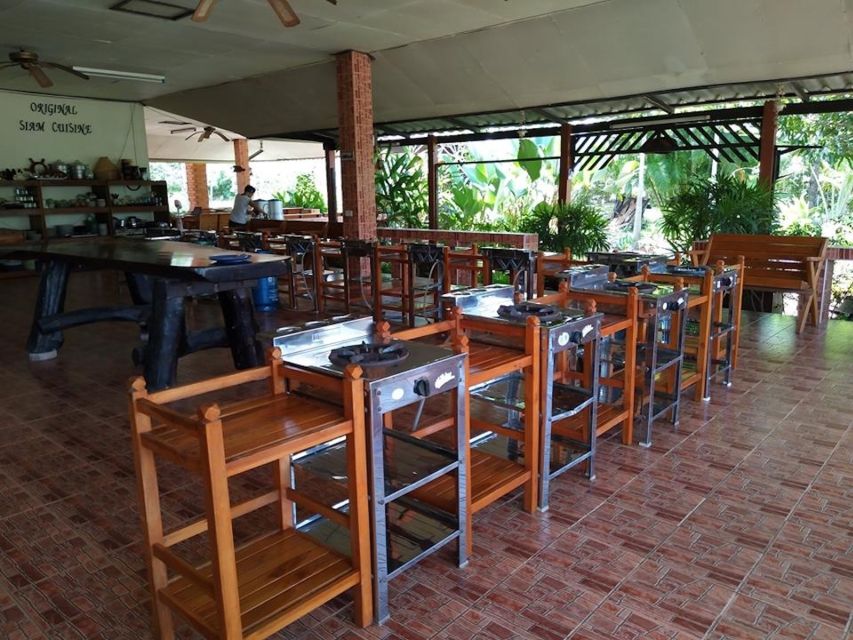
- Individual gas-fired woks make the cooking feel hands-on and authentic
- Pick-your-dishes flexibility: you choose from a big menu across multiple time slots
- Vegetarian and non-spicy options help you match the flavors to your preferences
- Take-home cookbook supports the best part: cooking these dishes again at home
Krabi Cooking Class Vibe: Hands-On, Small-Group, and Built for Flavor
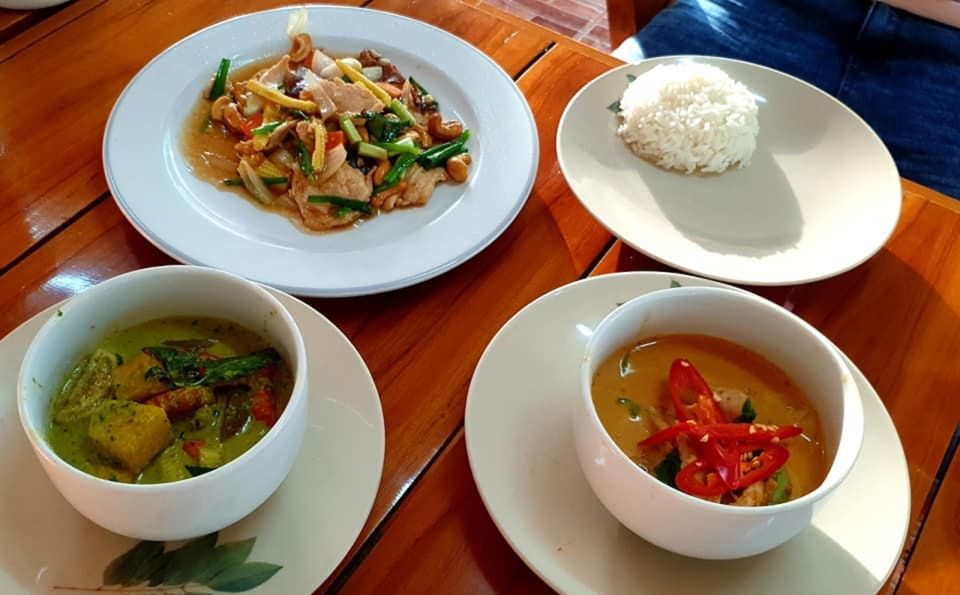
If you love Thai food (and who doesn’t), this class is the fast track to understanding why it tastes the way it does. You don’t just learn recipes. You learn the logic—how herbs, aromatics, and spice blends work together to create the signature balance Thai cuisine is known for.
The “small group” detail matters more than you’d think. With a maximum of 8 participants, you spend less time watching and more time cooking. That also helps with pacing. The kitchen gets busy, but your station stays usable, and the instructor can correct small technique issues before they become big mistakes.
One more thing I like: you’re not boxed into a single menu. Across the day, there are several dish lists. That means you can often pick what you actually crave—curry lovers can go one direction, noodle and stir-fry fans can go another.
You can also read our reviews of more cooking classes in Krabi

Choosing Your Dishes: The Menu Options by Time Slot
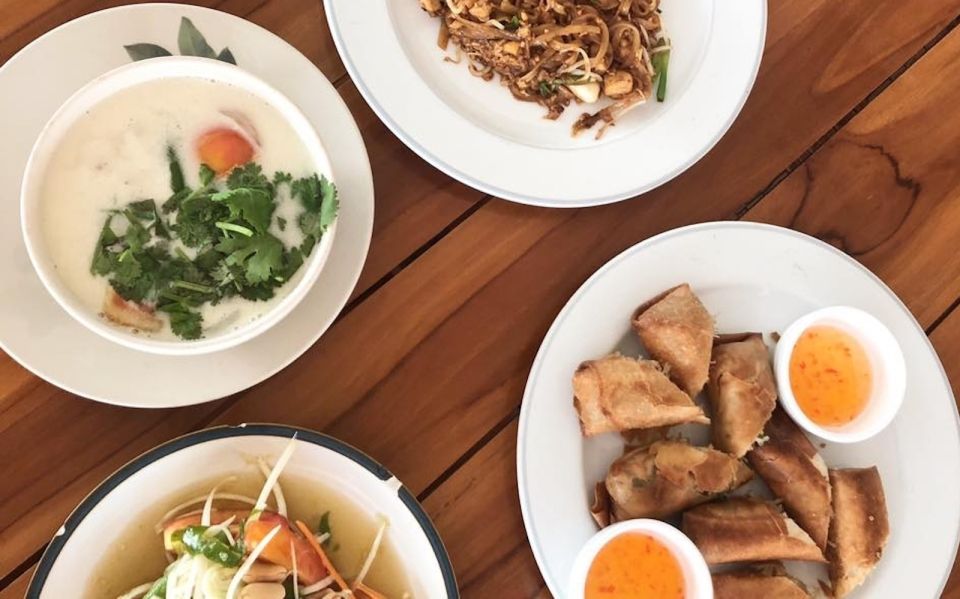
You’ll select dishes from a structured list, and you choose multiple dishes per person. The class is positioned around choosing four dishes, and the way it plays out can result in cooking a lot more than that depending on the time slot and how the class flows. Either way, plan on eating well.
Here’s what the menu offers when you pick your session:
Morning (9:00 AM) options include
You can go classic with curries, soups, and noodles. Options include Massaman curry, red curry chicken with vegetables, Tom Yam Goong (spicy prawn soup), Pad Thai, and Lab Kai (chicken mint salad). There are also stir-fries like chicken with cashew nuts and fried rice with chicken/vegetables.
Afternoon (1:00 PM) options include
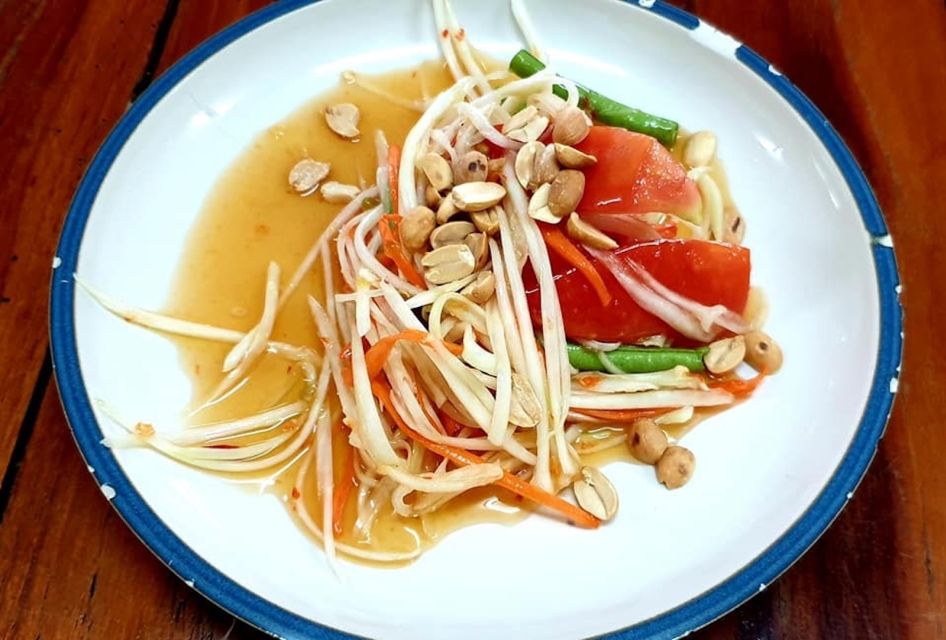
This slot leans into variety: spring rolls, mango sticky rice, several curry choices (green curry, Panang curry), Pad Thai again, and Thai basil stir-fry with chicken. You can also choose Som Tam (papaya salad) and stir-fried morning glory.
Late afternoon (2:00 PM) options include
You get another set that overlaps the most popular flavors: curry pastes, green curry, Panang curry, Pad Thai, Som Tam, and Tom Kar Kai (chicken in coconut milk). There’s also Thai basil stir-fry with chicken and a couple of stir-fry options.
A few more Krabi tours and experiences worth a look





Evening (6:00 PM) options include
Evening is a nice match for comforting, aromatic dishes: curry pastes, green curry, Panang curry, Pad Thai, Som Tam, Thai coconut chicken (Tom Kar Kai), Thai basil stir-fry, stir-fried morning glory, and mango sticky rice.
Vegetarian and non-spicy choices
This is where the class feels genuinely traveler-friendly. The dishes can be made vegetarian and can be made non-spicy if you want a milder version. That’s important because Thai food is full of flavor even when spice is turned down—so you’re still learning what matters.
Practical tip: when you’re picking, try to mix categories. Pair one curry with one salad or stir-fry. That way you learn how different Thai flavor profiles behave, not just one style of cooking.
What Happens During the Cooking Session (and Why It Feels Authentic)
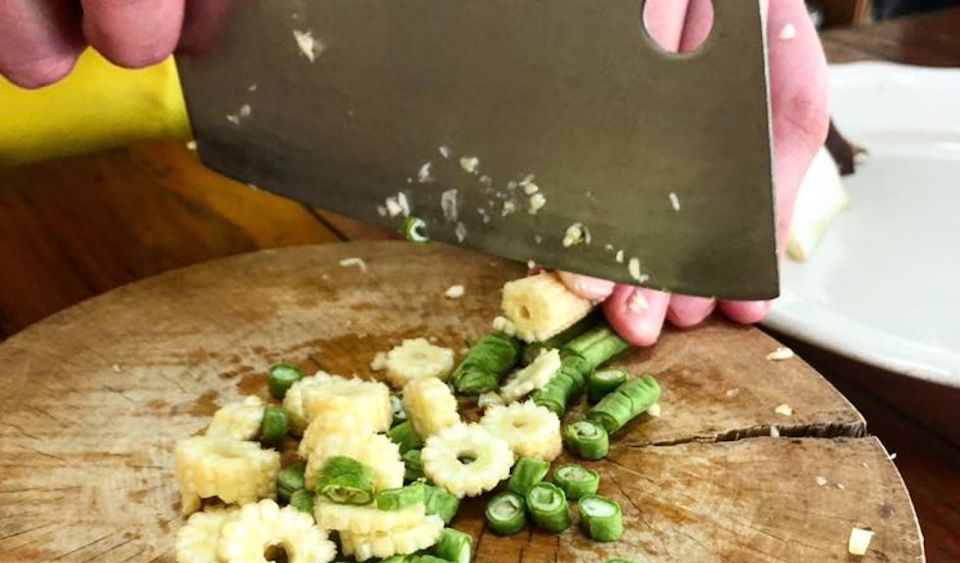
The main event is the cooking itself, guided by an English-speaking instructor. You’ll work through herbs, spices, and ingredients that define Thai flavor, and you’ll follow step-by-step instruction while cooking your chosen dishes.
One review-based detail I’d take seriously: many people loved cooking on individual gas-fired woks. That means you’re not just watching a chef do everything. You’re actively participating, and the cooking feels more like a real kitchen workflow than a demo.
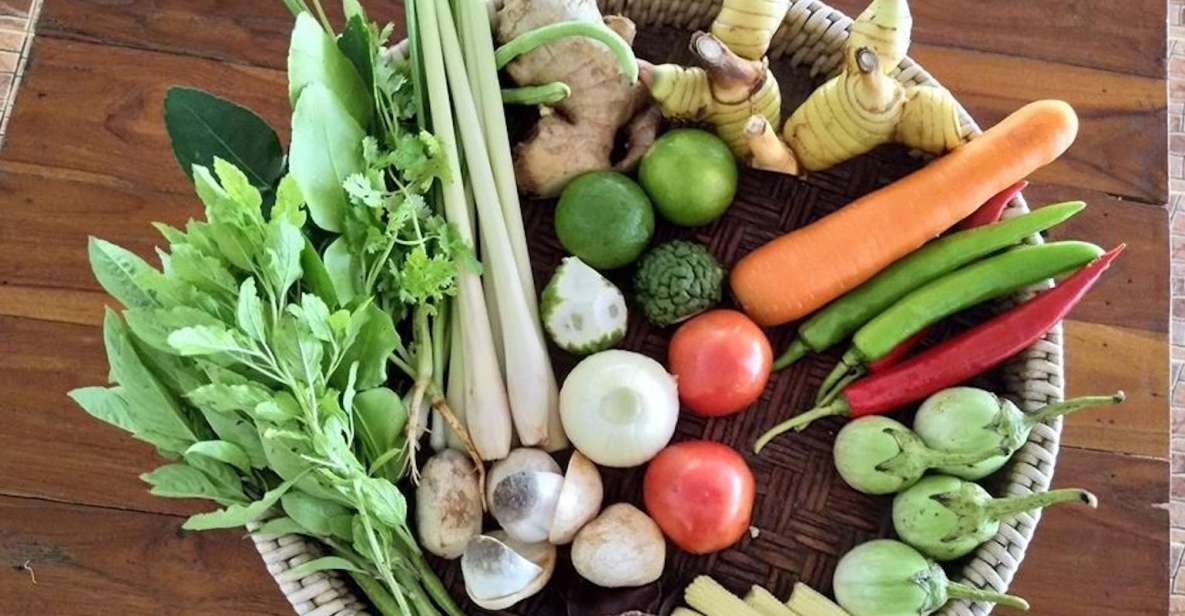
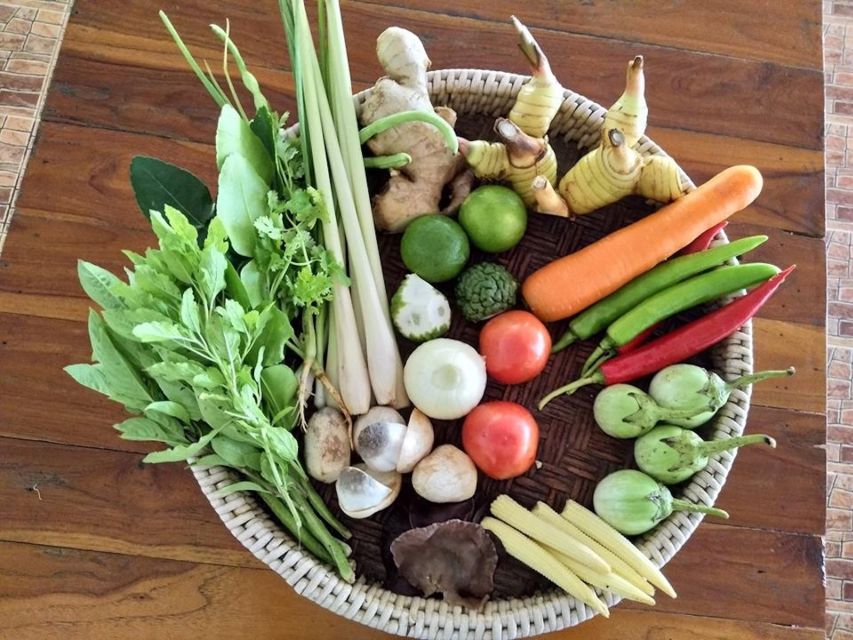
You’ll also get a strong ingredient focus. In Thai cooking, a lot of the flavor comes from aromatic building blocks—fresh herbs, spice blends, and key prepared elements. Learning what those are (and how they’re used) helps you recreate the taste later instead of guessing from memory.
The pace and the heat factor
Plan for intensity. The woks can get very hot, and the kitchen environment can feel warm. There are fans, but you should still dress for sweat and expect the session to be hands-on.
If you tend to get uncomfortable in heat, choose your clothes with airflow in mind. Comfortable shoes also matter here because you’ll be standing and moving around your station.
Pickup, Transfer, and Drop-Off: How the Logistics Work in Ao Nang
This class is designed around staying near Ao Nang, and hotel pickup is included only from Ao Nang hotels. You’ll be gathered and transported by car, then dropped back in the same general area after class.
You should know two things:
1) Pickup and drop-off are tied to specific zones (Ao Nang and nearby areas like Nong Thale and Panurat).
2) If you’re staying farther out—like Klong Muang, Tubaek, or a hotel on Railay—there can be an additional fee.
A big plus is that the small-group setup and included transfers make this easy to fit into a vacation day. No awkward self-navigation once you’re picked up.
One constraint to plan around: luggage or large bags aren’t allowed. If you’re traveling light, great. If you’re not, use your hotel storage and bring only what you need for the class.
The Real Value: What Your $57 Actually Buys You
At $57 per person, the headline number isn’t the whole story. The value comes from three combined factors:
1) You eat what you cook. Portions are generous, and the class produces a lot of food in a short time window. That lowers the usual “am I getting my money’s worth?” fear that comes with paid tours.
2) You get guided technique, not just recipes. The instructor’s job is to help you understand steps, ingredients, and flavor logic. You’ll be able to repeat at least the core methods at home, not just follow a printed card.
3) You take home a cookbook. People consistently highlight that they receive a recipe book at the end with the dishes they cooked, plus extra recipes. For me, that turns the class from a one-day activity into a kitchen resource.
Also, you’re not paying for a giant crowd experience. Limited capacity means you’re not fighting for attention while your food cools.
If you want a cooking class as a memory and a tool, this is one of the better setups for that in the Krabi area.
Ingredient Learning You Can Use at Home (Even If You’re Not a Big Cook)
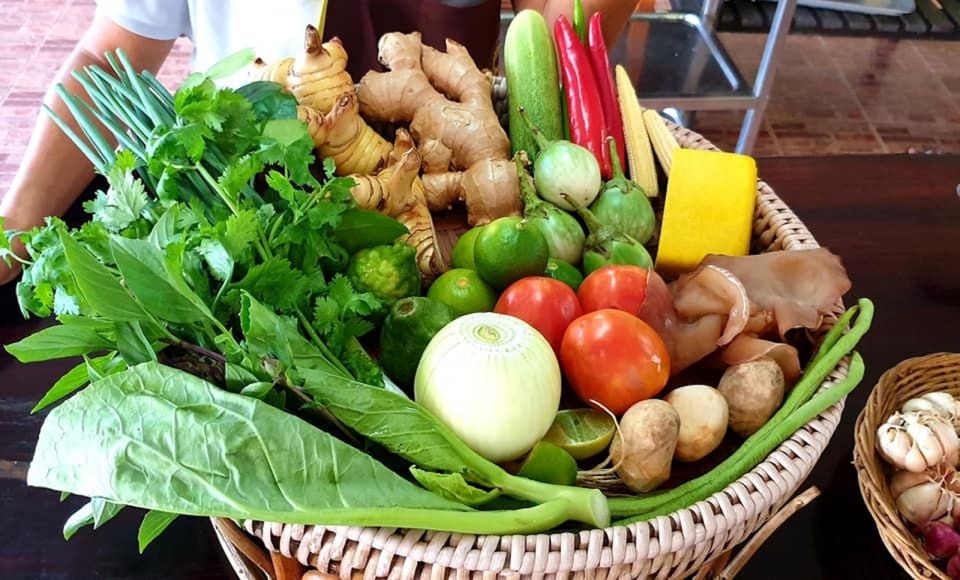
The best part of Thai cooking classes isn’t memorizing steps—it’s learning what to buy and what to pay attention to.
In this class, the ingredient education is the backbone:
- You learn about Thai herbs and spices that set dishes apart.
- You see how aromatics and spice blends contribute to the final taste.
- You get guidance that makes the process less intimidating, even if you’re not used to cooking Thai food.
A practical takeaway: when you recreate these dishes later, you’ll be less tempted to rely on shortcuts. Instead, you’ll know what the dish is built from. That’s the difference between a meal that tastes like effort and a meal that tastes like Thai.
And because you can choose non-spicy versions, you can tailor what you practice at home. You get to learn the flavor without needing to recreate intense heat.
Best Fit: Who Should Book This Class in Krabi
This class is a strong match if:
- you like Thai food and want to understand it, not just eat it
- you want a small-group experience in a real working kitchen
- you’re cooking-curious, including if you’re a beginner
- you want vegetarian or milder versions without giving up flavor learning
It’s also a good choice for couples and friends because pickup and a shared class structure make it feel like a planned activity, not an improvisation.
Who should think twice:
- If you dislike heat or standing for a few hours, the wok area may be uncomfortable.
- If you need to bring large luggage, you’ll be blocked. Plan to travel light for this day.
Tips to Make the Day Easier (and Better Food Results)
Here are the small things that change your experience fast:
- Go in hungry. The class is designed so you end up with plenty to eat, and you’ll enjoy it more when you’re ready for that amount.
- Wear comfortable shoes and clothes. You’ll be near the cooking stations and in warm conditions.
- Plan your spice choice when you pick dishes. If you choose non-spicy versions, you’ll still learn the ingredients and flavor balance.
- Pick a “range” of dishes. One curry plus one salad or stir-fry helps you understand Thai flavor variety.
Should You Book the Krabi Traditional Thai Cooking Class?
Yes, if you want a cooking class that’s practical, structured, and small-group enough to feel personal. The biggest reasons to book are the hands-on wok cooking, the English instruction, the flexibility to choose dishes, and the fact that you leave with a cookbook you can actually use.
If you’re primarily shopping for a casual souvenir, this might feel like work. But if you want to come home with technique, ingredient knowledge, and meals you can repeat, this is a very solid pick.
FAQ
How long is the Krabi traditional Thai cooking class?
The duration is 3.5 hours.
What time slots are available?
There are morning (9:00 AM), afternoon (1:00 PM), late afternoon (2:00 PM), and evening (6:00 PM) options.
How many dishes do I cook?
You choose dishes from the menu. The class is described as choosing four dishes per person, and the session can result in cooking a larger amount depending on the time slot and class flow.
Can I make the dishes vegetarian or non-spicy?
Yes. All dishes can be made vegetarian or non-spicy to suit your preference.
What languages is the class taught in?
The instructor speaks English.
Is there hotel pickup and drop-off?
Yes, hotel pickup and drop-off are included from Ao Nang hotels.
What if my hotel is outside Ao Nang?
Pickup is included only from Ao Nang hotels. Klong Muang, Tubaek, and hotels on Railay may require an additional fee.
How big is the group?
It’s limited to a small group of up to 8 participants.
What should I bring and wear?
Bring comfortable shoes and comfortable clothes.
Is it okay to bring luggage or large bags?
No. Luggage or large bags aren’t allowed.
Is it suitable for kids?
It’s not suitable for children under 12 years old.