REVIEW · BANGKOK
Private – China Town Walking Tour incl. secret herbal drink
Book on Viator →Operated by SiamRise Travel · Bookable on Viator
Chinatown rewards slow steps and good questions. This private Bangkok Chinatown walk, run by SiamRise Travel, mixes a tuk tuk ride with guided market wandering and a hands-on stop for a secret herbal drink. What I liked most is how smoothly the day connects the busy streets of Yaowarat with the Thai-Chinese side of Bangkok, without turning it into a checklist.
Two standouts: the small group size (6 people or fewer) keeps the pace human, and Bow’s in-depth explanations make the neighborhoods feel understandable fast. One thing to consider is meeting accuracy: the meeting spot is right by BTS National Stadium (exit 2), and if your guide points to a specific storefront, you’ll want to match it exactly so nobody has to hunt.
In This Review
- Key points before you go
- A tuk tuk start that gets you oriented fast in Bangkok Chinatown
- Sampeng Market and Song Wad Street: wholesale Bangkok at street level
- Yaowarat jewelry lanes to the Chinese herbs market and secret herbal drink
- Wat Mangkon Kamalawat: the Chinese Buddhist temple that anchors the neighborhood
- Ban Kao Lao Rueng and Charoen Chai: joss paper made the old way
- What $96.22 really buys: guide time, tuk tuk, snacks, and entrances
- Price and logistics: meeting points, timing, and the easiest way not to get stuck
- Who this private Chinatown tour suits best
- Should you book this Chinatown walk with SiamRise Travel?
- FAQ
- How long is the Bangkok Chinatown walking tour?
- Is this a private tour, and how many people are in the group?
- What time does the tour start?
- Where do I meet the guide?
- Where does the tour end?
- Which stops are included in the itinerary?
- Is the tuk tuk ride included?
- What’s included with the price?
- Are meals included?
- Is the tour suitable for most people?
Key points before you go

- Up-close Chinatown, not just sightseeing: you’ll walk the wholesale streets, alley markets, and community lanes on foot
- Tuk tuk ride included: it’s built in from the start, so you don’t waste time arranging transport
- Secret herbal drink stop: you’ll reach the Chinese herbs market and get a chance to try an authentic herbal drink
- Most important Chinese Buddhist temple: Wat Mangkon Kamalawat is part of the route, with context from your guide
- Joss paper craftsmanship story: Ban Kao Lao Rueng / Charoen Chai focuses on paper offerings tied to Thai-Chinese traditions
A tuk tuk start that gets you oriented fast in Bangkok Chinatown
A lot of Chinatown tours drop you into the middle of Yaowarat and hope you can figure it out. Here, the day begins with a traditional tuk tuk ride that essentially resets your brain: you get a quick sense of direction, then transition into walking while your guide is still shaping the story.
This matters because Chinatown is dense. Even if you’re street-smart, the smells, shop signs, and narrow lanes can make you feel like you’re always one turn away from being lost. With a guide, you spend less time guessing and more time noticing details.
You can also read our reviews of more walking tours in Bangkok
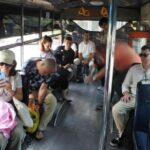
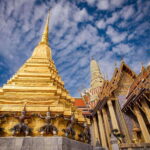
Sampeng Market and Song Wad Street: wholesale Bangkok at street level
Your walk starts with Sampeng Market, after you set off from the meeting area and head toward the Chinatown zone. The first stretch follows Song Wad Street, where wholesale goods dominate the scene—think focused shopfronts built for supply chains, not tourist browsing.
Then you reach Sampeng Market, described as the first wholesale market in Bangkok. This is a great stop if you want to see how commerce works locally: the energy is practical, the storefronts are purposeful, and the atmosphere feels like it belongs to workers and shop owners, not photo-only visitors.
Tips that help here:
- Wear shoes you can walk in for a few concentrated blocks.
- Bring your camera, but also slow down—some of the best visuals are signs, packaging, and side details rather than the biggest storefronts.
Yaowarat jewelry lanes to the Chinese herbs market and secret herbal drink
Next comes the Yaowarat feel of Chinatown—especially the jewelry and accessory scene. You’ll cross Yao Wa Rat Street and see long rows of gold, jewelry, and accessory shops, so the neighborhood’s trading identity hits you right away.
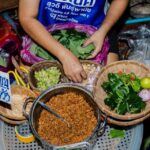
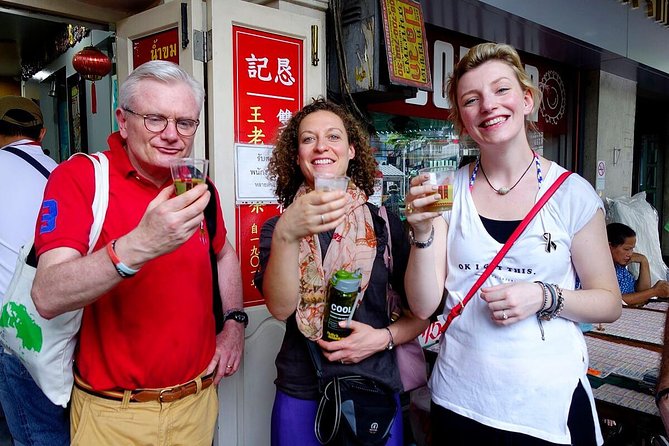
After that, you slip into a smaller alley to reach the Chinese herbs market. This is where the tour earns its name in a real way: you’re invited to try an authentic herbal drink. It’s the kind of stop you usually only find if you’re willing to wander off the main sights, and it’s one of the most memorable parts of the afternoon.
Practical advice: if you’re cautious with strong flavors or unusual ingredients, take the time to ask what it is and taste a small amount first. You’re there for the story and the local habit, not a dare.
Wat Mangkon Kamalawat: the Chinese Buddhist temple that anchors the neighborhood
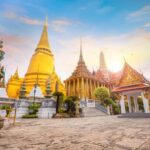
From the market streets, you cross Charoen Krung Street to visit Wat Mangkon Kamalawat. This temple is presented as the most important Chinese Buddhist temple in Bangkok, and your guide explains what the faith means for Thai-Chinese communities.
What makes this stop valuable is the commentary. You’re not just looking at architecture—you’re learning how belief shows up in everyday life in this neighborhood. That context changes the way you read the place, from a landmark into a living religious site with long roots in the area.
How to be respectful without overthinking it: follow your guide’s lead and observe what locals do. If people are moving quietly or standing back, copy that rhythm.
Ban Kao Lao Rueng and Charoen Chai: joss paper made the old way
The final major highlight is Ban Kao Lao Rueng in the Charoen Chai community area. Here you walk down a narrower alley off Bangkok’s oldest street and get a look at a craft tradition that has continued for over a century.
The details are specific and worth paying attention to. You’ll see shiny gold and red envelopes used for Chinese lunar new year gift-giving, yellow flags and food trays connected to the annual vegetarian festival, and elaborate paper offerings that relate to traditional Chinese funerals.
This is one of those cultural stops that feels surprisingly human. Paper offerings sound small until you realize they carry meaning, timing, and emotion for families. Even if you don’t buy anything, you’ll leave understanding why these items matter to the community.
You can also read our reviews of more private tours in Bangkok
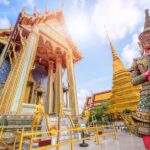

What $96.22 really buys: guide time, tuk tuk, snacks, and entrances
At $96.22 per person for about 3 hours, the value depends on what you hate about DIY. If you’ve ever tried to navigate Chinatown with traffic noise, unclear walking routes, and too many storefronts, you’ll understand why this format works.
You get:
- An English-speaking guide with in-depth commentary
- A tuk tuk ride (included)
- Drinking water plus coffee and tea, with snacks
- Entrance fees for the listed activities
- Bus fee as part of the experience
- Travel insurance
Then there’s the private-group angle. Even when a tour is labeled private, some are still effectively large-group experiences. Here, the small group limit (6 or fewer) keeps it conversational, and your guide can slow down when you actually want to ask questions.
One more real-world note: one participant described a small local fee of 150 THB linked to parts of the outing, including local bus and a beverage component. Since that detail isn’t part of the main price breakdown you see up front, I’d still keep a little extra cash handy just in case you encounter a minor add-on during the day.
Price and logistics: meeting points, timing, and the easiest way not to get stuck
The tour starts at 1:00 pm. Your meeting point is BTS National Stadium, on the street level at exit 2, and you’ll end at MRT Wat Mangkon Station.
Because the meeting is near public transport, the day is easier to slot into a Bangkok schedule. Still, don’t treat the meeting point as vague. One practical tip: if your instructions mention a specific storefront (including a color cue), use that exact spot so the guide can spot you quickly.
If you care about smooth communication, remember that language clarity can vary. Some people have found the guide’s English very good, and others noted it can be a bit hard to understand at times. Either way, you’ll still get the core meaning through gestures, pacing, and the guide’s focus on the route.
Also, you’ll be walking. Even though the tour is about 3 hours, it’s not a sit-and-stare museum rhythm. Comfortable shoes make the whole experience better.
Who this private Chinatown tour suits best
This is ideal if you:
- Want Chinatown context without losing time to wrong turns
- Prefer small groups where you can ask questions
- Like food and local-drink culture (that herbal drink stop is a big deal)
- Enjoy temple visits when someone explains the meaning behind them
It’s also a strong choice for short stays, because the route focuses on key areas: wholesale markets, Yaowarat streets, Wat Mangkon Kamalawat, and the Charoen Chai community.
Should you book this Chinatown walk with SiamRise Travel?
Book it if you want the fast education version of Chinatown: markets you can’t easily decode on your own, a temple stop with real context, and a hands-on herbal drink moment. The included tuk tuk ride plus the snack and drink setup also makes the afternoon feel cared for, not rushed.
Skip it only if you’re the type who loves wandering completely solo and you’re comfortable piecing Chinatown together without guided storytelling. If you want a little structure but still crave authenticity, this tour hits a sweet spot—especially if you’re drawn to the Thai-Chinese side of Bangkok, not just the most obvious streets.
FAQ
How long is the Bangkok Chinatown walking tour?
The tour runs for about 3 hours.
Is this a private tour, and how many people are in the group?
It’s a private tour. Your group will participate only together, and the tour is described as a small group of just six people or fewer.
What time does the tour start?
The start time is 1:00 pm (13.00 PM).
Where do I meet the guide?
Meet at BTS National Stadium, Wang Mai, Pathum Wan, Bangkok 10330. Use exit 2 on the street level.
Where does the tour end?
The tour ends at MRT Wat Mangkon Station.
Which stops are included in the itinerary?
You’ll visit Sampeng Market, the Chinatown/Yaowarat area including a Chinese herbs market, Wat Mangkon Kamalawat, and Ban Kao Lao Rueng – Charoen Chai community.
Is the tuk tuk ride included?
Yes. The tuk tuk ride price is included in the tour.
What’s included with the price?
Included are an English-speaking guide, drinking water, snacks, coffee and tea, the bus fee, entrance fees and activities mentioned in the itinerary, and travel insurance. You also receive a mobile ticket.
Are meals included?
No. Meals are not included unless they’re specifically mentioned in the itinerary.
Is the tour suitable for most people?
Most travelers can participate, according to the tour details.