REVIEW · KHAO LAK
Khao Lak Eco-Safari: Elephants, Tsunami Museum, and Turtles
Book on GetYourGuide →Operated by Khao Lak Ethical Elephant Sanctuary · Bookable on GetYourGuide
Elephants are only half the story here. I like the free-roaming, observed elephant time without riding, and I like the International Tsunami Museum stop that connects you to what happened in 2004. One drawback: the tsunami memorial is genuinely sad, so this is not a light-and-laughs outing.
The day runs as a tight circuit with a small group (up to 10) and a guide who actually talks through the animals and the places. You may get a guide in the style of Win, Tony, or Sai, and that matters, because the best parts are the explanations, not just the photos.
In This Review
- Key highlights worth aiming for
- Why this Khao Lak Eco-Safari fits so well into a half-day
- Ethical elephant sanctuary time: walking, bananas, and no riding
- What the elephant walk actually feels like
- Lunch at the sanctuary: refuel, cool down, and reset your mood
- Tsunami memory route: International Tsunami Museum and Patrol Boat 813
- The Wat Lak Kaen guided stop: a calmer counterpoint
- Royal Thai Navy sea turtle nursery: conservation work you can see
- Timing, small-group pace, and how pick-up really affects your day
- A note on the waterfall condition change
- Price and value: is $112 worth it?
- Who this eco-safari suits best (and who should reconsider)
- Should you book the Khao Lak Eco-Safari?
- FAQ
- How long is the Khao Lak Eco-Safari?
- How much does it cost?
- What’s included in the tour?
- Is elephant riding allowed?
- What happens if swimming at a waterfall is not possible?
- What group size should I expect?
Key highlights worth aiming for
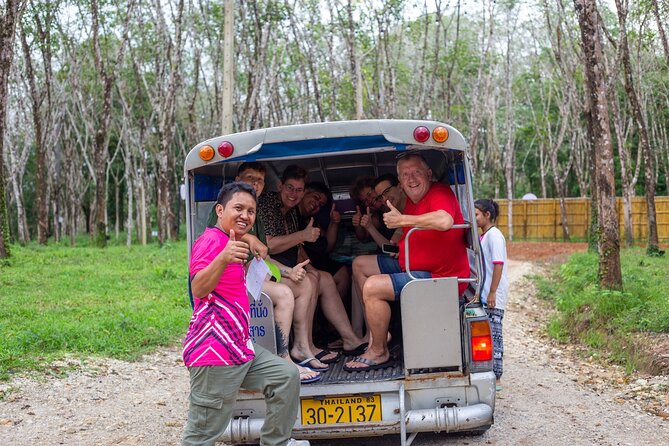
- Observed elephant walking in an ethical sanctuary with caretakers nearby and no animal riding
- Learn the tsunami story through Patrol Boat 813 and the 2004 memorial setting
- Sea turtle conservation at the Royal Thai Navy nursery where you see breeding and care stages
- Thai set lunch at the sanctuary in a location that feels like a real stop, not a quick snack break
- Small-group pacing (10 people max) so you can ask questions and take your time
Why this Khao Lak Eco-Safari fits so well into a half-day
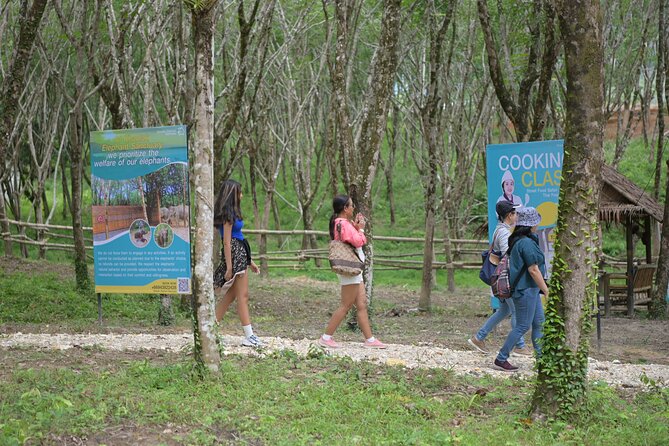
This is the kind of tour that works when you want meaning, not just motion. In about 4 hours, you cover three big “why are we even here?” stops: elephants, a tsunami memorial, and sea turtle conservation. That’s an efficient loop around Khao Lak and nearby areas, without spending your whole day in a van.
The small-group format (limited to 10 participants) also changes the vibe. Instead of feeling like a stampede, you move through each place with time to look closely and ask questions. If you care about animal welfare and want context behind what you’re seeing, this format helps a lot.
One more thing: the tour is designed as an “experience day” rather than a checklist. You’re not racing. You’re learning how caretaking and recovery work—first with elephants, then with people and boats after the tsunami, and finally with turtles back into the sea.
You can also read our reviews of more museum experiences in Khao Lak
Ethical elephant sanctuary time: walking, bananas, and no riding
The elephant portion starts with a hotel pick-up and a scenic drive to the Khao Lak elephant sanctuary area. Once you arrive, you meet your English-speaking guide and get the basic elephant background you’ll need to understand what you’re about to see.
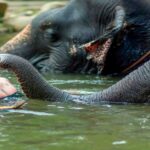
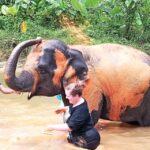
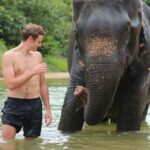
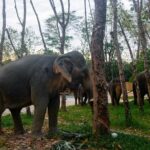
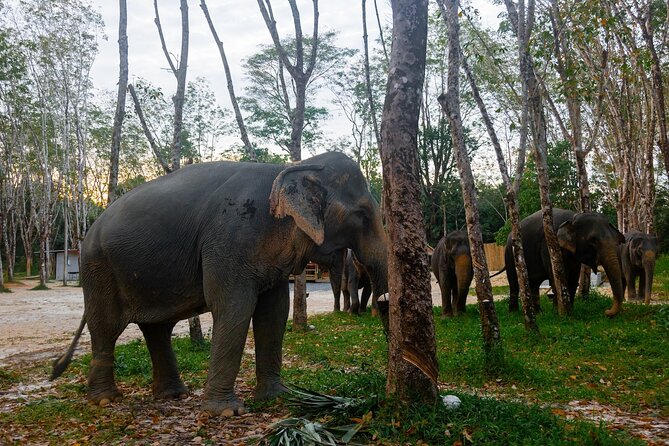
Then comes the main event: you gather some bananas and cane sugar and walk through the park with your guide. This is important. The tour is built around an observed experience, with elephants moving freely in a safe, sustainable, and ethical environment. You’ll photograph and watch at your leisure, learning about elephant lifestyle and behaviors while they do their normal day-to-day routines.
A big part of the value here is that it’s not the “sit on an elephant” type of encounter. The tour is explicit: riding the animals isn’t allowed. That shifts the focus from thrill-seeking to respectful observation.
Also, this program is recognized as Runner-up of Animal Welfare in the Responsible Thailand Awards 2024. It’s not a random elephant stop. You’re going to feel that the staff’s role is caretaking and animal well-being, not performance.
What the elephant walk actually feels like
Expect it to be calm and sensory. You’re close enough to notice body language: how they pause, move toward food, interact with keepers, and respond to the surroundings. It helps if you’re okay with slower moments. The best scenes come when you stop chasing a single photo and just watch how the group behaves.
If you’re nervous about being around large animals, you’ll likely feel better once you realize how structured the caretaking is. The tour includes the “safe and ethical environment” piece for a reason. You’re also dealing with free-roaming elephants, so the experience won’t be scripted like a theme-park show.
Lunch at the sanctuary: refuel, cool down, and reset your mood
You’ll have about an hour for lunch at the sanctuary. It’s a Thai set lunch, not a buffet-style free-for-all. That sounds simple, but it matters on a half-day schedule: you’re less likely to waste time deciding what to eat, and you can focus on recharging for the next two meaningful stops.
The food quality shows up in the feedback. People have described the lunch as exceptional and noted it’s better than what you often get on short tours. Some days, lunch timing also gives you a chance to cool off nearby while you wait—so bring your sunscreen mindset, even if you’re not thinking beach.
Practical tip: treat lunch like part of your tour prep. You’ll be outside for the elephant time and likely for the memorial/temple/turtle stops too. If you tend to get cranky when you’re warm and hungry, this is the moment to get ahead of it.
Tsunami memory route: International Tsunami Museum and Patrol Boat 813
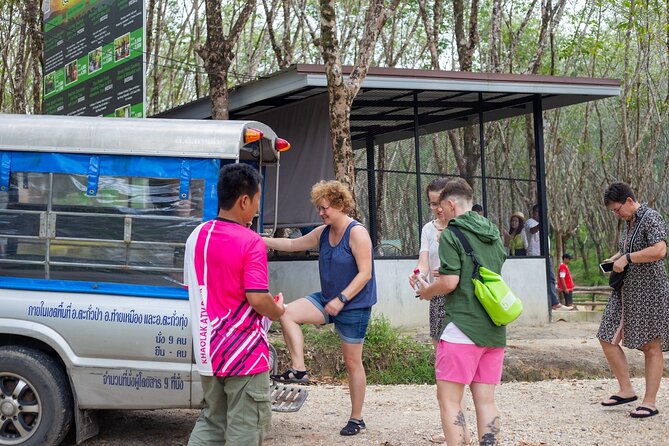
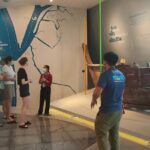
After the elephants, the tour turns toward history that still has weight. You visit the International Tsunami Museum, a memorial to the 2004 tsunami, where you’ll see Patrol Boat 813—displaced 2 km from its original location during the disaster.
This stop is special because it’s not vague. The boat detail gives you a concrete image of how far and how violently things changed. You also get to witness the story of recovery in Khao Lak, which helps the museum feel more than just a tragedy exhibit.
Be ready for emotion. Even with good storytelling, this kind of memorial can hit hard. If you prefer a day that’s strictly cheerful, you might find this part draining. If you want a day that teaches you something real—without pretending the world is simple—this is one of the strongest reasons to book.
A few more Khao Lak tours and experiences worth a look



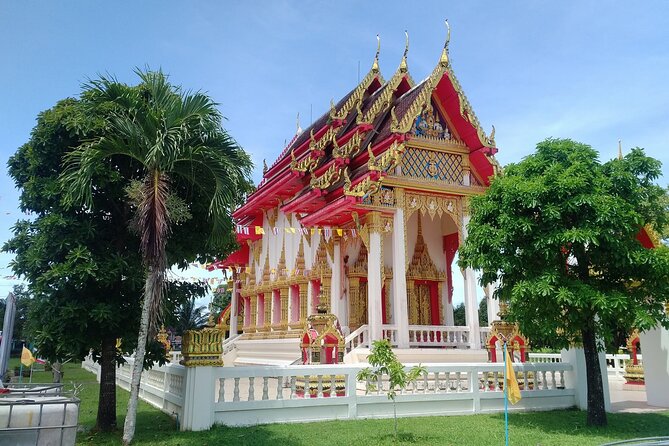
The Wat Lak Kaen guided stop: a calmer counterpoint
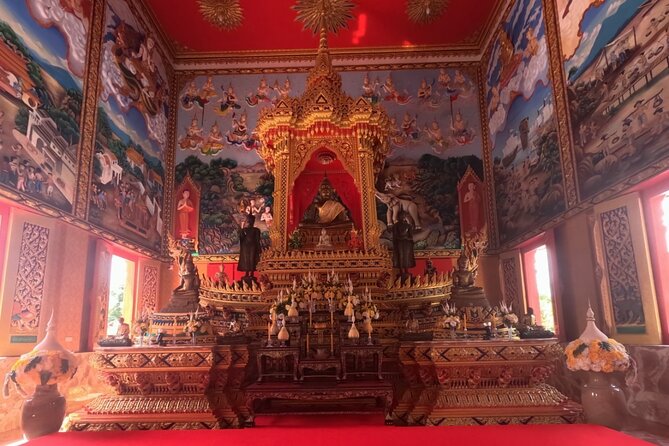
On the route, you also stop at Wat Lak Kaen for a guided visit. This is a nice contrast after the heavy museum experience. It gives you a breathing space to reflect, re-orient, and still learn something about Thai culture and how places carry meaning.
You’ll likely spend about 30 minutes here. That’s long enough to see what you came for, without dragging your day out.
Royal Thai Navy sea turtle nursery: conservation work you can see
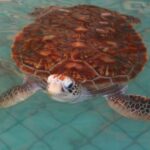
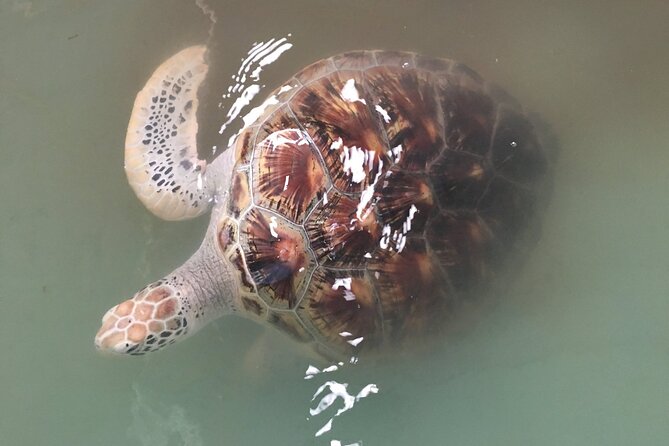
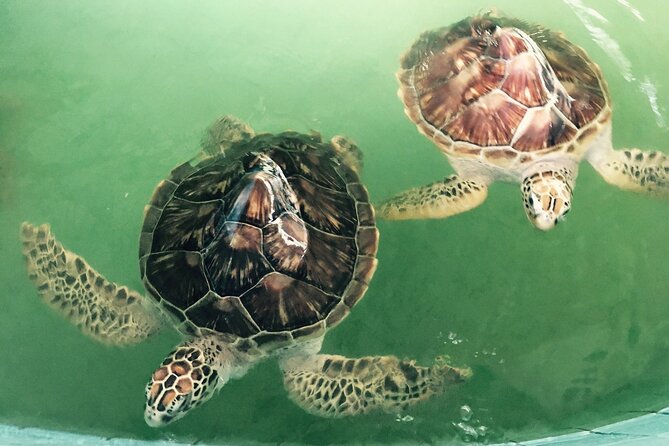
Next up: the Royal Thai Navy Third Fleet Turtle Nursery, a sea turtle conservation center. This is one of those stops where the value isn’t just cuteness—it’s process.
You’ll learn about the local conservation efforts and see the stages of care. Based on what people have shared, you can get a close view of breeding and a sense of scale when there are many turtles involved. Some experiences include seeing large numbers of newly hatched turtles, which makes the program feel very tangible, not abstract.
This is also a good match for the elephant part of the day. You’re still in an animal-care setting. But the animal is different, the risks are different, and the work is about getting turtles back to the ocean. Together, the day gives you a broader picture of conservation: rescue and rehabilitation for elephants, and protection and release pathways for turtles.
A heads-up: turtle nursery days are usually a bit more “watch and listen” than “hands-on.” If you’re hoping for interaction that goes beyond observation, temper expectations. The tour data focuses on a guided visit and learning, not touching.
Timing, small-group pace, and how pick-up really affects your day
The tour duration is 4 hours, and it starts with hotel pick-up in Khao Lak or Bang Sak (depending on where you’re staying). Pickup is included if you select that option, and you can also get picked up from anywhere in Khao Lak.
The key detail here is punctuality. The tour notes that you should meet your driver in your hotel lobby at least 10 minutes before the scheduled pick-up time. If you arrive late—after they’ve moved from your hotel—you can be treated as a no-show. That’s not the tour being difficult. It’s just how tight a half-day schedule works.
Small group also means you’ll likely get a smoother day if you’re not late and if you’re ready to move. Once everyone’s in the car, you’ll cover multiple locations quickly and efficiently.
A note on the waterfall condition change
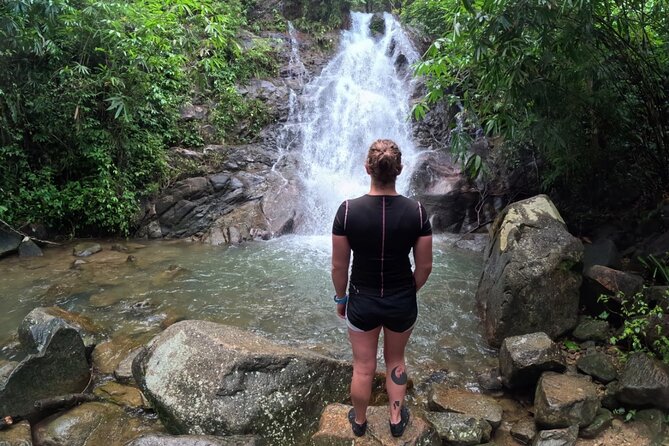
The experience can include a waterfall break as part of the route. But if the water level is low and swimming isn’t possible, the tour offers an alternative experience at Khaolak Waterside. You’re not told in advance in every case, so accept that nature sets the menu sometimes.
This matters for your expectations: bring sunglasses and sunscreen either way, because you’re outdoors for multiple stops.
Price and value: is $112 worth it?
At $112 per person for a 4-hour tour, you’re paying for more than one activity. The day bundles:
- ethical, observed elephant time with guide-led explanation
- a tsunami memorial visit tied to real landmarks (including Patrol Boat 813)
- a sea turtle conservation center visit with guided learning
- Thai set lunch
- a temple stop at Wat Lak Kaen
- transport between multiple locations plus an English-speaking guide
If you compare this kind of coverage to doing each stop separately, the value comes from the structure. You’re not spending half a day planning routes, finding tickets, and coordinating transport. And since the elephant portion emphasizes no riding and an ethical sanctuary setup, you’re also paying for a model that costs more than the basic “quick ride and photos” style encounters.
That said, this isn’t a bargain tour. It’s priced like an experience with staffing and guided time. If you only want one animal stop and nothing else, you might feel it’s too much. If you want a compact day with real conservation and real history, it’s a fair fit.
Who this eco-safari suits best (and who should reconsider)
I think this is ideal for:
- people who care about animal welfare and don’t want elephant riding
- travelers who like guided context, not just photo ops
- anyone doing a short stay in Khao Lak and wants a meaningful half-day
- families or couples who can handle a quiet, emotional museum stop
It might be less ideal for:
- anyone who wants a purely relaxing day by the water (this includes heavy history)
- travelers who hate walking and being outdoors in heat (there’s about 1 hour of walking during the elephant portion)
- people who expect interactive animal experiences beyond observation (no riding is part of the deal)
The best match is the kind of traveler who likes learning while moving. This tour is designed for that.
Should you book the Khao Lak Eco-Safari?
If your goal is to get three big experiences in one half-day—ethical elephants, tsunami remembrance, and turtle conservation—then yes, this is worth booking. It’s paced well for 4 hours, it stays small (10 max), and it includes guided time at each stop so you don’t just pass through.
Book it if you’re ready for the tsunami museum to be sad. Book it if you’d rather watch and learn than “do” something on the back of an animal. And book it if you want a day in Khao Lak that feels more like understanding the place than just visiting it.
FAQ
How long is the Khao Lak Eco-Safari?
The tour lasts about 4 hours.
How much does it cost?
It costs $112 per person.
What’s included in the tour?
Included are a tour guide, a Thai set lunch, and hotel pickup and drop-off if you select that option.
Is elephant riding allowed?
No. Riding the animals is not allowed on this tour.
What happens if swimming at a waterfall is not possible?
If the water level is too low for swimming, the tour switches to an alternative experience at Khaolak Waterside.
What group size should I expect?
It’s a small group limited to 10 participants.