REVIEW · KHAO LAK
Tsunami Museum + Temple + Old Town + Street Food Market
Book on Viator →Operated by Khaolak Planner · Bookable on Viator
Tsunamis shape more than memories. This half-day route in Khao Lak pairs the moving Ban Nam Khem Tsunami Museum with Thai culture at Kong Kha Temple, then adds an easy stroll through Takua Pa’s older Sino-European architecture and ends at the Sunday market. I like that it’s a small group (max 9) with door-to-door pickup, so you don’t feel rushed or lost between stops. I also like the balance: serious history first, then daily life with street food you choose at your own pace.
One thing to consider: the start time shown is 1:30 am, which is very early. Double-check your exact pickup time and plan for a long morning if you’re the type who prefers daylight starts.
In This Review
- Key Points at a Glance
- Why This Half-Day Tour Works in Khao Lak
- Ban Nam Khem Tsunami Memorial Park: The Museum That Hits and Stays With You
- Wat Khongkha Phimuk (Kong Kha Temple): Royal Legends Meets Buddhist Space
- Takua Pa Old Town and the Historic Takua Pa Mansion: Walk Through the Sino-European Era
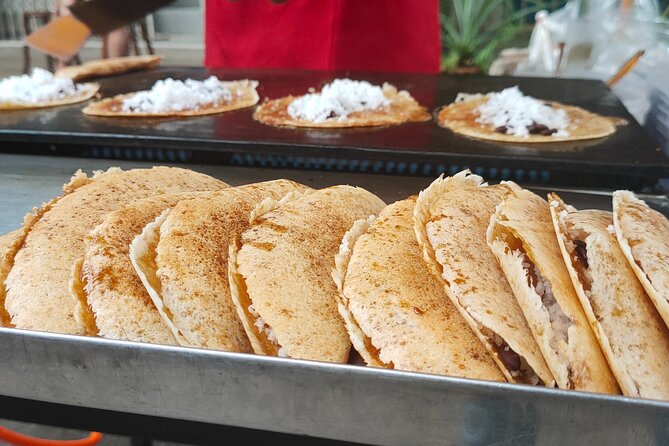
- Old Takua Pa Sunday Market: Street Food on Your Terms
- Price and Logistics: The Comfort Details You Feel Immediately
- Guides Matter: The Difference Between Seeing and Understanding
- What If You’re Also Looking for a Waterfall or Coffee?
- Who This Tour Suits Best
- Should You Book Khao Lak Tsunami Museum + Temple + Old Town + Market?
- FAQ
- How long is the tour?
- What stops are included?
- Is the admission fee included?
- Do I need to pay for food at the market?
- Is pickup offered?
- How big is the group?
- What is the meeting/start time?
Key Points at a Glance
- Tsunami Museum first: one hour that puts local history in context before you move on
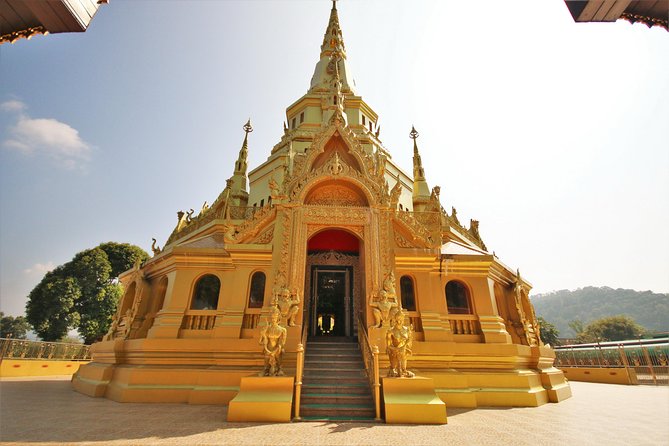
- Kong Kha Temple (Wat Khongkha Phimuk): a focused look at religion and royal connections tied to the pagoda
- Takua Pa Old Town walk: gentle pacing and architecture notes on the Sino-European period
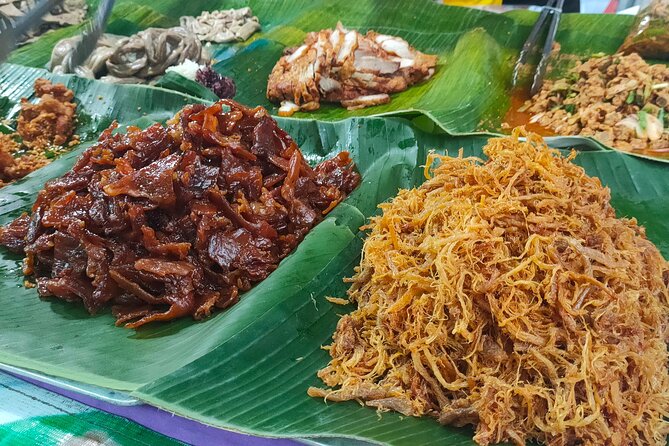
- Sunday street market time: sample what you want, plus a chance to see local performances (when they’re on)
- Small-group flow: max 9 people, with transfers included to cut down logistics
Why This Half-Day Tour Works in Khao Lak
Khao Lak is known for beaches, but this tour gives you something more grounded fast. You learn why the area looks the way it does today, then you see how Thai religion and everyday commerce share the same streets. It’s a simple structure: museum, temple, old town, market. No long bus marathons, no frantic stop-hopping.
The pace is what makes it easy to recommend. Each main stop runs about an hour, so you don’t feel like you’re speed-running culture. And the small size (up to 9) matters. In a big group, guides can only skim. In a small one, you get better context and more chances to ask questions—especially if you’re curious about Thai royalty and Buddhist practices.
Value is also strong for the price point. At $56.79 per person, you’re paying for door-to-door round-trip transfers, a local guide, and admission tickets included for every major stop listed. The only part you pay extra for is food at the street market, which is exactly how you want it. You control your budget and appetite.
You can also read our reviews of more food & drink experiences in Khao Lak

Ban Nam Khem Tsunami Memorial Park: The Museum That Hits and Stays With You
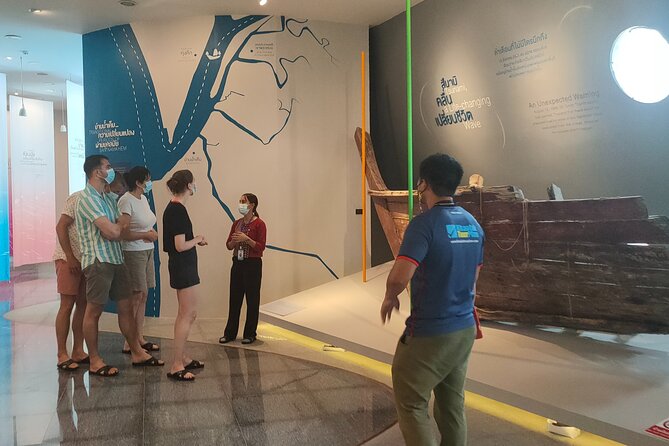
Your first stop is Ban Nam Khem Tsunami Memorial Park and the Tsunami Museum, with about one hour on site and the ticket included. This isn’t just a display of photos. It’s organized to explain what happened locally, why it was so devastating here, and how survivors and the community rebuilt their lives.
I appreciate museums like this because they avoid the usual tourist trick of turning tragedy into a quick photo stop. Instead, you get guided context. The guide’s job in this first hour is important: they connect the exhibits to the surrounding area, so you understand the place rather than just seeing objects behind glass.
What to expect practically:
- You’ll be in museum galleries and exhibition spaces, so comfortable shoes help.
- Take a slow moment before you move on. This stop is the emotional anchor of the day.
- If you’re traveling with kids, keep expectations flexible. One hour is a good length, but the subject matter is serious.
A small bonus: on good days, you may see staff or displays that explain ongoing remembrance and community resilience. Even if you’ve read about the 2004 tsunami before, the local framing is the point here.
Wat Khongkha Phimuk (Kong Kha Temple): Royal Legends Meets Buddhist Space
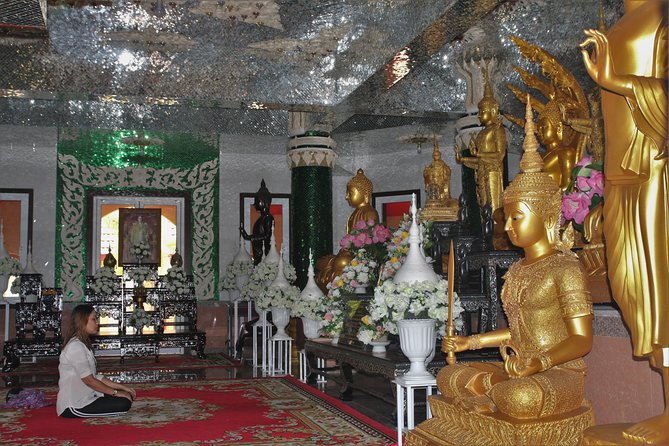
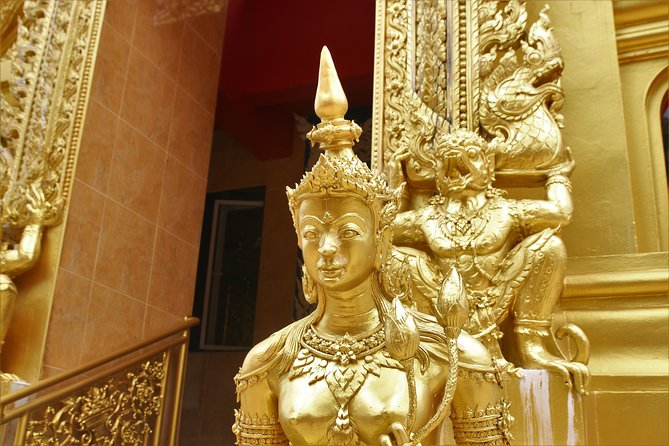
Next comes Wat Khongkha Phimuk, often referred to as Kong Kha Temple, again with about one hour and admission included. This stop is less about dramatic visuals and more about meaning. You’ll hear facts related to the deceased king and the pagoda, plus how that connects to local religious life.
Thai temple visits work best when you understand the “why” behind what you see. That’s where a strong guide helps. Several guides connected to this tour have been singled out for clear English and caring, steady explanations—an approach that’s especially helpful when the topic involves royalty and Buddhist symbolism.
How to get the most out of this hour:
- Look at the pagoda and decorations with patience. The story you’re hearing gives the details purpose.
- Bring a respectful mindset. Temples are working religious spaces, not just monuments.
- If you want photos, aim for angles that don’t block others. It’s a better habit than rushing for the perfect shot.
Keep in mind: temple layout and what you can walk into can vary by rules on that day. The guide will steer you, but it’s still smart to dress comfortably and cover up appropriately for Thai religious sites.
Takua Pa Old Town and the Historic Takua Pa Mansion: Walk Through the Sino-European Era
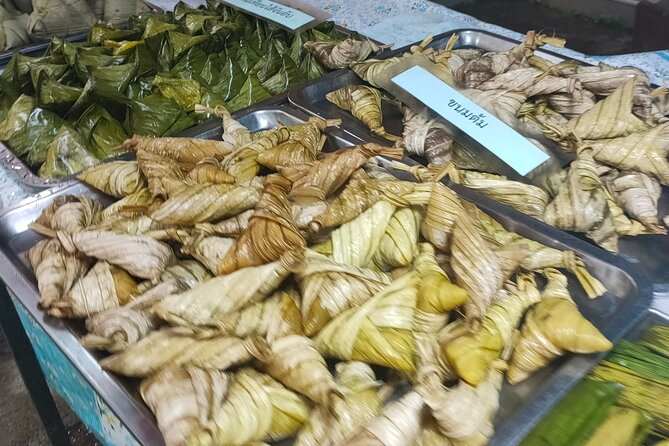
After the temple, the tour slows into a relaxed Old Town walk around Historic Takua Pa Mansion (ตึกโบราณตะกั่วป่า). You’ll spend about one hour here, with admission included. This is where you see the architectural story of southern Thailand through a Sino-European lens.
What I like about this stop is that it’s not a checklist. It’s a stroll with explanation. Your guide points out the style of the buildings and helps you connect architecture to the region’s past—ports, trade, and cross-cultural influences that shaped what towns like Takua Pa look like today.
The drawback is simple: if you’re only after big-ticket sights, old town walking can feel slower. But if you enjoy streets, facades, and small details, this hour can be your favorite. You get to breathe, look, and ask questions without a crowded rush.
Tips for this part:
- Wear shoes you can walk in comfortably. It’s leisurely, but it’s still walking.
- If you see small doorways, signage, or street-level features, pause. The best stories are often tied to the smallest details.
- Don’t expect a theme park vibe. This is real town texture.
Old Takua Pa Sunday Market: Street Food on Your Terms
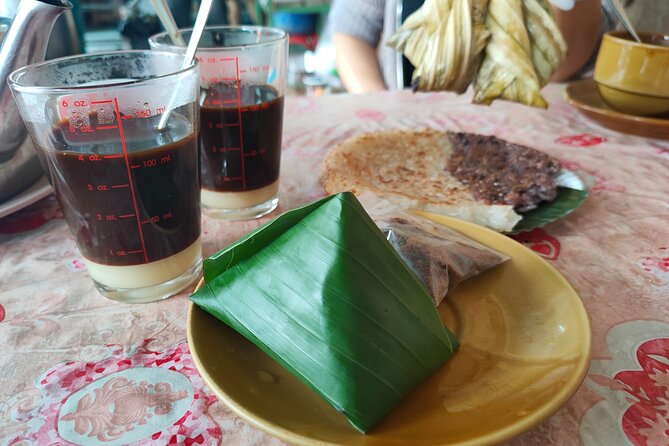
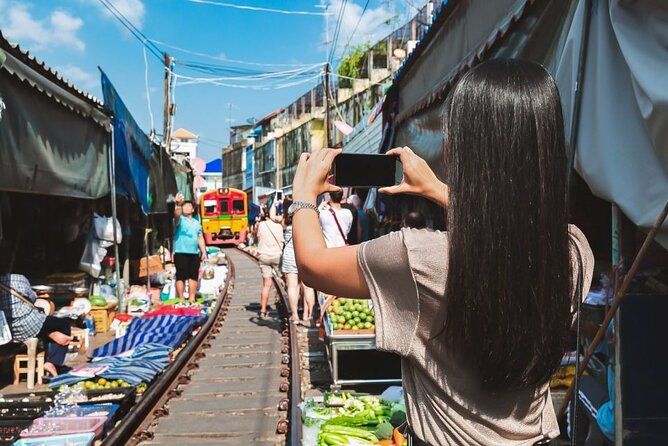
The final stop is Old Takua Pa Sunday Market, built around street food time. This is about one hour, with admission included, but food is at your own expense. That setup is practical. You can eat light, try a few bites, or skip food entirely if you’re not feeling it.
This part of the tour is about living culture. The market isn’t just snacks; it’s also a place where people show up, buy things, and sometimes local performances happen. You may catch something scheduled on the day, which makes this hour feel more like a community moment than a staged “tour stop.”
What to do at the market:
- Go with curiosity, not pressure. Pick a few items you can point to and share.
- If a stall looks busy, that can be a good sign—but don’t treat it like a rule. Use your senses and choose what looks fresh.
- Hydrate. Hot days in southern Thailand can sneak up on you, especially after a museum and temple.
Also, plan your photos smartly. Markets are busy and people move fast. Stay out of walkways and don’t block stall counters while taking pictures.




Price and Logistics: The Comfort Details You Feel Immediately
This tour is listed at $56.79 per person and is designed as a half-day experience at roughly 4 hours total. The time chunk is important. When you only have a limited window in Khao Lak, this kind of tour gives you cultural depth without swallowing your whole day.
What you’re really paying for is the combination:
- Door-to-door round-trip transfers, which saves you the stress of figuring out local transport
- Mobile ticket, which simplifies check-in
- Admission included for each of the main stops
And because the group caps at 9 travelers, the vehicle and guide attention usually feel more personal than on mass-market tours. Several guide/driver pairings associated with this experience have been praised for English skills and for looking after wellbeing during transit, including keeping families comfortable.
One practical note: the meeting/start time shown is 1:30 am. That’s unusually early for a half-day cultural route. Confirm your pickup time in writing before you commit to the alarm clock. If it’s correct, plan accordingly. If it’s a typo, you’ll want to avoid showing up at the wrong hour.
Guides Matter: The Difference Between Seeing and Understanding
The tour’s strongest repeat theme is the guide experience. Different names come up—Gay, Ching, Robert, Boyd—and the common thread is clear: guides here tend to connect dots for you. They explain enough to make the museum and temple feel personal, not distant.
I especially like guides who can handle both big context and small details. For example, you get history from the tsunami memorial, then you pivot to Buddhist meaning at Kong Kha Temple. If the guide’s explanations click, your day feels coherent. If they don’t, it can turn into a series of rooms and buildings you barely connect.
What I’d look for in the guide before you go:
- They can explain Thai religious space and royal references without rushing
- They keep the pace comfortable for your group size
- They can help with practical moments like where to stand, when to move, and how to behave in temple areas
Also, one review story included the chance to witness part of a Buddhist monk ordination during a morning outing. That kind of cultural overlap is never guaranteed, but it’s a reminder that your day may feel more alive than you expect when the schedule aligns.
What If You’re Also Looking for a Waterfall or Coffee?
Some departures may include small extras, like a coffee stop at a local shop or even a short walk toward a nearby waterfall if time and conditions allow. That kind of add-on can be a nice bonus when you’re trying to break up museum-and-temple structure.
At the same time, it’s fair to say you should not treat extras as guaranteed. One booking expectation mentioned a waterfall that did not end up being part of the day. My advice: if a waterfall is a priority for you, ask the operator in advance what’s included today versus what’s flexible.
Who This Tour Suits Best
This tour fits best if you want:
- Meaningful context in a short amount of time
- A cultural mix (history, temples, architecture, market life)
- A tour that feels manageable, not exhausting
It’s also a good choice for people staying in Khao Lak who don’t want to spend their day figuring out transport between scattered sites. The door-to-door transfers help a lot, especially if you’re traveling with older family members or kids who need a steady pace.
If you’re the kind of visitor who wants beaches and nothing else, you might find the museum and temple stops heavy. But if you’re okay with an emotional first segment—and you want to understand how Khao Lak lives with its past—this is a strong fit.
Should You Book Khao Lak Tsunami Museum + Temple + Old Town + Market?
I’d book it if you want a half-day that does more than scratch the surface. The tsunami museum sets a serious foundation. The temple adds Thai religious and royal connections. The old town walk gives you architecture that explains the feel of the area. Then the Sunday market brings you back to normal human life—food, movement, and local performance when it’s happening.
I’d hesitate if:
- You cannot handle early pickup times (because the listing shows 1:30 am)
- You only want light, fun sightseeing and prefer to avoid emotionally heavy topics
- You need a very specific add-on like a waterfall and you don’t want surprises
If you’re flexible and you like guided storytelling, this tour is a solid value. It keeps things tight, thoughtful, and small-group. And after the market hour, you’ll have a better sense of Khao Lak than most people who only see the shoreline.
FAQ
How long is the tour?
The tour is approximately 4 hours.
What stops are included?
It includes Ban Nam Khem Tsunami Memorial Park (Tsunami Museum), Kong Kha Temple (Wat Khongkha Phimuk), Historic Takua Pa Mansion / Takua Pa Old Town, and the Old Takua Pa Sunday Market.
Is the admission fee included?
Yes. Admission tickets are included for the Tsunami Museum, Kong Kha Temple, Historic Takua Pa Mansion, and the Sunday market stop.
Do I need to pay for food at the market?
Street food is at your own expense during the Sunday market visit.
Is pickup offered?
Yes, door-to-door round-trip transfers are offered.
How big is the group?
The maximum group size is 9 travelers.
What is the meeting/start time?
The start time shown is 1:30 am, so confirm your exact pickup time with the operator before you go.