REVIEW · BANGKOK
From Bangkok: Pattaya Ethical Elephant Sanctuary Day Trip
Book on GetYourGuide →Operated by My Bangkok Holiday · Bookable on GetYourGuide
Elephants in Pattaya, without the riding. This full day from Bangkok lets you feed, bathe, and swim with free-roaming elephants at an ethical sanctuary near the coast.
I especially like the hands-on flow: you’re not just watching from behind a fence. You’ll walk with elephants in a safe, sustainable setting, then move straight into mud-and-water time.
My only watch-out is simple: it’s a long ride and the day gets wet and muddy, so you need the right clothes and patience for Bangkok traffic.
In This Review
- Key Points You’ll Care About
- A Bangkok Escape That Still Feels Like Real Thailand
- The Ride to Pattaya: 2 Hours in Theory, Traffic in Practice
- Meeting the Elephants at the Sanctuary (No Fanfare, Just Work and Calm)
- Feeding, Touching, and Photographing the Right Way
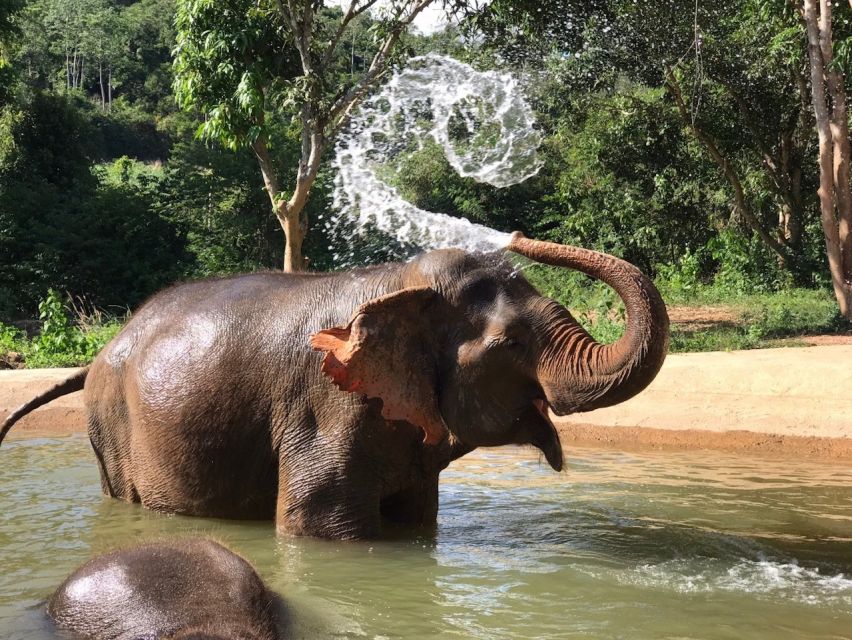
- Mud Spa and the River Bath: The Water Time Is the Main Event
- Lunch and Fruit: Fuel for the Long Day From Bangkok
- Price and Value: Is $142 Worth It?
- The Ethics Check: What Looks Ethical, and What You Should Watch For
- What to Pack (So You Don’t Suffer Through the Splashes)
- Best Fit: Who Will Enjoy This Most
- Should You Book This Pattaya Ethical Elephant Sanctuary Day Trip?
- FAQ
- How long is the trip from Bangkok to the sanctuary?
- What are the pickup and return times?
- Is elephant riding included?
- What activities do I do with the elephants?
- What food is included during the tour?
- What should I bring for the day?
- What happens if it rains?
Key Points You’ll Care About
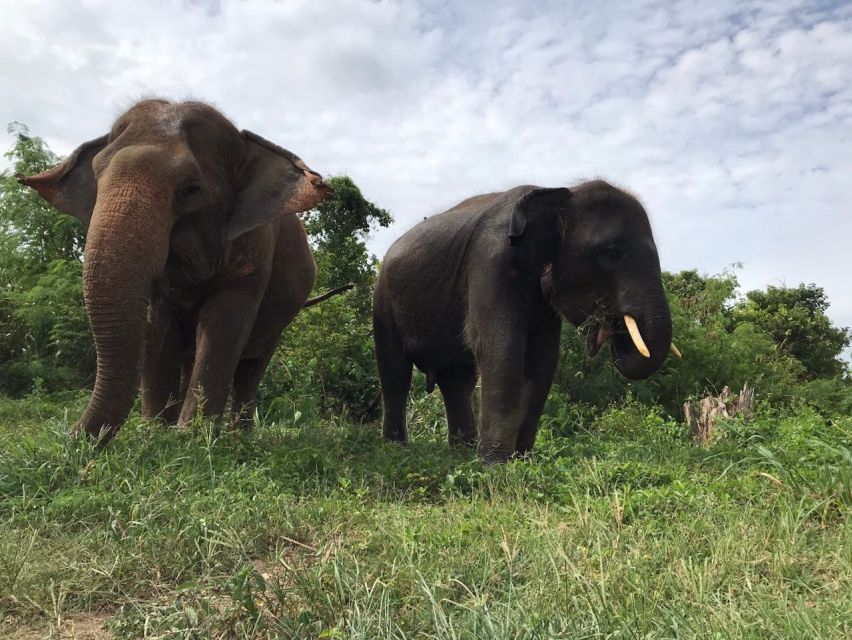
- No elephant riding: you interact through walking, feeding, bathing, and swimming.
- Mud spa + river bath: the water portion is the main event, so dress for mess.
- Half-day schedule from Bangkok: morning return around 1:00 PM or afternoon return around 6:00 PM.
- Small-group feel: people report time with elephants and photos without huge crowds taking over.
- Guides teach individual elephant stories: you’ll meet the elephants as characters, not a single lineup.
- Lunch and fruit included: Thai food plus snacks help you keep energy for the long day.
A Bangkok Escape That Still Feels Like Real Thailand
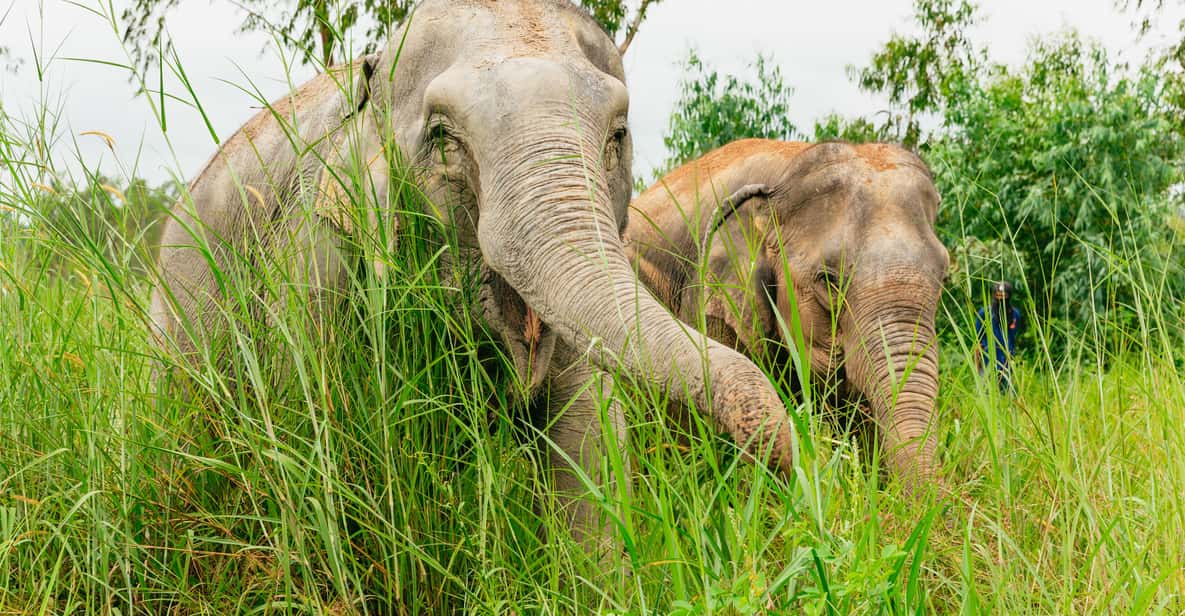
If you’ve only got a short time in Bangkok, a day trip can be a smart move. This one trades city heat for Chonburi Province and a sanctuary where the day’s rhythm is built around the elephants, not a show schedule.
What makes it interesting is that it’s practical and tactile. You’re involved through walking, feeding, touching, and then getting into the muddy, rubbery reality of elephant bathing. Add a traditional Thai lunch and you get a complete half-day block, not a half-baked excursion.
The other big reason to consider it: you’re traveling with an English-speaking guide who helps translate what you’re seeing. It turns the day from just cute moments into understanding why the elephants are there and how they live now.
A few more Bangkok tours and experiences worth a look

The Ride to Pattaya: 2 Hours in Theory, Traffic in Practice
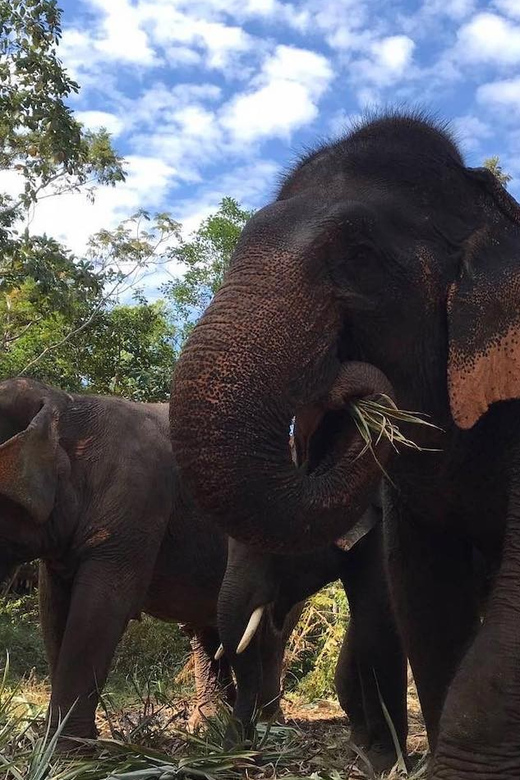
The drive is about two hours through agricultural areas, hills, and coastal scenery, with hotel pickup and drop-off in Bangkok. In the real world, Bangkok traffic can stretch the trip longer, so build in buffer time and don’t plan anything tight right after return.
There are two session options:
- Morning pickup roughly 6:00–6:30 AM, return around 1:00 PM
- Afternoon pickup roughly 10:30–11:00 AM, return around 6:00 PM
The early slot tends to feel smoother. The later slot can be great if you want to sleep in, but you should expect potential delays.
Meeting the Elephants at the Sanctuary (No Fanfare, Just Work and Calm)
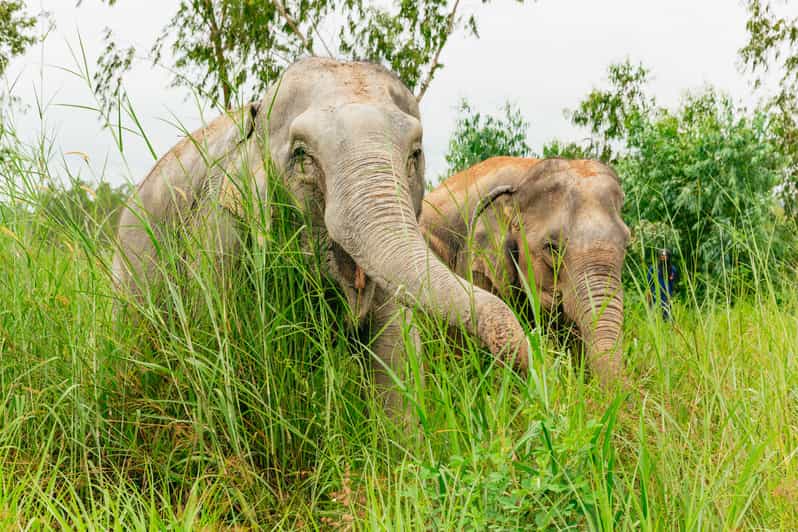
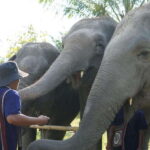
When you arrive, you meet your guide and get context about the sanctuary and the elephants you’ll spend time with. The format is hands-on and paced, with time to be near the elephants without turning the day into a high-speed photo sprint.
Then you typically start by preparing food like bananas and sugar cane. Your guide explains what you’re doing and how to interact appropriately. After that, you walk through the sanctuary and learn individual elephant stories as you go.
Elephant names you might hear include Frankie (often mentioned as a playful bull) as well as Somkid, Frank, Thangthai, and others depending on which elephants are most active that day. Either way, the guide’s job is to connect you to each animal’s personality, not just describe their size.
Where it feels most meaningful: you’re not only getting attention from the elephants. You’re also learning what caretaking looks like in a setting designed for recovery and long-term welfare.
Feeding, Touching, and Photographing the Right Way
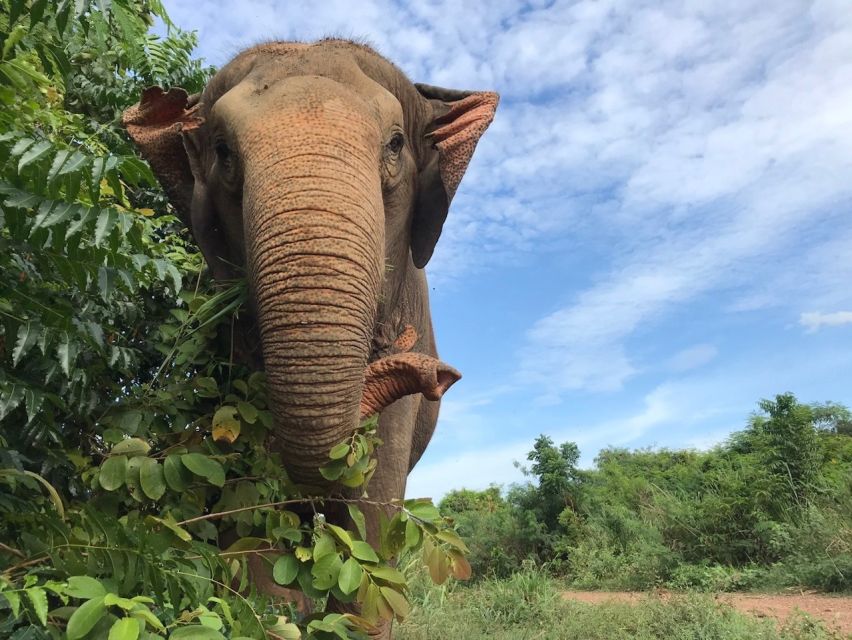
This is one of the most praised parts of the experience because you’re close enough to see body language. You’ll have chances to feed, touch, and photograph elephants while staying within the sanctuary’s boundaries and rules.
It’s also explicitly not an elephant riding experience. That matters. Riding changes how elephants are used; here, the interactions are built around roaming, feeding, and bathing routines.
A few small practical notes that make your day smoother:
- Wear clothes you don’t mind getting sweaty or muddy.
- Use closed-toe shoes for safety in wet ground.
- Bring sunglasses and a hat if the sun is out. You’ll be outside for stretches.
Photo time usually works best when you keep moving with your group and listen for what the guide is telling you. The better you understand what the elephants are doing, the more natural your photos look.
Mud Spa and the River Bath: The Water Time Is the Main Event
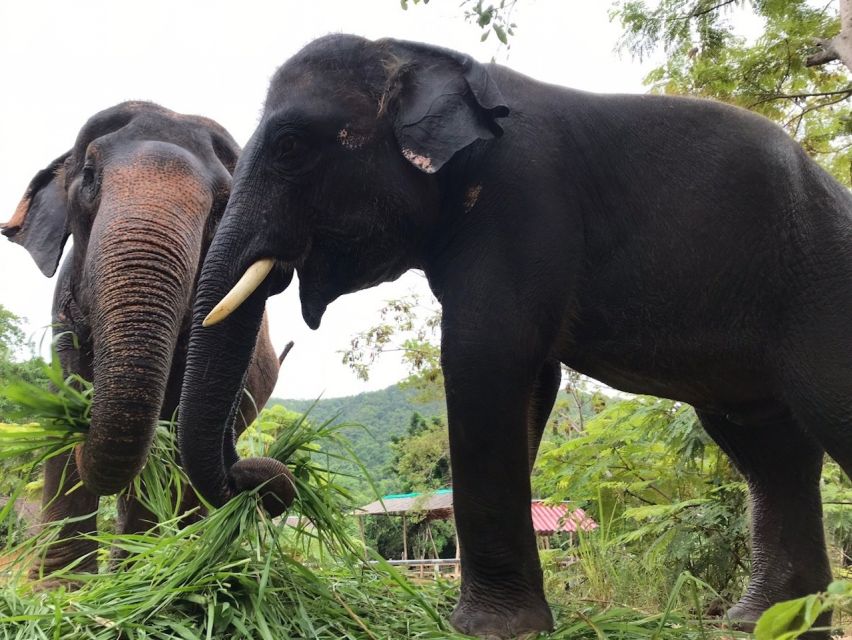
After you’ve spent time with the elephants, you go to a nearby mud spa area. The plan includes applying a healthy cosmetic mud treatment to the elephants’ skin, so you can get hands-on during the cleanup and care process.
Then it’s off to the river. This part is refreshing and also a little chaotic in the best way: you join them for a bath while they wade, play, and splash. You may help bathe and brush them in the shallows, and then you get a final photo moment once the elephants are cleaner.
Two things to plan for:
- You will get wet. Even with careful timing, mud travels.
- Rain won’t ruin the day, but it changes the feel. The experience includes wellie boots if it rains, and they recommend bringing socks.
This is where the tour can become either your favorite memory or your least favorite if you show up unprepared. If you pack for mess, you’ll have fun. If you don’t, you’ll spend the day thinking about your clothes instead of the elephants.



Lunch and Fruit: Fuel for the Long Day From Bangkok
Your day includes a traditional Thai lunch plus seasonal fruits. The highlights mention freshly cooked Pad Thai, but a Thai noodle dish may vary, so don’t be surprised if the lunch isn’t exactly the Pad Thai you imagined.
Lunch is served during the sanctuary break, and it’s a practical reset. You’ll likely feel it after the early wake-up and the long drive. Fresh fruit is also a good way to balance the salty and starchy lunch.
Also included are drinking water and snacks later in the day. That’s not just convenience; it helps you stay present during the wet, physical parts of the experience.
Price and Value: Is $142 Worth It?
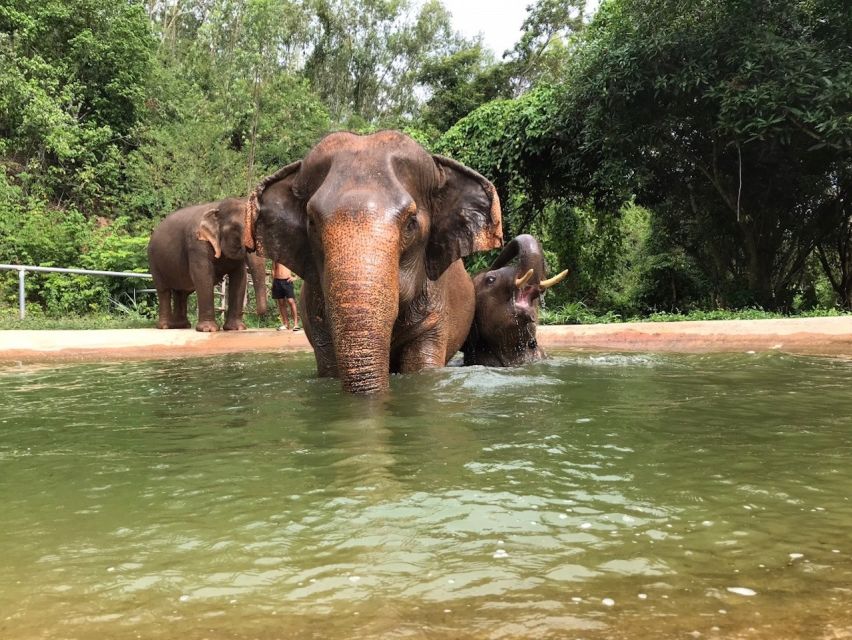
At $142 per person, this tour isn’t the cheapest way to see elephants near Bangkok. But it’s also not just “pay for photos.” You’re paying for transport, a guide, elephant food, and the full interaction session with care-based activities.
Here’s where the value lands:
- Transportation from Bangkok: air-conditioned vehicle with pickup and drop-off.
- Time with elephants: feeding, walking, bathing, and swimming setup.
- Included meals: Thai lunch, fruit, and water.
- Support materials: an included Save the World canvas bag.
The main question isn’t only the price. It’s whether you’ll use the whole day well. If you show up ready for mud, listen to the guide, and treat the interaction as learning and care—not entertainment—you’ll get your money’s worth.
One note: some people feel the vehicle and guide costs can be a large portion of what they paid, especially with private-car variations. That’s hard to control as a traveler, but it’s useful context: the farther you travel from Bangkok, the more budget moves into getting you there.
The Ethics Check: What Looks Ethical, and What You Should Watch For
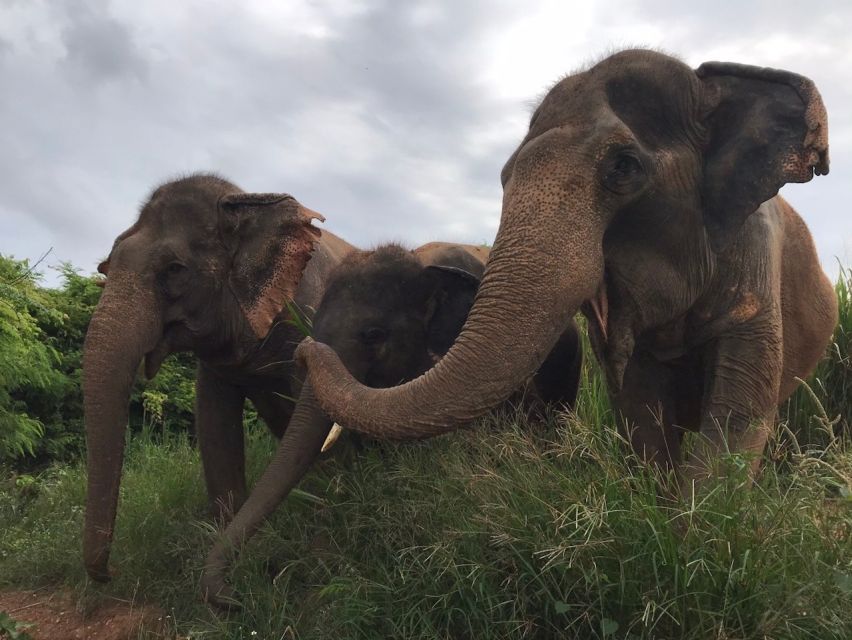
This sanctuary is presented as ethical and welfare-focused. It also avoids the most obvious red flag: no elephant riding. Elephants are described as free-roaming in safe, sustainable environments, with handlers who support bathing and daily care.
Many details point to welfare over spectacle:
- The elephants look comfortable in their routines.
- Guides explain individual stories, including rescue and rehabilitation themes.
- You interact through care tasks like feeding, brushing, and bathing.
Still, be smart. Even with a good sanctuary, elephant tourism in Thailand can include elements that feel performative, depending on how elephants respond to cues. Some people also note that command-based behavior can still be present.
My practical take: don’t look only for a promise like ethical. Watch what the day actually feels like:
- Do elephants seem calm during interactions?
- Are you helping with care, or are you being rushed into staged moments?
- Do handlers emphasize welfare and safety, or speed and tricks?
If the answers feel right to you, this tour is a strong fit.
What to Pack (So You Don’t Suffer Through the Splashes)
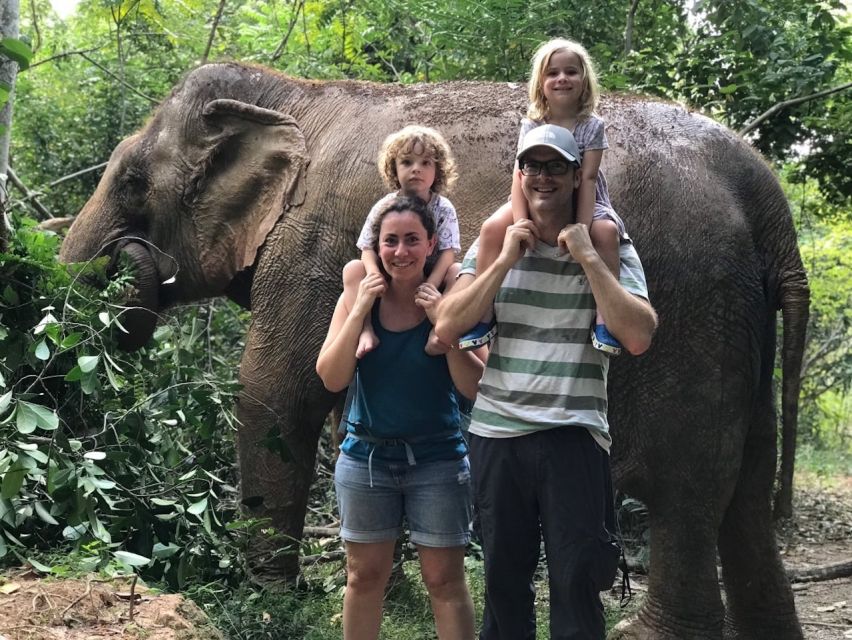
You’ll be outdoors and then in wet, muddy areas. Bring practical items, not just sunscreen.
Recommended items include:
- Passport
- Sunglasses and a hat
- Umbrella
- Sunscreen and insect repellent
- Socks (especially helpful if it rains)
- Clothes you don’t mind getting dirty
- Closed-toe shoes
- Reusable water bottle
You’ll also change into dry clothes after the elephants are cleaned. That’s a big quality-of-life detail. Pack for the day you’ll actually have, not the dry one you want.
Best Fit: Who Will Enjoy This Most
This works especially well if you:
- Want an elephant experience that focuses on care and interaction.
- Prefer fewer show-style thrills and more learning time with a guide.
- Don’t mind early pickup and a long day in the car.
It also tends to suit people who like hands-on activities: feeding, washing, and brushing give you a role, not just a seat.
If you’re hoping for a gentle, quiet walk with zero mess, you might find the mud-and-river parts too intense. If you can handle wet clothes and sweaty conditions, you’ll probably feel great about how much time you get with the elephants.
Should You Book This Pattaya Ethical Elephant Sanctuary Day Trip?
Book it if you want a full elephant day that avoids riding and centers on feeding, bathing, and learning. The day is structured to give you meaningful time, and the combination of mud spa, river bathing, and Thai lunch makes it a real escape from Bangkok.
Skip it—or choose carefully—if you’re uncomfortable with wet mess, early mornings, or the idea that any elephant interaction can still include cue-based behavior in a tourist setting. Also keep expectations flexible on details like the exact lunch dish and how much “mud spa” time you get before the river.
If you go in prepared and thoughtful, this is one of the better ways to see elephants from Bangkok without turning the day into an animal ride.
FAQ
How long is the trip from Bangkok to the sanctuary?
The drive is about two hours each way under normal conditions. Bangkok traffic can add time, so plan for a longer ride on either direction.
What are the pickup and return times?
Morning session pickup is roughly 6:00–6:30 AM and return to your Bangkok hotel is around 1:00 PM. Afternoon session pickup is roughly 10:30–11:00 AM and return is around 6:00 PM.
Is elephant riding included?
No. The experience promotes sustainable tourism and strictly does not offer elephant riding.
What activities do I do with the elephants?
You can feed and walk with the elephants, interact at your leisure, and enjoy bathing activities. The day also includes mud spa time and swimming in a river with the elephants.
What food is included during the tour?
Lunch is included and is traditional Thai food, often including a Thai noodle dish such as Pad Thai, plus seasonal fruits. Drinking water is also provided, along with snacks and fresh fruit later.
What should I bring for the day?
Bring your passport, sunglasses, a hat, an umbrella, sunscreen, and insect repellent. Wear clothes you don’t mind getting sweaty or muddy, pack socks, and wear closed-toe shoes. A reusable water bottle is also recommended.
What happens if it rains?
In case of rain, wellie boots will be provided since the area can be muddy. Still, it’s a good idea to bring socks so you can stay comfortable.