REVIEW · CHIANG RAI
Chiang Rai White & Blue & Huay Pla Kang Temple& Lalitta Cafe
Book on GetYourGuide →Operated by CHIANGMAI SIAM TRAVEL LTD.,PART. · Bookable on GetYourGuide
Colorful temples make the drive worthwhile. White Temple includes the cave-of-art and the elevator ticket to the big Kuan Yim statue, and I like how the guide keeps things unhurried while also steering you toward great photo spots. One drawback: this is a long day with a roughly 3-hour drive each way, and pickup may cost extra if you’re more than 5 km from Chiang Mai city center.
You’ll start with a pickup from your hotel, take a break at Mae Kachan Hot Spring, then spend the day bouncing between three very different temple styles. The close is Lalitta Cafe, followed by the return to Chiang Mai around 19:30, so you can still enjoy your evening without losing the whole day.
In This Review
- Key things I’d circle on your planning list
- Chiang Rai in one long day: what 13 hours really feels like
- Pickup, timing, and the drive you can’t ignore
- Mae Kachan Hot Spring: a short break that helps the whole day
- White Temple (Wat Rong Khun): art, symbolism, and the ticket that changes everything
- What to watch for while you’re there
- A drawback to keep in mind
- Lunch in Chiang Rai: fuel before the next two very different temples
- Blue Temple (Wat Rong Suea Ten): tradition mixed with a bold modern approach
- The good part: it’s not just more of the same
- The practical part
- Huay Pla Kang Temple (Wat Huay Pla Kang): mountain-top calm and the walking factor
- Why this stop is worth scheduling
- Lalitta Cafe: the break that turns the day from sightseeing to experience
- Your guide makes a difference: photo timing, patience, and not rushing
- Price and value: why $147 can feel fair for a long day
- Dress code, comfort, and small things that save time
- Who this tour fits best (and who should skip it)
- Should you book this Chiang Rai White, Blue, Red, and Lalitta day trip?
- FAQ
- How long is the Chiang Rai White, Blue, Red & Lalitta tour?
- Where does pickup happen?
- What temples are included?
- Do I need extra tickets at the White Temple?
- Is lunch included?
- Is drinking water provided?
- How long is the drive between Chiang Mai and Chiang Rai?
- Is the tour guided in English?
- What should I wear for temple visits?
- Is it wheelchair accessible?
- What is the approximate return time to Chiang Mai?
Key things I’d circle on your planning list
- White Temple tickets included: cave of art + elevator up to the big Kuan Yim statue
- Three temple styles in one day: White, Blue, and Red are each a different mood
- Mae Kachan Hot Spring stop to reset before temple time
- Photo and timing help from your English guide (like guides who plan stops to reduce crowd headaches)
- Lunch and drinking water included, so you’re not hunting food between sites
Chiang Rai in one long day: what 13 hours really feels like
This is the kind of day trip that works best when you treat it like a “temple road trip” rather than a relaxed stroll. The drive is about 3 hours from Chiang Mai to Chiang Rai, and you’ll do the same back, so plan for a full slate of stops.
The payoff is that you see three famous temple designs in one go, without the stress of figuring out transport between them. Since it’s a private group in an air-conditioned car, you’re not squeezed into a bus schedule with strangers, and your guide can adjust timing when needed.
There’s also a quiet practical bonus: you’re guided through entrances and ticket points, so you spend less time at ticket counters and more time actually looking.
You can also read our reviews of more tours and experiences in Chiang Rai.
Pickup, timing, and the drive you can’t ignore
Your tour starts with pickup from your accommodation in Chiang Mai city (within 5 km of downtown). If your hotel is farther out, you may pay extra for transport. Then you head out toward Chiang Rai, with a planned break on the way.
Expect that you’ll need to keep your energy steady. Bring a small personal snack if you tend to get hungry between lunch and cafe time, even though lunch and water are included. If you hate sitting, this isn’t for you. If you like seeing a lot in one day, it’s ideal.
Also, get your contact info ready. You’ll be asked for a WhatsApp number or a Thai telephone number for easier day-of coordination. That tiny step can save you confusion when the driver is trying to find you.
Mae Kachan Hot Spring: a short break that helps the whole day
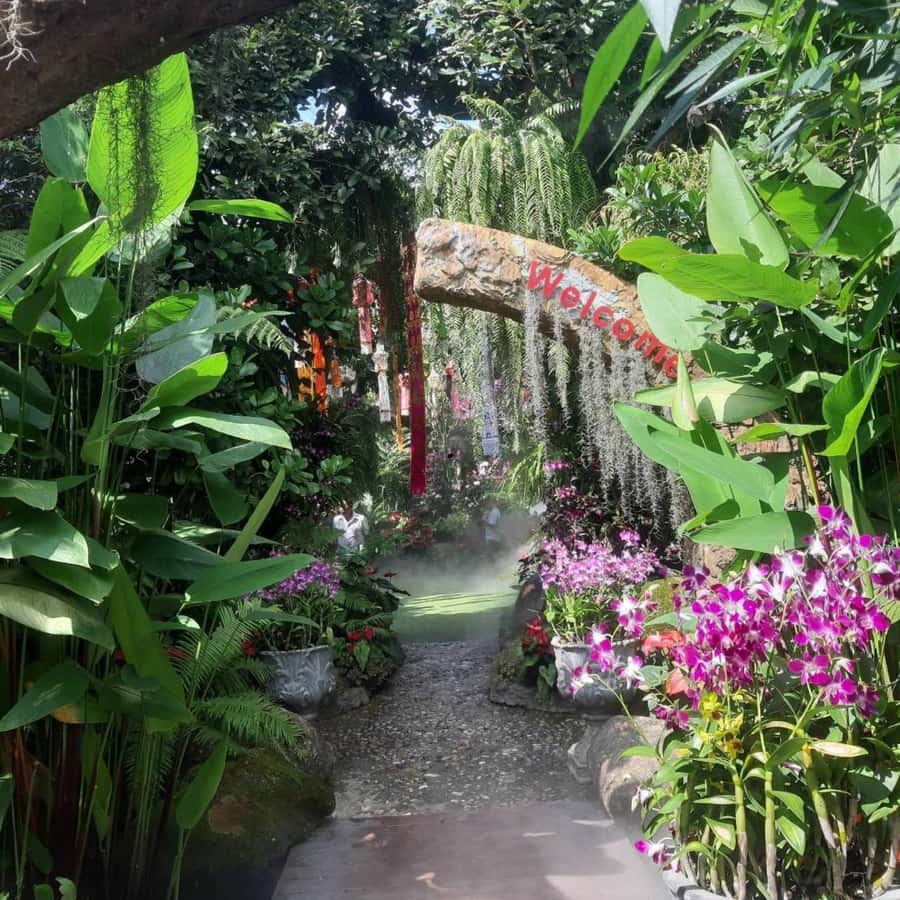
Before the temples start stacking up, you get a stop at Mae Kachan Hot Spring. The idea here is simple: stretch your legs, freshen up, and reset your brain.
Even if you only use it for a break (not a long soak), it helps because temple visits require focus. You’ll be walking, looking up at details, and moving between indoor and outdoor areas.
A practical note: this stop is time-based, so don’t plan a deep spa session. It’s more like a breath of air before you step into temple mode.
White Temple (Wat Rong Khun): art, symbolism, and the ticket that changes everything
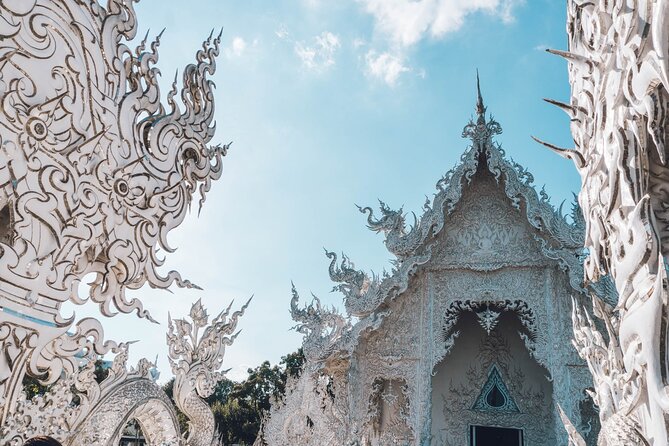
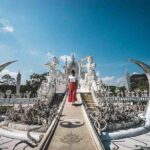
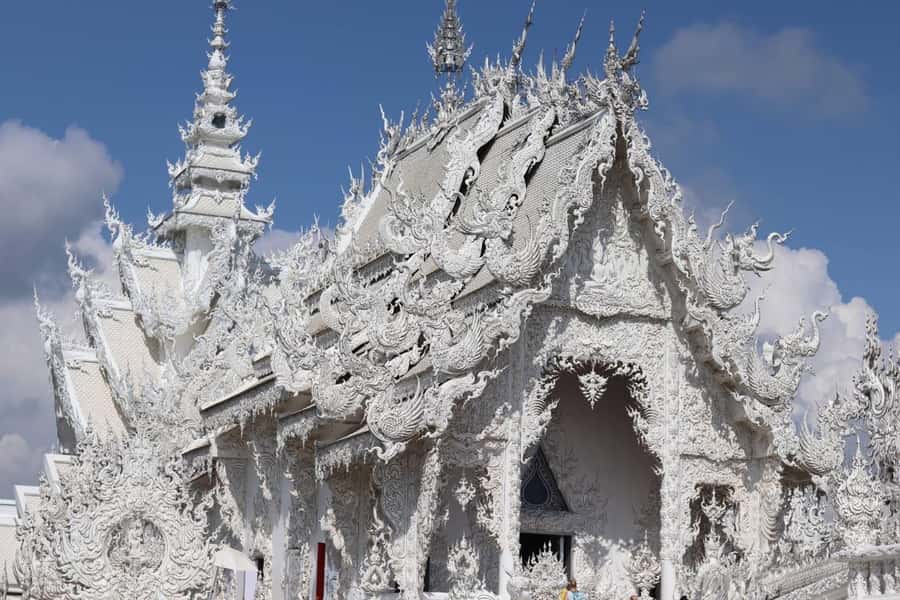
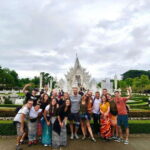
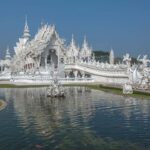
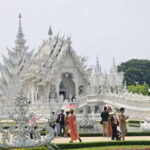
Wat Rong Khun, the famous White Temple, is the one most people recognize instantly from photos. The look is surreal and sharp, like something between a sculpture garden and a living artwork. But the real value of this stop is that the tour includes more than just the main grounds.
You get entrance plus tickets for the cave of art and for the elevator up to the big Kuan Yim statue. That matters because it pushes your visit beyond surface-level “wow” sightseeing. You’re able to spend time in areas that people often miss when they only do the quick exterior loop.
What to watch for while you’re there
White Temple rewards slow looking. You’ll want to keep an eye out for layered symbolism and the ways the artist treats traditional Buddhist ideas with modern visual language. Even if you don’t read Thai religious detail, you can still appreciate craftsmanship, design logic, and the overall mood.



A drawback to keep in mind
The White Temple can be visually intense. If you’re prone to sensory overload in bright places, you may want to take short pauses and step aside to breathe. Your guide can help pace the visit so it stays fun, not frantic.
Lunch in Chiang Rai: fuel before the next two very different temples
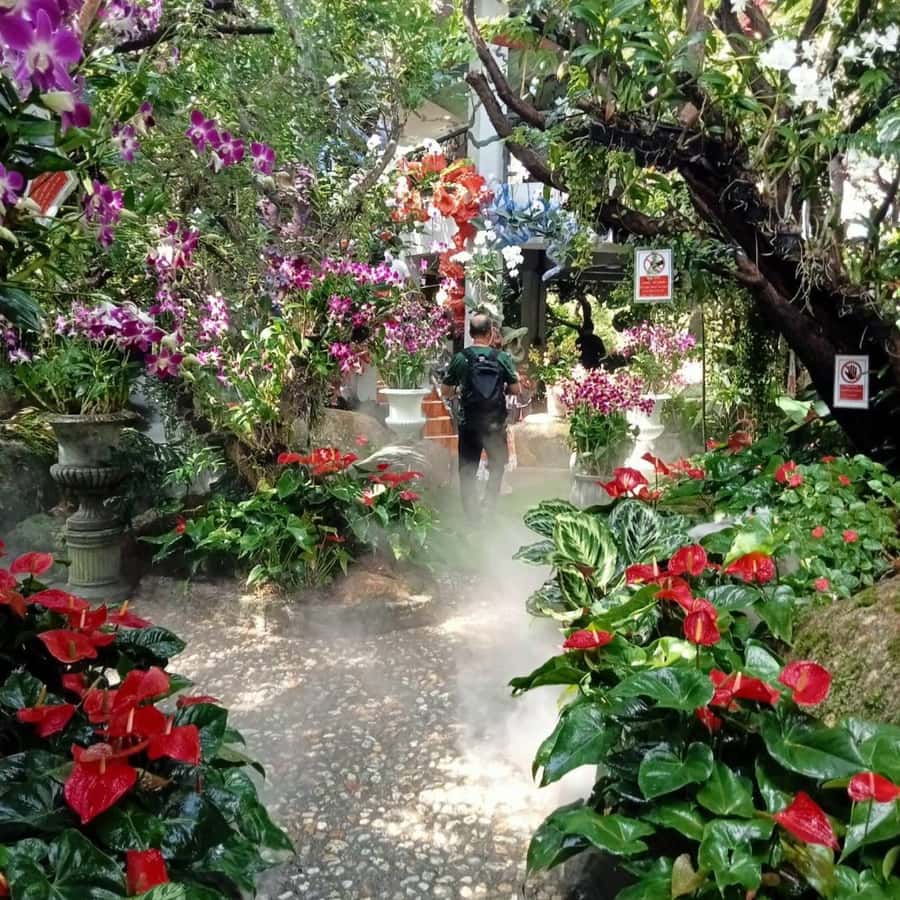
Lunch is included, served at a restaurant during the Chiang Rai segment of the day. It’s not a random stop; it’s positioned to keep you from doing temple hopping on an empty tank.
Try to eat something filling but not too heavy. Blue and Red temples both involve time outdoors and up/down movement, and you’ll likely want your legs feeling good after lunch.
If you have dietary needs, it’s smart to mention them in advance when you’re organizing the tour. The data here doesn’t list specific restaurant options, so confirming details ahead of time is the safe move.
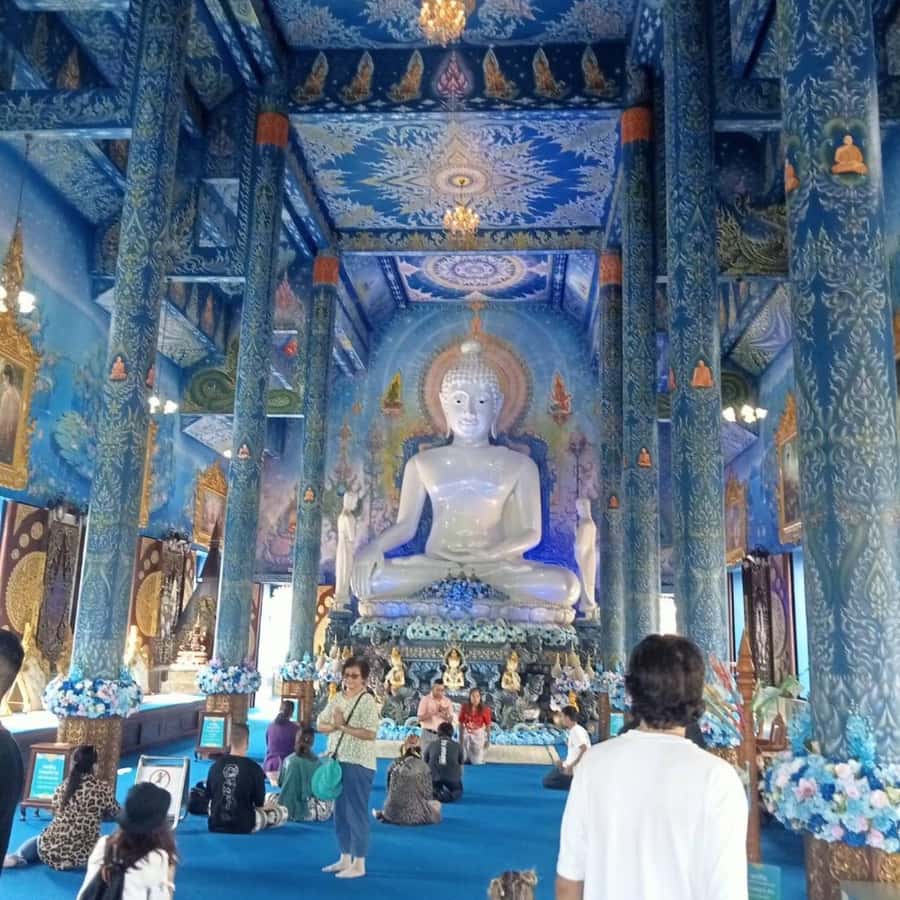
Blue Temple (Wat Rong Suea Ten): tradition mixed with a bold modern approach
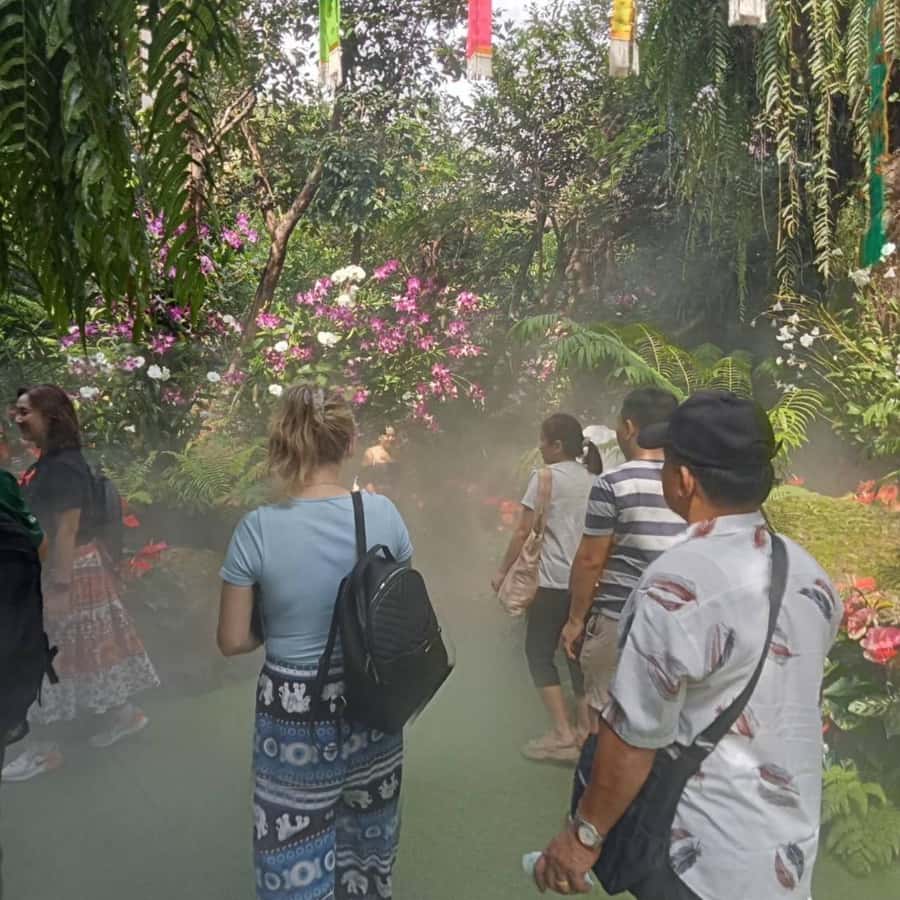
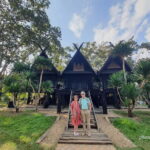
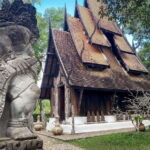
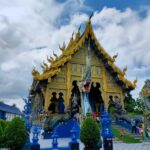
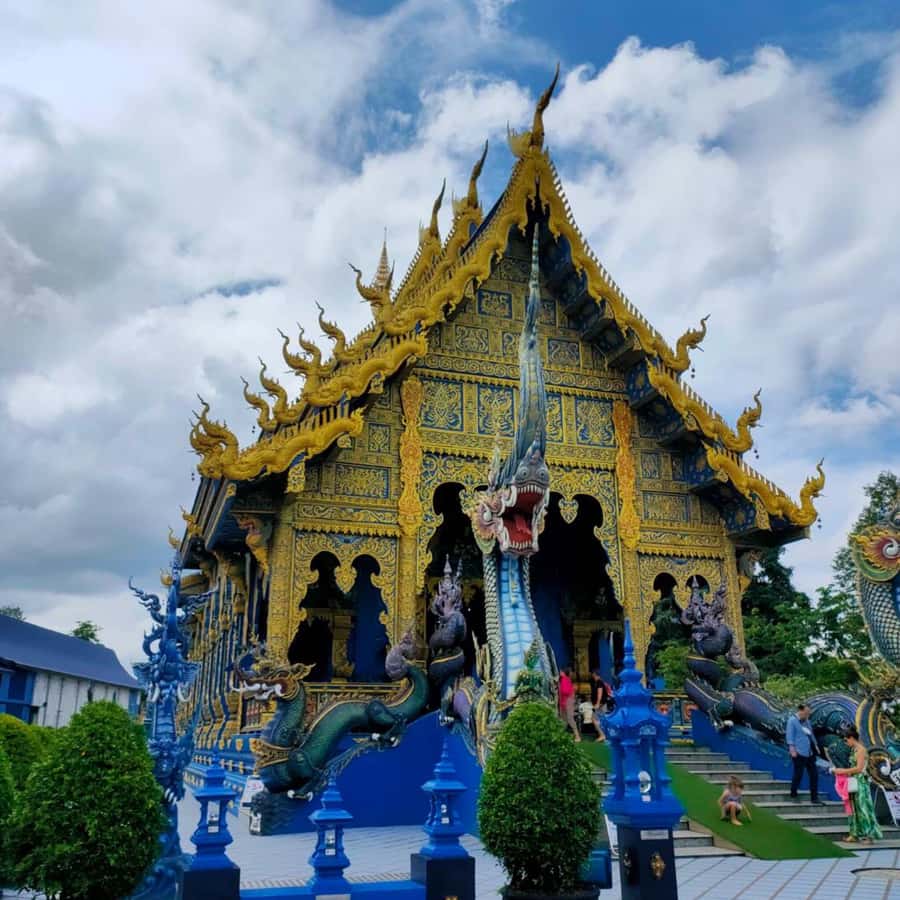
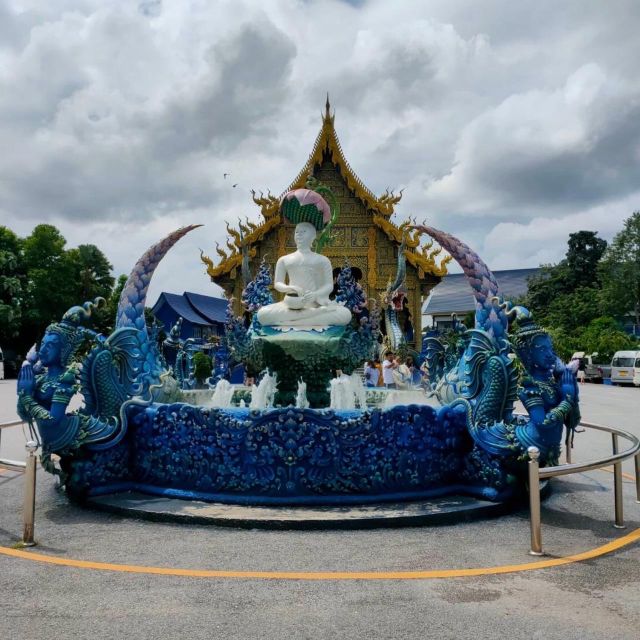
Next up is Wat Rong Suea Ten, often called the Blue Temple. If White Temple feels like pure art spectacle, Blue Temple feels like a different kind of statement. It blends Thai Buddhist values and classic temple architecture with more contemporary design choices.
This is one of those stops where you’ll appreciate the guide’s timing. The light changes quickly, and photo angles can make a huge difference between “nice” and “wow.” Since your tour includes an English-speaking guide, you can also ask what to look for, and you’re not stuck guessing what the design is trying to say.
The good part: it’s not just more of the same
Blue Temple adds variety to the day. After the intense white visuals, the softer color palette and design shifts feel like a reset. You’ll likely notice more “structure” and “space” in this stop than you did earlier.
The practical part
Wear temple-appropriate clothing: cover your arms and legs. If you’re traveling light, consider packing a thin shawl or an extra layer that’s easy to use on short notice.
Huay Pla Kang Temple (Wat Huay Pla Kang): mountain-top calm and the walking factor
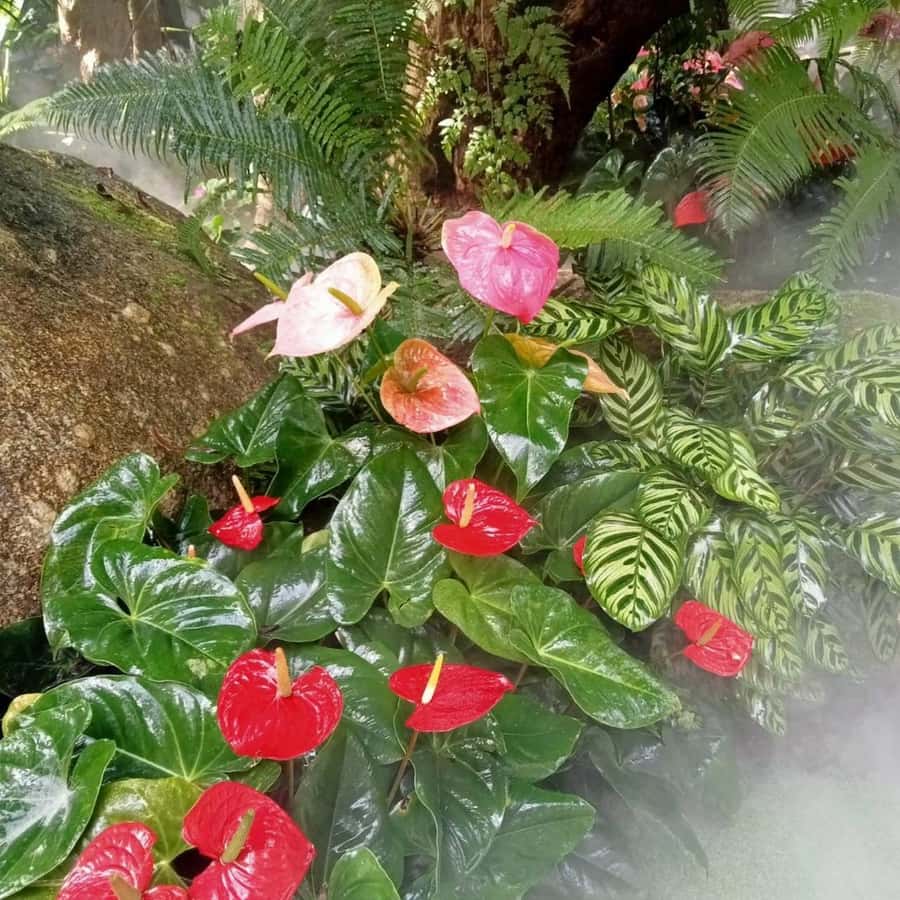
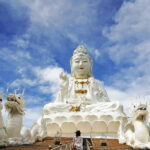
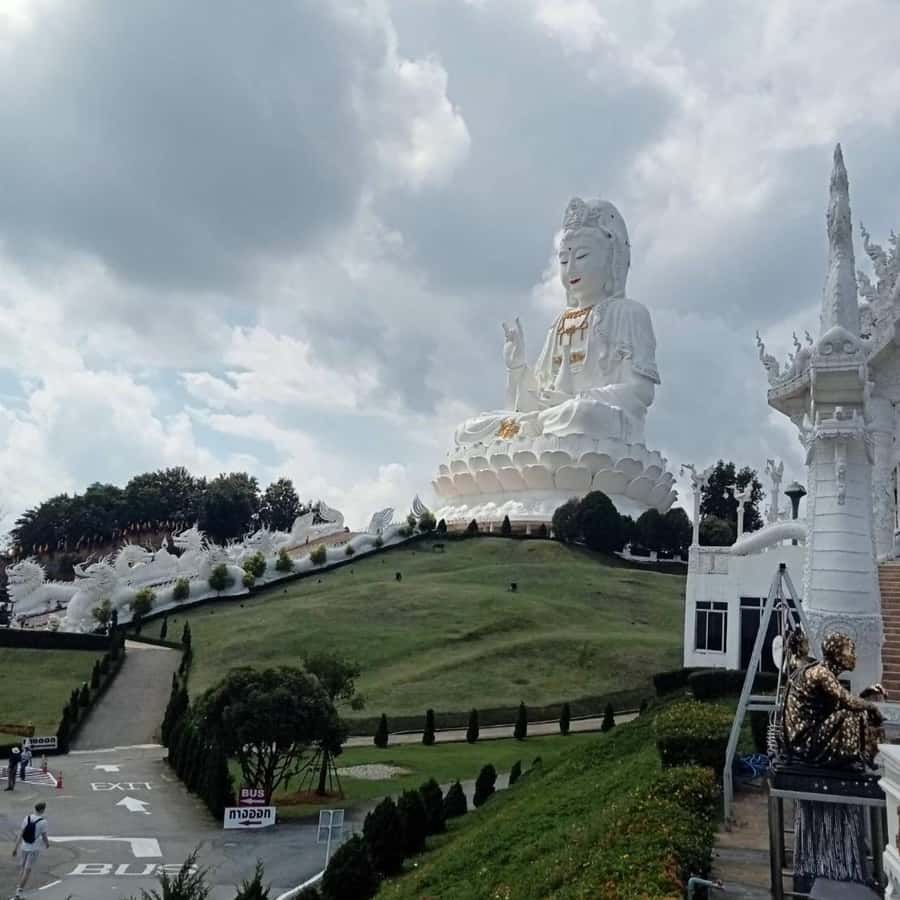
Then you’ll head to Wat Huay Pla Kang, a temple known for its serene setting on a mountain top. This is where the day shifts again. You’re not just looking at architecture now; you’re experiencing the location—green hills around you, more open air, and a slower sense of space.
It’s also a practical reality check. Mountain-top temples can mean extra walking and uneven ground. Your route is planned, but you’ll still want to wear comfortable shoes and avoid anything too slippery.
Why this stop is worth scheduling
The value here is contrast. You’ve had art-heavy spectacle (White), bold design mixing (Blue), and now a calm mountain setting (Red). If you’re the type who gets tired of “temple photos only,” this is the one that helps you breathe and actually enjoy the view.
Lalitta Cafe: the break that turns the day from sightseeing to experience
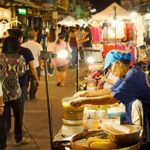
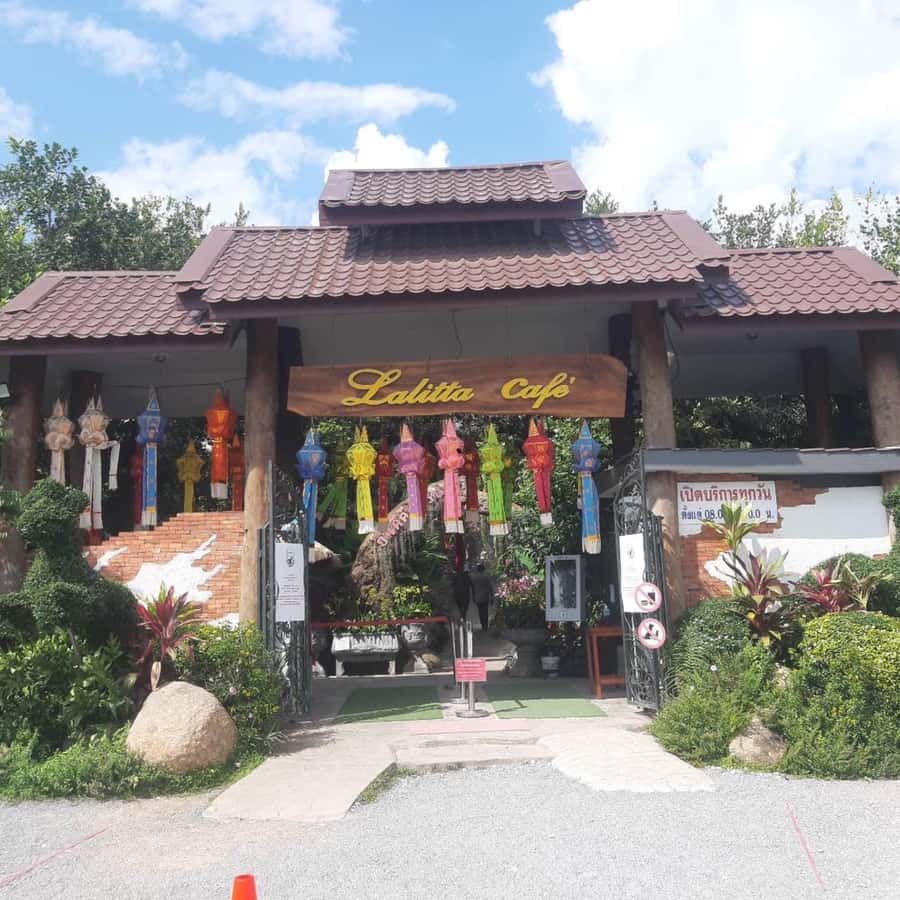
Lalitta Cafe is your final stop before the return to Chiang Mai. This is a smart move in an itinerary like this, because it gives you a proper pause to sit down, drink something, and talk about what you just saw.
From a travel value standpoint, it balances the day. Temples take a lot of mental energy—looking, reading small details, and navigating movement. Cafe time lets you stop rushing and just enjoy the day’s rhythm.
If you’re traveling with someone who likes food stops, this is likely the part that feels “less touristy” and more like you’re living in the place for a bit.
Your guide makes a difference: photo timing, patience, and not rushing
Even though the itinerary is fixed-ish, the experience can still swing based on the guide. In this trip’s case, the pattern is clear: guides tend to be patient, efficient, and focused on making the day work smoothly.
You may get a guide such as Nop, Bird, Toon, or Austin. What people value most is how the guide:
- explains historical and design points clearly,
- doesn’t rush your stops,
- picks photo spots and timing that help avoid peak chaos,
- and stops for breaks when you need them.
If you care about photos, this matters. The difference between good and great shots is often timing. A guide who knows shortcuts to reduce traffic also helps you keep the schedule without feeling like you’re constantly fighting the clock.
Price and value: why $147 can feel fair for a long day
At $147 per person for 13 hours, the price isn’t “cheap,” but it is easier to justify when you break down what’s included. You’re paying for:
- private, air-conditioned transport with pickup and drop-off,
- an English-speaking guide for the day,
- entrance fees and the extra ticket components at White Temple (cave of art + elevator to Kuan Yim),
- lunch,
- drinking water,
- and accident insurance.
The two big value drivers are the private transport (you’re crossing province-level distance) and the White Temple add-on tickets. Many similar trips cost more once you start paying separately for elevator or special areas.
What’s not included is personal spending, so budget for souvenirs, snacks beyond lunch, and anything extra you decide to buy at the stops.
Dress code, comfort, and small things that save time
For temple visits, bring clothing that covers arms and legs. This isn’t just etiquette; it can affect whether you’re turned away at the entrance area.
Comfort matters because your day includes:
- a long driving day,
- walking and photo stops,
- and a mountain-top temple.
If you want to be practical, pack a small bag with:
- a light layer for sun and air-conditioning,
- comfortable shoes,
- and a plan for water between stops (you’ll have drinking water, but you may want your own extra depending on weather and your pace).
Also, confirm your pickup location details the night before. Your guide is coordinating your schedule from the Chiang Mai side, and being ready in the hotel lobby avoids delays.
Who this tour fits best (and who should skip it)
This works well if you want a packed day with a plan, and if you’re excited about seeing multiple iconic Chiang Rai temple designs without coordinating transport yourself.
It may be less ideal if:
- you hate long drives and prefer slow travel,
- you want lots of free time at each site (this is structured),
- or you need a very short, low-walking itinerary.
It also tends to fit couples and solo travelers who like guided pacing, and families who appreciate that an English guide can keep the schedule moving without rushing.
Your best bet is to go with the mindset: one day, three temples, one cafe, done—just in a way that’s organized.
Should you book this Chiang Rai White, Blue, Red, and Lalitta day trip?
I’d book it if you want maximum Chiang Rai impact with minimal hassle. The included White Temple ticket components (cave of art and the elevator to the big Kuan Yim statue) are a standout value point, and the guide-led pacing tends to make the day feel smoother than a DIY route.
I’d pause and think twice if you’re sensitive to long travel days. The drive is substantial, and temple visits add walking and time on your feet. Still, if you’re ready for a full day and you want those three different temple styles in one shot, this is a solid, practical way to do it.
FAQ
How long is the Chiang Rai White, Blue, Red & Lalitta tour?
The duration is 13 hours.
Where does pickup happen?
Pickup is from your hotel in Chiang Mai city within a radius of 5 kilometers from the downtown area. If your location is farther than 5 kilometers, you may pay extra for transportation.
What temples are included?
The tour includes Wat Rong Khun (White Temple), Wat Rong Suea Ten (Blue Temple), and Huay Pla Kang Temple (Wat Huay Pla Kang).
Do I need extra tickets at the White Temple?
You’ll have included tickets for the cave of art at Wat Rong Khun, plus a ticket for the elevator up to the big Kuan Yim statue.
Is lunch included?
Yes, lunch is included.
Is drinking water provided?
Yes, drinking water is included.
How long is the drive between Chiang Mai and Chiang Rai?
The drive is approximately 3 hours one way.
Is the tour guided in English?
Yes, the tour includes an English-speaking guide.
What should I wear for temple visits?
Wear clothes that cover your arms and legs for temple visits.
Is it wheelchair accessible?
Yes, the activity is listed as wheelchair accessible.
What is the approximate return time to Chiang Mai?
You’ll be dropped off at your accommodation around 19:30.