REVIEW · CHIANG RAI
Chiang Rai Trek:Jungle Hike, Bamboo-Cooked Lunch & Boat Ride
Book on GetYourGuide →Operated by R U tour and trek · Bookable on GetYourGuide
A day in Chiang Rai gets real fast once bamboo starts flying. This trek-and-tribe tour mixes a long-tail boat ride, jungle walking, and village visits with a meal you cook using bamboo tools. I especially like the hands-on food part and the fact you get real mountain scenery. One drawback: you’ll do a moderate walk, and rain (or slick ground) can make it harder than the word moderate suggests.
The second thing I like is how the tour keeps the pace human—your guide shapes it as you go, including options if the path feels too steep. You also get two very different water moments: a waterfall dip with a current massage, then a hot spring soak afterward.
In This Review
- Key points before you go
- From Chiang Rai pickup to the Mae Kok River boat ride
- Karen village start: stepping into bamboo-first daily life
- The jungle trek: moderate walking, humid effort, and real footing
- Bamboo-cooked lunch: the meal you actually build
- Passing the tea plantation on the way to lunch
- Waterfall time: cooling off and letting the current do the work
- Akha village: lifestyle observations with a respectful mindset
- Lahu village on higher ground: simple living, bigger perspective
- Hot spring pool in the mountains: warm water after wet feet
- Price and value: is $77 worth it?
- Practical packing list (and the stuff you’ll be glad you brought)
- Who should book this Chiang Rai trek-and-tribes day
- Should you book Chiang Rai Trek: Jungle Hike + Bamboo Lunch + Boat Ride?
- FAQ
- What’s included in the Chiang Rai trek tour?
- Is lunch provided, and what is special about it?
- Do I need swimwear for the waterfall?
- Are the hot spring swimming tickets included?
- How much walking is involved?
- Where are the pickup and drop-off points?
- Is the tour suitable for everyone?
Key points before you go
- Karen, Akha, and Lahu village visits that focus on daily life, not just photo stops
- Bamboo-cooked lunch: cut cups/chopsticks and cook your food with natural tools
- Waterfall swim is optional, but the spot is worth seeing even if you skip it
- Hot spring swimming costs extra (100 Baht ticket not included)
- A guide helps you manage the trek—great if you’re traveling with kids or want options
- This is not for mobility limitations; shoes and stamina matter
From Chiang Rai pickup to the Mae Kok River boat ride
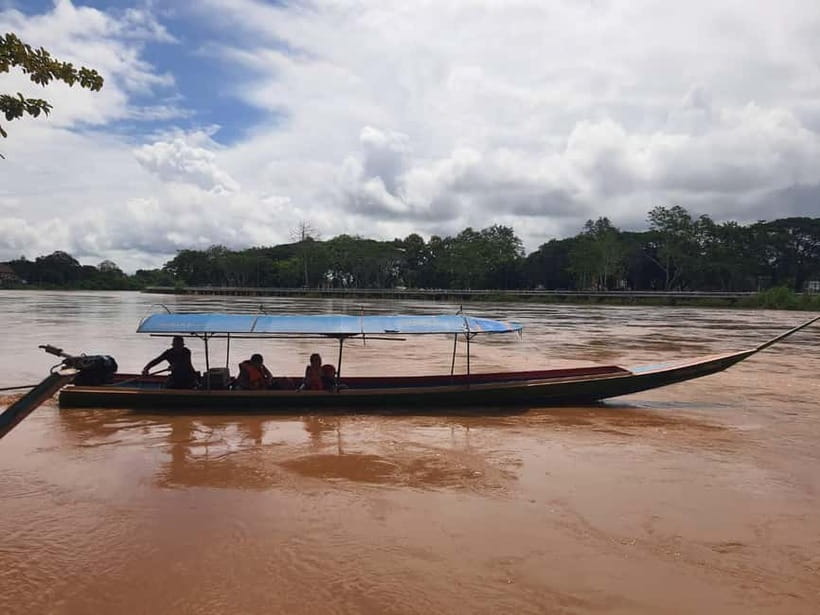
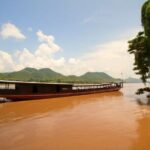
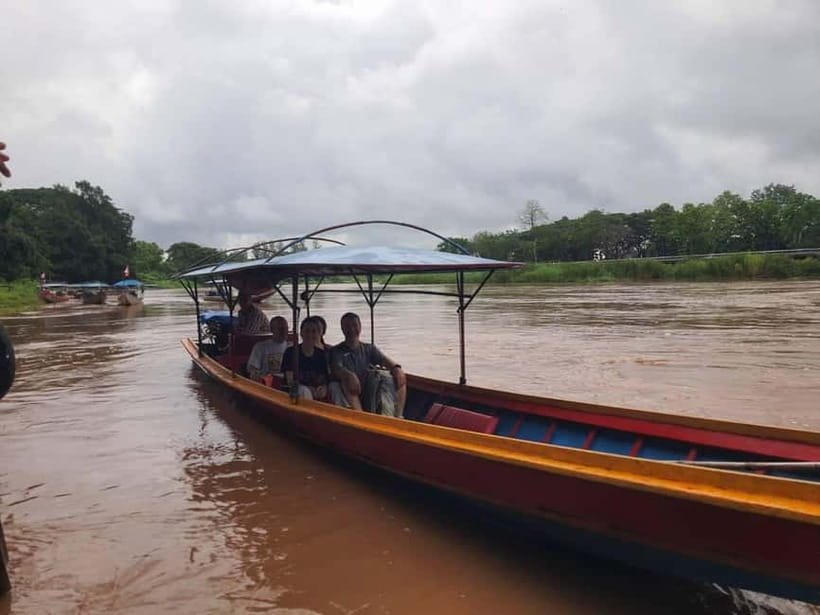
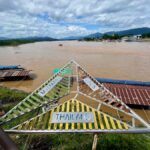
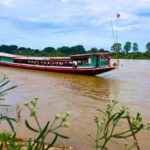
The day starts with a simple promise: you’re picked up from downtown Chiang Rai within about 3 km. You’ll wait in the lobby around 8:30 a.m. so you’re ready to go when the car arrives. Then it’s off to the Mae Kok River, where the long-tail boat sets the mood immediately.
The boat section is usually around 40 minutes. You’ll move through river scenery at a slower pace than land travel, which helps your body loosen up before the hike. It also breaks up the day so it doesn’t feel like you jump straight into trekking. One nice add-on you might encounter along the route is a stop near an elephant sanctuary area during the boat ride, which can add an extra “wow” moment without turning the day into a zoo-like experience.
Practical note: long-tail boats can feel bouncy. If you’re prone to motion sickness, plan accordingly.
You can also read our reviews of more boat tours in Chiang Rai
Karen village start: stepping into bamboo-first daily life
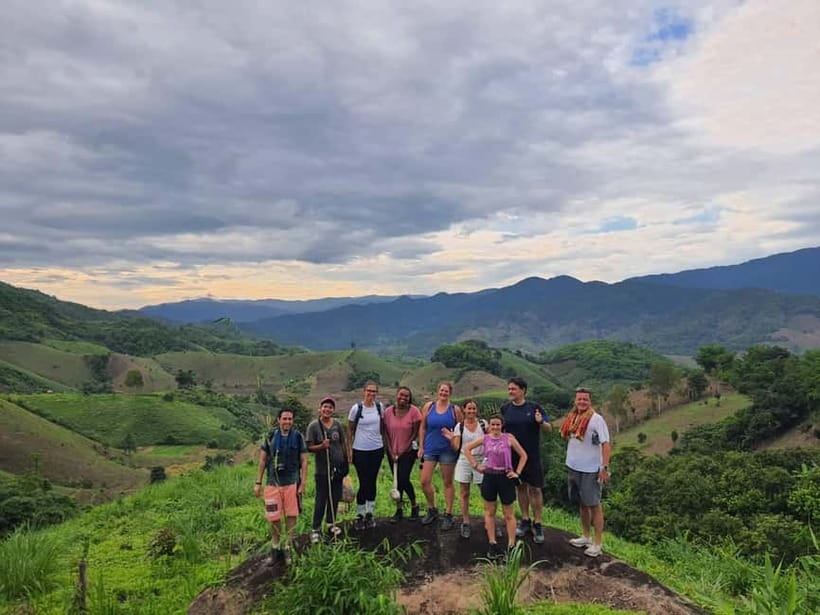
Once you reach the first village area, you get your first real taste of hill tribe culture—starting with the Karen community. The tour doesn’t frame villages as a quick checkmark. Instead, you’re guided into activities that connect with how people use resources in everyday life.
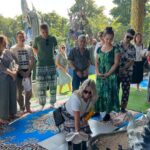
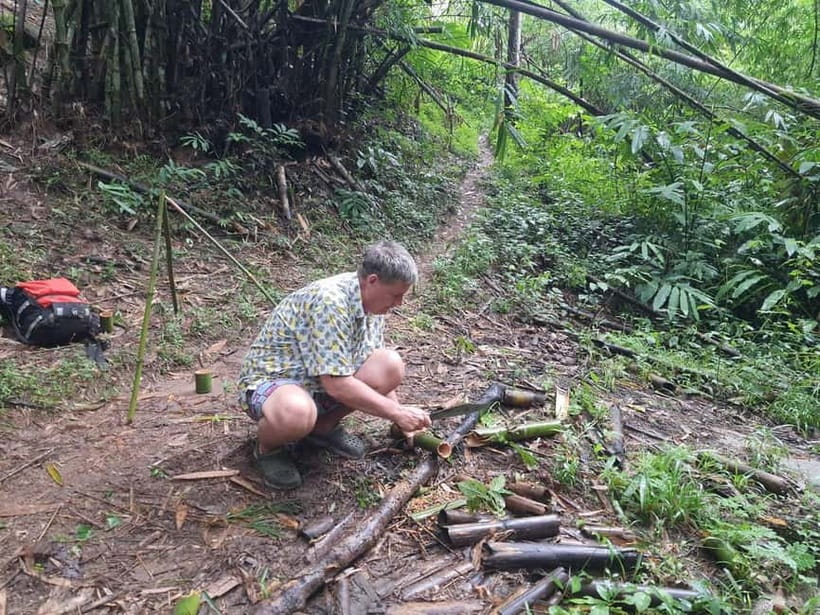
A big part of this is bamboo. In the jungle, you’ll cut bamboo cups and make basic tools like chopsticks. The idea here isn’t “showmanship.” It’s about survival and practicality: how people turn what grows around them into what they need to eat and cook. Your guide does the teaching in a way that sticks because you’re actually making things, not just watching.
If you’re traveling with kids, this section matters even more. In multiple experiences, the guide role (for example, Aryu/Ayu/Arju as names appear) was praised for keeping children busy while also explaining plants and uses you’d never notice on your own.
The jungle trek: moderate walking, humid effort, and real footing
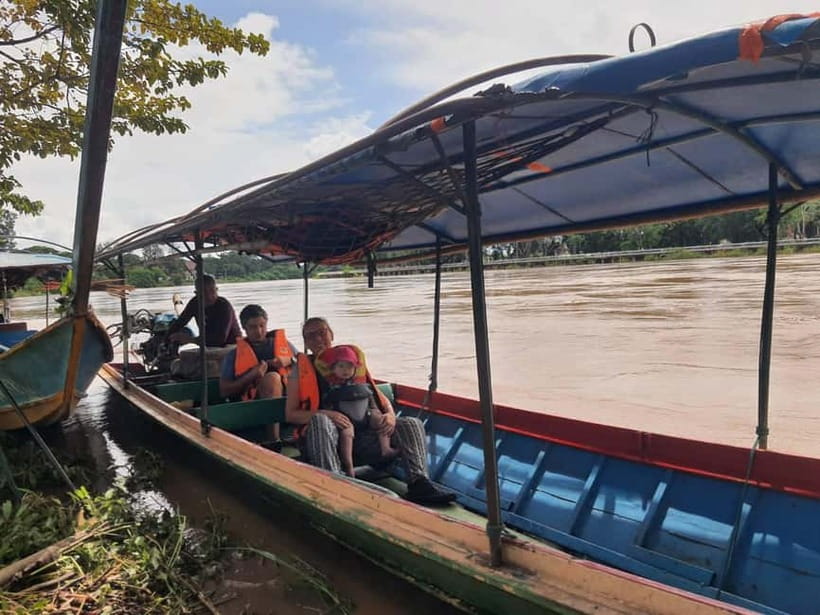
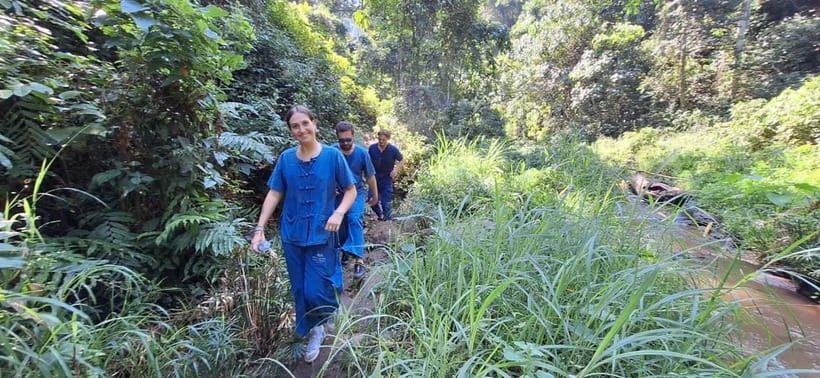
The trekking is the core of the day. The tour describes it as moderate walking, but how moderate it feels depends heavily on weather and ground conditions. You may hike in dry heat that still feels humid, or you may hike in rain where the paths get slippery.
This is why I tell you to treat the footwear like it matters. Wear comfortable shoes with real grip. Bring long pants and a long-sleeved shirt to deal with sun and insects. Insect repellent isn’t a fancy extra here—it’s part of making the hike enjoyable.
Also, don’t assume you must power through. Guides on this route tend to offer flexibility. If someone in your group needs a shorter route or slower pace, it’s often possible to adjust rather than forcing everyone to suffer for the sake of a “perfect” trek. That’s the difference between a day you remember and a day you’re just surviving.
Who should be cautious: the tour is not suitable for people with back problems, mobility impairments, wheelchair users, or pregnant women. It’s also not meant for very young babies (under 1 year). If any of those apply, you’ll be happier choosing a gentler option in Chiang Rai.
Bamboo-cooked lunch: the meal you actually build
Then comes the best part for many people: lunch cooked in bamboo. Yes, it’s as cool as it sounds, but it’s more than a novelty. You’re not just eating in the jungle—you’re participating in how food gets prepared with minimal tools.
You cook on an open fire using bamboo-made utensils. Expect the “how” to be explained while the “make” happens in front of you: bamboo cups, chopping tools, and simple cooking methods. One of the strongest takeaways from past trips is the quality of the food itself—described as delicious and even some of the best BBQ eaten in Thailand by families.
This is also where your senses get involved. Guides may point out fruits or plants you can try. Even if you’re not a “nature expert,” you’ll learn what to notice: edible parts, practical uses, and how people read the forest like a grocery store.
A small planning tip: you’ll want energy for the afternoon. The tour includes lunch, but it’s still smart to bring snacks. You’ll also want water, and the tour does provide drinking water—still, carrying a bit extra can make you feel comfortable.
Passing the tea plantation on the way to lunch
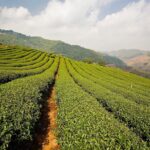
Between the jungle segments, the day includes a stop near a large tea plantation. You’ll walk past it on your route, and it helps break up the pure jungle feel. Tea adds a different kind of texture to the landscape—more open, more agricultural—so your eyes can rest.
It also gives context. Hill tribe communities live close to different types of land use: forest, water, and plantation areas. Seeing the plantation during your trek connects the cultural learning to the broader region’s economy, not just the villages.
The key point: this isn’t a long “shopping tour.” You’re still trekking, still moving, still doing the main activities.
A few more Chiang Rai tours and experiences worth a look

Waterfall time: cooling off and letting the current do the work
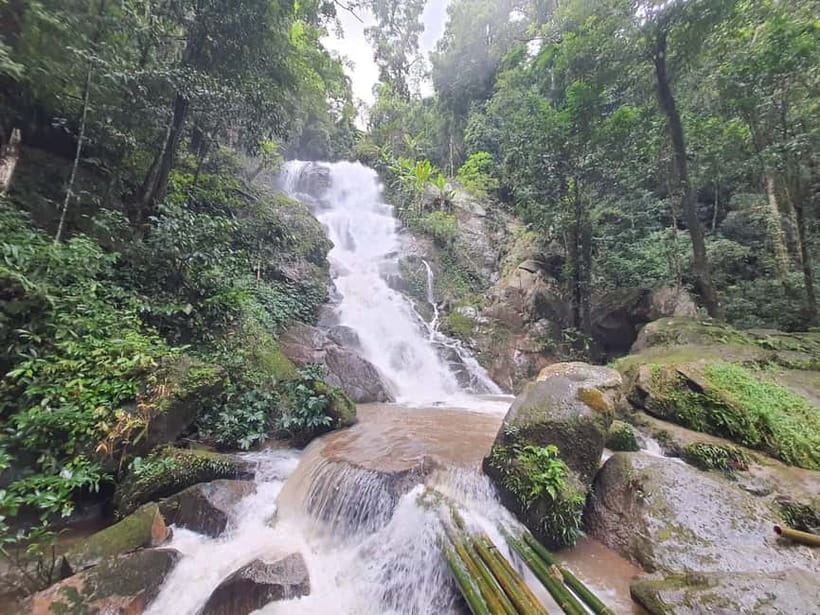
After lunch, you head toward a waterfall close to the village. This is where the day turns from effort to relief.
Swimming at the waterfall is optional. If you want to swim, bring swimwear and a towel—because you’ll feel better if you’re prepared rather than improvising with dry clothes. Even if you don’t swim, the waterfall experience is about the sound, the cool air, and the chance to watch the water up close.
One detail people rave about is the “massage” effect from the current on your shoulders when you get in. It’s not a spa appointment, but it’s a very real body reset after hours of walking.
Quick reality check: waterfall areas can have slippery spots. Move carefully, watch your footing, and don’t touch plants if you’re close to vegetation.
Akha village: lifestyle observations with a respectful mindset
Next up is an Akha village. This is one of the cultural stops that can feel surprisingly grounded because you’re not just seeing a performance. You’re learning about the lifestyle—how people live day to day in the hill country setting.
This is also where respect matters. The tour includes guidance to respect local customs while visiting. Don’t treat the village like a backdrop. Ask through your guide when you have questions, and keep interactions calm and considerate.
If your camera loves close-ups, remember: the rules include not touching plants. Keep hands to yourself and let your guide handle the explanations.
Lahu village on higher ground: simple living, bigger perspective
After Akha, you go on to the Lahu village, described as being in the middle of the high mountains. This shift in elevation and setting changes the whole mood of the day. You go from village routines to a more remote, high-country feel.
The tour frames the Lahu stop around how simple living can look up close. You see the basics that support daily life, and it’s easier to understand what “simple” means when you’re standing in the environment that makes it necessary.
This part of the day is the one that sticks for a lot of people because it slows everything down mentally. It’s not just trekking anymore. You start thinking about how geography shapes choices—materials, shelter, food, and community routines.
Hot spring pool in the mountains: warm water after wet feet
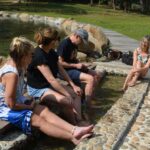
Late in the afternoon, you head to hot springs for a relaxing soak. This is your reward for moving through jungle and waterfall and whatever the weather decided to throw at you.
One important cost note: tickets for hot spring swimming are 100 Baht and are not included. So budget for that small extra if you plan to get in the pool. The tour still provides the main experience of the hot spring spa time—just not that specific admission.
If you’re traveling with kids, this ending makes a lot of sense. After a full day, warm water turns a long trip into something they can actually enjoy, not just endure.
Price and value: is $77 worth it?
For $77 per person, you’re getting a full-day package that combines:
- a professional guide
- hotel pickup and drop-off
- a long-tail boat ride on the Mae Kok River
- trekking experience
- lunch
- insurance
- drinking water
On paper, $77 doesn’t look like “just a hike.” In practice, it spreads the day across multiple paid pieces: transport, guided access, and the meal built from bamboo in the jungle. It also reduces logistics stress—rather than you figuring out village access, boat timing, and cooking set-up, you’re handed a structured day.
The extras to watch are also clear:
- soft drinks and alcohol aren’t included
- hot spring swimming tickets cost 100 Baht
So for most people, this is good value if you want more than sightseeing. It’s the kind of tour where you pay for time with a guide and hands-on cultural learning, not just a bus ride.
Practical packing list (and the stuff you’ll be glad you brought)
This tour is physical and outdoor-focused, so your best “souvenir” will be comfort.
Bring:
- Comfortable shoes (or hiking shoes with grip)
- Hat and sunscreen
- Swimwear and a towel
- Long-sleeved shirt and long pants
- Insect repellent
- Water (the tour provides drinking water, but carry what makes you feel safe)
- Snacks (optional but smart)
- Cash
- Camera
Also consider:
- if you’re worried about rain, quick-dry layers help
- if you dislike cold water, plan on cooling off rather than long swims
And remember the rules:
- no smoking
- no littering
- don’t touch plants
- alcohol and drugs are not allowed
- no baby strollers
Who should book this Chiang Rai trek-and-tribes day
This tour suits you if you want an active day that still feels culturally respectful and personal. It’s also a strong pick for families when kids can handle a non-trivial walk. One family completed it with children aged 9 and 11 and found it manageable, as long as they kept a steady pace and the weather stayed reasonable.
You should skip it if you:
- have back problems or mobility limitations
- use a wheelchair
- are pregnant
- want a mostly seated, low-effort day
Should you book Chiang Rai Trek: Jungle Hike + Bamboo Lunch + Boat Ride?
If your idea of a great Chiang Rai day includes jungle time, village visits that focus on daily life, and a lunch you help cook, then this tour is a smart booking. You’re paying for more than scenery. You’re paying for guide-led access and a hands-on bamboo meal that you won’t forget.
Book it if you can walk comfortably on uneven ground and you’re okay with optional swimming in a waterfall. Pass if you need step-free, low-mobility travel, or if the idea of humidity and slippery footing would stress you out.
If you’re trying to choose between a “views only” day and something more hands-on, pick this one. The bamboo-cooked lunch plus the waterfall-to-hot-spring rhythm is a very practical way to experience the region beyond the main streets.
FAQ
What’s included in the Chiang Rai trek tour?
You get a professional guide, lunch, transport by motorized long-tail boat, trekking experience, insurance, and hotel pickup and drop-off. Drinking water is also included.
Is lunch provided, and what is special about it?
Yes, lunch is included. You’ll learn to cook a traditional Thai meal in bamboo cups in the jungle, using bamboo tools.
Do I need swimwear for the waterfall?
Swimming at the waterfall is optional, but if you want to swim, bring swimwear and a towel.
Are the hot spring swimming tickets included?
No. Hot spring swimming tickets cost 100 Baht and are not included.
How much walking is involved?
The tour involves a moderate amount of walking through the jungle. It may feel harder if conditions are slippery due to rain, so wear proper shoes.
Where are the pickup and drop-off points?
Pickup and drop-off are from downtown Chiang Rai within 3 km. You wait in the lobby at about 8:30 a.m., and the tour ends back at the same meeting point.
Is the tour suitable for everyone?
It’s not suitable for pregnant women, people with back problems, people with mobility impairments, wheelchair users, and babies under 1 year. Strollers are also not allowed.