REVIEW · CHIANG RAI
Chiang Rai Guide: Popular 7places 3Colors ,Golden Triangle
Book on GetYourGuide →Operated by Chiang Rai Lanna Tours · Bookable on GetYourGuide
Art and borders in one long day. This Chiang Rai circuit puts White Temple creativity on the clock, then throws in the Golden Triangle border-view drama. I also like the practical air-conditioned vehicle setup with free drinking water, so you’re not cooked between stops. One thing to consider: the day is packed, and several sites have separate entry tickets you pay in cash.
The heart of the trip is the people part. You’ll ride with an English-speaking guide who’s a real Northern Thai local, with guides like Mew and M specifically called out for clear explanations and a friendly, on-time flow. You’ll also get a buffet lunch of Thai food, which is a smart way to keep the schedule moving without leaving you hungry or hunting.
The biggest “heads up” is simple: temples have a dress rule. Bring clothes that cover shoulders and legs below the knees, or you may feel awkward at the entrances.
In This Review
- Key takeaways before you go
- Why This One-Day Chiang Rai Circuit Works So Well
- White Temple and Blue Temple: Northern Thai Art on Full Display
- Black House (Baan Dam): A Different Kind of Creative House-Museum
- Long Neck Karen Village and the Tea Plantation: Culture and Everyday Life
- Golden Triangle Viewpoints: Where Borders Meet Rivers
- Opium Museum: Context That Makes the Golden Triangle Make Sense
- Transport, Lunch, and Timing: Comfort Without Rushing
- Price and Value: What $43 Covers (and What It Doesn’t)
- Who This Tour Suits Best (And Who Might Want Something Else)
- Should You Book This Chiang Rai Lanna Tours Day?
- FAQ
- What’s included in the tour price?
- Which entrance tickets are not included?
- How long is the full day, and when do you return?
- What should I wear for temple visits?
- What’s the tour like in terms of comfort and transport?
- Are there any rules about what I can bring?
Key takeaways before you go
- White Temple + enough time to take it in: not a two-minute photo sprint.
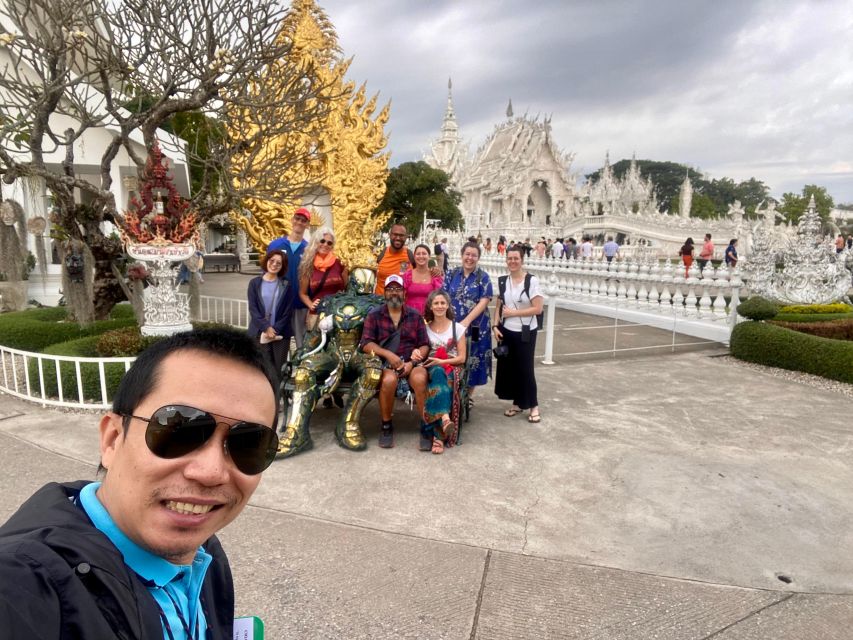
- Local, English-speaking guides: named guides like Mew and M get praised for clarity and warmth.
- Comfort breaks built in: AC transport and free water help the day feel doable.
- Golden Triangle viewpoints without the chaos: you’ll get to see where Thailand, Laos, and Myanmar meet.
- Opium Museum adds context: the story behind the border area makes more sense afterward.
- Entrance tickets are separate: plan for White Temple, Black House, Long Neck Village, and Opium Museum fees.
Why This One-Day Chiang Rai Circuit Works So Well
Chiang Rai can feel spread out. This tour beats that problem by linking the top sights into one route, with a guide narrating as you go. The best part for most people is the pacing: there’s enough time at each stop to actually look, not just “arrive, snap, and vanish.”
You’re also getting a small-team feel with a comfortable minibus (9 seats) or a car for smaller groups. That matters because you’re spending most of the day in transit. When the vehicle is air-conditioned and the driver is smooth, the whole day feels easier—even when you’re moving from temple to museum to border viewpoints.
Finally, I like that the tour ends with a proper return to Chiang Rai town (around 6:30–7:00pm) and can drop you at the hotel or another spot in town. That’s one less headache at the end of the day.
You can also read our reviews of more guided tours in Chiang Rai
White Temple and Blue Temple: Northern Thai Art on Full Display
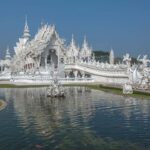
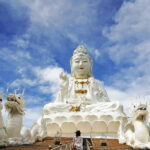
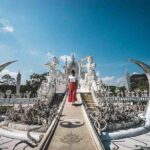
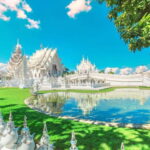
Wat Rong Khun, the White Temple, is often the first name people mention for Chiang Rai. Here, you spend the time properly. You’ll get an explanation first, then you’re given about 1 hour or more to visit after the intro (you pay the ticket separately at 100฿).
What makes this stop work isn’t just the famous look. It’s the guide’s framing—how the artist’s style turns religious space into something that feels contemporary. That prep time helps you see more than surfaces. If you’re the type who likes to understand why a place looks the way it does, this part will feel worth it.
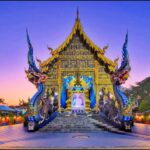
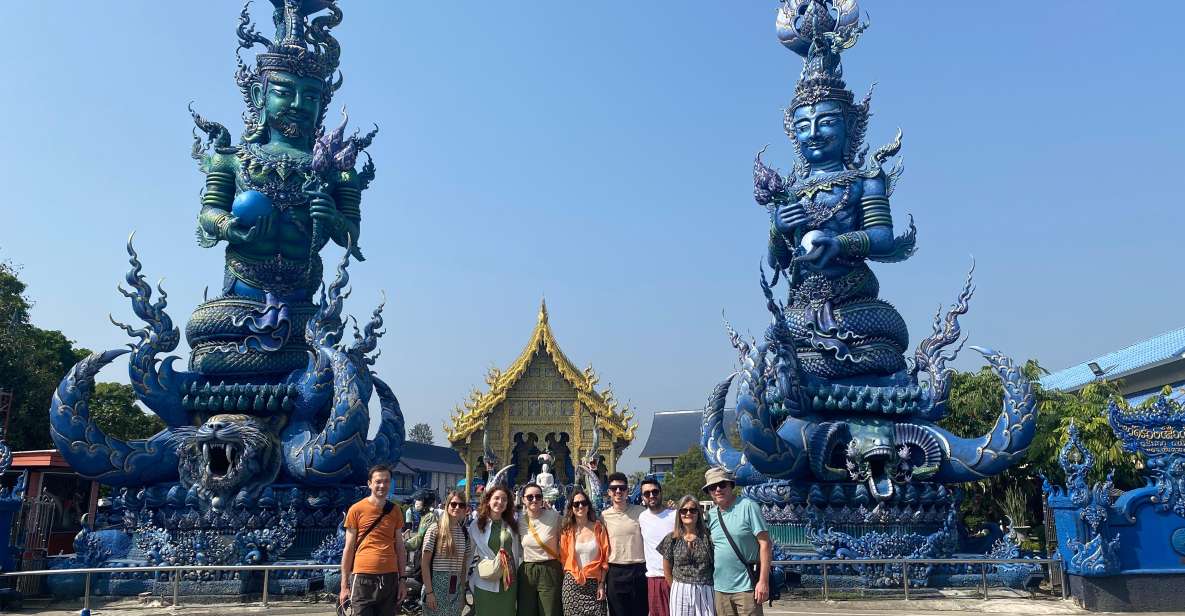
Then you roll into Wat Rong Suea Ten, the Blue Temple. It’s a newer attraction and very much in the same art-world orbit as the White Temple. Entry is free, and the visit is shorter—about 25–30 minutes after the key info. Blue Temple moves fast by design, so if you want deep, slow museum-style wandering, you might wish for more minutes here. But for most people, the timing keeps the day balanced.
Dress note: both temples expect shoulders and legs covered. I’d rather you bring a light layer that meets the rule than risk a last-minute scramble at the entrance.
Black House (Baan Dam): A Different Kind of Creative House-Museum

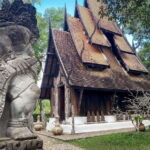
After the big spectacle of the White Temple, Baan Dam (the Black House) is a nice contrast. It’s a private house museum style space tied to another Thai national artist, with a look that feels more darkly experimental than the white-and-sparkle theme.
You pay 80฿ for the Black House, and your visit runs roughly 50 minutes to 1 hour. This stop tends to surprise people who expected another temple photo spot. The collection format can feel more like you’re touring art you didn’t know you’d want to see—objects, displays, and installations arranged for viewing rather than worship.
If you’re on the fence about “one more museum stop,” don’t assume it’ll feel like one. The tone is different enough that it breaks up the day’s rhythm in a good way.
Long Neck Karen Village and the Tea Plantation: Culture and Everyday Life
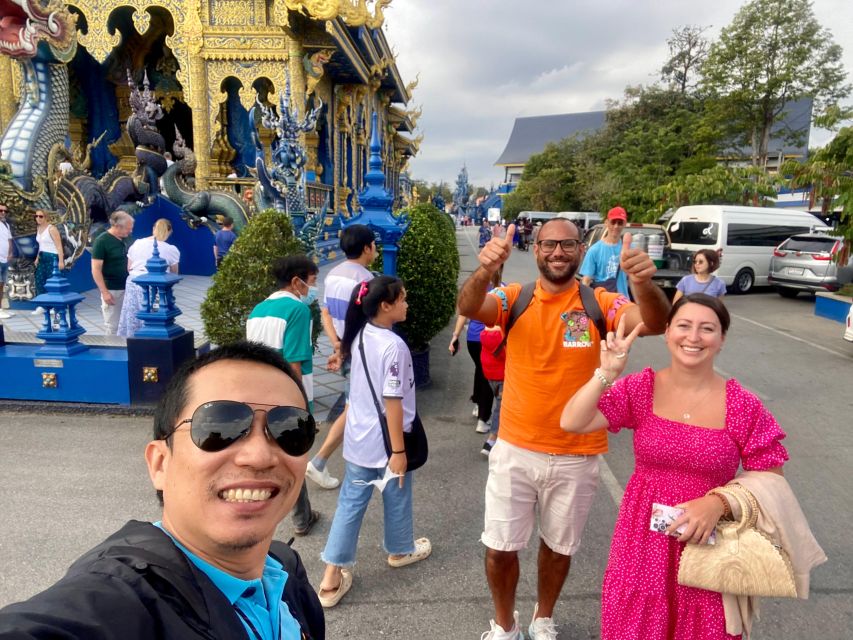
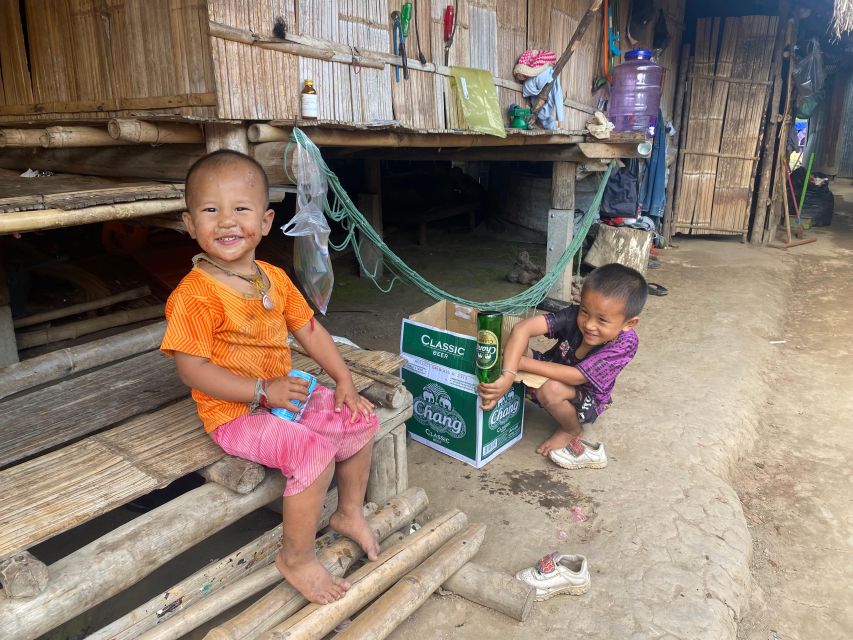
The Long Neck area is the most sensitive part of the day. You’ll visit the Burmese refugee village linked to the Karen community. It’s described as nearly disappearing, so the whole experience can feel both educational and bittersweet.
The ticket is 300฿, and the time on-site is about 40–50 minutes. Since it’s a living community rather than a staged attraction, go in with respect: watch, listen, and take photos only when it feels appropriate. The best guides keep the conversation human and explain the background, rather than turning it into a “look at the costume” moment.
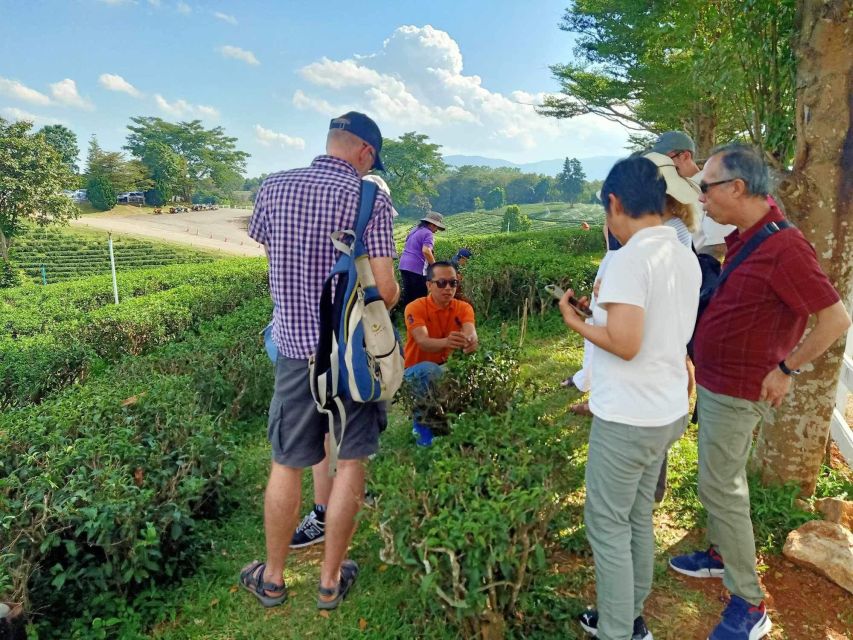
Then comes the tea plantation break. If you want one part of the day that feels calmer and more visual, this is it. You get 20–30 minutes to enjoy the view and learn about tea, including the fact that Chiang Rai is Thailand’s tea-producing region.
This stop also works because it’s a mental reset between the heavier border topics. You’re not just “passing through greenery.” You’re learning how the plant fits into local life—so when you get to taste tea (if included at the plantation stop), it won’t feel random.
One practical note: the day is long. A short, scenic pause matters, even if it’s not the most famous attraction on the map.
Golden Triangle Viewpoints: Where Borders Meet Rivers
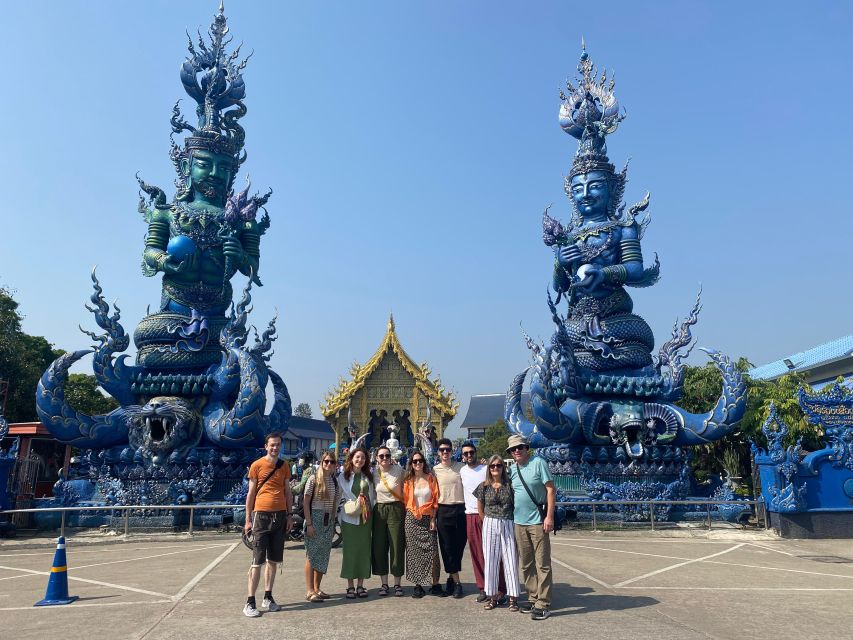
The Golden Triangle is the headline, and for good reason. This is the area where Thailand, Laos, and Myanmar meet, known historically for the opium trade.
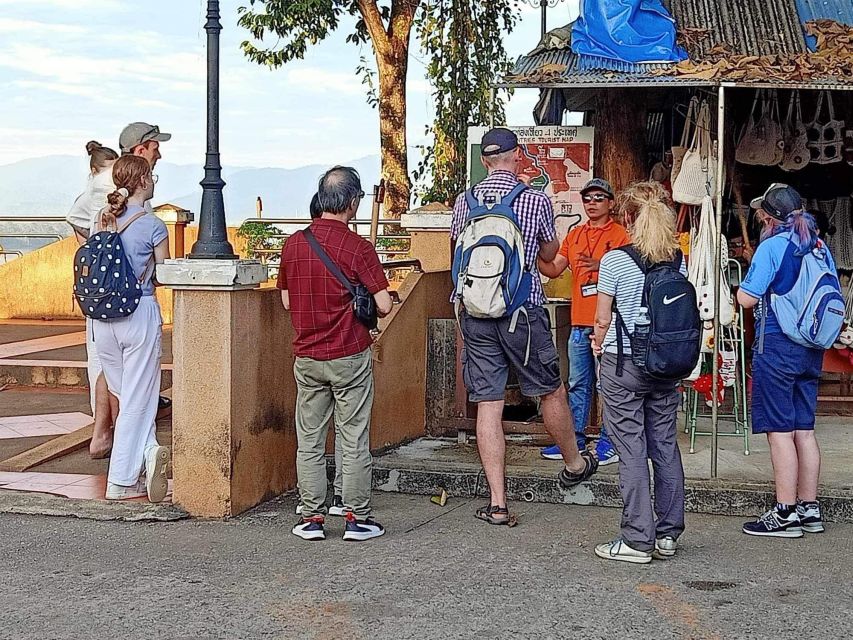
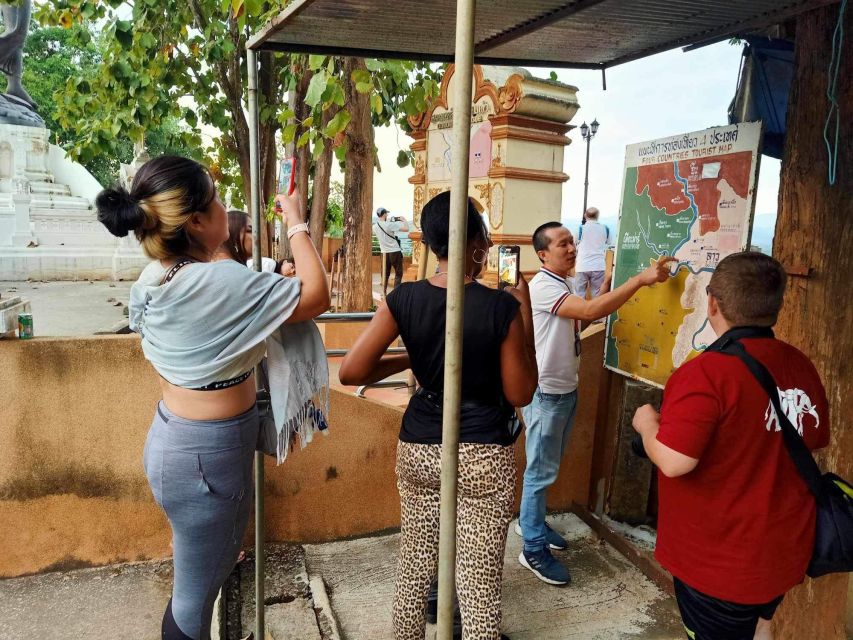
You’ll travel to a viewpoint that lets you see the three countries meeting. The geography is explained as a separation by two rivers: Ruak River and Mae Khong River. That detail matters because it’s not just “three flags near each other.” It’s water, land, and lines drawn across geography—so the viewpoint helps you connect the dots fast.
Your time here is about 1 hour or more, which is long enough to catch the view in different angles and not just stand there once for a quick photo. The tour also brings you close to the border area without forcing you into a chaotic setup.
In real life, border areas can bring mixed feelings. The guide’s context helps keep it from becoming pure spectacle.



Opium Museum: Context That Makes the Golden Triangle Make Sense
Once you’ve seen the rivers-and-borders view, the Opium Museum gives you the background. This is where the story gets less postcard and more historical.
The museum ticket is 50฿, and the visit runs about the time needed to learn about opium history and the Golden Triangle background, plus you’ll see used equipment related to opium. After that, you start the return drive back to Chiang Rai town. The day winds down with arrival around 6:30–7:00pm.
This pairing is clever: you see the geography first, then you learn the history tied to it. If you only did one, you’d miss part of the meaning.
Transport, Lunch, and Timing: Comfort Without Rushing
The logistics are built for a smooth day. You get hotel pickup and drop-off, travel in an air-conditioned vehicle, and free drinking water during the day. Travel insurance is included too, which is a solid safety net for a full-day tour.
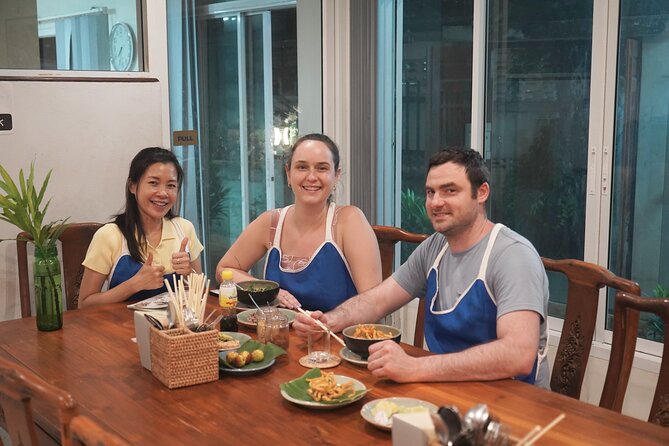
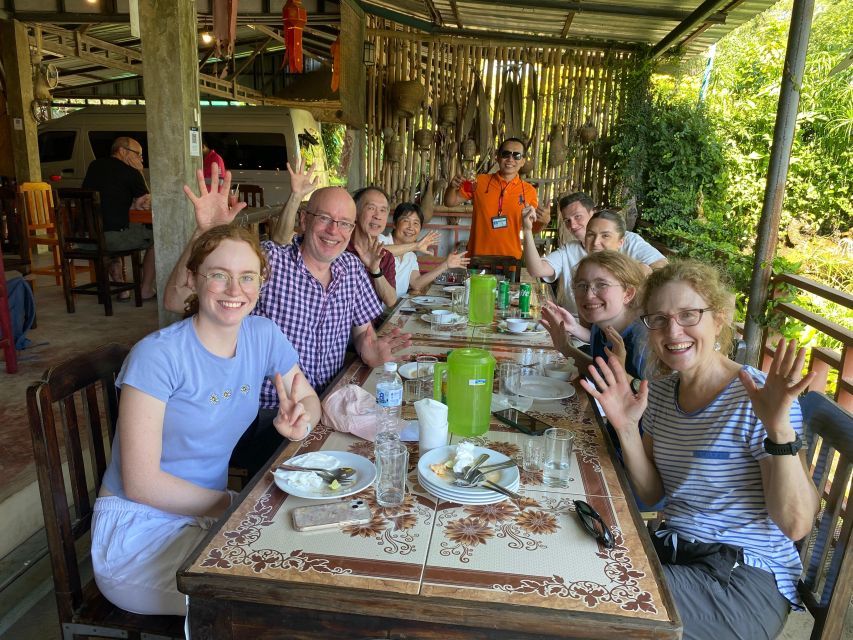
Lunch is a buffet of Thai cuisine. That’s practical in Thailand’s day-trip world, where eating on your own can mean waiting in line or hunting for something that actually fits your schedule. A buffet also helps if you’re picky about timing—everyone eats, everyone moves on.
Timing is also one of the most repeated positives. Guides described as relaxed and funny still manage the schedule. Stops include enough time to see what you came for, and transit time between stops is kept short enough that you don’t feel like you’re losing your day to the road.
One consideration: with many stops in one day, you’re going to walk some and sit some. It’s not a couch tour.
Price and Value: What $43 Covers (and What It Doesn’t)
At $43 per person, you’re paying for the full day structure: pickup/drop-off, air-conditioned transport, an English-speaking local guide, buffet lunch, free water, and travel insurance. That’s usually where value comes from, because transport + guiding + lunch can add up quickly if you try to piece it together yourself.
The trade-off is clear: entrance tickets are not included. Based on the listed site fees:
- White Temple: 100฿
- Black House: 80฿
- Long Neck Tribe Village: 300฿
- Opium Museum: 50฿
- Blue Temple: free
(You’ll still have to budget for Long Neck Village and White Temple most likely, since they take the lion’s share of paid entries.)
If you’re the type who hates paying separate fees, you might wish this was all-in. But if you like flexibility—and you’re likely to enter most stops anyway—this pricing can feel fair for a one-day smash-up of Chiang Rai’s big landmarks.
Also, if you’re traveling with the kind of group where not everyone wants the same museum stop, you may have some ability to skip entering specific sites and wait nearby. That’s worth asking your guide about on the day, since rules can vary by timing and group flow.
Who This Tour Suits Best (And Who Might Want Something Else)
This tour fits best if you:
- Want to see the major Chiang Rai sights in one day without planning transport yourself.
- Like guides who explain context, not just point at buildings.
- Appreciate a mix: temples, art spaces, a community visit, scenery, and historical background.
It may be less ideal if you:
- Want a slower, less structured day with minimal travel time.
- Are sensitive to emotionally heavy topics (the Golden Triangle and opium history).
- Need accommodations beyond the stated limits.
The tour isn’t suitable for babies under 1, people over 95, over 309 lbs (140 kg), and hearing-impaired people. Keep that in mind when you choose.
Should You Book This Chiang Rai Lanna Tours Day?
Yes, book it if your goal is maximum Chiang Rai, zero logistics stress. The strongest reasons are the pacing (enough time at each stop), the guide quality highlighted by named guides like Mew and M, and the smart pairing of Golden Triangle viewpoints + Opium Museum context.
Skip the booking only if you strongly dislike multi-stop days or if you’re hoping for entrance fees to be bundled into one tidy price. Also, if temple etiquette matters to you, plan your outfit ahead and you’ll sail through the entrances.
If you want one day that feels like you actually got your bearings in Chiang Rai—without rushing your brain—this is a very solid choice.
FAQ
What’s included in the tour price?
The tour includes hotel pickup and drop-off, transportation in an air-conditioned minibus or car, an English-speaking tour guide, buffet lunch of Thai food, free drinking water throughout the day, and travel insurance.
Which entrance tickets are not included?
Entrance tickets are not included for Wat Rong Khun (White Temple) at 100฿, Baan Dam (Black House) at 80฿, the Long Neck tribe village at 300฿, and the Opium Museum at 50฿. Wat Rong Suea Ten (Blue Temple) has no ticket fee.
How long is the full day, and when do you return?
The tour is described as a full day, running about 8:00 to around 18:30. You finish back in Chiang Rai town around 6:30–7:00pm.
What should I wear for temple visits?
You should bring clothes that cover your shoulders and your legs below the knees for temple visits.
What’s the tour like in terms of comfort and transport?
You travel in an air-conditioned vehicle, either a comfortable 9-seat minibus or a car if there are fewer participants. Drinking water is provided during the day.
Are there any rules about what I can bring?
Alcohol and drugs are not allowed. Bikes and fireworks are also not allowed.