REVIEW · CHIANG RAI
From Chiang Rai: The best of Chiang Rai with Spanish Guide
Book on GetYourGuide →Operated by Tu Guia en Tailandia Ltd. · Bookable on GetYourGuide
Two temples, one blue-and-white story in Chiang Rai. This tour is a smooth way to see the big Instagram magnets plus a few extras, all with a Spanish-speaking guide and clear temple focus that makes the day feel organized instead of rushed. You’ll hit Wat Rong Khun (White Temple) and Wat Rong Suea Ten (Blue Temple), then round it out with Guan Yin views and the Lalitta Café waterfall stop.
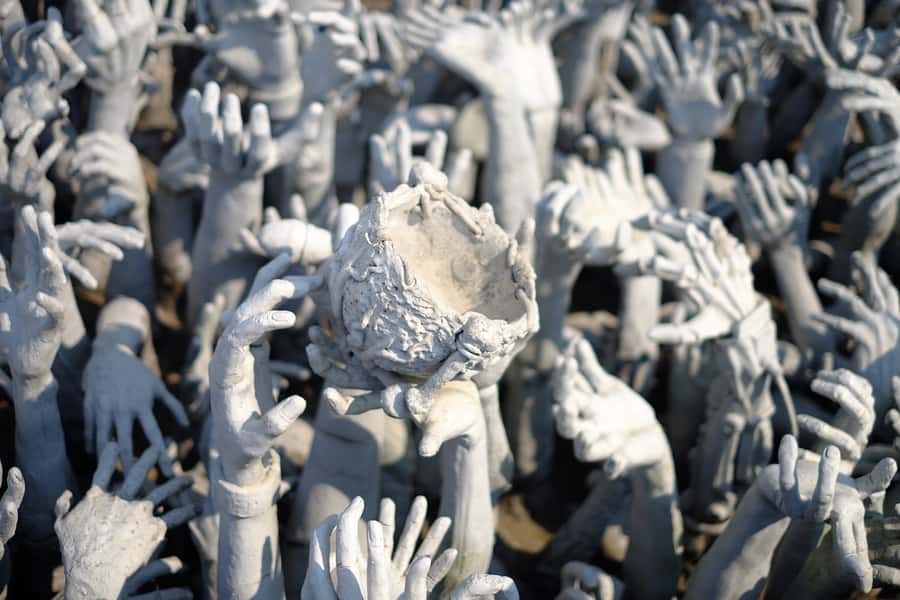
I love how much you get through in a single outing: White Temple murals and hand figures, a quick look at the Golden Ganesha Shrine, and that “wow” climb/view at Huay Pla Kang’s Big Guanyin. I also like the human touch—guides can explain things clearly in Spanish, and in past groups, Nuch has stood out for speaking excellent Spanish and keeping the experience friendly and fun.
One consideration: the pace can still be a lot if you’re sensitive to long driving and time inside temples, and the day isn’t built for people with mobility impairments. Also, there’s a strict temple dress code, so pack accordingly.
In This Review
- Key things worth knowing before you go
- Why This Chiang Rai Best-Of Temple Route Makes Sense
- Meeting Points and Timing: Start Chiang Rai or Start Chiang Mai
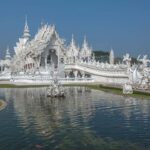
- Wat Rong Khun (White Temple): The Icon You’ll Want to See Slowly
- Golden Ganesha Shrine: A Short Outside Stop With Big Personality
- Huay Pla Kang and Big Guanyin: The Panoramic Break You Earn
- Lalitta Café and the Waterfall Stop: When You Actually Get Time to Enjoy
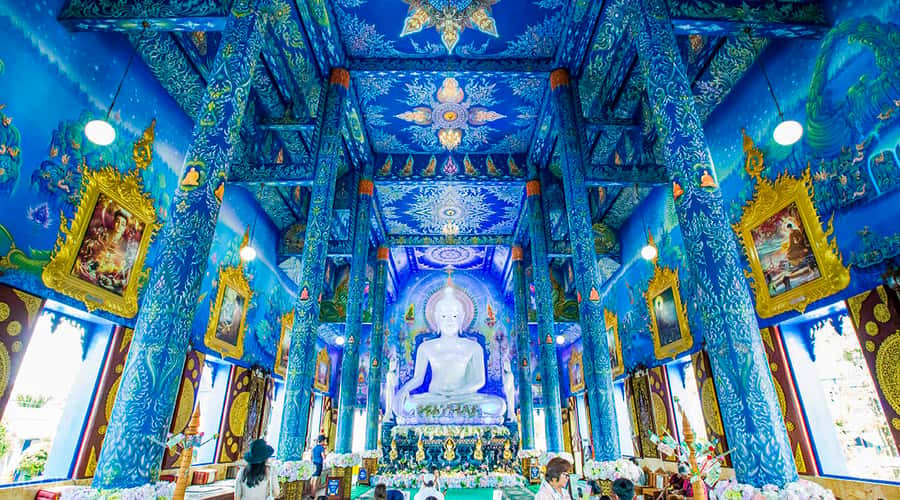
- Wat Rong Suea Ten (Blue Temple): Murals With a Cooler Tone
- Lunch, Included Tickets, and What You’re Really Paying For
- Spanish Guidance: The Difference Between Seeing and Understanding
- Temple Etiquette and Who This Tour Is Best For
- Should You Book This Chiang Rai Best-Of Tour?
- FAQ
- Where is the meeting point for the Chiang Rai start?
- What time does the tour start if I begin in Chiang Mai?
- Do you visit the hot springs?
- Is lunch included?
- Is the giraffe women’s village included?
- What language is the guide?
- What’s the dress code for temples?
- How long is the tour?
Key things worth knowing before you go
- White Temple + Blue Temple in one day means you can compare the styles without shuffling schedules
- Big Guanyin at Huay Pla Kang gives you the panoramic payoff, with an elevator option
- Golden Ganesha Shrine is a short outside stop that still adds variety to the route
- Lalitta Café + waterfall is the planned photo break in lush scenery
- Spanish guidance helps you understand what you’re seeing, not just photograph it
- Optional giraffe women’s village can be added for an extra fee, if you request it early
Why This Chiang Rai Best-Of Temple Route Makes Sense
This is a classic “best of” day, but it’s not just a checklist. You’re moving through Thailand’s temple art styles in a way that feels logical: starting with the sharp, iconic surrealism of the White Temple, then shifting to the blue-toned murals at the Blue Temple. Between those, you get a couple of viewpoint and side stops that break the day up so you’re not stuck doing long temple-marathon hours back to back.
The biggest value here is that key sites are spaced so you can actually enjoy them. The tour includes admission fees, Thai buffet lunch, and bottled water, which means you’re not constantly breaking your day into money tasks and ticket hassles. For a traveler who wants Chiang Rai’s highlights without building a self-drive plan, this kind of structured route is usually the easiest path.
It also helps that you’re not flying solo. A small group setup means you can ask questions and keep your bearings, especially when you’re dealing with temple etiquette and artistic details that you’d otherwise miss.
You can also read our reviews of more guided tours in Chiang Rai
Meeting Points and Timing: Start Chiang Rai or Start Chiang Mai
Timing changes depending on where you start, and that matters for the vibe of the day.
If you start in Chiang Rai, the meeting point is 10:30 AM at the Chiang Rai Clock Tower. The guide connects with you by WhatsApp if the pickup time shifts due to traffic. You’ll have a tighter schedule in Chiang Rai, and you should plan for an earlier finish, typically 5:00 PM to 6:00 PM if you stay in Chiang Rai.
If you start in Chiang Mai, the tour leaves at 7:00 AM from the free meeting point near Wat phrasing (the exact label can vary by the meeting spot). In that case, arrival back in Chiang Mai is usually between 8:00 PM and 10:00 PM, which is a long day. You’ll also get different routing details, including a hot springs stop.
Pickup is optional. If your pickup is arranged, you wait in the hotel lobby about 10 minutes before the scheduled time. And since this is a tour with a Spanish-speaking guide, it’s wise to keep your ID or passport ready from the start.
Wat Rong Khun (White Temple): The Icon You’ll Want to See Slowly
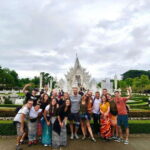
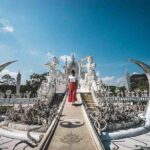
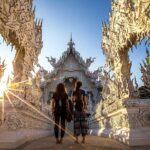
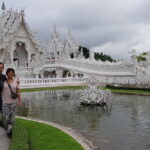
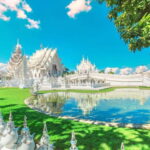
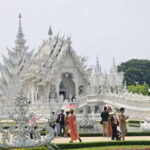
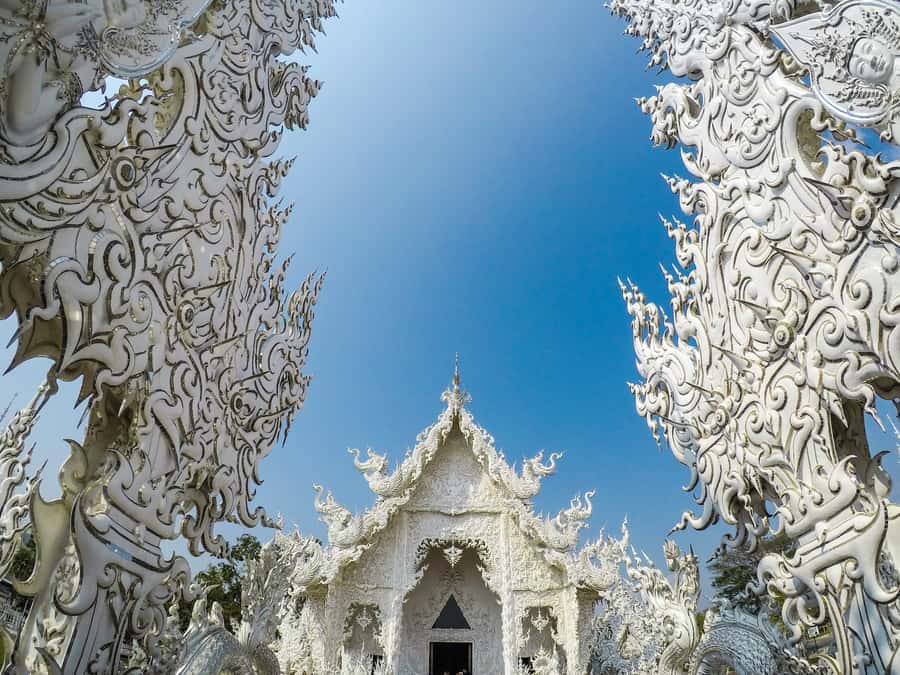
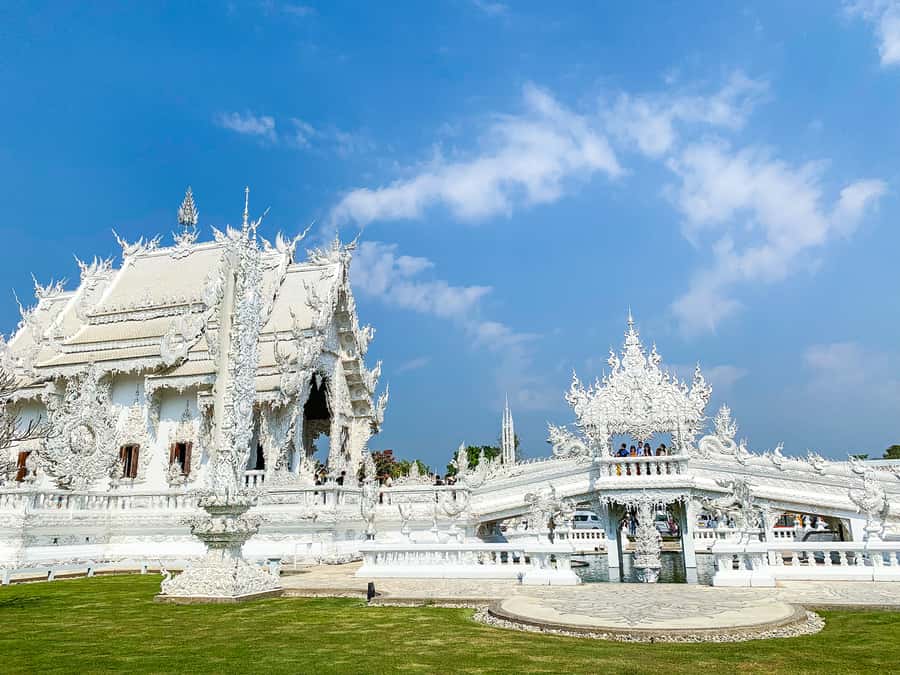
The White Temple, also known as Wat Rong Khun, is why many people come to Chiang Rai in the first place. Outside, it’s famous for its crisp white architecture that feels almost unreal against the sky. Inside, the style shifts—there are unique murals and those famous hand figures that help create the temple’s signature look.
What you’ll appreciate on a guided visit is the way the stop becomes more than a quick photo. You’re not just standing in one spot. You can take in the overall design, then look for the details the guide points out—especially in the murals and the symbolic elements inside. If you’re the type who likes understanding what you’re looking at while you look at it, this is one of the best parts of the day.
Practical tip: wear clothing that works for temples. The tour doesn’t allow short skirts or sleeveless shirts, so plan for covered shoulders and legs even if the weather feels warm.
Golden Ganesha Shrine: A Short Outside Stop With Big Personality
Between the main temples, you’ll make a brief stop at the Golden Ganesha Shrine. This is not positioned as a long “sit and explore” moment. Instead, you admire the architecture from the outside and keep moving.
Why it’s worth including: the route would feel very repetitive if every stop was just another temple courtyard. The Golden Ganesha Shrine adds a different visual vibe, and it helps the day feel varied instead of copy-paste temple hopping. Think of it as a palate cleanser, a quick visual wow that keeps your attention without demanding extra stamina.
Because it’s brief, don’t treat it like a second White Temple. Use it to reset your photos and enjoy one more distinct artistic style before you head toward the viewpoint stop.
Huay Pla Kang and Big Guanyin: The Panoramic Break You Earn
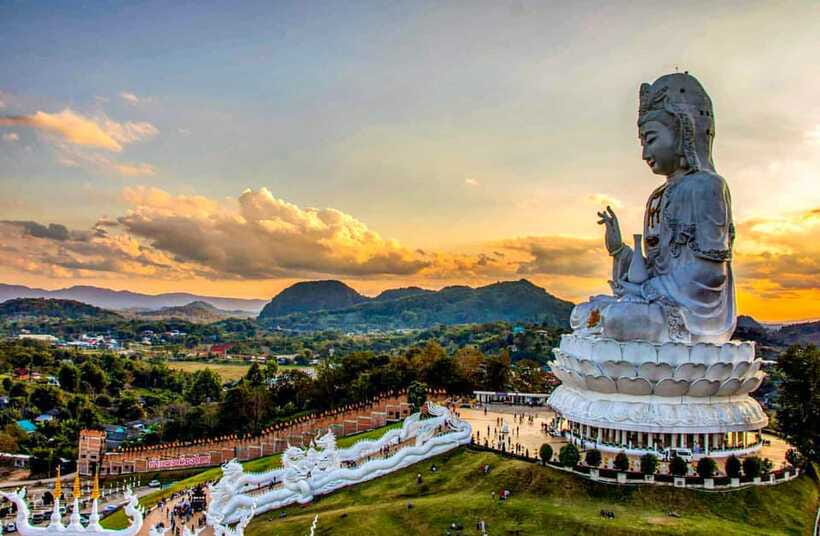
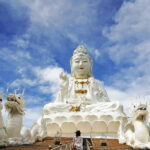
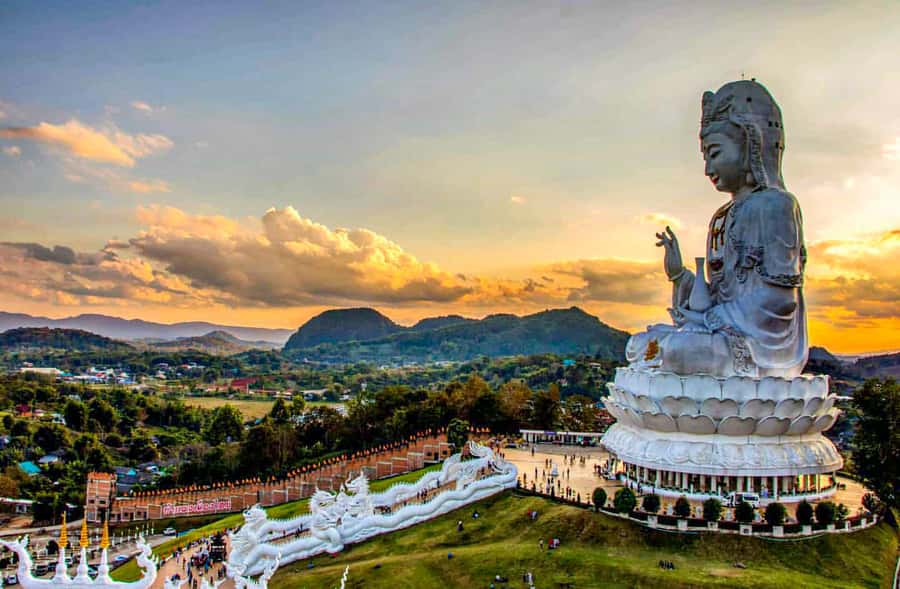
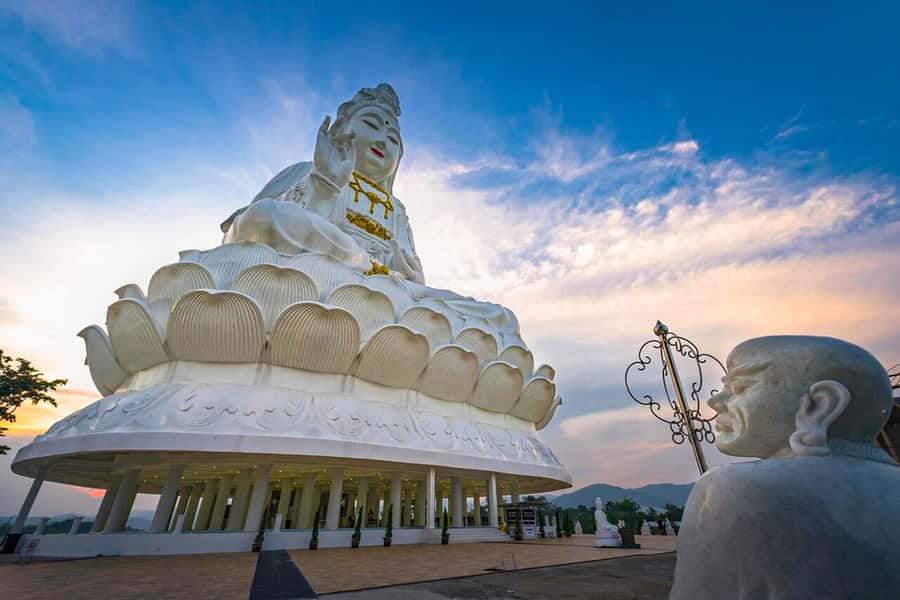
Next comes Huay Pla Kang Temple, where you’ll see the impressive Big Guanyin (Guan Yin) statue. This stop matters because it’s not only about a building. It’s about the view from up on the mountain, where you get a stronger sense of Chiang Rai’s terrain and open space.
There’s also an option you’ll likely appreciate if you want the view without overthinking it: you can take the elevator up for the panoramic experience. That means you can still enjoy the elevated perspective even if your legs want a break.
Why this stop works well in the itinerary: it balances the day. After hours of indoor-style art and courtyard time, the mountain-view moment gives you a different kind of atmosphere—fresh air, wider sightlines, and a change of pace.

Lalitta Café and the Waterfall Stop: When You Actually Get Time to Enjoy
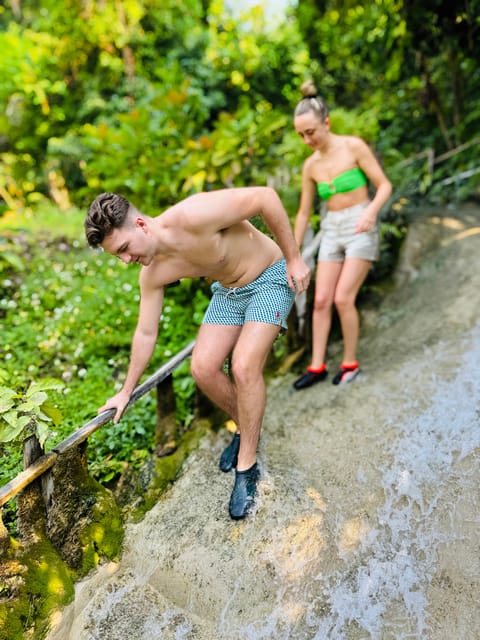
A highlight in this tour is the stop at Lalitta Café, famous for its Instagram-style waterfall and the surrounding lush scenery. This isn’t just a drive-by. You get time at this magical spot, and it functions as the day’s decompression moment.
If you’re traveling with photos in mind, this is the place to slow down and enjoy. You’ll have the setting, the visuals, and the chance to step away from temples for a while. If you’re traveling with friends who don’t care about every mural detail, this is often the stop that keeps everyone happy.
One smart approach: use the time for both photos and a quiet reset. Even if you don’t buy much, the break helps you keep energy for the final big temple.
Wat Rong Suea Ten (Blue Temple): Murals With a Cooler Tone
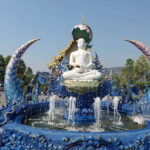
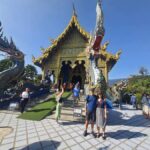
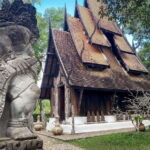
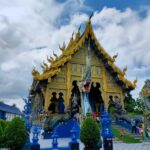
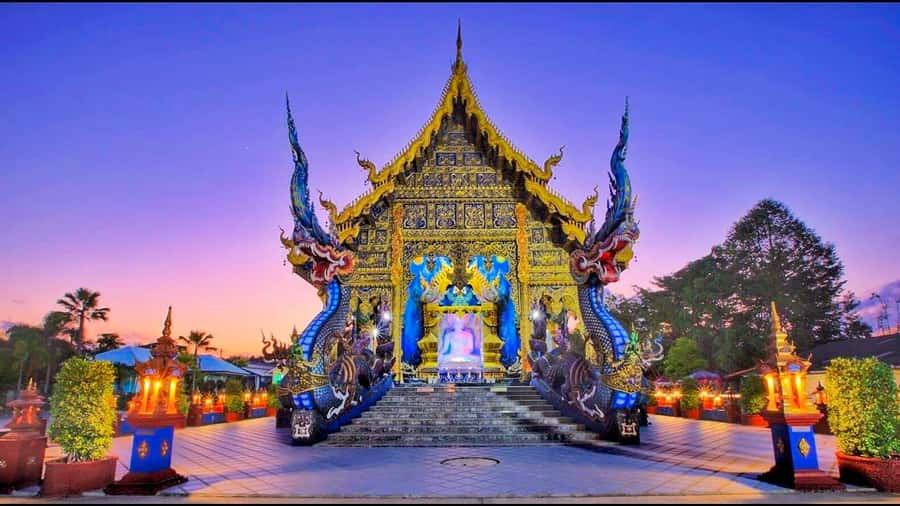
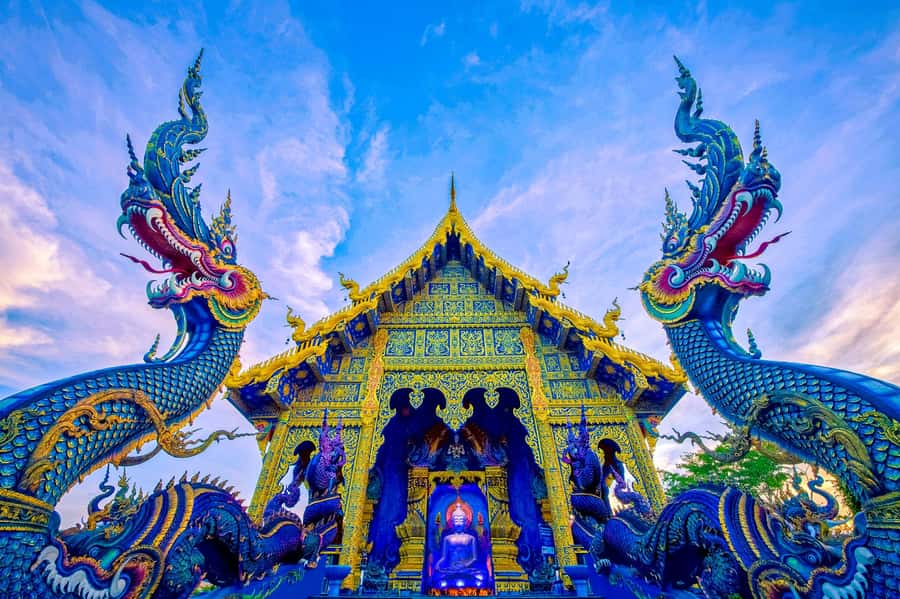
The Blue Temple, or Wat Rong Suea Ten, is the other “must-see” anchor of the day. Unlike the White Temple’s bright, stark look, the Blue Temple leans into blue details and dramatic mural work.
The guided approach helps here too. Murals can turn into a blur if you’re rushing, but a guide can steer your attention toward what to notice. The temple design itself is visually strong, so even if you’re not a deep art scholar, you still leave with memorable images and a clear sense of what makes the Blue Temple different.
This stop is also a good finishing point because it feels like a “big finish” after viewpoints and café downtime. You get one last strong visual impact before heading back to Chiang Rai or back to Chiang Mai.
Lunch, Included Tickets, and What You’re Really Paying For
The price is $128 per person, and in a day like this, it’s important to ask what that number actually buys. Here, most of the costs that trip people up are handled for you: transportation in an air-conditioned car/van/mini-bus, a Spanish-speaking guide, admission fees, a Thai buffet lunch, and drinking water.
That means you’re paying for:
- the convenience of a packed route
- guided interpretation in Spanish
- tickets bundled into the day
- less decision fatigue (where to eat, what costs extra, what you might miss)
The one clear “not always included” piece is the optional giraffe women’s village, which is 30–40 minutes and costs 500 Baht per person. It’s also something you must request when booking, so if you want it, plan early.
Also note a routing difference: if you start from Chiang Mai, you’ll make a short stop at hot springs to stretch your legs. If you start from Chiang Rai, you do not visit the hot springs. That’s not a problem, but it does change how the day feels—more break time on the Chiang Mai departure, more temple time on the Chiang Rai departure.
Spanish Guidance: The Difference Between Seeing and Understanding
This tour’s real engine is the Spanish-speaking guide. Temple art is visual, but it’s also layered with meaning and design choices. When your guide can explain in clear Spanish, you spend less time guessing and more time appreciating.
In past groups, the guide Nuch has been praised for speaking perfect Spanish, being warm and friendly, and making the excursion feel genuinely enjoyable. Another common theme is that the guide explains the temples in detail and handles questions, so you’re not stuck reading signs alone.
If you don’t speak Thai, this is the sweet spot. You’re still getting a full day of iconic sites, but you also get the context that helps the art stick in your memory.
Temple Etiquette and Who This Tour Is Best For
You’ll want to pack for temple rules. The tour doesn’t allow short skirts or sleeveless shirts. Since Thailand heat is real, choose light layers that still cover properly. Also bring your passport or ID card, since details like traveler names and dates of birth are handled as part of the booking process.
This tour is also marked as not suitable for people with mobility impairments. That’s worth respecting, especially because the itinerary includes temple walking and a mountain-area stop for the Big Guanyin viewing.
Who it fits:
- You want Chiang Rai’s headline temples without planning
- You enjoy photo moments but also like explanations
- You’re comfortable with a structured, long-ish day
- You want a Spanish guide to make the temples feel more meaningful
Who might want something else:
- You need lots of downtime and minimal walking
- You don’t handle long days well, especially if starting from Chiang Mai
- You need accessibility accommodations beyond what a standard temple tour can offer
Should You Book This Chiang Rai Best-Of Tour?
Yes, if your goal is to see the White Temple, Golden Ganesha Shrine, Big Guanyin, Lalitta Café waterfall, and the Blue Temple in one efficient day with Spanish guidance and admission fees included. The itinerary is built to give you variety: art, architecture, viewpoints, and a scenic break.
I’d book it with confidence if:
- you prefer guided storytelling over self-guiding your way through multiple temples
- you like the idea of a planned lunch and bundled tickets
- you’re starting in Chiang Rai and want a shorter day finish
I’d think twice if:
- mobility is a concern
- you’re picky about pace and want fewer stops
- you don’t want to deal with a dress code (because temples will require covered clothing)
If you’re aiming for the classic Chiang Rai highlights, this is a straightforward way to do it without the guesswork.
FAQ
Where is the meeting point for the Chiang Rai start?
The meeting point for the Chiang Rai departure is 10:30 AM at the Chiang Rai Clock Tower. You’ll also get WhatsApp contact from the guide to confirm if the time shifts due to traffic.
What time does the tour start if I begin in Chiang Mai?
If you start in Chiang Mai, the departure is 7:00 AM from the free meeting point near Wat phrasing.
Do you visit the hot springs?
You visit the hot springs only if you start in Chiang Mai. If you start in Chiang Rai, you do not visit the hot springs.
Is lunch included?
Yes. The tour includes a Thai buffet lunch.
Is the giraffe women’s village included?
It’s optional. The giraffe women’s village can be added for 30–40 minutes at an extra 500 Baht per person, and you must request it when booking.
What language is the guide?
The guide is Spanish-speaking.
What’s the dress code for temples?
You should avoid short skirts and sleeveless shirts. Bring clothing that covers appropriately for temple visits.
How long is the tour?
The duration is listed as 6 to 12 hours, depending on your starting point and day plan.