REVIEW · CHIANG RAI
Chiang Rai: 7 Most Famous Highlights With Mekong Boat Trip
Book on GetYourGuide →Operated by Black Dragon Tours · Bookable on GetYourGuide
Seven Chiang Rai stops, plus a Mekong speedboat.
This full-day tour strings together the White Temple, the Golden Triangle, and a fast boat ride toward Laos for a market stop, so you get big sights without living out of a hotel room. If you like your day packed but organized, this route is built for that.
I really like the English-speaking guide—the ones I’ve seen leading groups (including Gap, Cap, and Bank in past tours) all seem focused on clear explanations and keeping the pace workable. I also like the food setup: a clean-feeling restaurant, tasty coffee, and a Thai buffet lunch that actually gives you real fuel for temple-hopping.
One thing to watch: the listed price doesn’t cover every ticket. You’ll likely add entrance fees along the way (White Temple, Black House, Karen village, Opium Museum, and optional elevator access at Huay Pla Kang), so it’s a better value if you’re ready with cash.
In This Review
- Key things I’d pay attention to
- The vibe: a first-timer-friendly day that still feels practical
- Pickup, timing, and what the small group actually means
- White Temple (Wat Rong Khun): the world’s most famous “weird” temple stop
- Blue Temple (Wat Rong Suea Ten): contemporary Thai Buddhist art in sapphire tones
- Wat Huay Pla Kang (Giant Guanyin): the statue + the view-from-here feeling
- Black House Museum (Baan Dam): surreal art you can’t ignore
- Lunch stop: where you refuel without losing the day
- Long Neck Karen Village: cultural visit with a real ticket cost
- Golden Triangle: where three countries meet, plus the Opium Museum
- The Mae Khong River boat trip to a Laos market: the surprise highlight
- Price and value: where the real cost shows up
- What to bring (and what to skip)
- Who should book this tour
- Should you book?
- FAQ
- What’s the duration of this Chiang Rai highlights tour?
- Is lunch included?
- Does the price include the boat trip to Laos?
- Which entrance fees are not included?
- How big is the group?
- Is there hotel pickup in Chiang Rai?
- Do I need cash?
- What are the age limits for the tour?
Key things I’d pay attention to
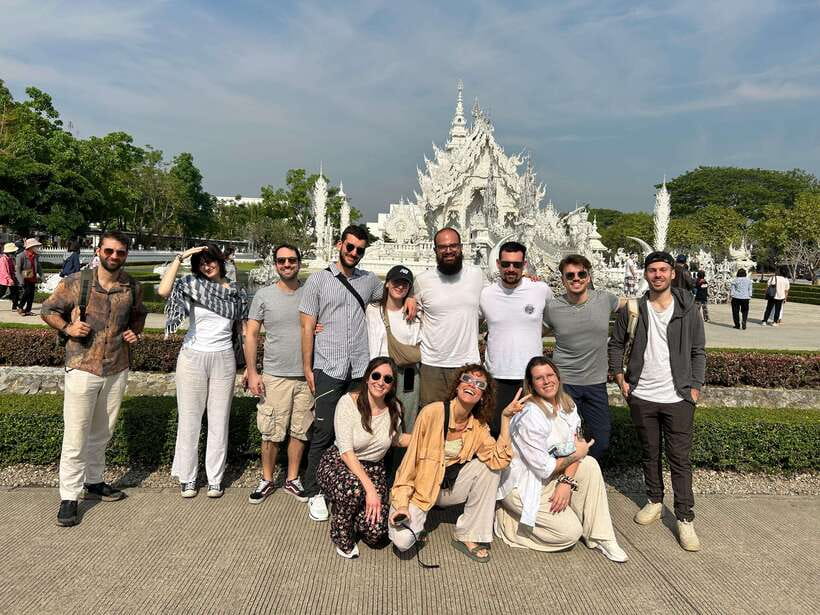
- English guide with strong explanations (examples include Gap, Cap, and Bank)
- Speedboat on the Mae Khong River plus a short Laos market visit
- Thai buffet lunch at a clean restaurant, with local coffee
- A mix of styles: glittering temples, surreal art at the Black House, and hill-tribe culture
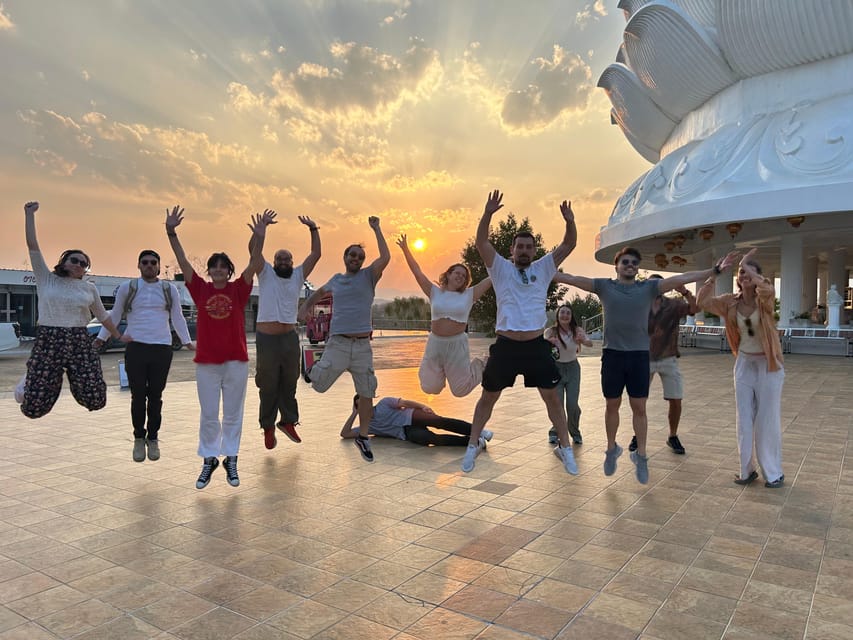
- Small group size (up to 10) means less standing around and quicker photo turns
The vibe: a first-timer-friendly day that still feels practical
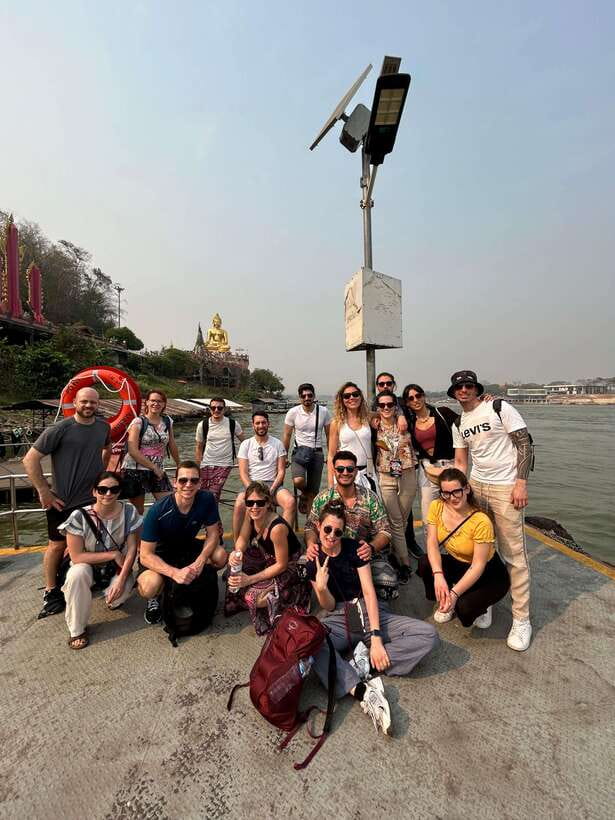
This tour is for when you’re in Chiang Rai with limited time and you want the “main characters” of the province in one day. You’re not just ticking off temples—you’re also seeing the cultural sides of the region, from the long-neck Karen community visit to the Opium Museum after the Golden Triangle area.
Because it’s a full day, it’s best if you can handle steady walking and a few hours spent in vehicles. The route is designed so you’re usually moving from one highlight to the next, rather than spending the whole day sitting in one place.
You can also read our reviews of more boat tours in Chiang Rai

Pickup, timing, and what the small group actually means
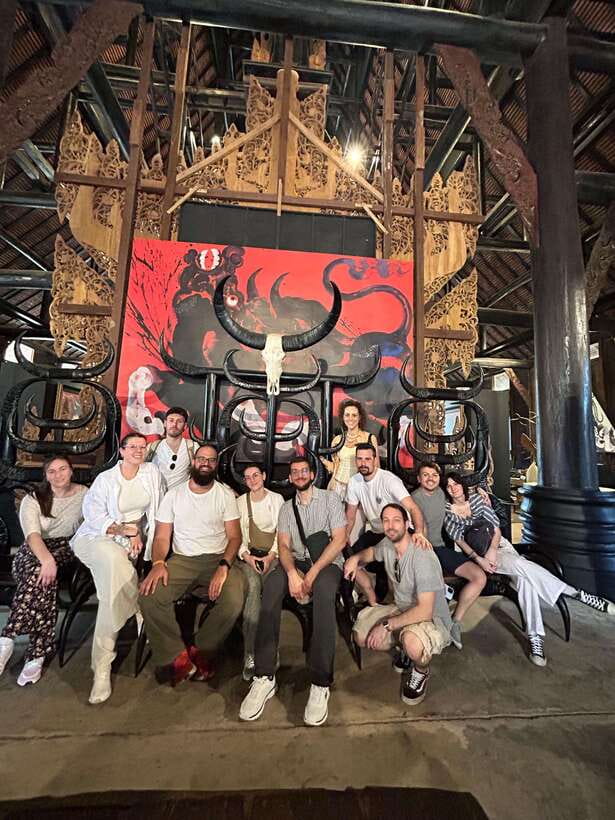
You get hotel transfer included, with pickup at the hotel lobby. The day is run as a small group (10 max), which generally helps you get through stops faster and makes the guide’s explanations feel more personal instead of shouted over a crowd.
One practical note: pickup can be a little late because guides are collecting people from different hotels. I’d plan your morning loosely and keep your plans simple until the guide finds you.
White Temple (Wat Rong Khun): the world’s most famous “weird” temple stop
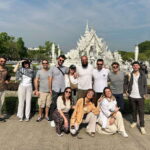
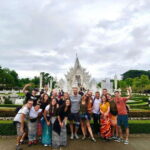
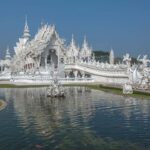
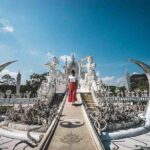
Your day kicks off at Wat Rong Khun, the White Temple, one of the most iconic temples in Thailand. The whole place is designed like a visual puzzle—intricate sculptures, symbolic details, and wall paintings that reward slow looking even if you only get about an hour.
Entrance is 100 THB per person, and you’ll want your camera ready because the surfaces are built for photos. The best way to enjoy it is to treat it like street art at temple scale: walk the paths, pause at the sculpted elements, and don’t rush only for the big postcard angle.
Blue Temple (Wat Rong Suea Ten): contemporary Thai Buddhist art in sapphire tones
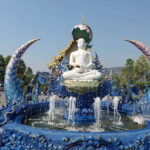
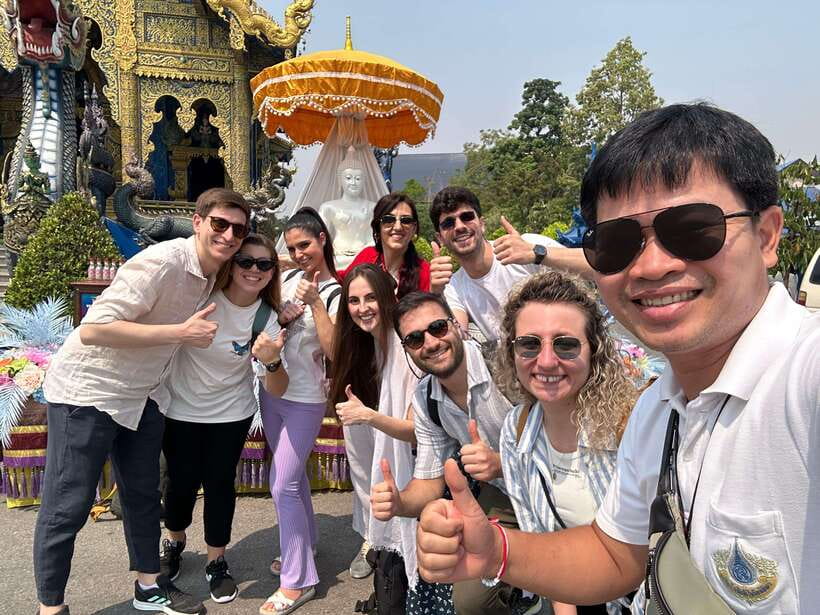
Next comes Wat Rong Suea Ten, the Blue Temple. This one is painted in a deep sapphire blue—from walls to roof and statues—which makes it feel both modern and theatrical compared to many traditional temples.
You’ll typically have about 30 minutes here, so it’s a quick stop. The trick is to pick a couple of angles and really use them: one for the building symmetry, one for statues, one for the interior details if the space allows. Short stop, good payoff.
Wat Huay Pla Kang (Giant Guanyin): the statue + the view-from-here feeling
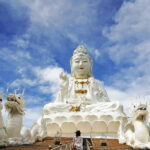
Then you move to Wat Huay Pla Kang, known for the giant Goddess of Mercy statue (Guanyin). The site sits in a mountain setting and blends Chinese and Thai architectural influences, so it has a different spiritual feel than the downtown temple stops.
You may have time around 40 minutes, and there’s an optional extra cost if you want the elevator to the top of the large statue: 40 THB per person. If you enjoy viewpoints, it’s worth considering; if not, skip it and spend that time just enjoying the grounds and the big-sculpture scale.



Black House Museum (Baan Dam): surreal art you can’t ignore
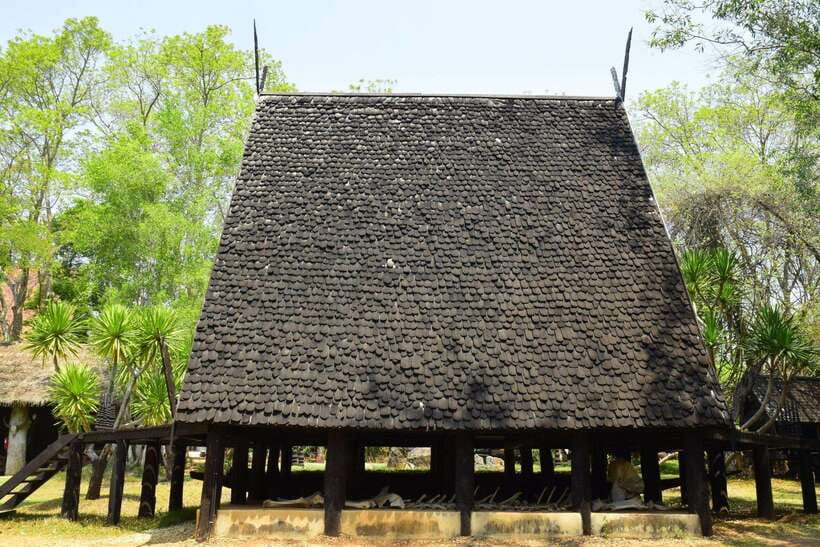
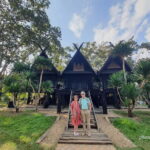
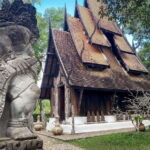
This is usually the favorite for people who like art that doesn’t politely behave. The Black House Museum, or Baan Dam, is a complex of dark, surreal artworks housed in traditional-style buildings, created by Thai artist Thawan Duchanee.
The entrance ticket is 80 THB per person. With about 40 minutes on the ground, you won’t see everything at a gallery-slow pace, but you can still get the main idea: it’s a creative world of strange shapes and heavy mood, intentionally different from the bright temple aesthetic you saw earlier.
Practical advice: take your time with the first buildings you enter. Once you get your bearings, you’ll understand the patterns the museum is playing with, and the whole place feels more coherent.
Lunch stop: where you refuel without losing the day
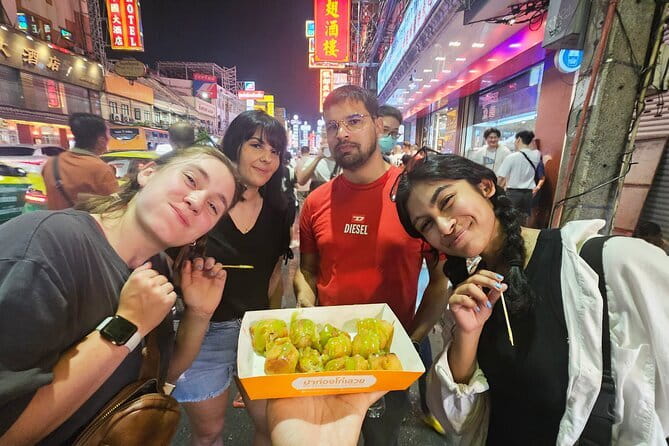
Between temples and the next cultural visit, you’ll stop at a local restaurant for lunch—about 45 minutes. This is one of the most helpful parts of the day because the tour includes an all-in-one Thai buffet rather than “grab something nearby.”
From the tour experience, the food is described as delicious and the restaurant as clean, with Thai local dishes and also coffee. Vegetarian options are available at the buffet, which makes this smoother if you eat that way.
Long Neck Karen Village: cultural visit with a real ticket cost
After lunch, you’ll visit the Long Neck Karen Village. This is an ethnic minority community originally from Myanmar, and the visit is set up so you can learn about their culture and daily life.
The entrance fee is 300 THB per person, so this isn’t a cheap stop. Plan for it financially, and also mentally: you’re going to spend time in a cultural setting where you should keep your expectations respectful and your questions curious but considerate.
Time-wise, you’re typically there around 40 minutes, which is usually enough to see what’s offered and understand the basics without feeling rushed.
Golden Triangle: where three countries meet, plus the Opium Museum
The day then turns toward the legendary Golden Triangle, the meeting point of Thailand, Laos, and Myanmar. You’ll have about 30 minutes here, so focus on the key viewpoints and the idea of the location more than trying to exhaust it like a multi-day border region.
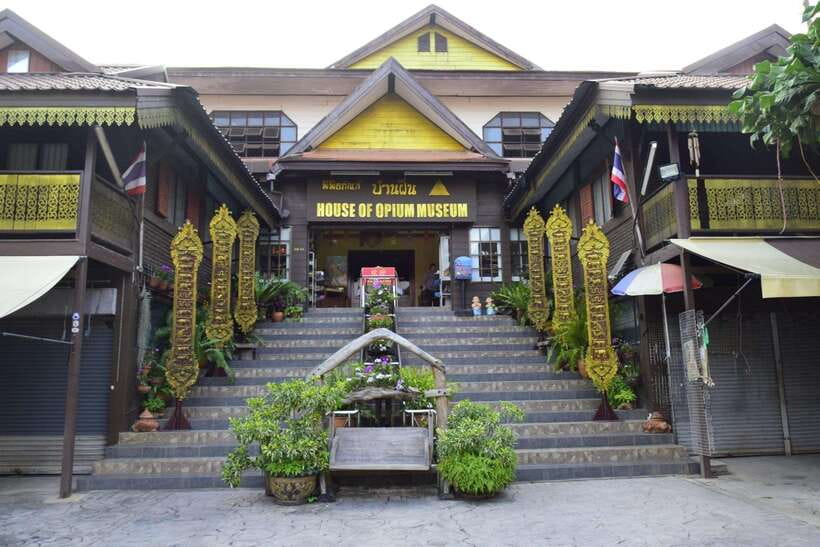
Afterward, you’ll visit the House of Opium (Opium Museum), with about 30 minutes of free time. The ticket is 50 THB per person. This part of the day adds context to what you’re seeing, and it also helps explain why the Golden Triangle area became such a major historical story.
If you’re sensitive to heavy topics, you might want to go in with a calm mindset. The museum is short, and it’s easier to process when you give yourself time to read at your own speed.
The Mae Khong River boat trip to a Laos market: the surprise highlight
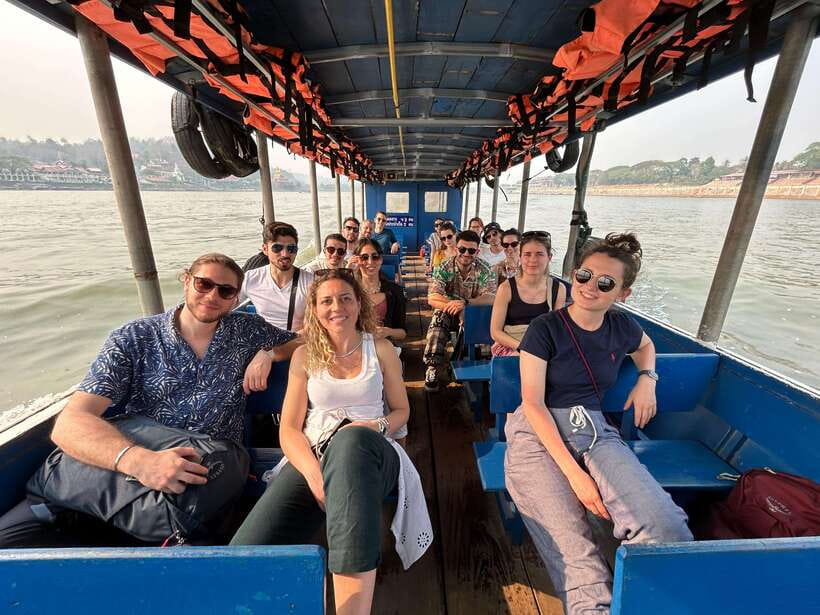
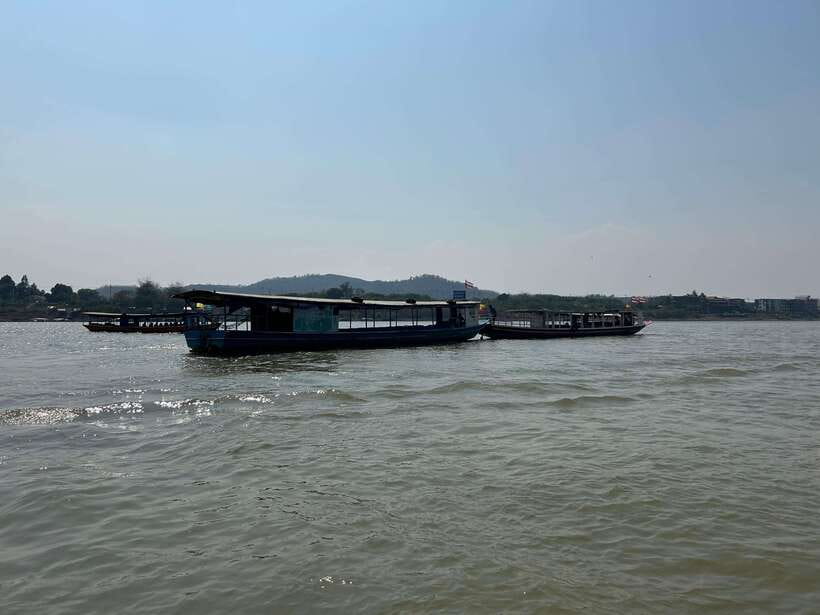
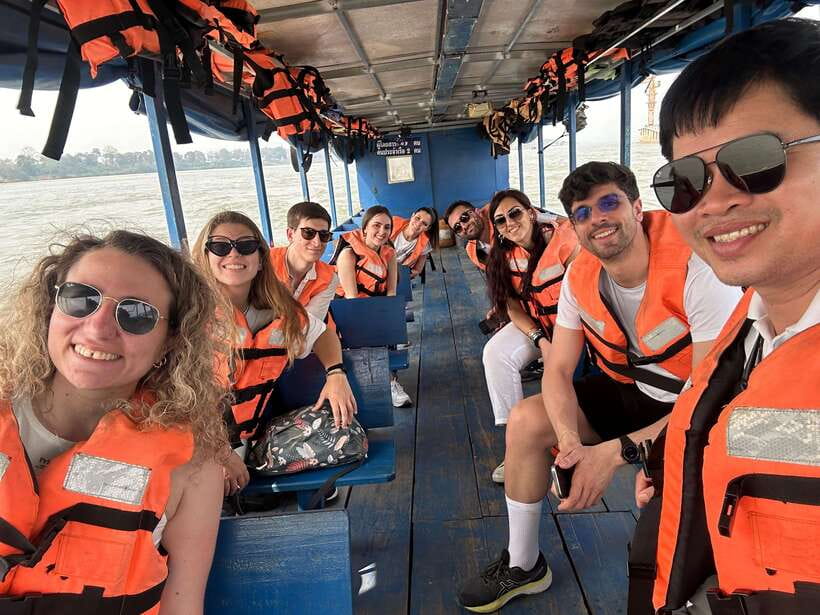
This is the “moving moment” in the middle of a mostly land-based day. The tour includes a speedboat on the Mae Khong River, taking you to visit a local market in Laos and then returning to Thailand.
It’s a different kind of sightseeing: you see river life, you get a change of pace, and it gives the day a more regional feel than only temple courtyards. One practical detail to keep in mind: boat options can depend on conditions, and the day’s final plan may adjust with the water and boat availability. Your guide’s job is to find the best workable compromise for the group.
Also, keep your time and posture simple. Bring your camera, but don’t make photo-taking so intense that you miss the market stop itself. You want a few clean shots plus a real look at how locals shop and move.
Price and value: where the real cost shows up
The base price is listed as $80 per person for a 1-day packed route. What you get included is meaningful: an English tour guide, drinking water, Thai buffet lunch, the speedboat, insurance, and hotel transfer.
But the separate entry tickets add up quickly. Based on the tour’s own ticket list, you should plan for:
- White Temple: 100 THB
- Black House: 80 THB
- Guanyin elevator (optional): 40 THB
- Long Neck Karen Village: 300 THB
- Opium Museum: 50 THB
That’s 530 THB if you skip the elevator, or 570 THB if you take it. Since cash is required for many of these stops, budget time to withdraw money in Chiang Rai early.
In plain terms: this tour is good value if you want variety in one day—temples, art, cultural visit, border-area history, and a Laos market look—without spending your time arranging it all yourself.
What to bring (and what to skip)
Bring camera and cash. Cash matters because multiple attractions charge separate entry fees.
The tour also notes that alcohol and drugs aren’t allowed, so keep that in mind if you’re the kind of person who likes to reward a big travel day with drinks.
Comfort-wise, wear shoes you can walk in. Between temple floors, museum grounds, and village paths, your feet will do some real work even if the stops aren’t huge.
Who should book this tour
I think this fits you if:
- You’re a first-time Chiang Rai visitor and want the headline sites.
- You want an English guide doing the explaining so you don’t miss the symbolism in places like Wat Rong Khun and the Black House.
- You like a day that mixes temples with culture and a short history lesson at the Opium Museum.
I’d hesitate if:
- You hate extra ticket costs and want everything included upfront.
- You prefer slower pacing and long stays at fewer places.
- You’re uncomfortable with cultural tourism settings and want only scenery-based stops.
Should you book?
If you’re short on time and you want one organized day that covers the big Chiang Rai highlights—plus the river boat to Laos for a market look—this is an easy yes. The biggest reason is the balance: good structure, English explanations, solid lunch, and the added bonus of the Mae Khong speedboat.
Just go in with two expectations set: plan for separate entrance fees, and treat it as a long, active day rather than a relaxed afternoon.
FAQ
What’s the duration of this Chiang Rai highlights tour?
It’s a 1-day full sightseeing tour.
Is lunch included?
Yes. The tour includes a Thai buffet lunch (vegetarian options available) and drinking water.
Does the price include the boat trip to Laos?
Yes. A speedboat on the Mae Khong River is included, with a stop at a local Laos market.
Which entrance fees are not included?
White Temple (100 THB), Black House (80 THB), Long Neck Karen Village (300 THB), House of Opium (50 THB). Also, the Guanyin elevator (optional) costs 40 THB per person.
How big is the group?
It’s a small group limited to 10 participants.
Is there hotel pickup in Chiang Rai?
Yes, hotel transfer is included. Pickup happens at the hotel lobby, and it may be a little late because different hotels have different collection times.
Do I need cash?
Yes. The tour specifically advises bringing cash, since some sites charge separate tickets.
What are the age limits for the tour?
It’s not suitable for children under 2 and people over 95.