REVIEW · CHIANG RAI
Chiang Rai: 3 Temples and Golden Triangle 1 Day Tour
Book on GetYourGuide →Operated by CHIANG MAI DAY TRIP · Bookable on GetYourGuide
Three temples, one long day, big wow factor. This Chiang Rai tour strings together the White Temple and a Golden Triangle boat ride, both of which feel like a full-on change of scenes. I also like how smoothly the plan flows with an English-speaking guide and set stops, so you’re not figuring things out all day. The main drawback is time: you’ll be picked up early (about 7:00–7:45) and typically back in Chiang Mai around 21:30, with lots of road time.
You’ll also get a stretch break at Mae Khachan Hot Springs (no swimming, more of a walk-and-breathe pause) and a cultural stop at a Long Neck Karen village where you can interact and browse handmade textiles. Just keep temple rules in mind: cover shoulders and knees, remove shoes indoors, and expect a day built for moving.
In This Review
- Key highlights that make this tour worth the clock
- Price and what you’re really paying for
- The early start: pickup, road time, and how to handle it
- Mae Khachan Hot Springs: a break that’s about feet, not swimming
- Long Neck Karen Village: cultural interaction and what to watch for
- Wat Rong Khun (White Temple): the contemporary art temple moment
- Thai lunch buffet: where the day’s energy resets
- Wat Rong Suea Ten (Blue Temple): a calmer pace after the shine
- Baandam Museum (Black Temple): Thawan Duchanee’s dark vision
- Golden Triangle by boat: the Mekong–Ruak meeting point
- Long day, strong guidance: what makes it feel organized
- Temple etiquette and packing rules that save you hassle
- Who should book this Chiang Rai 1-day tour
- Should you book? My quick decision guide
- FAQ
- What time does pickup start and when do we return?
- What stops are included in the tour?
- Is swimming allowed at Mae Khachan Hot Springs?
- Is lunch included, and what kind of lunch is it?
- Do I need to dress a certain way for temples?
- How do you visit the Golden Triangle?
- Are there baggage limits for the van?
- Is this tour suitable for wheelchair users?
Key highlights that make this tour worth the clock
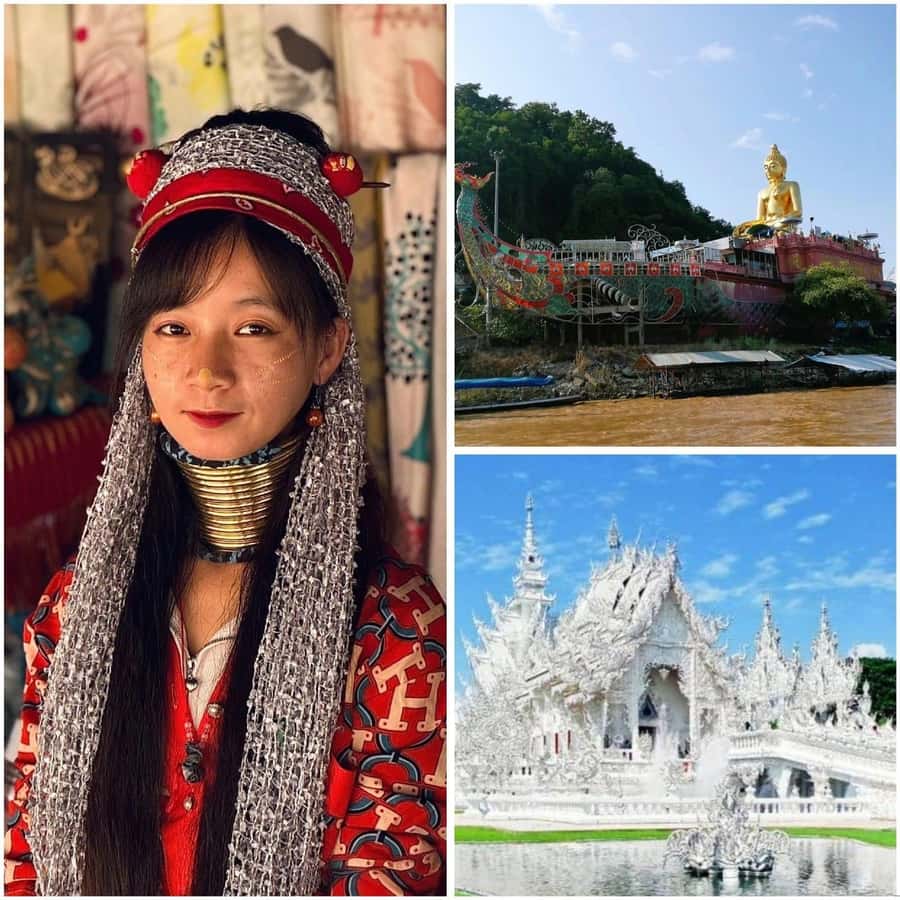
- Wat Rong Khun (White Temple): shimmering, intricate contemporary art style at Wat Rong Khun
- Wat Rong Suea Ten (Blue Temple): blue-and-gold details designed for calm reflection
- Baandam Museum (Black Temple): dark-themed buildings and sculptures linked to Thawan Duchanee
- Golden Triangle by tourist boat: views where Thailand, Myanmar, and Laos meet at the Mekong–Ruak confluence
- Mae Khachan Hot Springs stop: a leg-stretch break, not a swim spot
- Long Neck Karen village visit: cultural interaction and chances to buy handmade crafts
Price and what you’re really paying for
At about $68 per person, this is priced like a true day-trip package rather than a DIY checklist. You’re covering round-trip transport by air-conditioned van, an English-speaking professional guide, Thai lunch buffet, and all entrance fees. That matters because Chiang Rai’s key sights aren’t clustered next door, so the “value” is mostly in not having to piece together tickets, drives, and timing yourself.
You’re also getting small but useful inclusions: a 500 ml bottle of drinking water and traffic accident insurance. The tour is built for one calendar day from Chiang Mai, so the price is really buying convenience plus a set itinerary that keeps you moving.
The other side of value is pacing. It’s not a slow, lingering kind of day. The payoff is variety: three very different temples, a cultural village visit, a nature break, and the Golden Triangle region—all in one go.
A few more Chiang Rai tours and experiences worth a look
The early start: pickup, road time, and how to handle it
Most tours like this are won or lost in the first hour, and this one is clear about logistics. Pickup is usually around 7:00–7:45 am in Chiang Mai, and after about 1.5 hours of driving you’ll start with the Mae Khachan Hot Springs stop.
That means you should plan for a full day of moving. If you’re sensitive to fatigue, bring what helps you last: water (you’ll have one bottle included), a light layer for comfort on the van, and something small for snacks if your stomach runs early (the tour includes lunch, but the schedule is structured).
The van ride is round-trip, and the day generally ends back in Chiang Mai around 21:30. So even if the stops are good, you’re still signing up for a long day. Think “organized highlights,” not “laid-back sightseeing.”
Mae Khachan Hot Springs: a break that’s about feet, not swimming
Mae Khachan Hot Springs is the first real pause point, but it comes with an important expectation: it’s not a place to swim. Instead, it’s a moment to stretch your legs, get a breath of fresh air, and reset before more temple time.
That choice actually makes sense for a one-day tour. Hot springs can easily turn into “waste time changing, waiting, and searching for the right spot.” Here, the goal is movement without turning the day into a half-failed detour. You’ll walk around enough to feel human again, then roll on to the next cultural stop.
If you tend to get restless in cars, this is one of those small schedule decisions that makes the entire day feel manageable.
Long Neck Karen Village: cultural interaction and what to watch for
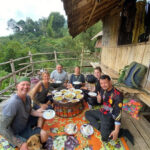
Next comes the Long Neck Karen village. This stop is designed as a cultural encounter: you can interact with members of the traditional Karen tribe and learn about their customs and way of life. You can also purchase handmade crafts and textiles as souvenirs.
I like this kind of stop when it feels respectful and interactive, not just photo time. The tour framing here is built around learning and meeting people, plus browsing what they make. That’s a practical reason to go: the souvenirs here can be more personal than generic mall items.
Practical tips so you don’t feel awkward: be mindful with photos if you choose to take them, move at the pace of the situation, and remember that your main goal is learning how people live, not turning the village into a quick snapshot.
Also note the tour’s general rule: expect lots of switching between places and indoor/outdoor areas. Comfortable shoes help.
Wat Rong Khun (White Temple): the contemporary art temple moment
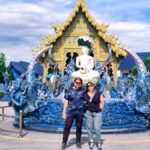
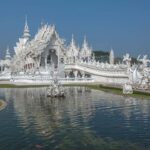
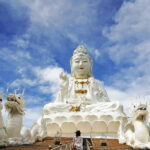
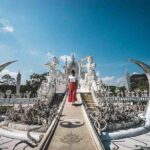
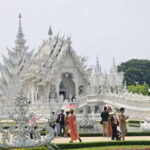
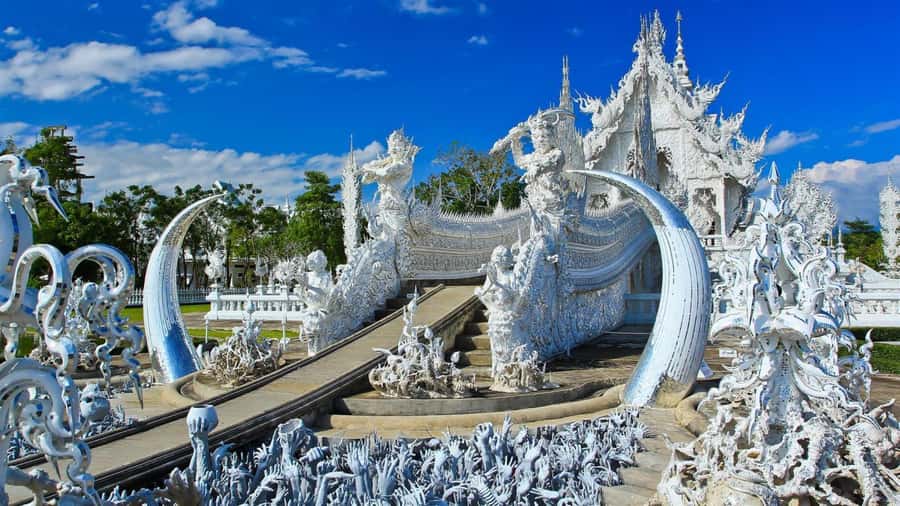
Then you get to Wat Rong Khun, also known as the White Temple. This is the stop where the day often “clicks” for people who were worried Chiang Rai might feel repetitive after one temple.
The White Temple is described as a dazzling contemporary-art work with intricate design and a shimmering exterior. That combination matters. It’s not just white paint and ornament. It’s a whole visual experience, built to make you slow down and look closely.
If you like architecture and art that plays with modern style, this is the temple that usually earns your time. If you prefer calm and minimal design, you may still enjoy it, but you’ll need a few minutes to adjust to the busy visual energy.
A smart strategy: spend a little time looking at overall composition first, then come back for the details. That keeps it from turning into one long blur of shiny textures.

Thai lunch buffet: where the day’s energy resets
After the White Temple, you’ll have Thai lunch buffet. This is a “don’t skip” moment because the day continues with two more temples plus the Golden Triangle visit later.
Buffet meals are practical on tours: you can pick what you feel like, you can usually eat at your own pace, and you’re not waiting for one fixed dish. Just keep in mind you’ll be eating on a tour schedule, so don’t expect a relaxed restaurant rhythm.
I’d treat lunch like your energy-management checkpoint. Eat something filling, drink water, and take a quick breather before stepping back into temple mode.
Wat Rong Suea Ten (Blue Temple): a calmer pace after the shine
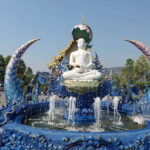
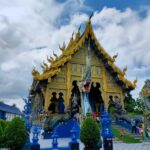
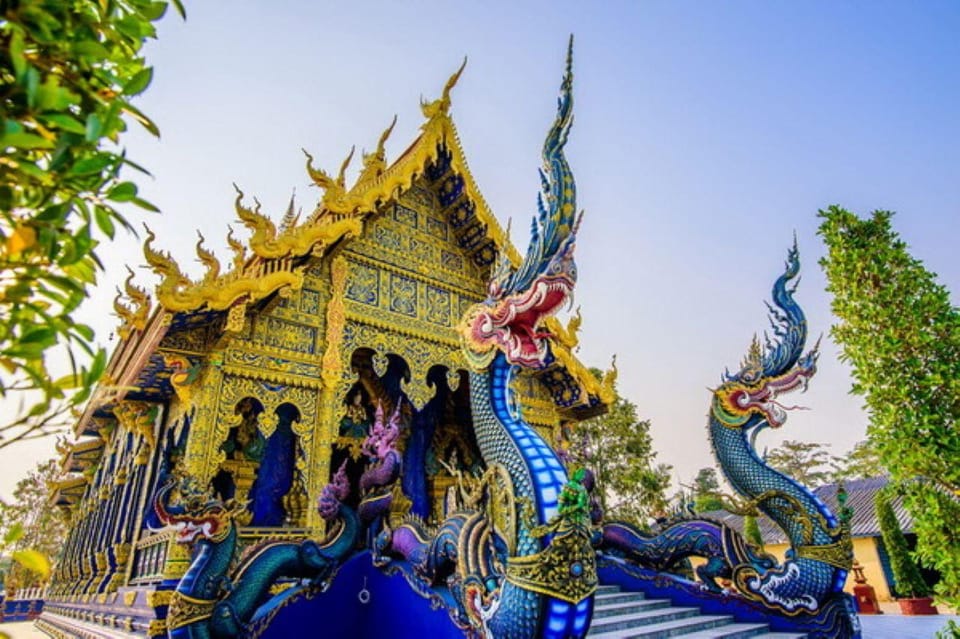
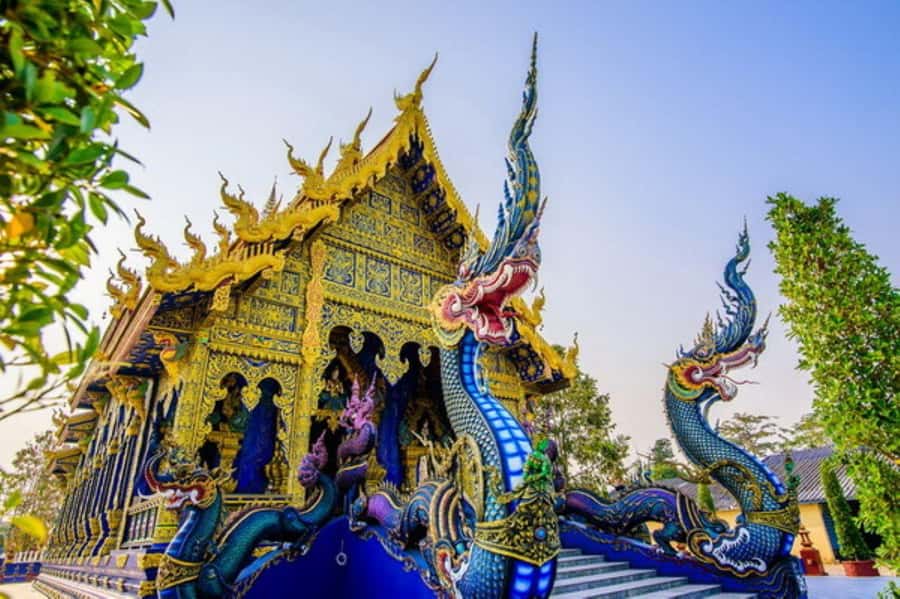
After lunch comes the Blue Temple, also called Wat Rong Suea Ten. This one shifts the mood. Instead of the White Temple’s shimmering intensity, you’re met with a serene setting and intricate blue-and-gold decorations.
The tour notes that the atmosphere is peaceful and suited for reflection and meditation. Even if you’re not doing formal meditation, the design language is meant to quiet your brain for a bit. That contrast is a big reason the itinerary works: it prevents the day from becoming one long blur of similar-looking places.
If you’re photographing, consider taking a short pause for your eyes first. Blue-and-gold ornament can be dazzling in photos, but the real value is how it changes your pace while you’re standing there.
Baandam Museum (Black Temple): Thawan Duchanee’s dark vision
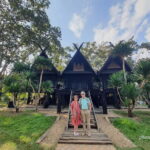
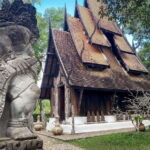
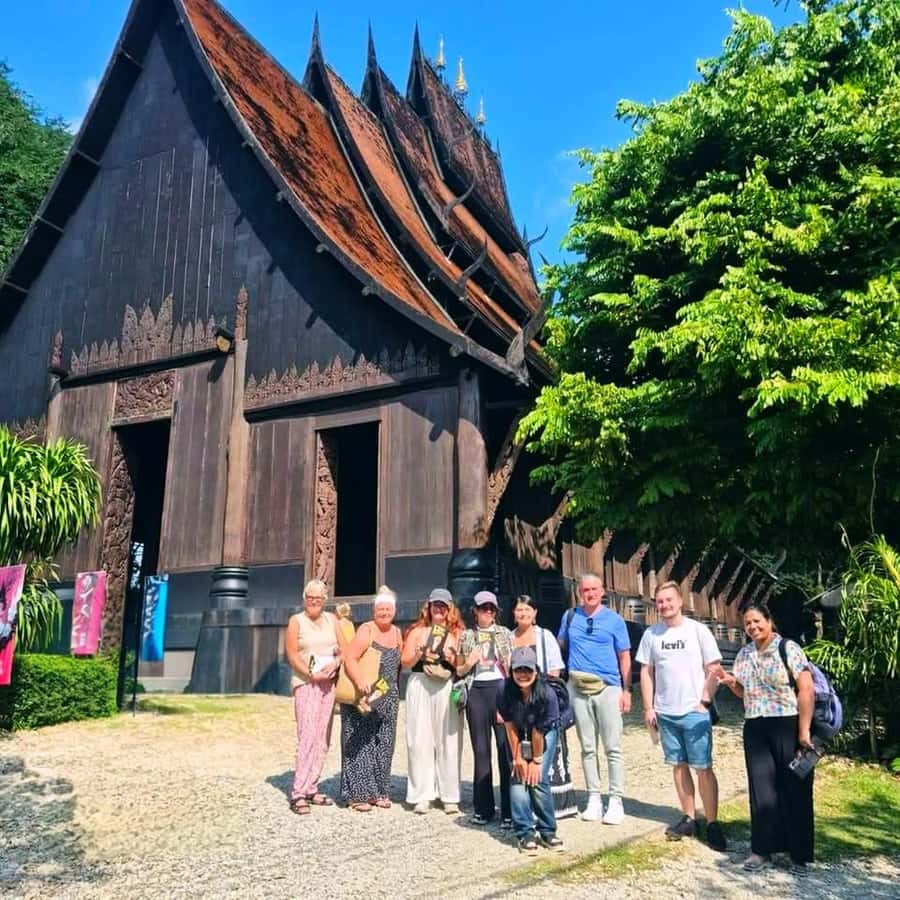
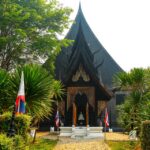
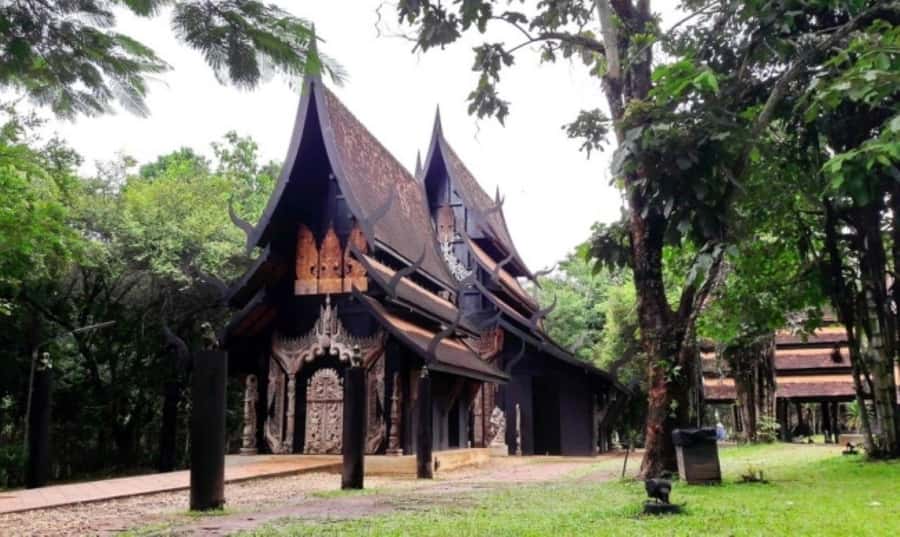
Next is the Black Temple, also called the Baandam Museum. This is a completely different emotional tone. You’ll see darkly themed buildings and sculptures, and the stop is tied to the renowned Thai artist Thawan Duchanee.
If you like art that makes you think—or art that feels like it has a strong personality—this is the temple that gives your day edge. It’s not meant to be merely pretty. It’s a different kind of “wow,” more about atmosphere and artistic imagination than bright decoration.
For a one-day itinerary, this works because it gives you three strong flavors:
- White: shimmering contemporary design
- Blue: calm, reflective color and pattern
- Black: dark themed structures and sculpture concepts
That range is exactly what keeps the day from feeling like a checklist.
Golden Triangle by boat: the Mekong–Ruak meeting point
Finishing with the Golden Triangle is smart. After temples and cultural stops, the boat ride turns the day outward, toward scenery.
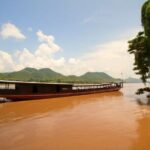
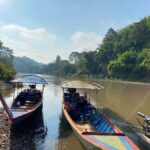
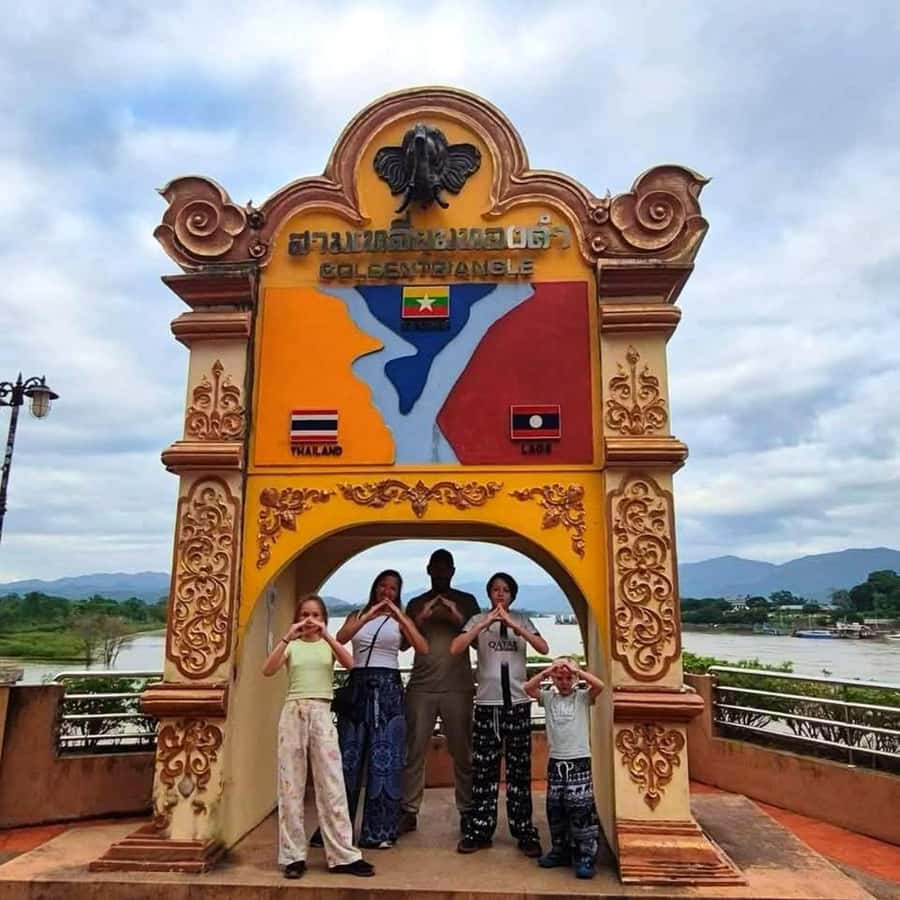
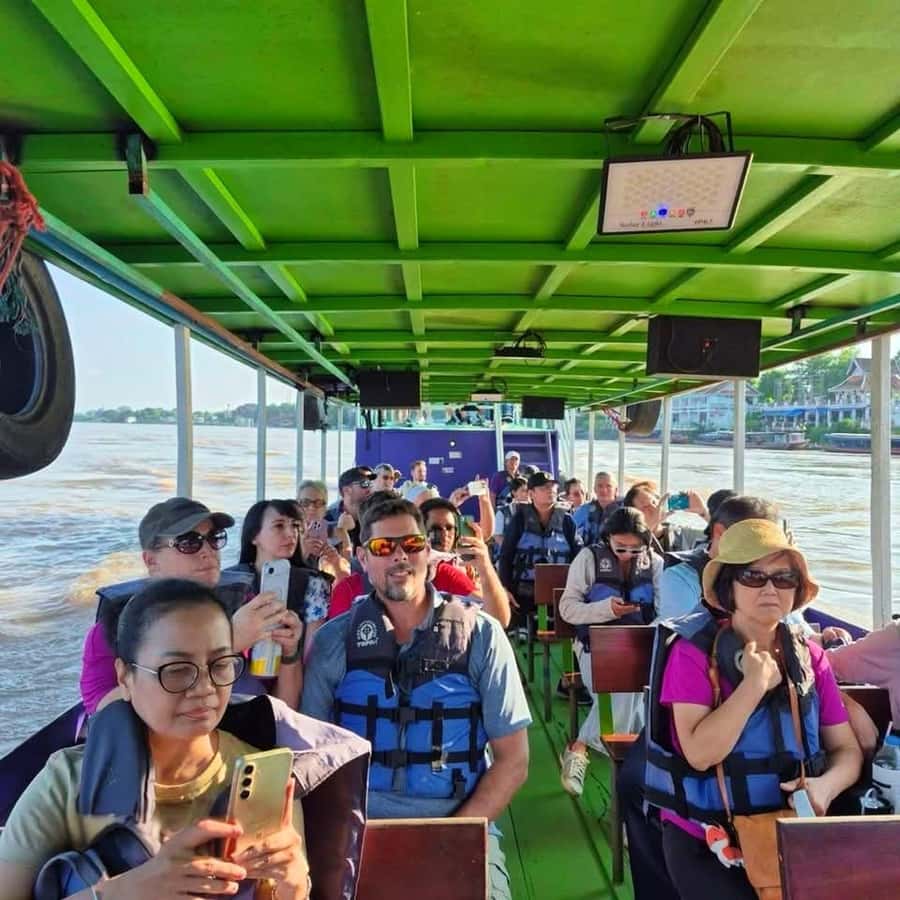
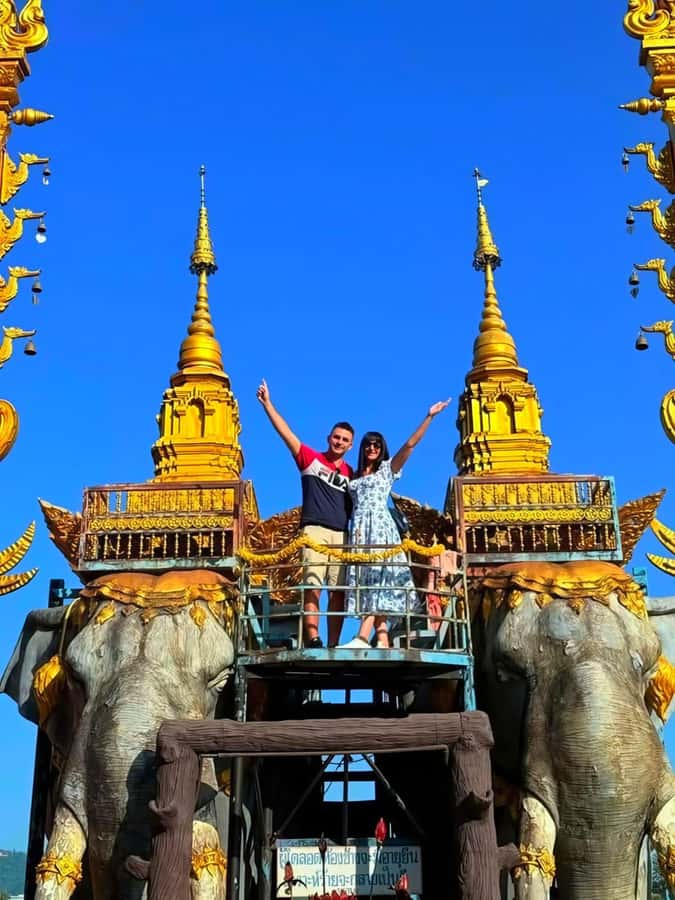
You’ll visit the Golden Triangle by tourist boat ride, where Thailand, Myanmar, and Laos meet at the confluence of the Mekong and Ruak Rivers. The value here isn’t just the geography. It’s the way being on the water changes your perspective—slower, wider views, and a feeling of scale you don’t get from sitting roadside.
Expect big views of the surrounding landscapes and a chance to learn about the region’s history and significance during the ride. You don’t need to be a border-geography expert to enjoy it, because the tour’s structure is set up to give you context as you look.
If you’re sensitive to motion, you might want to sit where you feel most stable on the boat and keep your phone tucked safely—this is a sightseeing ride, but it still moves.
Long day, strong guidance: what makes it feel organized
One of the most praised parts of this tour is the guide. You might be guided by Bee or MM, and both have been described as professional, kind, and funny in a way that keeps the day enjoyable instead of stiff.
That matters more than people think. On a route like this, a guide isn’t only translating. They’re helping you understand what you’re looking at, keeping the group from drifting, and keeping the schedule from falling apart.
The tour is designed to stick to its program. The practical result is fewer awkward gaps and less time standing around guessing what’s next. When you’re dealing with a full day ending around 21:30, smooth planning becomes part of the experience, not just a logistics detail.
Temple etiquette and packing rules that save you hassle
This tour has clear rules for temples, and you’ll feel it quickly if you ignore them. Dress respectfully: cover your shoulders and knees, and remove your shoes before entering the main chapel areas.
Wear clothing you can move in. Temple visits are part of a long day, and you don’t want to wrestle with outfits while everyone else is queuing to enter.
Packing rules are strict for a van day trip:
- No pets
- No luggage or large bags
- Smoking is not allowed in the vehicle
- Alcohol and drugs are not allowed, and alcoholic drinks are not allowed in the vehicle
- You can bring one small personal item up to 50cm (H) x 35cm (W) x 20cm (D) and 7kg, and it must fit on your leg without affecting other passengers
If you have luggage heavier than 7 kg, you’re required to book an additional seat. It’s not a suggestion. It’s how the van stays workable for everyone.
If you’re used to traveling with a full suitcase, consider packing lighter for this one day—or you’ll spend the day stressed before you even reach the temples.
Who should book this Chiang Rai 1-day tour
This tour is a strong match if you want:
- a high-hit itinerary from Chiang Mai without planning drives and tickets
- a mix of three temple styles (White, Blue, Black) that feel varied, not repetitive
- a later-day payoff at the Golden Triangle by boat
- an English-speaking guide who explains what you’re seeing
It’s also ideal if you’re traveling with limited time. If you only have one day to spare, this gives you a lot of “first look” at Chiang Rai’s character.
On the flip side, it may not fit if you hate long driving days or if you’re expecting a slow pace. It’s also marked as not suitable for wheelchair users.
Should you book? My quick decision guide
Book it if you want a structured, guide-led day that pairs famous temples with the Golden Triangle and still includes a relaxing break and a proper meal. At $68 with transport, lunch, entrance fees, and a guide, it’s a solid value for a one-day hit list—especially if you’d rather not coordinate everything yourself.
Skip it (or choose a different format) if you want lots of free time at each stop, or if early pickup and late return will drain you. This tour is built for motion and variety, not lingering.
If you’re okay with the long day rhythm and you show up ready for temples with the right clothes and small carry-on, you’ll likely enjoy how the sights change—from shimmering art to calm blue design to dark museum mood, then out onto the Mekong-Ruak waters.
FAQ
What time does pickup start and when do we return?
Pickup is generally around 7:00 am to 7:45 am, and you’ll usually return to Chiang Mai at about 21:30.
What stops are included in the tour?
You’ll visit Mae Khachan Hot Springs, a Long Neck Karen village, the White Temple, the Blue Temple, the Black Temple (Baandam Museum), and the Golden Triangle by tourist boat ride.
Is swimming allowed at Mae Khachan Hot Springs?
No. It’s not a swimming spot. The stop is meant for a short break and stretching your legs.
Is lunch included, and what kind of lunch is it?
Yes. Lunch is a Thai lunch buffet.
Do I need to dress a certain way for temples?
Yes. You should cover your shoulders and knees, and you’ll need to remove your shoes when entering main chapel areas.
How do you visit the Golden Triangle?
You visit the Golden Triangle using a tourist boat ride at the confluence of the Mekong and Ruak Rivers.
Are there baggage limits for the van?
Yes. You can bring one small personal item up to 50cm x 35cm x 20cm and 7kg. No large bags or luggage are allowed, and heavier luggage may require an additional seat.
Is this tour suitable for wheelchair users?
No. It is marked as not suitable for wheelchair users.