REVIEW · CHIANG RAI
Chiang Rai: 7 Wonders in One Day! (Tickets & Lunch Included)
Book on GetYourGuide →Operated by MOONG TOUR · Bookable on GetYourGuide
A whirlwind of temples and tea in one day. This small-group tour strings together Chiang Rai’s must-sees like the White Temple, Blue Temple, Black House, a Karen long-neck village, and the Golden Triangle, plus tea and opium-history context, with hotel pickup and return.
I love how the pacing is built for first-timers: you get a long stop at Wat Rong Khun, then shorter visits keep the whole day from dragging. I also like the value math, because transportation, tickets, lunch buffet, water, insurance, and a live Thai/English guide are included. The only catch is it’s a tight schedule, so you may wish for a bit more time at the White Temple or Baan Dam.
In This Review
- Key highlights you should care about
- The “7 Wonders in One Day” formula in Chiang Rai: fast, full, and organized
- Pickup timing and van comfort: start smart, not stressed
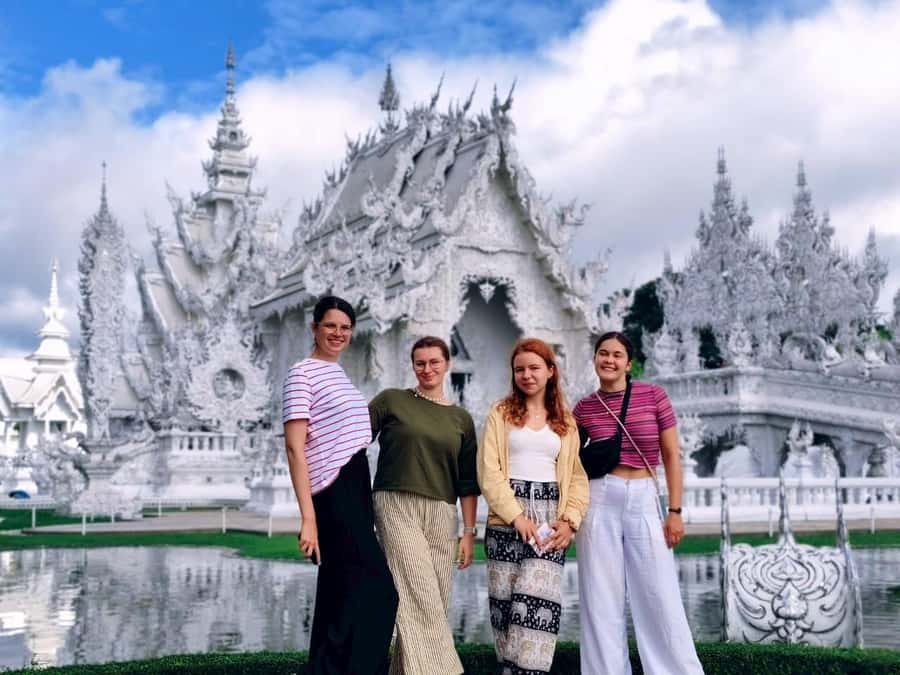
- Wat Rong Khun (White Temple): the 2-hour stop that earns its hype
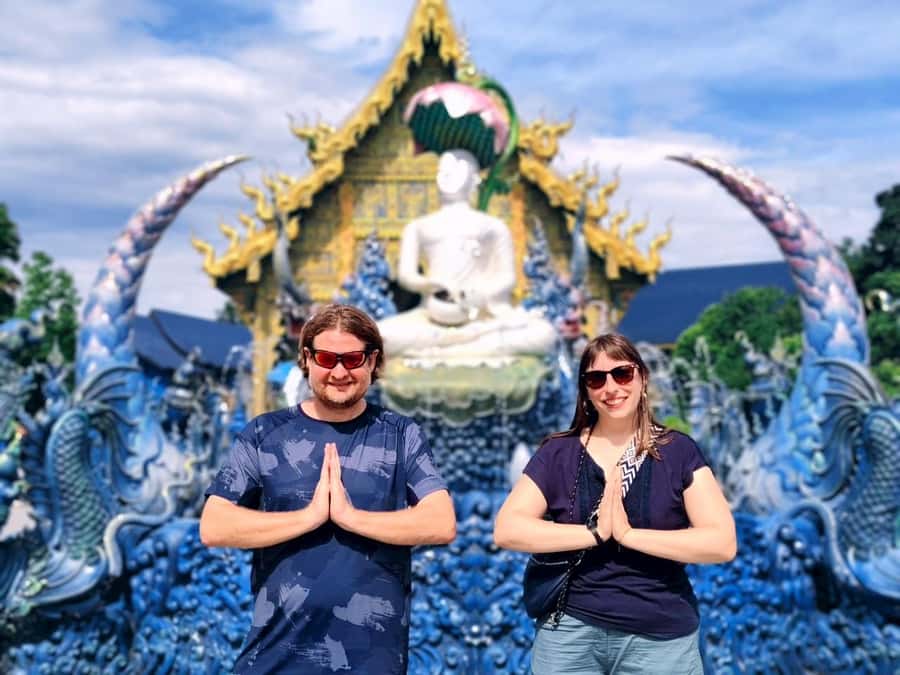
- Wat Rong Suea Ten (Blue Temple): short visit, worth the contrast
- Baan Dam (Black House) and Thawan Duchanee: art that’s strange on purpose
- Long Neck Karen Village: culture and daily life, with respect built in
- Choui Fong Tea Plantation: panoramic tea views and simple tasting
- House of Opium: the Golden Triangle’s past in plain context
- Golden Triangle viewpoint: borders, the Mekong, and the big geography payoff
- Lunch on the tour: included buffet, local food, and less wasted time
- Price and value: is $63 really fair for 7 stops?
- Who should book this tour, and who should skip it
- Should you book Chiang Rai 7 Wonders in One Day?
- FAQ
- How long is the tour?
- What does the price include?
- Is pickup from my hotel available?
- What time does the tour start and end?
- What’s the maximum group size?
- What languages are spoken on the tour?
- What stops are included?
- What should I bring?
- What’s not allowed during the tour?
- Can I cancel and get a refund?
- Is reserve and pay later available?
Key highlights you should care about
- Small group (max 9) with a guide who talks through what you’re seeing
- Wat Rong Khun gets 2 hours, enough time to notice the symbolism and details
- Golden Triangle viewpoint on the Mekong and the border of Thailand, Laos, and Myanmar
- Baan Dam (Black House) by Thawan Duchanee, a thinking-person’s stop
- Karen long-neck village + tea plantation make the day feel more than just temples
- Lunch is included as a buffet with local food so you don’t lose time searching
The “7 Wonders in One Day” formula in Chiang Rai: fast, full, and organized
Chiang Rai can feel spread out. This tour fixes that problem by building one loop around the area’s biggest draws. You get temples, an art museum, a cultural village, a tea farm, and viewpoints tied to regional history. In about 9 hours, you’ll cover a lot of ground without doing the logistics yourself.
What makes it work is the balance. Some stops are deliberately longer (like the White Temple), while others are shorter so the day doesn’t turn into “we’re always traveling.” And because entry tickets, lunch, and water are included, your time stays focused on sightseeing instead of budgeting and paying little extras at every gate.
The tour is also small-group. That matters in a place where crowds can make photos annoying and conversations impossible. When the group stays under control, you tend to get better guidance at each stop.
One honest consideration: this is a long day. You’ll be out most of the morning and back mid–late afternoon. If you prefer slow travel or you get tired easily in vans, you might want a less packed option.
A few more Chiang Rai tours and experiences worth a look

Pickup timing and van comfort: start smart, not stressed
Pickup runs from about 08:00–08:40 AM from hotels in Chiang Rai city center, within a 3-kilometer radius (and also from Bus Station Terminal 1). You’re asked to wait about 10 minutes before pickup.
This matters because Chiang Rai traffic can be unpredictable. A tight departure window helps the tour hit the best daylight timing for the more distant stops like the Golden Triangle area.
Expect driving between locations in an air-conditioned van. The route is structured, and transfers are usually short enough that the day doesn’t feel like an all-day bus ride. You’ll still be moving, but it’s efficient movement.
Also note the language setup: the guide works in Thai and English, so you’ll have explanations during the visits rather than just “go look over there.”
Wat Rong Khun (White Temple): the 2-hour stop that earns its hype
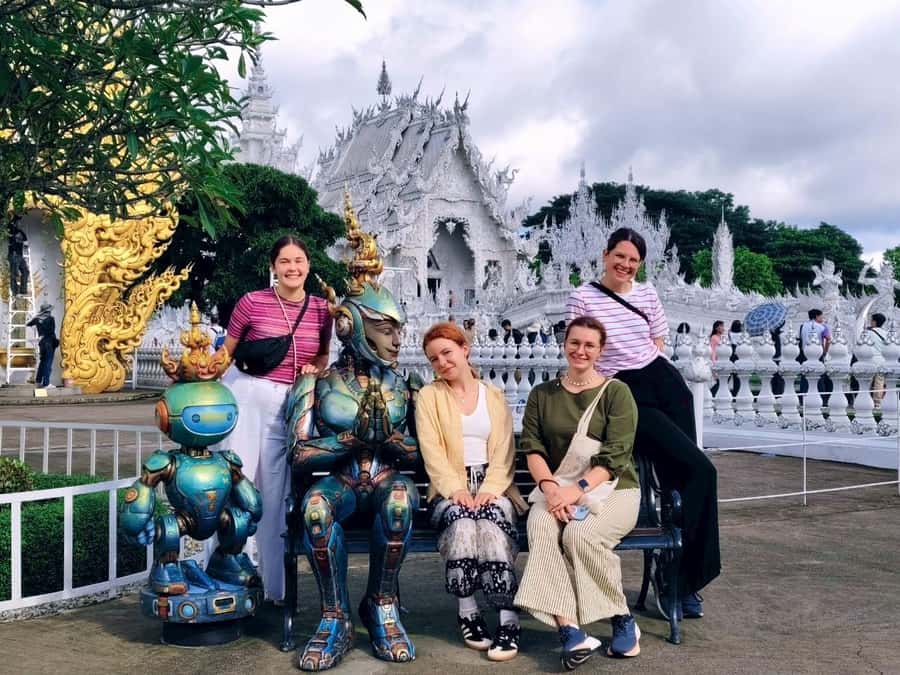
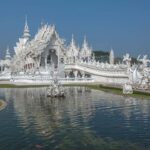
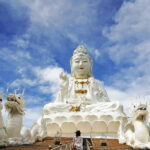
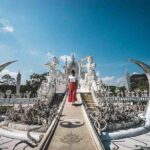
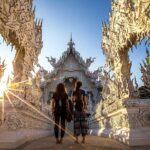
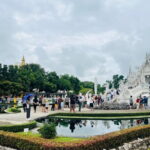
Wat Rong Khun is the big reason many people come to Chiang Rai, and it’s also the place where the tour gives you the time you need. You’ll spend about 2 hours here, which is key. If you only pass through quickly, you miss why this temple feels different from traditional Thai sacred architecture.
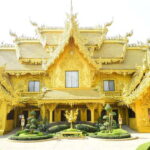
The White Temple is modern and highly detailed. Plan to slow down. Look closely at the facades and the way reflective elements catch the light. The temple is designed as a symbolic experience, so having the guide’s explanations helps you connect the art to meaning instead of treating it like just another photogenic stop.
Photo tip: bring your sunglasses. The strong light makes whites and reflections pop, but it can also strain your eyes if you’re trying to look, photograph, and stand around for a while.
The schedule is strict later, so if you love temples, treat this as your “take your time” anchor. If you don’t, you’ll be tempted to rush, and rushing is how you lose what makes the place special.
Wat Rong Suea Ten (Blue Temple): short visit, worth the contrast
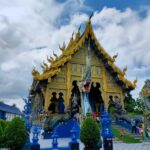
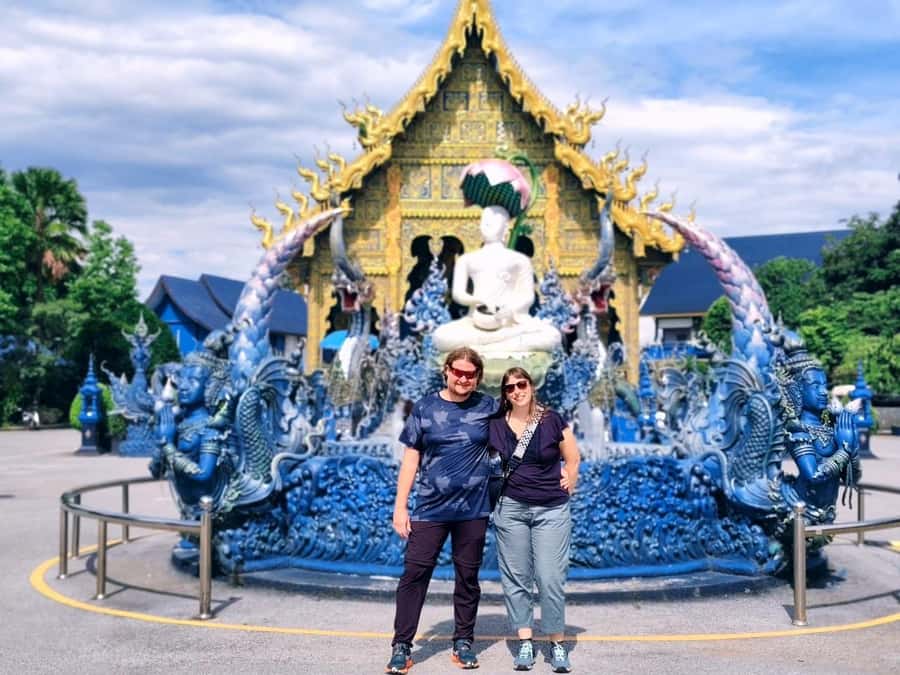
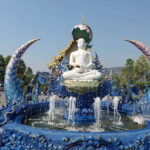
Next comes Wat Rong Suea Ten, often called the Blue Temple. Your stop here is about 40 minutes, so it’s not an all-day lounge. You’ll want to use the time efficiently: walk, pause, and let the colors reset you after the White Temple.
The Blue Temple’s visual focus is bold blue tones, and it has a calmer, reflective feel compared with the White Temple’s high-contrast spectacle. If you’re temple-fatigued, this stop can feel like a breather.
Because the visit is shorter, the guide’s pacing matters. In small groups, you can usually keep up without feeling like the van is hovering. Aim to get a few clear views, then listen for the context so the art direction makes sense.
Baan Dam (Black House) and Thawan Duchanee: art that’s strange on purpose
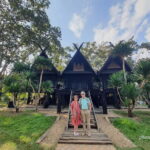
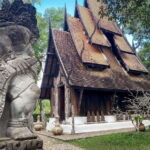
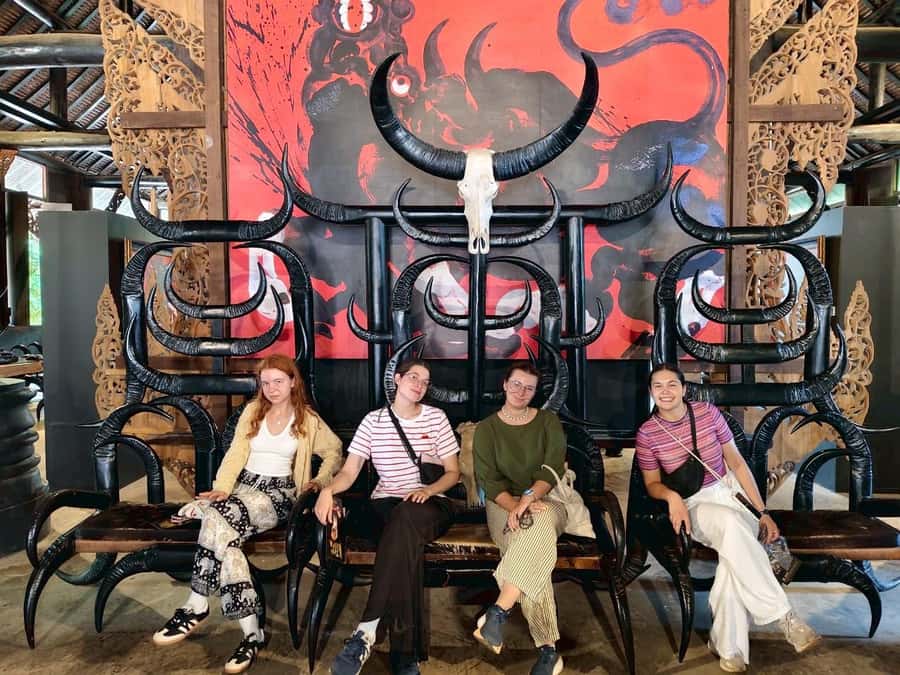
Baan Dam Museum, also called the Black House, is about 1 hour. This is where the tour stops being only about temples and becomes more about contemporary Thai art and design.
The museum is created by Thawan Duchanee. It’s unique and a bit thought-provoking. Instead of “pretty corners” you can move past, you’ll likely find yourself slowing down because the structures and objects don’t try to be straightforward.
This is a stop that rewards curiosity. If you ask questions, you’ll probably get better explanations and more satisfying photos. If you don’t, you can still walk through and enjoy the unusual atmosphere, but you might feel the hour passes quickly.
One practical note: the White Temple is glossy and bright; the Black House is darker and more atmospheric. Wear layers or plan for temperature swings, especially when you’re switching between shaded museum spaces and sunny exterior points.
A few more Chiang Rai tours and experiences worth a look

Long Neck Karen Village: culture and daily life, with respect built in
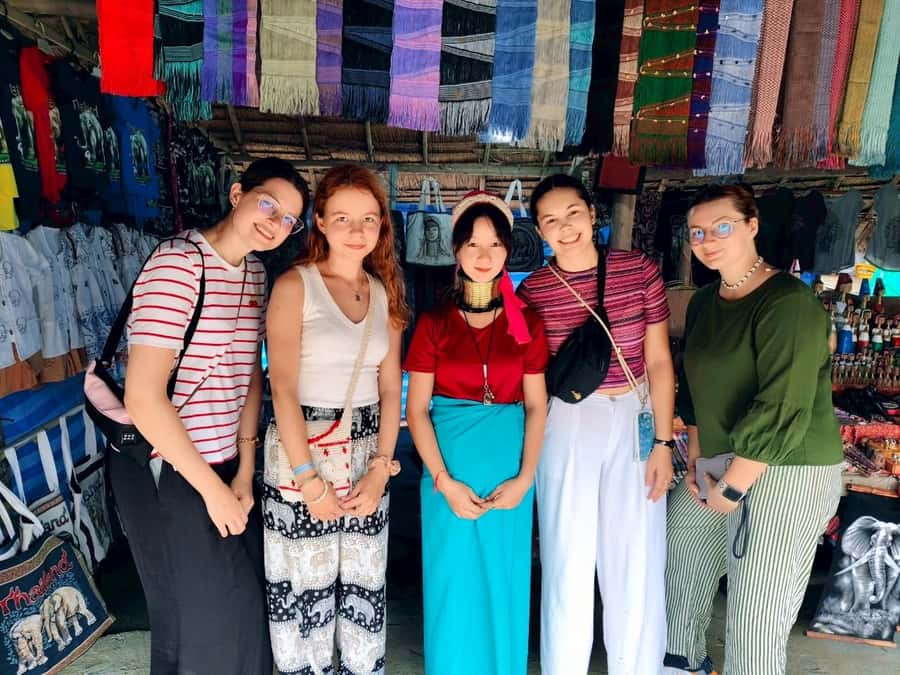
The Karen long-neck village is on the schedule for about 40 minutes. This is a cultural stop designed to show traditions and everyday life.
How you approach it changes how you experience it. I think it’s best to treat it as a community you’re visiting, not a photo set. Be polite, move carefully, and listen. In a short visit, you’ll get more from eye contact and questions than from racing around for images.
You’ll likely see the cultural display and get a sense of daily routines, but the time is limited, so don’t expect a deep study of every aspect of Karen life in just 40 minutes. What you’ll get is an overview and an introduction.
If you’re sensitive to “performative” tourism, this is one you’ll want to mentally frame as an educational stop rather than entertainment. The guide can help you keep the tone right.
Choui Fong Tea Plantation: panoramic tea views and simple tasting
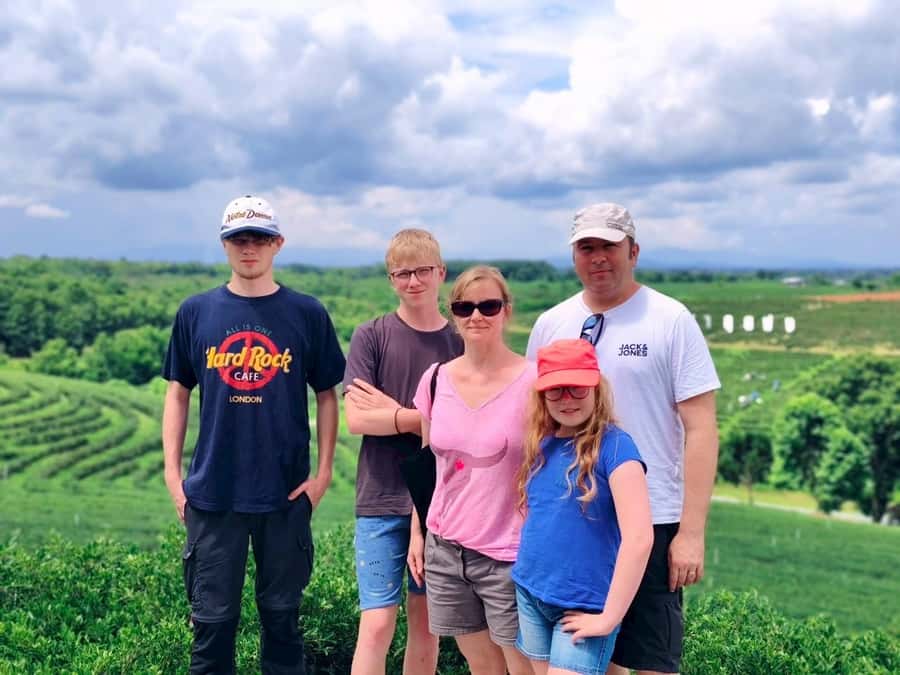
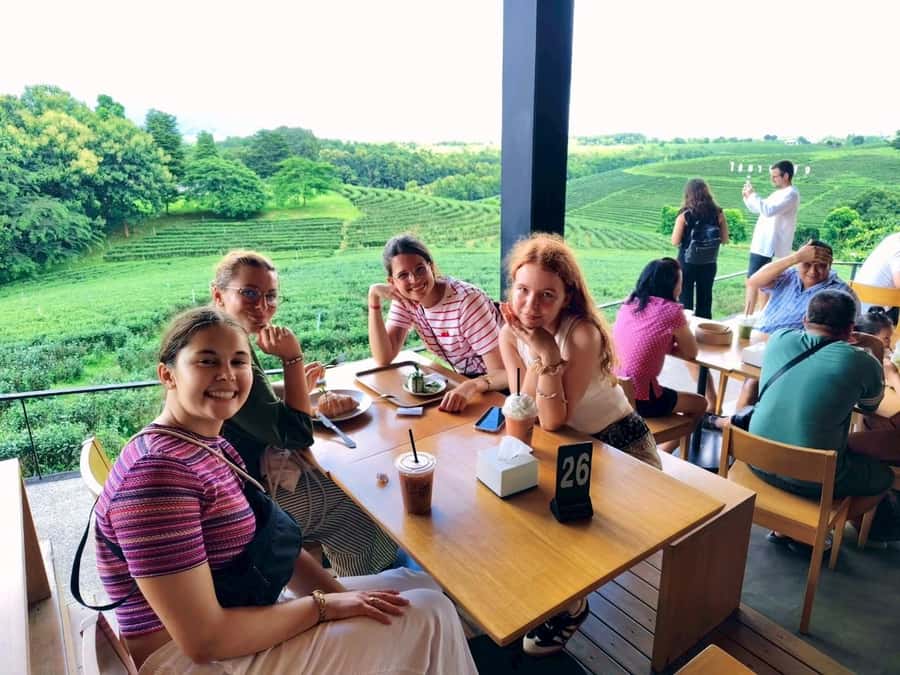
Next is Choui Fong Tea Plantation, another 40-minute stop. This is a nice change of pace. After temples and museum spaces, you’re out walking in tea fields with views you can actually take in.
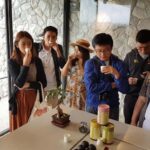
Your time here includes a stroll through the plantations and the chance to sample tea. That tasting component matters. Tea plantations can turn into just another scenic photo stop, but sampling gives you a real sensory souvenir.
If you like food and drink experiences, this is one of the best “value per minute” stops on the day. It’s short, but it connects place to product.
Wear sunscreen even if it feels cooler. Tea field time often means walking on uneven outdoor ground in open sun.
House of Opium: the Golden Triangle’s past in plain context
The House of Opium is about 40 minutes. This stop gives you history context tied to the wider Golden Triangle region.
In this part of Thailand, stories about the opium trade are part of the area’s identity and complexity. The museum approach here is meant to explain the trade’s role in regional development and border-area history. It can be sobering, especially after you’ve spent the morning on temples and art.
If you tend to skip museums because you think they’ll be dry, don’t. This one is often easier to absorb because it’s connected to a specific geography you’re about to see from a lookout later.
Expect the guide’s explanation to help you connect the dots between the past and the border views ahead.
Golden Triangle viewpoint: borders, the Mekong, and the big geography payoff
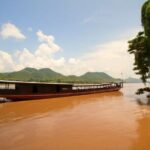
Finally, you reach the Golden Triangle, where the borders of Thailand, Laos, and Myanmar come together, with Mekong River views. This stop is about 1 hour.
This is the part of the day where your earlier stops start to feel connected. You’ve already seen temples and culture; now you’re seeing the geography that shapes how communities trade, interact, and get remembered in history.
The viewpoint also helps you orient yourself. Even if you don’t plan to cross into Laos or Myanmar, being able to visualize the border area gives you a “now I get it” moment.
Bring your sunglasses here too. The water and sky reflections can be bright, and you’ll probably stand and look around for a bit while the guide points out the key directions and context.
Lunch on the tour: included buffet, local food, and less wasted time
Lunch is included, served as a buffet with local cuisine. You get water too.
This is more than a convenience. When you’re on a 9-hour itinerary, the wrong lunch plan can wreck the timing. Here, you don’t have to chase a restaurant near each stop or decide what’s “fast enough.” You eat, you recharge, and you’re ready for the afternoon.
Buffets are a mixed bag on tours, but this one is set up to keep you moving. You can usually eat enough to stay comfortable without turning lunch into an hour-long delay.
Price and value: is $63 really fair for 7 stops?
At $63 per person, the main value driver isn’t the van. It’s that the tour bundles the stuff that quietly adds up on your own: transportation, entry tickets, a live guide, lunch, water, and insurance.
Compare that to a DIY day in Chiang Rai. Even if you only buy tickets and pay for transport separately, you can end up spending more once you factor in time lost to planning and the difficulty of stringing the “right” stops together efficiently.
The small group size (max 9) also tilts value in your favor. You’re not stuck in a massive crowd pushing through the White Temple. You get a more human-scale experience, and the guide can actually answer questions instead of doing a monologue to a packed bus.
The trade-off is the schedule intensity. You’re paying partly for efficiency. If you wanted slow walking and long museum time, you’d need a different format.
Who should book this tour, and who should skip it
This is a solid fit if:
- You’re short on time and want the big Chiang Rai highlights in one day
- You like guided explanations that connect art and history
- You don’t mind a structured day with several changes of scenery
- You prefer a small group over a large bus
It may not be ideal if:
- You want a slow pace or long, unstructured time at fewer places
- You’re sensitive to a tight itinerary (short stops later in the day can feel rushed)
- You fall outside the posted limits (it’s not suitable for people over 95 years or over 309 lbs / 140 kg)
Should you book Chiang Rai 7 Wonders in One Day?
If your goal is to make Chiang Rai feel efficient and meaningful, I’d book it. The day covers the essentials: Wat Rong Khun, Wat Rong Suea Ten, Baan Dam, a Karen long-neck village, Choui Fong Tea Plantation, the House of Opium, and the Golden Triangle viewpoint. And it does it with tickets and lunch included, which is where many day tours quietly win.
Just go in with the right expectations. This is not a slow “soak it up” day. It’s a guided hit list that aims to leave you informed, fed, and back at your hotel before dinner time.
If you’re the type who always wants more time at the White Temple or you hate getting rushed, consider booking a less tightly scheduled temple-focused day. But if you want maximum Chiang Rai payoff in one go, this is built for exactly that.
FAQ
How long is the tour?
The duration is listed as 9 hours.
What does the price include?
It includes transportation, entry tickets, a guide, insurance, lunch, and water.
Is pickup from my hotel available?
Pickup is available from hotels in Chiang Rai within a 3-kilometer radius of downtown (and also from Bus Station Terminal 1).
What time does the tour start and end?
Pickup is between 08:00–08:40 AM and you typically return around 5:00–6:00 PM.
What’s the maximum group size?
The tour is a small group limited to 9 participants.
What languages are spoken on the tour?
The live tour guide works in Thai and English.
What stops are included?
Stops include Wat Rong Khun (White Temple), Wat Rong Suea Ten (Blue Temple), Baan Dam Museum (Black House), Long Neck Karen Village, Choui Fong Tea Plantation, House of Opium, and the Golden Triangle.
What should I bring?
Bring your passport and sunglasses.
What’s not allowed during the tour?
Weapons or sharp objects are not allowed, and alcohol and drugs are not allowed.
Can I cancel and get a refund?
Yes, you can cancel up to 24 hours in advance for a full refund.
Is reserve and pay later available?
Yes, it offers Reserve now & pay later so you can book your spot without paying immediately.