REVIEW · CHIANG MAI
Chiang Mai : Pa Bong Piang Rice Terraces & Doi Inthanon
Book on GetYourGuide →Operated by CHIANGMAI FOOTSTEP TOUR&TRAVEL CO.,LTD · Bookable on GetYourGuide
Foggy peaks and rice terraces, in one day. From an early start in Chiang Mai, this tour strings together high-mountain scenery at Doi Inthanon and the photo-famous Pa Bong Piang Rice Terraces, so you get two totally different sides of Northern Thailand without wasting time. I like how the day is built around real places you can walk, not just quick roadside stops.
What I really love is the contrast: quiet Ang Ka Nature Trail boardwalk time in cloud forest, then open viewpoints at the twin pagodas. One possible drawback to plan for is that English explanation quality can vary a bit by guide, so if you care about lots of background at every stop, keep your expectations flexible.
In This Review
- Key highlights to know before you go
- A full day that actually feels efficient (and why it matters)
- Pa Bong Piang Rice Terraces: Karen farming and easy, stunning walking
- Ang Ka Nature Trail boardwalk: cloud forest time, with fewer crowds
- Phra That Mae Klang Luang and the twin pagodas for big mountain views
- Mae Klang Luang village: coffee culture that’s more than a snack stop
- Wachirathan Waterfall: the day’s powerful finale
- Price and what you’re truly paying for ($77)
- Timing, clothing, and the small gear choices that save your day
- Who this tour suits best (and who should rethink it)
- Should you book this Chiang Mai day trip?
- FAQ
- FAQ
- How long is this tour?
- What’s included in the price?
- Do I need to pay for park entry tickets or lunch separately?
- What language is the guide?
- What should I bring?
- Are there any restrictions on what I can bring?
- Is the tour suitable for everyone?
Key highlights to know before you go
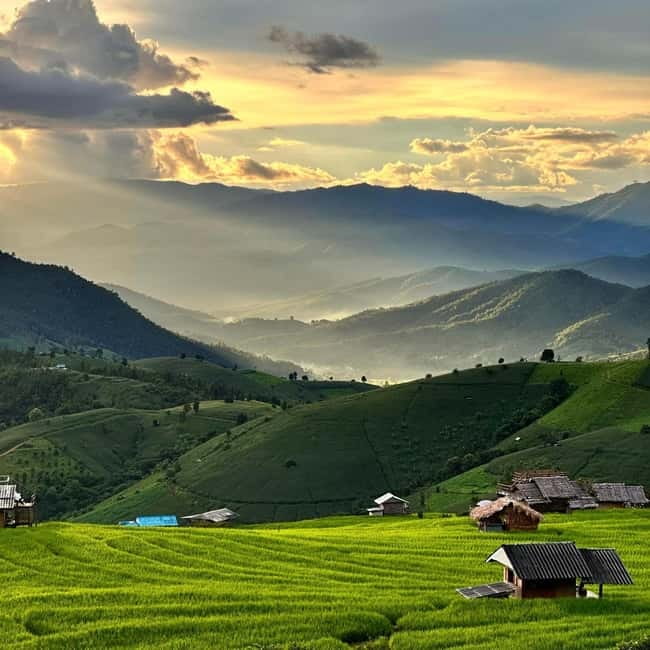
- Pa Bong Piang Rice Terraces: one of the most beautiful rice terrace areas in Thailand, shaped by Karen villagers
- Doi Inthanon National Park: reach Thailand’s highest peak area for cooler air and big views
- Twin pagodas: Phra Mahathat Naphamethanidon and Nophamethanidon with panoramic mountain sightlines
- Ang Ka Nature Trail: a peaceful boardwalk through cloud forest near the summit
- Mae Klang Luang coffee: village culture plus an optional coffee tasting from locally grown beans
- Wachirathan Waterfall: a powerful, picturesque finish inside the national park
A full day that actually feels efficient (and why it matters)
This is a classic Chiang Mai “big day” that’s still organized enough to feel calm. Hotel pickup and drop-off mean you’re not stuck arranging transport in a busy departure window, and the route is designed so the most famous sights come in a logical order from morning to afternoon.
The main trade-off with a one-day format is time pressure. You’ll be moving through multiple zones of Doi Inthanon National Park, so wear shoes you can walk in comfortably and keep your umbrella handy if weather turns.
Also, the tour doesn’t just skim the highlights. Lunch is included, entry tickets are included, and you get bottled drinking water through the day—small details that add up to less hassle when you’re higher up and cooler than Chiang Mai city.
You can also read our reviews of more tours and experiences in Chiang Mai.


Pa Bong Piang Rice Terraces: Karen farming and easy, stunning walking
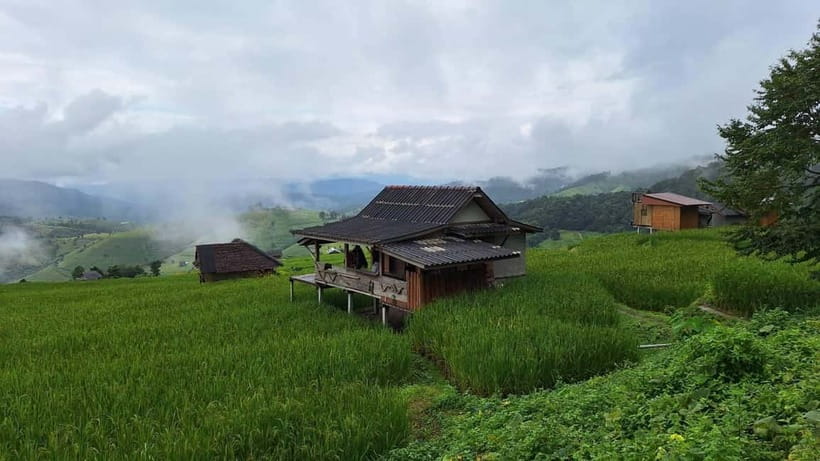
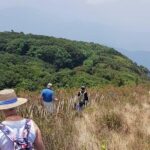
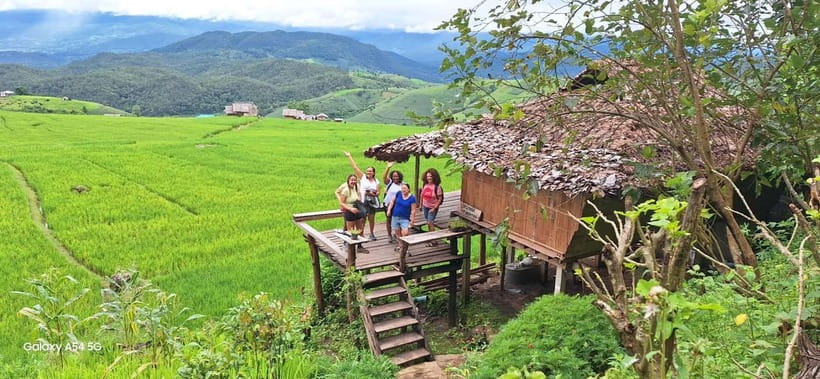
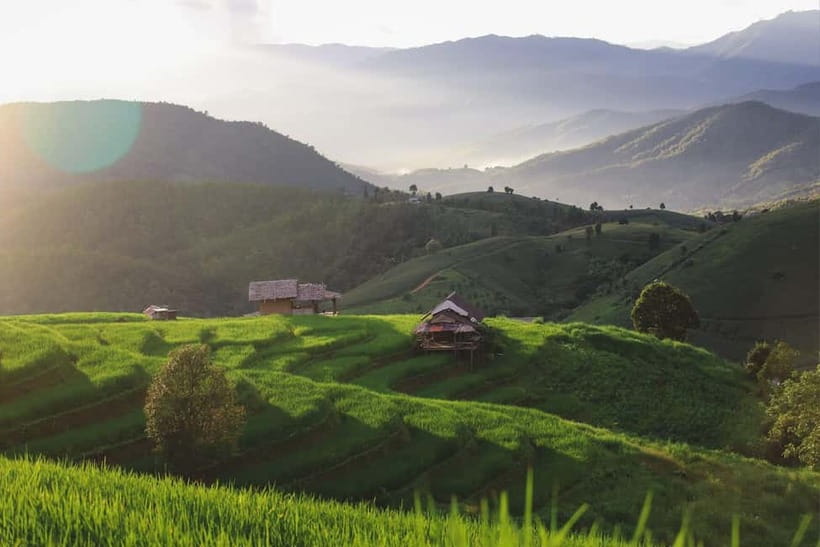
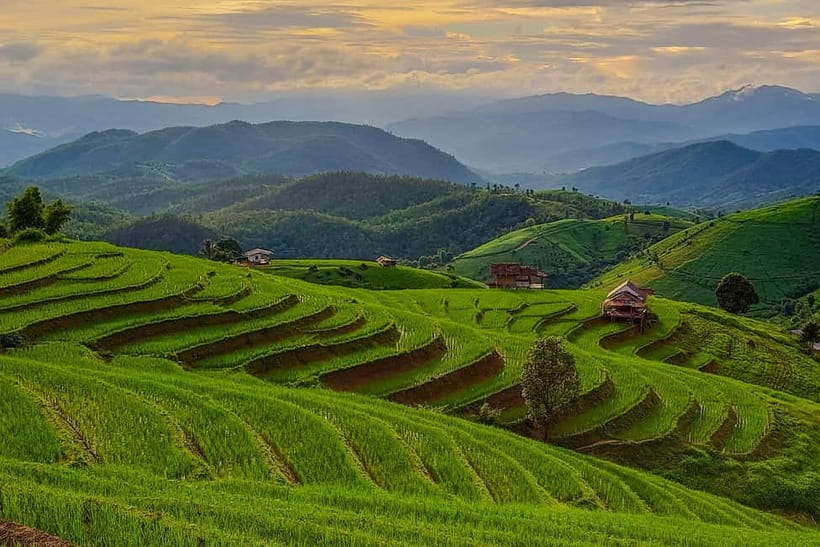
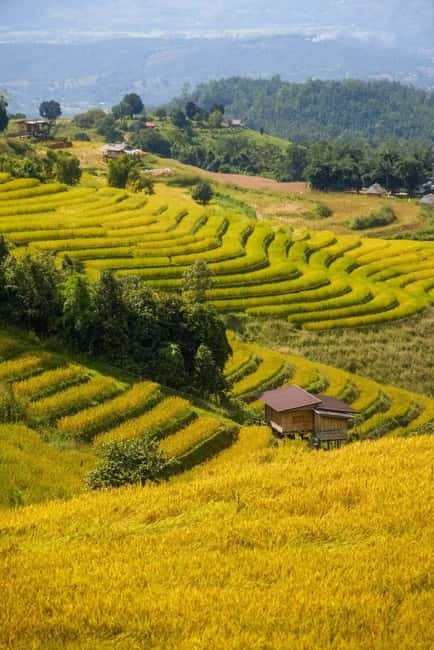
Pa Bong Piang is the star for a reason. These terraces cascade across the hills in layered green, and your stop here is built for strolling at a relaxed pace while your guide helps you understand how the landscape is farmed.
A big part of why I think this stop is worth it: you’re not just viewing scenery—you’re seeing how local people shape it. The terraces are tied to Karen villagers and traditional farming know-how, so the place feels grounded, not staged.
Practical tip: bring your camera ready. The terraces photograph best when you pause, step back for wider angles, then frame the layered fields from a slightly higher viewpoint. If it’s raining, expect mist to soften contrast and make the greens look even deeper—just be ready for wet footing.
Ang Ka Nature Trail boardwalk: cloud forest time, with fewer crowds
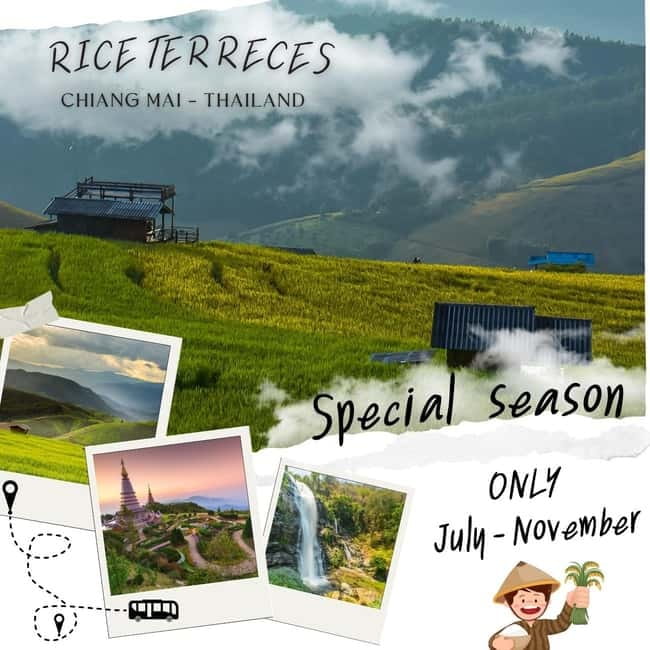
After the terraces, you’ll head toward Doi Inthanon and the Ang Ka Nature Trail. This is a boardwalk walk near the summit area, and that matters because you’re moving through one of Thailand’s cloud-forest environments without having to navigate slippery trails.
The experience here is more about atmosphere than distance. Expect cool, misty air and a slow pace where the goal is to look closely at plants and enjoy the quiet. The tour description highlights unique flora and fauna, and even without spotting something dramatic, you’ll feel the shift from open valley views to dense, high-altitude forest.
Bring patience for this part of the day. Weather can change fast in mountain areas, and cloud conditions can flip from clear to foggy within minutes. If you get light rain, it can still be a great time to walk—just keep to the boardwalk and don’t rush your steps.
Phra That Mae Klang Luang and the twin pagodas for big mountain views
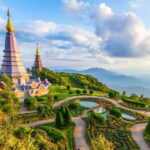
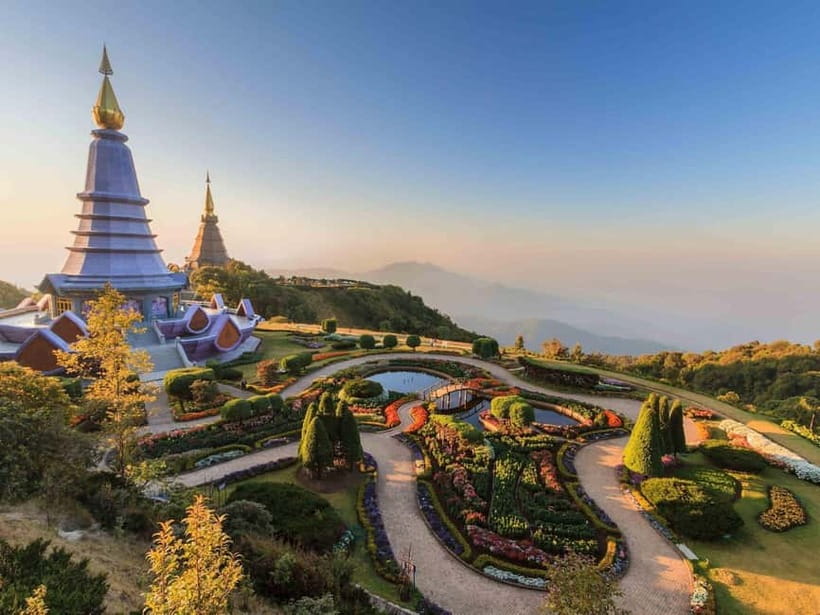
Next comes the cultural anchor of the day: the area around Phra That Mae Klang Luang and the iconic twin pagodas. The tour focuses on two major names—Phra Mahathat Naphamethanidon and Nophamethanidon—both designed to honor the King and Queen of Thailand.
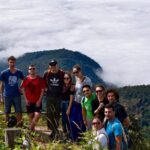
This stop is one of the best “pause points” of the itinerary. The pagodas sit within landscaped gardens, and you get time to explore at a comfortable pace while you look out toward the surrounding mountains. Even if clouds roll in, the view is still worth it because mountain fog often creates that cinematic, layered look.
One thing to plan around: this is a viewpoint stop. If you’re visiting in heavy rain, sightlines may be limited, but the pagoda structures still photograph well—especially when the garden paths and mist create depth.
If you’re hoping for lots of history and meaning at each site, this is a spot where your guide’s English matters. Most of the time, you’ll get a friendly, helpful explanation, but if your guide speaks less than expected, you can still enjoy the architecture and gardens through your own observations.
Mae Klang Luang village: coffee culture that’s more than a snack stop
After the high-mountain sightseeing, the day shifts down to human scale at Mae Klang Luang village. This area is known for coffee plantations and village life, and the tour builds in time to take in the setting instead of treating it like a rushed refreshment break.
What I like here is that the experience includes something you can actually do: an optional coffee tasting. If you choose it, you get to sample freshly brewed coffee made from locally grown beans and learn about why coffee cultivation matters in this community.
Practical tip: if you’re not a coffee person, you can still enjoy the village atmosphere. The key value is the change of pace—away from waterfalls and misty forest, and into a place where you’re watching daily life.
Also, have some cash ready for small purchases. The tour info notes cash as a bring item, and village-style stops often mean you’ll run into opportunities to buy small souvenirs or snacks.

Wachirathan Waterfall: the day’s powerful finale
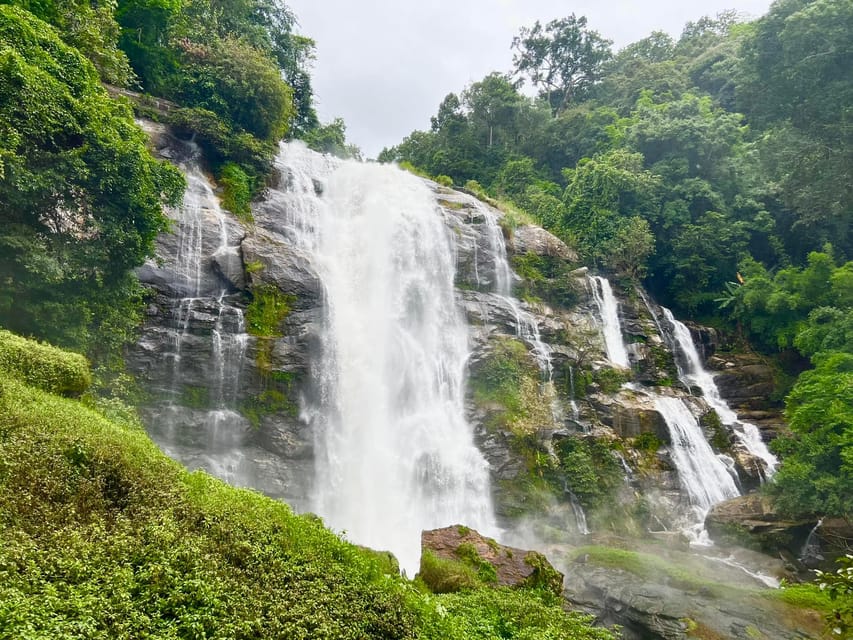
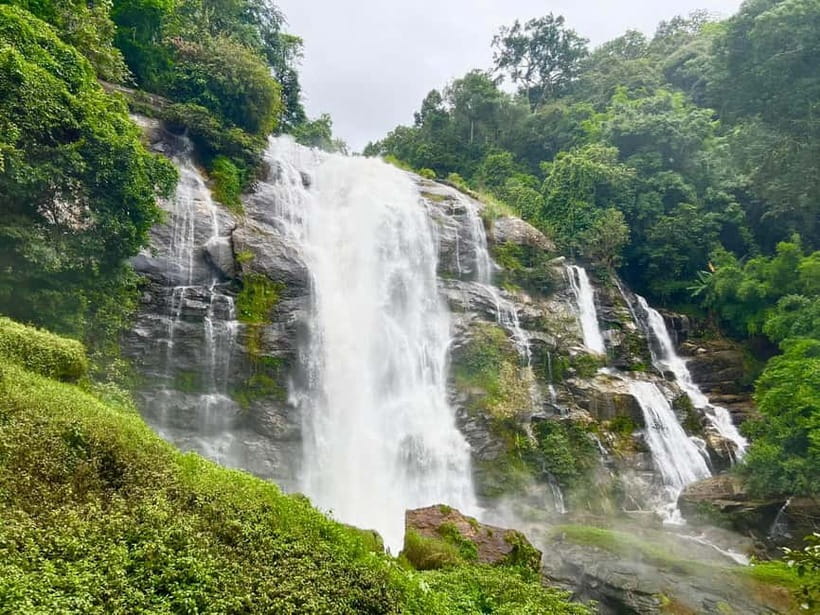
You end at Wachirathan Waterfall, one of the most spectacular waterfalls in Doi Inthanon National Park. This is where the scenery ramps up again—water sound, wet rock surfaces, and that thick green background that feels very “Northern Thailand.”
This stop is especially rewarding when the weather is changeable. During rainy periods, the waterfall can look more dramatic, and mist can hang around the viewing decks. Just remember: rain also means slick surfaces, so stick to safe paths and give yourself time to look before rushing for photos.
If you’re traveling with a camera, focus on angles that show both the water movement and the surrounding greenery. A wider shot gives context, while a closer framed shot helps capture texture.
And yes, plan for damp gear. Even with an umbrella, you might get mist near the viewing areas.
Price and what you’re truly paying for ($77)
At $77 per person, this day trip isn’t just paying for entry fees. You’re also paying for transportation, an English-speaking guide, lunch, water, and accident insurance. For a route that covers multiple major sights in one day, that combination is where the value shows.
Here’s what that value looks like in real life:
- You don’t have to figure out park routes, timing, and ticket entry points yourself
- Your guide helps translate what you’re seeing at each stop, which is a big deal when you’re far from the city
- Lunch being included keeps you from losing time hunting for food at higher altitude zones
What you might not love: it’s still a packed day, and that affects how long you linger. If you want long, slow wandering at just one or two locations, you may prefer a more relaxed option.
Still, for most visitors looking for a “great hits” day in Chiang Mai, this price level feels fair—especially when you factor in what’s included.
Timing, clothing, and the small gear choices that save your day
This tour starts early. That’s not a gimmick; it helps you catch better light for the terraces and gives you time to move through the park before late-day weather thickens.
What to bring is clear, and you’ll thank yourself later:
- Comfortable shoes (you’ll do walking at terraces and on boardwalks)
- Umbrella (weather can shift in the mountains)
- Sunscreen and comfortable clothes (cooler air doesn’t stop sun exposure)
- Camera and passport
A fun but true planning note: rain can add drama to the photos. You might find that a poncho or umbrella is more annoying to hold than dry weather clothes, but the mist can make the scene look more magical—especially near waterfalls and viewpoints.
One more rule to note: alcohol and drugs aren’t allowed on this experience. So if you’re thinking of treating the day like a picnic day, skip that plan.
Who this tour suits best (and who should rethink it)
This is a strong fit if you want a guided, one-day sampler of Northern Thailand’s “mountain + culture” side. You’ll like it if you enjoy photos, short walks in scenic areas, and learning bits of local context along the way.
It’s not suitable for wheelchair users, and it’s not suitable for people over 75 or those with high blood pressure. That points to an important reality: even if the walking isn’t extreme, the day includes mountain roads, changing weather, and enough movement that you should be comfortable managing that pace.
If you’re traveling with anyone who has mobility issues or needs a slower schedule, consider a different style of tour with fewer stops or more flexible timing.
Should you book this Chiang Mai day trip?
I’d book it if you want a single day that covers Pa Bong Piang, Doi Inthanon’s highest-peak area, the twin pagodas, a cloud-forest boardwalk, village coffee culture, and a major waterfall. The structure is the appeal: it’s efficient, the included lunch and tickets reduce friction, and the sights match what most people dream of when they imagine Northern Thailand.
You might pause and choose something else if you want a slower, deeper exploration at fewer sites. Also, if your top priority is highly detailed explanations at every stop, keep in mind that guide English can vary.
If you want flexibility, look for the pay-later approach mentioned for this experience. That’s handy when you’re still syncing your plans around weather.
FAQ
FAQ
How long is this tour?
It’s a one-day trip from Chiang Mai to Doi Inthanon National Park and the Pa Bong Piang Rice Terraces area.
What’s included in the price?
The tour includes hotel pickup and drop-off, an English speaking guide, lunch, drinking water, all entry tickets, and accident insurance.
Do I need to pay for park entry tickets or lunch separately?
No. Entry tickets and lunch are included as part of the tour.
What language is the guide?
The guide speaks English.
What should I bring?
Bring your passport, comfortable shoes, an umbrella, a camera, sunscreen, comfortable clothes, and cash.
Are there any restrictions on what I can bring?
Alcohol and drugs are not allowed.
Is the tour suitable for everyone?
It isn’t suitable for wheelchair users, people over 75, or people with high blood pressure.