REVIEW · BANGKOK
Bangkok: Historic Siam and Cultural Gems Walking Tour
Book on GetYourGuide →Operated by Vox City Walks · Bookable on GetYourGuide
Bangkok can feel huge. This walk turns it into a tight, themed route across historic Siam and Chinatown. I like the Vox City app add-on that keeps the story going after the guided part, and I like how the route is built around cultural, political, and religious landmarks instead of just random streets. One possible drawback: it’s short, so you’ll be moving on before some stops have time for a proper wander inside any paid sites.
The best part is that the experience is designed for momentum. You’ll step through centuries in a compact loop—wat by wat, bridge by bridge, and neighborhood by neighborhood—while your guide ties it together with practical context. And if you’re the type who asks questions (often the best type), you’ll likely enjoy the English-guided style that’s ready to answer the usual tourist questions without making you feel rushed—like an engaging guide such as Fern, who’s focused on showing as much as possible in the time available.
In This Review
- Key things to know before you go
- A two-hour walk that connects Bangkok’s power, faith, and street life
- Where you start: Sanam Chai, Sam Yot, or Hua Lamphong
- The core guided route: Wat Suthat to Wat Saket and the Siam story
- Wat Suthat and the Giant Swing: a big, symbolic starting point
- Mahakan Fort: history with street-level texture
- Pi Kun Bridge and Wat Ratchanatdaram: transitions that help you read the map
- Chinatown Gate and Pathum Wan: shifting from ceremonial to everyday Bangkok
- Wat Hong Rattanaram and Wat Saket: a calmer ending with major landmark energy
- Historic Siam vs. Cultural Gems vs. Chinatown by Night: use the pass like a plan
- Historic Siam: temples, fort edges, and government-near landmarks
- Bangkok Cultural Gems: Wat Pho, markets, Mon bridge, and the Museum of Siam
- Chinatown by Night: food energy and ornate religious stops
- Wang Burapha and Siam-area temples: why the route feels more meaningful than random sightseeing
- How Vox City turns your 2 hours into a 3-day plan
- Download and map setup you can’t skip
- Use the self-guided routes when you want to linger
- Price and logistics: is $30 good value for Bangkok?
- Who this walk suits best (and who should pick another plan)
- Should you book this Bangkok walking pass?
- FAQ
- How long is the Bangkok walking tour?
- What time do the tours start?
- What start locations are available?
- Is the tour available in English?
- Is the Vox City app included?
- What do I need to bring?
- Do I need to pay for entry to attractions?
- Are food and drinks included?
- How long is the ticket valid?
- Can I cancel for a full refund?
Key things to know before you go
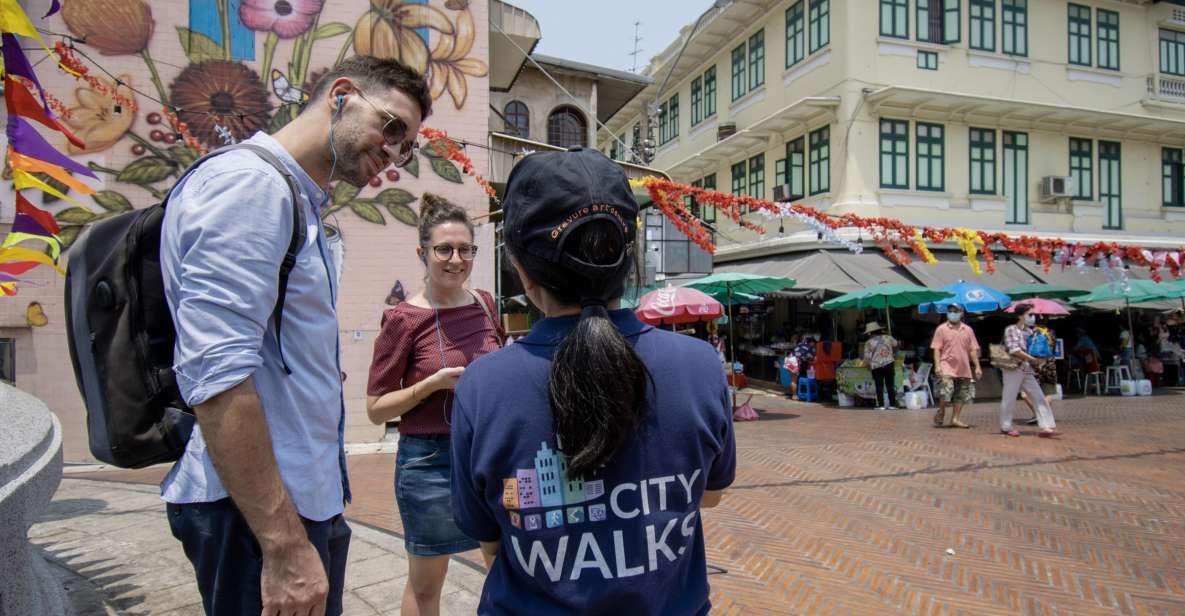
- One ticket, three themes: Historic Siam, Bangkok Cultural Gems, and Chinatown by Night are all part of the package plan.
- Short guided timing, flexible follow-up: You’ll do the guided walk, then use Vox City for more routes across the city.
- Multiple start points: Options like Sanam Chai, Sam Yot, or Hua Lamphong can make it easier to match your hotel area.
- App-first navigation: Scan your voucher QR code and use the Vox City map in your preferred language.
- English live guide: You’ll have a guide on the walking portion, plus audio commentary in 5 languages.
- Pass validity: Your ticket is valid for 3 days from first use, so you’re not locked into one day.
A two-hour walk that connects Bangkok’s power, faith, and street life
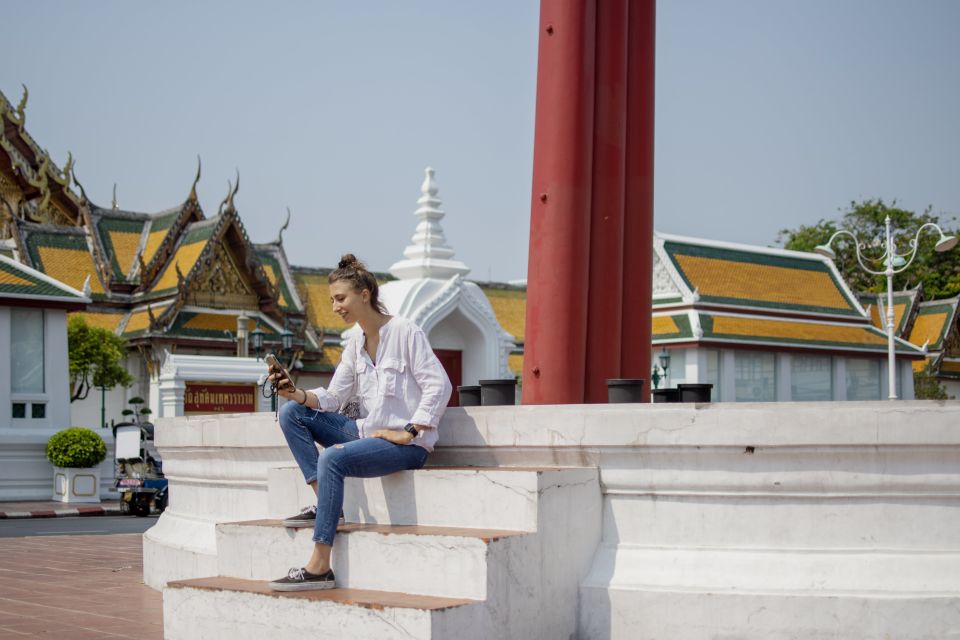
This is a walking tour built around how Bangkok works: royalty and government in one pocket, temple life in another, and commerce and neighborhood energy all around. Even though the guided portion is about 2 hours, the plan is structured to give you a “what goes where” sense fast.
What I like most is that it’s not just temple-hopping. You’re looking at cultural and religious landmarks alongside political and historic anchors. That blend matters because Bangkok’s layout makes more sense once you understand why certain areas got important and how the city grew outward.
You’ll get that through a mix of guided stops and pass-by sightseeing. That means you can learn quickly without needing to dedicate an entire day to a single heritage block. But it also means you should expect speed over slow studying. If you want to linger for long photo sessions or deep interior visits, you’ll likely need to do that on your own afterward using the app routes.
You can also read our reviews of more walking tours in Bangkok


Where you start: Sanam Chai, Sam Yot, or Hua Lamphong
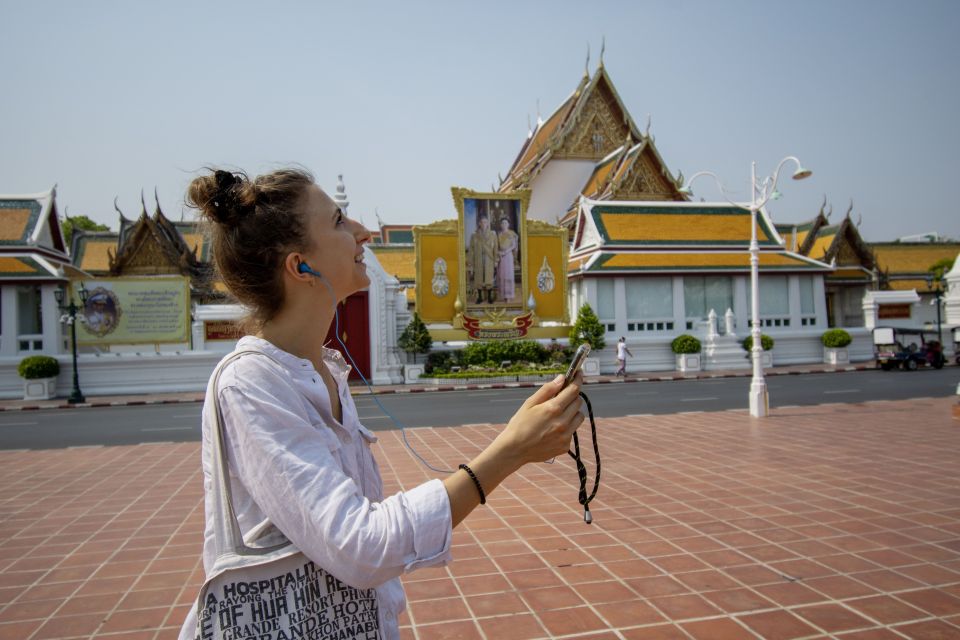
Your meeting point changes depending on what starting option you book, with three main choices: Sanam Chai, Sam Yot, and Hua Lamphong. That’s not a throwaway detail—start location affects how painless your morning feels.
If you’re staying near older central areas, picking the start that’s closest to your hotel can save you from a stressful scramble before the 09h00 start time. If your hotel is on the fringe, Hua Lamphong can be a convenient anchor for getting into the action.
Drop-off is also offered at Sam Yot, Hua Lamphong, and Sanam Chai. Translation: you can plan your next move with less guesswork, whether that’s lunch, a museum visit, or simply continuing to walk.
The core guided route: Wat Suthat to Wat Saket and the Siam story
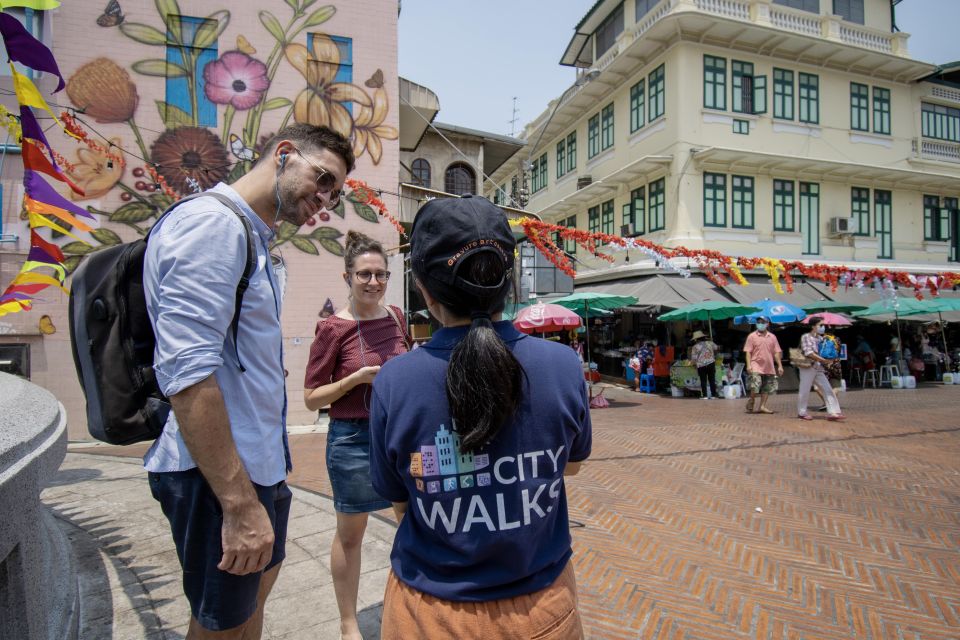
The guided walk follows a logical arc through major landmarks and neighborhood edges. Expect a lot of “look, listen, walk,” with plenty of photo opportunities and guide-led context.
Wat Suthat and the Giant Swing: a big, symbolic starting point
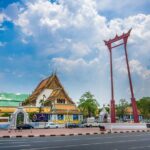
The route kicks off at Wat Suthat and the Giant Swing. This is a name-heavy stop—exactly the kind you’ve probably heard before—but here it functions as more than a photo. It’s the launch pad for understanding how the Siam area’s religious landmarks sit in relation to other important sites nearby.
Because the tour includes “sightseeing” and “walk, pass by,” you’ll want to plan for viewing from the street-side approach as much as possible. If you’re hoping for interior time, remember that entry to attractions isn’t included, so your ability to go inside may depend on each site’s own rules and fees.
Mahakan Fort: history with street-level texture
Next up is Mahakan Fort, with the itinerary listing it as a guided stop and also a pass-by highlight. Forts in Bangkok are a useful way to visualize older defensive thinking and the way urban space gets repurposed over time.
Again, think “orientation.” This is where the guide’s explanations help you connect what you’re seeing now to what the city was doing back then. Even if you don’t get a long stop, the context can make later temples and bridges click.
You can also read our reviews of more historical tours in Bangkok



Pi Kun Bridge and Wat Ratchanatdaram: transitions that help you read the map
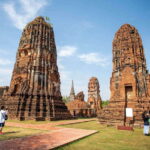
You’ll then cover Pi Kun Bridge (guided sightseeing and walking), followed by Wat Ratchanatdaram. Bridges and temple grounds are both great for “reading the city,” because they show you where movement flows and where community life gathers.
This section is about transitions. You’ll likely feel like you’re moving between eras and functions: crossing from one landmark cluster to another while the guide keeps the bigger picture in hand.
Chinatown Gate and Pathum Wan: shifting from ceremonial to everyday Bangkok
The route brings you to the Chinatown Gate, Bangkok, then into Pathum Wan. This is where Bangkok starts feeling like more than heritage—more like a working city.
Even with the guided timing limited, Chinatown areas usually offer sensory overload in the best way: storefront color, food smells, and crowds (when you’re there, you’ll know). The tour’s value here is that it helps you not just see Chinatown, but understand why it’s culturally and economically important.
Wat Hong Rattanaram and Wat Saket: a calmer ending with major landmark energy
The later stops include Wat Hong Rattanaram and Wat Saket. This is a strong way to end a walk: you start with grand, iconic symbolism and finish with major temple presence that feels like a natural “cool-down” after busier streets.
From a practical standpoint, ending near big landmarks also makes your next day planning easier. You’ll know the general direction of where you went, and the app routes will make more sense once you’ve felt that area on foot.
Historic Siam vs. Cultural Gems vs. Chinatown by Night: use the pass like a plan
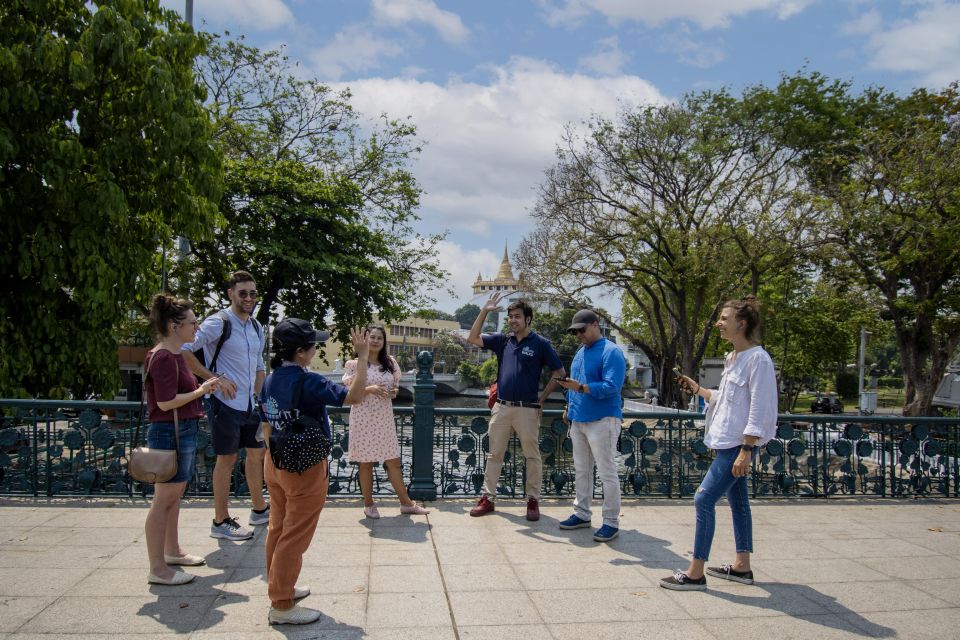
The package is built around multiple themed options, and the smartest way to get value is to treat it like a mini itinerary for a couple days rather than a single quick hit.
Historic Siam: temples, fort edges, and government-near landmarks
The Historic Siam part includes stops such as Wat Ratchapradit, Mahakan fortress, Rommaninat Park, Tanao Road, Wat ratchabophit, and Bangkok City Hall, plus Pi Kun Bridge and other Siam-area elements.
What you’ll take from this theme is a sense of Bangkok as a staged center—religion and administration close enough that you’re walking between them. It’s also where the “every era” promise matters most. The colors and scents are part of the experience, but the guide’s job is to connect that sensory Bangkok to specific landmark stories.
Bangkok Cultural Gems: Wat Pho, markets, Mon bridge, and the Museum of Siam
The Bangkok Cultural Gems theme includes Wat Ratchaburana, the Drum Tower, Wat Pho, Phahurat market, Sampheng area, Museum of Siam, and Mon bridge.
This theme is ideal if you want a balanced day: temples plus everyday commerce, then a museum stop for the “okay, now I get it” factor. You’ll also like it if you enjoy markets but want someone to point out where the neighborhoods shift from one vibe to another.
Here’s the practical catch: markets and museum experiences often do best with time. Since the guided walk portion is limited, you may treat these sights as orientation and then decide what to revisit later using the app.
Chinatown by Night: food energy and ornate religious stops
Chinatown by Night is included and brings you through places linked to nightlife-era energy, including Tang Toh Kang Golden Shop, Wat Mangkon Kamalawat, Nana Plaza, Jek Pui curry rice, and Charoen Krung Rd.
The big advantage here is pacing. A night theme helps you see Chinatown’s commercial rhythm differently than daytime sightseeing. Food stops like Jek Pui curry rice are exactly the kind of detail that makes the area feel lived-in rather than purely historic.
Just remember: food and drinks aren’t included, so treat the night walk as a pathway to buy your own snacks or dinner when you see something that pulls you in.
Wang Burapha and Siam-area temples: why the route feels more meaningful than random sightseeing
A highlight listed for the experience is strolling through the Wang Burapha district and exploring the ornate temples in the Siam area. Those aren’t just nice-sounding phrases—they’re an efficient way to avoid the tourist trap of seeing Bangkok as one continuous blur.
Wang Burapha gives you a slice of local street life, while the Siam temples emphasize the ceremonial side. When you put those together, you start to understand that Bangkok’s beauty comes from contrast: sacred sites in heavy traffic zones, grand architecture next to trade streets, and quiet temple atmosphere rubbing shoulders with commercial chaos.
The guide also matters here. If you’ve got a guide who’s willing to answer your questions, you’ll walk away with more than photos—you’ll get mental signposts. That’s the type of guide quality that can make a short tour feel longer in value.
How Vox City turns your 2 hours into a 3-day plan
This pass doesn’t end when your guide does. Included is the Vox City app with multiple self-guided walking tours, plus audio commentary in 5 languages.
Download and map setup you can’t skip
You’ll want a charged smartphone. Then:
- Download the Vox City app from the Play Store or Apple Store.
- Scan the QR code on your voucher.
- Download the map in your preferred language.
- Use the app to track your guides and to book your spot.
That last part is useful even if you’re not sure which theme you’ll do next. The app gives you an easy way to keep moving without constantly searching for directions.
Use the self-guided routes when you want to linger
Your ticket is valid for 3 days from first use, which is perfect for adding time where you want it. The provided routes include a longer list of sights across Bangkok, such as:
- Wat Pathum Wanaram, Erawan Shrine, Talat Phlu, Siam Square
- Wat Chana Songkhram Ratchaworamahawihan, Phra Sumen Fort
- Multiple shrines and temples like Chiao Eng Biao Shrine, Wat Hong Rattanaram, Guan Yu shrine, and others
This is how you transform the guided walk into a custom schedule. Do the guided theme once for orientation, then spend your remaining time deciding what to return to.
And because the audio is included, you don’t have to keep pulling out your phone every time you want context. It’s a practical upgrade for independent exploring.
Price and logistics: is $30 good value for Bangkok?
At $30 per person for a guided walking experience that includes multiple themed walks plus the Vox City app access, the value depends on one thing: how you use it.
If you only do a single guided theme and then call it a day, you might feel like it’s a lot of money for a short walk. But if you spread it across multiple days (remember, 3 days validity) and use the self-guided routes, the cost starts to feel fair—because you’re effectively buying both guided orientation and an ongoing map-and-audio tool.
Also, the fact that transportation, entry, and food aren’t included is normal for this kind of walking format. It just means you should plan your own add-ons:
- Budget some extra cash if you want to enter paid sites.
- Carry water and light snacks if you tend to get hungry while walking.
- Expect to pay for any meals you want during Chinatown by Night.
In other words: it’s a good deal if you treat it like a city tool, not just a one-off ticket.
Who this walk suits best (and who should pick another plan)
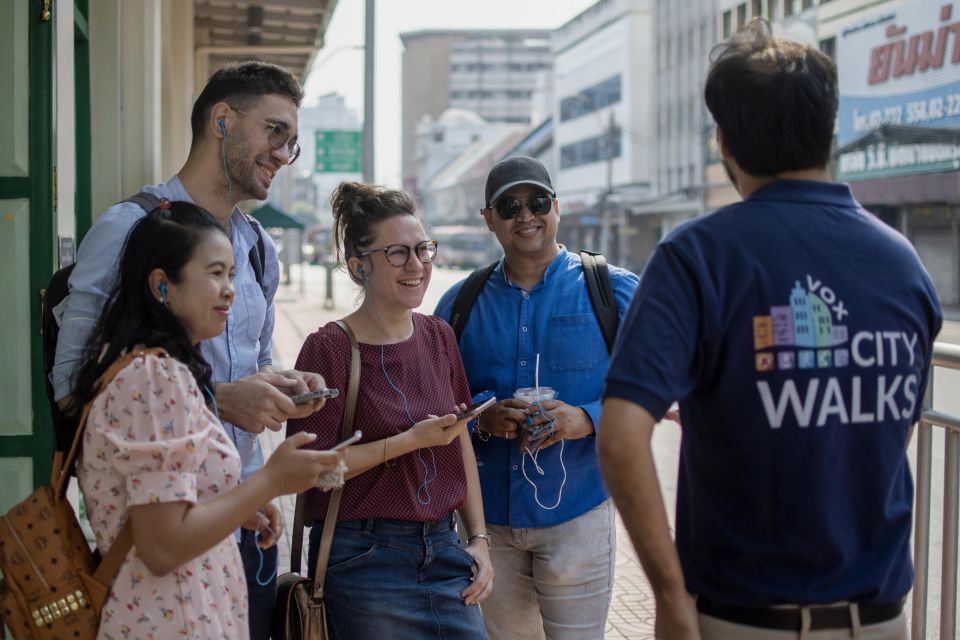
This experience fits you if:
- You want a fast orientation to Bangkok’s major areas, not just one neighborhood.
- You like learning by walking, with an English guide on hand.
- You want temple and culture without spending a full day locked into one route.
- You like the idea of using an app to keep exploring after the guided segment.
You might want a different approach if:
- You hate walking at a steady pace for 2 hours and prefer slow, long, inside-the-site visits.
- You’re expecting all stops to include paid entry and long museum time.
- You want a deep, single-location experience (this is designed for coverage and context, not extreme detail at one place).
Should you book this Bangkok walking pass?
I’d book it if your goal is to get your bearings fast and build a practical plan for the rest of your stay. The strongest reasons are the structured themed walks and the Vox City app that extends your learning beyond the guided portion for 3 days.
If you’re the kind of traveler who asks questions and likes a guide who keeps things moving—like the engaging English guidance style mentioned by Fern—you’ll probably feel you got your money’s worth. And if you’re smart about pacing, you can use the guided walk for context, then use the app routes to slow down where you actually want time.
If you’re unsure, I’d choose it when you have at least a couple days in Bangkok, because that’s when the pass turns from a short tour into a whole little discovery program.
FAQ
How long is the Bangkok walking tour?
The duration is 2 hours.
What time do the tours start?
Tours start from 09h00.
What start locations are available?
There are three starting location options: Sanam Chai, Sam Yot, and Hua Lamphong.
Is the tour available in English?
Yes. The live tour guide is English.
Is the Vox City app included?
Yes. Your pass includes the Vox City app, plus audio commentary in 5 languages.
What do I need to bring?
You should bring a charged smartphone.
Do I need to pay for entry to attractions?
Entry to attractions is not included.
Are food and drinks included?
No. Food and drinks are not included.
How long is the ticket valid?
Your ticket is valid for 3 days from first use.
Can I cancel for a full refund?
Yes, you can cancel up to 24 hours in advance for a full refund.