REVIEW · KO SAMUI
Samui:Elephant Jungle experience & The First Elephant Museum
Book on GetYourGuide →Operated by SamuiElephantHome · Bookable on GetYourGuide
Samui’s elephant day has a calm rhythm. You start with Samui’s first Elephant Museum, where the story of Thai elephants feels clear and human, then you head into the jungle to watch rescued elephants roam and choose what they do. I especially like the way the program focuses on natural behavior and education, not stunts, and I also like the hands-on conservation touch with seed bombs.
One thing to keep in mind: this is a mostly hands-off experience. You’ll get to observe up close at safe distances, and you may get short feeding moments, but it’s not built around lots of touching or risky crowd-pleasing tricks.
In This Review
- Key things to know before you go
- First Elephant Museum: Thai Elephant Heritage, Explained Clearly
- Mahouts, Nutrition, and What Ethical Care Looks Like
- Jungle Walk: Watching Elephants Roam Free, Not Perform
- Seed Bomb Conservation: A Fun Activity With a Real Purpose
- Cooling Down After the Walk: Shade, Water, and Calm Routines
- Price and Timing: Does $64 Make Sense?
- Who Should Book (and Who Might Want a Different Elephant Day)?
- Should You Book Samui Elephant Home?
- FAQ
- How long is the Samui Elephant Museum and jungle experience?
- Where do I get picked up?
- What’s included in the price?
- What language is the tour guide?
- What should I bring?
- Is the experience wheelchair accessible?
- What is not allowed during the experience?
- Can I cancel if plans change?
Key things to know before you go
- Samui’s first Elephant Museum: Thai elephant heritage plus practical elephant-care themes
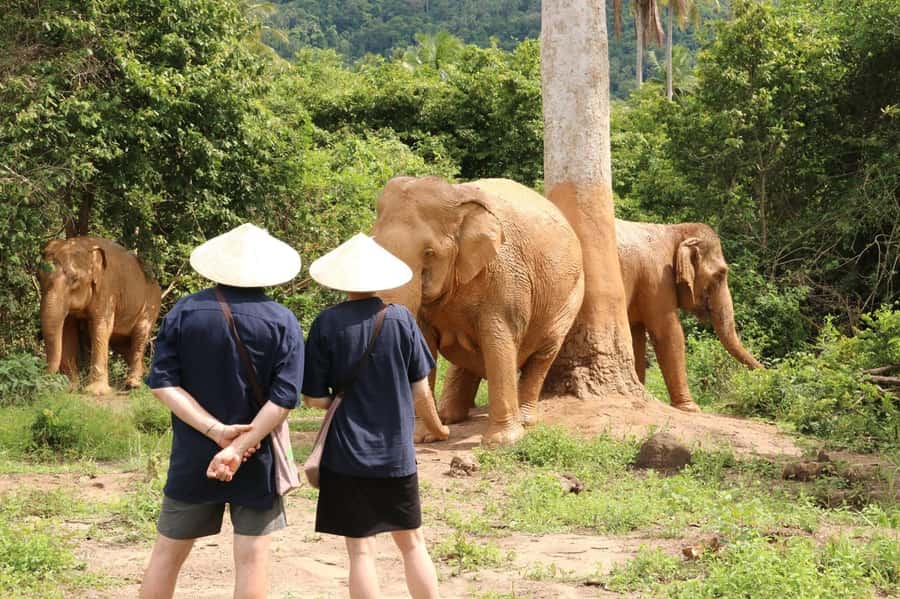
- Hands-off jungle time: watch elephants forage and socialize at a respectful distance
- Organic nutrition demos: mahouts explain what’s prepared for different life stages
- Seed bomb planting activity: clay + native seeds, launched with a traditional slingshot
- Cooling-down routines: shade, water, and calm support after the walk
- English guides with real stories: I’d look out for guides like Angie, Kathy, Katy, and Noot
First Elephant Museum: Thai Elephant Heritage, Explained Clearly
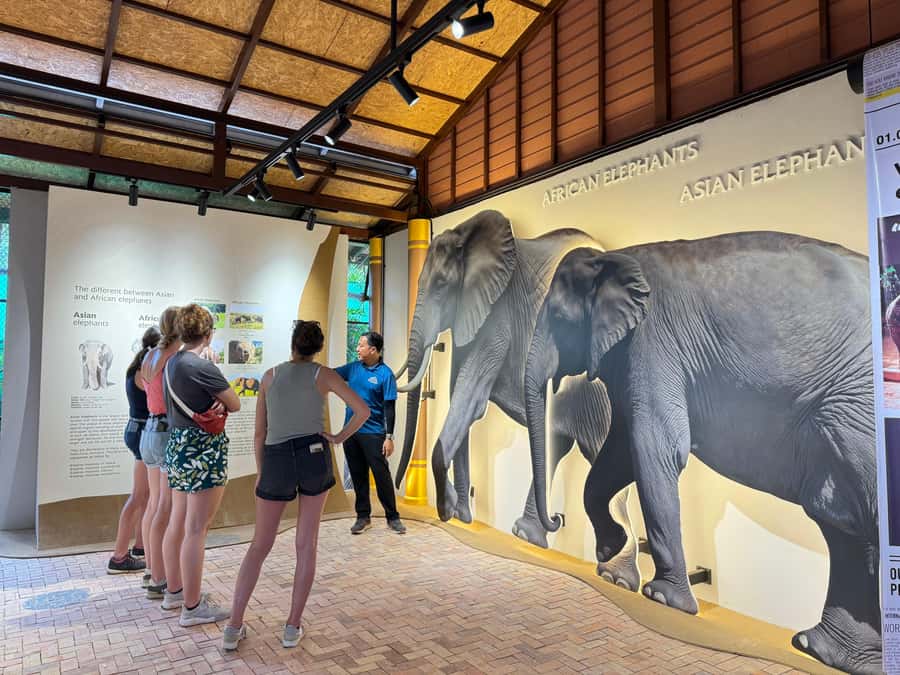
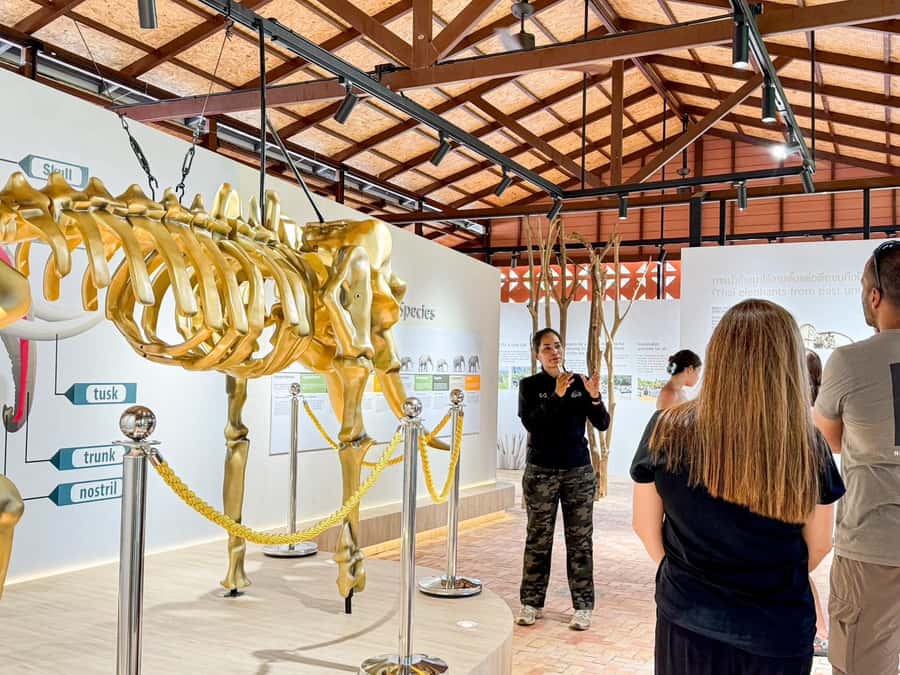
The museum portion sets the tone. It’s not just “elephant photos and facts.” You get background on how elephants have been part of Thailand’s heritage and day-to-day life, including the cultural and spiritual weight behind these animals. That context matters, because when you later watch elephants move freely in the jungle, you’re not just looking at wildlife—you’re seeing a living connection to Thai history.
What also helps is the presentation style. A live English guide leads you through the exhibits, and the group stays focused on what elephant care actually means. In past sessions, guides such as Kathy and Angie have stood out for turning museum content into something you can picture, not just read. And yes, you’ll want your camera for the museum moments—but the experience doesn’t feel like it’s chasing selfies.
If you’re the type who gets restless when you’re stuck inside, don’t worry too much. The museum is timed to lead directly into the field portion, so you’re not stuck in a classroom all day. Still, there is indoor time, so if you’re traveling with someone who hates museums, you’ll want to mentally treat it as a short briefing before the real action.
You can also read our reviews of more tours and experiences in Ko Samui.



Mahouts, Nutrition, and What Ethical Care Looks Like
The “ethical” part isn’t just a slogan here. You’ll watch mahouts demonstrate how organic food is prepared as part of the elephants’ daily nutrition. Then your guide explains why nutrition is more than feeding—it’s tied to health and how elephants’ needs shift through life stages.
This is where the program becomes genuinely useful for you. Once you understand that meals are planned, portioned, and prepared with care, you start noticing the details during the jungle walk: how the elephants pace, how they forage, how social groups move. You also learn why a sanctuary isn’t the same thing as a theme park. In a place designed for animal wellbeing, the caretakers are focused on routines and comfort, not entertainment.
The best part for me is that the education feels practical. You’re not only learning general biology. You’re learning the day-to-day logic behind elephant care—what the elephants eat, how they’re supported, and why wellbeing comes first. Guides including Noot and Katy have been praised for communicating this with warmth and clarity, which makes the whole visit easier to understand.
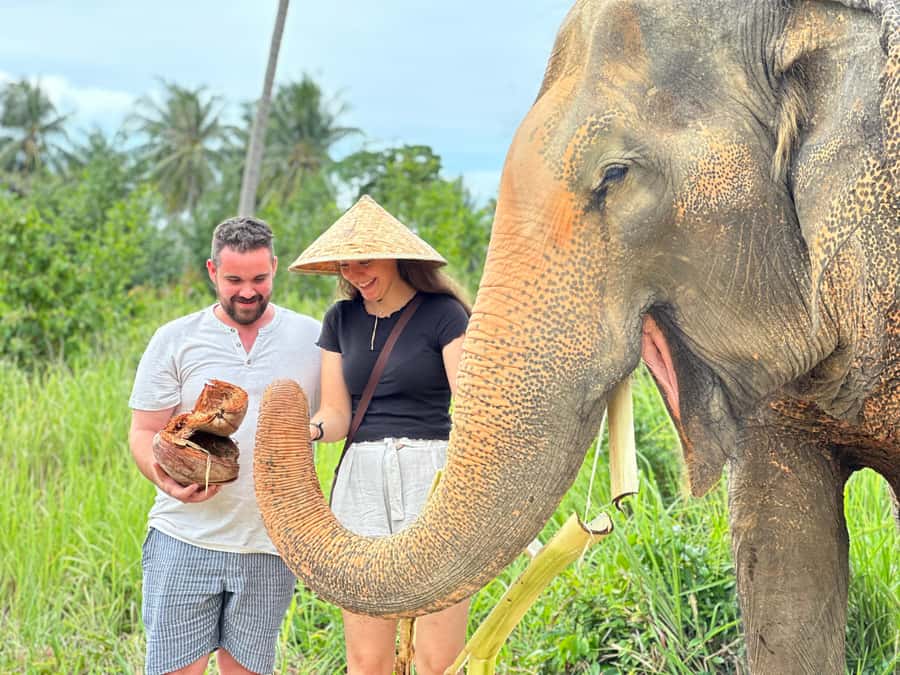
A small consideration: you might see short feeding moments, but the main goal is observation. If you’re expecting long, hands-on petting sessions, this isn’t built for that. In fact, the experience has a safety-first tone, including avoiding risky behaviors like mud bathing (more on that when we talk jungle time).
Jungle Walk: Watching Elephants Roam Free, Not Perform
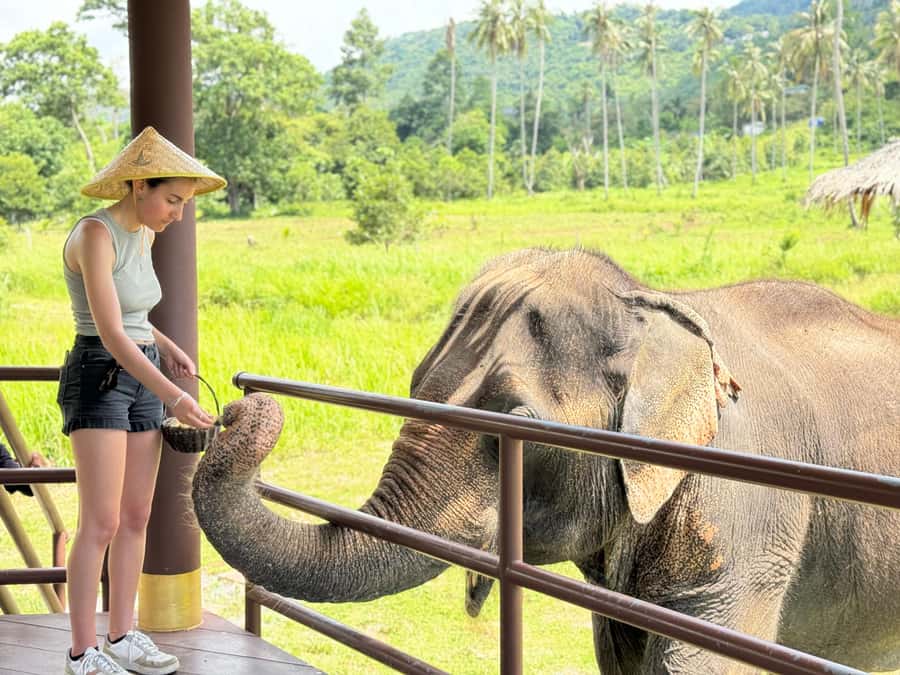
Then you step out into the jungle habitat. This is the core of the day, and it’s where you’ll feel the difference between ethical observation and circus-style interactions.
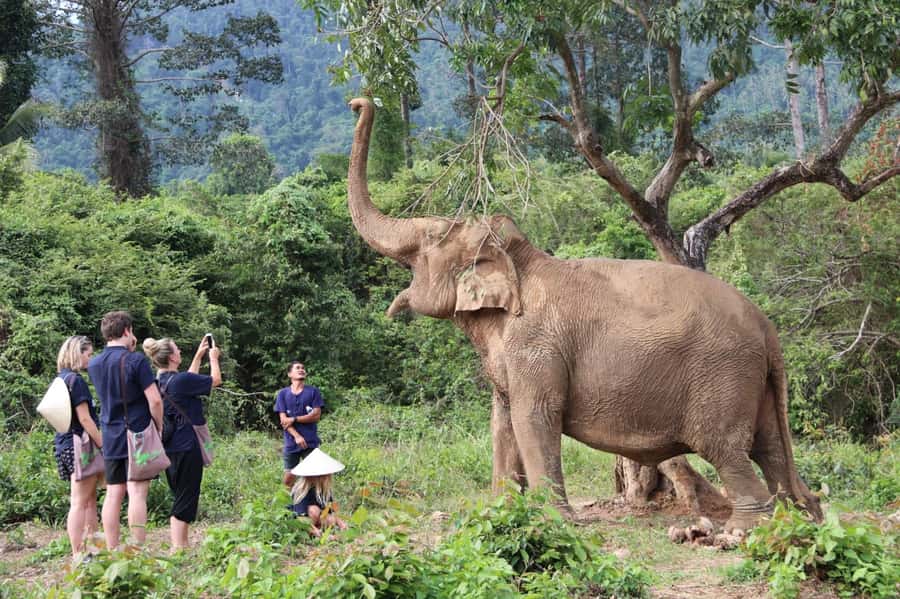
You walk through the forest while elephants roam freely nearby. You’re guided to stay at a respectful distance as the elephants forage, explore, and express natural behavior. This changes how you experience the animals. Instead of “look at me,” you get “watch what they do,” which is a big deal if you care about how animals actually live.
This is also why so many people rate the experience so highly: the elephants look calm and comfortable, not stressed. Past visitors have highlighted how the elephants appear thriving after rescue, and how the staff keep the environment structured for them. Even if you don’t know elephant behavior yet, you can pick up patterns—social bonds, spacing, movement between shaded and open areas, and the way the herd’s mood shifts with time of day.
You’ll probably notice a mostly hands-off approach. In multiple accounts, people appreciated that interaction is limited—there’s feeding at times, but not constant touching. That may sound minor, but it affects everything. When you don’t crowd the animals, you’re more likely to see real behavior, not reactions to people.
One more practical note: wear shoes for uneven ground and bring insect repellent. The jungle walk is part of why the day works—cool shade feels great, but the heat and bugs are real. Your hat and sunscreen matter more than you think.
Seed Bomb Conservation: A Fun Activity With a Real Purpose
After the elephant observation, you switch from “watching” to “doing.” You’ll craft seed bombs using clay and native plant seeds, then launch them with a traditional slingshot. It’s hands-on and surprisingly satisfying—part craft, part game—while still tied to conservation.
Here’s the value: you’re not just making a souvenir. The idea is to help restore forest areas and grow future food sources. Even if you’re not a conservation expert, the seed bomb concept gives you a tangible way to support habitat improvement rather than only spending money on a day trip.
The way it’s integrated also helps your mindset. You’re leaving the elephant portion having learned about nutrition, habitat, and wellbeing. Then you immediately do a small act connected to that same chain of ideas: healthier forest, more native plants, better conditions down the road.
If you’re traveling with kids or teens, this is often the segment that keeps energy up. Multiple visitors described the slingshot planting as a highlight—more playful than you’d expect for a conservation activity. It’s also a good break from the heat and constant watching.
There’s one consideration: you’ll want to pay attention to instructions and don’t treat it like free-for-all shooting. The activity is meant to support the environment, so follow the guide’s rules about where and how you plant or launch.
Cooling Down After the Walk: Shade, Water, and Calm Routines
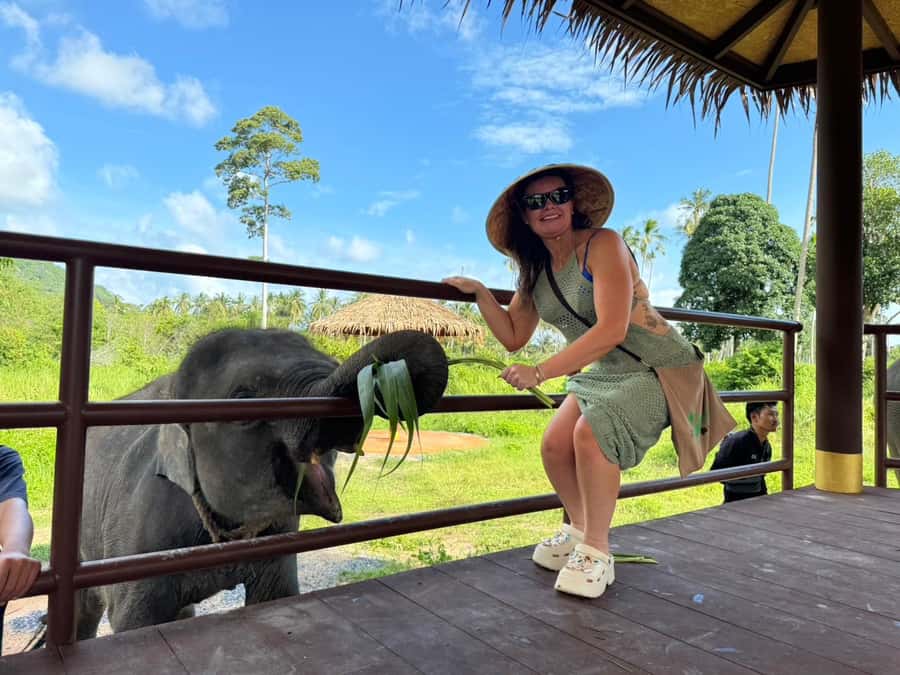
Elephants aren’t robots. After their jungle walk and activities, mahouts support them to cool down naturally in the tropical heat. That support includes shade, water, and a calm routine designed around comfort rather than schedule pressure.
This part matters because it shows how a sanctuary thinks. Many animal experiences focus on the “exciting moment,” then move on. Here, you see the last step of responsible care—the day doesn’t end when people get photos.
As you watch, you’ll likely understand why the experience avoids stressful practices. When elephants can rest and regulate in a calm way, the whole herd stays healthier. Visitors have also mentioned they felt positive about safety choices, including why certain dramatic interactions (like mud bathing) aren’t done due to potential danger.
For you as a visitor, this cooling-down segment changes your “takeaway.” Instead of leaving with only a feel-good memory, you leave with a clearer picture of what ethical care includes: feeding, movement, social structure, and recovery.
It’s also a helpful reality check if you’re comparing tours. A well-run program isn’t just about what you do. It’s also about what you don’t do—and how staff protect wellbeing when the crowd energy fades.



Price and Timing: Does $64 Make Sense?
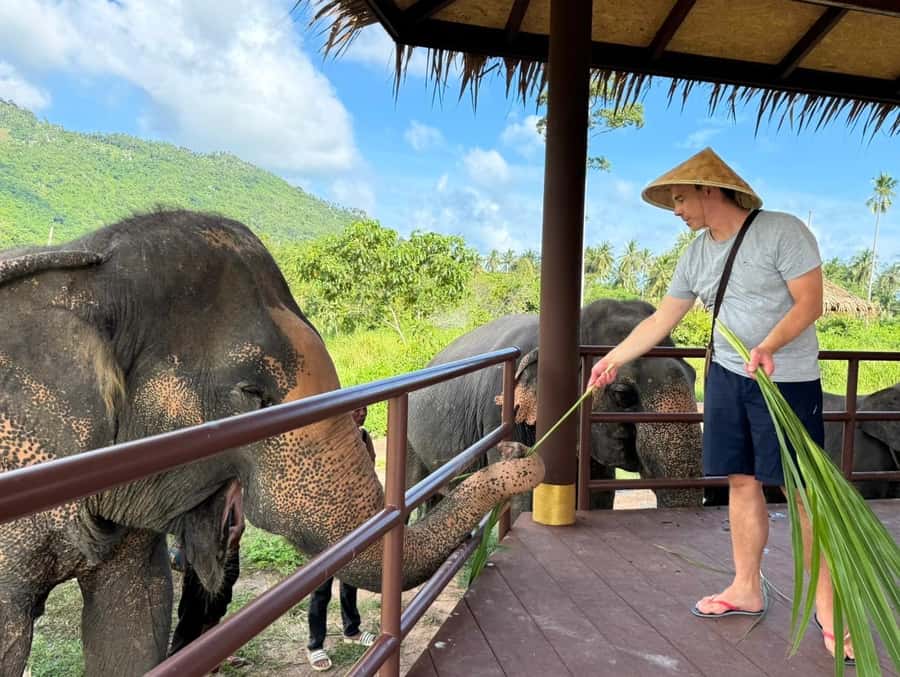
This experience costs $64 per person and runs about 3 hours. For Koh Samui, that price point can be reasonable—especially because you’re getting hotel roundtrip transfer, a guided museum tour, a jungle walk, a conservation activity, and full insurance.
Here’s the value logic: you’re not only paying for access to elephants. You’re paying for interpretation (the live English guide), time in two settings (museum + habitat), and a structured program that keeps elephants first. The seed bomb activity adds a second layer of meaning, so your money supports both education and habitat-focused conservation.
Timing is also practical. Three hours fits neatly into most Samui schedules. You can usually plan a relaxed lunch afterward and keep your day flexible. In some past visits, group sizes have been small, which can make the pacing feel more personal and less rushed. Small groups aren’t guaranteed, but the structure tends to be calm rather than chaotic.
Logistics are straightforward: you’re picked up from your hotel area on Ko Samui. If you want a smooth start, wait in the hotel lobby about 15 minutes before the pickup window.
What you’ll need to bring is simple and essential: comfortable shoes, hat, sunscreen, insect repellent, and a camera. That’s not just “nice to have.” It’s how you stay comfortable enough to actually enjoy the walk and learning parts.
Who Should Book (and Who Might Want a Different Elephant Day)?
I think this tour is a strong match if you want ethical elephant education and you prefer observation over performance. If you care about how elephants are fed, cared for, and supported through routines, you’ll appreciate how the program explains nutrition and cooling-down practices.
It’s also a good choice for families, especially older kids and teens. A number of visitors talked about bringing teens and liking the balance of museum learning, field viewing, and the seed bomb activity that turns conservation into something you can participate in.
You might reconsider if you’re expecting a hands-on, long-touch interaction. This program leans toward respectful distance and limited interaction. The upside is you’ll likely see more real behavior and less stress in the animals.
Also, if heat is a big issue for you, plan smart. You’ll be outdoors in tropical conditions. The good news is there’s a focus on calm routines and cooling down at the end, but you’ll still want to be prepared for walking and sun.
If you’re wheelchair user, the activity is listed as wheelchair accessible. Still, ask ahead if you want clarity on how much of the route involves walking on uneven ground, because “accessible” can mean different things in different habitats.
Should You Book Samui Elephant Home?
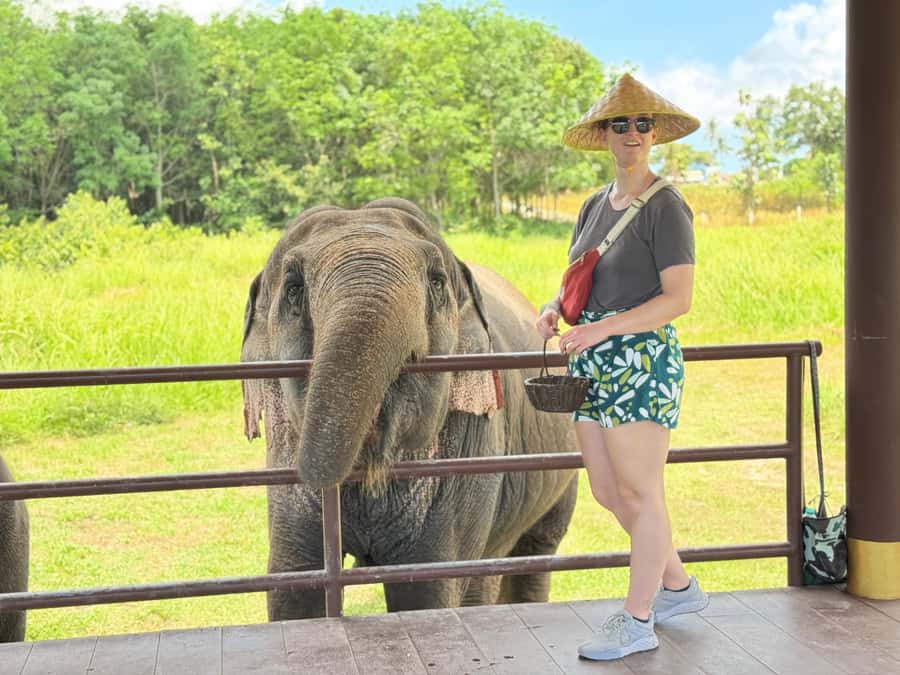
Book it if you want an elephant experience that feels like education plus responsible habitat time—not a show. The museum gives you context, the jungle walk keeps the focus on natural roaming, and the seed bomb activity gives you something meaningful to do with your hands. Guides like Angie, Kathy, Noot, and Katy are repeatedly praised for making the learning feel clear and caring, which matters a lot when you’re trying to understand what ethical care really means.
I’d pass or compare alternatives if you strongly prefer lots of touching, entertainment-style interactions, or fast, high-energy attractions. This day moves at the elephants’ pace. If that sounds peaceful to you, you’ll probably love it. If you want constant action, you may find the pacing gentler than you expect.
If you’re aiming for value, $64 for a 3-hour program with transfers, museum guidance, habitat viewing, and a conservation activity is a fair deal—especially when the emphasis is on animal wellbeing over gimmicks.
FAQ
How long is the Samui Elephant Museum and jungle experience?
It lasts about 3 hours.
Where do I get picked up?
Pickup is from your hotel area on Ko Samui. You’re advised to wait in the hotel lobby about 15 minutes before pickup time.
What’s included in the price?
Roundtrip transfer from your hotel area, full insurance, a welcome drink, a guided tour of the Elephant Museum, a walk in the natural habitat, and a seed bomb crafting activity.
What language is the tour guide?
The live tour guide speaks English.
What should I bring?
Wear comfortable shoes, and bring a hat, camera, sunscreen, and insect repellent.
Is the experience wheelchair accessible?
Yes, it’s listed as wheelchair accessible.
What is not allowed during the experience?
Alcohol and drugs are not allowed.
Can I cancel if plans change?
Yes. You can cancel up to 24 hours in advance for a full refund.