REVIEW · BANGKOK
Bangkok: Full-Day Walking Tour Mini Group
Book on GetYourGuide →Operated by Plan Vacation Asia Co.,Ltd · Bookable on GetYourGuide
Bangkok smells like flowers and street food. This full-day mini-group outing strings together classic neighborhoods with a Chao Phraya River boat start, then keeps you moving through Bangkok’s everyday faith and food culture.
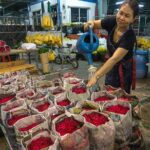
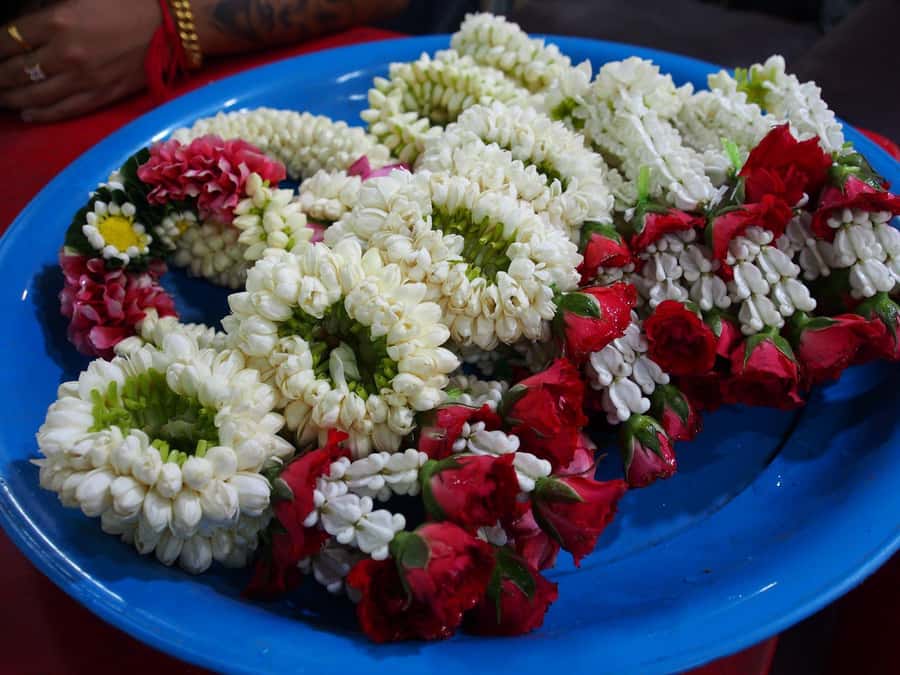
I love the chance to watch Thai floral art up close at Pak Khlong Talat, where garlands and offerings get crafted for daily Buddhist rituals. It turns a famous market into something you can read with your eyes—color, technique, and purpose all at once.
And I like the small group size and the guide-first approach. When the pace is slow, as some groups report, it can still feel like a long day because you’re walking for hours in warm weather and rain.
In This Review
- Key highlights worth your attention
- Where Your Day Starts: Sapan Taksin Pier and a Chao Phraya Boat Jump
- Pak Khlong Talat Flower Market: Bangkok’s Daily Ritual in Motion
- Getting Across Bangkok by Train Before the Thonburi Walking Stretch
- Little India Textiles: Colorful Fabrics and Real Local Shops
- Sampeng Market: Wholesale Trading That Explains Bangkok’s Supply Lines
- Chinatown Street Food and Thai-Chinese Life in the Alleys
- Guan Yin Shrine and Talad Noi: Color, Mercy, and Riverside Quiet
- Ending at Holy Rosary Church: Bangkok’s Religious Mix, Up Close
- Guide Style Matters: When the Pace Feels Personal
- Food and Photos: What’s Included, What to Plan For
- Price and Value: Is $100 a Fair Deal for 8 Hours?
- Who Should Book This Bangkok Walking Day (and Who Should Skip It)
- Should You Book This Bangkok Full-Day Walking Tour?
- FAQ
- Where do I meet the guide for the tour?
- How long is the Bangkok walking tour?
- How many people are in the group?
- Is the tour guide available in English?
- Is the Chao Phraya River part of the experience?
- Does the tour include food?
- What should I bring?
- Does it run in rain?
- What’s the cancellation policy?
Key highlights worth your attention
- Pak Khlong Talat flower crafting you can actually watch, not just see
- Little India textiles and curry-kitchen aromas in a neighborhood with real community life
- Sampeng Market wholesale trading and the short path from goods to street-level browsing
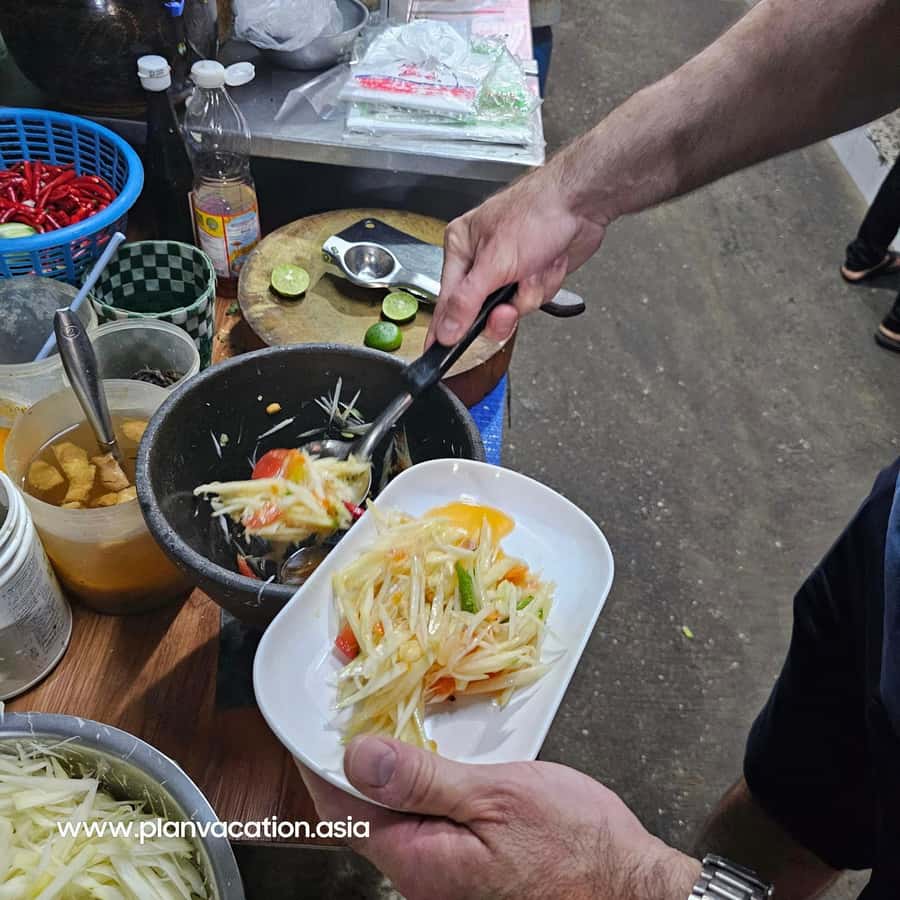
- Chinatown street food stops with Thai-Chinese classics like roast duck noodles and crispy pork belly
- Guan Yin Shrine colors and devotion, plus riverside walking around Talad Noi
- Guides who act like family, with improvisation when plans shift
Where Your Day Starts: Sapan Taksin Pier and a Chao Phraya Boat Jump
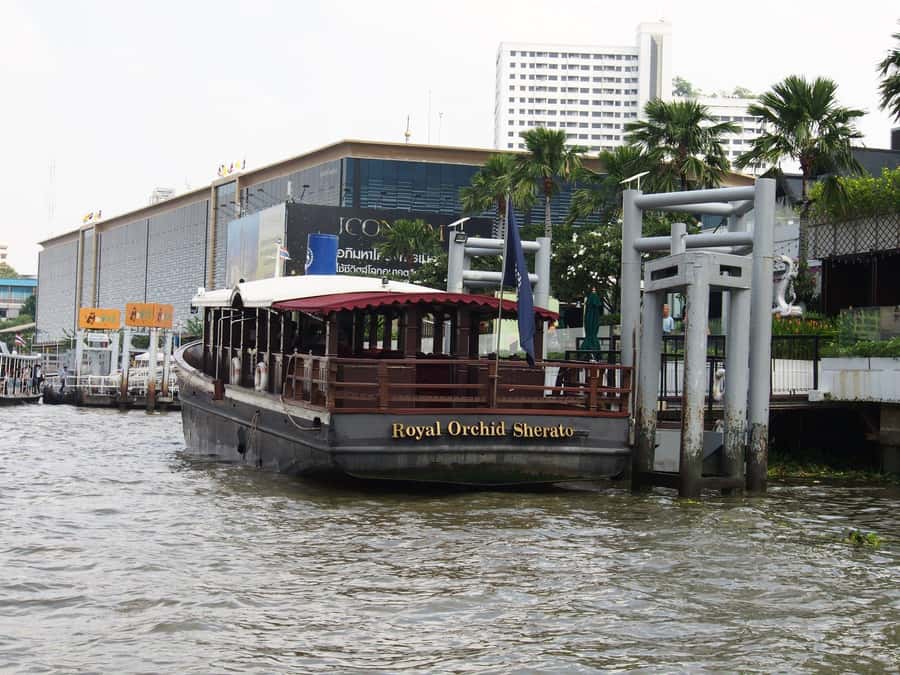
Your day kicks off around BTS Sapan Taksin (Exit 1). Walk to Sathorn Pier in front of the Icon Siam Tent, where your guide meets you before the water time.
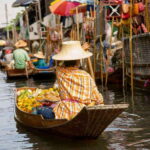
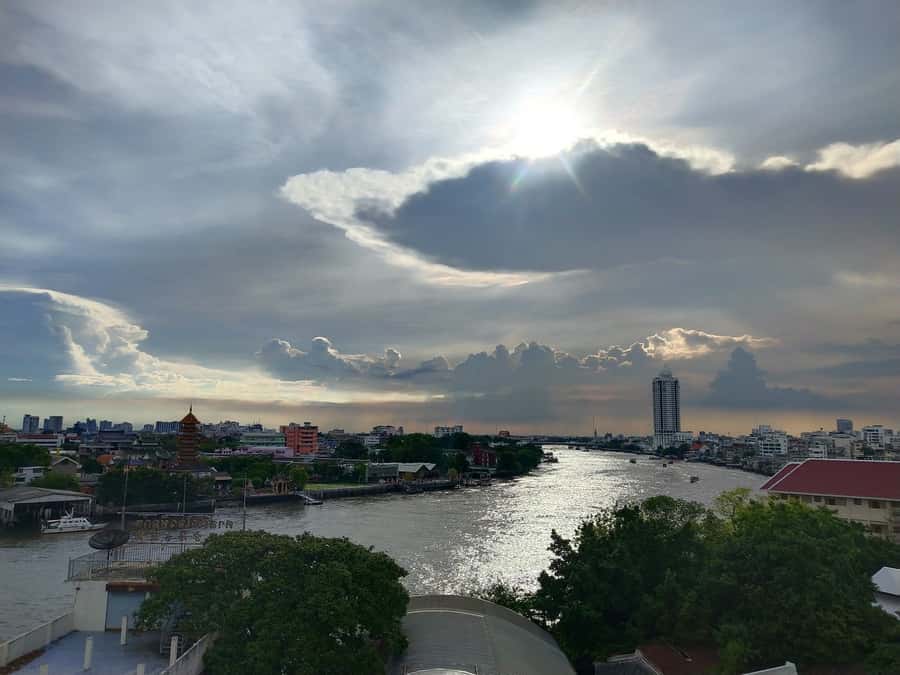
Then comes the short scenic boat ride along the Chao Phraya River (about 20 minutes). It’s not just a nice photo pause; it also helps you get oriented in a city where traffic can be intense and distances feel longer than they are.
You can also read our reviews of more walking tours in Bangkok
Pak Khlong Talat Flower Market: Bangkok’s Daily Ritual in Motion
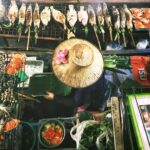
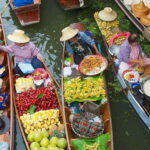
Pak Khlong Talat is known as Bangkok’s largest flower market, and the real draw is watching how Thai floral work gets made. You’ll see garlands and decorative offerings put together for daily Buddhist rituals—flowers turned into devotion with careful technique.
This stop runs about 45 minutes, so you can both look and talk. I like that your guide doesn’t treat it like a quick look-see; the point is understanding what you’re seeing, from the way flowers are arranged to the role of offerings in everyday faith.
Practical tip: wear shoes that can handle crowded walkways and possible damp spots near market edges. If you’re planning photos, give your guide a heads-up so you don’t get stuck in the wrong lane while people move past.
Getting Across Bangkok by Train Before the Thonburi Walking Stretch
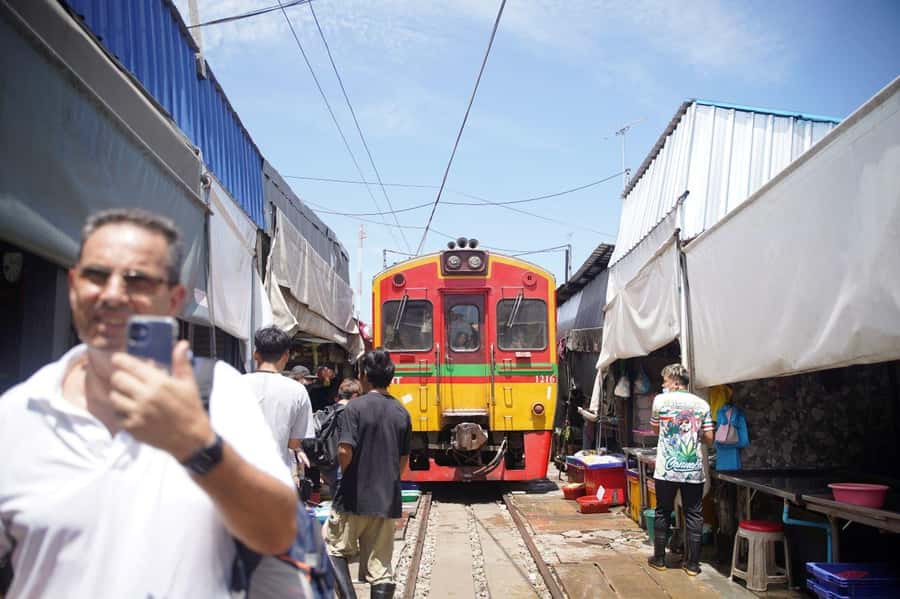
After the flower market, you take a short train ride (about 15 minutes). This kind of local connector matters because it keeps you from spending the day fighting for position on busy roads.
From there, the tour shifts into a longer walking block on the Thonburi side (about 3 hours). Expect more neighborhood texture now: shops, alleys, and religious sites where the city feels like it runs on routine, not tourist schedules.
If you’re sensitive to heat or humidity, use this section wisely. Drink water when you can, keep your pace comfortable, and let your guide know if you need a slower rhythm.
Little India Textiles: Colorful Fabrics and Real Local Shops
One of the tour’s most fun pivots is heading into Little India, a neighborhood where you’ll find Indian colorful textiles alongside curry-house life. You’ll also notice the mix of aromas—spices, fried foods, and warm breads—changing from street to street.
This area is more than a photo stop. You’ll get a chance to see how fabrics are displayed and what kinds of textiles people actually shop for, which makes the whole neighborhood feel less like a set and more like a working community.
As a practical matter, you may see stalls and shops with lots of small items, so keep your wallet secured and don’t block walkways while looking up close. Your guide can point out what’s worth a closer look without pressuring you to buy.
Sampeng Market: Wholesale Trading That Explains Bangkok’s Supply Lines
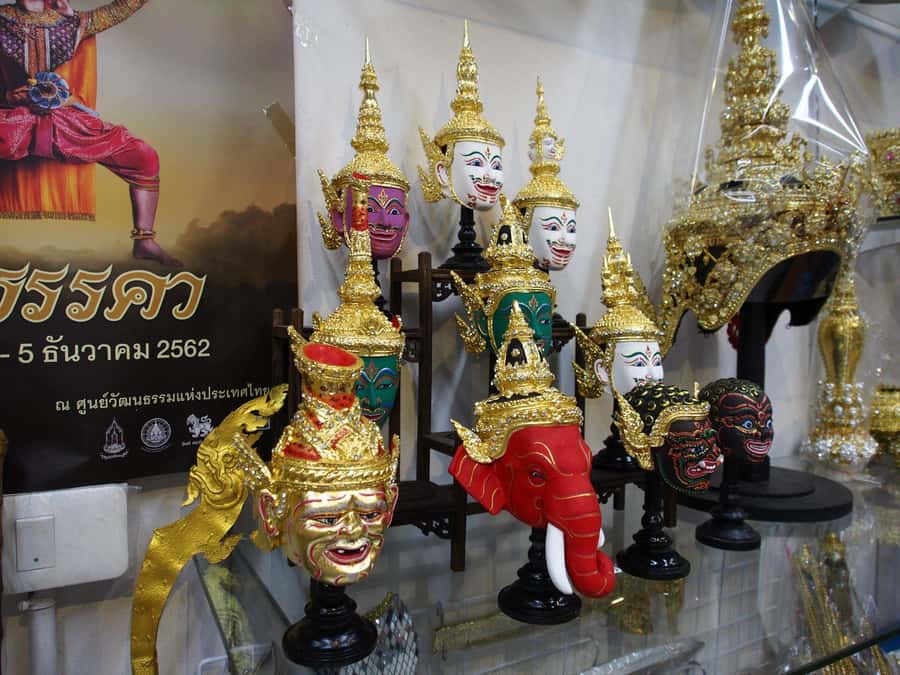
Next you’ll visit Sampeng Market, described as a wholesale treasure trove where goods flow across Thailand. The appeal here is the sheer variety: sellers offering everything from cheap clothing to quirky trinkets.
This is the part of the day where I think the guide pays off most. Instead of you guessing what you’re looking at, your guide can explain how marketplaces connect to wider purchasing patterns—how Bangkok’s commerce actually moves.
You’ll likely spend time scanning stall after stall, so bring patience. This isn’t a museum stop; it’s a place where the activity never really stops.
A few more Bangkok tours and experiences worth a look


Chinatown Street Food and Thai-Chinese Life in the Alleys
Then the tour turns toward Chinatown’s beating heart, where you’ll pass markets stacked with exotic Chinese herbs, seafood, and sweets. The best way to experience it is on foot, slowly enough to notice details but with a plan—your guide supplies that plan.
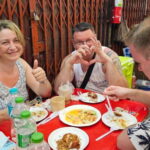
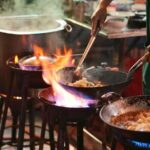
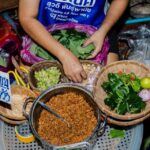
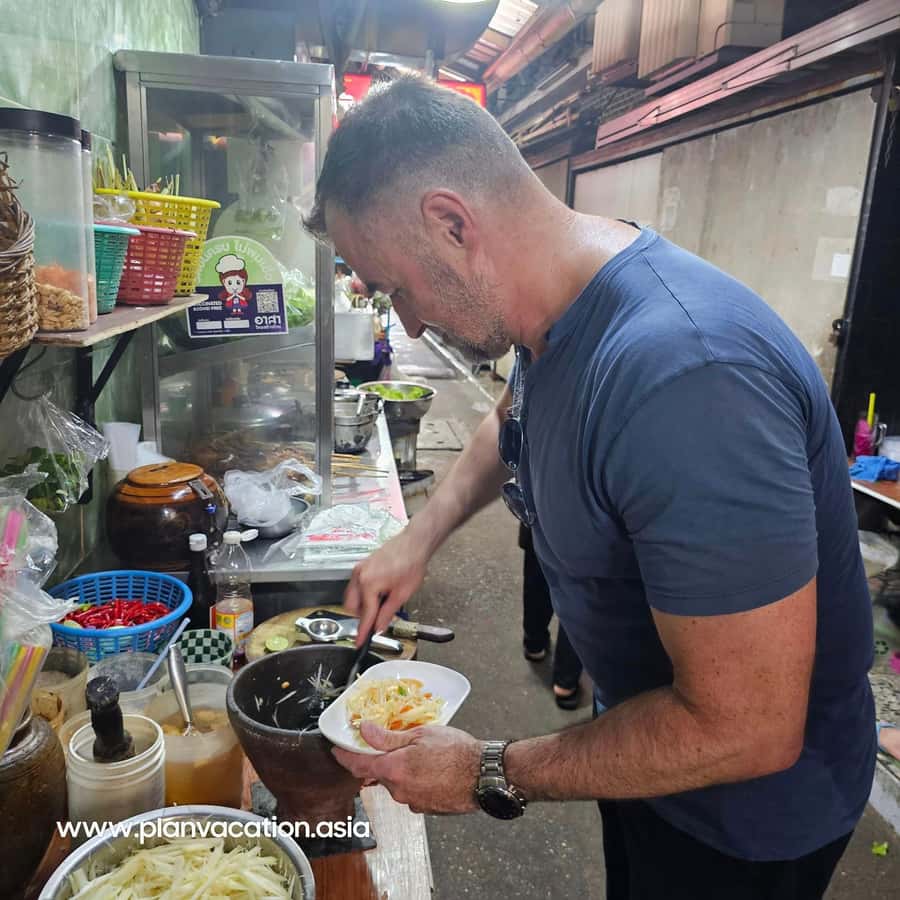
A major highlight is a street-food moment where you try classic Thai-Chinese dishes. The tour description calls out roast duck noodles and crispy pork belly, prepared in a style locals typically enjoy. This is one of those experiences where your brain learns faster than your stomach—because you understand the food’s context, not just the flavor.
You’ll also walk into side alleys to see Chinese-Thai family life, both storefront energy and quieter living spaces behind it. It’s not theme-park sightseeing; it’s a real neighborhood rhythm.
If you have dietary restrictions or allergies, this is the time to be clear. The tour information specifically says you should inform the organizer in advance so they can accommodate you. Don’t wait until the food line.
Guan Yin Shrine and Talad Noi: Color, Mercy, and Riverside Quiet
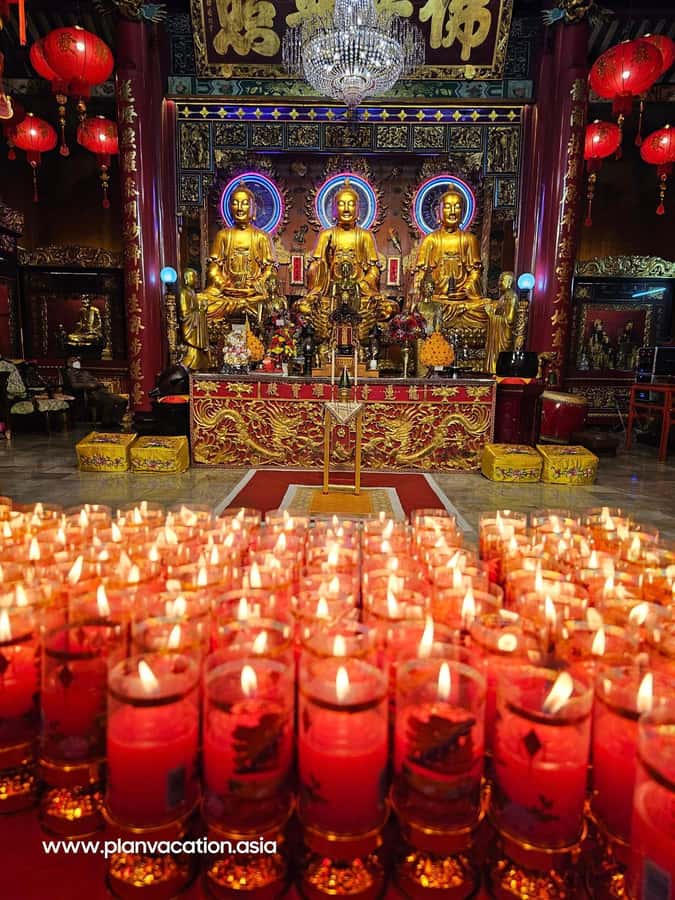
After the Chinatown portion, you’ll reach Guan Yin Shrine, known for its color and devotion. Locals come to pray to the Goddess of Mercy, and the stop is built around soaking up the atmosphere and details of the sanctuary.
This works as a mental reset. Markets are loud and visual; a shrine stop slows you down and makes the day’s cultural theme feel cohesive—faith, craft, and community all tied together.
From there, you move into Talad Noi, a riverside enclave with views over the Chao Phraya. This part is about atmosphere and pacing: walk, look out over the river, and see how daily life meets history in a place that feels lived-in.
Ending at Holy Rosary Church: Bangkok’s Religious Mix, Up Close
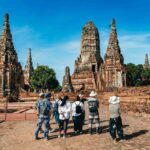
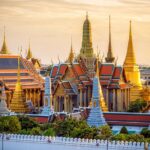
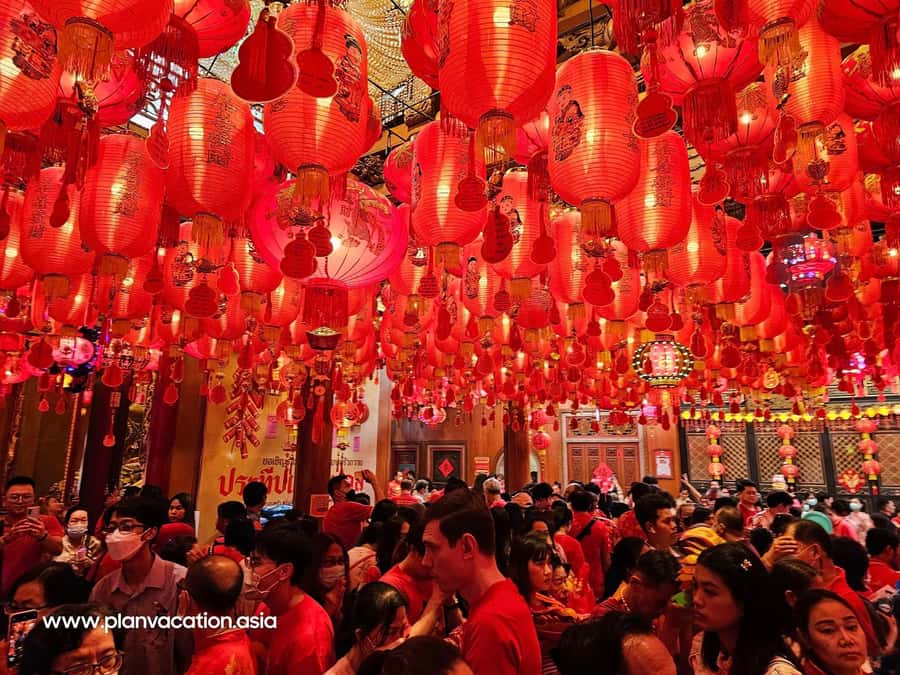
Your final stop is Holy Rosary Church. It’s an important closing chapter because it reflects Bangkok’s religious tapestry—different communities, different architecture, and a city where many faiths share the same neighborhoods.
For me, the value of ending with a church is balance. After hours of markets, food, and shrine colors, you get one last calm anchor that helps you tie together what you’ve seen instead of just rushing through it.
Guide Style Matters: When the Pace Feels Personal
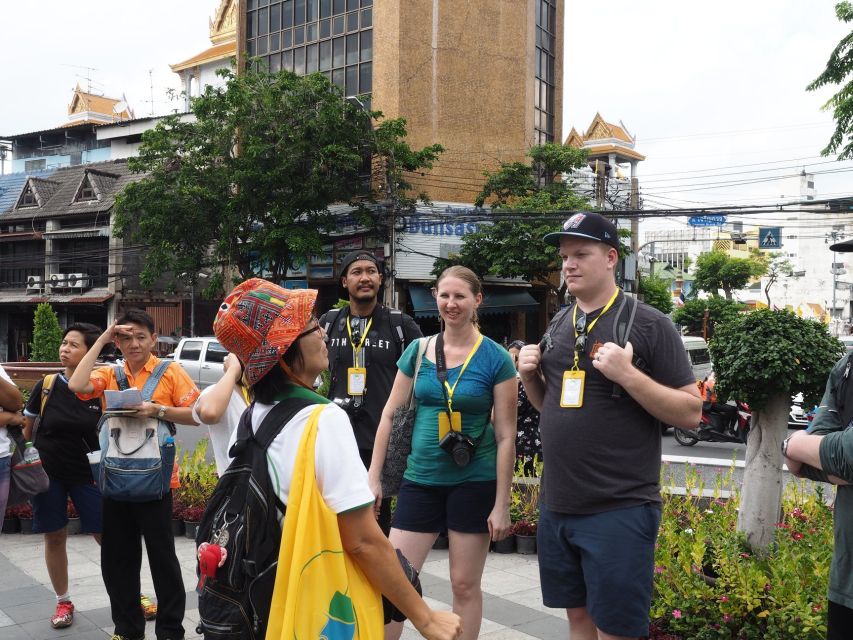
This tour is designed for small groups, limited to 8 participants. That size is what makes the day feel flexible rather than mechanical.
The guide-driven feel comes through strongly in the feedback attached to this experience. People highlight guides such as Sirene, Sunee, Jojo, and Kae for warmth, humor, and competence. Several reviews mention the guides answering questions well and adjusting when something changes, including improvising if an attraction is closed.
You should also know that walking pace can be slow. One review notes the slow pace as still okay, and a slower pace is often a plus in markets because it gives you time to notice craft details and ask real questions instead of speed-scanning for photos.
Your best move: ask questions. That’s where the tour’s value shows up.
Food and Photos: What’s Included, What to Plan For
Food is part of the day, but it’s not a free-for-all. The tour includes cultural stops and tastings, while additional food or drink beyond tastings isn’t included.
A few practical points help:
- Expect some drink and food stops during the day, since reviews note those breaks.
- If you like to photograph, keep your eyes on your feet too—markets have uneven spots and crowds.
- If you’re sensitive to spice or certain ingredients, tell your guide before you order or try anything.
Also remember that personal shopping isn’t included. That’s good news if you don’t want a sales-focused itinerary, but it does mean you should budget for anything you choose to buy on your own.
Price and Value: Is $100 a Fair Deal for 8 Hours?
At $100 per person for an 8-hour day, the value depends on what you want: a simple checklist of sights, or a guided path through neighborhoods you might struggle to navigate alone.
Here’s what you’re paying for, based on the included elements:
- A guided walking tour with expert local guides
- A scenic boat ride along the Chao Phraya River
- Visits tied to specific cultural sites like Pak Khlong Talat, shrines, and historic religious stops
- Tastings and insider stories
- A small group format that keeps the day manageable
You’re also getting some built-in local transit time, like the short train ride, which can save stress and time. What isn’t included is transportation to and from the starting point, and any extra snacks or drinks beyond tastings.
If you hate wrestling with directions in heat, or you want someone to explain what you’re seeing while you’re walking, this price can make sense. If you prefer total independence and plan to visit markets on your own, you might find the cost harder to justify.
Who Should Book This Bangkok Walking Day (and Who Should Skip It)
This tour suits you if you like:
- walking through real neighborhoods where people actually shop and pray
- food culture that comes with context, not just a quick taste
- seeing handmade craft, especially floral offerings
- a guide who answers questions and keeps the day organized
It may not suit you if you:
- need step-free access, since the tour is explicitly not suitable for people with mobility impairments
- have back problems, because it involves long walking stretches
- are traveling with young kids, since it’s not for children under 7
- are pregnant, as it’s not suitable for pregnant women
Also note it runs rain or shine. Bring weather-appropriate clothing and an umbrella or raincoat so the day stays tolerable.
Should You Book This Bangkok Full-Day Walking Tour?
I’d book it if you want an organized, guide-led day that connects Bangkok’s flower-market craftsmanship to food markets, Chinatown life, and riverside religious sites. The mix of stops makes it hard to get bored, and the small group size keeps the experience personal.
I wouldn’t book it if you’re looking for a low-effort day with minimal walking. This is a walking tour for people who enjoy being out in the city for hours—and who don’t mind that the rhythm changes with weather, crowd levels, and food lines.
FAQ
Where do I meet the guide for the tour?
You meet at BTS Sapan Taksin (Exit 1). Walk to Sathorn Pier in front of the Icon Siam Tent, where your guide will be waiting.
How long is the Bangkok walking tour?
The tour lasts about 8 hours.
How many people are in the group?
The group is limited to 8 participants.
Is the tour guide available in English?
Yes, the live tour guide provides the tour in English.
Is the Chao Phraya River part of the experience?
Yes. You’ll take a scenic boat ride along the Chao Phraya River for about 20 minutes.
Does the tour include food?
Yes, there are tastings as part of the experience. Additional food or drink beyond tastings is not included.
What should I bring?
Bring a passport or ID card. Wear comfortable walking shoes and weather-appropriate clothing.
Does it run in rain?
Yes, the tour runs rain or shine. Bring an umbrella or raincoat if needed.
What’s the cancellation policy?
You can cancel up to 24 hours in advance for a full refund.