REVIEW · BANGKOK
Bangkok Floating Markets and Boat Tour
Book on Viator →Operated by Brandy & Friends · Bookable on Viator
Canals, snacks, and small boats in Bangkok.
This half-day tour mixes floating-market eating with real canal scenery on Bangkok’s outskirts. You start at Wat Saphan Floating Market, then move through a local market-food flow, a temple moment focused on Buddhist respect, and finally to a quieter canal-side look at how people live beyond the city center.
I love two things here: you’re fed (literally) with seafood, fruits, Thai snacks, and desserts, and you get a boat-paddling moment that feels active instead of just watching. One thing to consider: you’re outdoors and on the water, so you’ll want weather that’s actually good for a smooth canal visit.
In This Review
- Key Reasons This Tour Works So Well
- First Stop: Wat Saphan Floating Market and the Reset You Need
- Khlong Lat Mayom Floating Market: How It’s Different From the Big Names
- What to expect while you’re eating
- The Temple Moment: How Thai Buddhist Respect Feels Person-to-Person
- Boat Tour and Canal Life: Paddling, Not Just Floating Past
- Photo notes that actually help
- Orchid Farm Photos and Local Houses You Can Actually See
- Lunch and Snacks: How the Tour Keeps You Fed Without Feeling Rushed
- My practical advice on eating
- Group Size and Timing: Why 4 Hours Feels Just Right
- Value Check: Is $65 Worth It?
- Who This Tour Is Best For
- Should You Book This Bangkok Floating Markets and Boat Tour?
- FAQ
- How long is the Bangkok floating markets and boat tour?
- How much does the tour cost?
- Where does the tour start?
- What’s included in the price?
- What’s not included?
- How big is the group?
- What if the weather is bad?
Key Reasons This Tour Works So Well
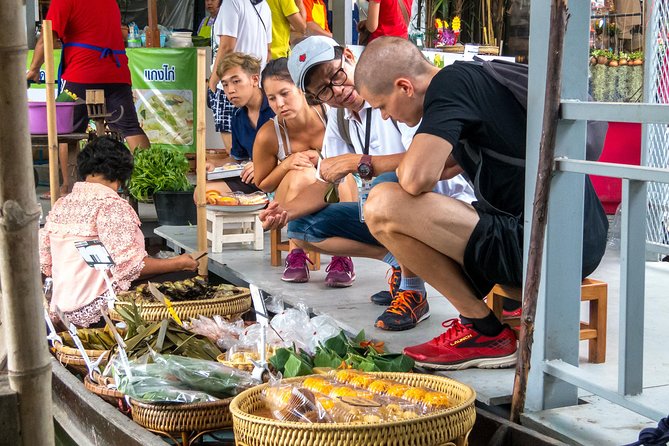
- Khlong Lat Mayom, not the ultra-touristy script: fewer crowded boats, more everyday boat-and-land selling.
- Small group size (max 8): easier pacing and more time at food stalls without feeling herded.
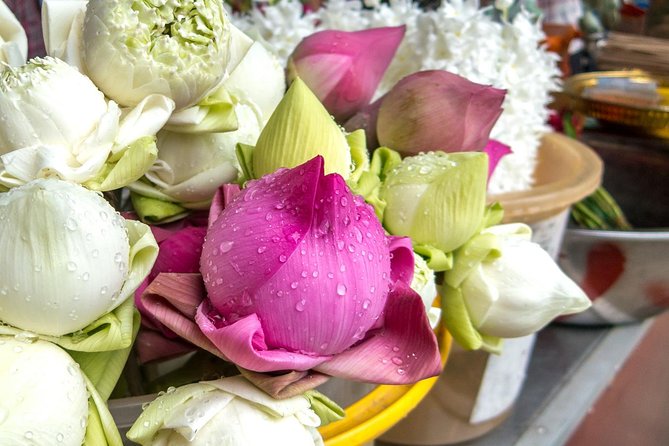
- Temple learning that’s practical: how to pay respect to Buddha in a Thai Buddhist way, with hands-on guidance like lotus offerings.
- Real canal views: local houses you can’t see from central Bangkok, plus time for photos at an orchid farm.
- Food-forward tour design: lunch is included, and you’ll keep sampling along the way.
First Stop: Wat Saphan Floating Market and the Reset You Need
Most Bangkok visitors plan for big sights and long bus rides. This tour does the opposite: it gives you a calm starting point and gets you into local rhythm fast.
You begin at Wat Saphan Floating Market, then you build momentum with small tastes before you go fully canal. That matters because markets can be sensory overload—smells, colors, kids playing nearby, sellers calling out. Having a guide keep the pace steady helps you focus on what you’re eating and seeing, not just surviving the crowd.
Also, the start is convenient. It’s near public transportation, and the tour ends back at the meeting point, so you’re not stuck figuring out your next move when you’re done.
You can also read our reviews of more boat tours in Bangkok
Khlong Lat Mayom Floating Market: How It’s Different From the Big Names
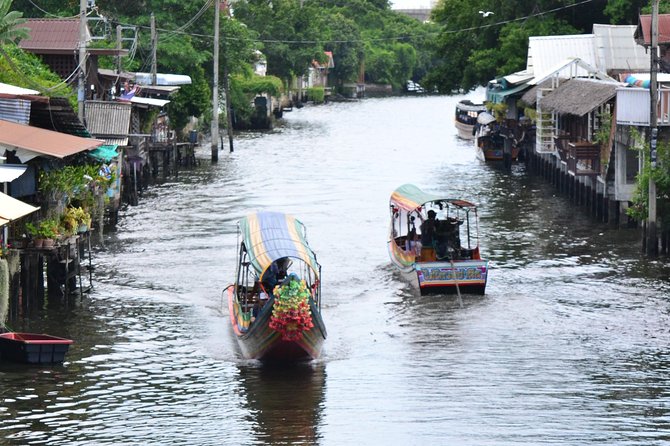
The star here is Khlong Lat Mayom Floating Market, and it’s worth paying attention to what makes it different.
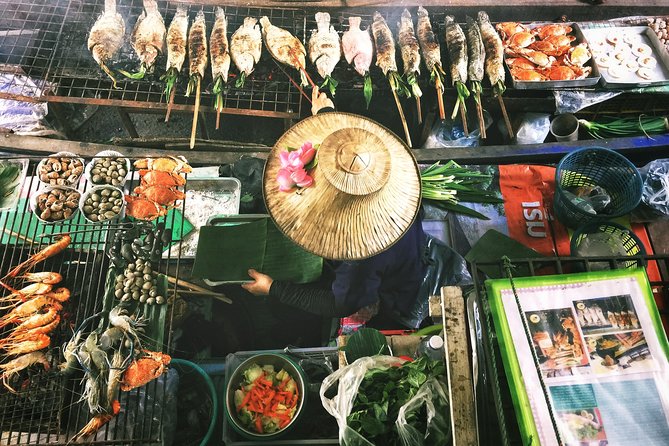
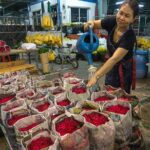
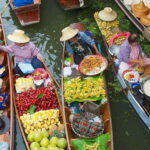
This market isn’t the crowded, tourist-only floating spectacle you might associate with places like Damnoen Saduak. Here’s the key: many sellers still come from plantation-style roots, so you don’t get wall-to-wall boats in the canal. Instead, it’s a mix—part floating market, part land market—even if people still call it a floating market.
That mix actually helps you enjoy it. You get:
- More variety of food without only chasing boats in narrow water lanes
- Better time at stalls, because you aren’t spending half the tour just squeezing around
- A more everyday vibe, where fruit, snacks, and seafood feel like local shopping, not performance
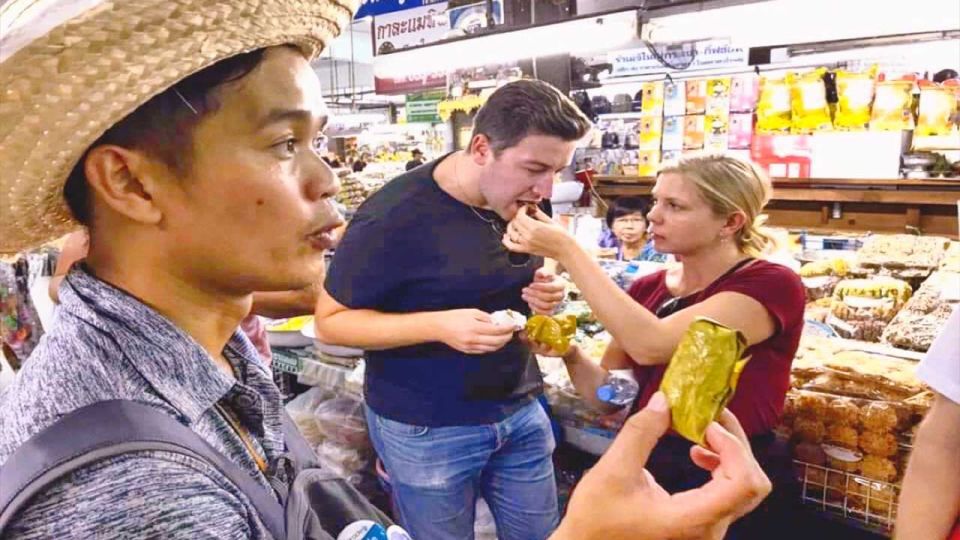
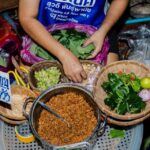
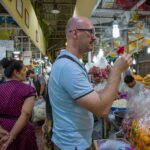
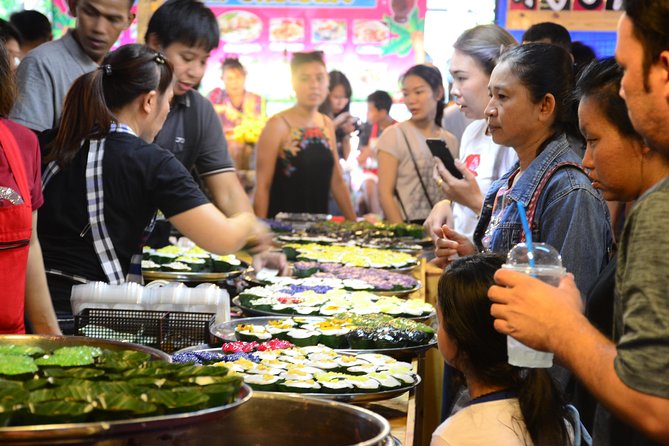
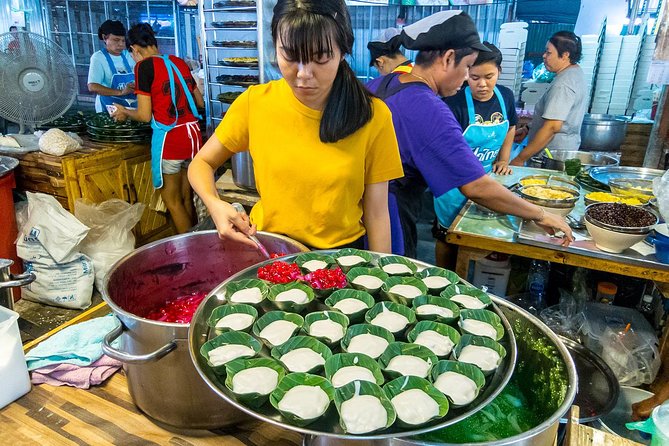
You’ll likely see a lot of the classics: seafood, fruits, Thai snacks, and desserts sold by people who live with this canal economy. The tour is designed so you can nibble your way through it, not just look.
What to expect while you’re eating
This isn’t one big meal and then shopping. You’ll sample multiple times so your taste buds get a guided route: savory → sweet → crunchy → refreshing. The exact spread will vary, but the focus stays consistent: local market foods that are easy to try in small portions.
And if you tend to get overwhelmed in busy food streets, this setup helps. A good guide will steer you toward stalls where you can try items without feeling stuck making decisions with a language gap.
The Temple Moment: How Thai Buddhist Respect Feels Person-to-Person
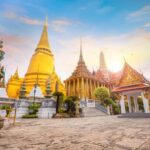
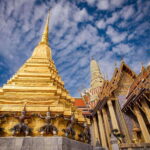
After the market flavors, you shift into something calmer: how to pay respect to Buddha in the Thai Buddhist way.
This part is more than a quick photo stop. The goal is that you understand what you’re doing while you’re doing it. You’ll learn a respectful approach, and you may even practice small offering steps like opening lotus flowers for an offering. That turns the moment from sightseeing into a real cultural lesson—something you can take home and remember because you participated.
The tone you’re aiming for is peaceful. Even if you don’t follow the finer details of Thai Buddhism, you’ll understand the intent: you’re observing and participating in a tradition with care.
If you’re the type who hates feeling like you’re intruding, this stop is exactly where a guide earns their keep. They set the pace, explain what matters, and help you avoid awkward mistakes without turning it into a lecture.
Boat Tour and Canal Life: Paddling, Not Just Floating Past
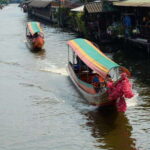
Then comes the water time: you explore the canals by boat, and you even get a turn paddling.
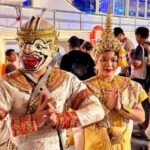
This matters because it changes your role from spectator to participant. You’ll watch life along the waterway, including children playing and traditional Thai music performed by local children. It’s one of those moments that feels simple on the surface—sound, movement, boats—but it connects you to the setting in a way photos can’t.
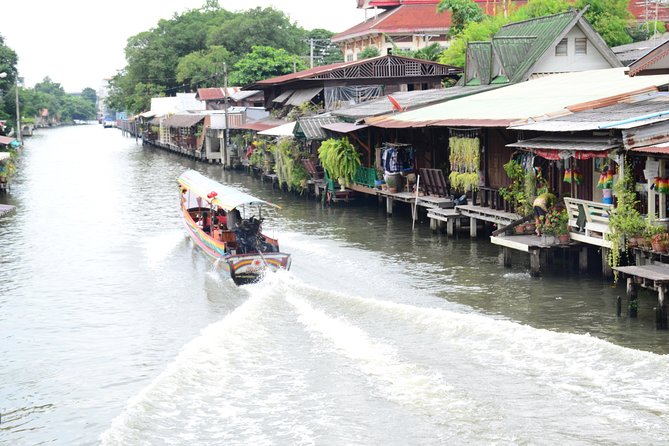
You’ll also see what central Bangkok hides: local houses and canal-side life you don’t get when you only travel major roads. It’s a different Bangkok, less skyline and more daily routines.


Photo notes that actually help
If you care about photos, you’ll want to keep your expectations grounded. You’re moving through waterways, and it’s a living neighborhood. Shoot quickly, respect personal space, and focus on light and reflections. The guide can also help you time views for better angles while keeping the group moving.
Orchid Farm Photos and Local Houses You Can Actually See
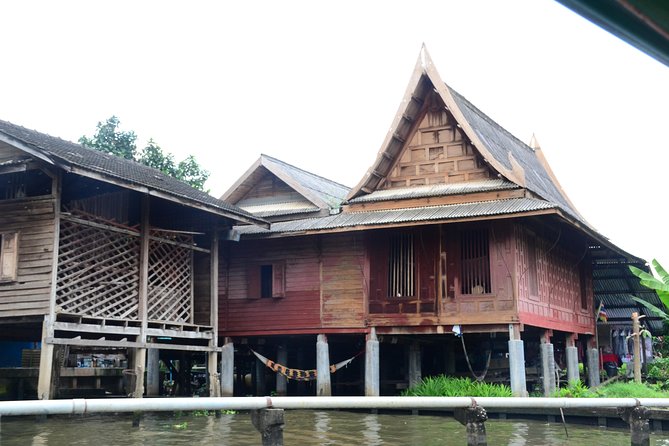
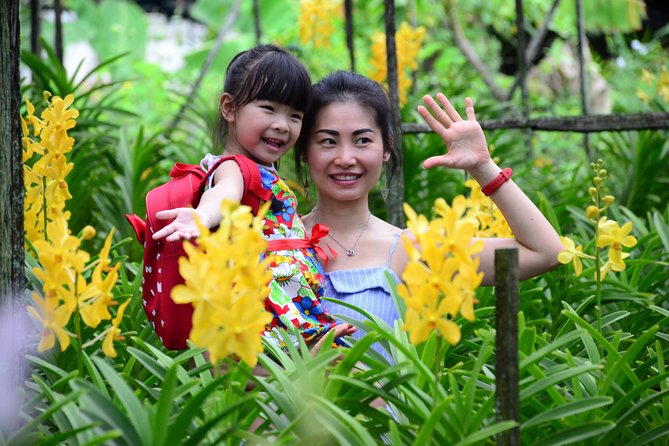
The tour includes time for photos at an orchid farm and stops that let you look at local houses along the canal.
The orchid farm part is straightforward: it’s scenic and photo-friendly. But the value is that it acts like a visual palate cleanser. After temple learning and food tasting, you get something calm and pretty where you can slow down and breathe.
Meanwhile, the house-and-canal viewing is the real “why you bothered” section for many people. From the city core, you rarely see how homes sit with waterways. Here, you’re literally watching daily life from the same level as the people who live there.
It’s not a museum. It’s just… there. That realism is what makes it satisfying.
Lunch and Snacks: How the Tour Keeps You Fed Without Feeling Rushed
Food is central to this experience, not a side benefit.
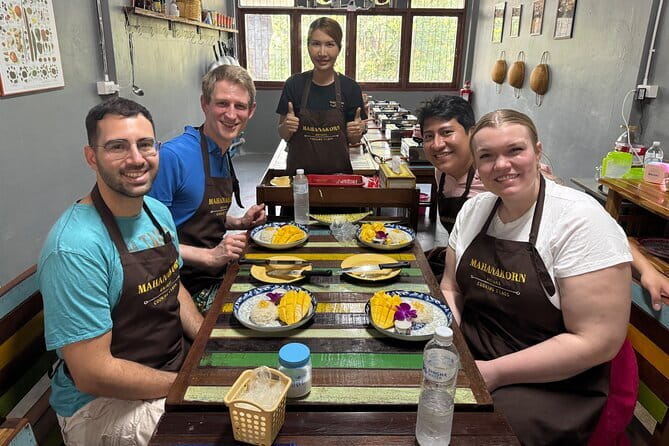
You get an a la carte lunch plus bottled water. And the tour is structured so the market sampling leads into that lunch rather than competing with it. In practice, that means you’ll be eating throughout the morning/half-day and still arrive at lunch without feeling starved or stuffed.
What’s included helps your budget. The price covers lunch, water, boat ticket, and all fees and taxes, plus travel insurance. Those items add up if you try to DIY this on your own.
What’s not included is also clear: coffee and/or tea and alcohol are not part of the package. So if you love morning coffee, plan to grab it before you meet or budget a small extra spend.
My practical advice on eating
- Come hungry, since you’ll keep sampling.
- Don’t treat this like a buffet where you eat everything. Taste, then choose.
- If you have dietary limits, the tour description doesn’t spell out special meals. I’d contact the provider before booking so you’re not guessing once you’re there.
Group Size and Timing: Why 4 Hours Feels Just Right
This is about 4 hours total. For Bangkok, that’s a smart length. You’re getting a full mini-story: market → temple respect → canal boat/paddling → orchid photos → lunch. But you’re not losing half your day to transport.
The group max is 8 travelers, which keeps things from turning into a noisy line. Smaller groups usually mean you spend more time tasting and asking questions, and less time waiting your turn at crowded stalls.
One more small detail that matters: the tour needs good weather. If conditions are bad, the experience can be rescheduled or you get a refund. That’s not a reason to skip it; it’s simply a reminder that canal tours depend on real-world conditions.
Value Check: Is $65 Worth It?
At $65 per person, the big question is value. Here’s where it earns its keep.
You’re not just paying for a boat ride. Your price covers:
- a half-day guided experience
- lunch (a la carte) and bottled water
- the boat tour ticket
- all fees and taxes
- travel insurance
And you’re getting multiple “content” stops that connect into a single theme: local food + canal life + Buddhist respect + photo moments. When a tour bundles those pieces into one smooth flow, you save time and avoid paying separately for each activity.
Could you do parts of it alone? Possibly. But you’d likely spend extra time figuring out transport, boat details, and where to eat safely and confidently. Paying for a guide is often the difference between a chaotic market stroll and a guided, paced food-and-culture experience.
Who This Tour Is Best For
I see this tour as a good fit for people who want Bangkok without only Bangkok’s big-city intensity.
It’s especially well matched to:
- first-timers who want local canal life fast
- food lovers who enjoy sampling rather than committing to one meal
- travelers who feel nervous in busy markets but still want to try everything
- anyone who prefers small groups and a clear plan over open-ended wandering
If you hate any religious site visits, you might feel uneasy with the temple segment. But the temple portion here is focused on learning how to show respect, not on rushing you through.
Should You Book This Bangkok Floating Markets and Boat Tour?
If you want a half-day that mixes food, canals, and culture in a way that feels real and not staged, this is a strong choice. The combination of market sampling, a guided Buddha-respect lesson, and the active boat/paddling element makes it more memorable than the usual “stand and look” tours.
Book it if:
- you like tasting your way through local markets
- you want to see canal neighborhoods that don’t show up from the sky-view side of Bangkok
- you’re comfortable being outdoors for part of the day
Skip it if:
- your schedule can’t handle weather changes
- you’re looking for a purely relaxing tour with zero learning steps
FAQ
How long is the Bangkok floating markets and boat tour?
It runs about 4 hours.
How much does the tour cost?
The price is $65.00 per person.
Where does the tour start?
It starts at Wat Saphan Floating Market, address listed in the tour details, and the tour ends back at the same meeting point.
What’s included in the price?
Lunch (a la carte), bottled water, the boat tour ticket, all fees and taxes, and travel insurance are included.
What’s not included?
Coffee and/or tea, alcoholic beverages, and pick up and drop-off are not included.
How big is the group?
The tour has a maximum of 8 travelers.
What if the weather is bad?
The experience requires good weather. If it’s canceled due to poor weather, you’ll be offered a different date or a full refund.