REVIEW · BANGKOK
Bangkok: Chinatown By Night Walking Tour
Book on Viator →Operated by Vox City International Ltd · Bookable on Viator
Neon-lit Chinatown makes Bangkok feel double-decker. This night walk is all about the parts you’d miss on your own: Thai-Chinese street food tastings plus stories tied to old houses, shrines, and trade history as the streets wake up around 6:30 pm.
I also like how the tour turns sightseeing into sense-making, with stop-by-stop explanations that connect the temples, courtyards, and market lanes to everyday life in Talat Noi and Chinatown. One thing to consider: headphones aren’t included, and entry to attractions isn’t covered—so you’ll rely on what the guide shows at each stop.
In This Review
- Key Things You’ll Really Notice
- Chinatown At Night: Why This 6:30 pm Start Matters
- Price and Logistics: What You Get for $15 (and What You Don’t)
- Starting Point at Hua Lamphong: How to Show Up Smoothly
- Stop 1: Chareon Chai Community Museum in an Old House
- Stop 2: An Old Mosque Built Like a European Villa
- Stop 3: Chinatown’s Old Market (Talat Kao) in a Long Alley
- Riverside Views: The Temple near the Marine Department Orange Line Station
- So Heng Tai Mansion: A 19th-Century Chinese Courtyard House in Talat Noi
- An Ayutthaya-Era Royal Monastery: Bangkok’s Older Spiritual Layer
- Zhou Si Kong Shrine by the Chao Phraya: Luck, Health, and Year-Round Strength
- Street Food Tastings: What You’re Likely to Get and How to Handle It
- The Guides: Why Storytelling Is the Real Ticket Value
- How Crowds and Comfort Play Out on a Two-Hour Walk
- Who Should Book This Tour (and Who Might Skip It)
- Should You Book Bangkok: Chinatown By Night Walking Tour?
- FAQ
- How long is the Bangkok Chinatown By Night walking tour?
- How much does the tour cost?
- Where and when does the tour start?
- Is street food included in the tour?
- Are entry fees to attractions included?
- Are headphones provided?
- Do I need a mobile ticket?
- Can I cancel and get a full refund?
Key Things You’ll Really Notice
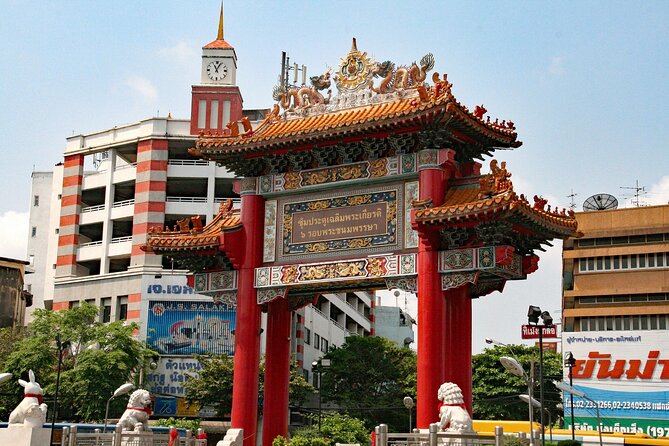
- Small-lane Chinatown focus: long alley market wandering off Yaowarat Road, not just main-road photo stops
- Talat Noi storytelling: Chinese courtyard houses like So Heng Tai Mansion and nearby river shrines
- Street food is part of the plan: tastings are woven into the walk, not dumped at the end
- Evening timing works well: start at 6:30 pm for cooler walking and nighttime atmosphere
- Large-but-manageable group size: up to 99 people, so expect a lively pace
- Value add via Vox City: 3 free self-guided tours in the Vox City app included
Chinatown At Night: Why This 6:30 pm Start Matters
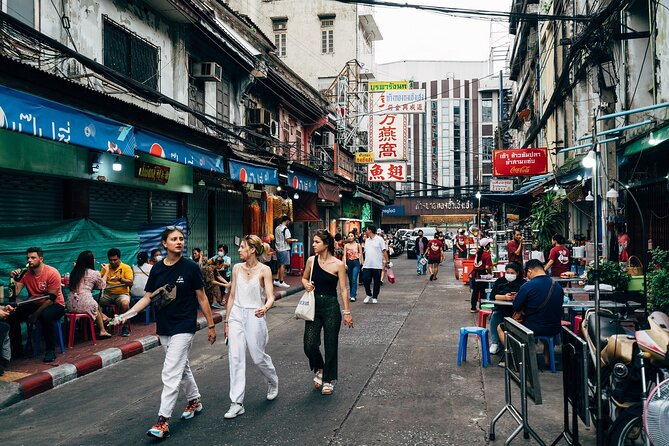
Chinatown at night isn’t just a change of lighting. It’s a change of rhythm. At 6:30 pm you get the sweet spot: shops are open, food stalls are ready, and you’re walking through lanes that feel like they have their own rules. That’s where a good guide makes the difference. Without context, neon just looks like neon. With context, it becomes a map of trade, immigration, family life, and local beliefs.
This tour is built for exactly that. You don’t just pass by buildings. You pause, look closely, and hear why certain places exist in this neighborhood. It’s also practical that the walk runs about 2 hours. You can fit it into an evening without burning your whole night—or lining up with your hotel’s schedule.
Also, the price helps. At $15 per person for a guided walk with expert storytelling and street-food tastings, you’re paying mostly for guidance and access to the right corners. In a city where guides can cost far more, this is the kind of booking that lets you spend money on eating and doing, not just standing around.
You can also read our reviews of more walking tours in Bangkok
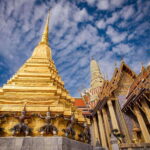
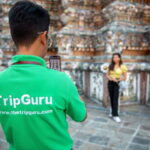
Price and Logistics: What You Get for $15 (and What You Don’t)
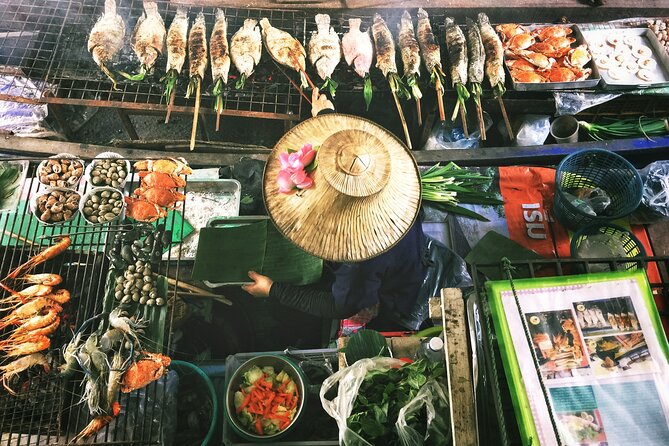
For $15, you’re getting a Chinatown walking tour, local insights, and expert storytelling, plus a mobile ticket. You’re also getting 3 free self-guided tours through the Vox City app—handy if you want extra walking later without finding a new tour.
What’s not included matters. Headphones aren’t provided, and entry to attractions is not included. That means you’ll want to think of this tour as a guided street-level experience. You’ll see plenty from the outside and during guided stops, but if something requires a paid ticket, that cost would be on you.
Group size is another practical note. With a maximum of 99 travelers, this isn’t a quiet two-person stroll. It’s more like a night outing with structure. The upside: you get energy and variety. The downside: crowds can be real around popular lanes, especially near food spots.
Starting Point at Hua Lamphong: How to Show Up Smoothly
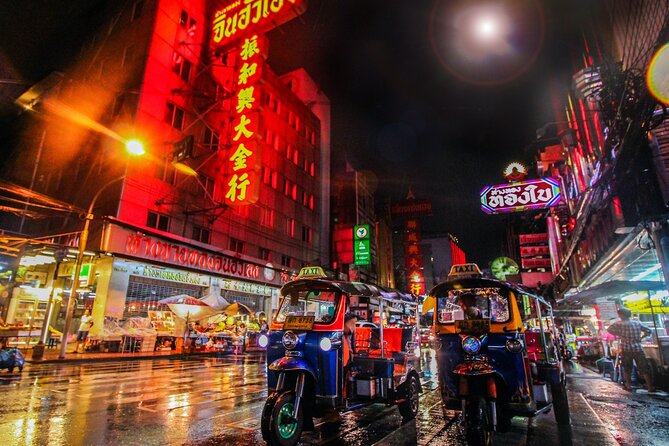
Your tour starts back at the meeting area near Hua Lamphong Rong Muang, Pathum Wan at 6:30 pm, and the activity ends back there. It’s stated as near public transportation, which is a good sign. Still, Chinatown is one of those areas where getting lost for 15 minutes feels easy.
My tip: arrive a little early and confirm you’re in the right starting spot. With a mobile ticket, you’ll want your phone charged and ready. Also, night walking tours often bring people from different parts of town, so being early keeps things calm.
Stop 1: Chareon Chai Community Museum in an Old House
The first stop leans into community history. You’ll visit an old house that’s been turned into a community museum to preserve the history, culture, and daily way of life of the Chareon Chai Community.
This kind of start is smart. It gives you a baseline before the tour starts throwing more sights at you. You learn the human story behind the neighborhood—how communities used buildings, space, and traditions to keep continuity while the city around them changed.
A possible drawback: if you’re hoping for big-ticket photo moments right away, a museum-style stop can feel quieter. But in this case, the payoff is that the rest of the evening makes more sense.
Stop 2: An Old Mosque Built Like a European Villa
Next you’ll see an old mosque designed in an unusual style—built in the look of a European villa. That contrast is exactly why night walks with storytelling are worth it. It’s not just architecture. It’s proof of how cultures mix and adapt in Bangkok over time.
Look for the details the guide points out. This isn’t a place where the “wow” is one single structure feature. The interest is in the blend: religious space, local context, and design choices that don’t follow the most expected pattern.
This stop can be a breather, too. You’re not only walking—you’re absorbing the idea that Chinatown is not one uniform story. It’s multiple identities sharing the same city blocks.
You can also read our reviews of more evening experiences in Bangkok




Stop 3: Chinatown’s Old Market (Talat Kao) in a Long Alley
Then you shift into the heart of street life: Chinatown’s Old Market, also known as Talat Kao. This one takes up a long narrow alley off Yaowarat Road.
If you’ve ever felt overwhelmed in a market—too many signs, too many smells, too many voices—this is where a guide helps you navigate with purpose. The alley layout makes it easy to lose track of direction. The guide’s job is to keep you oriented and explain what you’re seeing, while still letting you experience the atmosphere.
Practical tip: this is where the crowds and noise can rise. If you want photos, aim for steady moments—look up, then shoot, rather than constantly stopping midstream. And keep an eye out for the guide’s cues on when to move and when to linger.
Riverside Views: The Temple near the Marine Department Orange Line Station
Another highlight is the riverside connection. The tour includes a small temple you can see from the river, close to the Marine Department station of the Chao Phraya orange express line.
Even if you don’t take the boat line today, this is a neat way to “read” Bangkok’s geography. The Chao Phraya River isn’t just scenery. It’s part of how neighborhoods developed and how people moved goods and people.
The temple stop also helps you break the Chinatown intensity. You get a different angle of the city: quieter sightlines, a shift from alley clutter to a more open riverside perspective.
So Heng Tai Mansion: A 19th-Century Chinese Courtyard House in Talat Noi
Now you hit one of the most interesting types of Bangkok heritage: the Chinese courtyard house. You’ll visit So Heng Tai Mansion, a 19th-century Chinese courtyard house in the historic neighborhood of Talat Noi.
Courtyard houses are a big deal because they show how daily life was organized. A courtyard isn’t just style—it’s ventilation, family space, and a way to balance indoor living with outdoor air. When you learn what courtyards were for, the architecture stops being a “pretty building” and becomes a living layout.
You’ll probably notice the scale and the sense of a home that once held more than one generation. If you like history that’s practical—how people actually lived—this is a standout stop.
One caution: you may be walking into more sheltered or semi-outdoor spaces depending on the area. The evening is cooler than daytime, but bring a light layer if you get chilly.
An Ayutthaya-Era Royal Monastery: Bangkok’s Older Spiritual Layer
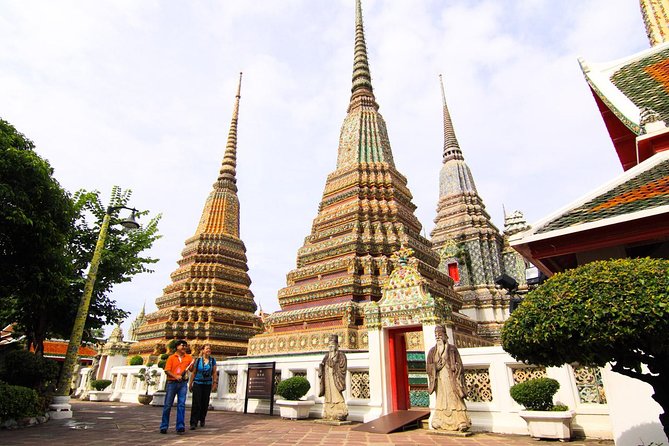
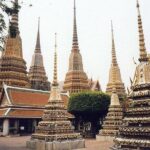
The tour then includes an older royal monastery established during the Ayutthaya era. Even if you’re not a temple-spotting fanatic, this is the part that widens your view of Bangkok’s timeline.
Chinatown is often associated with trade and migration stories, but this stop grounds you in older state-backed religious traditions. You start to see how Bangkok layers eras on top of each other, and how different communities shaped the city’s spiritual geography.
From a practical standpoint, these monastery stops are also good “pause points.” They give you a chance to slow your pace, look carefully, and reset before you head deeper into the neighborhood’s final stretch.
Zhou Si Kong Shrine by the Chao Phraya: Luck, Health, and Year-Round Strength
The last major cultural stop is Zhou Si Kong Shrine, an old shrine along the Chao Phraya River in the Talat Noi area, aged around 200 years. It’s described as a place for worship and prayer for good luck, good health, no illness, and strength throughout the year.
This is one of those stops where you should let the guide set the tone. Shrines like this aren’t just “things to photograph.” They’re active places connected to beliefs people still care about. You’ll likely see people treating the site as part of daily or yearly hopes.
If you’re respectful and observant, this becomes one of those moments where Bangkok feels personal, not touristy.
Street Food Tastings: What You’re Likely to Get and How to Handle It
This tour includes tastings of popular Thai street food, and that’s one of the most praised parts of the experience. Many guides on this route are especially good at connecting the food to the culture—how dishes reflect Chinese-Thai influences, regional habits, and local preferences.
A few review details help you set expectations. Guides like Nam, Jimmy, Tony, Bobby, Kim, Bass, Den, and Dan are mentioned for being engaging and for guiding people to food stalls where you can sample multiple items. One clear pattern: the tour doesn’t treat food as an afterthought. It’s planned into the path.
What you should do before you go:
- Have a light meal earlier, not a full feast. Food tastings can add up.
- Expect that the guide will steer you toward what to order or taste next.
- Be ready for the mix of flavors typical of Chinatown: salty, sweet, herbal, and sometimes spicy.
What to watch out for: the tour is a walking night route with crowded lanes. If you get overwhelmed by crowds, you’ll want to stay patient at the food moment—move when instructed, not when you feel like it.
The Guides: Why Storytelling Is the Real Ticket Value
The tour’s strongest ingredient isn’t the streets. It’s the guide’s ability to turn streets into explanations. The reviews describe guides as passionate and engaging, with attention to comfort and pacing. For example, Tony is praised for kindness and for stepping in when someone struggled with the heat. That tells you something important: a good guide isn’t just reciting facts; they read the group.
You’ll also see names like Nam and Dan tied to engaging storytelling and showing people little streets off the usual path. Den and Dan are credited with navigating Chinatown gems and pointing out hidden signs people would otherwise miss.
So when you book, think of yourself as buying a local translator for the neighborhood. You’re not just paying for walking. You’re paying for someone to connect gold trade history, temple culture, market lanes, and street food into one coherent night.
How Crowds and Comfort Play Out on a Two-Hour Walk
At around 2 hours, the pace usually feels lively. Chinatown night can get crowded, especially around market lanes and tasting spots. A maximum of 99 people means you might not feel alone, but you also won’t have a tiny-group experience.
Comfort tip: wear shoes you trust. You’re on uneven sidewalks and narrow lanes. If you’re sensitive to heat, plan to hydrate before the tour. The route starts at 6:30 pm, but Bangkok evenings can still feel warm.
Also note: headphones aren’t included, so if you rely on audio support, plan accordingly. Most of the value here is face-to-face guide interaction anyway, but a quiet tech helper would still be nice. You’ll just have to work with your ears and your guide’s volume.
Who Should Book This Tour (and Who Might Skip It)
You should book if you want:
- A structured Chinatown walk with history and context
- Street-food tastings built into the route
- A night plan that ends where you started, with about 2 hours total time
You might skip if:
- You only want major landmark entry tickets (entry fees aren’t included)
- You dislike busy lanes and don’t like crowd flow
- You prefer food-only tours or museum-only tours
This tour hits a sweet spot for first-timers who want orientation fast and for repeat visitors who enjoy learning new angles—especially around Talat Noi and the river-side shrine stops.
Should You Book Bangkok: Chinatown By Night Walking Tour?
If you’re spending time in Bangkok and you want a night activity that doesn’t feel like a random wander, I think this is a smart buy. At $15 for about 2 hours, you’re getting expert storytelling, a guided route through community, religion, markets, and architecture, plus street-food tastings. The value is strongest if you like learning what you’re seeing, not just taking photos.
Book ahead if you can. It’s a popular slot—often booked about 9 days in advance—and with a max group size of 99, earlier tends to mean smoother planning.
FAQ
How long is the Bangkok Chinatown By Night walking tour?
It lasts about 2 hours.
How much does the tour cost?
The price is $15.00 per person.
Where and when does the tour start?
It starts at Hua Lamphong Rong Muang, Pathum Wan, Bangkok 10330, Thailand, with a start time of 6:30 pm. The tour ends back at the meeting point.
Is street food included in the tour?
Yes. The tour includes tastes of popular Thai street food as you walk.
Are entry fees to attractions included?
No. Entry to attractions is not included.
Are headphones provided?
No. Headphones are not included.
Do I need a mobile ticket?
Yes. The tour uses a mobile ticket.
Can I cancel and get a full refund?
Yes. You can cancel up to 24 hours in advance for a full refund.