REVIEW · BANGKOK
Silom Thai Cooking School with Fresh Market Tour
Book on Viator →Operated by I Asia Thailand · Bookable on Viator
Market smells and hot pans, then dinner you made. This Bangkok stop turns Thai cooking into a do-it-yourself session at Silom Thai Cooking School, with morning, afternoon, or evening options and a small class size (up to 10). If you pick the morning, you also get a fresh market visit where you learn what to buy and how to choose it.
I like two things a lot here. First, the class format is built for actual hands-on cooking, not watching. Second, you leave with a recipe book and the kitchen know-how to repeat dishes like pad thai and tom yum back home.
One thing to think about: you need to make your way to the school yourself, and the exact dishes can change, so don’t count on a single fixed lineup every day.
In This Review
- Key Highlights That Matter
- How the 3-Hour Class Works in Practice (and Why the Size Feels Right)
- Fresh Market Tour in Morning Sessions: Shopping for Flavor First
- Inside Silom Thai Cooking School: A Clean Setup With Clear Steps
- Five Dishes From Scratch: The Real Skill You Take Home
- Meal Time and the Recipe Book: Cooking Practice That Actually Lasts
- Price and Logistics: Is $58.67 Good Value in Bangkok?
- Best Time to Go and Who Should Book This Class
- Should You Book Silom Thai Cooking School With Fresh Market Tour?
- FAQ
- Is hotel pickup included?
- How long is the cooking class?
- Is the fresh market visit included for every session?
- How many people are in each class?
- Are vegetarian dishes available?
- What time should I arrive for the morning market visit?
Key Highlights That Matter
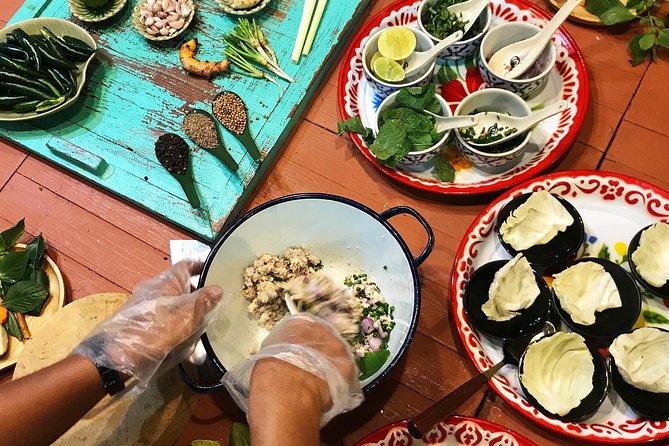
- Up to 10 people means more attention while you cook
- Morning market visit helps you understand Thai ingredients before heat hits the wok
- Five dishes from scratch teaches core flavors and techniques, not just one recipe
- Recipe book included so you can cook again instead of just remembering
- Fun, patient instructors are a big part of the experience
How the 3-Hour Class Works in Practice (and Why the Size Feels Right)
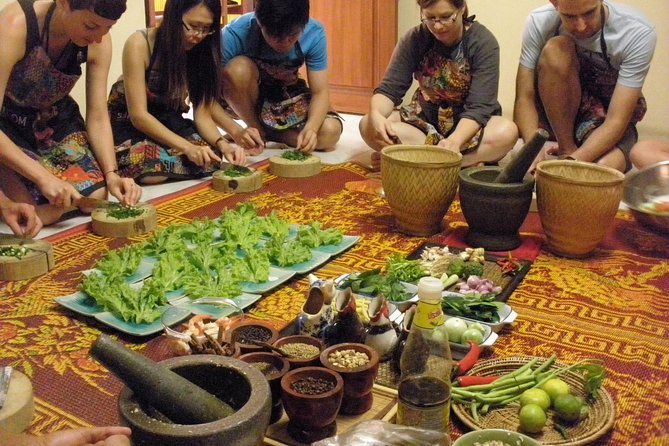
Silom Thai Cooking School runs a roughly 3-hour cooking session, and the class cap is 10 participants. For Bangkok, that’s the difference between a rushed, assembly-line class and one where you can actually ask questions while your hands are busy. You’ll be guided by chefs/instructors through the process, and the pace is friendly for both beginners and people who can already chop a few things without panicking.
You’ll also notice the course structure is designed around flow. The cooking happens in a hands-on setup, and the meal is part of the finish. Several details in the experience point to a well-organized kitchen rhythm: food prep, then cooking, then eating, with your work area kept ready for the next dish. That matters because Thai cooking often stacks tasks fast, especially once sauces and aromatics start going.
A practical note that affects your day: there’s no hotel pickup. You meet at the school at เลขที่ 6/14 Decho Rd, Khwaeng Suriya Wong, Khet Bang Rak, 10500, and the tour ends back at that point. The school is described as near public transportation, so you should plan to use transit or a short ride-share rather than waiting for someone to collect you.
Finally, remember that the menu and courses can change. You might see familiar dishes like pad thai or tom yum, but the full five-course lineup isn’t guaranteed the same way every time.
You can also read our reviews of more shopping tours in Bangkok


Fresh Market Tour in Morning Sessions: Shopping for Flavor First
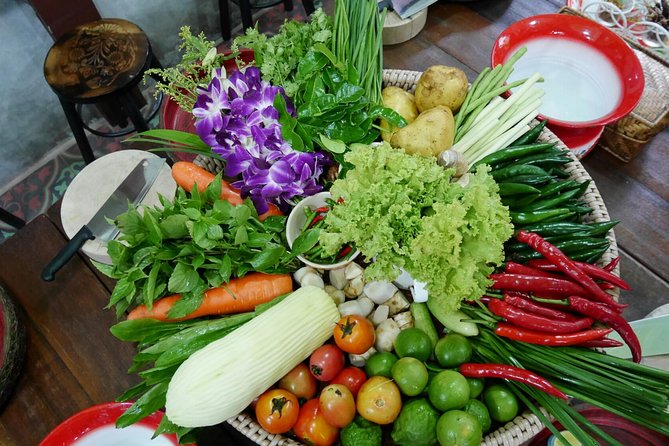
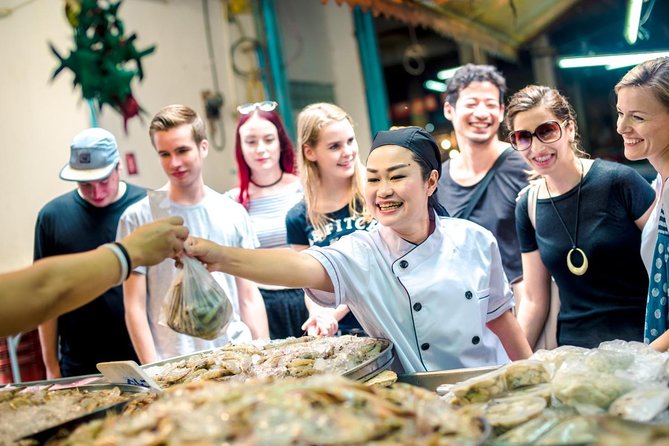
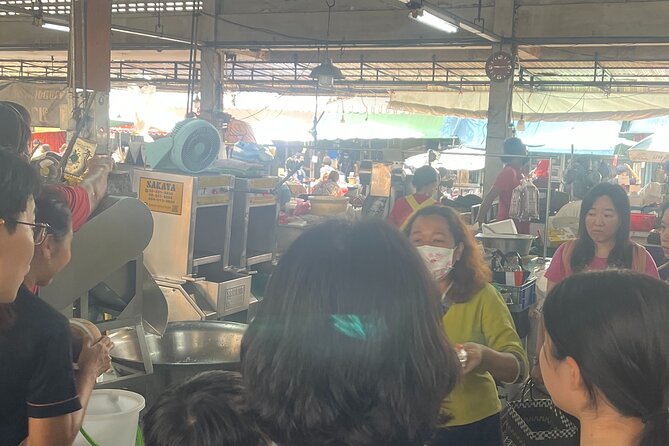
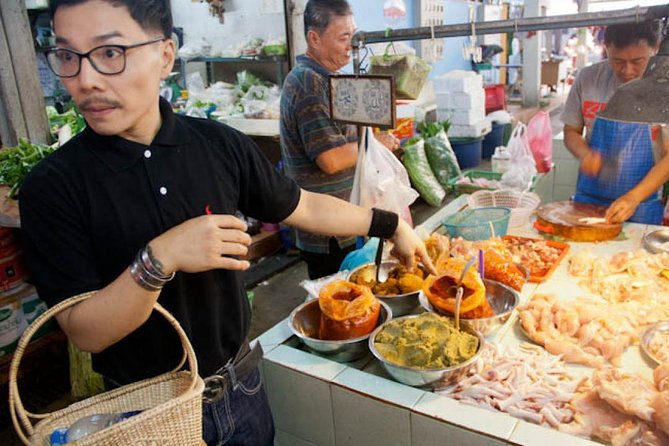
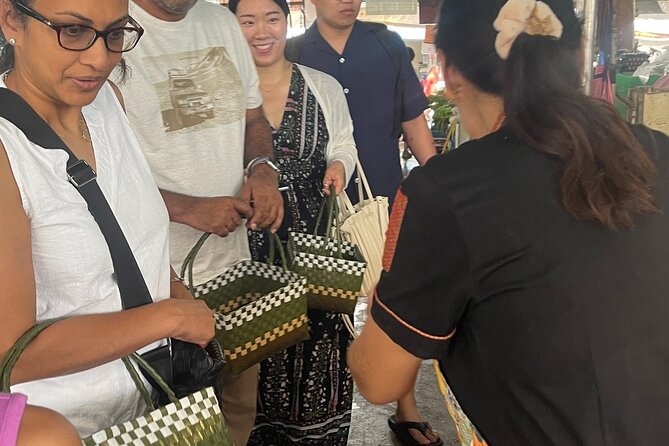
If you choose the morning class, you’ll start with a fresh local market visit. The value here isn’t just sightseeing. You learn how to choose ingredients correctly, which is how Thai food tastes like Thai food instead of like “something spicy on noodles.”
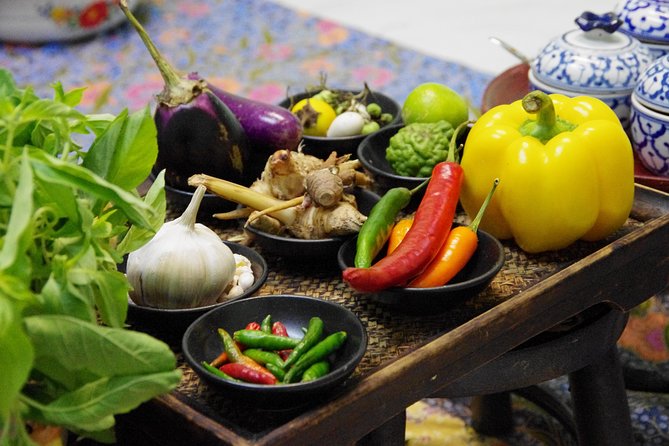
During the market time, you’re taught what ingredients are used in Thai cuisine and how to select them. That matters for things like fresh herbs, aromatics, and fruit—elements that are hard to substitute once you’re back home. Some classes also include small tasting moments, with fruit tasting showing up in feedback, which is a fun way to connect flavors to the dishes you’ll cook later.
Timing is important. For the morning session, you should arrive between 8:30 and 8:45 a.m. since grouping for the market starts at 8:45 a.m. The latest time to join is 9:05 a.m., because the market visit is already in progress. If you arrive later, you stay at the school until the group returns. That’s not a punishment; it’s just how they keep the market plan moving without leaving people behind.
If you’re doing Bangkok planning, I recommend building in extra buffer time for getting there. Markets run on a schedule, and Thai cooking is full of ingredients that move quickly from fresh to prepared. Arrive on time and you’ll enjoy the day more.
Inside Silom Thai Cooking School: A Clean Setup With Clear Steps
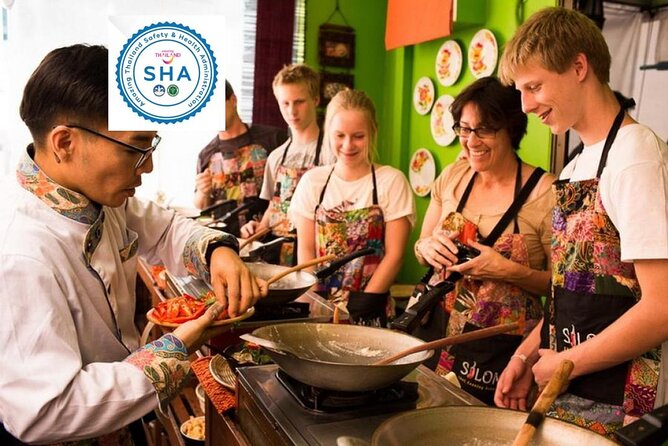
Once you reach the school, you start cooking at the Silom location with chefs guiding you through each course from scratch. The experience is designed to feel structured, even if you’re not a confident cook.
From the setup described in feedback, the kitchen uses separate areas for different stages: cooking/prep happens in one place, and then there’s a clear eating area afterward. That sounds small, but it’s huge for comfort. You’re not juggling your dirty hands over the dining table, and your next dish doesn’t get staged too early or too late. It keeps the session moving in a way that feels calm.
Equipment is described as clean and comfortable, which is exactly what you want when you’re handling sauces, pastes, and chopped herbs. Also, you’ll notice a recurring theme: instructors are patient and explain details in a way that makes the steps doable. In different experiences, instructors named Ju, Nuy, Jewel, Choochoo, and Toom are mentioned as especially fun or funny, which tells me the class leans toward learning-by-doing, not rigid lecture.
If you’re worried about language, you’ll be glad to know instruction is described as having good English. You still shouldn’t expect a full “cook with me” script for every single step, but the teaching is clearly paced so you can follow along.
One more practical thought: Thai food can include real chile heat. In feedback, someone mentioned crying from the chili at one point, which is a reminder to be honest with your tolerance and let the instructor know if you want adjustments.
Five Dishes From Scratch: The Real Skill You Take Home
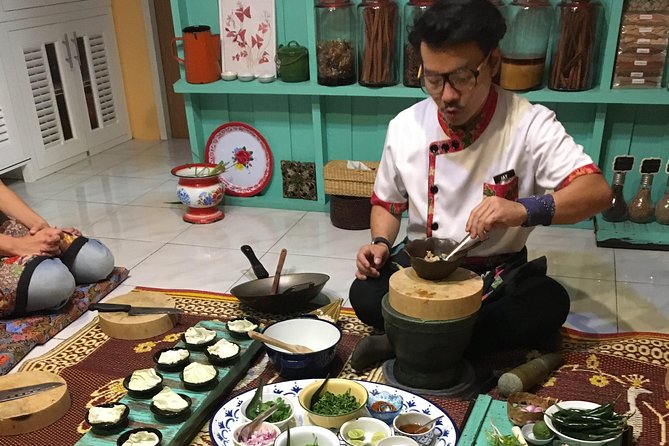
The big promise is five classic Thai dishes, each made from scratch. The exact dishes can change, but the examples that come up in feedback show the kind of range you’ll likely cook: noodles, soup, curry, salads, and rice-and-sweet finishers.
Common dishes you may see include:
- Pad Thai (noodles)
- Tom Yum (sour, spicy soup)
- Thai Green Curry
- Som Tum (papaya salad)
- Sticky Mango Rice
Other details show up too, like making coconut milk from shaved coconut (or at least working directly with coconut-based components). That kind of ingredient-to-dish practice is where you learn technique, not just recipe steps.
Here’s why this matters for value. A lot of cooking classes teach one thing well. This one teaches a broader set of core flavors:
- how Thai soups build layers of sour, salty, and aromatic notes
- how curry balances creamy with pungent and spiced
- how salads rely on acid, crunch, and herb brightness
- how noodle sauces and stir-fry timing affect taste and texture
- how sweet finales work with sticky rice and mango
Even if you only remember one dish perfectly, the underlying method helps you understand the rest.
Don’t be surprised if the class feels like “one dish leads to the next.” That’s part of the craft. You’re learning how Thai kitchens keep ingredients organized and workflows efficient, which is why the class tends to run smoothly and why your work area may stay prepared for whatever’s next.
Meal Time and the Recipe Book: Cooking Practice That Actually Lasts
The best part of any cooking class is the moment you eat. Here, you eat what you cook, sitting down after each course process is done. The payoff is immediate: the meal isn’t an extra side attraction. It’s the reason you sweated through chopping and stirring.
You’ll also get a recipe book included. That’s one of the most underrated parts of the experience. Without a take-home recipe, you’re left trying to recreate smells and texture from memory. With a recipe book, you can reproduce the dish later and adjust to your own kitchen setup.
Feedback also mentions small extras after finishing, including souvenirs and special items in some cases. Those are not the reason to book, but they add a nice “I did this, and it mattered” feeling at the end of the session.
And the instructor style seems to be a key ingredient. Several people call out humor and patience—examples include instructors described as very funny or great with beginners, and others who were patient with kids. If you’re the type who needs a little laughter to relax while cooking, this class likely fits.
Finally, keep expectations realistic: you’ll learn a lot, but it won’t make you a Thai chef in three hours. What it does do is give you a strong foundation and repeatable recipes for some of Thailand’s most recognizable dishes.
A few more Bangkok tours and experiences worth a look





Price and Logistics: Is $58.67 Good Value in Bangkok?
At $58.67 per person for an approximately 3-hour class, this pricing feels fair when you look at what’s included. You’re getting:
- cooking instruction for a small group
- five dishes cooked from scratch
- all ingredients
- the meal (eat what you cook)
- a recipe book
- and, if you book morning, a fresh market visit (evening excludes the market)
The main cost you’re not getting is convenience: there’s no hotel pickup and drop-off. If you’re staying far from Silom Thai Cooking School, you’ll spend time and money getting there on your own. Still, because the school is described as near public transportation, that cost is manageable.
So who does this class represent best? People who want more than dinner. If you like learning how flavors build, and you want a practical way to bring Thailand home, the price becomes easier to justify. If you only want a quick meal, you might be better off eating at a good Thai restaurant instead.
Dietary needs are another part of value. A vegetarian option is available, and you’re asked to notify the team about restrictions when booking. That’s important for peace of mind, especially with Thai cuisine where fish sauce and shrimp paste can appear in many recipes.
Best Time to Go and Who Should Book This Class
You can pick morning, afternoon, or evening. Here’s the simple way to choose:
- Morning: best if you want the market visit and ingredient shopping lesson. Arrive between 8:30 and 8:45 a.m. for the best chance to join on time.
- Afternoon/evening: good if you prefer cooking only. The market visit is excluded for the evening class, so you’ll start at the school and move into cooking.
This is also a class that works well for different travel styles. Solo travelers are fine here; the class size and instruction structure makes it easy to join without needing a group of friends. Families can work too, since feedback describes the class as kid-friendly and patient, with even a small gift for children in one experience.
If you’re a chili-spotter who hates heat, be upfront. Real Thai cooking often uses chiles, and at least one person had a strong reaction. An instructor-led class is still one of the safest places to ask for adjustments, because you can get help while the recipe is being built.
If you’re shopping your Bangkok schedule, this is the kind of activity that beats the usual “walk, photo, forget.” You’ll go home with recipes, and your brain will have a map of ingredients and techniques.
Should You Book Silom Thai Cooking School With Fresh Market Tour?
Book this if you want a hands-on Bangkok Thai cooking class that teaches more than just one dish. The standout value is the combination of small group cooking, a full five-course session, and a recipe book you can use later.
Skip it (or at least think twice) if you need major convenience like hotel pickup, because you’ll be traveling to the school yourself. Also consider that the menu can change, so if there’s one dish you’re obsessed with, check ahead when you book.
If you like learning by doing and you enjoy market-to-kitchen connections, this is a solid choice that gives you a real skill to take home, not just a full stomach.
FAQ
Is hotel pickup included?
No. Hotel pickup and drop-off are not included. You meet at the Silom Thai Cooking School address and the tour ends back at the meeting point.
How long is the cooking class?
The class runs about 3 hours (approx.).
Is the fresh market visit included for every session?
No. The fresh local market visit is included for the morning session, and it is not included for the evening class.
How many people are in each class?
Classes are limited to a maximum of 10 participants.
Are vegetarian dishes available?
Yes. A vegetarian option is available, and you should notify the provider when booking if you have dietary restrictions.
What time should I arrive for the morning market visit?
For the morning session, arrive between 8:30 and 8:45 a.m. Grouping for the market starts at 8:45 a.m. The latest time to join is 9:05 a.m. If you arrive later, you stay at the school until the group returns.