REVIEW · BANGKOK
Local Life, Culture & Food Walking Tour at Chinatown
Book on GetYourGuide →Operated by Plan Vacation Asia Co.,Ltd · Bookable on GetYourGuide
Chinatown makes sense when someone local walks you. I like the small-group feel here, and I love how the guide turns alleys, markets, and temples into a clear story you can actually remember, with standout guides like Sunee and JoJo showing that kind of energy. You’ll also get Thai-Chinese street food tastings that feel practical, not staged.
One thing to plan for: this is a lot of walking on narrow lanes, and it’s not suitable for wheelchair users. You’ll also want to travel light since luggage or large bags aren’t allowed.
Odeon Circle orientation to start your bearings fast
Talad Noi streets with real community context
Temple and shrine stops focused on customs and meanings
Thai-Chinese street food tastings like crispy pork belly and dumplings
Small-group pacing with lots of time for questions
In This Review
- Getting Started at MRT Wat Mangkon and Odeon Circle
- Small-Group Walking That Lets You Ask Real Questions
- Talad Noi Backstreets: Where Everyday Life Still Dominates
- Markets That Smell Like Daily Work (Herbs, Crafts, and Color)
- Thai-Chinese Street Food Tastings: What’s Included and What to Watch
- Shrines and Incense: Understanding How People Seek Blessings
- Old Chinese Architecture and Hidden Temples Off the Main Streets
- Rain or Shine Logistics: Comfort Tips That Actually Matter
- Price and Value: Why $75 Can Make Sense Here
- Who Should Book This Bangkok Chinatown Walk?
- Should You Book This Chinatown Tour with a Local Expert?
- FAQ
- What does the tour include?
- What food is included in the tastings?
- Where does the tour start?
- How long is the tour?
- Is transportation included?
- Does the tour run in rain?
- Are dietary restrictions accommodated?
- What should I bring?
- Is luggage allowed?
- What languages are available?
- Is it suitable for wheelchair users?
Getting Started at MRT Wat Mangkon and Odeon Circle
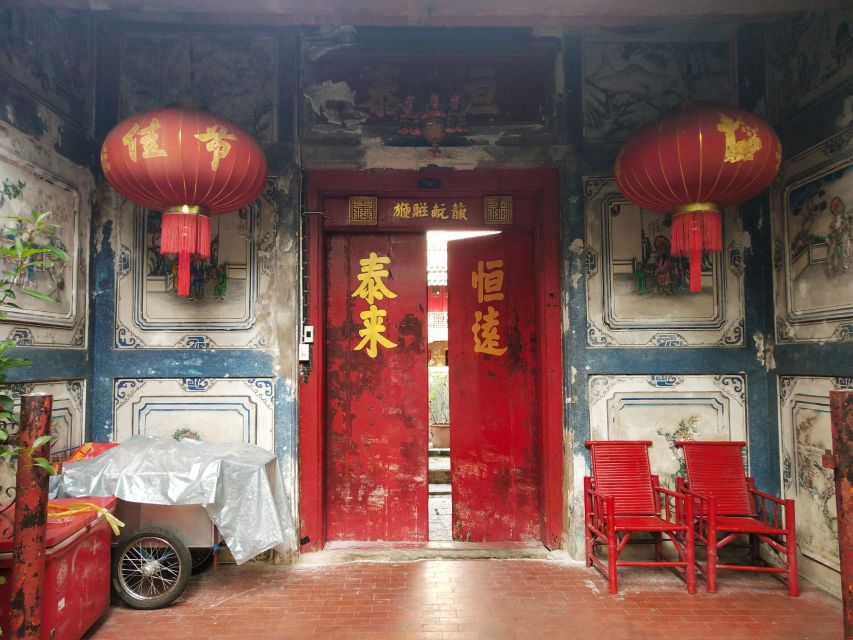
Your tour meets at the MRT Wat Mangkon station (Exit 1), at the Plaeng Nam intersection area near 3 Plaeng Nam Rd, Samphanthawong. I recommend arriving about 10 minutes early so you can check in, settle your shoes, and avoid that last-minute scramble that happens in busy Bangkok streets.
Once you’re gathered, the walk kicks off at the Odeon Circle, described as a grand entrance to Chinatown life. This start matters because it gives you a mental map before you get shoved into the flow of markets and back streets. A good guide won’t just point; they explain. That’s what you’re paying for: turning a confusing neighborhood into a place that feels readable.
Expect a steady start with stories about Chinatown’s past and how Chinese immigrants shaped what you see today. It sets the tone for the rest of the walk, especially once you start noticing the mix of Thai and Chinese cultural details in shop signs, shrines, and architecture.
Small-Group Walking That Lets You Ask Real Questions
A big reason this tour works is the group size. It’s built as a mini group, so you’re not shouting over a pack or stuck watching the guide from the edge of the sidewalk. The advantage is simple: you can ask the questions you actually care about, whether that’s food ingredients, temple etiquette, or why certain businesses cluster where they do.
The vibe you’ll likely notice is personal. In real tours with guides like Kaew, guests report the guide answering questions patiently and adjusting the route to interests. That flexibility is rare on standard group walks, and it shows up in how the tour feels—more like you’re with someone who lives nearby, not just someone with a script.
Just know the tradeoff: you’ll be moving. This isn’t a sit-down experience. If you prefer to rest between stops, bring a small bottle of water from outside the tastings (extra drinks aren’t included).
You can also read our reviews of more walking tours in Bangkok
Talad Noi Backstreets: Where Everyday Life Still Dominates
After the initial orientation, the walk shifts into narrow lanes and everyday neighborhoods—especially around Talad Noi, described as the oldest Chinese-Thai community in Bangkok. This is where you stop seeing Chinatown as a single destination and start seeing it as a lived-in area with routines, shops, shrines, and community spaces.
You’ll feel the scale of history in small things: the way people navigate side passages, the presence of religious sites tucked into blocks, and the way older shophouses frame street life. You’ll also hear stories tied to early settlers who made homes along the Chao Phraya River, shaping the district’s identity over centuries. Even if you’re not a history buff, the story helps you connect visual details to human reasons.
A practical note: these streets can be crowded and uneven. You’ll want sturdy, comfortable shoes. A light pace helps, but it’s still a walking tour through real neighborhoods, not a curated promenade.
Markets That Smell Like Daily Work (Herbs, Crafts, and Color)
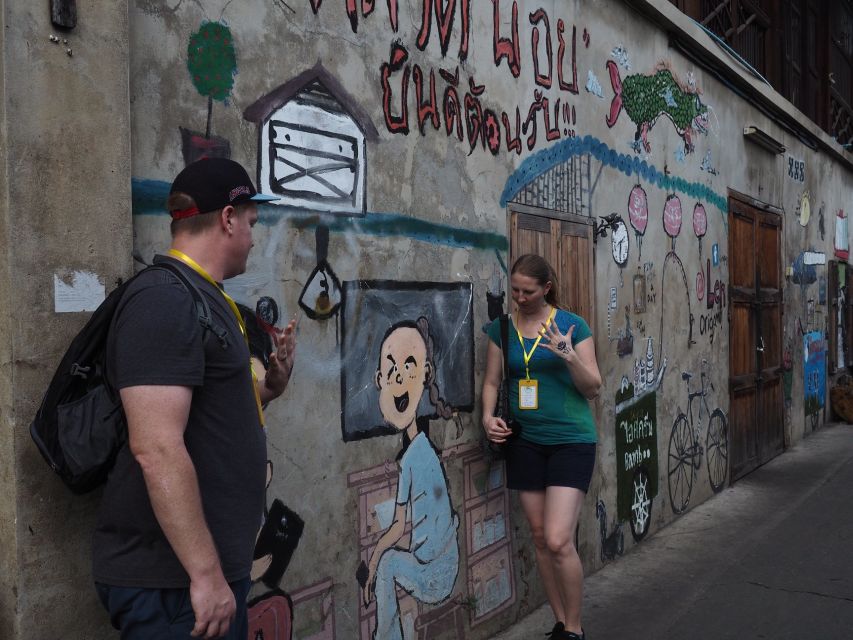
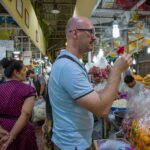
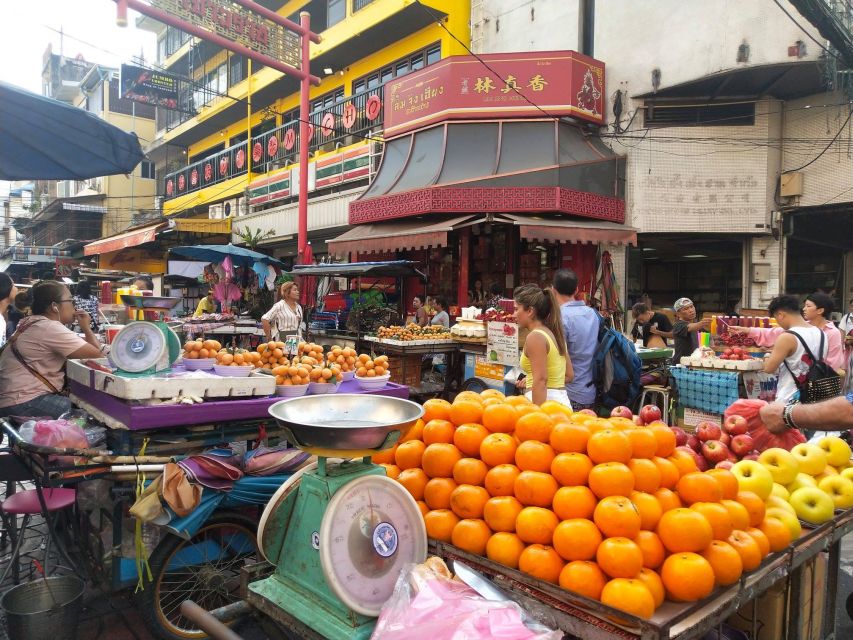
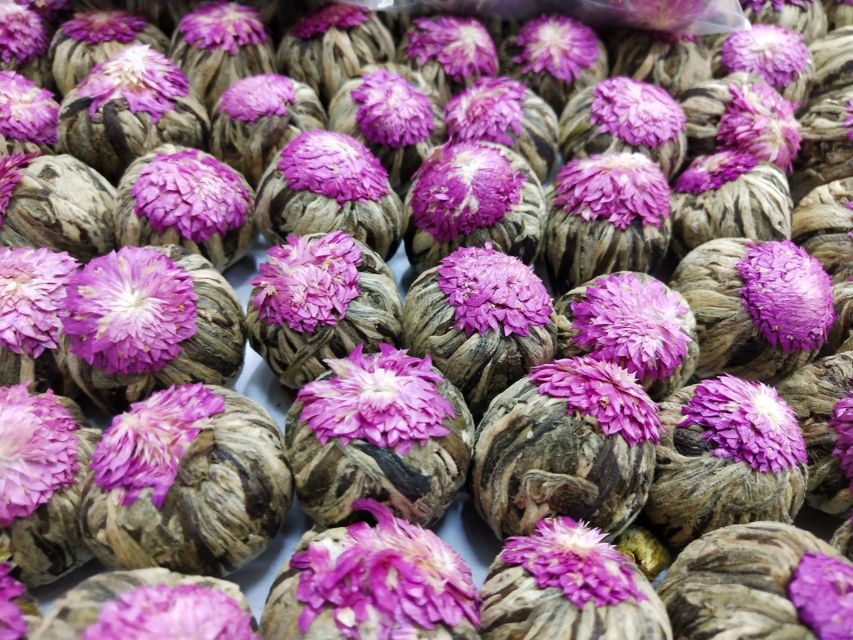
One of the most fun parts is moving through lively markets with everything from herbal remedies to colorful trinkets. This isn’t just browsing. The guide uses the market as a classroom, showing how people buy for daily use—and how Chinese-Thai culture shows up in products, language habits, and the kinds of stalls that stay alive over time.
As you walk, you’ll likely notice the rhythm: stalls opening and closing, vendors calling out, and shoppers mixing with people on errands. If you like street-level observation, this portion delivers. It’s also where photo opportunities naturally pop up—signage, incense, faces at work, and the contrast between small alleys and wider market streets.
If you’re hoping to shop, keep expectations realistic. Personal shopping or souvenirs aren’t included. But the upside is that you’ll understand what you’re looking at, so you can come back on your own later with better instincts.
Thai-Chinese Street Food Tastings: What’s Included and What to Watch
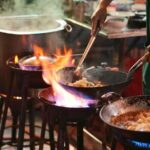
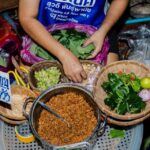
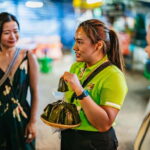
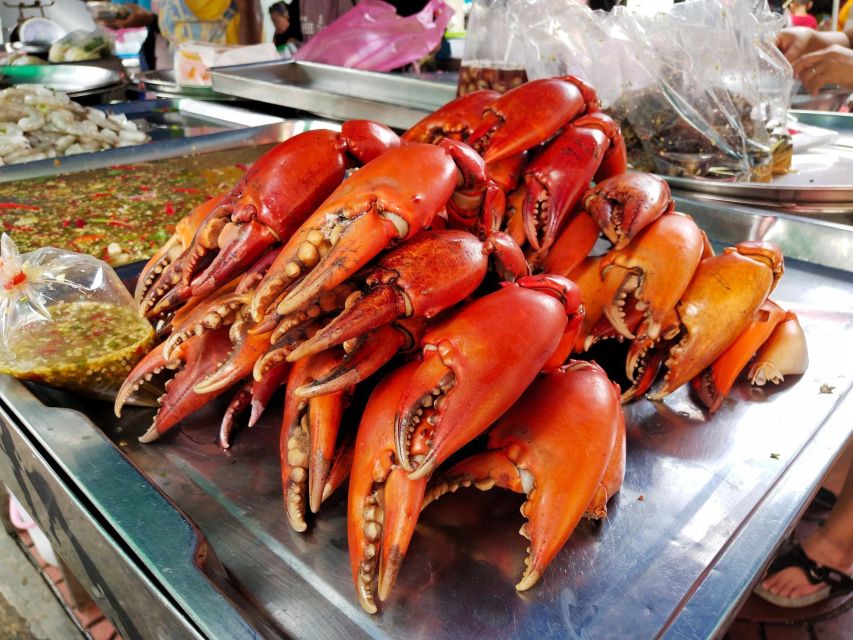
The food stops are a core reason many people book this tour. The tastings include Thai-Chinese street food such as crispy pork belly, handmade dumplings, and herbal teas. That trio hits both savory and comforting sides of Chinatown snacking, while the teas connect you to the herbal shop culture you’ve been walking through.
Here’s how to get the most out of the tastings. Go slow. Ask what’s in each dish if the guide offers details, and pay attention to textures. Crispy pork belly is one thing, but the sauce, seasoning balance, and portion size matter for how the dish fits into local eating habits. Same with dumplings: they’re not just a snack; they’re a food system.
Also, remember what’s not included. Additional food or drinks beyond the tastings are on you. If you’re a big eater, plan a real meal after the tour. If you’re a light eater, the tastings may feel satisfying but still not like a full dinner.
If you have dietary restrictions or allergies, tell the operator in advance. The tour encourages you to share those needs before you go, and you’ll be happier if the guide has time to plan around you.
Shrines and Incense: Understanding How People Seek Blessings
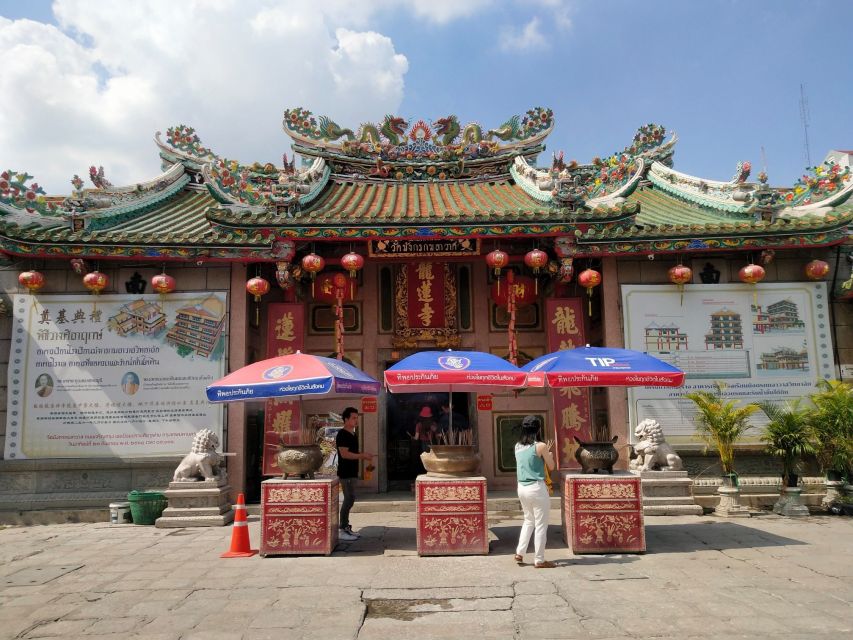
You’ll visit shrines adorned with incense and gold, and the guide explains how locals pay respects and seek blessings. This part is worth more than just sightseeing. It helps you watch what happens without turning it into theater.
When a guide explains etiquette—where people stand, how incense is handled, and why certain images or symbols matter—you stop feeling like you’re interrupting something. Instead, you understand that you’re walking through a space that’s actively used.
A good sign that this tour will treat temples and shrines with care is how guides like Kaew or Sunee are described: patient, tuned in to guest comfort, and good at making cultural practices understandable without turning them into a lecture.
Still, be respectful. Keep your pace smooth, avoid blocking pathways, and follow any instruction you’re given on-site. It’s a working religious environment as much as it’s a cultural landmark.
You can also read our reviews of more food & drink experiences in Bangkok
Old Chinese Architecture and Hidden Temples Off the Main Streets
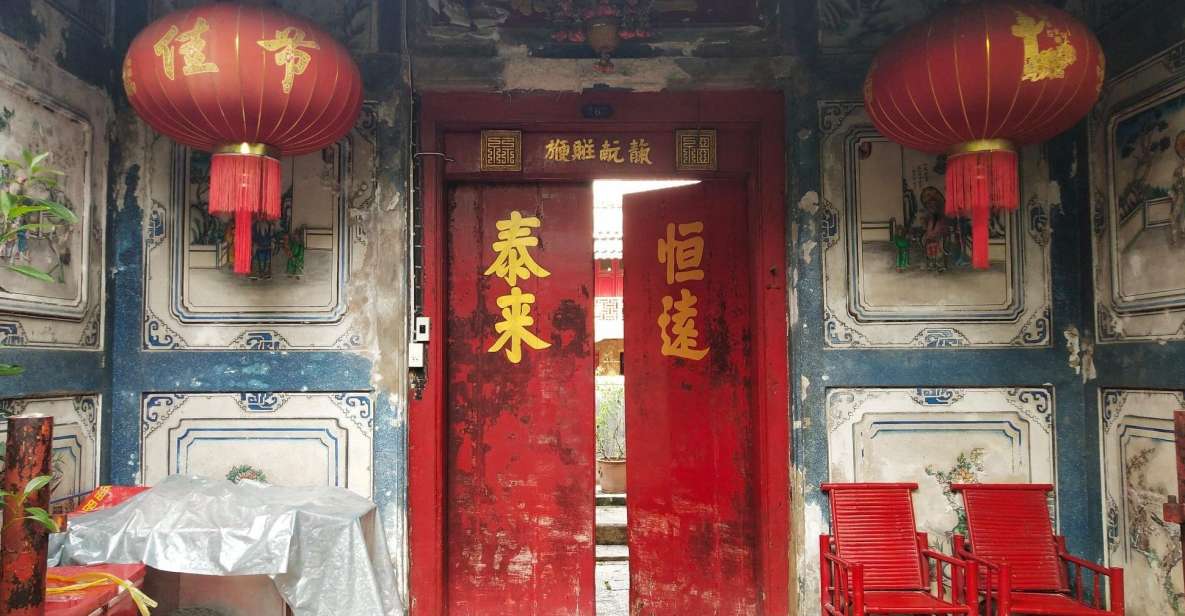
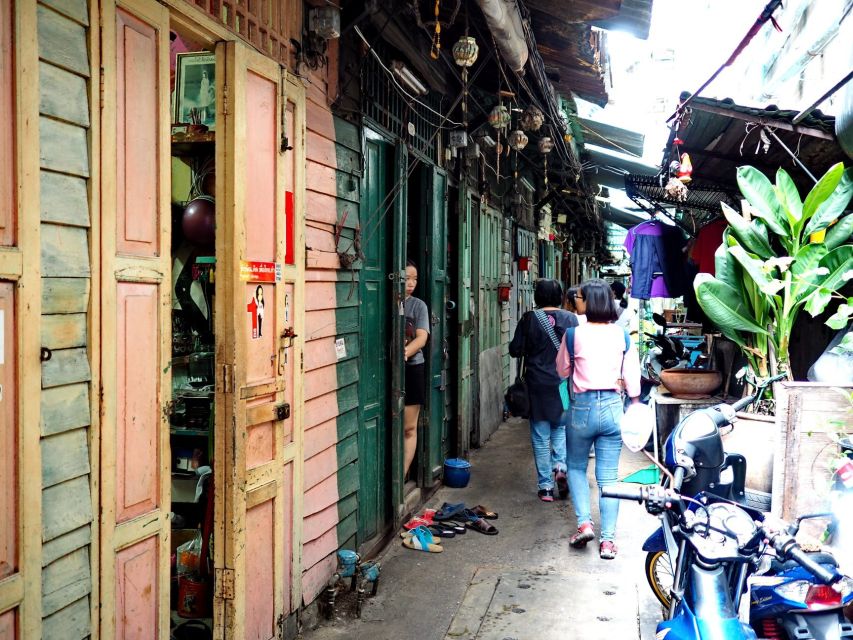
As you continue, you’ll pause to admire old shophouses with distinctive architecture. This is one of those details that becomes more meaningful once the guide ties it to community life—who built these spaces, how businesses operated, and why certain districts took root in the way they did.
The walk continues toward hidden temples and community spaces that few visitors seem to find on their own. That’s the real value of having a local guide here: you’re not just ticking boxes. You’re seeing the kind of places that exist for neighbors, not tour groups.
This portion can also be a highlight if you like smaller-scale discovery. One tour account even mentions secret passages and what daily living looks like inside older wood-made houses. While that’s not guaranteed as a specific highlight for every run, it matches the tour’s overall aim: get you into the neighborhood texture, not just the famous photo spots.
If you’re prone to getting tired, pace yourself here. The tour is designed to keep moving, but your energy level will affect how much you enjoy the quiet side streets.
Rain or Shine Logistics: Comfort Tips That Actually Matter
The tour runs in rain or shine, so plan accordingly. Bring an umbrella or raincoat. Bangkok rain can switch fast, and you’ll want to stay comfortable without losing momentum.
Because luggage or large bags aren’t allowed, travel light. A small day bag is the safest bet. Also, the tour isn’t suitable for wheelchair users, which usually means the terrain and stairs or uneven surfaces could be an issue.
The simplest gear advice: wear comfortable shoes you’ve already broken in. You’ll be on foot for a while, and the streets can be uneven. If you pack blister prevention, do it. Your future self will thank you.
Price and Value: Why $75 Can Make Sense Here
At $75 per person, the price lands in the mid-range for Bangkok tours. What makes it feel reasonable is what’s included: a local expert guide, historic temple and shrine visits, market and backstreet exploration, insider cultural stories, and small-group attention. You’re also getting photo opportunities built into the walk and tastings that include multiple food items and herbal tea.
What’s not included is also clear: transportation to and from the meeting point, and extra snacks or drinks beyond the tastings. If you plan your day so that you’re already near MRT Wat Mangkon, you’ll feel the value more. If you’re relying on long taxi rides just to meet, your true cost goes up.
For value, the real deciding factor is the guide. Several tour accounts mention guides customizing the walk, answering questions warmly, and even offering helpful extras like fans. That kind of attention is hard to quantify until you’re in the street. The small-group structure is what makes that possible.
Who Should Book This Bangkok Chinatown Walk?
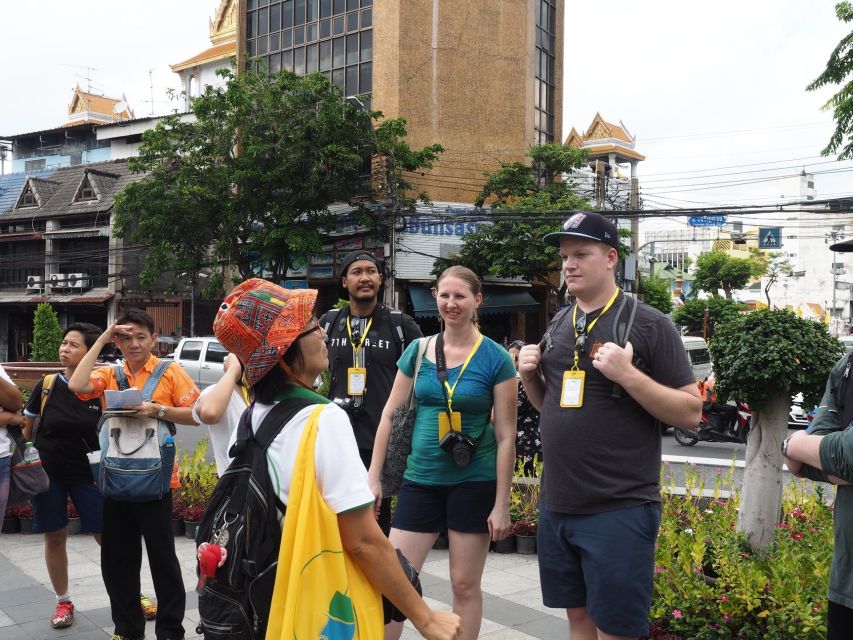
This tour fits best if you want food plus culture, and you like learning by walking rather than sitting in a museum. It’s also a good match for solo travelers and people who want an easy way to meet a local voice and ask questions on the spot.
You’ll probably enjoy it if you like:
- Thai-Chinese street food tastings that are part of the culture, not just a sample tray
- temple and shrine context (how and why people do things)
- older shophouse architecture and backstreets with everyday life
It may be less ideal if you hate crowds or long walks, because the routes go through busy market lanes and narrow alleys. It’s also not suitable for wheelchair users.
If your idea of Chinatown is only the biggest, most famous sights, this tour will feel more local and less checklist-y. That’s the point.
Should You Book This Chinatown Tour with a Local Expert?
If you want Chinatown to feel understandable, not overwhelming, I’d book it. The combination of small-group guidance, temple and shrine context, and Thai-Chinese tastings makes it a strong use of a few hours in Bangkok. And because the guide is positioned to answer questions and adjust to your interests, it tends to feel personal rather than generic.
Skip it only if you’re looking for a low-walking, luxury-style experience, or if you need wheelchair accessibility. Otherwise, arrive rested, wear good shoes, and come ready to watch, taste, and ask.
FAQ
What does the tour include?
You get a guided walking tour with a local expert, visits to historic temples and shrines, exploration of lively markets and backstreets, insider stories and cultural insights, small-group attention, and photo opportunities with unique local encounters. Food tastings are also included.
What food is included in the tastings?
The tour tastings include Thai-Chinese street food such as crispy pork belly, handmade dumplings, and herbal teas.
Where does the tour start?
The tour starts at MRT Wat Mangkon station, Exit 1, at the Plaeng Nam intersection (3 Plaeng Nam Rd, Samphanthawong, Samphanthawong, Krung Thep Maha Nakhon 10100, Thailand).
How long is the tour?
The exact duration isn’t provided in the information you shared, but it’s a walking tour that returns to the meeting point.
Is transportation included?
No. Transportation to and from the meeting point isn’t included.
Does the tour run in rain?
Yes, the tour runs in rain or shine, so bring an umbrella or raincoat.
Are dietary restrictions accommodated?
You should let the operator know in advance if you have dietary restrictions or allergies.
What should I bring?
Wear comfortable shoes. Bringing an umbrella or raincoat is also recommended since it runs in rain or shine.
Is luggage allowed?
No. Luggage or large bags aren’t allowed.
What languages are available?
The tour is available in English and German.
Is it suitable for wheelchair users?
No, it’s not suitable for wheelchair users.