REVIEW · KO TAO
Koh Tao: PADI Premium Open Water Diver Course
Book on GetYourGuide →Operated by Ocean Sound Dive + Yoga · Bookable on GetYourGuide
Koh Tao makes certification feel human. This PADI Open Water course on the Gulf of Thailand is built for complete beginners, with calm, clear reef water and an internationally recognized license by the end. I also like that you get all gear plus an underwater computer rental, and you leave with photos and videos of your training.
Logistics are the main tradeoff: there’s no hotel pickup, and you also can’t fly the same day you finish. So you’ll want a buffer evening on Koh Tao.
In This Review
- Key details that make this course feel well run
- Why Koh Tao for PADI Open Water in 3 Days
- 17:30 Orientation: paperwork, gear try-on, and e-learning in your language
- Day 1 Pool Training 8:00–13:00: skills that make you feel in control
- Day 2 Classroom 10:00–12:00 and two shallow ocean sessions 12:00–17:00
- Day 3 Morning reef outings and certification up to 18 meters (7:40–12:00)
- Instructors and small-group safety: David, Ana, Irene, Nick, and Les
- What you’re really getting for $353: equipment, computer rental, insurance, and media
- Meeting point and what to bring (so you don’t lose time)
- Health notes you must take seriously (swimming test, conditions, and the flight rule)
- Who should book this Koh Tao Open Water course
- Should you book this Koh Tao PADI Open Water course?
- FAQ
- Is online theory included in the PADI Open Water course?
- What’s included in the course price?
- Do I need to be able to swim?
- How deep will I be able to go after the course?
- Can I fly right after finishing the course?
- Where do I meet for the course?
Key details that make this course feel well run
- Small groups (often about four people) for real coaching time
- Pool first, then ocean training, so skills don’t feel random
- Photos and videos included, not just a vague memory download
- Instructors praised by name for calm safety focus (David, Ana, Irene, Nick, Les)
- The price bundles the basics: materials, certification fees, equipment, computer rental, and insurance
Why Koh Tao for PADI Open Water in 3 Days
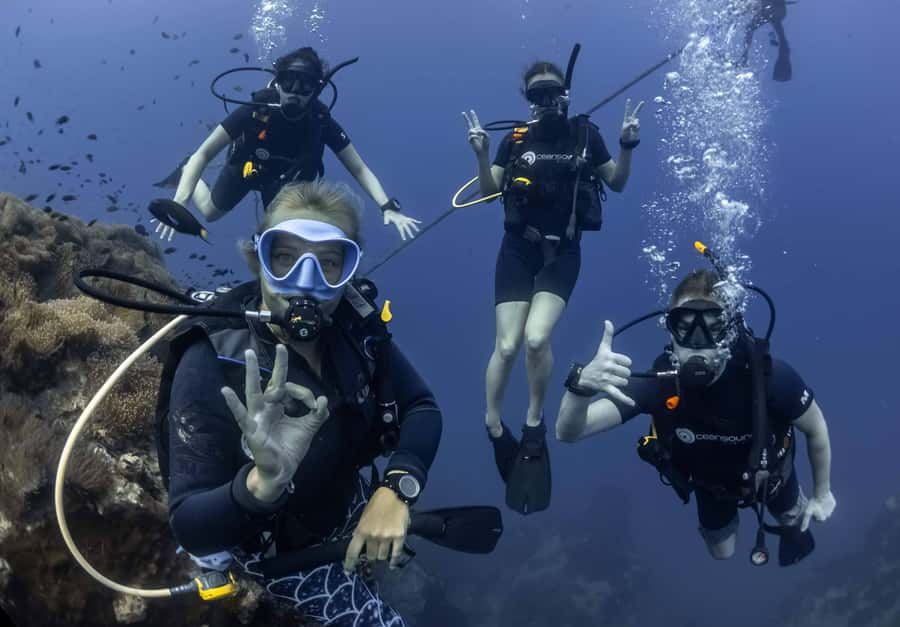
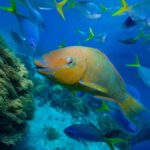
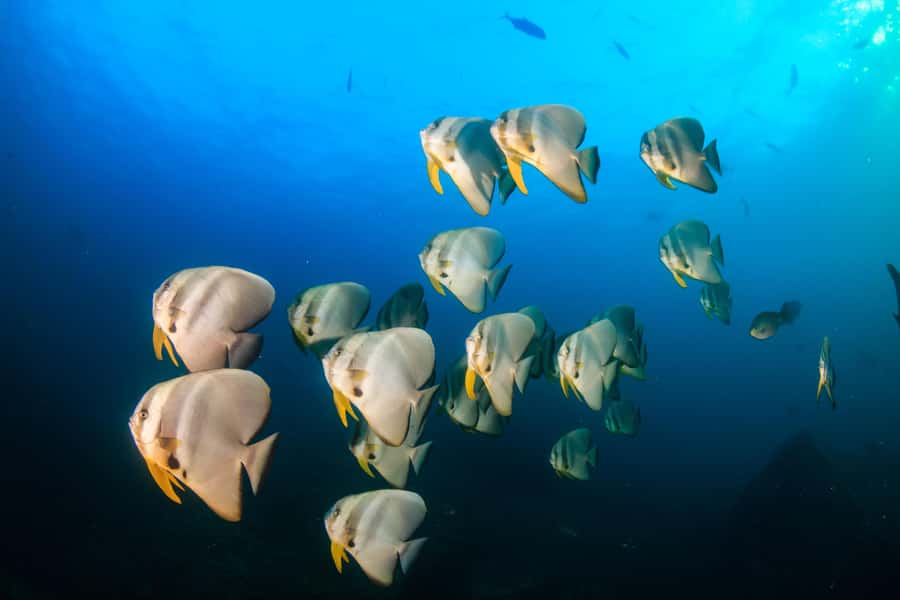
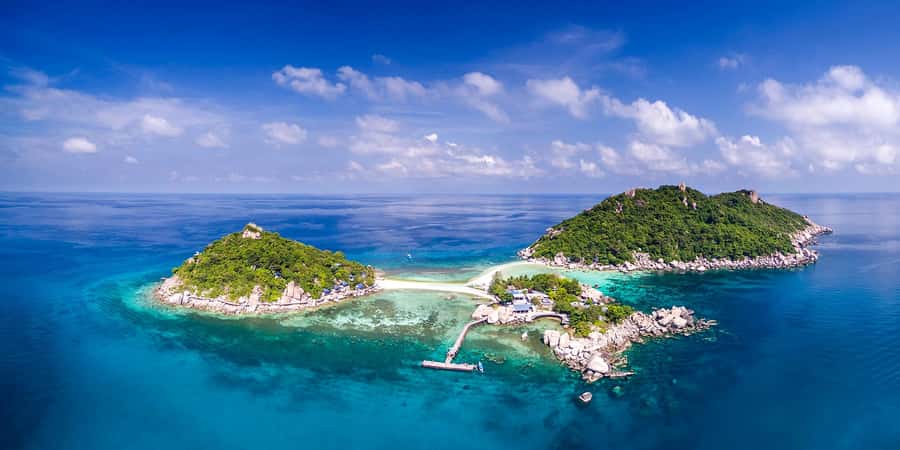
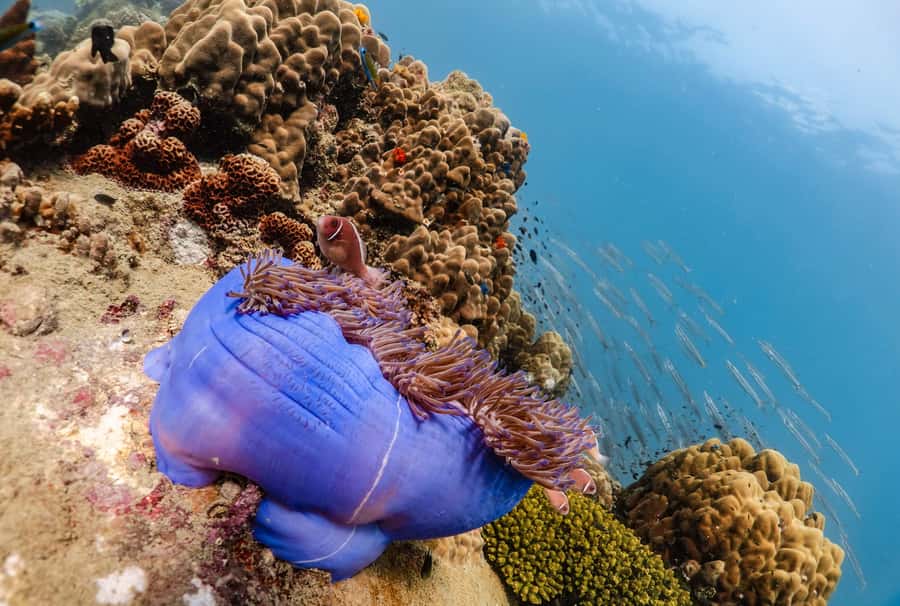
Koh Tao is one of the easiest places in Thailand to learn scuba for real. You’re training in the Gulf of Thailand on coral reefs that are known for being clear and lively, which makes the whole experience feel rewarding instead of purely technical.
This PADI Open Water Diver course is designed to take you from no experience to certified status in about 2.5 days of actual water work, wrapped inside a 3-day schedule. Once certified, you’ll be able to explore underwater up to 18 meters anywhere in the world—so it’s not just a holiday activity you forget next week.
What I like most is the structure. You don’t jump straight into open water without practice. You build comfort first, which is exactly what you want when you’re learning buoyancy, breathing, and basic safety habits for the first time.
You can also read our reviews of more tours and experiences in Ko Tao.
17:30 Orientation: paperwork, gear try-on, and e-learning in your language
Your course start time is the orientation window, 17:30–18:00. That first block is about getting your paperwork done, trying on the equipment, and starting the PADI e-learning component.
You’ll do the theory online at your own pace, in your language. That matters because it lets you absorb the course content without rushing through it in a classroom that’s already scheduled for later.
Also, you’re taught by English-speaking instructors. So if you’re comfortable with English explanations, you’ll feel right at home. If you arrive later than the orientation start, you just need to let them know so they can arrange what happens next.
Day 1 Pool Training 8:00–13:00: skills that make you feel in control
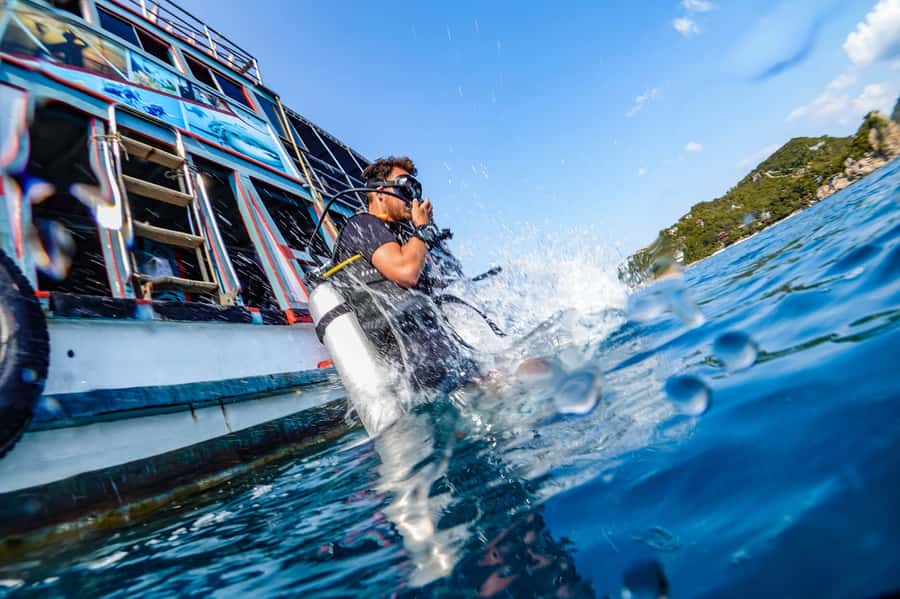
Day one is a pool session from 8:00 to 13:00, and that’s where the confidence gets built. This is where you practice the essential skills you’ll need later, plus you get comfortable using the scuba gear before you ever go into the sea.
I like that the pool training is long enough to do more than a quick “try it once” lesson. In the feedback I saw, people consistently point to the patience and step-by-step coaching. That’s a big deal when you’re learning gear setup, breathing rhythm, and movements that can feel strange in water at first.
Practical tip: plan on a long morning. Come fed and hydrated, not sleepy and hungry, because you’ll focus better and your buoyancy practice will go smoother when your body isn’t fighting your energy levels.
Day 2 Classroom 10:00–12:00 and two shallow ocean sessions 12:00–17:00
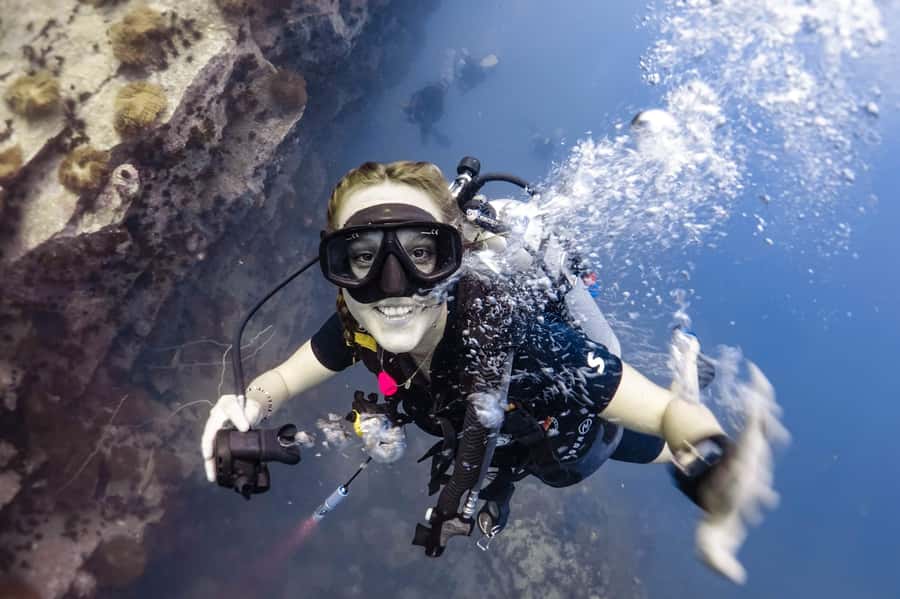
Day two starts with classroom time 10:00–11:00, then you have a lunch break 11:00–12:00. After that, the real momentum begins with two shallow ocean sessions 12:00–17:00.
These shallow sessions are about confidence. You’re not trying to impress anyone with speed; you’re working through the core skills while conditions are controlled. It’s also where your instructor can fine-tune your comfort—things like how you manage breathing, how you equalize pressure, and how you keep calm while following cues.
One pattern in the teaching style shows up again and again: instructors are praised for being supportive without turning the lesson into a panic fest. People who felt nervous described feeling safe because the coaching stayed clear and the pace stayed sensible.
If you’re the kind of person who gets anxious in new environments, tell your instructor early. That’s not a weakness; it’s a gift to your training. You’ll get adjustments and extra help where you need it.
Day 3 Morning reef outings and certification up to 18 meters (7:40–12:00)
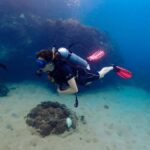
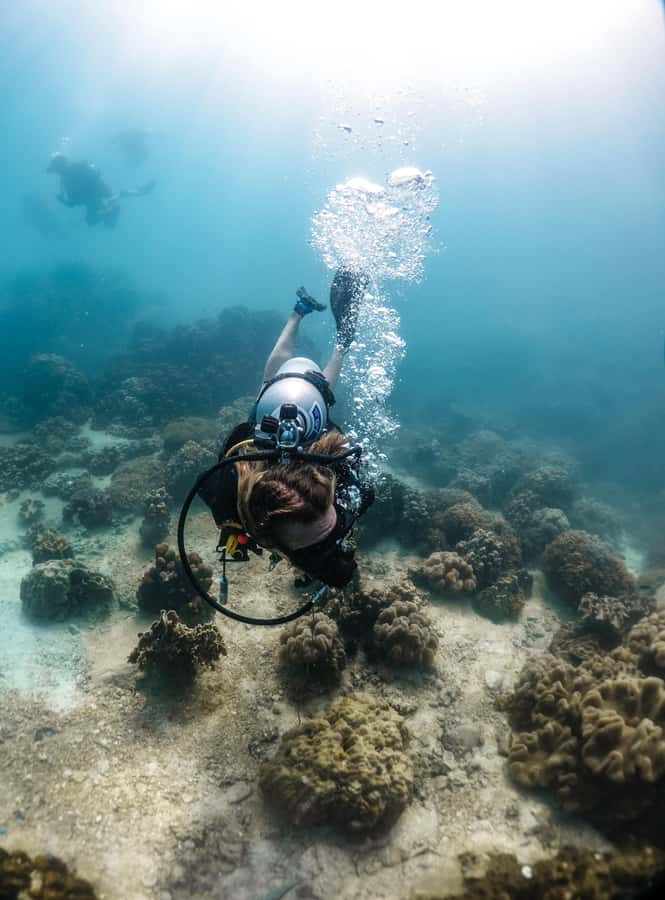
Day three starts early, with two more ocean sessions 7:40–12:00. This is when your training turns into reef exploration, applying everything you practiced in pool and classroom.
You’ll go to top Koh Tao reef locations and build the kind of comfort that makes the underwater world feel normal. The course targets certification by the end, meaning you’re not just “doing a fun day.” You’re completing the skill set required for the PADI Open Water standard, and you’ll be certified to explore up to 18 meters.
A nice touch: you get photos and videos of your course. So if you’re worried you’ll forget what you did underwater (first-time divers often do), you’ll still have a visual record when you’re back on dry land.
And yes, there’s one timing rule you need to respect: you can’t fly on the day you finish. You must wait 18 hours after your last underwater session. That’s the kind of thing that affects your whole vacation schedule, so plan ahead.


Instructors and small-group safety: David, Ana, Irene, Nick, and Les
What makes this experience stand out is the coaching tone. People consistently describe instructors as patient, calm, and professional, with clear explanations and supportive check-ins.
You’ll see names pop up in the feedback: David, Ana, Irene, Nick, and Les. Across different students, the theme stays the same—skills are taught in a way that reduces stress, not in a way that creates pressure.
There’s also a strong safety focus. One example I noted from the feedback: a student had a panic moment underwater, and the instructor handled it calmly—resetting the situation and bringing the diver back to control quickly. That’s the kind of real-world confidence you want in an instructor, not a scripted “everything will be perfect” vibe.
Other helpful details that show up:
- Extra help with gear for people with physical limitations
- Time given for equalizing ear pressure comfortably
- Small-group attention so you’re not just another number
My advice to you: watch for whether your instructor explains the “why,” not just the “do this.” When you understand what you’re doing and why, you stop fighting the water and start working with it.
What you’re really getting for $353: equipment, computer rental, insurance, and media
At $353 per person, the headline question is always: is this price too good to be true? In this case, it’s closer to the opposite. The cost is meaningful, but it’s bundled in a way that protects you from surprise add-ons.
Here’s what’s included:
- PADI Open Water certification
- Underwater insurance for the course
- All equipment plus underwater computer rental
- Photos and videos from your training
- PADI materials in your language
- Certification fees
- One pool session for comfort and skill-building
- Four open-water sessions at Koh Tao reef sites
So you’re paying for the full training package: teaching, gear access, the program materials, and the certification process. If you’ve priced this kind of trip before, you know the budget can get messy fast when you add equipment rental, training days, and certification fees separately. This format avoids that.
Another value factor: you’re in a place where the learning environment is part of the package. Koh Tao’s reputation for beginner-friendly conditions means you’re spending your time on skill-building, not constantly fighting bad visibility or rough conditions.
Meeting point and what to bring (so you don’t lose time)
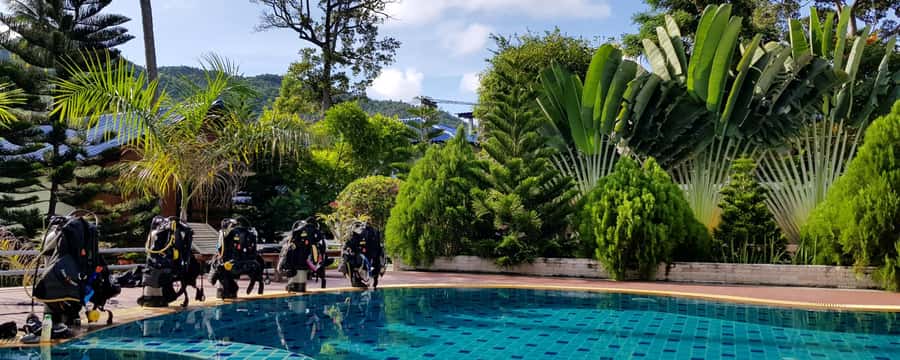
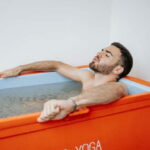
You meet at Ocean Sound Dive + Yoga, opposite the 7-Eleven. Look for the blue sign and PADI flags.
To keep things smooth, bring:
- Swimwear
- A towel
- A reusable water bottle
Keep it simple. You don’t need a beach bag full of gadgets for your first day. The course setup already handles the important gear pieces, so your job is to show up ready to learn and stay comfortable.
If you get motion sick easily, you might want to plan your land-time hydration and rest well. The schedule can feel packed, especially on day two when classroom and both ocean sessions run back-to-back.
Health notes you must take seriously (swimming test, conditions, and the flight rule)
This course is not for everyone, and that’s actually a good thing. You should know the boundaries before you commit.
You must already be able to swim, and that ability is tested during the course. If you can swim but get winded fast, it’s worth practicing basic stamina before you arrive.
If you have chronic conditions like asthma or blood pressure, contact them for guidance. You may be able to dive after getting medical clearance beforehand, but you need that step rather than guessing.
Also not suitable:
- Children under 10
- Pregnant women
- Non-swimmers
And remember the flight rule: you must wait 18 hours after the day you finish before flying. This is the kind of detail that can wreck an itinerary if you book flights without a buffer.
Who should book this Koh Tao Open Water course
I’d point you toward this course if you want:
- A PADI Open Water certification without prior experience
- A learning setup that takes safety seriously and coaches nerves through the process
- Included gear, training insurance, and a computer rental
- A small-group vibe that lets instructors give real attention
You might skip it if:
- You can’t swim or you’re worried you’ll fail the swimming test
- You need to fly immediately after finishing
- You’re pregnant
- You have health conditions and don’t want to do the clearance steps
Should you book this Koh Tao PADI Open Water course?
If you’re choosing between “something cheap” and “something complete,” this course leans toward complete. The price makes sense because it bundles the stuff that usually adds up later: equipment, certification fees, insurance, and media from your training.
Book it if you want a calm, structured start to scuba and you like the idea of small-group attention. The consistent message from the instructor approach is that you won’t be left to figure things out alone—whether you’re steady from day one or you’re learning how to breathe and stay relaxed underwater.
Don’t book it if your schedule leaves no room for the 18-hour flight wait, or if swimming ability is a concern. In those cases, you’ll be stressed before you even start, and the whole point of a beginner course is to reduce stress, not add it.
FAQ
Is online theory included in the PADI Open Water course?
Yes. The theory part is done online using PADI e-learning, and you can complete it at your own time in your language.
What’s included in the course price?
The package includes PADI Open Water certification, insurance, all equipment, underwater computer rental, photos and videos, and the course materials and certification fees.
Do I need to be able to swim?
Yes. All students must be able to swim, and your swimming ability is tested during the course.
How deep will I be able to go after the course?
The course certification allows you to explore underwater to 18 meters.
Can I fly right after finishing the course?
No. You cannot fly on the day you finish, and you must wait 18 hours after diving.
Where do I meet for the course?
You meet at Ocean Sound Dive + Yoga, opposite the 7-Eleven, near the blue sign and PADI flags.